
Review · KYOTO
Kyoto: Wazuma Magic Show & Tea Ceremony
Kyoto’s Wazuma show is not a standard stage act. It is a close-up performance of a 1,000-year-old Japanese illusion tradition, presented in a quiet Gion tea room with only your group in the room. I like the rare cultural setting and the way the magic happens almost within arm’s reach. I also like the calm half-hour matcha session that follows, giving the experience a graceful finish rather than a quick exit.
The main consideration is the price: $77 per person for one hour is a serious spend. The room has just six seats, so you are paying for privacy and a highly focused performance, not a long program. Wheelchair users should also note that this activity is not suitable for them.
Key points at a glance
- A 1,000-year-old art: Wazuma is a traditional Japanese illusion style recognized by Japan as intangible cultural heritage, with fewer than ten masters still performing it.
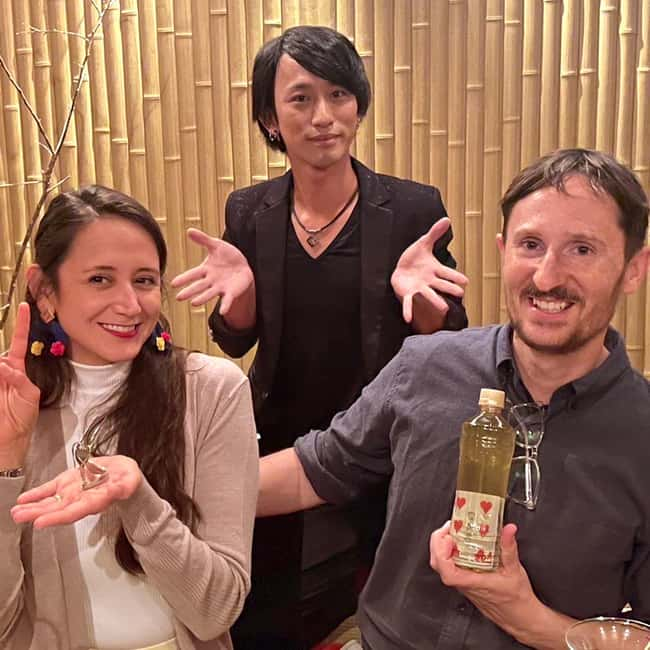
- Only six seats: The small tea room keeps the action close and gives your private group the full space.
- Two-part format: You get 30 minutes of magic followed by 30 minutes of Uji matcha with English guidance.
- Personal and theatrical: The magic is performed close enough for you to take part in some sleight-of-hand acts.
- A quiet Gion setting: The venue is in a traditional tea room down a discreet Kyoto alley, away from the feel of a large show venue.
- Best for a special hour: At $77 per person, this suits visitors who value rarity, privacy, and cultural detail more than a low-cost activity.
Entering a private Gion tea room
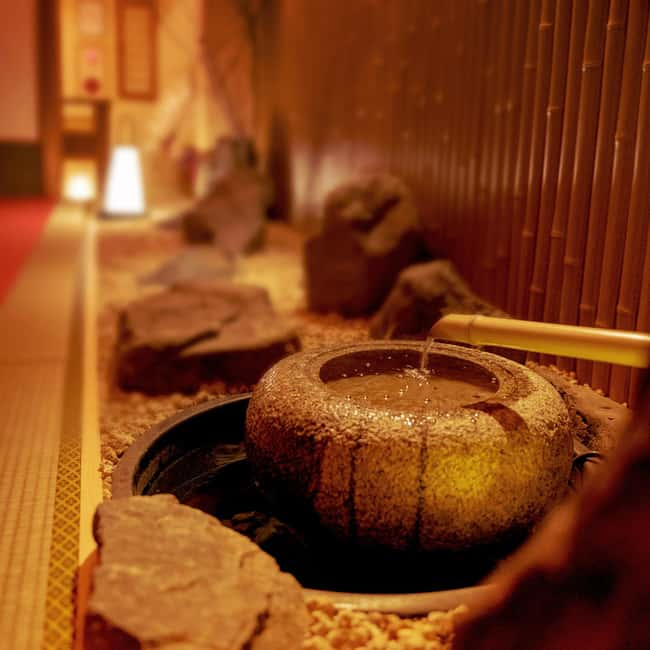
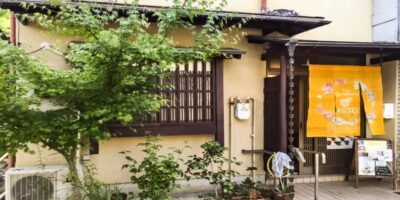
The experience begins at a traditional tea room in Kyoto’s Gion area. A staff member waits in front of the building five minutes before the meeting time, which matters in Gion, where small entrances and quiet side streets can be easy to miss. This is not a venue where you simply wander in and join a large audience. The show is reservation only, and the room is set aside for one private group.
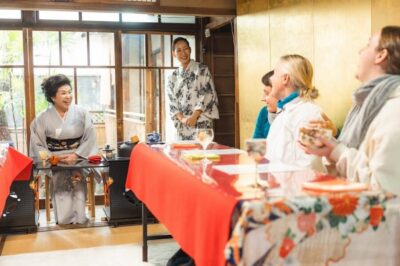
The space has only six seats. That number tells you a lot about the experience. You are not sitting in a theater several rows from the action. You are in a small salon-like room where every movement is visible, and the performance can be shaped around the people present.
The setting is part of the appeal. The room and its arrangement have been praised for their beauty, but you should not expect an elaborate tourist production with bright lights or a large stage. The charm comes from restraint: a traditional room, a small audience, and an old art presented at close range.
Arrive five minutes early. The show is only an hour from start to finish, so late arrival can affect the opening. One person who arrived late found the guide accommodating, but that should not be treated as a plan. In a small room, even a short delay is more noticeable than it would be at a big theater.
More Tea Ceremonies in Kyoto
- Kyoto: Tea Ceremony in a Traditional Tea House in Kiyomizu
★ 4.9 · 3,519 reviews - Kyoto: Tea Ceremony Ju-An at Jotokuji Temple
★ 4.9 · 3,207 reviews - Kyoto: 45-Minute Tea Ceremony Lesson Experience
★ 4.3 · 2,378 reviews
Thirty minutes of Wazuma magic
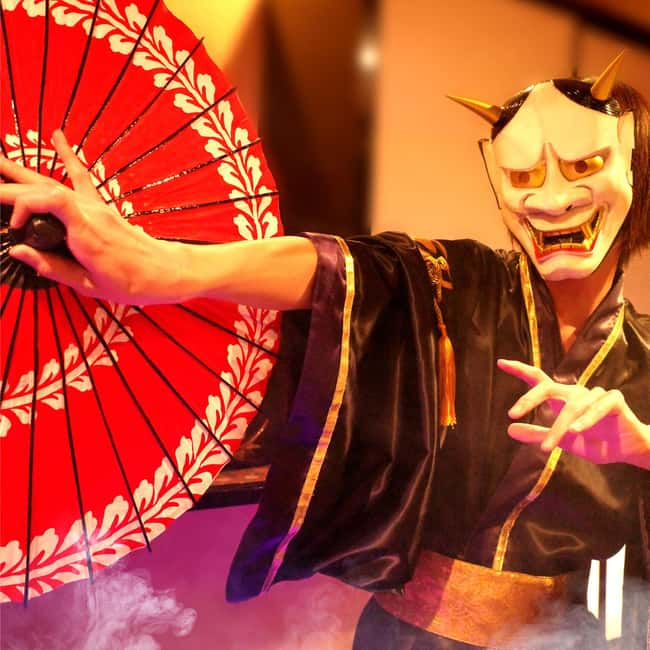
The first half is a 30-minute performance of Wazuma, a Japanese illusion tradition said to reach back 1,000 years. It is recognized in Japan as intangible cultural heritage, and fewer than ten masters are said to continue the tradition. That scarcity gives the performance more weight than a typical magic show.
The magic is performed very close to you. Several parts are interactive, and you may become part of the sleight-of-hand rather than simply watching from your seat. The distance creates a pleasant problem: you can see the hands clearly, yet the method remains difficult to catch.
That close view is one of the strongest reasons to book. The performance does not depend on a grand stage, a large cast, or loud effects. Instead, it relies on controlled movement, timing, personality, and the tension of seeing something happen directly in front of you.
The performers connected with the experience include Tamaki and Masaya. The available information does not assign a specific role to each person, so your exact host or performer may vary. English support is provided, which helps you follow the cultural background and instructions without needing Japanese.
You should expect the show to feel theatrical as well as traditional. The performance has personality, and the small room lets the magic land immediately. It is especially well suited to couples, friends, or families who enjoy being involved rather than sitting quietly through a formal demonstration.
Flash photography is not allowed during the performance. That rule protects the mood and keeps bright flashes from interrupting the performer or other people in the room. If taking photographs is central to your plans, you will need to treat this as a time to watch rather than document.
A small souvenir or memento may be given at the end of the performance. That detail is not the main reason to book, but it adds a pleasant physical reminder of an unusual hour in Kyoto.
Why the close-up format matters
Magic is often less convincing when you are told to admire it from a distance. Here, the opposite is true. The tiny audience makes you inspect each gesture, which turns the performance into a shared puzzle between your eyes and the performer’s hands.
I also like the cultural frame. You are not being shown a generic card routine in a hotel lounge. The experience presents Wazuma as an old Japanese performing art, then places it in a traditional tea room. That connection gives the show a sense of place.
Still, the cultural background should not be overstated. The activity lasts 30 minutes, and the supplied details do not promise a long lecture on the history of Wazuma or a museum-style explanation of every object used. If you want an extended historical talk, this is probably too short. If you want to see a rare performance tradition in an intimate setting, the length works well.
The small room can also feel intense for people who prefer to observe anonymously. You may be asked to take part in an act, and the performer is close enough to notice your reactions. That is a strength for many people, but a consideration if you dislike audience participation.
Thirty minutes with Uji matcha
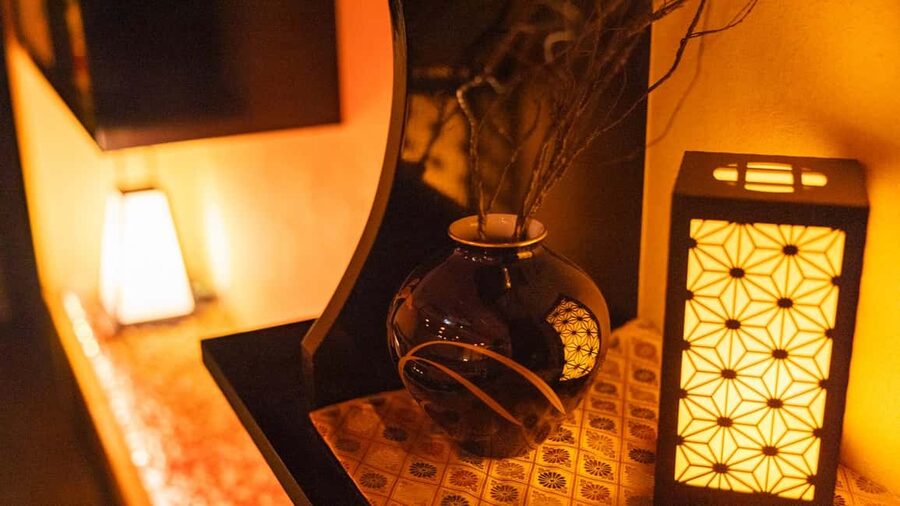
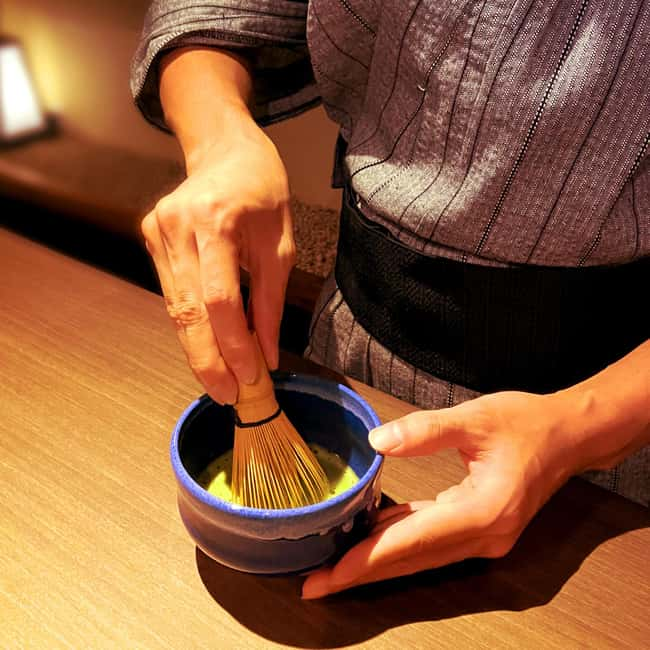
After the magic, the mood changes. The second half is a 30-minute tea time centered on Uji matcha, whisked and served with English guidance.
This is not a separate full-length tea ceremony. It is a compact tea experience designed to follow the show. The shift from surprise and laughter to a quiet bowl of matcha gives the hour a useful rhythm. You get the excitement first, then time to slow down and appreciate the room.
Uji, near Kyoto, is one of Japan’s best-known tea-producing areas. The activity specifically uses Uji matcha, and the tea is served with an explanation in English. That makes the second half accessible even if you have never attended a tea ceremony before.
The tea portion is especially valuable for people who want some traditional culture but do not want to commit to a long, highly formal ceremony. You can learn through the guidance, taste the matcha, and enjoy the surroundings without giving up much of your day.
You should also set your expectations correctly. The provided details do not promise a full meal, multiple teas, or an extended lesson in tea preparation. The included drink is a bowl of Uji matcha, and personal expenses are not included. If you want snacks or other purchases, plan to pay separately.
The matcha is described as fragrant and tasty, but the experience is about more than flavor. The tea gives the room a quieter ending and connects the performance to another Japanese tradition built on precision, attention, and ritual.
Same leaf, a different ritual:
- Kyoto: Table-Style Tea Ceremony at a Kyo-Machiya
★ 4.9 · 1,211 reviews - Kimono Tea Ceremony at Kyoto Maikoya, NISHIKI
★ 5.0 · 911 reviews - Arashiyama Bamboo, Temple, Monkeys, or Secret Sake Brewery
★ 4.8 · 886 reviews - Kyoto: Arashiyama Bamboo Forest, Monkeys, Matcha & Temple Tour
★ 5.0 · 759 reviews
A rare art in a very small package
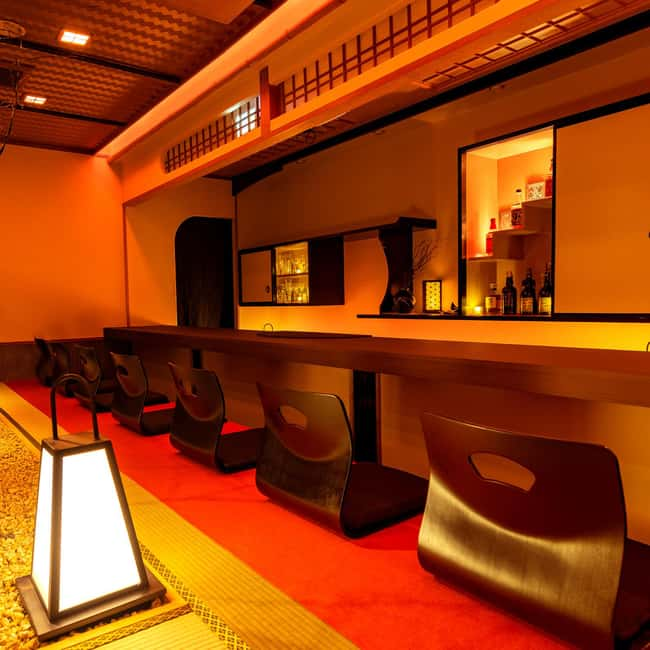
The one-hour format is useful in Kyoto. You can fit it between sightseeing plans without losing an entire afternoon, and the private booking keeps the schedule clear. At the same time, one hour passes quickly. Half the activity is magic and half is tea, so neither part has room to become an extended workshop.
That balance will suit you if you want variety. The show gives you surprise and interaction. The matcha provides stillness and cultural context. You get two distinct experiences without walking between venues or dealing with a large group.
The format may be less suitable if you want a traditional tea ceremony as the main event. In that case, you might prefer a longer tea-focused activity. It may also be less suitable if you are looking for a major evening performance with music, sets, or a large audience.
The experience has received a 4.8 rating from 29 reviews, with particularly strong praise for the intimacy, the beautiful room, the close-up magic, and the tasty matcha. The most consistent practical point is that the magic remains difficult to explain even when performed right in front of you. That is a good sign for anyone concerned that a small show might feel too simple.
Is $77 per person good value?
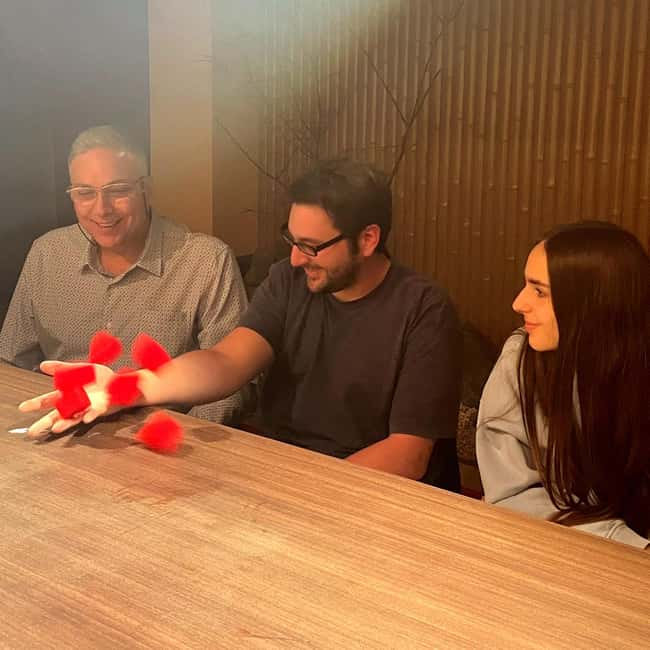
At $77 per person, this is not a bargain attraction. You are paying about $77 for one hour, before transportation and any personal expenses. The price makes more sense if you think of it as a private cultural appointment rather than a basic magic show.
The private format is the central value. Your group has the room, and the six-seat limit keeps the performance personal. A larger public show could offer more time or more spectacle for the money, but it would not give you the same degree of closeness and privacy.
The rarity of Wazuma also matters. With fewer than ten masters said to remain, this is not an everyday performance you can easily replace with another Kyoto activity. The value lies in seeing a traditional art that few visitors encounter, not in the number of minutes alone.
I would recommend the price to someone marking a birthday, anniversary, honeymoon, or special evening in Kyoto. I would think twice if you are watching every yen, traveling alone, or mainly want a low-cost introduction to matcha. The experience is strongest when you care about the setting and the unusual art form.
Who will enjoy this experience most?
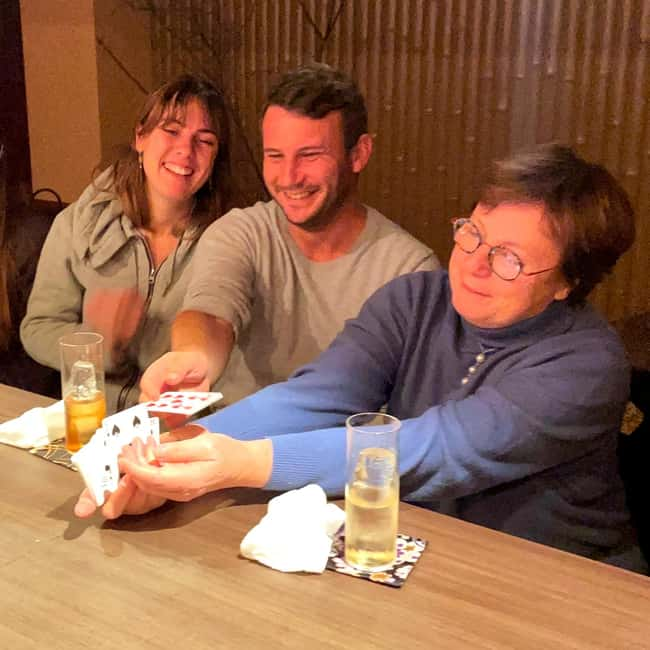
This is a good choice for couples and close friends who want something more personal than a standard sightseeing stop. The private room lets your small group share the reactions together, and the interactive magic gives the hour a social feel.
Families may enjoy it too, especially if children are old enough to sit through a 30-minute performance and follow instructions in English. The data does not provide an age recommendation, so you should use your own judgment about whether younger children will appreciate the quiet tea room setting.
It also suits repeat visitors to Kyoto. If you have already seen the major temples and want a less familiar cultural activity, Wazuma offers a different angle on Japanese tradition.
You may want to skip it if you dislike magic, do not want audience participation, or need wheelchair access. The activity is specifically listed as unsuitable for wheelchair users. You should also avoid booking it if photography is your main aim, since flash photography is not allowed during the show.
Practical details before you book
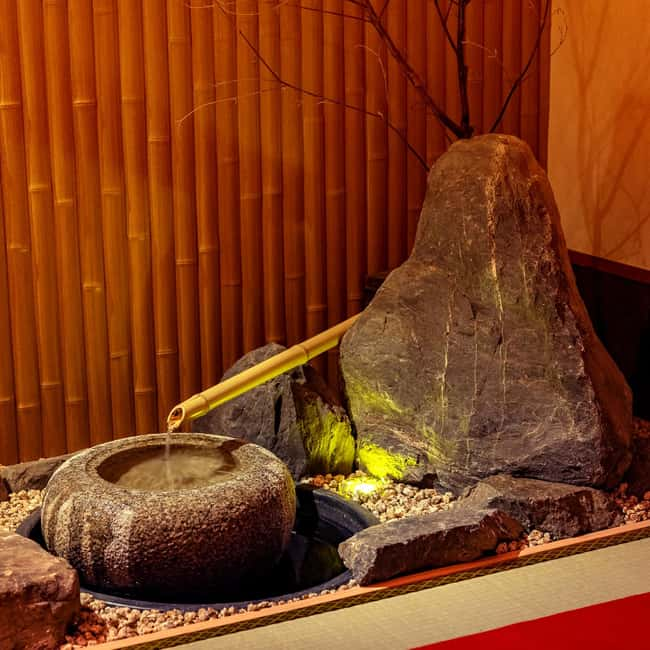
The meeting point is in front of the building, where a staff member waits five minutes before the start time. Check the route carefully and leave enough time to find the entrance in Gion. Transportation to and from the venue is not included.
The host or greeter speaks English, and the matcha portion includes English guidance. The experience is private, so only your booking group attends. The room has six seats, making advance reservation essential.
You can cancel up to 24 hours before the activity for a full refund. A reserve-now, pay-later option is also available, which helps if your Kyoto schedule is still changing. Starting times vary, so check availability when choosing your date.
The activity lasts one hour: 30 minutes of Wazuma magic and 30 minutes of Uji matcha tea time. It is a refined short stop, not a full-day cultural program.
Should you book the Wazuma show?
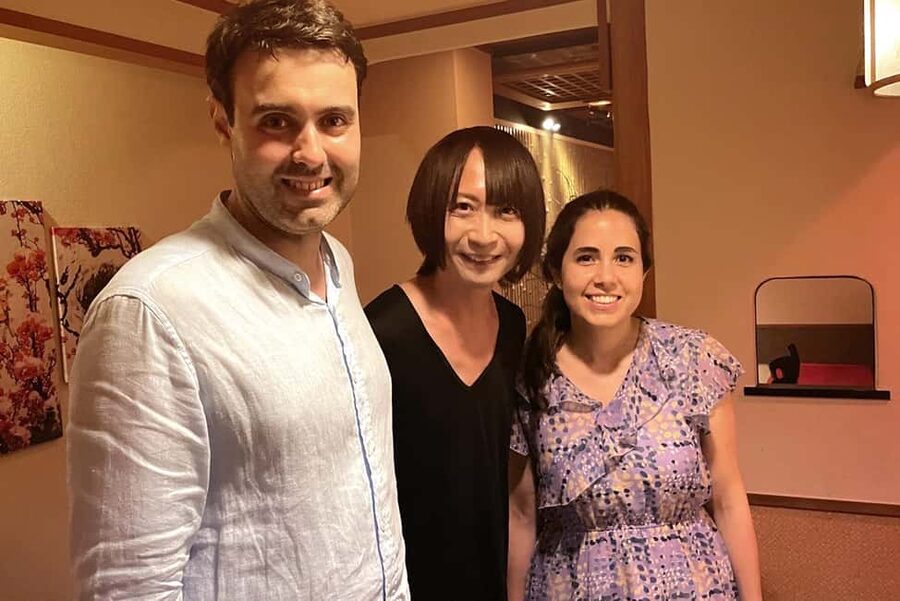
Book it if you want a rare Japanese art, a private Gion setting, and a quiet matcha finish in one carefully timed hour. The strongest reasons are the six-seat room, the unusually close magic, and the chance to see a tradition performed by very few remaining masters.
Skip it if $77 feels too high for an hour, if you want a longer tea ceremony, or if you prefer to watch from a distance without taking part. For the right audience, this is a memorable change from temple queues and crowded streets. For a budget-focused itinerary, it is a treat rather than an essential.
FAQ
Where does the Wazuma magic show take place?
The show takes place in a traditional tea room in Kyoto’s Gion area. The venue is located down a quiet alley, and a staff member waits in front of the building five minutes before the meeting time.
How long does the activity last?
The total duration is one hour. It includes a 30-minute traditional Japanese magic show and 30 minutes of Uji matcha tea time.
Is the experience private?
Yes. The activity is for one private group only, and the tea room has six seats.
How many people can attend?
The tea room has six seats available. The activity is offered as a private group experience.
Is the activity available in English?
Yes. The host or greeter speaks English, and the Uji matcha portion includes English guidance.
What is included in the price?
The price includes the 30-minute Wazuma magic show and 30-minute Uji matcha tea time. Transportation and personal expenses are not included.
Is photography allowed during the show?
Flash photography is not allowed during the performance.
Is the experience suitable for wheelchair users?
No. The activity is listed as unsuitable for wheelchair users.
Can I cancel or pay later?
You can cancel up to 24 hours in advance for a full refund. A reserve-now, pay-later option is also available.
Newly steeped around Kyoto
- Whisk Your Own Matcha: A Zen Matcha Experience at Temple★ 3.6 · 7 reviews
- Uji Walking Tour – Byodo-in temple and Tea Ceremony from Kyoto★ 3.5 · 3 reviews
- Kyoto: Authentic Tea Ceremony in a Small Group★ 5.0 · 7 reviews
- Tea ceremony at Kyoto’s Zen Temple Teahouse★ 5.0 · 2 reviews
- Tea Ceremony Experience in Traditional Kyoto Townhouse★ 5.0 · 19 reviews
- Tea Ceremony in 150 Years Old Townhouse with Tables and Chairs★ 5.0 · 22 reviews
- Sencha-do the Japanese Tea Ceremony Workshop in Kyoto★ 5.0 · 21 reviews
- Silent Beauty of Kyoto Zen Walk and Tea Experience★ 5.0 · 2 reviews
Tea Ceremony Experiences, compared.
Kyoto: Tea Ceremony in a Traditional Tea House in Kiyomizu
Read our review →
Kyoto: 45-Minute Tea Ceremony Lesson Experience
Read our review →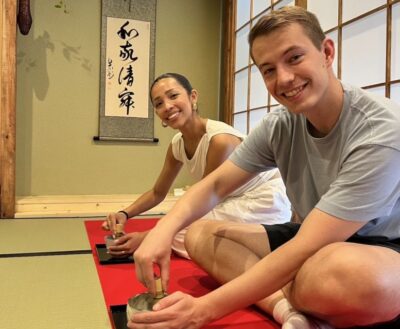
Kyoto: Table-Style Tea Ceremony at a Kyo-Machiya
Read our review →


Browse the lists this tea experience appears in