
Review · KYOTO
Authentic Tea Ceremony & Sushi in The Museum of Kyoto
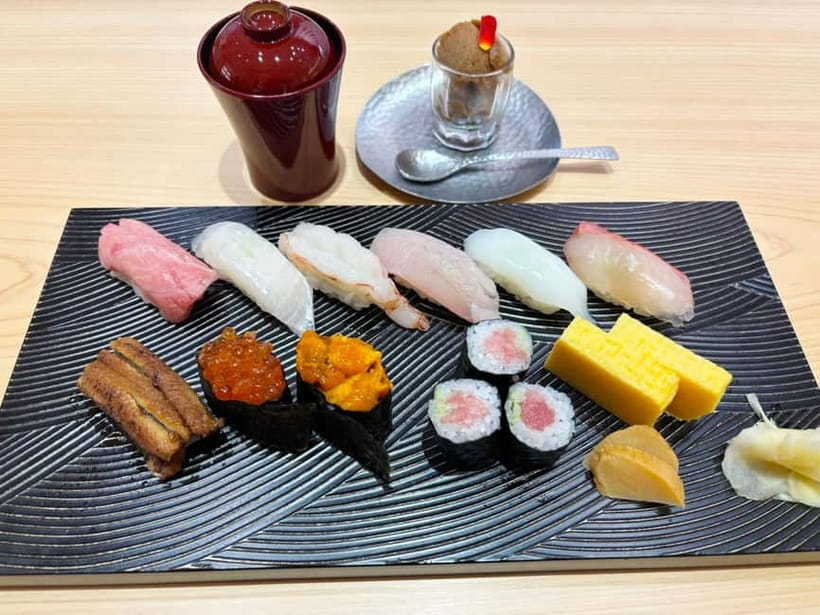
The most memorable part of this Kyoto experience is the contrast: fresh sushi made in front of you, followed by the calm ritual of tea in a traditional Japanese house below The Museum of Kyoto. It gives you both flavor and ceremony in one compact cultural outing.
I like the hands-on format. You do not simply watch a tea ceremony, you learn what its utensils mean and whisk your own bowl of rare, high-quality matcha. I also like the setting, with a carefully made miniature garden and a haori jacket that helps you feel part of the occasion.
The main consideration is the menu. This is not suitable for vegans or vegetarians, and you should report allergies in advance. Children under 10 are not accepted, and the experience costs $133 per person, so it makes the most sense if you value skilled food preparation and cultural instruction rather than a quick meal.
Key Details Before You Book
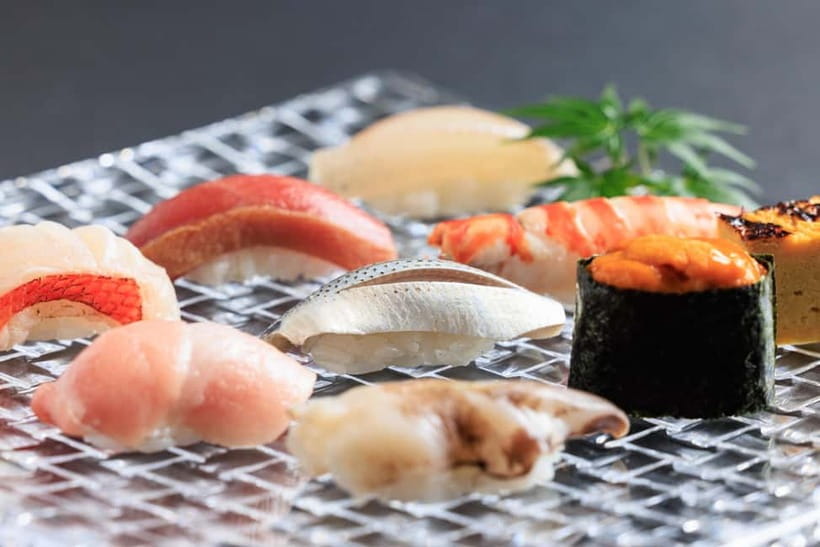
- Sushi prepared in front of you: Watch a master chef shape your meal with years of training.
- Two different meal orders: At 11:00, the tea ceremony comes before the sushi. At 13:30, sushi is served first.
- A traditional house below the museum: The tea portion takes place in an Edo-period-style setting with a miniature garden.
- You make your own matcha: An instructor explains the method, then you whisk and drink your own bowl.
- Haori included: You can wear a traditional kimono-style jacket during the experience.
- Small dietary and age limits: The activity is not suitable for vegans, vegetarians, or children under 10.
Starting at Sushi Shin Inside The Museum of Kyoto
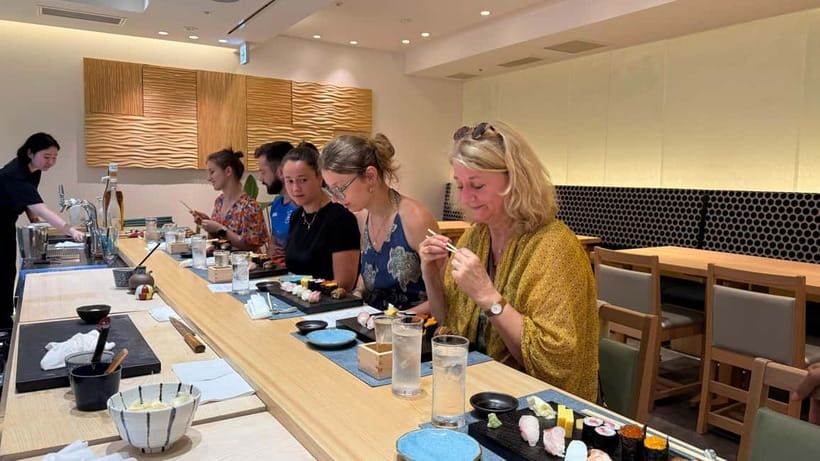
Your meeting point is the sushi restaurant Sushi Shin inside The Museum of Kyoto. This is useful to know before you arrive, since the activity does not begin at a separate street-side tea house. You should make your way inside the museum and find the restaurant as your starting point.
The location pairs nicely with the theme. The Museum of Kyoto gives the outing a cultural setting, while Sushi Shin provides the practical pleasure of a meal prepared right in front of you. The supplied information does not give a tour duration or group size, so I would avoid planning another tightly timed activity immediately afterward.
The experience is offered in English and Japanese. That matters during the tea portion, where small explanations about tools, gestures, and historical customs add much more than a silent demonstration would.
More Tea Ceremonies in Kyoto
- Kyoto: Tea Ceremony in a Traditional Tea House in Kiyomizu
★ 4.9 · 3,519 reviews - Kyoto: Tea Ceremony Ju-An at Jotokuji Temple
★ 4.9 · 3,207 reviews - Kyoto: 45-Minute Tea Ceremony Lesson Experience
★ 4.3 · 2,378 reviews
Watching a Master Chef Prepare the Sushi
The sushi is made by a skilled master chef with years of training. You can watch the preparation directly, rather than receiving a finished plate with no sense of the work behind it. That front-row view is one of the strongest reasons to consider this experience.
The available feedback repeatedly praises two things: the sushi is prepared before you, and the fish is exceptionally fresh. One person who attended the experience in German described the sushi as very good and made directly in front of the diners. Another review called the sushi unforgettable and exceptionally fresh.
Those details help set expectations. This is not simply an introduction to Japanese food. It is a chef-led sushi experience where the preparation itself forms part of the entertainment and learning.
The schedule changes the order of events:
- At 11:00, you have the tea ceremony first, with sushi served at the end.
- At 13:30, sushi comes first, followed by tea.
That choice can affect how you plan your day. The earlier session begins with the quieter cultural portion and finishes with lunch. The later session starts with food and lets you end in a more peaceful, reflective mood with matcha and sweets.
The Basement Tea House and Its Miniature Garden
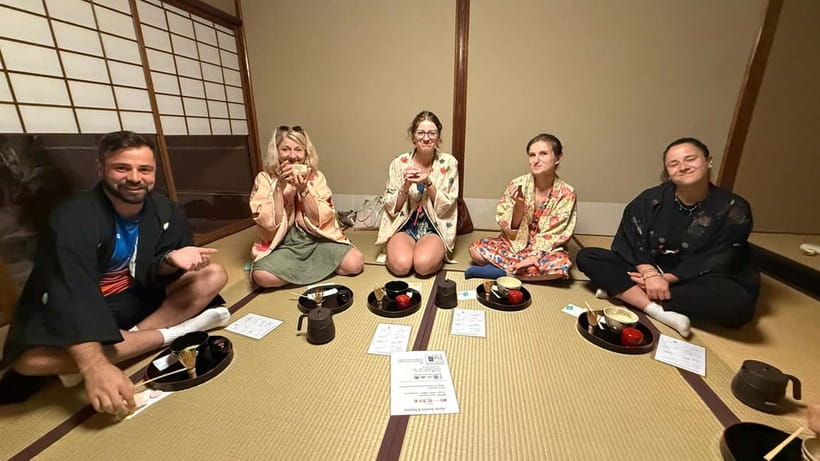
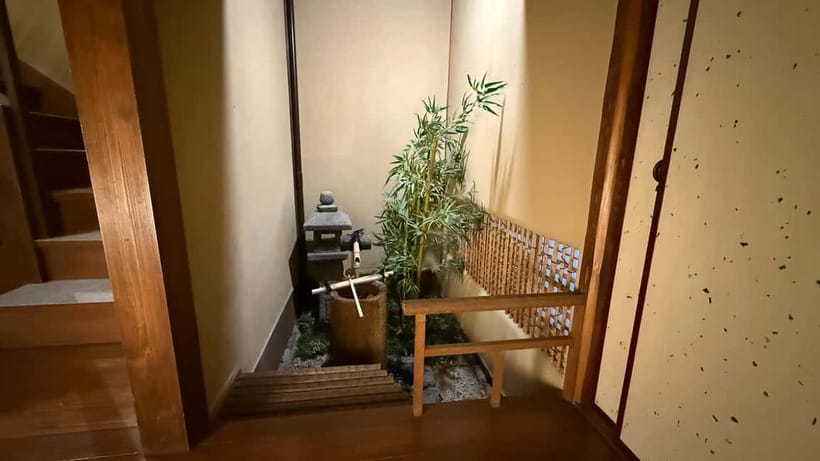
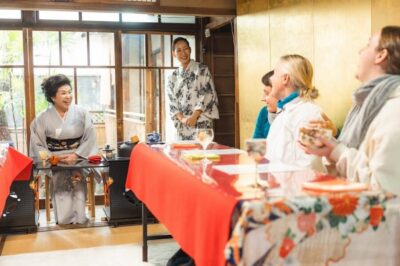
After, or before, the sushi depending on your session, you are guided to a traditional Japanese house on the basement floor. The house is described as having an elegant Edo-period atmosphere, and you can look out at a meticulously designed miniature garden from within.
The setting is important because chanoyu, the Japanese tea ceremony, is not only about drinking matcha. The room, utensils, clothing, garden, sweets, and movements all help create the experience. You get a better sense of that connection here than you would from a quick cup of green tea at a café.
I especially like that the garden is viewed from inside the tea setting. You are not being rushed through a garden tour. Instead, the garden becomes part of the quiet visual experience while you listen to an explanation of tea culture.
The phrase serene silence should be taken seriously. This is designed as a calm activity, not a loud performance or a fast-moving food tour. If you enjoy pauses, careful presentation, and traditional spaces, that is a major benefit. If you prefer constant action, you may find the ceremony more restrained than expected.
Wearing a Haori During the Ceremony
The experience includes wearing a traditional haori, a kimono-style jacket. This is a simple detail, but it changes how the tea portion feels. Rather than sitting in ordinary sightseeing clothes while someone else performs a ritual, you take part in the visual character of the room.
The haori is not presented as a full kimono dressing service, so you should not expect a complete costume transformation. It is best understood as a provided garment that helps you participate respectfully in the setting.
For many people, this will be one of the more memorable photo details, though the core value is cultural rather than photographic. The jacket gives you a physical connection to the tradition without requiring the time or expense of a full kimono rental.
Same leaf, a different ritual:
- Kyoto: Table-Style Tea Ceremony at a Kyo-Machiya
★ 4.9 · 1,211 reviews - Kimono Tea Ceremony at Kyoto Maikoya, NISHIKI
★ 5.0 · 911 reviews - Arashiyama Bamboo, Temple, Monkeys, or Secret Sake Brewery
★ 4.8 · 886 reviews - Kyoto: Arashiyama Bamboo Forest, Monkeys, Matcha & Temple Tour
★ 5.0 · 759 reviews
Learning the Meaning Behind Chanoyu
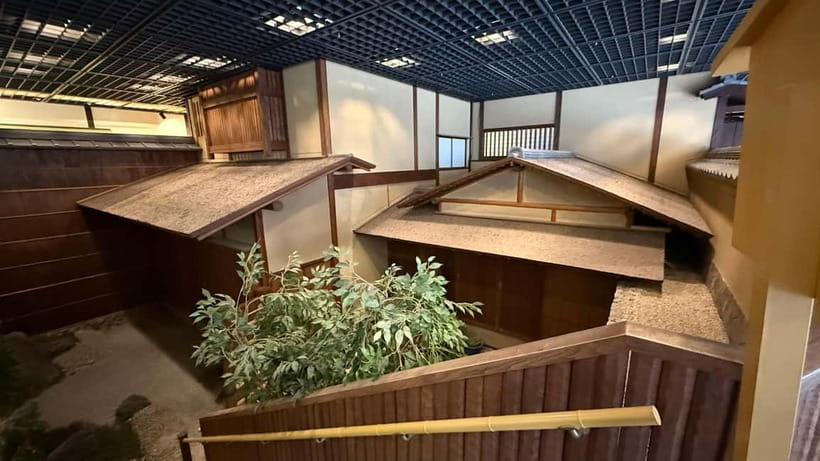
An explanation of the history and cultural origins of chanoyu is included. You also learn about the traditional utensils used in the ceremony. This background gives purpose to the movements you see and perform.
Without an explanation, a tea ceremony can seem mysterious. Why is each tool handled in a certain way? Why does the order matter? Why is the bowl turned or presented with care? The guide’s instruction helps you see that the ceremony is built around attention, respect, and the relationship between host, guest, objects, and season.
The activity is offered in English and Japanese, but no guide names are provided. You can expect instruction in one of those languages, though the exact guide depends on the date and session.
The available feedback describes the explanation as clear and engaging. I would keep that praise in perspective because only three ratings are supplied, but all three give the experience the top score. The strongest common thread is that both the food and the tea ceremony receive attention, rather than one being treated as a short add-on.
Whisking Rare Matcha With Kyoto Sweets
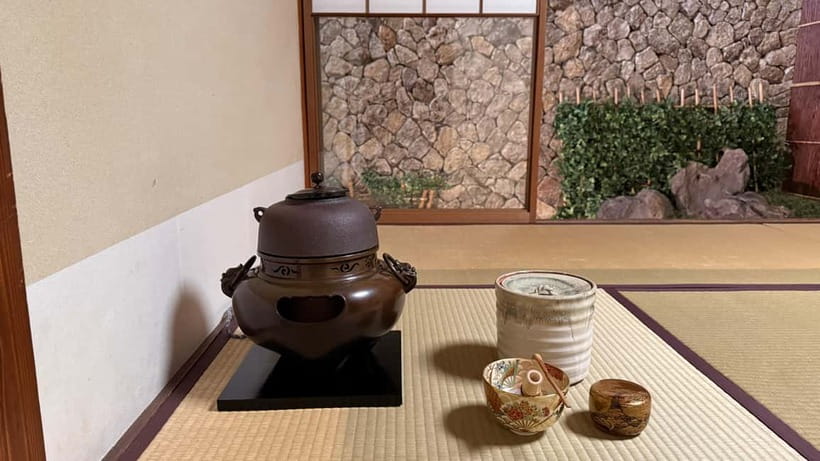
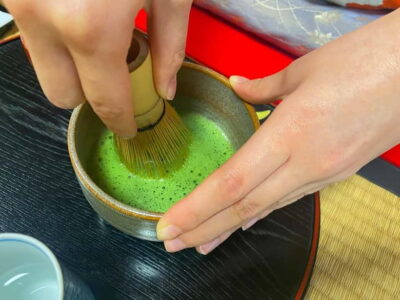
The most hands-on section comes when you whisk your own bowl of matcha. You first receive an introduction, then try the process yourself and drink the tea with a traditional sweet.
This makes the ceremony approachable. You do not need prior knowledge, and you are not expected to perform a perfect ritual. You get to handle the whisk, make the tea, and understand the difference between seeing the process and doing it.
The matcha is described as premium and rare, with an especially high quality that may taste very different from everyday green tea. The feedback gives this part unusually strong praise. One person called the matcha very high quality, while another described it as incredibly good.
Kyoto sweets are served alongside the tea. That pairing matters because traditional sweets balance the strong, grassy bitterness of matcha. The sweet is not just a snack on the side. It helps you understand how Japanese tea service uses contrast to make both flavors more enjoyable.
You should expect matcha to have a distinct taste. It is not sweetened like a café-style matcha drink. The activity is better suited to someone curious about traditional preparation than to someone looking for a mild, sugary beverage.
What the $133 Price Includes
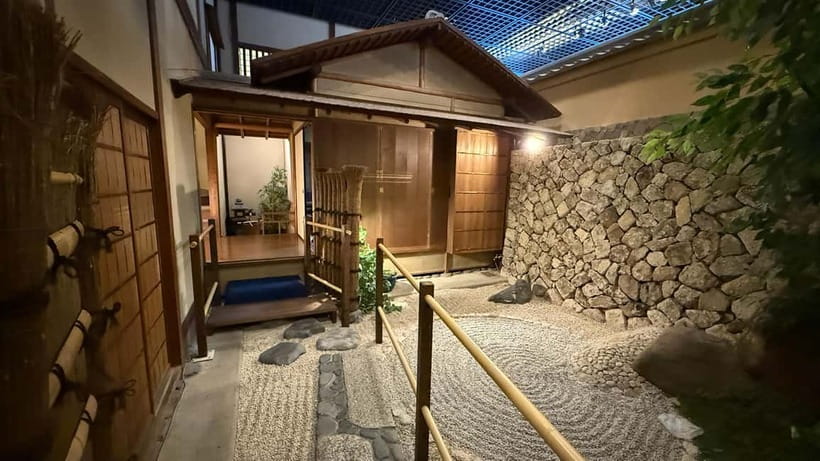
At $133 per person, this is a premium experience. The price includes the sushi, tea ceremony, traditional sweets, matcha, haori use, tea utensil introduction, cultural explanation, and access to the miniature garden setting.
The value depends on what you want from your Kyoto meal. If you only want sushi, you may find cheaper options elsewhere. If you only want to sample matcha, a tea shop will cost less. Here, you pay for the combination of a chef-prepared meal and an instructed cultural activity in a traditional setting.
I see the price as easier to justify for a special occasion, a first visit to Kyoto, or a day when you want one carefully planned cultural experience rather than several disconnected stops. The inclusion of a master chef and rare matcha gives the outing more substance than a standard restaurant meal.
The rating is currently 5 out of 5 from three reviews. That is an excellent early signal, though the sample is small. I would treat it as encouraging rather than proof that every person will find the experience worth the price.
Who Will Enjoy This Most
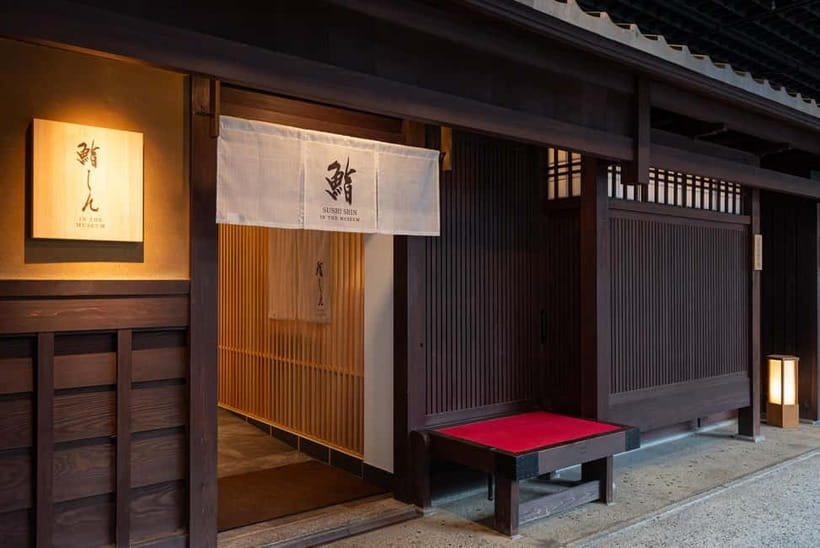
I would recommend this experience to adults and older children who enjoy Japanese food, quiet cultural rituals, and guided participation. It suits someone who wants to understand what they are seeing, not just take a picture and move on.
It is particularly good for:
- Sushi fans who want to watch the chef work
- Visitors interested in chanoyu and traditional Japanese utensils
- Couples looking for a refined Kyoto activity
- First-time visitors who want food and culture in one booking
- People who enjoy matcha and are curious about premium varieties
- Anyone who appreciates a calm setting rather than a busy group attraction
The age limit is clear: children under 10 cannot join. The activity is also not suitable for vegans or vegetarians because sushi is central to the meal. If you have allergies, contact the provider before the visit so they can be informed in advance.
The listed upper age restriction is 95 years. That may seem unusual, but it is part of the booking conditions and should be taken seriously when arranging the experience for an older family member.
Timing, Practical Details, and Cancellation
The meeting point is Sushi Shin inside The Museum of Kyoto, and the activity ends back at that same meeting point. No separate transportation is included or needed as part of the experience, based on the information provided.
You can reserve now and pay later, which gives you some flexibility while planning your Kyoto schedule. You can also cancel up to 24 hours in advance for a full refund.
The two start times are important enough to repeat. Choose 11:00 if you prefer the tea ceremony before your sushi meal. Choose 13:30 if you would rather eat first and finish with tea.
Since no duration is provided, I would leave extra space before your next reservation. A tea ceremony involves explanation and participation, and the sushi preparation is also part of the occasion. Rushing away at a fixed minute would work against the calm pace this experience is designed to provide.
Should You Book This Kyoto Tea and Sushi Experience?
Book it if you want more than a restaurant meal. The combination of sushi prepared before you, a traditional house setting, a haori jacket, a miniature garden, rare matcha, and hands-on tea preparation gives the experience a clear identity.
Skip it if you are vegan or vegetarian, dislike matcha, need a very low-cost meal, or prefer a casual and flexible dining stop. The $133 price is difficult to justify if you plan to rush through the tea ceremony or have no interest in the cultural explanation.
For the right person, this is a polished way to connect food with Japanese tradition. I would choose the 11:00 session for a tea-first rhythm and the 13:30 session if I wanted sushi to lead into a quiet finish. Either way, you leave with more than a meal: you have watched a trained chef work, learned how chanoyu is structured, and made your own bowl of matcha.
FAQ
Where does the experience begin?
It begins at Sushi Shin inside The Museum of Kyoto.
Where does the activity end?
The activity ends back at the meeting point inside The Museum of Kyoto.
How much does the experience cost?
The listed price is $133 per person.
Is sushi served before or after the tea ceremony?
At the 11:00 session, sushi is served at the end. At the 13:30 session, sushi is served at the beginning.
Is the tea ceremony conducted in English?
The experience is offered in English and Japanese.
What do I wear during the ceremony?
A traditional haori, or kimono-style jacket, is provided for you to wear.
Can I make my own matcha?
Yes. You receive an explanation of the tea ceremony and utensils, then whisk your own bowl of matcha.
Are vegetarian or vegan options available?
No. The activity is not suitable for vegetarians or vegans.
What is the cancellation policy?
You can cancel up to 24 hours in advance for a full refund.
More Museum Visits with Tea around Kyoto
- Family Mitsui House Museum with green tea admission ticket
★ 4.0 · 5 reviews - Kyoto: Uji Matcha Tea Museum Entry Ticket
★ 5.0 · 5 reviews - Kyoto: Tea Museum Tickets and Matcha Grinding Experience
★ 4.9 · 739 reviews - Afternoon Tea at the British Museum
★ 4.2 · 511 reviews
Newly steeped around Kyoto
- Whisk Your Own Matcha: A Zen Matcha Experience at Temple★ 3.6 · 7 reviews
- Kyoto: Authentic Tea Ceremony in a Small Group★ 5.0 · 7 reviews
- Tea ceremony at Kyoto’s Zen Temple Teahouse★ 5.0 · 2 reviews
- Uji Walking Tour – Byodo-in temple and Tea Ceremony from Kyoto★ 3.5 · 3 reviews
- Tea Ceremony in 150 Years Old Townhouse with Tables and Chairs★ 5.0 · 22 reviews
- Tea Ceremony Experience in Traditional Kyoto Townhouse★ 5.0 · 19 reviews
- Sencha-do the Japanese Tea Ceremony Workshop in Kyoto★ 5.0 · 21 reviews
- Silent Beauty of Kyoto Zen Walk and Tea Experience★ 5.0 · 2 reviews
Tea Ceremony Experiences, compared.
Kyoto: Tea Ceremony in a Traditional Tea House in Kiyomizu
Read our review →
Kyoto: 45-Minute Tea Ceremony Lesson Experience
Read our review →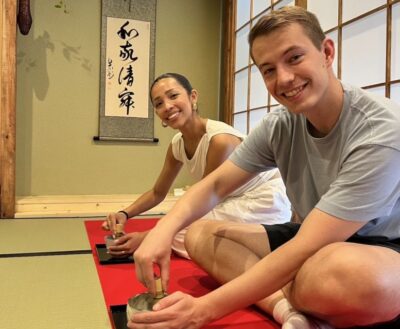
Kyoto: Table-Style Tea Ceremony at a Kyo-Machiya
Read our review →


Browse the lists this tea experience appears in