
Review · JAPAN
Nagasaki: Explore Japanese Teas on a Tea Tour
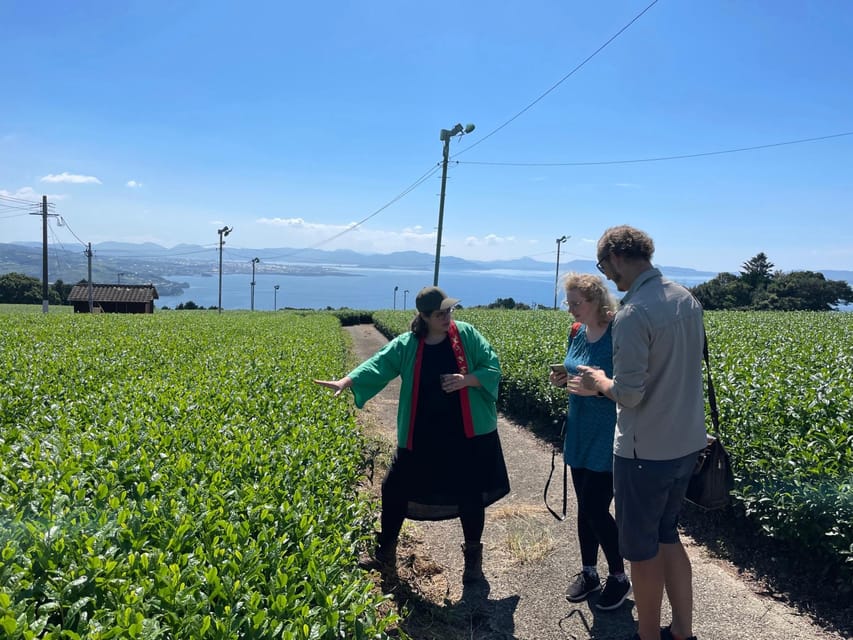
Sonogi gives you something Nagasaki city cannot: a close look at tea growing in the countryside, with tea fields above Omura Bay and a local factory making Tamaryokucha. You taste several styles, then brew Tamaryokucha and whisk matcha yourself.
I like the small maximum of four people, which leaves room for questions and a relaxed pace. I also like the mix of tasting, scenery, factory work, and lunch, rather than four hours spent only listening. The main consideration is the price, $132 per person, and the need to reach Sonogi for a half-day outside the city.
Key points to know
- Sonogi’s sea-view tea fields: See where local tea is grown with Omura Bay spread out below.
- Six or more tea styles: Sample Tamaryokucha, Shiraore, Houjicha, Wakoucha, matcha, and other local teas.
- Hands-on preparation: Brew Tamaryokucha and whisk matcha instead of simply watching someone else do it.
- A working tea factory: Learn how Sonogi’s curly green tea is produced.
- Lunch and seasonal sweets included: The food gives the tea tasting a local setting and makes the four-hour visit feel well rounded.
- Small English-speaking group: With space for only four people, you can ask detailed questions and get personal help.
Why Sonogi is worth leaving Nagasaki for
Nagasaki is famous for port history, hillside views, and international influences. Sonogi offers a quieter side of the prefecture, where tea farming connects the countryside to Japan’s wider tea tradition.
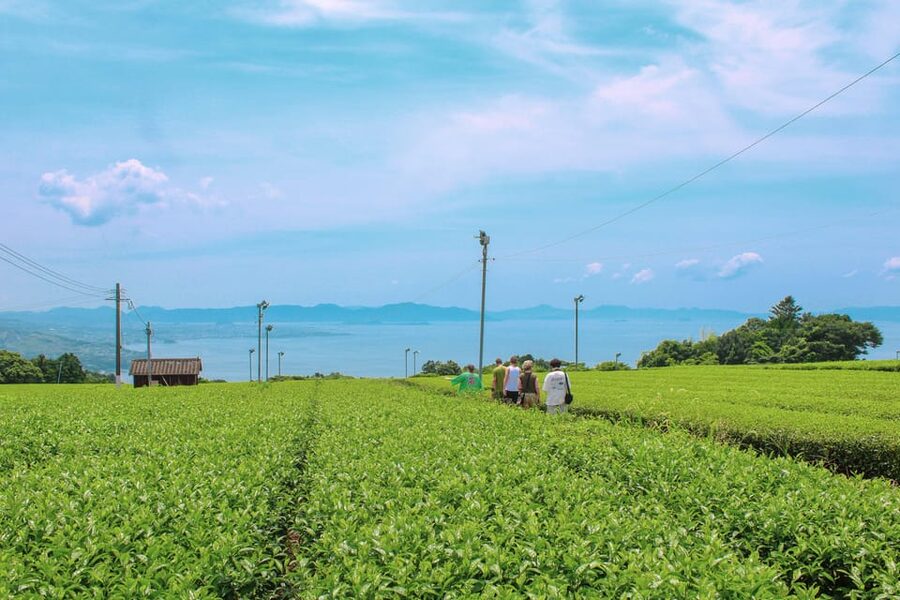
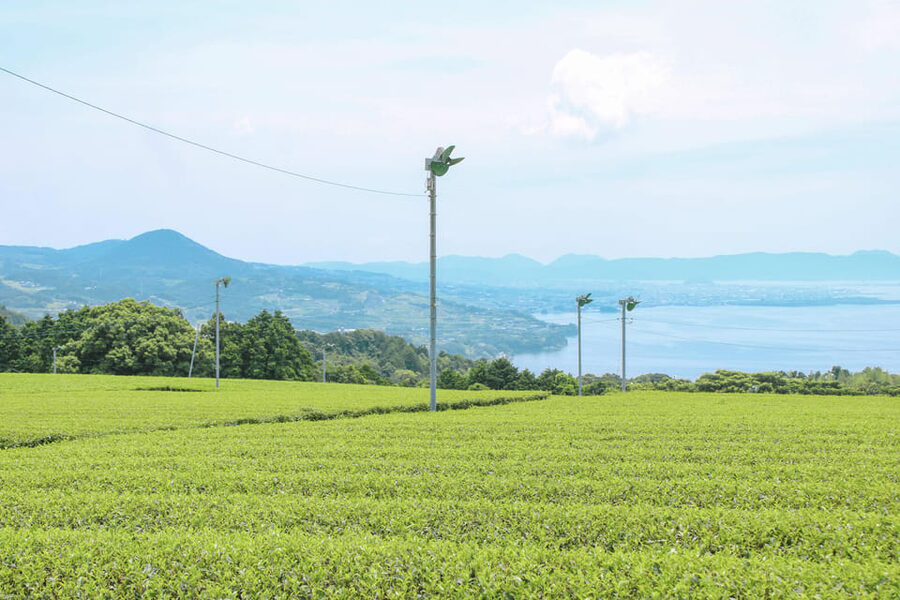
The setting does much of the work. Tea fields stretch across the hills, while Omura Bay provides a broad view beyond them. You are not simply tasting a packaged product in a city shop. You are seeing the growing area and then visiting a factory where one of its best-known teas is made.
That connection matters. Japanese tea can seem simple when it arrives in a small cup, but the flavor depends on the plant, growing conditions, processing, roasting, and brewing method. This tour links those steps in a way that makes each cup easier to understand.
You should expect a calm half-day rather than a fast sightseeing circuit. The pace suits anyone who wants to ask questions, notice small differences between teas, and enjoy the countryside without packing in a long list of attractions.
More Tea Experiences around Japan:
- Kyoto: Tea Ceremony in a Traditional Tea House in Kiyomizu
★ 4.9 · 3,519 reviews - Kyoto: Tea Ceremony Ju-An at Jotokuji Temple
★ 4.9 · 3,207 reviews - Kyoto: 45-Minute Tea Ceremony Lesson Experience
★ 4.3 · 2,378 reviews
Tasting the full range of Japanese tea
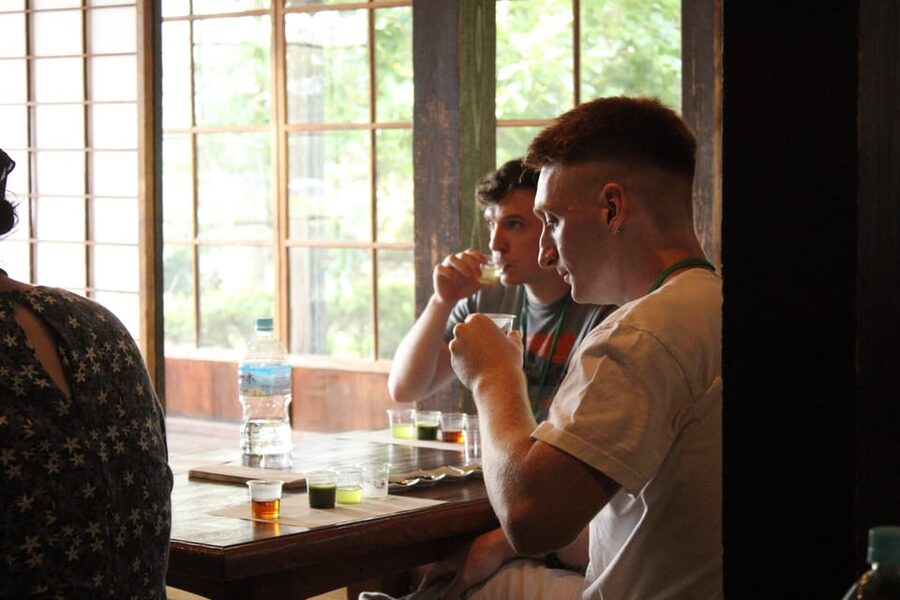
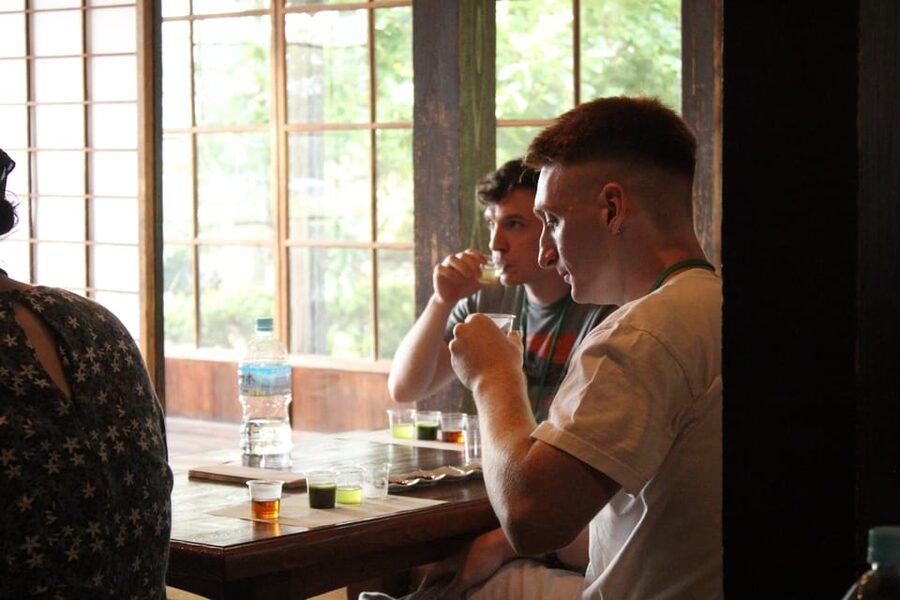
The tasting is the heart of the visit. You sample Tamaryokucha, Shiraore, Houjicha, Wakoucha, matcha, and additional local teas. Each one gives you a different idea of what Japanese tea can be.
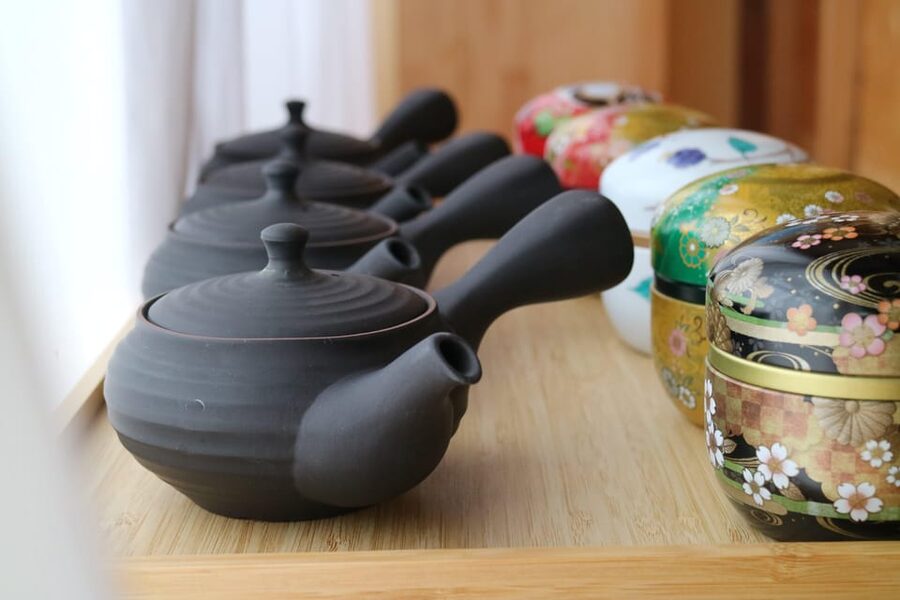
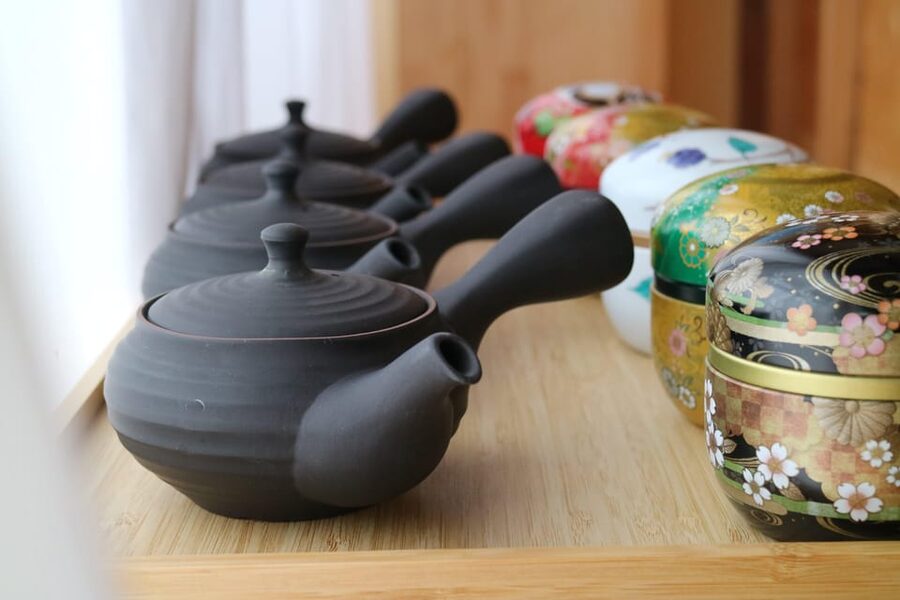
Tamaryokucha is the local specialty. It is a steamed green tea with a curled, comma-like leaf shape rather than the straight needle shape often associated with Japanese sencha. The unusual appearance makes it a useful starting point for understanding Sonogi’s tea identity.
Shiraore is a mild twig tea. It gives you a softer comparison to leaf-based green teas. Houjicha brings a roasted character, making it a good change of pace if you find steamed green teas too grassy or sharp.
Wakoucha is Japanese black tea. It is especially useful in a tasting because it challenges the common idea that Japan is only a green tea country. Matcha then shifts the format again, since you drink finely ground tea rather than an infusion made from whole or broken leaves.
The value here is not just the number of cups. It is the side-by-side comparison. You can notice how roasting changes aroma, how a twig tea differs from a leaf tea, and how matcha feels fuller because the powdered leaf is consumed rather than strained out.
Seasonal Japanese sweets are included. They are traditionally served with tea for a reason: a small sweet can soften the bitterness of a strong cup and make delicate flavors easier to notice. The pairing also gives you a taste of tea service beyond the drink itself.
Brewing Tamaryokucha instead of just watching
Many tea visits stop after a demonstration. This one gives you a turn at the pot, which is one of its strongest features.
You learn to brew Tamaryokucha yourself, with guidance on practical points such as water, timing, and handling the leaves. The goal is not to turn you into a tea master in one afternoon. It is to show you how preparation changes the result.
That hands-on part is useful because Japanese tea is sensitive to method. A cup can taste very different depending on how hot the water is and how long the leaves sit. The guide can help you adjust the process and taste the difference immediately.
Marjolein, the guide named in the experience feedback, is praised for offering clear tips on making good tea and for welcoming questions. That matters in a small group. You are more likely to get individual help instead of standing behind a crowd while someone demonstrates a fixed routine.
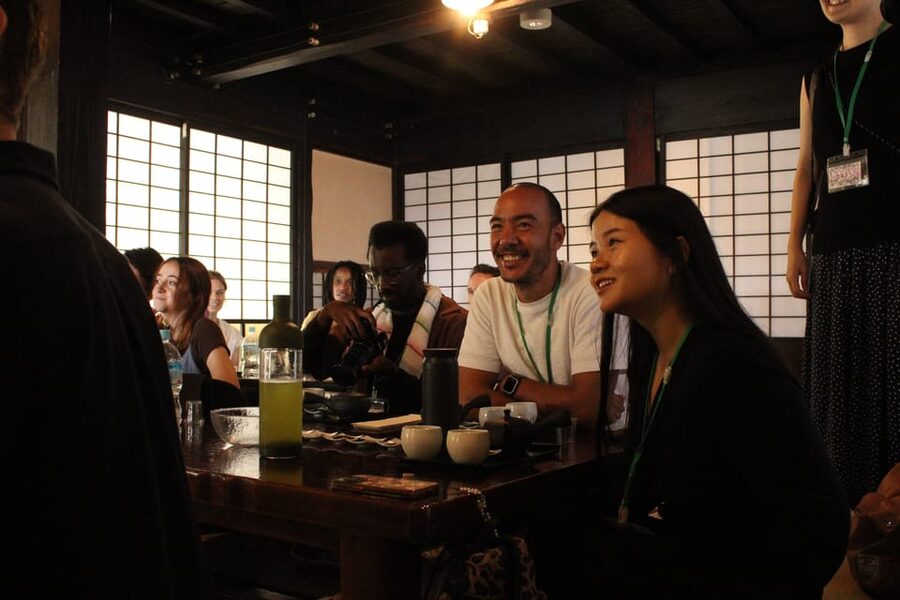
The atmosphere is described as relaxed, which suits this subject. Tea is easy to rush through, especially when you are trying to fit a country into a short holiday. Here, you get permission to slow down and pay attention.
Learning to whisk matcha
The matcha session adds another useful layer. You do not simply receive a bowl prepared by someone else. You try whisking the finely ground tea yourself.
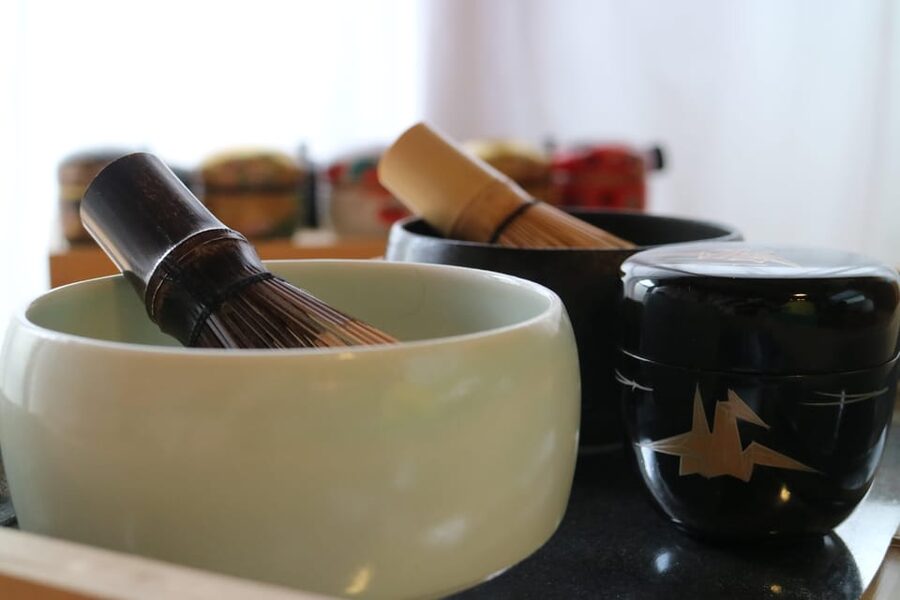
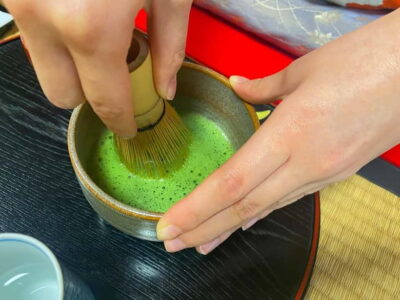
Matcha has a different texture and preparation from the other teas on the table. You mix the powder with water using a bamboo whisk, creating a smooth, foamy drink. The technique takes practice, and the point is not perfect presentation. It is learning how much movement and control the process requires.
For first-time visitors, this can clarify why matcha is treated as more than an ordinary drink. The preparation asks you to focus on the bowl, the whisk, and the texture. It also gives you a practical memory to take home. After the tour, you will have a better idea of what to do with matcha powder in your own kitchen.
The tea activities work well together because they cover two different forms of Japanese tea preparation. Tamaryokucha is brewed from leaves, while matcha is whisked from powder. You get to compare both the taste and the method.
Same leaf, a different ritual:
- World Heritage Kyoto & Nara Uji Authentic Matcha Experience
★ 5.0 · 1,573 reviews - Osaka: Tea Ceremony Experience
★ 4.9 · 1,426 reviews - Kyoto: Table-Style Tea Ceremony at a Kyo-Machiya
★ 4.9 · 1,211 reviews - Kanazawa: Kenrokuen Tea Ceremony Experience
★ 4.8 · 1,139 reviews
Walking among Sonogi’s tea fields
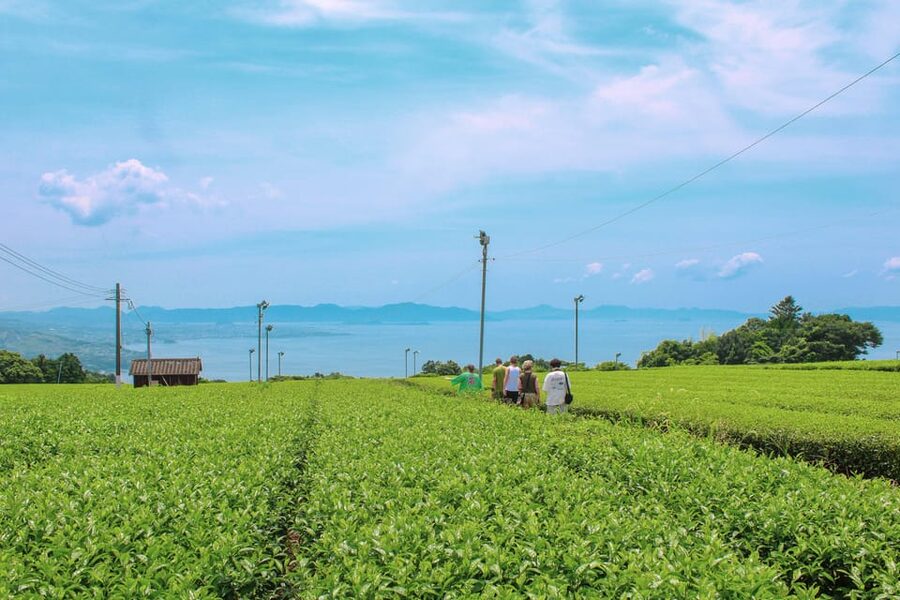
The tea fields are likely to be the most memorable visual stop. Sonogi’s hills overlook Omura Bay, creating a setting that feels far removed from Nagasaki’s urban streets.
The view is not just a photo opportunity. It helps explain the local product. Seeing rows of tea plants gives you a physical sense of farming that a tasting room cannot provide. The plants are low, orderly, and shaped for repeated harvesting, and the setting shows how much of the local experience comes from the surrounding countryside.
The exact appearance of the fields will depend on the season and weather. You should not book this only for a particular shade of green or a guaranteed clear view. The appeal is the combination of working tea country and the bay, not a single fixed photo.
This stop also makes the tour a good choice for anyone who wants a break from city sightseeing. One participant described the small town as a peaceful change from Nagasaki. That is an important part of the value: you are not adding another indoor museum to your schedule.
Inside a Tamaryokucha factory
The factory visit connects the plant in the field to the tea in your cup. You learn how Tamaryokucha is produced and see the local specialty in its working context.
Factory visits can vary in how much machinery is operating or how much access is available on the day. Still, the stop gives the tour a practical backbone. After tasting the tea, seeing the fields, and trying to brew it, you can place the production stage between farming and drinking.
You should expect explanation rather than a large industrial attraction. The factory is included because it helps you understand the tea-making process, not because it is a major sightseeing site in its own right.
That distinction is useful when deciding if the tour suits you. If you want entertainment, shopping, or a long list of photo stops, this may feel too focused. If you enjoy seeing how a regional food or drink is made, the factory adds real substance.
Lunch makes the four hours feel complete
Lunch at a nearby restaurant is included, along with seasonal sweets. The meal is more than a convenience. It gives you a chance to pause and keep talking about the teas without having to arrange another stop yourself.
The food is described as a highlight, but no fixed menu is provided. Expect local fare rather than a guaranteed dish list. Tell the operator about allergies or dietary restrictions in advance so the meal can be planned appropriately.
I value the lunch because tea tastings can leave you hungry, especially when sweets are small and the visit runs four hours. It also helps the experience feel like an outing in Sonogi rather than a short commercial sampling session.
Keep in mind that lunch is part of the set experience, so you have less control over choosing a restaurant or meal style than you would on your own. For most people, that tradeoff is worthwhile, especially when visiting the area for the first time.
Is $132 a fair price?
At $132 per person, this is not a budget tea tasting. The price makes more sense when you count what is included: four hours, an English-speaking guide, several tea samples, seasonal sweets, lunch, the tea fields, the factory visit, hands-on brewing, and matcha preparation.
The group limit also matters. With no more than four participants, the guide can answer questions and watch your brewing technique. A private or nearly private format usually costs more than a large group outing, and this tour offers that personal feel without requiring a private booking.
The value is strongest if you are already interested in Japanese food, farming, or tea preparation. It is also a good fit if you want a meaningful half-day outside Nagasaki rather than another standard city tour.
The value is weaker if you do not drink tea, dislike slow tastings, or mainly want major landmarks. You could spend less buying tea in a shop, but you would miss the fields, factory, lunch, and instruction that explain where the tea comes from.
Tea is available to buy separately. That is helpful, since you can taste before choosing what to take home. Treat the shopping as optional rather than an extra obligation.
Who will enjoy this Sonogi outing?
I would recommend it most strongly to:
- People curious about Japanese tea beyond matcha
- Visitors who enjoy small groups and direct conversation
- Food-focused travelers who like seeing how regional products are made
- Couples, families, and friends who want a quiet countryside break
- English-speaking visitors seeking a guided experience in the Nagasaki area
- Anyone who wants to learn a practical skill they can repeat at home
The small group size also works well for parents and older family members. A Singaporean family described enjoying the fields, tasting, and instruction together, and the format should suit relatives with different levels of tea knowledge.
Solo visitors can benefit, too. One person was the only participant on a departure and still received the full experience with individual attention. That kind of flexibility can make a solo outing feel welcoming rather than awkward.
You should think twice if your schedule is tight. The tour lasts four hours, and you need to account for getting to Sonogi, although no transport arrangement is specified in the supplied details. Check the meeting and travel plan before booking rather than assuming it begins in central Nagasaki.
Practical details before you book
The activity is conducted in English and is limited to four participants. Starting times depend on availability, so check the date you want before building the rest of your day around it.
The tour costs $132 per person, with fees and taxes included. Lunch and seasonal sweets are included, while tea purchases cost extra.
Free cancellation is available up to 24 hours in advance for a full refund. You can also reserve now and pay later, which helps if your Nagasaki plans are still shifting.
The overall rating is five stars from seven listed ratings, with praise focused on the guide, the range of teas, the lunch, the factory, and the scenery. The strongest pattern is the guide’s personal approach. Marjolein is described as friendly, clear, and passionate about tea, with useful brewing advice and plenty of room for questions.
Should you book the Nagasaki tea tour?
Book it if you want to understand Japanese tea through place, production, tasting, and practice. The best parts are the view over Omura Bay, the variety of teas, and the chance to make both Tamaryokucha and matcha yourself.
Skip it if you are looking for a fast city excursion, a low-cost tasting, or a packed sightseeing schedule. At $132, it asks you to pay for time, personal guidance, lunch, and access to the tea-growing area.
For the right visitor, this is a special use of half a day in Nagasaki. You leave with more than a souvenir packet of tea. You understand how a local product is grown, made, served, and enjoyed.
FAQ
How long does the tea tour last?
The activity lasts four hours.
What teas can I taste?
The tasting includes Tamaryokucha, Shiraore, Houjicha, Wakoucha, matcha, and other local teas.
Is lunch included?
Yes. Lunch at a nearby restaurant is included, as are traditional seasonal Japanese sweets. Inform the operator ahead of time about allergies or dietary restrictions.
Is the tour conducted in English?
Yes. The tour has a live English-speaking guide.
How many people can join the tour?
It is a small-group experience limited to four participants.
How much does the experience cost?
The price is $132 per person. Fees and taxes are included, while tea purchases are optional and cost extra.
Newly steeped around Japan
- Yokohama : Tea Ceremony with Sweets and Souvenir★ 5.0 · 5 reviews
- Whisk Your Own Matcha: A Zen Matcha Experience at Temple★ 3.6 · 7 reviews
- Walking Tour: Yanaka,Nezu& Sendagi: Tea Ceremony & Old Tokyo★ 5.0 · 3 reviews
- Visit local home for music and tea ceremony near Disney★ 4.9 · 13 reviews
- Trip to Kamakura & Enoshima: Shrines, Seaside, Temples &Tea★ 5.0 · 11 reviews
- Yokohama: Sushi & Gyoza Cooking with Matcha & GreenTea Experience★ 5.0 · 3 reviews
- Kyoto tea town for matcha lovers★ 5.0 · 16 reviews
- Uji: Private immersion into Kyoto’s tea and reglious culture★ 5.0 · 17 reviews
Japan Tea Tours, compared.
Kyoto: Tea Ceremony in a Traditional Tea House in Kiyomizu
Read our review →
Kyoto: 45-Minute Tea Ceremony Lesson Experience
Read our review →
World Heritage Kyoto & Nara Uji Authentic Matcha Experience
Read our review →
Kyoto: Table-Style Tea Ceremony at a Kyo-Machiya
Read our review →

Browse the lists this tea experience appears in