
Review · SHANGHAI
Shanghai: Chinese Tea Ceremony Experience
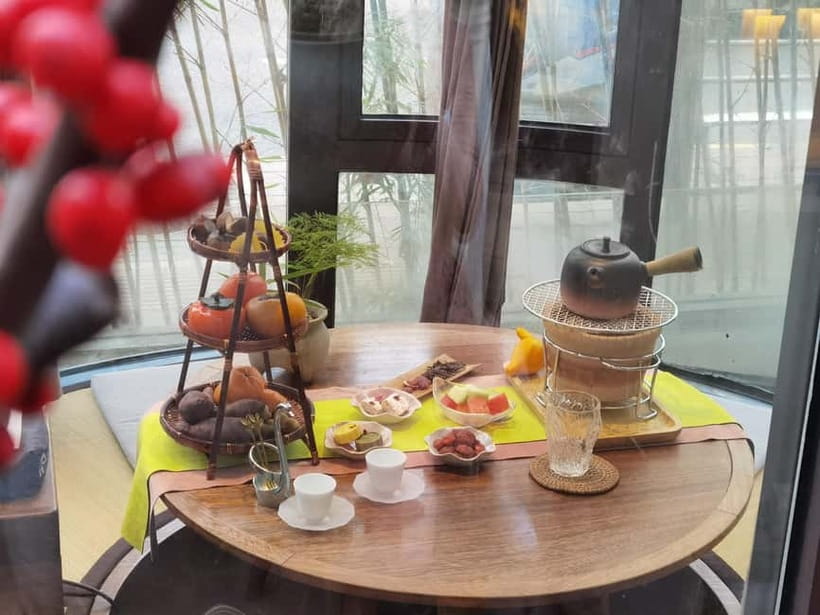
Shanghai tea culture gets its best treatment here through blind tasting and hands-on practice, not a quick cup poured for show. You compare aromas, flavors, and textures before labels steer your opinion, then learn the graceful whisking and brewing methods associated with the Song Dynasty.
I like the small group of no more than eight, which gives the tea expert room to answer questions. I also like the thoughtful sensory tip: leave strong perfume at home, since fragrance can muddy the tea aromas. The main drawback is practical: the exact meeting point arrives only after booking, and the activity is not suitable for wheelchair users or people with food allergies.
Key points at a glance
- Blind tasting first: Sample several Chinese teas before focusing on names and categories, a useful way to notice what your own palate actually picks up.
- Three tea classes: Compare the flavor and aroma of China’s three major tea categories in one sitting.
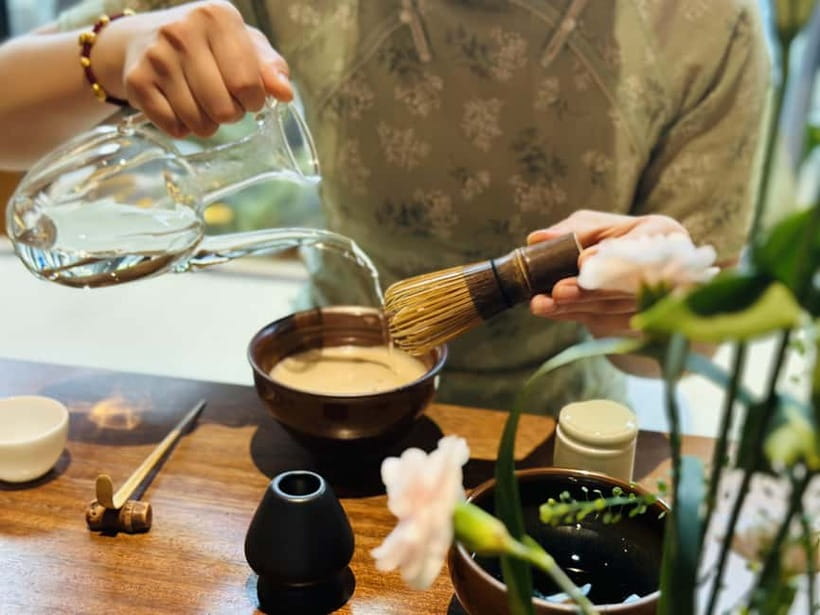
- Song Dynasty technique: Learn the whisking and brewing style linked to an earlier period of Chinese tea culture.
- Small group setting: The maximum of eight participants allows for personal attention and a calmer pace.
- Snacks included: Traditional snacks help round out the tasting, though you should report allergies or dietary restrictions before booking.
- Flexible booking: You can cancel up to 24 hours ahead for a full refund, and reserve now while paying later.
A tea lesson built around your senses
This three-hour Shanghai activity is less about gulping down cup after cup and more about learning how to pay attention. Your tea expert introduces the customs, tools, and ideas behind Chinese tea, then guides you through a set of tastings designed to make small differences easier to notice.
That matters because tea can be hard to judge when you are new to it. One cup may seem light, floral, earthy, bitter, or sweet, but you may not know which part comes from the tea itself and which part comes from water, temperature, brewing time, or expectation. A guided tasting gives you a useful vocabulary without turning the session into a classroom lecture.
The experience is offered in English or Chinese. No individual instructor name is provided, so you should not book expecting a particular tea master. What is clear is that the teaching is led by a tea expert, with enough room in the format for questions and personal attention.
More Chinese Tea Ceremonies in China
- One-Day Hangzhou Dragon Well Tea Culture & West Lake Private Tour
★ 5.0 · 98 reviews - Traditional Chinese Tea Ceremony Experience
★ 4.7 · 74 reviews - Authentic Hangzhou Longjing Tea Culture Experience Tour
★ 5.0 · 32 reviews
Blind tasting before the labels
The blind tasting is one of the smartest parts of the program. You taste an assortment of Chinese teas without relying first on their names or reputations. That lets you judge the cup in front of you instead of deciding in advance that one type must be better than another.
Pay attention to three things:
- Aroma: What reaches your nose before and after the first sip?
- Flavor: Is the cup grassy, roasted, floral, earthy, sweet, or sharp?
- Texture: Does it feel light, smooth, drying, thick, or soft on the tongue?
You are not expected to identify every tea correctly. The point is to notice your own reactions, then connect them to the tea’s class and preparation. This is especially helpful if you usually buy tea by package design or choose whatever is easiest at a café.
The blind format also keeps the tasting lively. It gives you something to solve, but the mood remains relaxed rather than competitive. If you already know Chinese tea, you can use the session to test your instincts. If you are a beginner, you can simply follow the aromas and flavors without worrying about getting an answer wrong.
Comparing China’s three tea classes
The program introduces China’s three major tea classes and asks you to savor the flavor and aroma of each. The supplied details do not name the three classes, so you should expect a broad comparison rather than a lesson built around a published list of specific teas.
That structure is valuable because it gives you a simple map of Chinese tea. Instead of tasting unrelated cups, you can compare how different styles behave in the mouth and how preparation changes the final result. The tea expert can help you connect what you sense to the wider traditions behind each class.
I like this part for practical reasons. After three hours, you may not remember every Chinese tea name, but you are more likely to remember how one class smelled, how another felt, and which style you preferred. That is enough to make smarter choices at a tea shop later.
Take notes if you care about buying tea in Shanghai. A phone note with the class, your favorite aroma, and your preferred texture can be more useful than trying to remember a dozen names at the end of the afternoon. You may also want to ask which teas are commonly served in everyday settings, though the exact discussion depends on your tea expert.
Learning the Song Dynasty whisking method
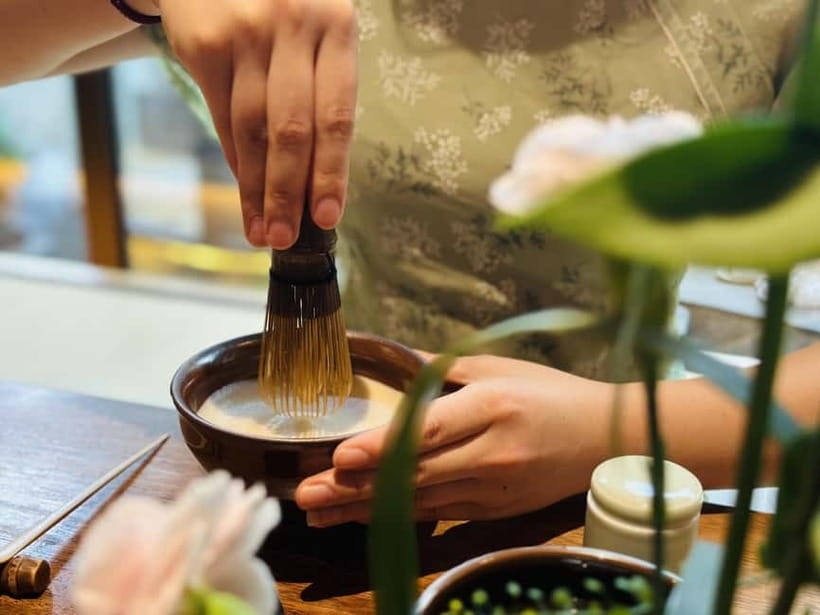
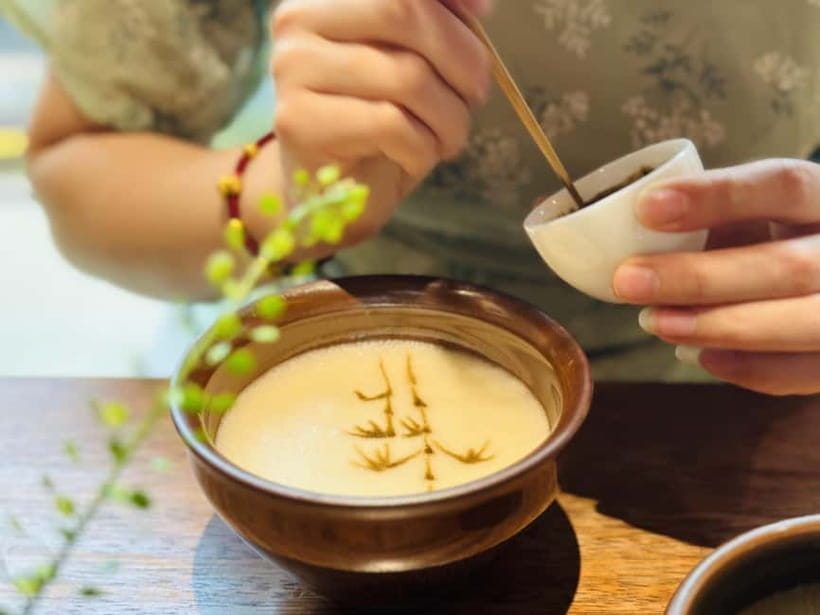
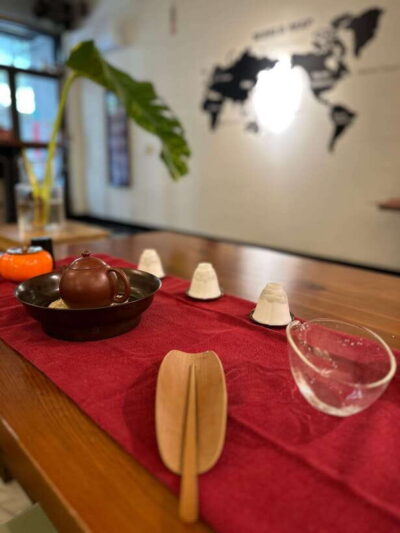
The hands-on Song Dynasty segment gives the activity its strongest cultural character. Rather than only watching tea being poured, you learn the art of whisking and brewing in a style linked to the Song Dynasty.
The goal is not speed. It is controlled movement, attention, and respect for the steps. The whisking method also shows how tea preparation can be treated as a form of craft. You get a better feel for the ritual when your own hands take part.
This activity suits people who enjoy learning by doing. If you prefer a quick tasting with little explanation, three hours may feel long. If you like traditional skills, the extra time is worthwhile because you leave with more than a flavor memory.
The exact tools and sequence are not specified, so it would be wrong to promise a particular bowl, whisk, or ceremonial costume. One useful extra is available, though: optional dress-up for photos. That can add a playful visual touch, especially if you want a keepsake from the session, but it is not the main reason to book.
More Tea Ceremonies in China
- Beijing Culture: Tea Ceremony, Heritage Instrument & Calligraphy
★ 5.0 · 57 reviews - Chinese Tea ceremony in Beijing Hutong courtyard
★ 4.7 · 26 reviews - Beijing Culture Event: Tradition Music, Tea Ceremony, Calligraphy
★ 5.0 · 11 reviews - Shanghai: Song Dynasty Tea Ceremony Experience
★ 5.0 · 10 reviews
A calm small-group setting
With no more than eight participants, the format is intimate without being private. You should have a better chance to see the preparation clearly, ask questions, and receive corrections while practicing the whisking technique.
Group size matters in a tea ceremony. In a large crowd, the fine details of aroma, hand position, and brewing can get lost. Here, the tea expert has a more reasonable chance to notice when you need help or want to compare impressions.
The small group also makes it easier to enjoy the quiet side of tea culture. This is not a loud sightseeing stop or a fast-moving schedule. You are asked to slow down, taste carefully, and give each cup a fair chance.
There is a tradeoff. If you are looking for a private ceremony tailored entirely to your interests, a group of up to eight may not go far enough. You will share the time with other participants, and the discussion will need to serve the group as a whole.
Snacks and the rhythm of three hours
Snacks are included, and they make sense here. Tea tasting can be tiring on an empty stomach, while small bites give you a pause between cups. They also add another cultural element to the table without turning the activity into a full meal.
The precise snacks are not listed, so do not book this as a food tour. Think of them as a useful companion to the tea rather than the main event. If you have food allergies or dietary restrictions, inform the provider before the activity.
Three hours is a generous length for the program. You have time for the welcome, background, blind tasting, comparison of the three tea classes, whisking practice, snacks, and questions. The benefit is a fuller lesson. The concern is that tea is a quiet subject, and some people may find the pace too slow if they want constant movement.
Wear comfortable clothing and shoes suitable for walking. You are also advised to bring a camera, though strong perfume should be avoided because it can interfere with the aromas. Snacks are listed among the suggested things to bring as well, even though snacks are included, so it is sensible to treat that as an option rather than a requirement.
What $143 means in practical value
At $143 per person, this is not a budget cup of tea. You are paying for a three-hour, expert-led cultural lesson rather than a simple tasting at a café.
The price makes more sense if you value personal instruction, small-group attention, and the chance to practice Song Dynasty whisking. It includes the tea expert, an assortment of Chinese teas, and snacks. It does not include transportation, personal expenses, or anything else outside the session.
For a first visit to Shanghai, the experience can serve as a focused introduction to Chinese tea culture. It offers context that you may not get from buying a tin of tea or ordering a pot in a restaurant. For a serious tea enthusiast, the blind tasting and technique lesson may justify the cost more easily than a general sightseeing stop.
The value is weaker if you mainly want to sample as many teas as possible or take home a large amount of tea. The supplied details do not say that tea purchases, souvenirs, or take-home products are included. You should also budget for getting to and from the meeting point.
Meeting point and booking details
Transportation is not included, and the exact meeting point is provided after booking. It will be near the marked location, so leave some flexibility in your Shanghai plans until you receive the final details.
The starting time is not fixed in the information provided. Check availability for the date and time you want. The activity lasts three hours, so place it where you can enjoy the full session without rushing to another appointment.
The flexible booking terms are useful if your schedule is still moving. You can reserve now and pay later, and cancellation is allowed up to 24 hours in advance for a full refund. Read the final booking terms carefully, especially if your plans may change close to the start time.
The activity is not suitable for wheelchair users. That is an important limitation, not a small footnote. People with food allergies are also advised not to book, while anyone with dietary restrictions should contact the provider before the session.
Who will enjoy this most
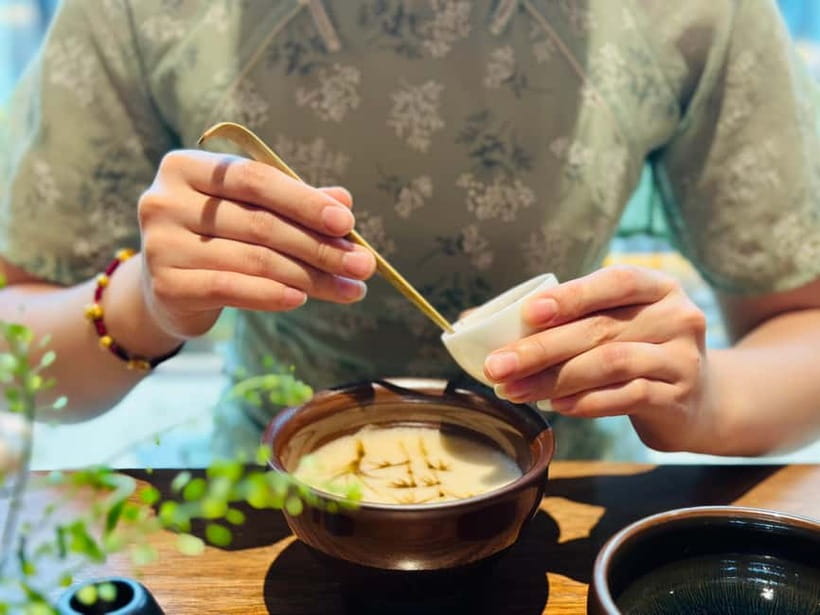
I would recommend this to you if you enjoy culture through ordinary daily life rather than only through major sights. Tea is a good doorway into Chinese customs because it brings together taste, hospitality, craft, and patience in one setting.
It is also a strong fit for:
- First-time tea drinkers who want a clear introduction.
- Tea fans who enjoy comparing aroma and texture.
- Couples or friends looking for a quiet cultural activity.
- Visitors who prefer small groups to large organized tours.
- Photographers interested in the ceremony and optional dress-up.
- Anyone who wants to bring home better tea-buying instincts.
You may want to skip it if you dislike slow, seated activities or want a broad Shanghai sightseeing tour. This program does not include transportation, major attractions, or a city walk. It focuses tightly on Chinese tea.
People with serious food allergies should pay close attention to the stated restriction. The activity is also not designed for wheelchair users, and comfortable footwear is recommended.
The strongest parts of the experience
The best feature is the combination of tasting and technique. Many tea activities stop at drinking. Here, you first learn to notice differences, then practice a traditional brewing approach yourself.
The blind tasting deserves special credit because it makes you an active participant. You are not simply being told which tea is delicate or fragrant. You get to form an opinion before the explanation, then see how your senses match the guide’s description.
The optional dress-up is a nice extra rather than a sales hook. It can make the photo portion more memorable, especially for visitors who want a clear visual record of the ceremony. The real substance remains the tea lesson and Song Dynasty whisking.
The small group is another major strength. A limit of eight keeps the session personal and gives the tea expert a fair chance to engage with each person. That kind of attention matters when the activity includes a hands-on technique.
Should you book this Shanghai tea ceremony?
Book it if you want three quiet, focused hours with Chinese tea, especially if blind tasting and Song Dynasty whisking sound more appealing than a quick drink and a souvenir photo. The small group, included snacks, English or Chinese instruction, and personal practice make the $143 price easier to defend for culture-minded visitors.
Think twice if you want a low-cost tasting, a full meal, or a sightseeing tour. The exact meeting point comes later, transport is not included, and the activity has clear limits for wheelchair users and people with food allergies.
For the right person, this is a thoughtful way to understand Chinese tea through the senses and the hands. Bring comfortable shoes, avoid perfume, arrive ready to slow down, and leave room in your schedule for the ceremony to unfold at its own pace.
FAQ
How long does the Chinese Tea Ceremony Experience last?
The experience lasts three hours. Check availability for the starting times offered on your chosen date.
What languages are available?
The tea expert provides instruction in English or Chinese.
How many people are in the group?
The activity is limited to eight participants, making it a small-group experience.
What is included in the price?
The price includes a tea expert guide, an assortment of Chinese teas, and snacks.
Is transportation included?
No. Transportation to and from the activity is not included, and the exact meeting point is provided after booking near the marked location.
Can I cancel for a refund?
Yes. You can cancel up to 24 hours in advance for a full refund. Reserve now and pay later is also available.
Is the activity suitable for people with food allergies or wheelchair users?
The activity is not suitable for wheelchair users or people with food allergies. If you have dietary restrictions, inform the provider before the activity.
Newly steeped around China
- Full-day Tour: Spectacular Sunrise, Tea Plantation & Sunset★ 5.0 · 3 reviews
- Unlock Chinese Tea: Culture, Science, Tasting & Hands-on Brewing★ 5.0 · 12 reviews
- Shanghai Mahjong Experience in Local Tea Bar★ 5.0 · 4 reviews
- Chinese Tea Ceremony Experience★ 5.0 · 3 reviews
- Private Tour Hangzhou West Lake and Tea Fields Discovery★ 5.0 · 3 reviews
- Hangzhou West Lake and Tea Plantation Half Day Tour★ 5.0 · 4 reviews
- Private Hangzhou Day Tour to West Lake, Lingyin Temple, Tea Village, Old Pagoda★ 5.0 · 17 reviews
- Half-Day Hangzhou Private Tour with Green Tea Village and Lingyin Temple★ 5.0 · 3 reviews
Chinese Tea Ceremony Tours, compared.
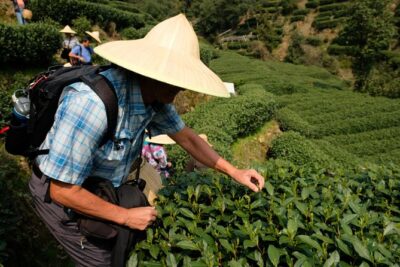
One-Day Hangzhou Dragon Well Tea Culture & West Lake Private Tour
Read our review →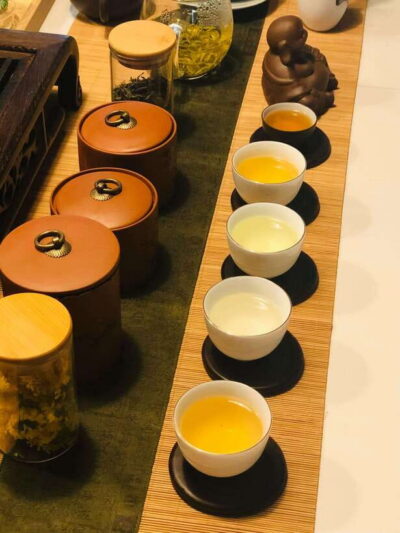
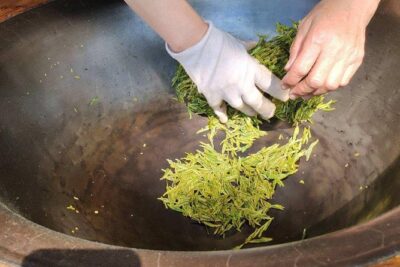
Chinese Tea ceremony in Beijing Hutong courtyard
Read our review →
Unlock Chinese Tea: Culture, Science, Tasting & Hands-on Brewing
Read our review →
Taiwanese Baking Class with Oolong Tea Tasting in Taipei
Read our review →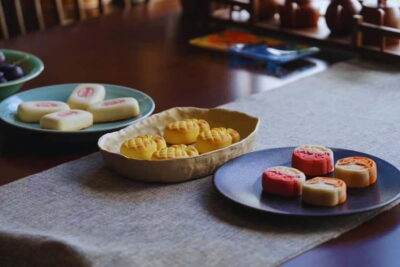
Beijing:Learn Calligraphy & Enjoy Kung Fu Tea Ceremony
Read our review →Browse the lists this tea experience appears in