
Review · HANGZHOU
Authentic Hangzhou Longjing Tea Culture Experience Tour
Hangzhou’s famous Longjing tea is not just something served in a cup. This private outing takes you into the tea fields, lets you pick leaves by hand, and shows how those leaves become the dry green tea sold across China. Forrest Gan has guided many of these visits, and his English explanations cover both tea and Hangzhou’s past.
I like the private pickup and flexible timing, especially if you are arriving by train or traveling with children. I also like the full chain of the experience: tea field, roasting room, tasting, and ceremony. The main caution is time. Tea picking may last only about 15 minutes, and a large part of the visit can be spent tasting and hearing about tea for sale.
Key points at a glance
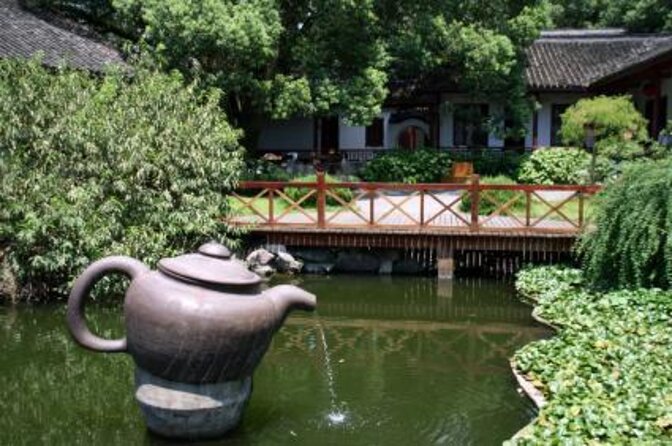
- See the Dragon Well and tea fields: The village takes its name from the famous Longjing, or Dragon Well, tea.
- Pick your own fresh leaves: You can join the pickers and take your picked tea home after processing.
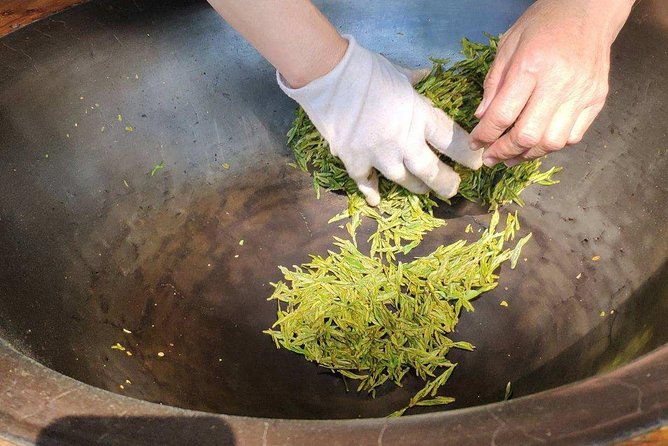
- Watch tea roasting: A visit to the roasting center shows how fresh leaves become dry green tea.
- Enjoy a private visit: Your group alone takes part, with space for up to 15 people.
- Ride from your hotel or train station: Private transport is included, and guides have helped with flexible drop-offs.
- Best in spring, but possible in rain: The fields are especially attractive in spring, though picking can continue in wet weather.
Why Longjing tea makes this Hangzhou outing special
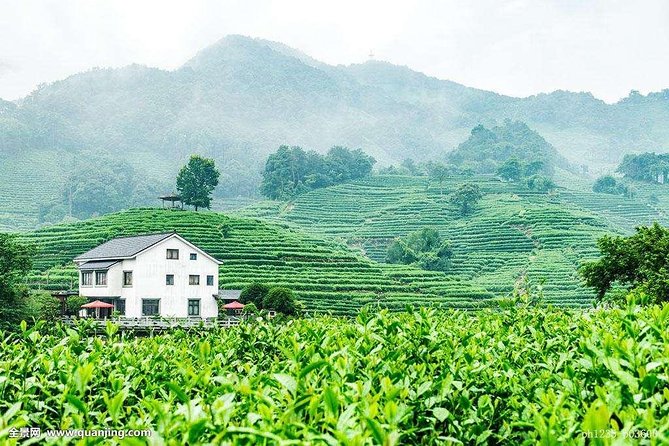
Longjing is one of China’s best-known green teas, and Hangzhou is closely tied to its production. The point of this tour is not simply to drink a polished cup in a tea shop. You see the source, handle the leaves, watch the preparation, and then taste the result.
That order matters. When you first look at the low tea bushes, the leaves may seem ordinary. After seeing them picked and heated, you understand why tea making requires care at every stage. The visit gives you a useful connection between the countryside around Hangzhou and the tea served in homes, restaurants, and tea houses across China.
The Dragon Well itself is part of the opening stop. It gives the name Longjing to the tea and provides a small piece of local cultural context before you walk through the plantation. The tour is built around a quiet rural visit, not a packed sightseeing schedule, so it works well after a busy day in central Hangzhou.
More Chinese Tea Ceremonies in China
- One-Day Hangzhou Dragon Well Tea Culture & West Lake Private Tour
★ 5.0 · 98 reviews - Traditional Chinese Tea Ceremony Experience
★ 4.7 · 74 reviews - Chinese Tea ceremony in Beijing Hutong courtyard
★ 4.7 · 26 reviews
Getting there by private car from Hangzhou
Pickup and drop-off at your Hangzhou hotel are included. Private transport is one of the strongest parts of the arrangement, since the tea village is outside the center and public transport would add extra planning. The drive also gives your guide time to explain Hangzhou and tea production before you reach the fields.
Forrest Gan is the guide most often associated with the experience in the supplied information. He has helped visitors arriving at a train station, and he has also handled requested drop-offs at another location. That flexibility is useful if your schedule includes a train before or after the visit.
The entire outing usually takes about two to four hours, while the visit at the tea village itself is listed at roughly two hours. The exact length can depend on pickup time, traffic, questions, and how long you spend at the tea house. Since this is private, you do not have to wait for a large coach group or follow a fixed public-tour rhythm.
Picking leaves in the Longjingshan fields
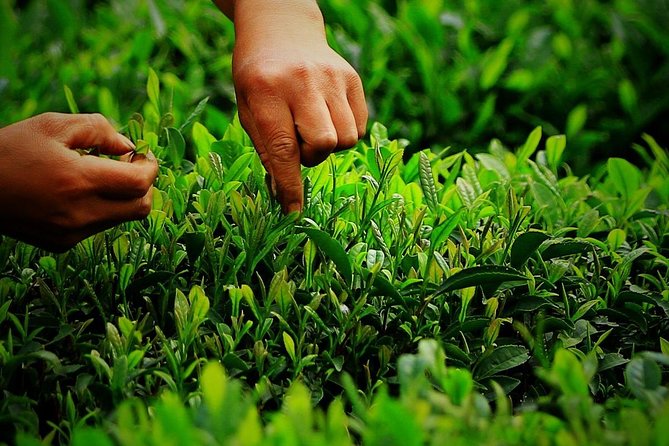
The first hands-on part is tea picking. You can walk among the bushes, join local pickers, and pluck fresh leaves. Traditional clothing may be available for the activity, which adds a playful touch for families and makes photographs more distinctive than the usual tea-cup picture.
The picking period can be brief. One carefully described visit allowed about 15 minutes in the field, followed by another short walk later. That is enough to understand the task, but it is not a full morning working as a tea farmer. If you are booking mainly to spend hours among the bushes, set your expectations lower.
The setting is the real reward here. The tea fields are described as especially scenic, with terraces and green rows that look their best in spring. You may still pick leaves in the rain, so a wet forecast does not automatically ruin the visit. Comfortable shoes and weather protection are sensible, although the tour information does not specify a dress code or equipment.
You can also pack and take home the leaves you pick. That gives the activity a practical finish. Your tea is not just a souvenir purchased from a shelf, though the amount you take home is not specified.
Watching fresh leaves become dry tea
After picking, you visit a roasting center to see the production process. This is an important step because green tea is not simply dried in the sun and placed in a packet. The fresh leaves must be handled and heated so they become the finished tea you recognize.
The presentation is fairly short. Some visits have included around 15 minutes watching the production process, while the tasting and explanation took much longer. Still, the roasting room gives you a clear look at the work behind the final cup, and your guide can explain the recent condition of tea production as well as older customs.
The production stop is most useful if you pay attention to the change in texture, color, and aroma. You have just touched the soft fresh leaves. Seeing them processed helps explain why a small packet of good Longjing can cost much more than an everyday green tea.
Same leaf, a different ritual:
- Tea Tasting and Pairing Concept Workshop
★ 5.0 · 57 reviews - Beijing Culture: Tea Ceremony, Heritage Instrument & Calligraphy
★ 5.0 · 57 reviews - Biking Real Shanghai& Tea Tasting Experience
★ 4.5 · 45 reviews - Tea Village in lost Town and Buddha 1 day tour
★ 5.0 · 32 reviews
A tea ceremony with a sales element
The final major part is a traditional tea ceremony and tasting. You sit down with prepared tea, learn how it is presented, and taste the local green tea after seeing where it comes from. For many people, this is the calmest part of the outing and the best time to ask questions.
Plan on spending a substantial portion of the visit here. One account described roughly 50 minutes of tasting, which is much longer than the actual picking and roasting demonstrations. That can be a plus if you are a serious tea fan or want a slower cultural activity. It may feel long if you expected a farm walk with only a quick cup at the end.
There is also a commercial side. Tea products are offered for sale during the tasting, and the presentation can feel like a sales pitch. You are not required to buy anything based on the information provided, and some visitors received two small tea canisters as gifts. Still, go in knowing that the tea house serves both as a cultural stop and a retail setting.
I would treat the tasting as a chance to compare flavors and ask about the tea rather than as a shopping obligation. If you want to buy tea, this is a useful place to learn what you are getting. If you do not want to buy, be polite and clear.
What the private format is really worth
The price is $52.99 per group of up to 15 people, not $52.99 per person. That can be excellent value for a larger family or group, since the same private vehicle, guide, and basic activities are shared. For one or two people, the value is less obvious, especially if your main goal is only to see a tea plantation.
The price includes private transportation, bottled water, hotel pickup and drop-off, entry fees, the tea-picking fee, the ceremony, and tea to take home. Lunch is not included. You should allow time to eat before or after the outing, since the stated duration does not include a meal.
The private setup also buys comfort and control. You can ask more questions, adjust pickup arrangements, and spend more or less time at the different stages. Families may appreciate not having to keep up with strangers, while couples or solo visitors may prefer the quiet pace.
At the same time, the activity is compact. A small group of four may feel the cost is high if the field visit and production demonstration together take only about half an hour. I see the strongest value for groups of five or more, tea fans, families, and anyone who places a high value on private transport and an English-speaking guide.
Why the guide matters
A good guide makes a major difference here because the physical activities are simple. Picking leaves, watching roasting, and drinking tea do not need complicated instructions. What you gain from the guide is context, translation, local background, and help connecting each step.
Forrest Gan is repeatedly identified as friendly, flexible, and easy to understand in English. His explanations have included Hangzhou’s tea traditions, Chinese tea history, and current tea production. He has also shared personal experience of picking tea as a boy, which gives the subject a more human feel.
That background can turn a short demonstration into a useful lesson. You can ask why particular leaves are selected, how the roasting changes them, or how tea fits into daily life in Hangzhou. The exact guide may vary, so you should not assume Forrest will lead every departure, but the supplied experience information clearly highlights his role.
Best season, weather, and family appeal
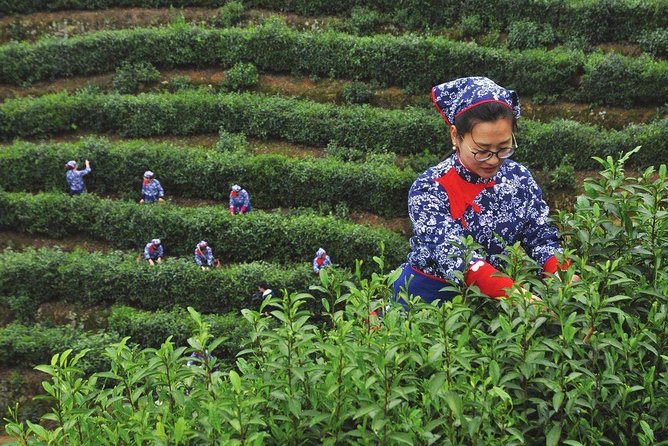
Spring is the preferred season for the prettiest fields and the most appealing tea-picking atmosphere. The plantation is still worth visiting at other times, but the experience may feel less seasonal and the fresh growth may differ.
Rain does not necessarily cancel the activity. Tea picking and the indoor parts can still go ahead, and the roasting center and tea house provide shelter. A wet day will reduce the comfort of walking among the bushes, so bring suitable clothing and keep your expectations realistic.
Children have a natural reason to stay interested: they can wear traditional clothing, pick leaves, and see the production process rather than only listen to a lecture. The private vehicle also makes the outing easier for a family group. Most people can participate, service animals are allowed, and the site is near public transportation, although private pickup is already provided.
Who should book this experience?
I would recommend it most strongly to:
- Tea lovers who want to see production from leaf to cup
- Families seeking a quiet activity outside central Hangzhou
- Groups that can share the $52.99 price
- Visitors who prefer private transport and flexible timing
- First-time visitors who want cultural background from an English-speaking guide
- People with a spare half-day who do not want another crowded city attraction
I would be more cautious if you want a long agricultural work experience. The picking can be short, and the tea ceremony may take up much of the visit. I would also compare the price carefully if you are traveling alone or as a very small group.
The experience is booked, on average, about 19 days ahead, so reserving early is sensible if your Hangzhou dates are fixed. Confirmation is provided at booking, and free cancellation is available until 24 hours before the start time. Changes or cancellations inside that window are not accepted for a refund.
Should you book the Longjing tea visit?
Book it if you want a well-organized introduction to Hangzhou tea, especially with children, a larger group, or limited time. The best parts are the private ride, Forrest Gan’s clear explanations when he leads, the chance to pick leaves, and the simple pleasure of drinking tea where it is grown.
Think twice if you expect a full-day farm stay or a very low per-person cost for a small party. The actual field and roasting demonstrations can be short, and the tasting includes tea sales. For the right audience, though, this is a pleasant way to leave the city, learn how Longjing is made, and bring home a more meaningful tea souvenir.
FAQ
How long does the Longjing tea experience last?
The activity takes about two to four hours, with roughly two hours scheduled at Hangzhou Longjingshan Tea Cultural Village.
What is included in the price?
The price includes private transportation, bottled water, tea picking, the tea ceremony, tea to take home, hotel pickup and drop-off, entry fees, and an English-speaking guide.
Is lunch included?
No. Lunch is not included in the experience.
Can I pick tea leaves myself?
Yes. You can join the tea pickers, pluck fresh leaves, and pack your picked tea leaves to take home.
Is the tour private?
Yes. Only your own group takes part, and the private tour can accommodate up to 15 people.
Is hotel pickup available?
Yes. Pickup and drop-off at Hangzhou hotels are included. Private transport has also been used for train-station pickup and requested drop-offs.
Can children participate?
Most people can participate, and children have joined the tea-picking activity. Traditional clothing may be available for children to wear during the visit.
What happens if I need to cancel?
You can receive a full refund if you cancel at least 24 hours before the experience begins. Cancellations or changes made less than 24 hours before the start time are not accepted for a refund.
Newly steeped around China
- Full-day Tour: Spectacular Sunrise, Tea Plantation & Sunset★ 5.0 · 3 reviews
- Unlock Chinese Tea: Culture, Science, Tasting & Hands-on Brewing★ 5.0 · 12 reviews
- Shanghai Mahjong Experience in Local Tea Bar★ 5.0 · 4 reviews
- Chinese Tea Ceremony Experience★ 5.0 · 3 reviews
- Private Tour Hangzhou West Lake and Tea Fields Discovery★ 5.0 · 3 reviews
- Hangzhou West Lake and Tea Plantation Half Day Tour★ 5.0 · 4 reviews
- Private Hangzhou Day Tour to West Lake, Lingyin Temple, Tea Village, Old Pagoda★ 5.0 · 17 reviews
- Half-Day Hangzhou Private Tour with Green Tea Village and Lingyin Temple★ 5.0 · 3 reviews
Chinese Tea Ceremony Tours, compared.
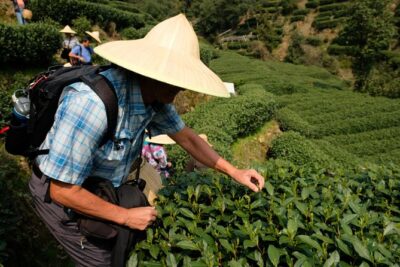
One-Day Hangzhou Dragon Well Tea Culture & West Lake Private Tour
Read our review →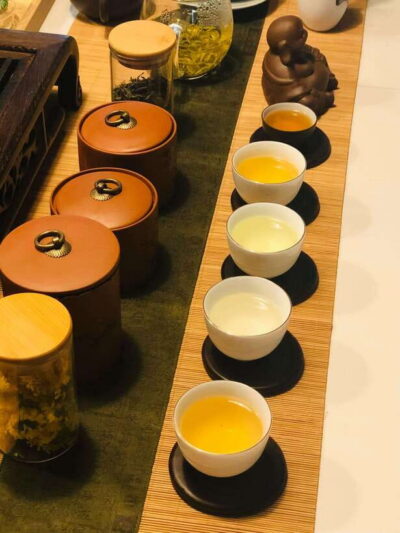
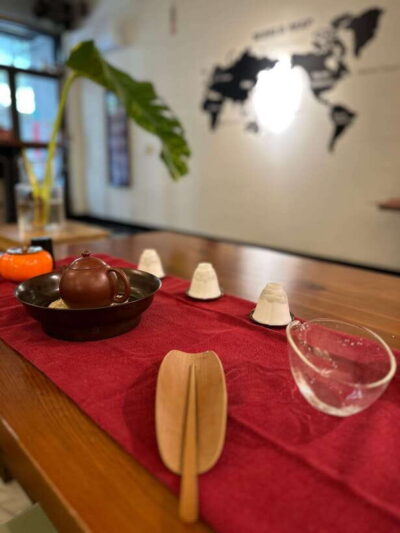
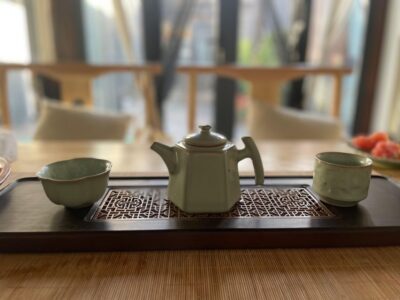
Chinese Tea ceremony in Beijing Hutong courtyard
Read our review →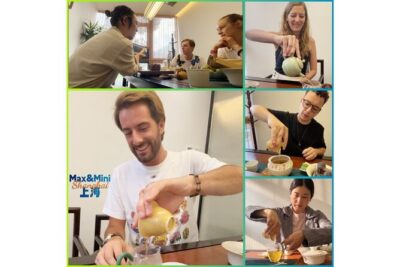
Unlock Chinese Tea: Culture, Science, Tasting & Hands-on Brewing
Read our review →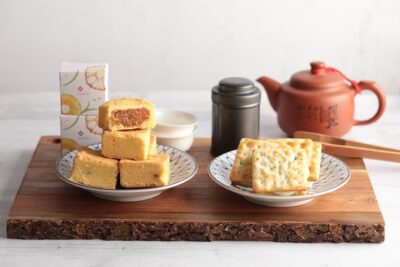
Taiwanese Baking Class with Oolong Tea Tasting in Taipei
Read our review →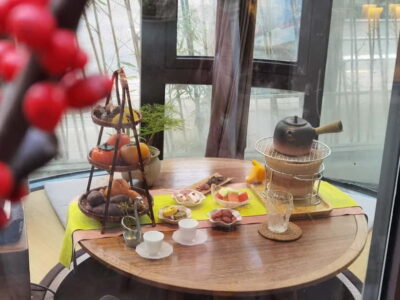
Beijing:Learn Calligraphy & Enjoy Kung Fu Tea Ceremony
Read our review →Browse the lists this tea experience appears in