
Review · JAPAN
Authentic Japanese Tea Ceremony Experience in Kamakura
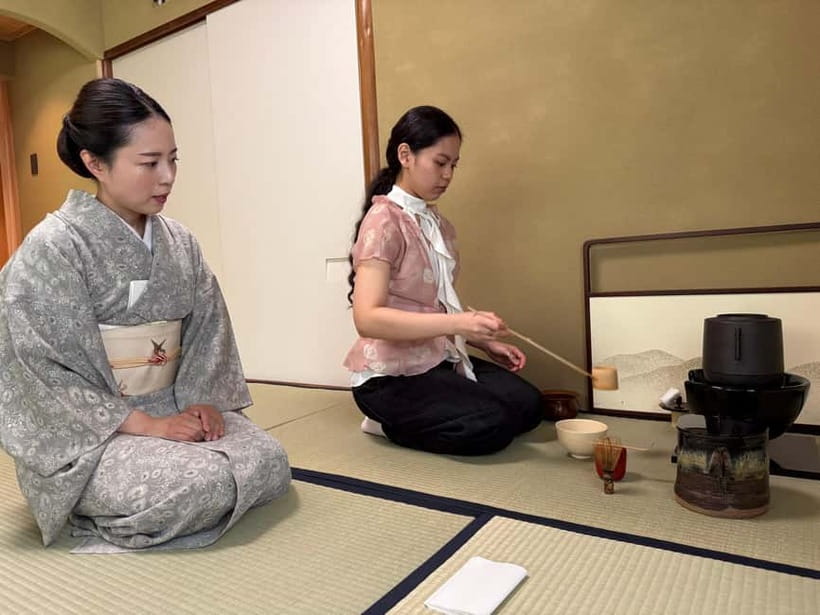
The best part of this Kamakura experience is its small scale. In a traditional sukiya-zukuri tea room, you watch a certified tea master prepare matcha, then try the careful movements yourself. I like the maximum of six participants, which leaves room for questions, and the chance to enjoy two servings of matcha with seasonal wagashi, not just watch a performance.
The main thing to plan for is the setting. You remove your shoes on entering the tatami room, and socks are required. Kneeling is part of the traditional atmosphere, though chairs are available if you arrange them in advance. The location can also take a little finding, so allow extra time for the roughly 5 to 7 minute walk from JR Kita-Kitaura Station.
Key points to know before booking
- Traditional sukiya-zukuri tea room: You enter a purpose-built space designed for the quiet proportions and simple beauty of Japanese tea culture.
- Two bowls of freshly whisked matcha: You taste the tea alongside seasonal Japanese sweets, called wagashi.
- Hands-on tea preparation: After watching the ceremony, you whisk and serve matcha with step-by-step help.
- Small group of six or fewer: The limited size keeps the hour personal and makes it easier to ask questions.
- English-speaking instruction: The tea master explains both the movements and the reasons behind the etiquette.
- Near Kita-Kamakura Station: The tea room is close to restaurant 航, but clear directions and a few spare minutes will help.
A quiet tea room near Kita-Kamakura
Kita-Kamakura is a good setting for a tea ceremony. It is close enough to Tokyo for a half-day visit, yet the pace feels different from central Tokyo. This experience takes place at 茶室 竹翠庵, or Tea Room Chikusuian, near restaurant 航 and within a short walk of JR Kita-Kamakura Station.
The walk is listed as about five minutes in one place and about seven minutes in another, so I would plan on seven. That small difference matters if you have a train to catch or are trying to arrive in formal fashion rather than at a run.
The meeting point is not described as a large public attraction with an obvious ticket office. That means you should pay attention to the tea room name and the nearby restaurant reference. One French booking praised the ceremony but noted that the location details could be clearer for people arriving from overseas. My practical advice is simple: save the Japanese name, check your route before leaving the station, and arrive with a little breathing room.
Inside, the room follows the sukiya-zukuri style. This is the traditional design language associated with tea houses, where natural materials, modest scale, and restrained decoration help turn attention toward the ceremony. You are not entering a stage set built for a large crowd. The small room is part of the lesson.
More Tea Ceremonies in Japan:
- Kyoto: Tea Ceremony in a Traditional Tea House in Kiyomizu
★ 4.9 · 3,519 reviews - Kyoto: Tea Ceremony Ju-An at Jotokuji Temple
★ 4.9 · 3,207 reviews - Kyoto: 45-Minute Tea Ceremony Lesson Experience
★ 4.3 · 2,378 reviews
What happens during the 60-minute ceremony
The hour has a sensible progression. First, you settle into the tea room and learn what you are about to see. The instructor explains the history and meaning of sadō, the Japanese way of tea, along with the manners that guide the ceremony.
This introduction gives useful context to the movements. Without it, a tea ceremony can look like a series of precise gestures with no clear purpose. With it, you begin to understand why the host handles each item with care, why the guest follows certain forms, and how the experience connects with Zen ideas and mindfulness.
Next comes the formal demonstration. The certified tea master prepares matcha in front of you, showing the spirit of omotenashi, or thoughtful hospitality. The point is not speed. Each motion is controlled and deliberate, from handling the utensils to presenting the tea.
I like this section because it lets you watch before you have to perform. You can take in the rhythm without worrying about holding the whisk correctly or remembering the order of actions. It also gives you a model to follow during the practical part later.
You then receive matcha and wagashi. Two servings of tea are included, paired with seasonal Japanese sweets. The sweets are not simply a snack on the side. Wagashi are made to complement the bitterness of matcha, and their seasonal appearance adds another small lesson in Japanese aesthetics.
The final part puts you at the center. You whisk and serve tea yourself under guidance from the instructor. No previous experience is needed, and the goal is not to produce a perfect bowl on your first try. You learn by doing, which makes the etiquette easier to remember after you leave.
Why the hands-on portion matters
A demonstration can be beautiful, but it can also leave you sitting at a distance. Here, you get to handle the utensils and make tea yourself. That changes the feel of the hour.
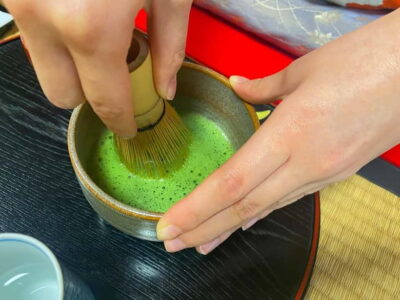
You will notice that whisking matcha takes more care than stirring an ordinary drink. The tea is made from powdered green tea, so the texture and foam depend on how you use the whisk. The instructor guides you step by step, making this suitable for first-time visitors.
Serving the tea also brings the etiquette into focus. You are not only learning a recipe. You are practicing a set of actions shaped by respect, attention, and hospitality. That is the useful distinction between a tea tasting and a tea ceremony lesson.
The format works well for couples and families with children aged seven and up. A child who enjoys practical activities may get more from whisking the tea than from simply watching a formal ritual. Parents should still be comfortable with a quiet room and careful behavior around the utensils.
The session also suits cultural enthusiasts who want more than a quick photo. You have a chance to ask about the meaning behind the ritual, though the exact amount of discussion will depend on the group and the flow of the hour.
Matcha, wagashi, and the taste of the ceremony
Matcha has a strong, grassy bitterness that can surprise people who expect a mild green tea. The wagashi provide a sweet contrast, which is why the pairing feels balanced rather than random.
You receive two servings, giving you a useful comparison between tea prepared by the master and tea prepared during your own practice. The experience does not promise a large meal, so do not book it as a substitute for lunch. Think of the sweets as part of the ceremony and the matcha as its central taste.
Seasonal wagashi also reflect a Japanese habit of paying attention to the time of year. The supplied information does not specify which sweets will be served, and that is normal for seasonal food. What you receive can change with the calendar.
The food is included in the $36 price, along with the matcha, utensils, and the traditional performance. For an hour of instruction in a purpose-built tea room, that is a fair price, especially when you value participation rather than a quick viewing. It is less compelling if you only want to sample green tea, since cafés offer a simpler and faster option.
More Tea Experiences around Japan:
- World Heritage Kyoto & Nara Uji Authentic Matcha Experience
★ 5.0 · 1,573 reviews - Osaka: Tea Ceremony Experience
★ 4.9 · 1,426 reviews - Kyoto: Table-Style Tea Ceremony at a Kyo-Machiya
★ 4.9 · 1,211 reviews - Kanazawa: Kenrokuen Tea Ceremony Experience
★ 4.8 · 1,139 reviews
Etiquette without the intimidation
Japanese tea etiquette can look strict from the outside. This session handles it in a more welcoming way by explaining the customs and then letting you practice them.
You will learn how to behave in the tea room, how the tea is presented, and how the host and guest relate to one another. The instructor teaches not only what to do, but why the action matters. That explanation helps prevent the ceremony from becoming a test of manners.
The English instruction is an important advantage for international visitors. The available languages are Japanese and English, so you can follow the explanation without guessing what each movement means. You may still hear Japanese terms such as sadō, matcha, wagashi, and omotenashi, but they are introduced as part of the lesson.
The atmosphere is calm rather than theatrical. Photos are allowed at designated times, not continuously. That rule protects the flow of the ceremony, and it encourages you to watch with your eyes instead of viewing the whole hour through a phone.
Sitting on tatami and what to wear
Shoes must come off before entering the tatami room. Bring clean socks, which are specifically required. Modest clothing is recommended, but there is no formal dress code.
Kneeling may be expected during parts of the traditional presentation. If that is difficult, chairs are available, but you should notify the provider in advance. This is an important detail for anyone with knee, hip, or back concerns.
The activity is not suitable for wheelchair users, and the supplied information also lists it as unsuitable for pregnant women. Those restrictions should guide your decision before you pay. The room is designed around a traditional floor setting, so it is not a good match for every body or mobility need.
I would wear comfortable, modest clothes that do not restrict your legs. Avoid making your clothing the focus of the visit. The ceremony asks for attention to the tea, the room, and the people taking part.
How the group size shapes the visit
The maximum group size is six. That is one of the strongest features of this activity because tea ceremony depends on quiet attention. A larger crowd would make the instruction harder to hear and the hands-on section less personal.
With six or fewer people, you have a better chance to see the utensils clearly and ask a practical question when something is unfamiliar. The instructor can guide each participant through whisking and serving rather than rushing everyone through a large-group version.
Small groups can also feel more exposed. You are taking part in a formal activity rather than hiding in the back of an auditorium. If you prefer to observe without participating, this format may feel more demanding. The good news is that the instructor leads you step by step, and no prior experience is expected.
The activity has earned a 4.5 rating from eight published bookings, with strong praise for the atmosphere and overall experience. The written comments are brief and come in several languages, but their tone is clear: people found the hour enjoyable, pleasant, and interesting. One comment called it a perfect experience and recommended it strongly, while another specifically valued the friendly and informative mood.
That praise fits the structure. The session combines a formal display with direct participation, which gives you both the beauty of the ritual and the satisfaction of trying it.
Is $36 good value in Kamakura?
At $36 per person, this is not the cheapest way to drink matcha in Japan. You are paying for instruction, a traditional setting, utensils, sweets, and a guided ceremony in a small group.
I think the value is good if you want cultural context. The certified tea master explains the history, manners, and ideas behind the ceremony, then gives you time to practice. That is much more useful than a drink served without explanation.
The one-hour length is also practical. You can fit it into a day exploring Kamakura without giving up most of your schedule. Kita-Kamakura has plenty of appeal for a short visit, and the tea room is close to the station rather than requiring a long trip across the region.
The price is less convincing if your main aim is a filling meal, a long workshop, or a private ceremony. The session is short and focused. You receive two matcha servings and seasonal sweets, not an extended meal or a full day of instruction.
Free cancellation up to 24 hours before the start and a reserve-now, pay-later option give you useful flexibility. Check the available start times before arranging the rest of your day.
Who should book this tea ceremony
I would recommend it to first-time visitors who want a clear introduction to Japanese tea culture without committing to a long formal course. The English-speaking instructor, small group, and practical lesson remove much of the uncertainty.
It is also a good choice for couples looking for a quiet cultural activity, families with children aged seven and older, and people who enjoy crafts, food traditions, or mindful rituals. The hands-on section gives children and adults a shared task.
You should think twice if you dislike quiet, structured activities or feel uncomfortable removing your shoes. The ceremony is not designed for constant photography, and the traditional setting may be physically awkward if kneeling is difficult and you do not arrange a chair ahead of time.
Allow extra time to locate the room. The short walk from JR Kita-Kamakura Station is easy in distance, but the directions may not feel obvious at first. Knowing the name Chikusuian and the nearby restaurant 航 will help you get your bearings.
Final verdict: a thoughtful one-hour introduction
Book this experience if you want to understand Japanese tea ceremony from the inside, not just watch someone prepare a bowl of matcha. The combination of a traditional tea room, two servings of matcha and wagashi, an English-speaking tea master, and hands-on practice gives the hour real substance.
I especially like the small group and the way the lesson explains the meaning behind the manners. The main cautions are the modest location guidance, shoe removal, tatami seating, and limited suitability for people with mobility needs.
For $36, this is a focused and worthwhile Kamakura activity. It will not suit everyone, but for a quiet cultural hour near Kita-Kamakura Station, it offers a good balance of ceremony, explanation, taste, and participation.
FAQ
How long does the Japanese tea ceremony experience last?
The session lasts approximately 60 minutes.
Where does the tea ceremony take place?
You meet at Tea Room Chikusuian, written in Japanese as 茶室 竹翠庵. It is near restaurant 航 and about a 5 to 7 minute walk from JR Kita-Kamakura Station.
Is the experience offered in English?
Yes. Instruction is available in English and Japanese.
Do I need previous tea ceremony experience?
No. The instructor provides step-by-step guidance, and no prior experience is required.
What is included in the price?
The experience includes matcha, Japanese wagashi sweets, rental tea ceremony utensils, the traditional tea ceremony performance, and the chance to make and serve tea yourself.
What should I bring and know before arriving?
Bring socks because shoes must be removed in the tatami tea room. Chairs are available if kneeling is difficult, but you should request one in advance. Photos are allowed at designated times, and the activity is recommended for ages seven and up.
Newly steeped around Japan
- Yokohama : Tea Ceremony with Sweets and Souvenir★ 5.0 · 5 reviews
- Whisk Your Own Matcha: A Zen Matcha Experience at Temple★ 3.6 · 7 reviews
- Walking Tour: Yanaka,Nezu& Sendagi: Tea Ceremony & Old Tokyo★ 5.0 · 3 reviews
- Visit local home for music and tea ceremony near Disney★ 4.9 · 13 reviews
- Trip to Kamakura & Enoshima: Shrines, Seaside, Temples &Tea★ 5.0 · 11 reviews
- Yokohama: Sushi & Gyoza Cooking with Matcha & GreenTea Experience★ 5.0 · 3 reviews
- Kyoto tea town for matcha lovers★ 5.0 · 16 reviews
- Uji: Private immersion into Kyoto’s tea and reglious culture★ 5.0 · 17 reviews
Tea Ceremony Experiences, compared.
Kyoto: Tea Ceremony in a Traditional Tea House in Kiyomizu
Read our review →
Kyoto: 45-Minute Tea Ceremony Lesson Experience
Read our review →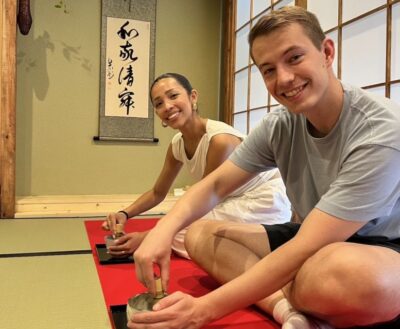
Kyoto: Table-Style Tea Ceremony at a Kyo-Machiya
Read our review →


Browse the lists this tea experience appears in