
Review · KYOTO
Experience a tea ceremony in an authentic tearoom, in Kyoto!
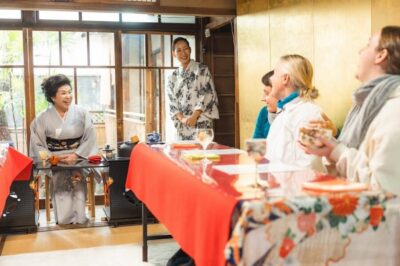
The memorable part comes before the tea: you enter the 130-year-old Kyoto townhouse through its garden and slip into a genuine tearoom. Host Kaori then explains the ceremony, serves matcha with small sweets from a historic Kyoto confectioner, and shows you how to whisk your own bowl.
I like two things here. First, the setting gives the ceremony a sense of place instead of putting you in a generic activity room. Second, you do not just watch. You learn how to prepare, appreciate, and drink matcha, with tips you can use at home. The main drawback is value: at $39.63 for about 45 minutes, it is a short introduction, and you should not expect a kimono experience or a long formal ceremony.
Key points to know before booking
- Enter through a garden: The session takes place in an authentic tea room inside a 130-year-old Kyoto townhouse.
- Kaori leads the experience: She explains the customs and history in clear English, then guides you through making matcha.
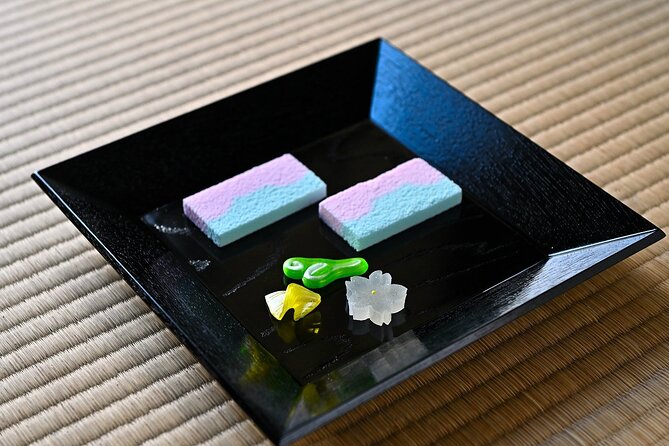
- Historic Kyoto sweets: You taste dried Wasanbon sweets from Shioyoshi-ken, a long-established confectionery shop.
- Small groups: The maximum is 10 people, and some bookings become private sessions when fewer people attend.
- Short and practical: The activity lasts about 45 minutes and focuses on the basics you can repeat at home.
- Plan for floor sitting: A stool is available if traditional kneeling or floor sitting is uncomfortable.
Entering a 130-year-old Kyoto townhouse
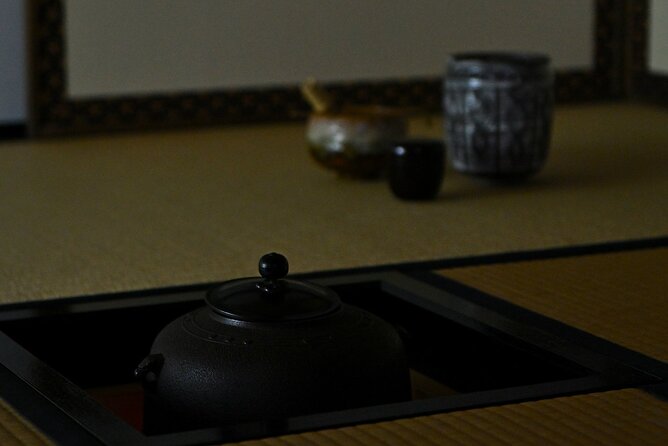
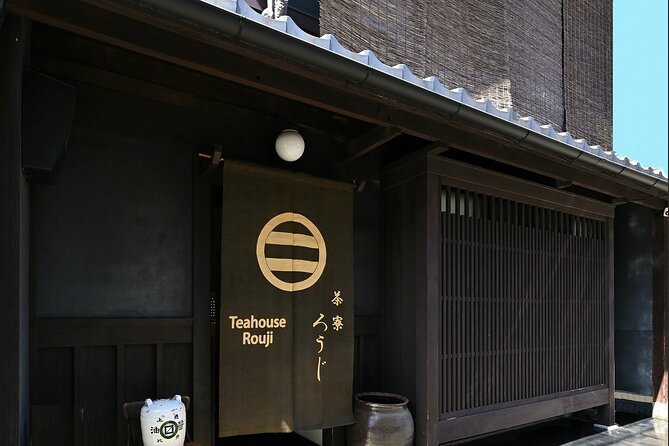
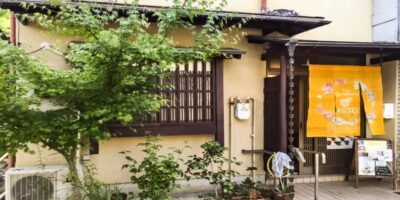
The experience begins at 22-26 Nishinokyo Ikenouchicho in Nakagyo Ward, a location near public transportation. This is not a large cultural center or a polished hotel lounge. You make your way into an old Kyoto townhouse, pass through the garden, and enter the tearoom.
That arrival matters. Tea ceremony is closely tied to the room, the garden, the objects, and the quiet movement between spaces. A modern room could explain the same steps, but it would lose some of the feeling. Here, the building itself gives you useful context before anyone says a word.
The setting is especially appealing if your Kyoto schedule is packed with temples, shopping streets, and major sightseeing stops. The activity offers a calm change of pace without taking half a day. You are still in the city, but the tea room creates a clear pause from the noise outside.
The building is old and traditional, so do not expect the convenience of a modern attraction. You may need to sit on the floor, though a stool can be provided if your knees are uncomfortable. One participant found the ceremony manageable with a bad knee because a stool was available, but it is sensible to mention any concern when you arrive.
More Tea Ceremonies in Kyoto
- Kyoto: Tea Ceremony in a Traditional Tea House in Kiyomizu
★ 4.9 · 3,519 reviews - Kyoto: Tea Ceremony Ju-An at Jotokuji Temple
★ 4.9 · 3,207 reviews - Kyoto: 45-Minute Tea Ceremony Lesson Experience
★ 4.3 · 2,378 reviews
What happens during the 45-minute session
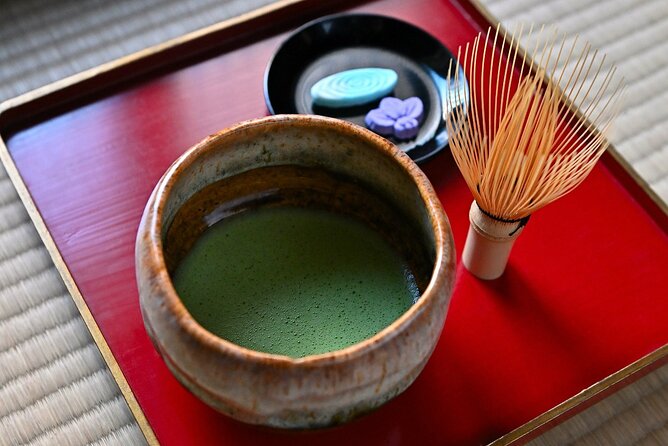
The format is simple and well suited to first-time visitors. Kaori begins by explaining the history and customs of tea ceremony, including how to appreciate and drink matcha. She then demonstrates the preparation process before inviting you to make your own tea.
You are not expected to know the rules beforehand. The instructions are designed for beginners, and the teaching style is patient rather than stiff. That makes this a useful choice for families, couples, and anyone who wants an introduction without committing to a long lesson.
The demonstration is more than a recipe for green tea. You learn that tea ceremony is built around deliberate actions, attention to detail, and respect for the setting. The point is not simply to drink matcha quickly. It is to notice how the tea, sweets, utensils, host, and room work together.
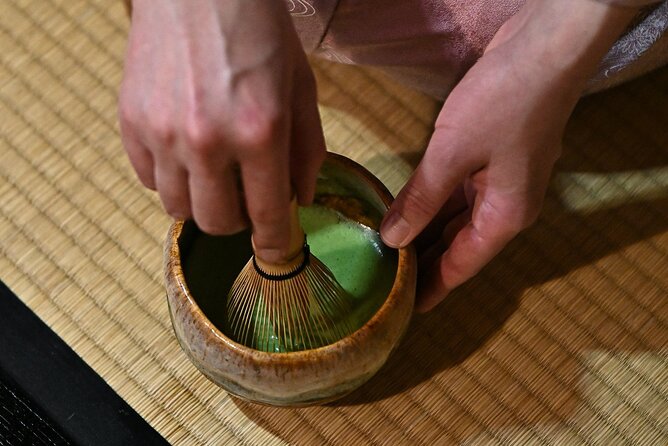
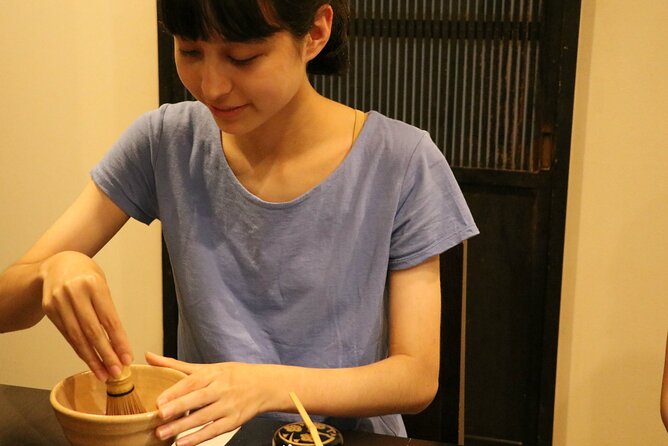
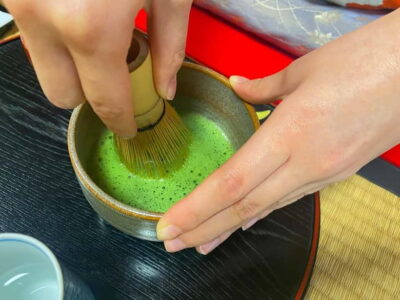
After the demonstration, you prepare your own matcha. This hands-on part is the practical heart of the activity. You see the technique first, then repeat it yourself, with Kaori available to correct or guide you. If you have enjoyed matcha in Japan and wondered how to make it at home, this gives you a clear starting point.
The timing is useful. At about 45 minutes, the session is long enough to explain the essentials and let you practice, but short enough to fit between other Kyoto plans. Some descriptions of the activity call it about an hour, so allow a little extra time rather than scheduling a temple visit immediately afterward.
Matcha with Wasanbon sweets from Shioyoshi-ken
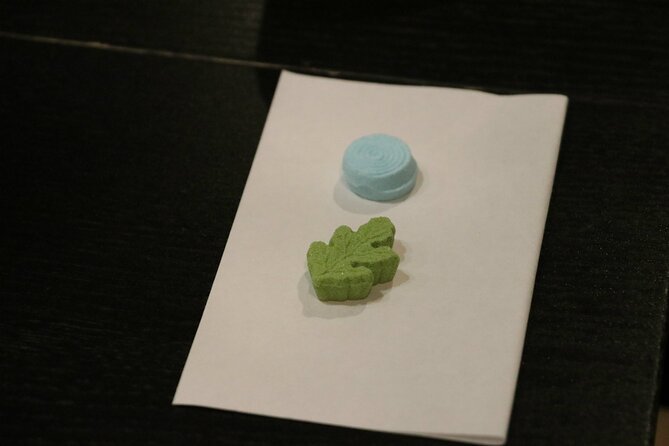
The tea is served with dried Japanese sweets, including Wasanbon. This is a fine-grained Japanese sugar traditionally associated with tea service, and its sweetness balances the bitter edge of matcha.
The sweets come from Shioyoshi-ken, a historic Kyoto confectionery shop. They are small, delicate, and very sweet. That is intentional. In the tea setting, the sweet prepares your palate for the tea rather than functioning as a full snack.
If you prefer large portions or expect a tasting menu, you may find the food underwhelming. Two small sweets and one serving of matcha do not add up to a meal. The value is in the cultural explanation and the setting, not in the quantity of refreshments.
I would also keep your expectations clear about the tea itself. Matcha has a distinct grassy bitterness and a creamy texture that may surprise you if you usually drink ordinary green tea. The preparation lesson helps you understand the drink, but it does not turn matcha into a familiar Western-style beverage.
Why the hands-on lesson is worth your time
The best part of this activity is that you leave with a skill, not just a photograph. Kaori teaches you how to make matcha without requiring a full collection of tea ceremony utensils. That makes the experience more useful after your return home.
You learn the basic steps of whisking matcha, along with practical tips for enjoying tea without formal equipment. This is a smart touch. Many cultural demonstrations end when you leave the room. Here, you can buy a whisk later and try to recreate the experience in your own kitchen.
The lesson also gives you a better way to understand tea ceremony when you see it elsewhere in Japan. You learn how to appreciate the tea, how to drink it, and why the movements are arranged in a particular way. Even a short session can make a formal ceremony feel less mysterious.
The instruction is delivered in English, and the teaching style is intended to be accessible. Kaori has been praised for her clear English, patient explanations, and warm manner. That matters because tea ceremony has many small rules. A rushed or unclear explanation would leave you copying gestures without understanding them.
Same leaf, a different ritual:
- Kyoto: Table-Style Tea Ceremony at a Kyo-Machiya
★ 4.9 · 1,211 reviews - Kimono Tea Ceremony at Kyoto Maikoya, NISHIKI
★ 5.0 · 911 reviews - Arashiyama Bamboo, Temple, Monkeys, or Secret Sake Brewery
★ 4.8 · 886 reviews - Kyoto: Arashiyama Bamboo Forest, Monkeys, Matcha & Temple Tour
★ 5.0 · 759 reviews
The atmosphere and group size
The maximum group size is 10 people. That is small enough for personal instruction, though the exact feel depends on how many people book your time slot.
Small bookings can feel especially intimate. Groups of three and four have had private-feeling sessions, with plenty of attention from the host. A full group of 10 will naturally feel more like a class, but the format still allows everyone to prepare tea.
The tone is calm and welcoming rather than theatrical. Kaori may wear traditional clothing, but a kimono is not included as part of the activity. If dressing up is important to you, choose a separate kimono rental or photo experience instead of assuming it comes with this booking.
This distinction helps explain the price. You are paying for access to an old townhouse tea room, instruction, matcha, sweets, and a small-group cultural lesson. You are not paying for a costume package, a full meal, or a long ceremonial performance.
How authentic is the ceremony?
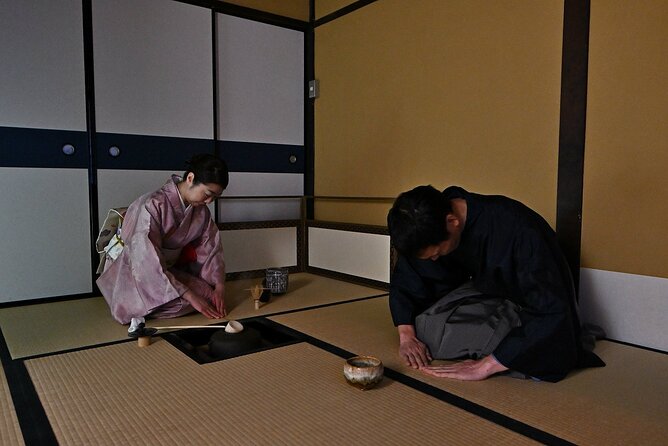
This is best understood as an introduction to tea ceremony in a real tea room, not as a complete training session or an extended formal ceremony. You watch the host demonstrate the process, learn the cultural background, and make your own matcha.
That shorter format is a strength for many people. If you have only a few days in Kyoto, you can experience an important part of Japanese culture without dedicating an entire morning or afternoon. Families and first-time visitors are likely to appreciate the clear structure.
It may feel too brief if you already study tea ceremony or want to observe a lengthy, highly formal presentation. One person considered the activity expensive for less than an hour, even while finding the building and ritual interesting. That is a fair criticism.
The experience also asks you to pay attention. If you treat it as a quick cup of green tea, the activity may seem modest. If you listen to the explanation, notice the sequence, and take part in preparing the tea, you get more from the same 45 minutes.
What makes the guide important
A good tea ceremony host needs to explain rules without making you feel clumsy. Kaori’s role is central here. She walks you through the ceremony, answers questions, and helps beginners understand both the practical steps and the meaning behind them.
Her English is described as excellent, which is useful for details that would be easy to miss. You can ask why a sweet is served first, how to hold the bowl, or how to whisk the matcha at home. The experience works best when you treat it as a conversation as well as a demonstration.
The host’s manner also shapes the mood. The activity is meant to be calm, and a patient instructor makes a large difference. Families in particular should find the format manageable because it is not built around silent observation alone. Children and adults can take part in making the tea, though the supplied information does not specify a minimum age.
Is $39.63 a fair price?
At $39.63 per person, this is not the cheapest way to taste matcha in Kyoto. You can buy a cup of green tea for far less. The price makes sense only if you want the old townhouse setting, an explanation of tea culture, and the chance to prepare the tea yourself.
I see it as a reasonable price for a focused cultural introduction, especially if your group values instruction and atmosphere. The historic sweets and traditional room add meaning, but they do not add much volume. You are paying for the experience around the tea, not the ingredients.
The short duration improves the value for a busy itinerary. You do not need to give up a full day of sightseeing, and the meeting point is near public transportation. On the other hand, the brief format limits how much history or technique can be covered.
Book it if you want a carefully explained first taste of tea ceremony. Skip it if you mainly want a large serving, elaborate entertainment, a kimono, or an extended formal ritual.
Practical details for planning your visit
The activity starts and ends at 22-26 Nishinokyo Ikenouchicho, Nakagyo Ward, Kyoto, 604-8375, Japan. Since it is near public transportation, it should fit into a broader Kyoto day, but check your route carefully and arrive with time to find the townhouse.
Mobile tickets are accepted. Confirmation is provided within 48 hours of booking, subject to availability, so do not leave this until the final hours before your visit.
The maximum group size is 10. The meeting point is also the return point, and there is no separate transportation or sightseeing stop included.
The cancellation policy allows a full refund when you cancel at least 24 hours before the start time. Changes or cancellations made less than 24 hours before the activity are not accepted for a refund. Since one scheduling mix-up caused a serious problem for a booking party, check your confirmation time carefully and contact the booking platform promptly if anything looks unclear.
Who should book this Kyoto tea ceremony?
I would recommend it most to you if you:
- Want a short introduction to an important Japanese tradition
- Prefer doing something hands-on rather than only watching
- Enjoy historic buildings and small cultural experiences
- Are visiting Kyoto with family or a small group
- Want to learn how to make matcha at home
- Need an activity that fits around a busy sightseeing schedule
You may want another option if you need wheelchair-friendly details, dislike floor seating, expect a full meal, or want to dress in a kimono. A stool is available for people who cannot sit traditionally, but the supplied information does not provide full accessibility details.
Should you book it?
Book this tea ceremony if the idea of entering an old Kyoto townhouse, learning the meaning behind the ritual, and whisking your own matcha appeals to you. The strongest parts are the setting, Kaori’s clear English instruction, the traditional Wasanbon sweets from Shioyoshi-ken, and the chance to repeat the skill at home.
At $39.63, it is a fair short lesson rather than a bargain attraction. Go for the cultural context and personal instruction, not the amount of tea or food. If you keep those expectations in place, this is a calm, practical way to add a distinctly Kyoto experience to your schedule.
FAQ
Where does the tea ceremony take place?
It takes place at 22-26 Nishinokyo Ikenouchicho in Kyoto’s Nakagyo Ward, inside a 130-year-old Kyoto townhouse. The experience begins and ends at this meeting point.
How long does the activity last?
The stated duration is approximately 45 minutes. Some descriptions refer to the session as about an hour, so allow a little extra time in your schedule.
What will I do during the ceremony?
You will learn about the history and customs of tea ceremony, watch a demonstration, taste matcha with dried Japanese sweets, and prepare your own matcha with guidance.
Is the experience suitable for beginners?
Yes. The instruction covers basic etiquette, how to appreciate and drink matcha, and how to prepare it yourself. No previous tea ceremony experience is required.
Is a kimono included?
No. A kimono is not listed as part of the activity, so you should not book this experience expecting a costume or dressing session.
Can I cancel for a full refund?
Yes. You can cancel at least 24 hours before the local start time for a full refund. Cancellations or changes made less than 24 hours before the start time are not accepted for a refund.
Newly steeped around Kyoto
- Whisk Your Own Matcha: A Zen Matcha Experience at Temple★ 3.6 · 7 reviews
- Kyoto: Authentic Tea Ceremony in a Small Group★ 5.0 · 7 reviews
- Tea ceremony at Kyoto’s Zen Temple Teahouse★ 5.0 · 2 reviews
- Uji Walking Tour – Byodo-in temple and Tea Ceremony from Kyoto★ 3.5 · 3 reviews
- Tea Ceremony Experience in Traditional Kyoto Townhouse★ 5.0 · 19 reviews
- Tea Ceremony in 150 Years Old Townhouse with Tables and Chairs★ 5.0 · 22 reviews
- Sencha-do the Japanese Tea Ceremony Workshop in Kyoto★ 5.0 · 21 reviews
- Silent Beauty of Kyoto Zen Walk and Tea Experience★ 5.0 · 2 reviews
Tea Ceremony Experiences, compared.
Kyoto: Tea Ceremony in a Traditional Tea House in Kiyomizu
Read our review →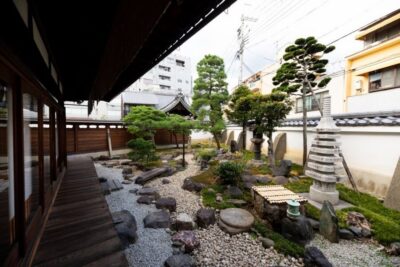
Kyoto: 45-Minute Tea Ceremony Lesson Experience
Read our review →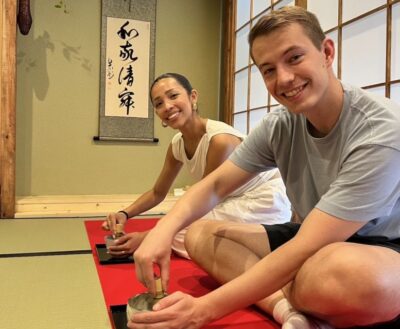
Kyoto: Table-Style Tea Ceremony at a Kyo-Machiya
Read our review →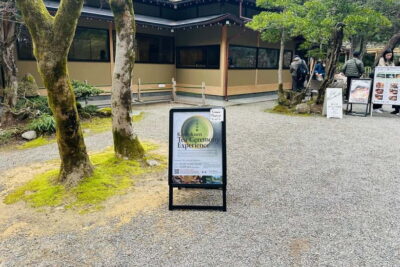


Browse the lists this tea experience appears in