
Review · KANAZAWA
Kenrokuen Tea Ceremony Experience in Kanazawa
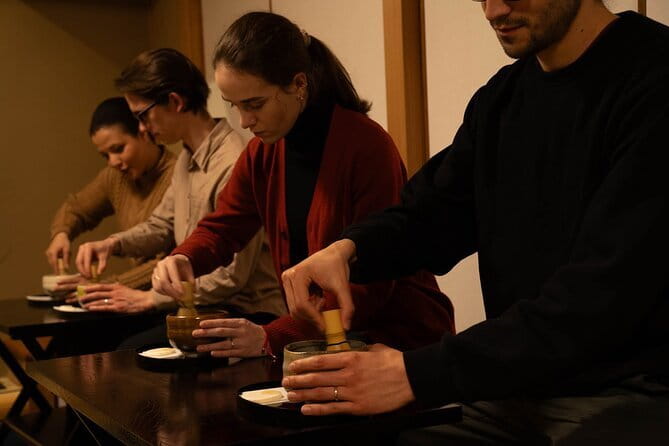
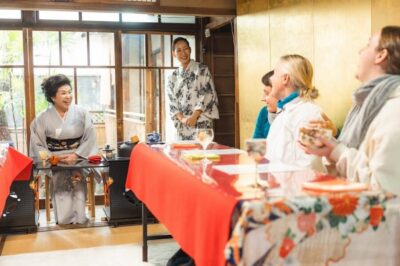
Kenrokuen’s tea ceremony experience gives you more than a cup of matcha. Inside historic Kenrokutei, once used by Kanazawa’s lords to entertain important visitors, you learn why each gesture matters, then prepare tea yourself. The setting adds real weight to what could otherwise be a quick cultural demonstration.
I like the small group size, capped at four people, and the chance to handle the whisk and utensils rather than simply watch. I also like the wagashi sweets, which give you a proper taste of the careful pairing between Japanese confectionery and bitter matcha.
The main drawback is strict timing. Arrive more than 10 minutes late and the booking is canceled, with no refund for a late cancellation. You must also pay Kenrokuen’s 320-yen entrance fee separately.
Key points at a glance

- Historic setting: The ceremony takes place in Kenrokutei, an old reception space within Kenrokuen Garden.
- You make your own matcha: After the demonstration, you whisk tea yourself and drink it.
- Small, quiet group: The activity has a maximum of four participants and is designed for ages seven and up.
- English explanations: The hosts explain the ceremony, its movements, utensils, and background in clear English.
- Standing option: You can choose a standing-style ceremony if sitting on the floor is uncomfortable.
- Budget detail: The experience costs $39.40 per person, but Kenrokuen admission costs an extra 320 yen.
Why this ceremony feels different from a quick tea tasting
A tea tasting can be over in a few minutes. This experience takes about 50 minutes and gives you a clearer sense of the ceremony as a sequence of actions, not just a way to prepare a drink.
The tea master first demonstrates the process. You watch how the utensils are held, how the tea is whisked, and how the bowl is handled. The point is not speed. It is attention to small movements, placement, and courtesy.
That explanation matters. Without it, a tea ceremony can seem quiet and formal without much context. Here, the hosts explain the role of the utensils, the flow of the ceremony, and the background behind the ritual. You are given enough information to understand what you are seeing before you try it yourself.
The activity is conducted with other small groups, so quiet behavior is expected. Children must be at least seven years old. This is a good fit for older children who can listen and follow instructions, but it may not suit a restless young child who needs to move around.
More Tea Ceremonies in Japan:
- Kyoto: Tea Ceremony in a Traditional Tea House in Kiyomizu
★ 4.9 · 3,519 reviews - Kyoto: Tea Ceremony Ju-An at Jotokuji Temple
★ 4.9 · 3,207 reviews - Kyoto: 45-Minute Tea Ceremony Lesson Experience
★ 4.3 · 2,378 reviews
Meeting the tea master at Kenrokutei
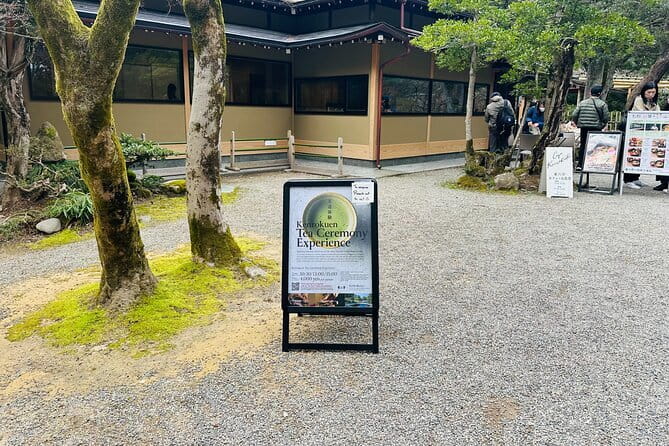
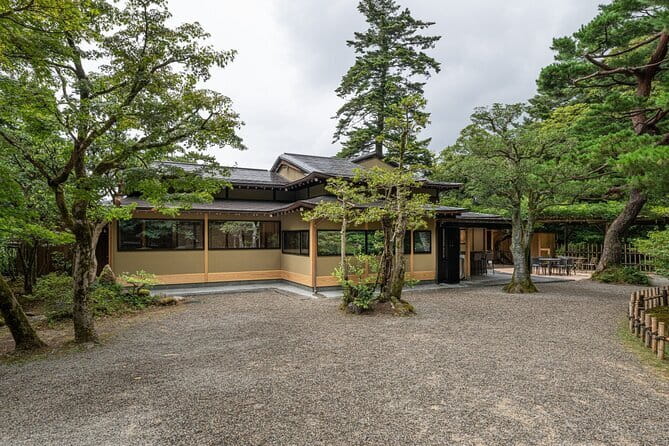
You meet at Kenrokutei, at 1-20 Kenrokumachi, inside Kenrokuen Garden. Kenrokutei is not just a convenient room for the class. It is a historic place where important guests were entertained by the lords of Kanazawa. That setting gives the lesson a direct connection to the city’s former courtly culture.
You need to allow time to enter Kenrokuen before the appointment. Admission is not part of the tea ceremony ticket and costs 320 yen. The meeting point is inside the garden, so do not plan to arrive at the garden entrance at the exact start time and expect to reach Kenrokutei instantly.
The punctuality rule is unusually firm. If you arrive more than 10 minutes late, the reservation is canceled. I would aim to be inside Kenrokuen at least 15 to 20 minutes before the scheduled start, especially if you are unfamiliar with the garden or need to find the building.
The activity ends back at the meeting point. That makes it easy to continue exploring Kenrokuen afterward, stop for lunch, or visit another Kanazawa sight without arranging a separate return transfer.
Watching the demonstration before you touch the utensils
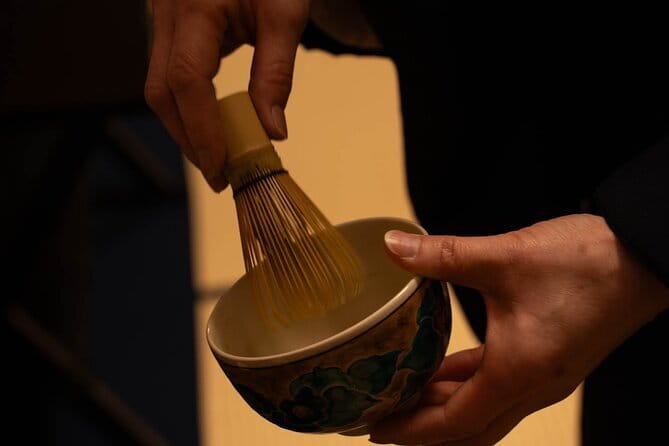
The first part is a demonstration by the tea master. This is where the ceremony’s formal side becomes easier to understand. You see how the tea is prepared and how the traditional utensils are used before you are asked to copy the process.
The instruction covers more than whisking. You learn how to use the tea tools and how to handle the bowl. The movement of picking up a tea bowl, for example, has a proper manner. These details can seem fussy until someone explains that the ceremony is built around care, respect, and a shared rhythm.
The hosts keep the lesson active rather than leaving you to sit silently through a long formal performance. Several people describe the presentation as clear, engaging, and occasionally funny. That balance is useful because the ceremony has a serious structure, but you do not need to approach it like an expert.
English interpretation is available as part of the regular experience. The explanations have been praised for being clear, which is important here. A tea ceremony depends on understanding small actions, and a vague translation would take much of the value away.
If you need dedicated translation services, you should make a private reservation by contacting the provider by email. This request is meant to avoid disturbing the other participants in a shared session. Do not assume that a standard booking includes a private interpreter.
Making and drinking your own matcha
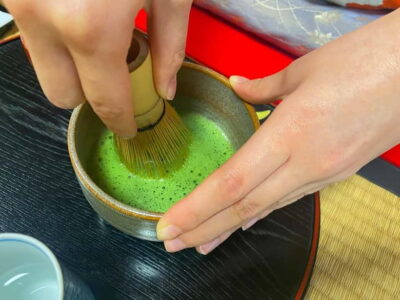
The most enjoyable part for many people is the hands-on section. After watching the tea master, you prepare your own matcha with the traditional utensils. You then drink the tea you made.
This changes the mood of the experience. You are no longer simply observing a Japanese custom from the outside. You have to pay attention to the instructions, use the tools correctly, and create a cup for yourself. The result may not look exactly like the tea master’s version, and that is part of the fun.
The lesson is not presented as a test. The hosts guide you through the process so you can participate without confusion. You get a practical feel for the whisk, the bowl, and the preparation method, even if your foam is less polished than the instructor’s.
Matcha has a strong, bitter flavor that may surprise you if you usually drink sweetened tea. The wagashi served with it helps balance that bitterness. The sweets are made by a distinguished confectioner, and the pairing is a central part of the experience rather than an afterthought.
Some information describes two kinds of tea and two kinds of wagashi being served, though the exact selection can vary. You should expect traditional Japanese sweets and matcha, not a full snack or meal. If you are hungry, plan lunch separately.
More Tea Experiences around Japan:
- World Heritage Kyoto & Nara Uji Authentic Matcha Experience
★ 5.0 · 1,573 reviews - Osaka: Tea Ceremony Experience
★ 4.9 · 1,426 reviews - Kyoto: Table-Style Tea Ceremony at a Kyo-Machiya
★ 4.9 · 1,211 reviews - Kanazawa: Kenrokuen Tea Ceremony Experience
★ 4.8 · 1,139 reviews
The wagashi pairing is part of the lesson
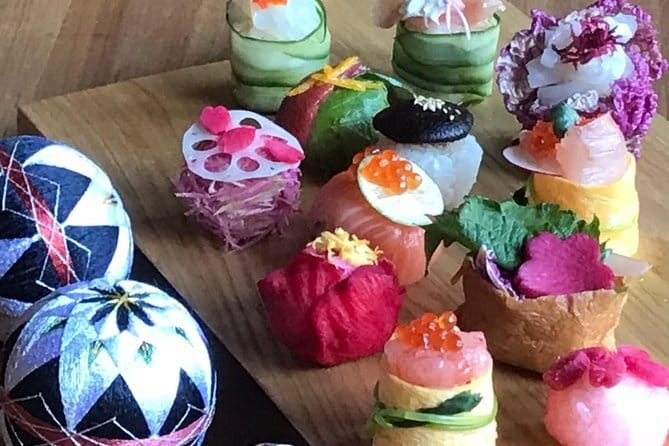
Wagashi are more than decorative sweets. Their sweetness prepares your palate for matcha, and their careful appearance reflects the same attention to detail found in the tea utensils and movements.
The sweets give you a simple way to notice how Japanese tea culture works as a whole. The tea is bitter, the confection is sweet, and neither is meant to be rushed. You eat the wagashi and drink the tea as connected parts of the ceremony.
This is also where the experience earns some of its price. You are paying for instruction, a historic room, tea, sweets, and a small interactive session. If you only want a bowl of matcha, you can likely find cheaper options elsewhere. If you want to understand the custom and prepare tea yourself, the added cost makes more sense.
The listed price is $39.40 per person. Kenrokuen admission adds 320 yen, so your actual cost is higher than the headline price. For a 50-minute activity, that is not the cheapest cultural stop in Kanazawa, but the four-person limit makes it more personal than a large demonstration.
Sitting on the floor is not required
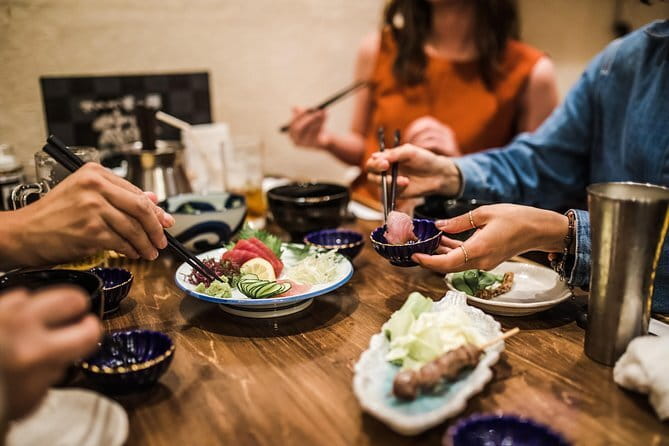
A useful detail is the standing-style option. Traditional tea ceremonies often bring to mind sitting on tatami, which can be difficult if you have knee, hip, or mobility concerns. Here, you can choose to participate while standing.
The information provided does not describe full wheelchair access or every physical arrangement, so you should contact Kenrokutei directly if you need specific accessibility assistance. Still, the standing choice removes one common worry and makes the activity possible for more people.
The ceremony is intended to remain quiet and orderly. Participants must be seven or older, and the small group format helps keep the room calm. Families should consider each child’s ability to listen and follow a formal demonstration for nearly an hour.
How the small group affects the experience
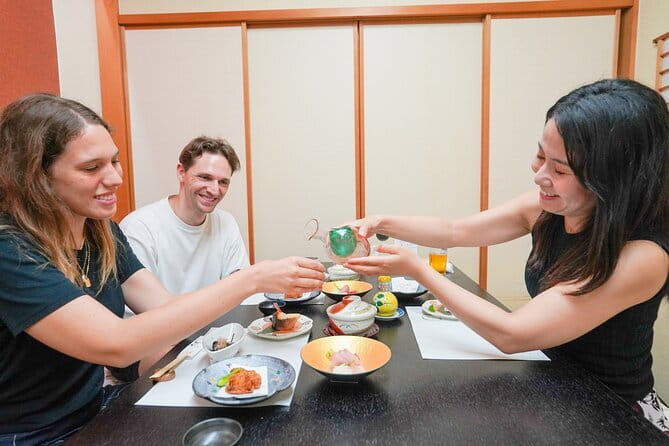
The maximum group size is four people. That is one of the strongest practical reasons to choose this activity over a large cultural show.
With only a few participants, you have a better chance to see the tea tools clearly and receive direct guidance when it is your turn to make matcha. The setting also feels less like a stage performance. You are in a room connected to Kanazawa’s old social life, with time to notice the process.
The tradeoff is limited flexibility. Because the class is shared with other participants, you should not expect to change the pace, request an extended private explanation, or arrive whenever convenient. If you need translation beyond the standard English instruction, book privately.
The quiet format also means this is not a loud, playful craft workshop. It can be fun, and the hosts use humor and interaction, but the ceremony still depends on restraint. I would choose it for someone curious about Japanese customs, not someone looking for a high-energy activity.
Price, timing, and cancellation details
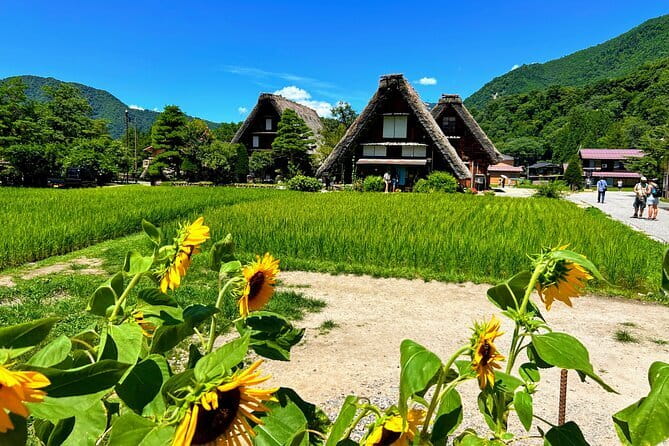
At $39.40 per person, the experience is moderately priced for a short cultural activity. I think the value is strongest if you are interested in the meaning behind the ceremony and want to make your own tea. The price is harder to justify if you only want to sample matcha or take a quick photo in traditional surroundings.
The duration is about 50 minutes. Add time for Kenrokuen admission, finding Kenrokutei, and a little breathing room before the start. The mobile ticket is convenient, but it does not remove the need to arrive early.
The activity is often booked about 10 days ahead. That is a useful planning guide, particularly if your Kanazawa schedule is tight. The maximum of four people can make popular times fill faster than a larger group tour.
You can cancel for a full refund up to 24 hours before the start time. Cancellations or changes made less than 24 hours before the activity are not refunded or accepted. The local time in Kanazawa controls the cutoff.
Who should book this Kanazawa tea ceremony
I would recommend it to you if you want a cultural activity that is short, focused, and hands-on. It works especially well after a walk through Kenrokuen because you remain in the same garden and gain a more thoughtful connection to the historic setting.
It is also a good choice if you want clear English instruction. The hosts explain the process, history, roles, and gestures in a way that lets beginners take part without prior knowledge.
Families with children seven and older can consider it, provided the children can remain quiet and attentive. Couples, solo visitors, and small groups of friends should appreciate the four-person limit.
I would be more cautious if you are on a very tight budget, dislike formal activities, or cannot guarantee punctuality. The cancellation rule is strict, and the separate garden fee slightly raises the total cost. Also, if you need extensive translation, arrange a private session rather than relying on the standard booking.
Should you book the Kenrokuen tea ceremony?
Book it if you want to learn by doing. The strongest features are the historic Kenrokutei setting, patient explanations in English, the small group size, and the chance to whisk and drink your own matcha. The wagashi pairing makes the experience feel complete.
Skip it if you only want a cheap tea and a quick stop. For that, the price and strict timing may feel excessive. But if you have room in your Kanazawa schedule and want to understand why Japanese tea ceremony is about more than the beverage, this 50-minute session is a sensible choice. Just enter Kenrokuen early, bring the mobile ticket, and treat the appointment time as fixed.
FAQ
How long does the Kenrokuen tea ceremony experience last?
The experience lasts approximately 50 minutes.
Where does the tea ceremony take place?
It takes place at Kenrokutei inside Kenrokuen Garden in Kanazawa. The meeting address is 1-20 Kenrokumachi, Kanazawa, Ishikawa 920-0936, Japan.
Is Kenrokuen admission included in the ticket?
No. You must pay the Kenrokuen entrance fee separately. Admission costs 320 yen.
Can I participate if I have difficulty sitting on the floor?
Yes. You can choose a standing-style tea ceremony if sitting on the floor is difficult.
Is the activity conducted in English?
The tea ceremony includes English explanations. If you need translation services, you should make a private reservation by contacting the provider by email.
Can children participate?
Participants must be at least seven years old. The activity is shared with other groups and is intended to remain quiet and enjoyable.
What happens if I arrive late or need to cancel?
If you arrive more than 10 minutes late, your reservation will be canceled. You can receive a full refund if you cancel at least 24 hours before the start time. Cancellations or changes made less than 24 hours before the start time are not accepted or refunded.
Newly steeped around Japan
- Yokohama : Tea Ceremony with Sweets and Souvenir★ 5.0 · 5 reviews
- Whisk Your Own Matcha: A Zen Matcha Experience at Temple★ 3.6 · 7 reviews
- Walking Tour: Yanaka,Nezu& Sendagi: Tea Ceremony & Old Tokyo★ 5.0 · 3 reviews
- Visit local home for music and tea ceremony near Disney★ 4.9 · 13 reviews
- Trip to Kamakura & Enoshima: Shrines, Seaside, Temples &Tea★ 5.0 · 11 reviews
- Yokohama: Sushi & Gyoza Cooking with Matcha & GreenTea Experience★ 5.0 · 3 reviews
- Kyoto tea town for matcha lovers★ 5.0 · 16 reviews
- Uji: Private immersion into Kyoto’s tea and reglious culture★ 5.0 · 17 reviews
Tea Ceremony Experiences, compared.
Kyoto: Tea Ceremony in a Traditional Tea House in Kiyomizu
Read our review →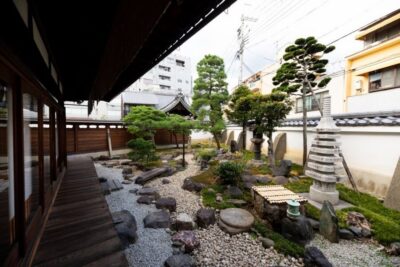
Kyoto: 45-Minute Tea Ceremony Lesson Experience
Read our review →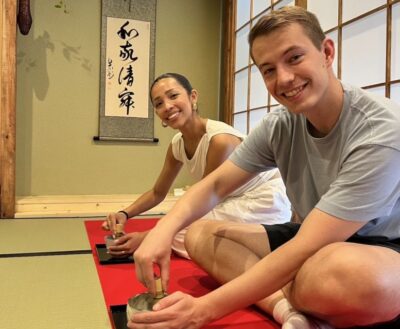
Kyoto: Table-Style Tea Ceremony at a Kyo-Machiya
Read our review →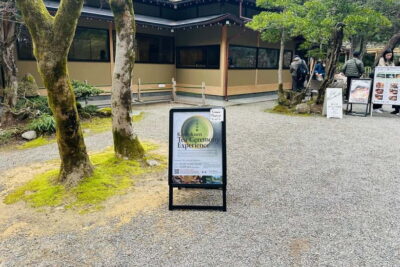


Browse the lists this tea experience appears in