
Review · KYOTO
Kyoto Japanese Tea Ceremony Experience in Ankoan
The heart of this experience is not simply drinking matcha. You watch the host prepare it, learn why each movement matters, then make a bowl yourself and offer it to someone else. The exchange is the point, turning a formal ritual into a friendly lesson in Japanese manners and hospitality.
I like the relaxed welcome tea and the chance to ask about daily life in Japan, not just memorize ceremony rules. I also like the small group size, the clear English instruction, and the way children can take part. The main consideration is the setting: you may sit in a traditional position, and the experience is not recommended if you have knee pain.
Key points at a glance
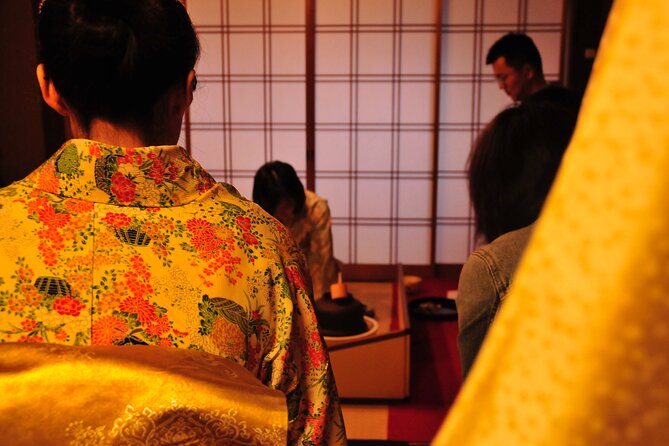
- Yuka’s friendly English guidance: Expect clear explanations, informal conversation, and help at each stage of making matcha.
- You prepare and serve your own tea: The lesson is hands-on, including the custom of making tea for another person.
- A small group of up to eight: This gives you a better chance to ask questions and receive personal instruction.
- Welcome tea before the formal lesson: You can settle in and talk about tea, Japanese customs, and everyday life.
- Wagashi with matcha: The traditional sweet gives you a useful taste comparison with the slightly bitter tea.
- A short cultural stop near Kyoto sights: The studio is in Kita Ward and close to public transportation, with temples nearby.
What happens inside the Ankoan tea room
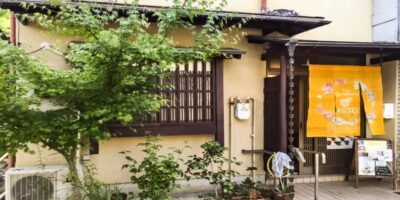
You begin at Tea ceremonyJapan, at Ankoan, 63 Murasakino Monzenchō in Kyoto’s Kita Ward. The activity returns you to this same meeting point, so you do not need to arrange a separate ride home.
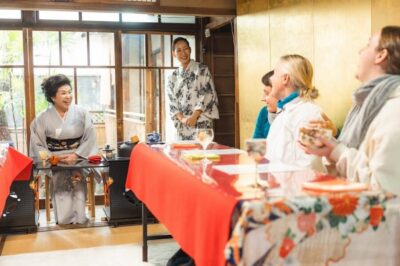
The first cup is a welcome tea served by Yuka. This opening matters because it removes some of the pressure that can come with a formal cultural activity. You can sit down, recover from the trip across Kyoto, and ask questions before the ceremony begins.
The conversation can cover tea, matcha, Japanese customs, and how people live. That informal start is one of the best features for first-time visitors. You get context in plain language before being asked to remember where to place your hands or how to handle the bowl.
The advertised experience is about one hour, while the detailed description presents it as a 90-minute service. Some participants have found it lasted closer to two hours. I would leave room in your schedule rather than booking a train, meal, or timed museum entry immediately afterward.
More Tea Ceremonies in Kyoto
- Kyoto: Tea Ceremony in a Traditional Tea House in Kiyomizu
★ 4.9 · 3,519 reviews - Kyoto: Tea Ceremony Ju-An at Jotokuji Temple
★ 4.9 · 3,207 reviews - Kyoto: 45-Minute Tea Ceremony Lesson Experience
★ 4.3 · 2,378 reviews
Watching the matcha demonstration
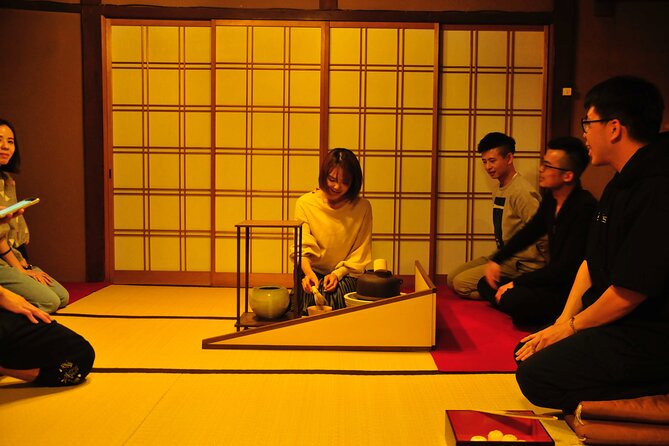
After the welcome tea, you move to another matcha tea room. Here, the focus shifts from conversation to the ceremony itself.
Yuka demonstrates how matcha is prepared and served. The lesson includes the parts of the ceremony, the manners involved, and the ideas behind the movements. This is more useful than watching a silent performance because you learn what you are seeing and why the ritual is arranged in this way.
The ceremony can look simple from the outside: tea powder, hot water, a whisk, a bowl, and a few careful gestures. The meaning comes from the attention given to each object and action. The host explains phrases, symbols, and customs connected with serving tea, giving you a better sense of why the ritual remains important in Japan.
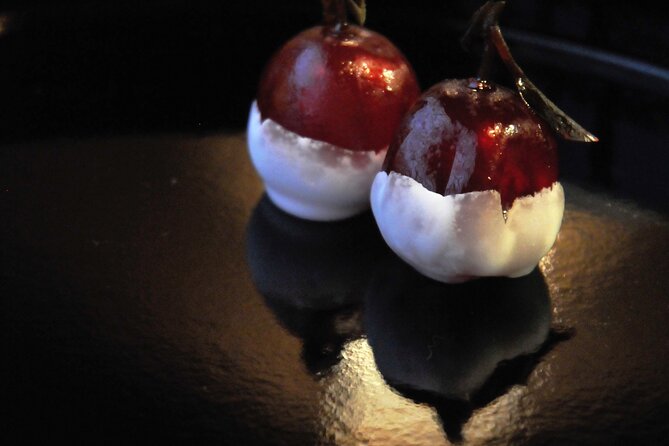
You also receive wagashi, a Japanese sweet traditionally paired with matcha. The sweet helps soften the bitterness of the tea, so try it as part of the sequence rather than treating it as a separate snack.
This section is calm and orderly, but it is not presented as a museum display. The host leaves room for questions and discussion. You can ask about tea culture, Japanese life, or the ceremony’s role in social exchange.
Making your own bowl of matcha
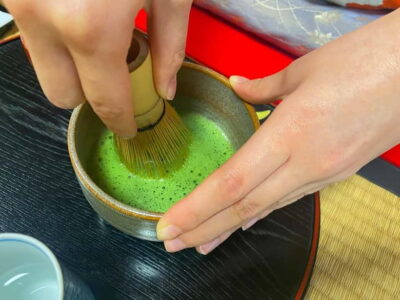
The most valuable part begins after the demonstration. You prepare matcha yourself under the host’s direction.
You do not need prior experience. The teacher remains nearby, explains each step, and helps you correct your technique. The hands-on format follows a useful watch, copy, practice pattern, so you can see the movement before trying it.
Your bowl will not need to look perfect. The point is to understand the care behind the process and feel how much attention is involved in preparing a drink for another person. You learn the basic method of working with the matcha and whisk, then taste what you have made.
One particularly meaningful custom is serving your tea to another participant. Someone else tastes the tea you prepared, and you taste theirs. This creates the shared, respectful exchange that gives the ceremony its social character.
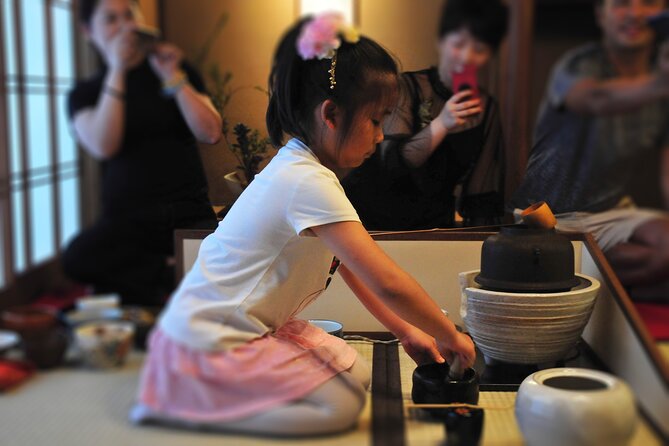
For families, this part can work especially well. Children have been able to participate, including an eight-year-old, although the experience still requires enough patience to listen and follow instructions. Young children may enjoy the whisking more than the explanations, so keep your expectations realistic.
Why the conversation matters
A tea ceremony can become a pleasant photo stop without much cultural understanding. Ankoan aims for more than that by making conversation part of the experience.
You can discuss how Japanese culture developed, how people live today, and what certain actions mean. The conversation also works across cultures. Making tea for someone else gives you a simple way to understand Japanese hospitality without needing advanced language skills.
English is available, and the host has been praised for speaking clearly and keeping conversation flowing. French-speaking visitors may still find the experience accessible if they are comfortable receiving the main explanations in English.
I particularly like this balance of formal and informal time. The formal section gives you the ceremony’s shape. The discussion keeps it from feeling stiff or mysterious.
Same leaf, a different ritual:
- Kyoto: Table-Style Tea Ceremony at a Kyo-Machiya
★ 4.9 · 1,211 reviews - Kimono Tea Ceremony at Kyoto Maikoya, NISHIKI
★ 5.0 · 911 reviews - Arashiyama Bamboo, Temple, Monkeys, or Secret Sake Brewery
★ 4.8 · 886 reviews - Kyoto: Arashiyama Bamboo Forest, Monkeys, Matcha & Temple Tour
★ 5.0 · 759 reviews
The setting, location, and nearby plans
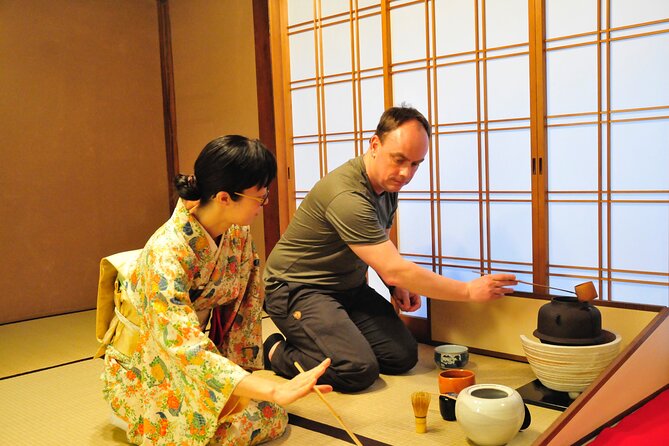
Ankoan is in Murasakino Monzenchō in Kyoto’s Kita Ward. The meeting point is near public transportation, but you should check your route carefully because the experience is not in the busiest central shopping area.
The location can require a little extra effort to reach. That is worth considering when you plan your day, especially if you are staying near Kyoto Station or in another part of the city. You may want to combine the tea ceremony with other sights in the northern Kyoto area rather than crossing the city for this one-hour appointment.
Temples are close by, making the activity easy to pair with temple visits. One useful plan is to visit a nearby temple first, then use the tea ceremony as a quieter break. The host’s studio also gives you a place to sit and slow down after walking.
Indoor photographs are allowed. You can take pictures during the visit, but remember that the ceremony is still a shared cultural activity. Ask before photographing people closely, and avoid letting the camera replace your attention during the demonstration.
How the group size changes the experience
The maximum group size is eight people. That is small enough for questions and personal help, though it is not a private lesson unless your booking happens to include only your own party.
A group of eight can create a pleasant social setting because you serve and taste tea with other people. It also means the experience has a shared rhythm rather than the quiet concentration of a one-to-one tea lesson.
If you want a completely private ceremony, this format may not meet that expectation. If you enjoy meeting other people and comparing your first attempts at matcha, the group arrangement is a benefit.
The host’s role is important here. She guides the process, keeps the mood friendly, and helps participants at different levels. The available feedback repeatedly highlights her warmth, clear English, cultural explanations, and easy conversation. Those qualities matter more than a lavish room when you are learning a ritual step by step.
Price and what you receive for $32.84
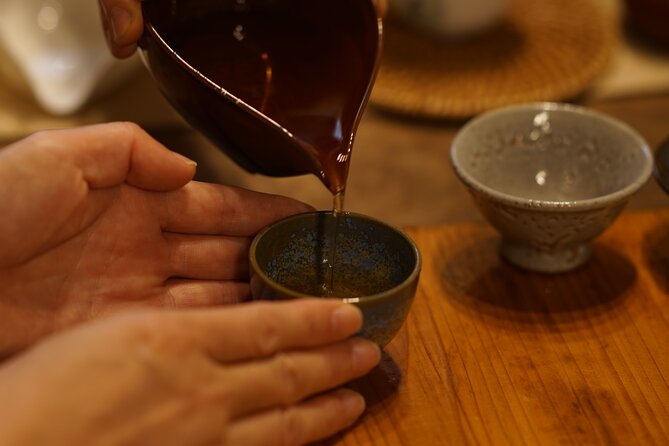
At $32.84 per person, this is reasonably priced for a guided cultural activity in Kyoto. You receive a welcome tea, a demonstration, explanations of customs and manners, matcha preparation practice, your own tea to taste, and wagashi.
The value comes from participation rather than quantity. You are not paying for a long sightseeing route or a meal. You are paying for access to a teacher, the use of the tea room and equipment, and a structured chance to practice a ceremony you would not easily recreate on your own.
The price is strongest for anyone who has wanted to try a Japanese tea ceremony but felt unsure about the rules. You receive enough explanation to understand what you are doing, and you leave with a practical memory rather than only a photograph.
It is less compelling if you only want to drink matcha quickly. Kyoto has many places to buy tea for less, but they will not usually include the demonstration, cultural discussion, and opportunity to prepare and serve it yourself.
Coffee and tea are included in the activity description. Private transportation is not included, so you need to reach Ankoan independently.
Sitting position and comfort
The experience is not recommended for people with knee pain. That warning deserves attention because traditional tea settings may require sitting in a position that is difficult for some people to maintain.
If you have limited mobility, contact the provider before booking and ask about the seating arrangement. The available information does not promise alternative seating, so do not assume that a chair will be available.
For everyone else, wear clothing that lets you sit comfortably and move your arms freely. You will be handling tea equipment and taking part in several quiet, deliberate actions. A rushed arrival or uncomfortable outfit can make the lesson less enjoyable.
The experience is indoors, which gives you a useful break from Kyoto’s weather and crowded streets. The cancellation terms also say that poor weather can lead to a different date or a full refund, although the activity itself takes place inside.
Who will enjoy this most
I would recommend this experience to first-time visitors who want a clear introduction to Japanese tea customs. You do not need previous knowledge, and the host explains the ceremony in an approachable way.
It also suits couples, families with patient children, and solo visitors who like small-group activities. The chance to serve tea to another participant gives the lesson a friendly, social quality.
This is a good choice if you enjoy asking cultural questions. The conversation can go beyond matcha to Japanese customs and daily life, which adds value for anyone who wants more than a staged performance.
You may want to skip it if your schedule is extremely tight, your knees make floor seating difficult, or you prefer private transportation and a fully private activity. The location takes planning, and the experience may last longer than the one-hour estimate.
Booking and timing advice
The experience is commonly booked about 12 days ahead, so reserve early if you want a particular date during a busy Kyoto visit. Confirmation arrives within 48 hours, subject to availability.
The cancellation policy allows a full refund when you cancel at least 24 hours before the local start time. Changes or cancellations inside that 24-hour period are not accepted for a refund.
Build in travel time to the studio. Since the activity begins with a welcome conversation and may last 90 minutes or longer, arriving rushed would undercut one of its main benefits. I would schedule it between larger sightseeing blocks, not directly before a hard departure.
Is the Ankoan tea ceremony worth booking?
Yes, if you want an active lesson rather than a short ceremonial show. The best parts are the welcoming start with Yuka, the plain English explanations, the careful demonstration, and the chance to make and serve your own matcha.
The price is fair for the personal instruction and cultural context. The small group keeps the activity friendly, while the nearby temples make it easy to fit into a northern Kyoto day.
Book it with extra time, plan your transport, and think honestly about floor seating. If those points work for you, Ankoan offers a thoughtful way to slow down, learn the meaning behind Japanese tea customs, and leave Kyoto with a skill you actually practiced.
FAQ
How long does the Kyoto tea ceremony experience last?
The experience is advertised as approximately one hour, while the detailed description gives 90 minutes. Some sessions may last closer to two hours, so leave extra time in your schedule.
Where does the tea ceremony take place?
It begins and ends at Tea ceremonyJapan, Ankoan, 63 Murasakino Monzenchō, Kita Ward, Kyoto, 603-8216. The studio is near public transportation.
Is transportation included?
No. Private transportation is not included, so you must make your own way to the meeting point.
Can children participate?
Yes. Children can take part in the ceremony and prepare tea with the teacher’s help. An eight-year-old has participated successfully, and small children have also enjoyed the activity.
Is the experience suitable for people with knee pain?
It is not recommended for people with knee pain. Ask the provider about seating before booking if you have mobility concerns.
Can I cancel for a full refund?
Yes. You can receive a full refund if you cancel at least 24 hours before the local start time. Cancellations or changes made less than 24 hours in advance are not accepted for a refund.
Newly steeped around Kyoto
- Whisk Your Own Matcha: A Zen Matcha Experience at Temple★ 3.6 · 7 reviews
- Kyoto: Authentic Tea Ceremony in a Small Group★ 5.0 · 7 reviews
- Tea ceremony at Kyoto’s Zen Temple Teahouse★ 5.0 · 2 reviews
- Uji Walking Tour – Byodo-in temple and Tea Ceremony from Kyoto★ 3.5 · 3 reviews
- Tea Ceremony Experience in Traditional Kyoto Townhouse★ 5.0 · 19 reviews
- Tea Ceremony in 150 Years Old Townhouse with Tables and Chairs★ 5.0 · 22 reviews
- Sencha-do the Japanese Tea Ceremony Workshop in Kyoto★ 5.0 · 21 reviews
- Silent Beauty of Kyoto Zen Walk and Tea Experience★ 5.0 · 2 reviews
Tea Ceremony Experiences, compared.
Kyoto: Tea Ceremony in a Traditional Tea House in Kiyomizu
Read our review →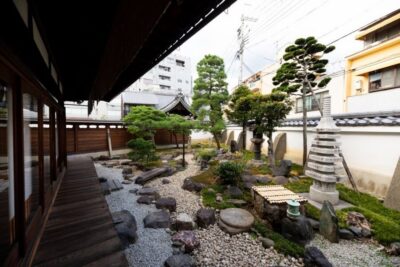
Kyoto: 45-Minute Tea Ceremony Lesson Experience
Read our review →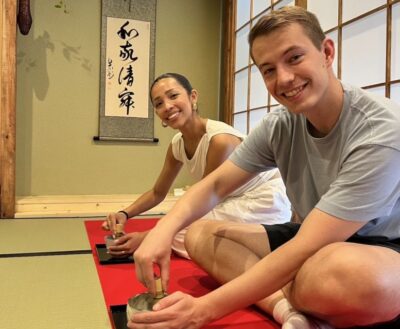
Kyoto: Table-Style Tea Ceremony at a Kyo-Machiya
Read our review →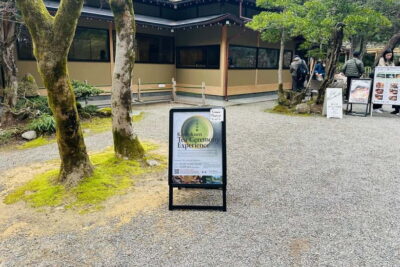


Browse the lists this tea experience appears in