
Review · KYOTO
Kyoto Kiyomizu Tea Ceremony with Scenic Garden Views
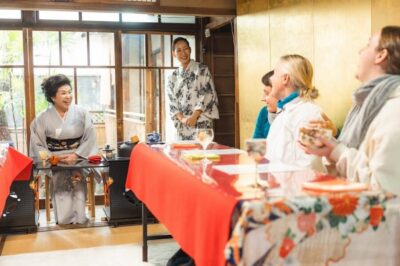
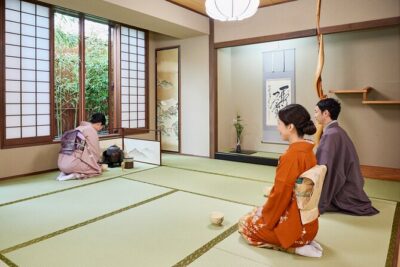
Kyoto’s tea ceremony is at its best when the setting does half the talking. Here, you sit in a traditional tea room with broad garden views while a tea master cleans the utensils, prepares the matcha, and moves through each ritual with calm precision. I especially like the two-cup format: first you watch, then you make matcha yourself. The garden setting is the other strong point, giving the ceremony a peaceful frame rather than treating it like a quick demonstration in a busy restaurant.
The main caution is time. At about 45 minutes, this is a concise introduction, not a full study of tea culture. You will learn the basic gestures and meaning behind the ceremony, but anyone seeking a long, highly formal session may find the experience brief for the price.
Key points at a glance
- Garden-facing tea room: Large windows provide views of a carefully maintained Japanese garden while the ceremony unfolds.
- Two cups of matcha: The tea master prepares the first cup, then you learn to whisk the second.
- English guidance: An English-speaking host explains the rituals, history, and cultural meaning, and answers questions.
- Small group setting: Numbers are capped at 12, keeping the session more personal than a large demonstration.
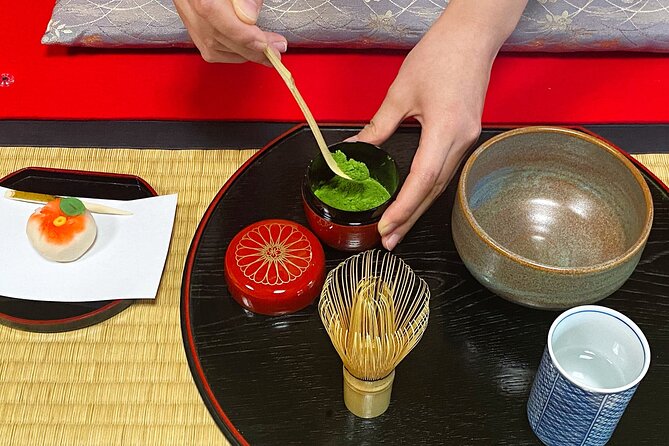
- Traditional sweets included: Wagashi is served with the matcha, giving you the classic pairing of bitter tea and delicate sweetness.
- Practical limitation: The room requires sitting in a traditional style, so it is not recommended for people with foot or knee problems.
A quiet room above the Kiyomizu streets
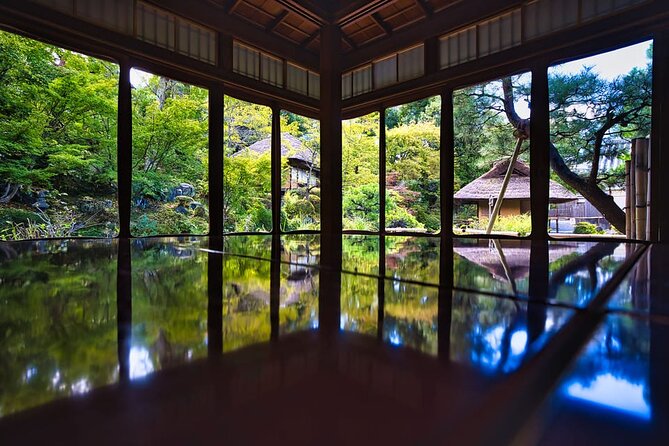
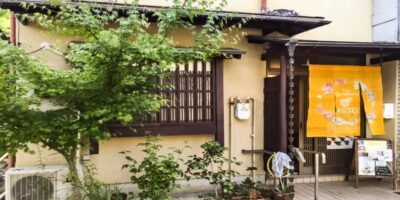
The meeting point is Tea Ceremony Sakaguchian, at 3-chōme-334 Kiyomizu in Kyoto’s Higashiyama Ward. This puts you in one of Kyoto’s most atmospheric sightseeing areas, close to the traditional streets around Kiyomizu. The activity starts and ends at the same place, so it is easy to fit into a day built around the Kiyomizu-dera area.
The first surprise is the change of pace. Outside, Kiyomizu can be full of movement and sightseeing groups. Inside the tea room, the mood becomes controlled and quiet. The garden views help you settle into the slower rhythm required by the ceremony.
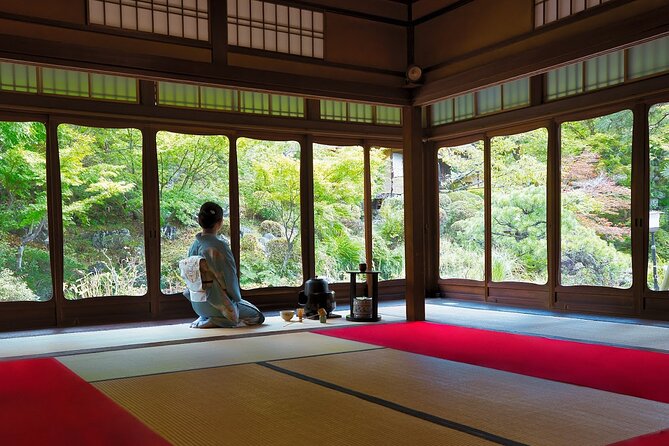
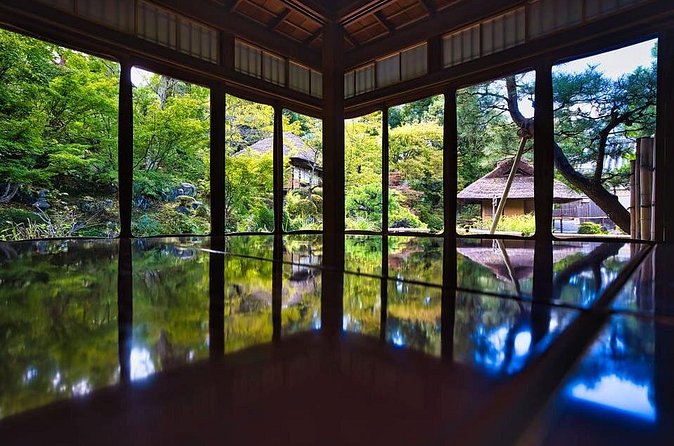
The room looks out through large windows, according to the experience details and descriptions of the setting. That matters because you are not simply watching a tea demonstration in a plain interior. You can look toward the garden between movements and notice how the season becomes part of the occasion.
This is not a garden tour. You do not wander through the grounds as a separate stop. Instead, the garden remains a visual backdrop throughout the ceremony. If you want a guided garden visit, this will not replace one. If you like the idea of sitting quietly and letting the setting shape the experience, it works well.
More Tea Ceremonies in Kyoto
- Kyoto: Tea Ceremony in a Traditional Tea House in Kiyomizu
★ 4.9 · 3,519 reviews - Kyoto: Tea Ceremony Ju-An at Jotokuji Temple
★ 4.9 · 3,207 reviews - Kyoto: 45-Minute Tea Ceremony Lesson Experience
★ 4.3 · 2,378 reviews
Watching the tea master prepare the first cup
The ceremony begins with the tea master performing the preparation. You watch the utensils being purified, the matcha being measured and whisked, and the tea being served according to a set sequence. The movements are deliberate rather than theatrical. Small actions carry meaning, and the pauses are part of the experience.
An English-speaking host explains what is happening as the tea master works. This is important for first-time visitors. Without explanation, the ceremony can look beautiful but mysterious. With guidance, you begin to understand why the bowl is handled in a certain way, why the utensils matter, and how respect and cleanliness shape the ritual.
The explanations also cover the background of the ceremony and the symbolism connected with the tea room and garden. The host can answer questions, which makes the session more useful than simply watching in silence. Several descriptions of the experience point to the quality of the interpretation, especially the clear English explanations and the way questions are handled.
Do not expect a theatrical performance with constant narration. The appeal comes from the contrast between the spoken explanation and the tea master’s quiet movements. You are given enough information to follow the process, then time to watch it unfold.
Matcha, wagashi, and the first taste
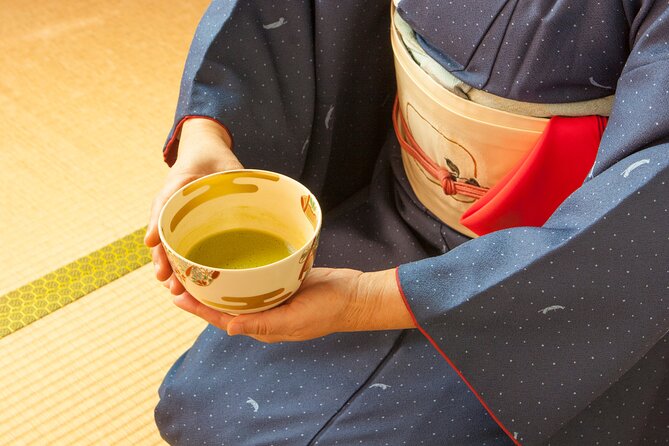
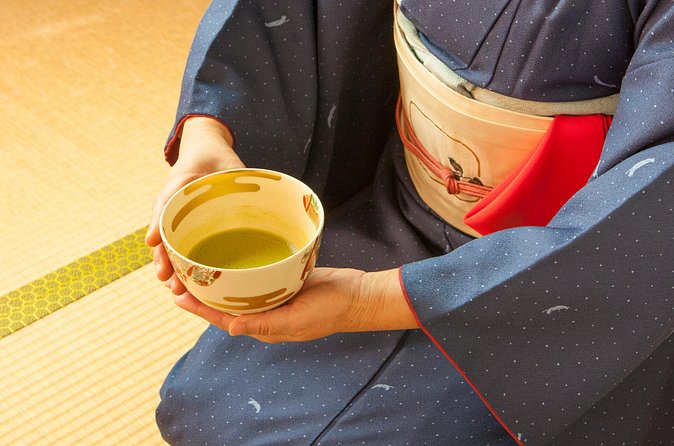
The experience includes two cups of matcha and traditional Japanese wagashi sweets. The first cup is prepared for you by the tea master. The sweet is served as part of the traditional pairing, with its delicate flavor preparing your palate for the stronger, grassy taste of matcha.
If you are used to sweetened matcha drinks, the flavor may surprise you. This is powdered green tea prepared in the traditional style, not a dessert drink. The taste can be intense, but the wagashi balances it and makes the first cup easier to appreciate.
The sweets are not just an extra snack. They help you understand the structure of the tea ceremony. The sweetness and tea are meant to work together, and the careful presentation reinforces the idea that the ceremony is about attention as much as refreshment.
The experience includes photographs, so you can leave with a record of the setting and ceremony. Video recording is not included, which is worth noting if you hoped to film the full preparation. The focus is on watching the tea master directly rather than viewing the session through a phone.
Making your own second cup
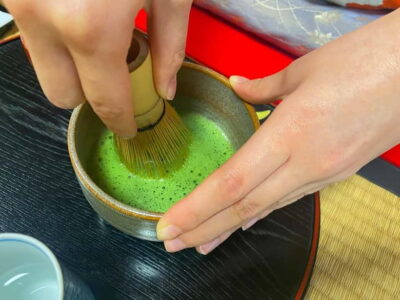
The most useful part for many first-time visitors comes after the demonstration. You receive instruction in preparing the second cup yourself. The tea master or host shows you how to handle the bowl and whisk the matcha into a frothy drink.
This changes your role. You are no longer only watching a formal tradition. You are trying to repeat the basic technique, feeling how the whisk moves and seeing how much effort it takes to create the right texture. You will not become a tea master in one short session, but you will leave with a practical sense of what goes into the drink.
The hands-on section also makes the ceremony easier to remember. History and symbolism can blur during a busy Kyoto itinerary. Preparing your own matcha gives you a physical connection to the process.
The second cup is also a useful value point. At some cultural demonstrations, the visitor remains passive from beginning to end. Here, you receive instruction and a chance to participate, while still having enough time to enjoy the tea room and garden.
Same leaf, a different ritual:
- Kyoto: Table-Style Tea Ceremony at a Kyo-Machiya
★ 4.9 · 1,211 reviews - Kimono Tea Ceremony at Kyoto Maikoya, NISHIKI
★ 5.0 · 911 reviews - Arashiyama Bamboo, Temple, Monkeys, or Secret Sake Brewery
★ 4.8 · 886 reviews - Kyoto: Arashiyama Bamboo Forest, Monkeys, Matcha & Temple Tour
★ 5.0 · 759 reviews
How formal is the ceremony?
This is a traditional tea ceremony experience, but it is presented as an accessible introduction for international visitors. The host explains the customs rather than expecting you to know them in advance. You can ask questions about tea, etiquette, history, and the meaning of the movements.
You should still treat the room respectfully. Wear or bring socks, since one specific practical tip from the experience is that socks are important. Footwear rules are not detailed in the supplied information, but a tea room is a place where neat, comfortable clothing and clean socks make sense.
The session is best suited to people who enjoy detail and quiet observation. If you like learning how a familiar object, in this case a bowl of tea, fits into a wider culture, you will find plenty to notice. If you prefer fast entertainment or a highly active tour, the slow pace may test your patience.
The small group limit of 12 helps. It is not a private ceremony, but it should feel more personal than a large room filled with people watching from the back. A small group also gives you a better chance to hear the explanations and ask questions.
Why the garden view matters
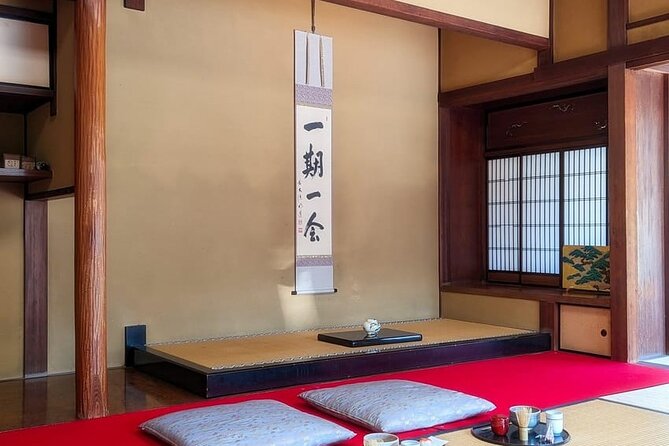
The garden is not decoration in the ordinary sense. Japanese tea culture pays close attention to season, simplicity, and the relationship between the room and the outside world. Even from indoors, the garden gives you a visual reminder that the ceremony is tied to time and place.
The experience is described as beautiful in every season, with summer greenery creating a particularly calm view. You might notice that the garden changes the way the room feels. On a hot day, air conditioning keeps the tea room comfortable while the garden remains visible outside. That can make this a useful pause between outdoor sightseeing stops.
The garden also keeps the activity from feeling generic. Kyoto has many tea experiences, and some take place in restaurants or dedicated lesson rooms with little sense of place. Here, the view of the garden adds a stronger connection to old Kyoto.
Still, keep expectations sensible. The garden view is part of the tea room setting, not a promise of a large estate or a long garden visit. Your time is mainly spent seated inside, watching, learning, and drinking.
Is the $50.87 price fair?
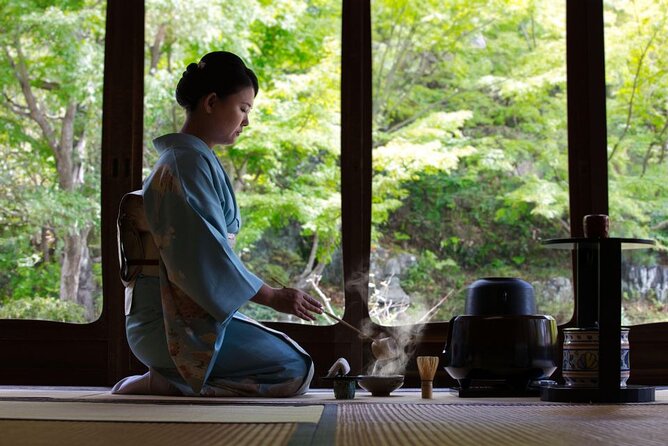
At $50.87 per person, this is not the cheapest way to drink matcha in Kyoto. You can find tea in many cafés for far less. The price is paying for several things at once: an intimate setting, a tea master, instruction, traditional sweets, two cups of matcha, an English-speaking host, and the garden view.
I think the value depends on what you want from the activity. If you only want to taste matcha, the price is hard to justify. If you want a clear introduction to tea ceremony etiquette and preparation in a historic part of Kyoto, the calculation is better.
The short duration is the main pressure point. The listed time is approximately 45 minutes, while the experience is sometimes described as lasting closer to an hour. Either way, it is a compact activity. You will learn the basics rather than explore every school, utensil, or stage of formal tea practice.
That brevity can also be an advantage. You can place the ceremony between visits to Kiyomizu-dera, Higashiyama streets, or other nearby sights without surrendering half a day. For many people, a short, focused cultural stop is easier to fit into Kyoto than a long formal lesson.
Who should book this tea ceremony?
I would recommend it to first-time visitors who want a respectful introduction to Japanese tea ceremony without committing to a long workshop. It also suits couples, families, and small groups who want a calm hour together. The activity is accessible in concept, since the English-speaking host explains the process and the second cup gives you something practical to do.
It is a particularly good choice if you are already planning to visit Kiyomizu. You can combine the ceremony with sightseeing in the surrounding Higashiyama area, then return to the same meeting point when the session ends.
Families should consider the age and patience of their children. The ceremony is quiet and measured, with no promise of games or fast action. Children who like food, crafts, or cultural demonstrations may enjoy making matcha, while very young children may find the sitting and silence difficult.
People with foot or knee problems should choose another activity. The supplied guidance specifically says this experience is not recommended for those with difficulty in their legs or knees. The traditional seated arrangement is an important practical concern, not a minor detail.
Planning the timing around Kiyomizu
The ceremony starts and ends at Tea Ceremony Sakaguchian, so you do not need to arrange a separate return transfer. A mobile ticket is provided, and booking confirmation is sent at the time of reservation.
I would avoid placing this immediately before a tightly timed reservation elsewhere. The stated duration is about 45 minutes, but allow a little breathing room for arrival and the natural pace of the session. The ceremony should feel calm, not like another appointment to rush through.
The activity requires good weather. If poor weather causes cancellation, you are offered a different date or a full refund. For your own plans, that means keeping some flexibility in a Kyoto schedule can be useful.
Cancellation is free up to 24 hours before the start time. Less than 24 hours before the activity, the payment is not refunded and changes are not accepted. The cutoff follows Kyoto local time.
The best reasons to book
The strongest reason is the combination of clear cultural explanation and direct participation. You watch a tea master perform the ceremony, learn what the movements mean, and prepare a second cup yourself. That gives you both context and practice.
The second reason is the setting. A tea room with garden views creates a stronger sense of place than a standard indoor demonstration. The calm atmosphere, seasonal garden, traditional sweets, and measured movements all support the same idea: slow down and pay attention.
The experience is also praised for its warm, respectful hosting. The English-speaking assistant helps bridge the gap between formal Japanese customs and the questions you naturally have as a visitor. That support makes the ceremony less intimidating.
The main reason to hesitate is simple: 45 minutes may feel short. You will not cover the full history of tea ceremony or master the technique. At this price, you are paying for a well-presented introduction rather than an extensive course.
Should you book it?
Book this experience if you want a concise, polished introduction to Kyoto’s tea culture, especially if you value a beautiful setting and clear English guidance. The garden views, two cups of matcha, wagashi, and hands-on second cup make it more substantial than a simple tea tasting.
Skip it if you only want an inexpensive drink, dislike sitting in a traditional position, or want a long technical lesson. For everyone else, this is a sensible way to add a quiet cultural pause to a Kiyomizu sightseeing day. Bring socks, allow a little extra time, and arrive ready to watch closely before you whisk your own tea.
FAQ
Where does the tea ceremony take place?
It takes place at Tea Ceremony Sakaguchian, located at 3-chōme-334 Kiyomizu, Higashiyama Ward, Kyoto, 605-0043, Japan.
How long does the experience last?
The activity lasts approximately 45 minutes. Some descriptions of the session refer to it as about an hour, so allowing a little extra time is sensible.
How many people can join the tea ceremony?
The maximum group size is 12 people.
What is included in the booking?
The booking includes two cups of matcha, traditional wagashi sweets, and a photo.
Is kimono rental included?
No. Kimono rental is not included.
Can I record video during the ceremony?
Video recording is not included. A photo is included with the experience.
Is the activity suitable for people with foot or knee problems?
No. The activity is not recommended for people with foot or knee problems.
What happens if I need to cancel?
You can cancel at least 24 hours before the start time for a full refund. Cancellations or changes made less than 24 hours before the start time are not accepted for a refund.
Newly steeped around Kyoto
- Whisk Your Own Matcha: A Zen Matcha Experience at Temple★ 3.6 · 7 reviews
- Kyoto: Authentic Tea Ceremony in a Small Group★ 5.0 · 7 reviews
- Tea ceremony at Kyoto’s Zen Temple Teahouse★ 5.0 · 2 reviews
- Uji Walking Tour – Byodo-in temple and Tea Ceremony from Kyoto★ 3.5 · 3 reviews
- Tea Ceremony Experience in Traditional Kyoto Townhouse★ 5.0 · 19 reviews
- Tea Ceremony in 150 Years Old Townhouse with Tables and Chairs★ 5.0 · 22 reviews
- Sencha-do the Japanese Tea Ceremony Workshop in Kyoto★ 5.0 · 21 reviews
- Silent Beauty of Kyoto Zen Walk and Tea Experience★ 5.0 · 2 reviews
Tea Ceremony Experiences, compared.
Kyoto: Tea Ceremony in a Traditional Tea House in Kiyomizu
Read our review →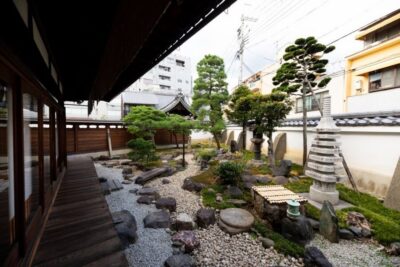
Kyoto: 45-Minute Tea Ceremony Lesson Experience
Read our review →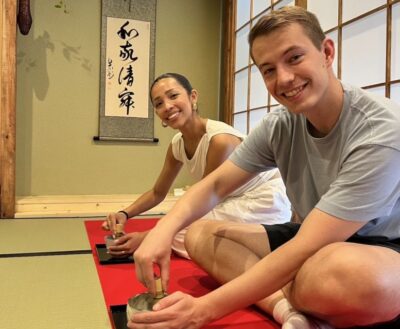
Kyoto: Table-Style Tea Ceremony at a Kyo-Machiya
Read our review →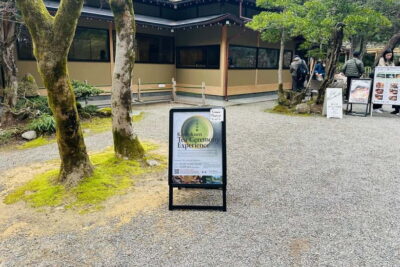

Browse the lists this tea experience appears in