
Review · KYOTO
Kyoto: Tea Ceremony in 100-year-old Kyo-Machiya Townhouse
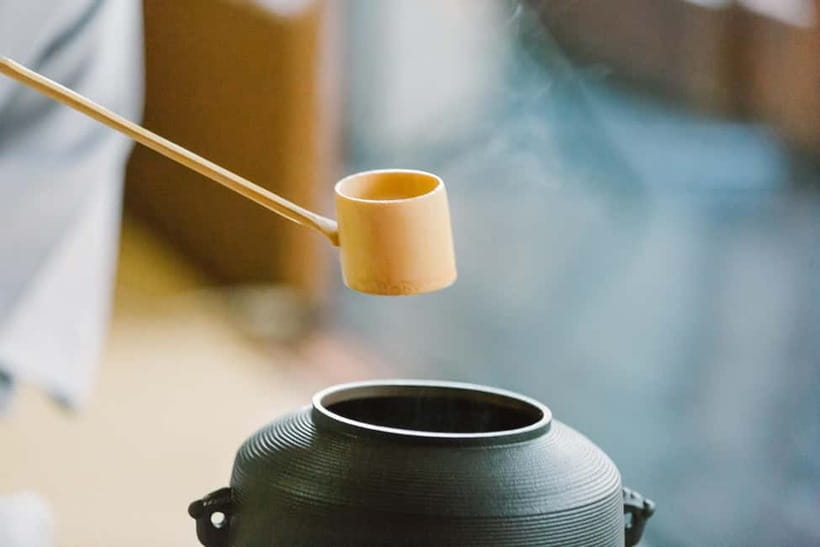
Kyoto’s tea ceremony is less about gulping a cup of matcha and more about noticing every small gesture. In this 100-year-old machiya townhouse, a tea master explains the ritual, prepares tea for a guest, and then lets you make your own under careful guidance.
I like the clear cultural background and the chance to practice, not just watch. I also like the kimono option, which gives you time to walk around Kyoto afterward. The main catch is timing: kimono renters start at the Gojo shop, travel to the townhouse on their own, and face a same-day return deadline.
Key points to know
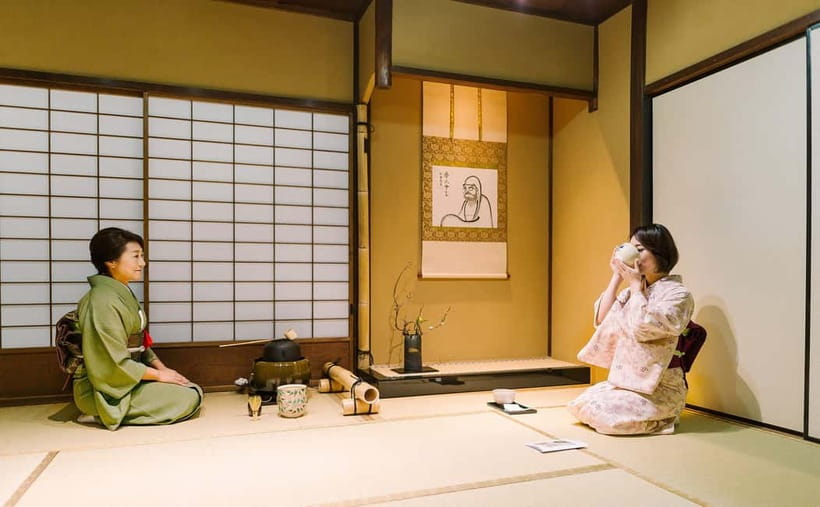
- A real hands-on tea lesson: You learn how to bow, greet, eat the sweet, handle the bowl, and whisk matcha yourself.
- A calm machiya setting: Tatami, paper screens, wooden details, and a quiet room give the ceremony its proper atmosphere.
- Two very different booking options: Tea only takes about 50 minutes, while kimono plans can last up to three hours.
- English support is provided: The tea master may work in Japanese, with an interpreter explaining the ceremony in English.
- Kimono rental adds a Kyoto afternoon: Choose a casual kimono, with optional hairstyling, makeup, hair accessories, and a formal Houmongi upgrade.
- The $31 starting price is strong value: It covers tea, sweets, instruction, and the townhouse experience, though extras and kimono plans cost more.
A tea ceremony with enough explanation to make sense
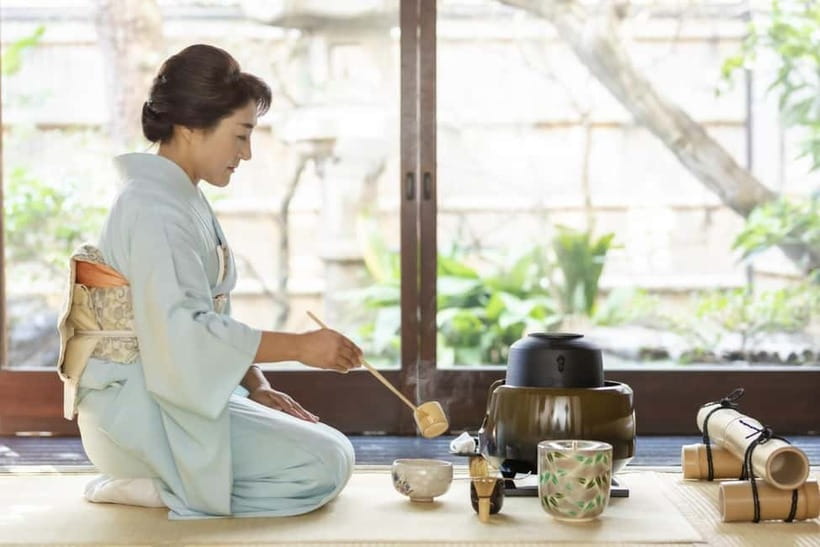
Many first-time tea ceremonies leave you wondering what you were meant to notice. This one takes time to explain the customs before asking you to follow them.
The session begins with a short account of tea in Japan, including its arrival from China about 1,200 years ago and the development of the Japanese Way of Tea. You learn why people bow, how greetings work, how to turn and appreciate the tea bowl, and when to eat the traditional sweet.
That preparation matters. Once the tea master begins, the movements no longer seem like random rules. The careful placement of each item, the quiet pause before drinking, and the way the bowl is handled all have a purpose.
The class is conducted in English and Japanese. In some sessions, the tea master speaks Japanese while an interpreter handles the English explanation. Maki, Ling, and Lim are among the hosts named in the experience feedback, and the repeated praise is aimed at the warm instruction and clear translation.
English ability can vary slightly from one session to another. One visitor found the English less polished than expected but still had no trouble following the ceremony. I would treat this as a cultural demonstration with interpretation, not as a university lecture in tea history.
More Tea Ceremonies in Kyoto
- Kyoto: Tea Ceremony in a Traditional Tea House in Kiyomizu
★ 4.9 · 3,519 reviews - Kyoto: Tea Ceremony Ju-An at Jotokuji Temple
★ 4.9 · 3,207 reviews - Kyoto: 45-Minute Tea Ceremony Lesson Experience
★ 4.3 · 2,378 reviews
Inside the 100-year-old Kyoto machiya
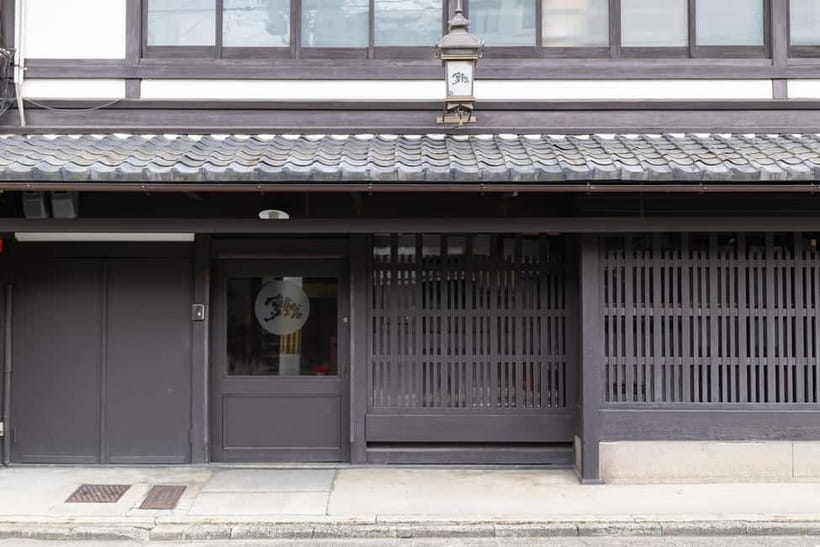
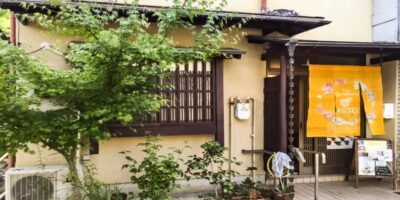
The setting does much of the work. A machiya is a traditional Kyoto townhouse, built around a narrow urban footprint and designed for both living and work. Here, tatami floors, wooden features, paper screens, and the quiet rules of the room create a very different mood from a modern hotel or busy sightseeing street.
The townhouse is near Kyoto Gosho, better known as the Kyoto Imperial Palace. The area has long been connected with the imperial court and aristocratic culture. The former residence of Nijō Yoshimoto, a high-ranking court noble from the Nanboku-chō period, is next door.
That location gives the lesson useful context. Tea gatherings, poetry meetings, and artistic exchanges were part of elite Kyoto life for centuries. You are not simply drinking green tea in a decorated room. You are learning a small part of a social tradition shaped by status, etiquette, design, and seasonal awareness.
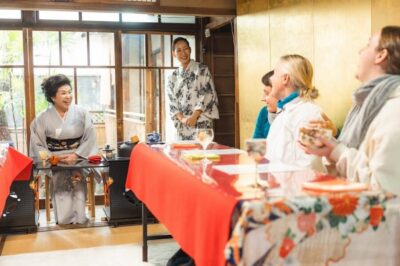
The room size can change with the group. Sessions may hold up to 20 people, so do not expect a private ceremony unless your booking specifically says so. A larger group can make the event less intimate, but it also makes the price especially attractive.
What happens during the 50-minute tea-only session
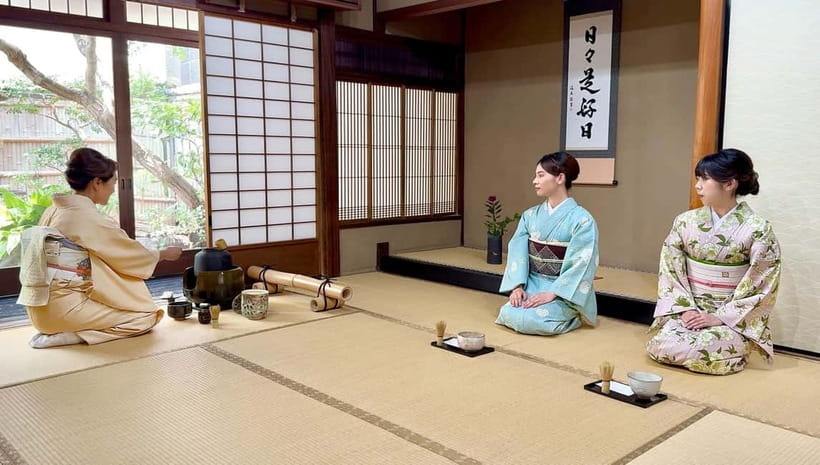
For the tea-only plan, arrive at the townhouse five to 10 minutes before the time printed on your voucher. The session lasts about 50 minutes.
You first receive an explanation of tea ceremony history and basic etiquette. You can sit on the floor or use a small chair, which is important if kneeling is uncomfortable. You will need socks, and sandals or flip-flops are not allowed.
The tea master then brings the necessary tools into the room. You watch the first preparation, often with one participant seated near the front as the first tea guest. This is the best moment to pay attention to small details: how the bowl is presented, how the guest receives it, and how the bowl is viewed before drinking.
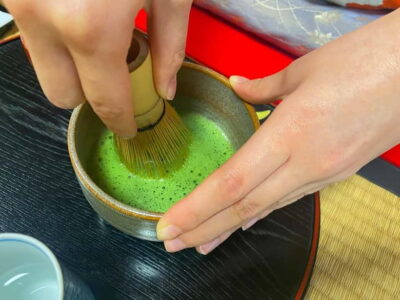
After the demonstration, you prepare your own tea. The master supervises your movements, so you do not need prior experience. This hands-on part is the heart of the session. You are not expected to perform perfectly, and the instruction helps you understand the difference between simply mixing matcha and preparing it as part of a formal ritual.
A traditional Japanese sweet accompanies the tea. Its sweetness balances matcha’s grassy, slightly bitter taste. The food is modest, but it helps you understand why the sweet is served before the tea.
At the end, the tea master closes the ceremony and answers questions. You may also have a chance to take photos around the tea house, provided you follow the room’s quiet rules and avoid flash photography.
The kimono plan takes most of an afternoon
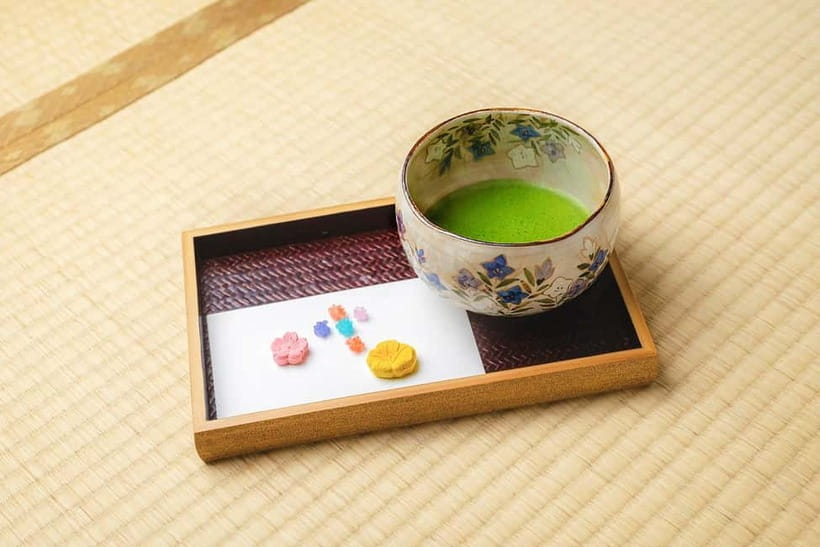
The kimono option begins at the Yumeyakata Gojo Shop at the starting time on your voucher. Do not go straight to the tea house if you booked this plan.
You choose from different colors, patterns, and sizes. Staff dress you in the kimono, and the ceremony begins two hours after your selected starting time. For example, an 11:00 AM start at the shop means a 1:00 PM tea ceremony.
You then make your own way to Yumeyakata Oike Bettei, the traditional townhouse used for the ceremony. Transportation between the Gojo shop and the machiya is not included, so allow time to get there. The two-hour gap is not wasted, since the dressing process is part of the activity, but you need to plan the transfer carefully.
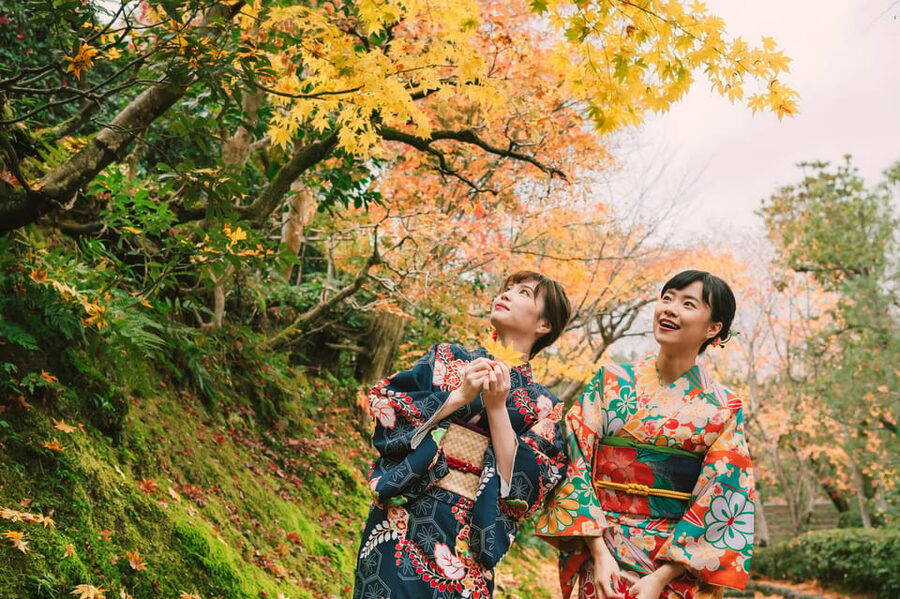
The standard plan includes a casual kimono rental. Women can add hairstyling, makeup, a hair accessory, and an upgrade to a formal Houmongi kimono. The premium choices make the experience feel more like a full cultural portrait session, while the basic plan is enough if you mainly want to attend the tea ceremony in traditional clothing.
After the ceremony, you can walk around Kyoto in the kimono. You must return it to the Yumeyakata Gojo Shop by 5:30 PM the same day. This deadline shapes the day, so do not plan a distant excursion or a long dinner before returning the outfit.
Walking in a kimono can also be warm and slightly awkward, particularly in summer. The clothing has several layers, and a long stroll may be tiring. Still, the outfit changes how you move through Kyoto and gives the afternoon a stronger sense of occasion.
Same leaf, a different ritual:
- Kyoto: Table-Style Tea Ceremony at a Kyo-Machiya
★ 4.9 · 1,211 reviews - Kimono Tea Ceremony at Kyoto Maikoya, NISHIKI
★ 5.0 · 911 reviews - Arashiyama Bamboo, Temple, Monkeys, or Secret Sake Brewery
★ 4.8 · 886 reviews - Kyoto: Arashiyama Bamboo Forest, Monkeys, Matcha & Temple Tour
★ 5.0 · 759 reviews
Add the machiya tour for more context
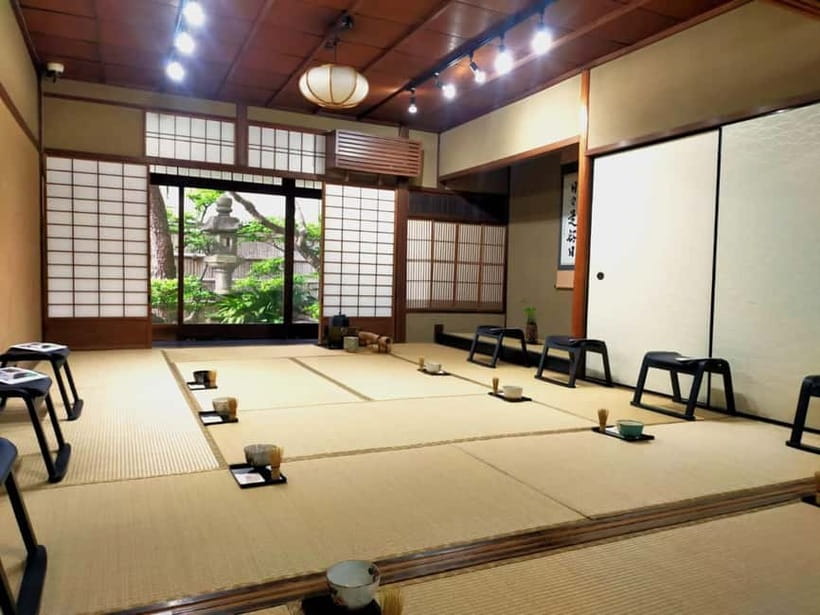
An optional 30-minute machiya moment follows the tea ceremony. It includes about 20 minutes of townhouse touring and 10 minutes for taking photos.
The tour covers the architecture, the home’s cultural role, and the less obvious functions built into traditional Kyoto houses. This is useful if you want to understand the building rather than simply use it as a pretty backdrop.
The photo time may include poses with items such as a katana and an umbrella, along with garden views. Professional photos and videos are not included, so bring a phone or camera if you want lasting pictures.
I would add this option if you enjoy architecture or want more time in the house. If your main goal is simply to learn how to prepare matcha, the tea-only session is more efficient.
How good is the value at $31?
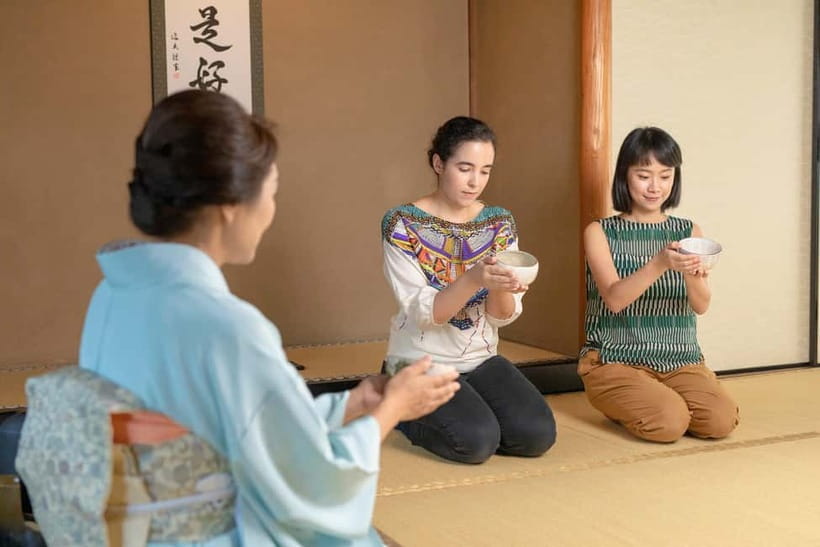
At $31 per person, the tea-only experience is well priced for Kyoto. You get instruction from a tea master, an interpreter, matcha, a traditional sweet, a leaflet, and access to a historic townhouse. Comparable cultural activities can become expensive when they include costumes or professional photography, but this basic plan stays focused.
The value is strongest for first-time visitors. You receive enough explanation to understand the ceremony, yet the session is short enough to fit between other Kyoto sights. A 50-minute class works well before visiting the Imperial Palace area or planning an evening in Gion.
The kimono plan costs more than the starting price, depending on the selected add-ons. It can still be good value if you want both a cultural lesson and several hours in traditional clothing. It is less appealing if you only want a quick costume photo, since dressing, travel, the ceremony, and return deadline take up much of the day.
The formal Houmongi upgrade, hairstyling, and makeup are best for a special occasion. If you are watching your budget, keep the casual kimono and skip the beauty extras.
Group size, comfort, and practical limits
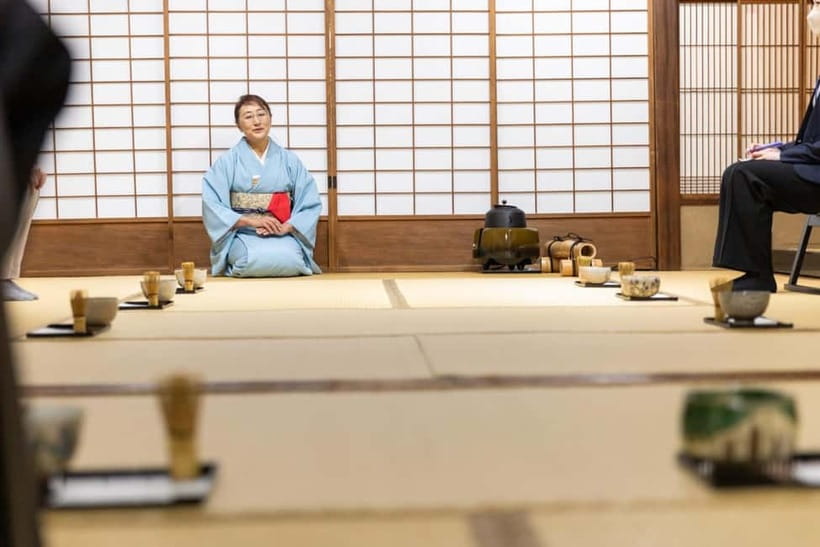
The ceremony is a group session for up to 20 people. Your experience may feel intimate in a small group or more like a classroom in a full one. The room also changes according to group size.
You can sit on a small chair instead of the floor. That makes the activity easier for people who cannot kneel comfortably, though the experience still requires sitting quietly for the duration.
The activity is suitable for ages 10 and above. Children under 10 are not permitted, and disruptive behavior can lead to removal from the session. This is not a good choice for anyone hoping for a noisy, casual activity.
The stated restrictions also exclude wheelchair users, pregnant women, babies under one year, people over 200 centimeters tall, people over 95 kilograms, and people with visual impairments. If any of these apply to you, confirm suitability before booking.
Arrive on time. Late arrivals may still enter, but the session will not be extended. Food, drinks, pets, indoor smoking, flash photography, and loud behavior are not allowed.
Who will enjoy this most?
I recommend the tea-only version to anyone who wants a clear, gentle introduction to Japanese culture. It suits solo visitors, couples, families with older children, and anyone who prefers substance over a quick photo opportunity.
The kimono version is best for people who want an entire Kyoto afternoon built around traditional dress. It also suits couples and friends who enjoy taking their own photos. The clothing adds visual appeal, but remember that you are responsible for getting from the Gojo shop to the townhouse and back again.
This is less suitable if you dislike group activities or want a private, highly formal ceremony. It is also not ideal if your schedule is tight, since the kimono plan has fixed timing and a 5:30 PM return deadline.
Should you book it?
Book the tea-only plan if you want the best balance of price, time, and cultural explanation. For $31, you get to watch a tea master, learn the etiquette, prepare your own matcha, and enjoy a traditional sweet in a genuine Kyoto house.
Choose the kimono plan if clothing and photographs matter as much as the tea. Add the machiya tour if you want architectural context and extra photo time. I would leave room in your schedule, wear socks, and arrive early enough to settle into the quiet mood.
The experience is not a private ceremony and not a full-day historical tour. It is a well-focused introduction to the Japanese Way of Tea, with the unusual bonus of practicing the preparation yourself. For most first-time visitors to Kyoto, that makes it an easy activity to recommend.
FAQ
How long does the Kyoto tea ceremony take?
The tea-only experience lasts about 50 minutes. Plans with kimono rental can last up to three hours because you need time for dressing, travel to the townhouse, the ceremony, and returning the kimono.
Where do I meet for the experience?
The meeting point depends on the option you book. Tea-only participants go to Oike Bettei five to 10 minutes before the voucher time. Kimono participants first go to the Yumeyakata Gojo Shop at the stated starting time.
Can I wear a kimono after the tea ceremony?
Yes. If you select the kimono plan, you can walk around Kyoto afterward. The kimono must be returned to the Yumeyakata Gojo Shop by 5:30 PM on the same day.
Do I have to sit on the floor?
No. You may sit on the floor or use a small chair. Bring socks, since sandals and flip-flops are not allowed.
Is the ceremony conducted in English?
The activity is offered in English and Japanese. An interpreter provides English explanations, while the tea master may conduct parts of the ceremony in Japanese.
Can I cancel the booking?
You can cancel up to 24 hours in advance for a full refund. The reserve-now, pay-later option lets you hold a place without paying immediately.
Newly steeped around Kyoto
- Whisk Your Own Matcha: A Zen Matcha Experience at Temple★ 3.6 · 7 reviews
- Kyoto: Authentic Tea Ceremony in a Small Group★ 5.0 · 7 reviews
- Tea ceremony at Kyoto’s Zen Temple Teahouse★ 5.0 · 2 reviews
- Uji Walking Tour – Byodo-in temple and Tea Ceremony from Kyoto★ 3.5 · 3 reviews
- Tea Ceremony Experience in Traditional Kyoto Townhouse★ 5.0 · 19 reviews
- Tea Ceremony in 150 Years Old Townhouse with Tables and Chairs★ 5.0 · 22 reviews
- Traditional Tea Ceremony in Kyoto★ 4.5 · 3 reviews
- Sencha-do the Japanese Tea Ceremony Workshop in Kyoto★ 5.0 · 21 reviews
Tea Ceremony Experiences, compared.
Kyoto: Tea Ceremony in a Traditional Tea House in Kiyomizu
Read our review →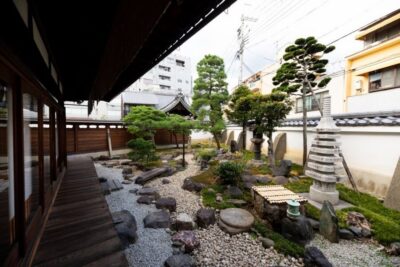
Kyoto: 45-Minute Tea Ceremony Lesson Experience
Read our review →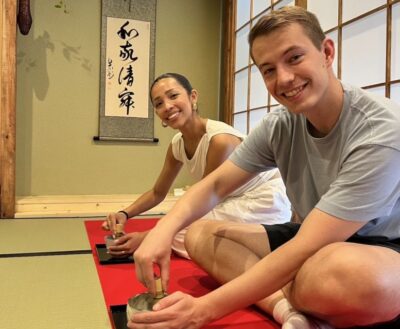
Kyoto: Table-Style Tea Ceremony at a Kyo-Machiya
Read our review →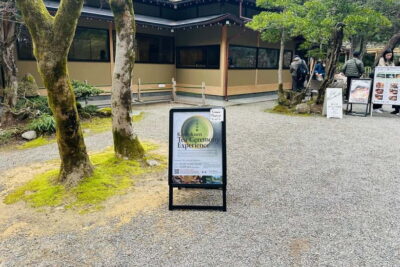


Browse the lists this tea experience appears in