
Review · KYOTO
Kyoto: Tea Ceremony, in traditional Japan house (ENG/ES/NLD)
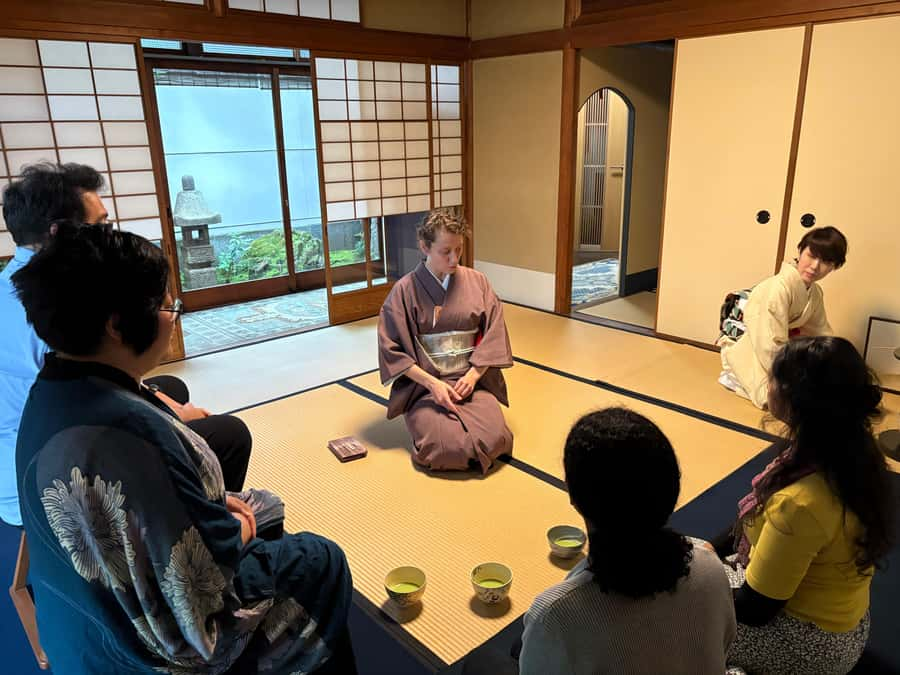
Kyoto’s tea ceremony makes the most sense when you see the details up close: the seasonal flowers, the hanging scroll, the careful movements, and the small bowl of matcha prepared just for you. This one-hour visit takes place in a traditional home across from Shinrenji Temple, not in a large performance hall.
I like the small group of six or fewer, which gives you a clear view and room to ask questions. I also like the hands-on finish: after watching the teacher, you whisk your own tea and taste it with a Japanese sweet. The main consideration is sitting on the floor, though chairs are available if you ask.
Key points to know before booking
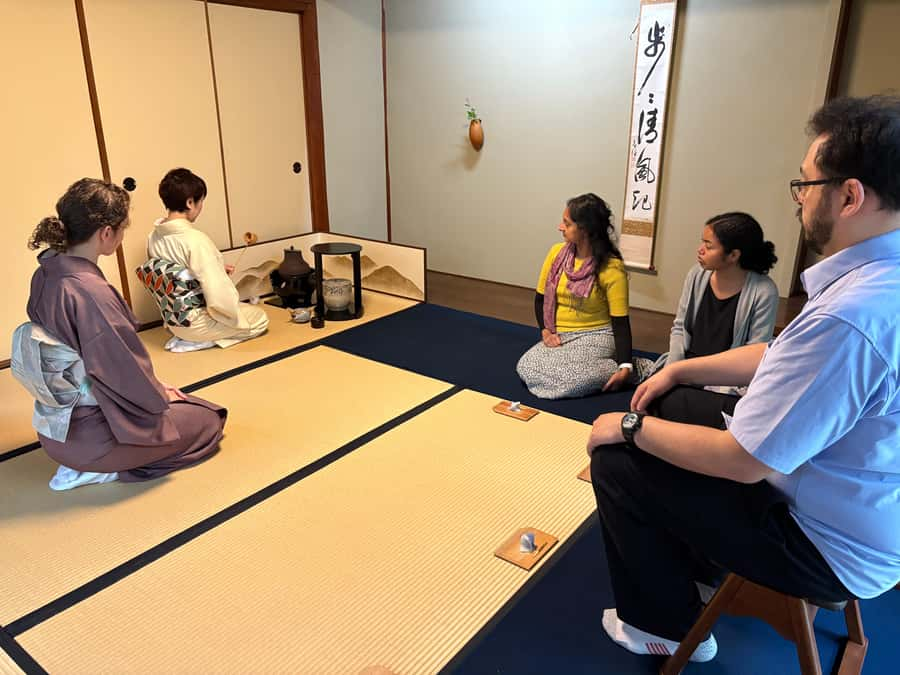
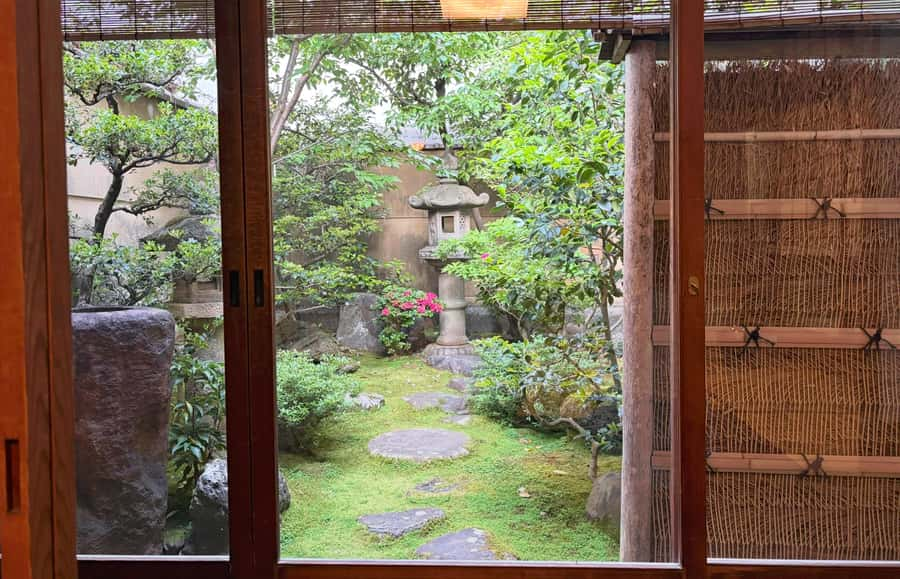
- A 100-year-old Kyoto house: The tea room belongs to a traditional home with a view of a small Japanese garden.
- A teacher with 50 years of experience: The ceremony is performed by a Japanese tea instructor, with explanations in English and language help in Dutch or Spanish.
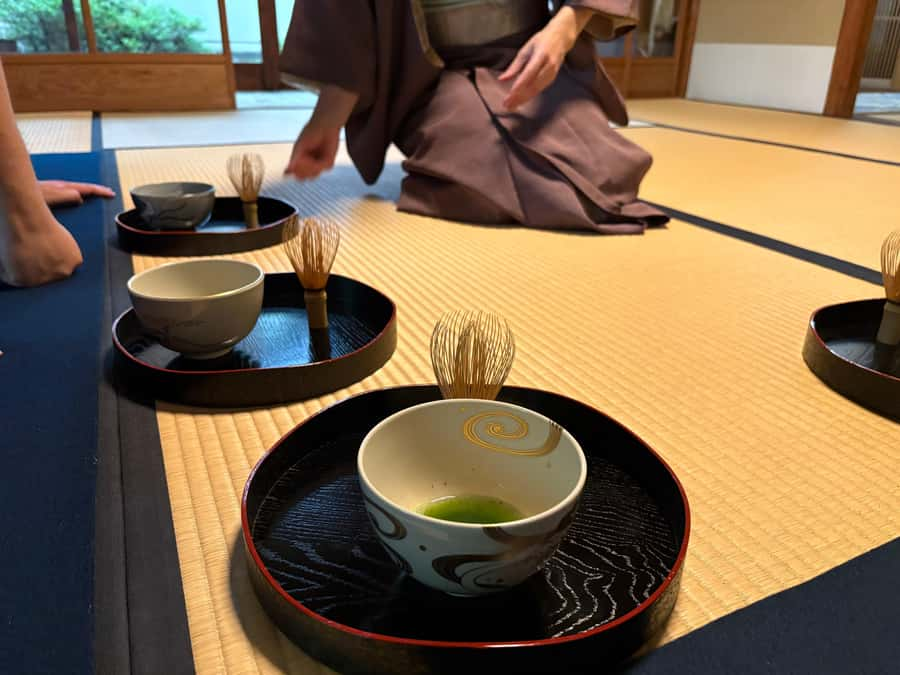
- Two bowls of matcha: You taste one bowl prepared by the teacher, then make one yourself.
- Seasonal details matter: Flowers, the hanging scroll, utensils, and sweets change with the season.
- Small and personal: The group is limited to six, so you can see the ceremony and ask questions.
- Plan for floor sitting: Seiza kneeling is customary, but chairs can be provided. Socks are required.
Entering a traditional home near Omiya
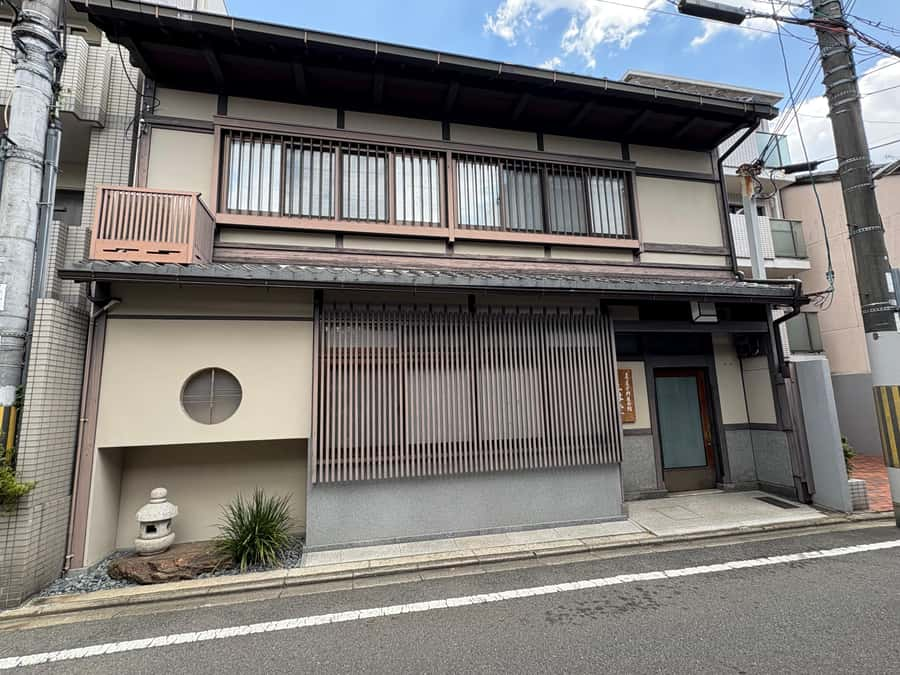
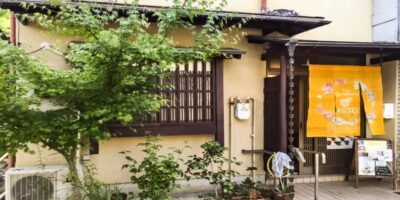
The setting does much of the teaching before the ceremony begins. This is a roughly 100-year-old Japanese house across from Shinrenji Temple, about five minutes from the Hankyu-Omiya or Shijo-Omiya bus stop. Look for the person holding a tablet with the GetYourGuide logo near the temple meeting point.
The house once belonged to a family that sold kimono fabrics. It later came into the possession of the temple across the road. The tea room was part of the original home, and the former owners practiced tea ceremony themselves. That background gives the room a useful sense of place. You are not simply watching a demonstration in a rented studio.
A small Japanese garden can be seen from the house. Inside the tea room, seasonal flowers and a hanging scroll with a seasonal saying help set the tone. These details are not decoration added for tourists. They reflect the way tea ceremony connects the room, the time of year, and the people sharing the tea.
You will need to remove your shoes and wear socks. Bare feet are not allowed in the tea ceremony room, so bring a pair if you are wearing sandals. This is an easy detail to miss, but it can decide whether your arrival is smooth or awkward.
More Tea Ceremonies in Kyoto
- Kyoto: Tea Ceremony in a Traditional Tea House in Kiyomizu
★ 4.9 · 3,519 reviews - Kyoto: Tea Ceremony Ju-An at Jotokuji Temple
★ 4.9 · 3,207 reviews - Kyoto: 45-Minute Tea Ceremony Lesson Experience
★ 4.3 · 2,378 reviews
Learning what sadō really means
The session begins with an introduction to sadō, also called chanoyu. In Japan, tea ceremony is treated as a way of life rather than a quick method for preparing a hot drink. People may spend decades learning the movements, tools, etiquette, and ideas behind the ceremony.
The introduction covers the ceremony’s history, the tea room, and the meaning of what you are about to watch. This matters because the movements can seem slow or mysterious if you do not know what to look for. With an explanation first, you can notice how the teacher handles each utensil, prepares the space, and presents the tea.
The atmosphere is intentionally casual. Questions are encouraged, so you do not need to worry about offending someone by asking why a particular movement or object matters. English support is available, and Dutch or Spanish can be arranged. Spanish-speaking visitors have described the session as fully understandable in native Spanish, with José and his wife helping create that connection. Confirm Spanish support when booking if it is important to you.
The teacher has 50 years of experience with tea ceremony. That does not mean you are expected to memorize a long list of rules. It means you can watch someone who has spent a lifetime refining the motions, while the surrounding staff explain the meaning in plain language.
Watching the ceremony from a close seat
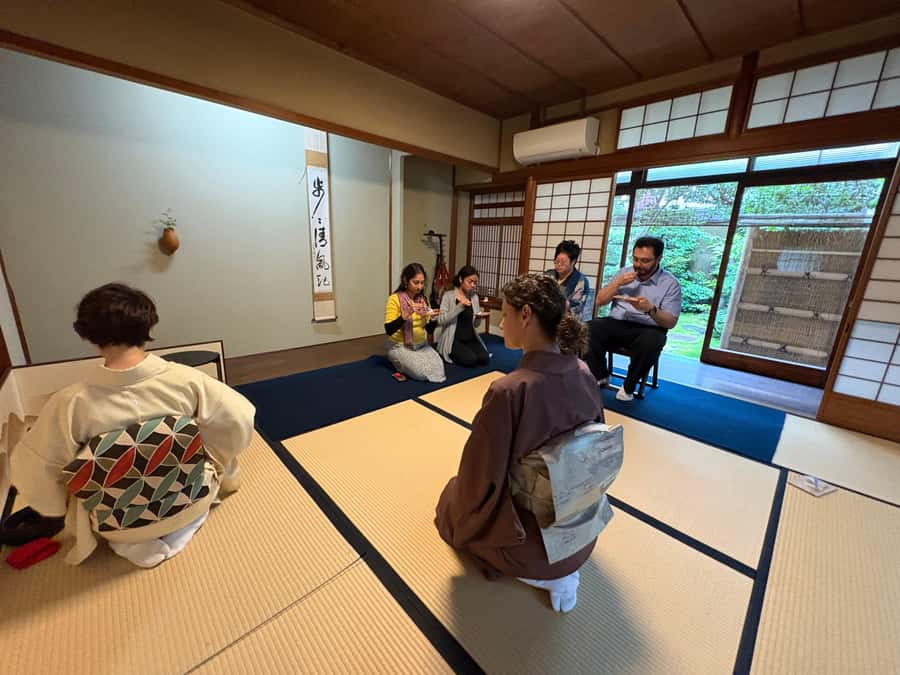
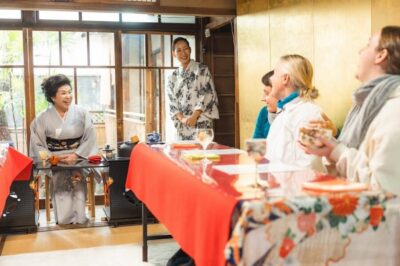
The ceremony itself is the quiet center of the hour. The teacher prepares matcha while you observe the order of the actions and the handling of the utensils. In a group capped at six, you should have a proper view rather than peering over a crowd.
This is also where the setting earns its keep. A traditional tea room is designed for attention. The seasonal flowers, scroll, tea tools, and sweets all have a place, and they change during the year. You might see different utensils or receive a different sweet depending on when you visit.
You are allowed to take photographs and videos. Still, I would watch the first part without reaching for your phone every few seconds. The ceremony is short, and the value comes from noticing the small movements that are easy to miss through a screen.
The usual seated position is seiza, with your knees on the floor, your legs tucked beneath you, and your weight resting on your heels. This can be tiring, especially for anyone with knee problems or limited mobility. Chairs are available upon request, so ask rather than trying to endure discomfort quietly.
The experience is not suitable for wheelchair users. If you have mobility concerns, contact the provider before reserving and be clear about what you need.
Two bowls of matcha and a seasonal sweet
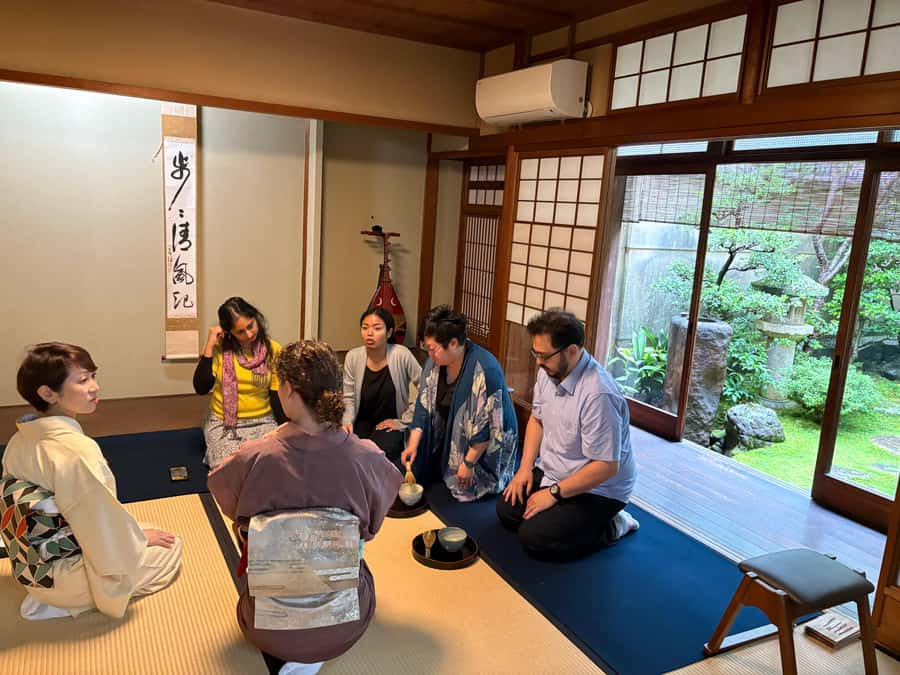
You receive two bowls of matcha during the experience. The first is prepared by the teacher. This lets you taste the tea as it is traditionally served and see the finished result before trying it yourself.
A Japanese sweet accompanies the tea. Most of the sweets contain anko, or sweet red bean paste. The sweets are made to order, and no alternative sweets are available. If you dislike red bean paste or have a food concern, ask about the ingredients before booking because the supplied information does not promise substitutions.
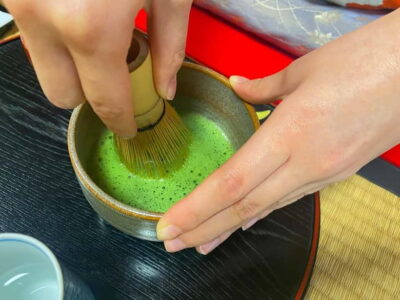
The second bowl is yours to prepare. You will whisk the matcha yourself, following the teacher’s guidance. This is a useful change from simply watching. The whisking looks easy until you try to create the right texture and consistency, so the hands-on part gives you a better sense of the skill involved.
The exact utensils and sweets change with the season. That gives repeat visitors a reason to return, though one visit is enough to understand the basic structure. The experience includes one seasonal sweet and one small sweet, along with the two bowls of tea.
Matcha contains a high amount of caffeine. If you cannot consume caffeine for medical reasons, you will not be able to drink the tea. There is no indication that a caffeine-free replacement is offered.
Same leaf, a different ritual:
- Kyoto: Table-Style Tea Ceremony at a Kyo-Machiya
★ 4.9 · 1,211 reviews - Kimono Tea Ceremony at Kyoto Maikoya, NISHIKI
★ 5.0 · 911 reviews - Arashiyama Bamboo, Temple, Monkeys, or Secret Sake Brewery
★ 4.8 · 886 reviews - Kyoto: Arashiyama Bamboo Forest, Monkeys, Matcha & Temple Tour
★ 5.0 · 759 reviews
Why the six-person limit matters
A small group changes the feel of the session. With six people or fewer, everyone should be able to see the ceremony, hear the explanations, and ask questions. That is especially helpful for first-time visitors who might otherwise leave with a collection of rules but little sense of why they matter.
The personal scale also suits families and small private groups. A recent Spanish-speaking booking included seven people, arranged directly because the standard system did not allow that size. If you want more than six places, contact the provider rather than assuming the normal reservation process will handle it.
The one-hour duration is enough for an introduction, demonstration, tasting, and your own bowl of matcha. It is not a full day of formal instruction. Think of it as a focused cultural experience that fits neatly between Kyoto sightseeing stops.
There is one timing detail to understand. The stated one-hour duration is based on a group of six. If fewer people book the time slot, the session may end sooner because the teacher has fewer bowls to prepare. That is reasonable, but it is worth knowing if you are building a tightly timed day around it.
English, Dutch, and Spanish support
The experience is designed for international visitors, but the language arrangement is worth understanding. An English-speaking person is present to translate the Japanese teacher’s explanations. Dutch and Spanish are also available, with Spanish support requested in advance.
This language help is important here because tea ceremony depends on context. You are not only watching tea being whisked. You are learning why the room looks as it does, how seasonal objects fit into the setting, and what the gestures mean.
If you speak Spanish, this may be one of the stronger reasons to choose the experience. Spanish-language assistance has been offered as a native-level option, and José and his wife have helped create a welcoming session for Spanish-speaking groups. Ask ahead so the right support is arranged for your date.
Is $45 a fair price?
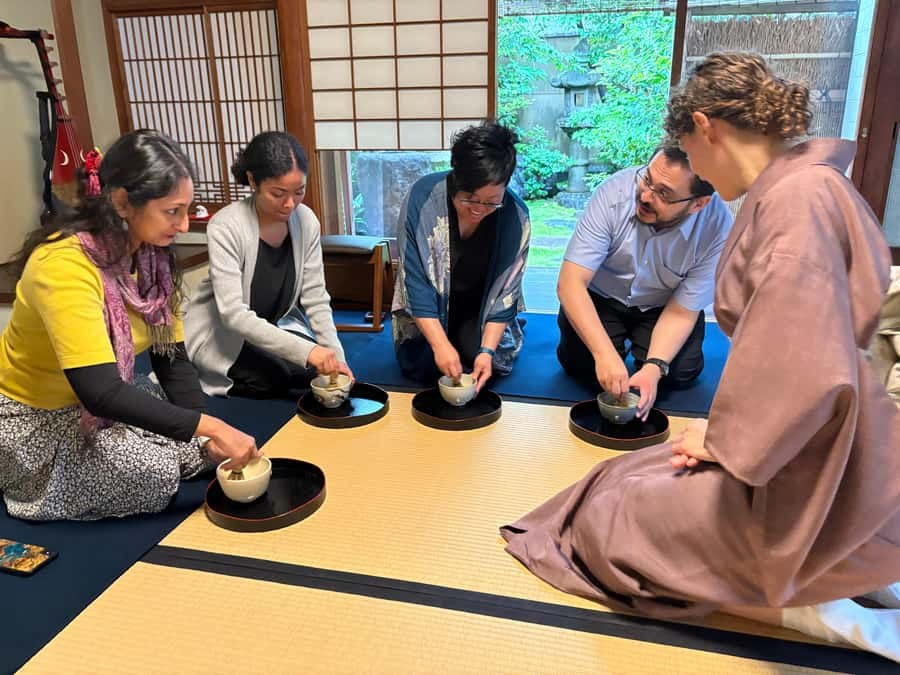
At $45 per person, this is not the cheapest way to drink matcha in Kyoto. You can find tea elsewhere for less. But the price here covers more than a cup: you get access to a traditional home, a teacher with decades of practice, explanations about the ceremony, one bowl prepared for you, one bowl you prepare yourself, and two sweets.
The small group is the key value. You are paying for close access and the ability to ask questions, not just for a seat in a public demonstration. The experience makes the most sense for you if you want to understand the custom rather than collect a quick photo in a tea room.
It is also a practical choice for a short Kyoto schedule. At one hour, it does not require sacrificing half a day. The location near Omiya makes it easier to pair with other activities, though you should allow enough time to find the temple meeting point and arrive ready to remove your shoes.
Who will enjoy this experience most
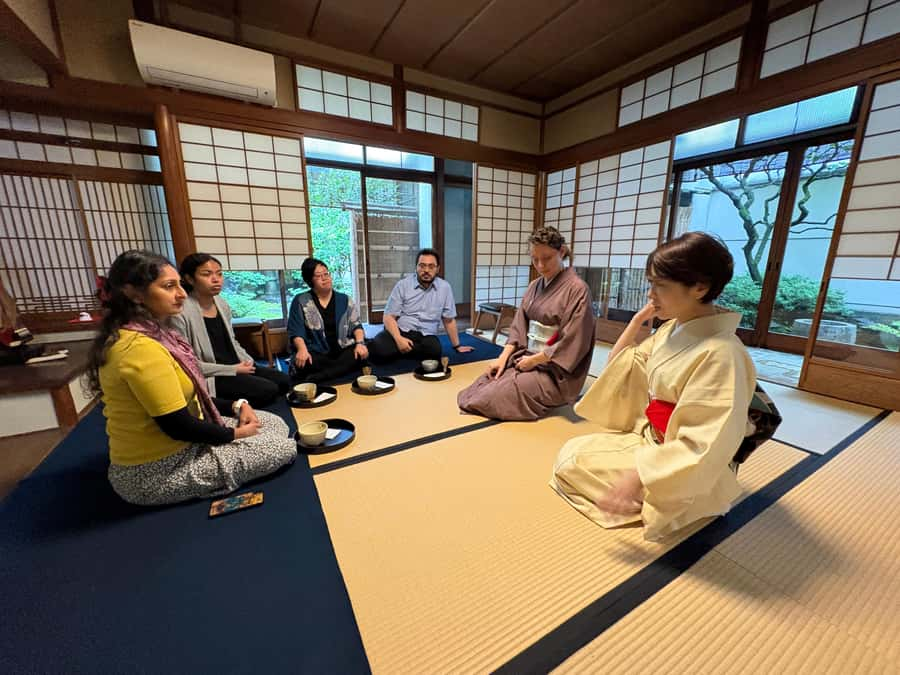
I would choose this for a first visit to Kyoto if you want a clear, friendly introduction to tea ceremony. It suits curious adults, couples, small groups, and families who can manage a floor-based room. One family attended with a baby and found the hosts kind and accommodating, though the supplied information does not spell out specific facilities for infants.
It is also a good fit if you prefer conversation over strict formality. The casual tone means you can ask questions without feeling that every movement must be copied perfectly. Beginners should feel comfortable, while people already familiar with tea ceremony may appreciate the traditional home and changing seasonal details.
You should think twice if you cannot have caffeine, dislike sweet red bean paste, or cannot sit on the floor even with a chair. Wheelchair users should not book this activity based on the stated accessibility information.
Practical advice for a smooth visit
Wear socks, even in warm weather. Bring them if you plan to wear sandals, since bare feet are not permitted.
Avoid arriving with a drink in hand, as drinks are not allowed in the tea room. You can take photos and videos, but keep your attention on the demonstration during the most important movements.
Find Shinrenji Temple first, then look for the tablet with the GetYourGuide logo. The house is across from the temple and about five minutes from the Hankyu-Omiya or Shijo-Omiya bus stop.
If you need a chair, ask before the ceremony begins. The same applies to Spanish-language support. It is much easier to arrange these details in advance than to sort them out once the group is seated.
Should you book this Kyoto tea ceremony?
Book it if you want a personal introduction to Japanese tea ceremony rather than a quick matcha tasting. The traditional house, small garden view, seasonal objects, experienced teacher, and hands-on whisking give the hour real substance.
The main drawbacks are clear: caffeine, red bean sweets, floor sitting, and a session that may finish early when the group is small. None of these are surprises if you plan ahead. For most visitors who can manage the seating and enjoy matcha, $45 is a fair price for a small, thoughtful cultural experience near central Kyoto.
FAQ
How long does the tea ceremony last?
The stated duration is one hour. If the time slot has fewer than six participants, it may finish sooner because fewer bowls of tea need to be prepared.
Where does the experience take place?
It takes place in a roughly 100-year-old Japanese house across from Shinrenji Temple in Kyoto. The house has a view of a small Japanese garden.
How far is the house from public transportation?
The house is about five minutes from the Hankyu-Omiya or Shijo-Omiya bus stop.
How many people can join the group?
The group is limited to a maximum of six participants.
Is the experience available in English?
Yes. An English-speaking person is present to translate the Japanese teacher’s explanations.
Is Spanish support available?
Yes. A native Spanish speaker can be available upon request. Arrange this in advance if you need the session in Spanish.
Do I have to sit on the floor?
Sitting on the floor in seiza is customary during the tea ceremony. Chairs are available upon request.
What should I bring?
Bring socks. Bare feet are not allowed in the tea ceremony room.
Is matcha included?
Yes. You receive two bowls of matcha: one prepared by the teacher and one that you whisk yourself.
Can I attend if I cannot have caffeine?
No. Matcha contains a high amount of caffeine, and a replacement tea is not specified for people who cannot consume caffeine.
Newly steeped around Kyoto
- Whisk Your Own Matcha: A Zen Matcha Experience at Temple★ 3.6 · 7 reviews
- Kyoto: Authentic Tea Ceremony in a Small Group★ 5.0 · 7 reviews
- Tea ceremony at Kyoto’s Zen Temple Teahouse★ 5.0 · 2 reviews
- Uji Walking Tour – Byodo-in temple and Tea Ceremony from Kyoto★ 3.5 · 3 reviews
- Tea Ceremony Experience in Traditional Kyoto Townhouse★ 5.0 · 19 reviews
- Tea Ceremony in 150 Years Old Townhouse with Tables and Chairs★ 5.0 · 22 reviews
- Sencha-do the Japanese Tea Ceremony Workshop in Kyoto★ 5.0 · 21 reviews
- Silent Beauty of Kyoto Zen Walk and Tea Experience★ 5.0 · 2 reviews
Tea Ceremony Experiences, compared.
Kyoto: Tea Ceremony in a Traditional Tea House in Kiyomizu
Read our review →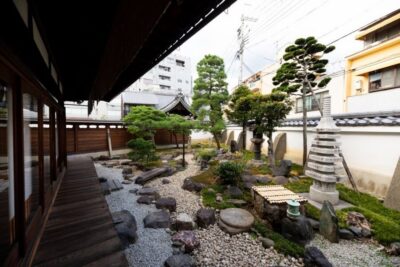
Kyoto: 45-Minute Tea Ceremony Lesson Experience
Read our review →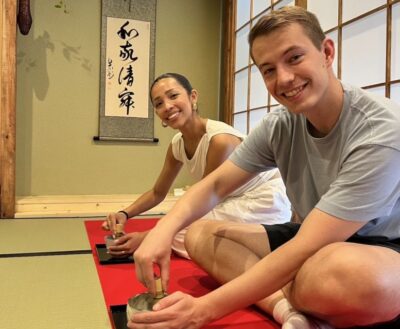
Kyoto: Table-Style Tea Ceremony at a Kyo-Machiya
Read our review →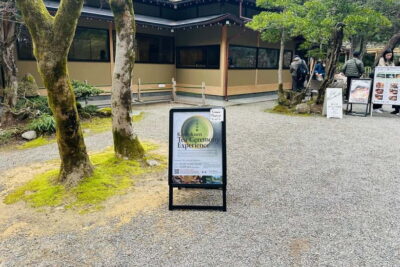


Browse the lists this tea experience appears in