
Review · KYOTO
Tea Ceremony Experience in Traditional Kyoto Townhouse
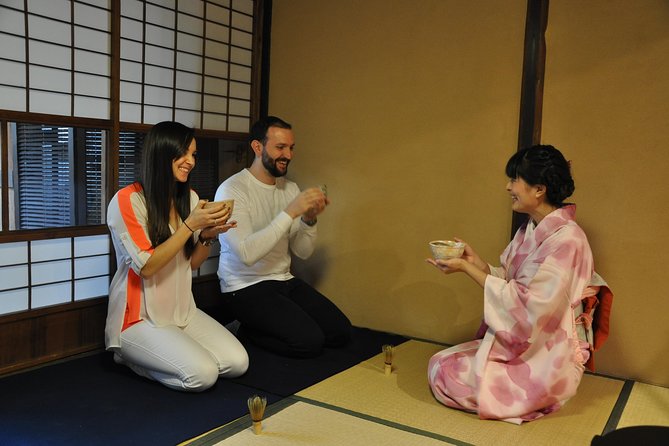
Kyoto’s tea ceremony is less about drinking a cup of matcha than learning how attention, courtesy, and calm shape an ordinary meeting. At Ami Kyoto, you step into an approximately 80-year-old machiya, watch Kimi and her fellow hosts perform the ceremony, then make your own tea under guidance.
I like the small six-person limit, which gives you room to ask questions and practice without feeling lost in a crowd. I also like the quality of the simple package: matcha from Uji City and sweets from a well-known Kyoto confectioner. The main drawback is finding the townhouse, since the traditional residential lane can be confusing and English street signs are limited.
Key points to know
- An 80-year-old wooden townhouse: The setting is part of the experience, not just a room rented for a class.
- A real hands-on lesson: You watch the full demonstration, learn the etiquette, and prepare your own bowl of matcha.
- Small groups of up to six: The format feels personal and leaves time for questions.
- Uji matcha and Kyoto sweets: The tea comes from Uji City, while the accompanying confection is selected from a famous Kyoto maker.
- A useful one-hour format: You get a focused introduction without giving up half a day of sightseeing.
- A little care is needed at arrival: The townhouse blends into its residential surroundings, so use the supplied address and map link carefully.
Entering a Traditional Kyoto Machiya
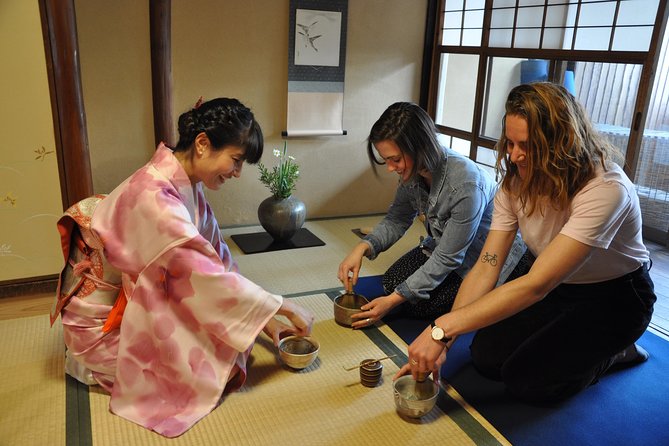
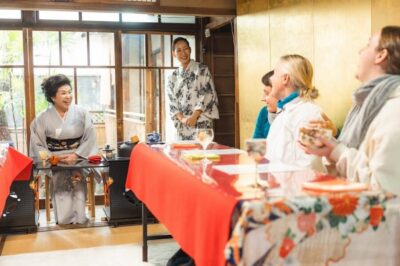
The first pleasure here is the building. Ami Kyoto operates from a traditional wooden townhouse, the kind of narrow urban home that once filled Kyoto. This one is about 80 years old, and its plain timber construction gives the lesson a sense of place that a modern hotel room cannot match.
You are not simply shown a tea ritual in a generic classroom. You sit inside a home with a distinctly Japanese character, in a setting described as quaint and elegant. The room is also reported to be comfortable, which matters because the ceremony asks you to slow down and pay attention.
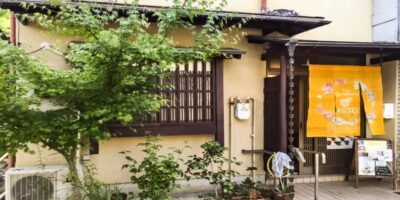
The townhouse sits in a traditional residential area. That creates atmosphere, but it also creates a practical problem. The building can blend in with neighboring homes, and one person found the approach difficult because street names and numbers were not clearly marked in English.
I would not arrive at the last minute. Keep the full address handy: 605 Nishidacho, Shimogyo Ward, Kyoto, 600-8397. Use the Google Maps link supplied after booking, and allow enough time to find the door without rushing into the ceremony flustered.
More Tea Ceremonies in Kyoto
- Kyoto: Tea Ceremony in a Traditional Tea House in Kiyomizu
★ 4.9 · 3,519 reviews - Kyoto: Tea Ceremony Ju-An at Jotokuji Temple
★ 4.9 · 3,207 reviews - Kyoto: 45-Minute Tea Ceremony Lesson Experience
★ 4.3 · 2,378 reviews
What Happens During the One-Hour Session
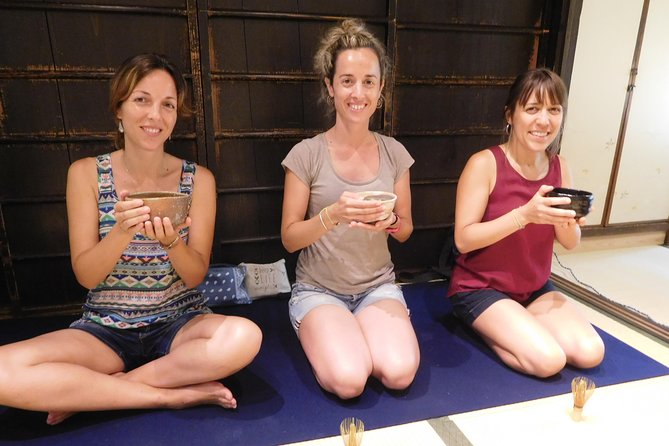
The experience lasts about one hour, and the pacing seems to be one of its strengths. You receive an introduction to the basic ideas of tea ceremony, watch a complete demonstration, learn the expected etiquette, and then take part yourself.
The hosts explain not only what they are doing, but why. You learn how to enter the tea room, how to approach the tea, and how to receive and drink it. One especially useful aspect is the attention given to the meaning and practical purpose of each movement.
That explanation keeps the ceremony from becoming a string of mysterious gestures. A bow, turn, placement of an object, or handling of a bowl has a reason within the ritual. The hosts present these details clearly, so you can appreciate the order and care without needing prior knowledge of Japanese customs.
The demonstration is described as peaceful, careful, and exact. You may find that the quiet pace is the point. Tea ceremony is not a performance designed to rush toward the next activity. The deliberate movements give you a short break from Kyoto’s busy sightseeing rhythm.
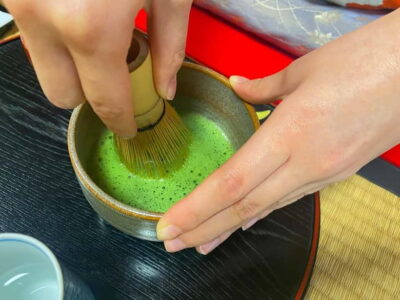
After watching, you prepare your own bowl of matcha. The instructors guide you through the process, so you do not need to know the correct technique in advance. This hands-on section is important because it turns the experience from a lecture into participation.
The hour is long enough to explain the tradition and let you practice, but short enough to fit neatly between other plans. I would schedule it on a day when you are visiting nearby sights rather than placing it beside a tight train connection. A calm arrival makes it easier to enjoy the ceremony’s quiet character.
Kimi and the Warm, Clear Instruction
Kimi is named as one of the hosts, and the teaching style is a major reason this experience works. Her approach, along with that of the other hostesses, is friendly and patient. You can ask about the finer points of the ceremony, the tea, or the sweets without feeling that you are interrupting a formal show.
The instructors balance politeness with approachability. That matters for first-time visitors, since Japanese tea ceremony can look intimidating when you do not know the rules. The explanation gives you enough structure to participate respectfully while still allowing you to relax.
Several parts of the session appear particularly well suited to families and mixed-age groups. An Australian family of four found the demonstrations interesting and the one-hour length manageable. Another group praised the hosts for helping a member who used a wheelchair, though you should still contact Ami Kyoto in advance about your own access needs because the provided information does not give full details about the building.
The group limit is six people. That is a good middle ground. You get the social pleasure of sharing the experience, but the room does not feel like a large tour class. A small group also gives you a better chance to see the hosts’ hand movements and receive help while whisking your matcha.
One note: a separate description refers to a group of eight, but the stated maximum for this experience is six. I would rely on the advertised six-person limit when deciding if the format suits you, while recognizing that group arrangements can sometimes vary.
Uji Matcha and Traditional Kyoto Sweets
The tea served here comes from a farm in Uji City, the area near Kyoto known for producing high-quality matcha. That detail gives the tasting a useful local connection. You are not simply handed powdered green tea with no explanation of where it comes from.
You receive a bowl of matcha and a traditional Japanese sweet. The sweet is selected from a famous Kyoto confectioner, and it provides the balance that makes matcha easier to appreciate. Matcha has a strong, grassy bitterness, while the confection supplies sweetness and texture.
The sweets have received particular praise, and one confection is identified as suhama. The exact sweet may be worth asking about during the session, especially if you are interested in Kyoto food traditions. You learn not only how to prepare and drink the tea, but also how the sweet fits into the experience.
You might enjoy the tea most if you already like matcha, but you do not need to be a matcha enthusiast. The lesson explains the process and gives you a way to approach the flavor as part of a larger ritual. A cup of tea tastes different when you have just seen the care involved in preparing it.
If you want to continue the practice at home, matcha is available for purchase from the hosts. That is optional, of course, but it can be a useful souvenir. You leave with more than a packet of powder because you also know the basic method for making and drinking it.
Same leaf, a different ritual:
- Kyoto: Table-Style Tea Ceremony at a Kyo-Machiya
★ 4.9 · 1,211 reviews - Kimono Tea Ceremony at Kyoto Maikoya, NISHIKI
★ 5.0 · 911 reviews - Arashiyama Bamboo, Temple, Monkeys, or Secret Sake Brewery
★ 4.8 · 886 reviews - Kyoto: Arashiyama Bamboo Forest, Monkeys, Matcha & Temple Tour
★ 5.0 · 759 reviews
Why the Ceremony Matters Beyond the Tea
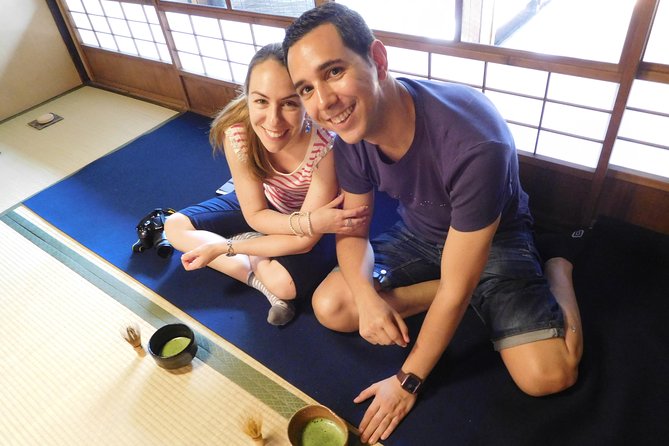
A short tea ceremony cannot teach every school, rule, or historical detail connected with chanoyu, the Japanese way of tea. What it can do is show you how ceremony turns hospitality into a series of thoughtful actions.
The hosts explain the sacred and symbolic side of the tradition without making the session feel distant. Each action is performed with care, elegance, and purpose. You begin to see that the tea is only one part of the meeting. The room, the guest, the host, the utensils, and the order of events all matter.
This is also a lesson in Japanese social etiquette. You learn how to receive the bowl, how to drink, and how to respond to the person serving you. The rules are not presented as a test. They give you a respectful framework, which is helpful if you later visit another tea house or attend a more formal ceremony.
I like that the experience leaves room for both meanings of tea ceremony. You can treat it as a cultural introduction, learning the gestures and customs. You can also treat it as a quiet meditation, a chance to sit still and give one activity your full attention.
That range makes the session work for different kinds of visitors. You may come for the matcha, the townhouse, the photography, the etiquette, or the chance to understand a tradition that can otherwise seem closed to outsiders.
Price, Timing, and Overall Value
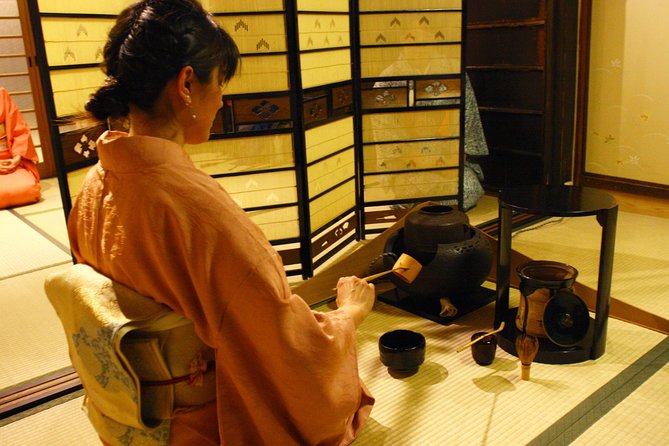
The price is $27.74 per person. For Kyoto, that is a sensible cost for a one-hour activity that includes instruction, a bowl of matcha, Japanese sweets, and access to a traditional townhouse.
The value is strongest if you want an introduction rather than an advanced lesson. You are not paying for a full-day course or a private masterclass. You are paying for a focused cultural experience with a small group, a demonstration, and a chance to practice.
The six-person limit improves the value. A cheaper class with a large audience might give you less direct help and make it harder to see what is happening. Here, the hosts can guide your movements and answer questions within the short session.
The multiple start times also help. You can fit the class around temple visits, shopping, or an evening meal rather than giving up an entire morning or afternoon. Since the experience is booked on average 25 days ahead, I would reserve it early if you have a fixed Kyoto schedule, particularly during a busy travel period.
The ticket is mobile, so you do not need to collect a paper voucher. Hotel pickup and drop-off are not included, and the activity begins and ends at the townhouse. That arrangement keeps the price down, but you are responsible for getting to the meeting point.
Free cancellation is available up to 24 hours before the start time for a full refund. Changes or cancellations inside that 24-hour window are not accepted for a refund, so check your schedule before the cutoff.
Who Will Enjoy This Kyoto Tea Experience?
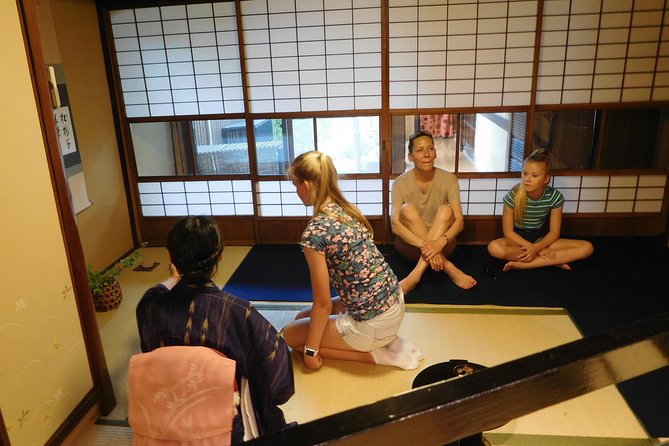
I would choose this activity if you want a compact, respectful introduction to Japanese culture. It suits first-time visitors who have never attended tea ceremony, as well as people who already like matcha and want to understand the ritual around it.
Families can fit comfortably into the format, provided everyone can take part in the townhouse setting. The one-hour duration is also a good choice for children or adults who may not want a long formal ceremony.
Couples and solo visitors should like the quieter mood and small group. You have enough guidance to feel included, but the class does not demand a full day of concentration.
This may not be the right pick if you want an elaborate, highly formal ceremony conducted entirely in silence. The experience is designed to teach, explain, and invite participation. The friendly instruction is a strength for most people, but someone seeking a strict ceremonial performance may prefer a more formal setting.
You should also think about mobility and the physical layout of an older townhouse. One group received help with a wheelchair, which is encouraging, but accessibility details are not fully provided. Contact Ami Kyoto before booking if you need specific arrangements.
Getting There Without Stress
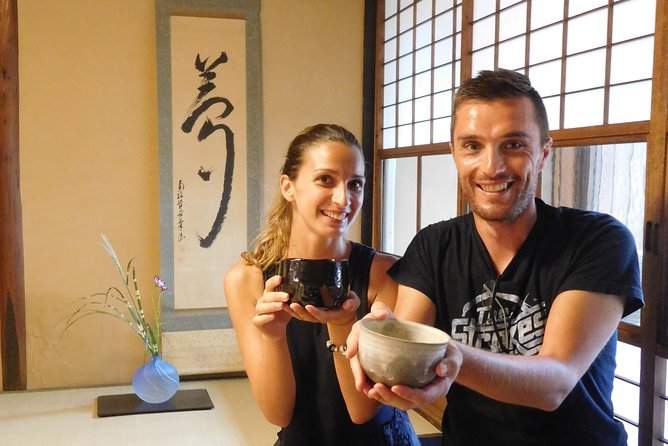
The address is in Kyoto’s Shimogyo Ward, near public transportation. The venue can be easy to miss because it blends into the surrounding homes and sits in a traditional residential area.
I would save the address and map link before leaving your hotel. Look for the venue sign, but do not depend on large English lettering or modern street numbering. Build in a few extra minutes, especially if you are coming directly from a major sightseeing stop.
The end point is the same as the starting point. That makes planning easier because you do not need to arrange a second pickup or find your way to another neighborhood afterward.
Since there is no hotel transfer, this is best for anyone comfortable navigating Kyoto independently. The transport arrangement is simple, but the final walk may require patience.
Should You Book Ami Kyoto?
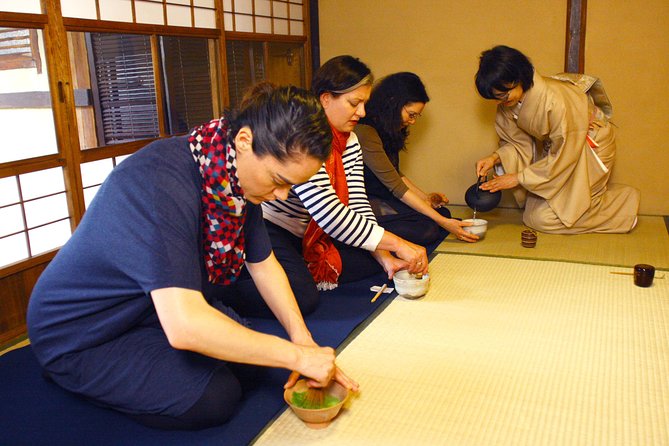
Yes, if you want a well-priced, small-group introduction to tea ceremony in a real Kyoto townhouse. The combination of a clear demonstration, hands-on matcha preparation, Uji tea, traditional sweets, and warm instruction gives you a useful look at the custom in just one hour.
Book it especially if you want to understand the gestures rather than simply watch someone serve tea. The experience gives you enough background to recognize the courtesy, symbolism, and careful rhythm behind the ritual.
I would hesitate only if you need a fully accessible venue with confirmed details, prefer a large formal tea house, or have no time to deal with a slightly tricky meeting point. For most visitors, though, the modest price and intimate setting make this an easy cultural addition to a Kyoto itinerary.
FAQ
How long does the tea ceremony experience last?
The experience lasts approximately one hour. It includes an explanation of tea ceremony, a demonstration, instruction in etiquette, and time to prepare your own matcha.
Where does the experience take place?
It takes place at Ami Kyoto, inside a traditional wooden machiya in Kyoto’s Shimogyo Ward. The meeting address is 605 Nishidacho, Shimogyo Ward, Kyoto, 600-8397, Japan.
How many people can join the session?
The stated maximum is six people. This keeps the class small enough for personal instruction and questions.
What is included in the price?
You receive a bowl of matcha green tea and Japanese sweets. Hotel pickup and drop-off are not included.
Is the activity suitable for people new to tea ceremony?
Yes. The hosts explain the basic ideas and etiquette, demonstrate the ceremony, and guide you as you make and drink your own tea. No previous experience is stated as necessary.
Can I cancel for a full refund?
Yes. You can cancel at least 24 hours before the scheduled start time for a full refund. Cancellations or changes made less than 24 hours before the start time are not refunded.
Newly steeped around Kyoto
- Whisk Your Own Matcha: A Zen Matcha Experience at Temple★ 3.6 · 7 reviews
- Kyoto: Authentic Tea Ceremony in a Small Group★ 5.0 · 7 reviews
- Tea ceremony at Kyoto’s Zen Temple Teahouse★ 5.0 · 2 reviews
- Uji Walking Tour – Byodo-in temple and Tea Ceremony from Kyoto★ 3.5 · 3 reviews
- Tea Ceremony Experience in Traditional Kyoto Townhouse★ 5.0 · 19 reviews
- Tea Ceremony in 150 Years Old Townhouse with Tables and Chairs★ 5.0 · 22 reviews
- Traditional Tea Ceremony in Kyoto★ 4.5 · 3 reviews
- Sencha-do the Japanese Tea Ceremony Workshop in Kyoto★ 5.0 · 21 reviews
Tea Ceremony Experiences, compared.
Kyoto: Tea Ceremony in a Traditional Tea House in Kiyomizu
Read our review →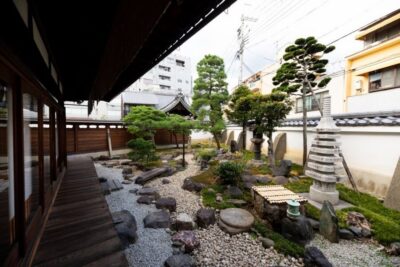
Kyoto: 45-Minute Tea Ceremony Lesson Experience
Read our review →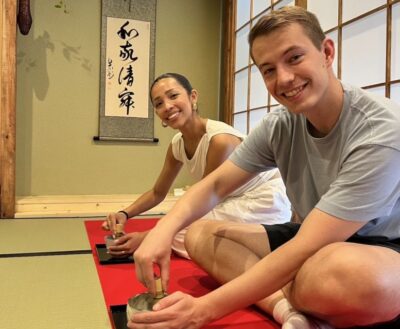
Kyoto: Table-Style Tea Ceremony at a Kyo-Machiya
Read our review →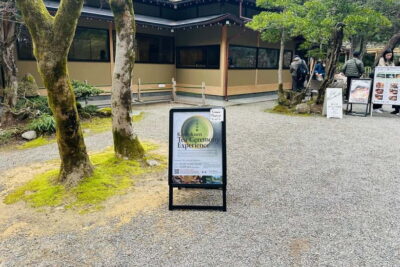


Browse the lists this tea experience appears in