
Review · KYOTO
Traditional Tea Ceremony Experience in Kyoto
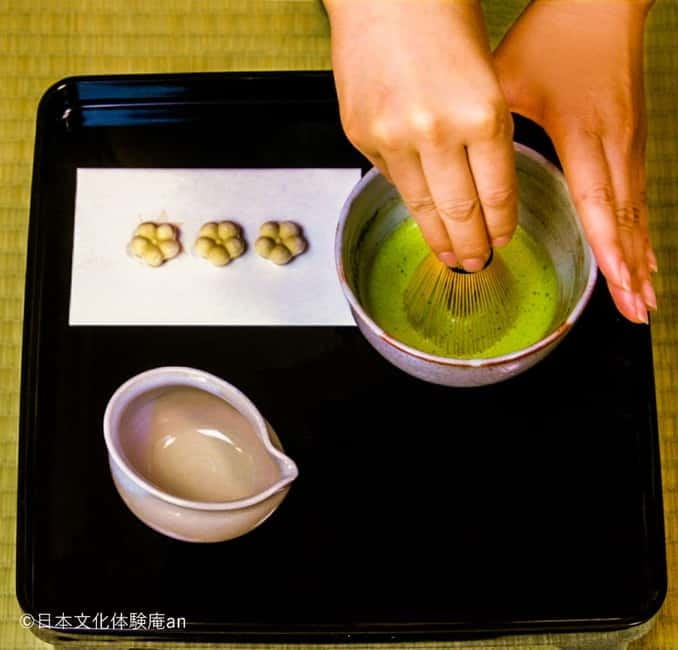
Kyoto’s tea ceremony is presented here in a short, hands-on 30-minute session rather than a long formal ritual. You’ll see how single-origin matcha is made, learn the purpose of basic movements and utensils, and drink the tea with an ohigashi Japanese dried sweet.
I like the very low price and the easy location, just one minute from Gojo Station. I also like the practical seating, since you’ll use tables and chairs instead of sitting on the floor. The main drawback is that the lesson can feel basic, and English explanation may be limited.
Key points
- Single-origin matcha: Watch the tea being prepared, then taste a fresh bowl with an ohigashi dried sweet.
- A quick introduction: The full activity lasts about 30 minutes, making it easy to fit into a busy Kyoto day.
- Convenient Gojo location: The venue is one minute from Exit 1 of Gojo Station, with its entrance facing Gojo-dori.
- Tables and chairs: You do not need to sit in the traditional kneeling position.
- Japanese-led instruction: English help is available as much as possible, but the main instruction is in Japanese.
- Low-cost cultural stop: At $7 per person, this is an inexpensive way to add a Kyoto tradition to your schedule.
What happens during the 30-minute ceremony
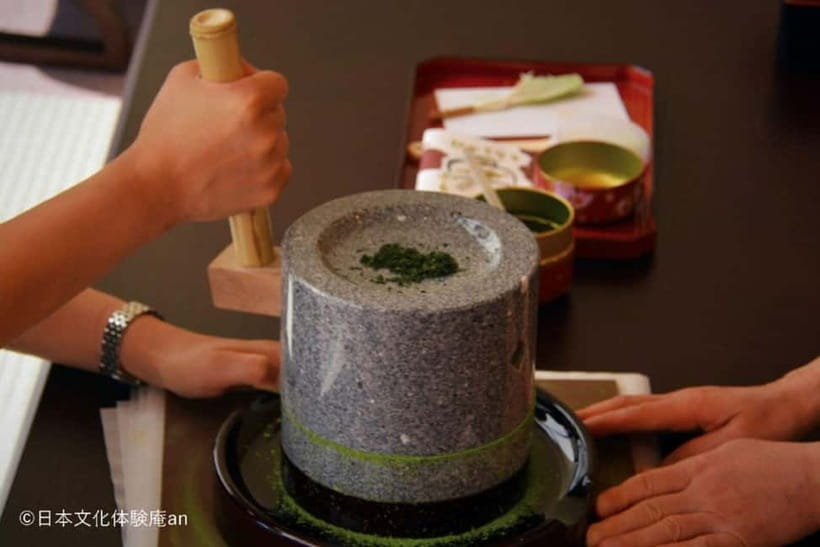
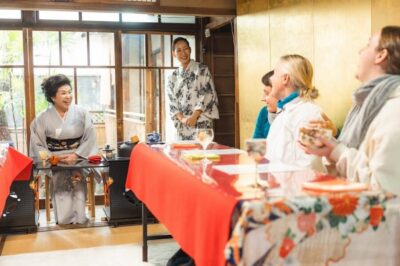
This is a compact introduction to the Japanese tea ceremony. You arrive at the venue, take a seat at a table, and watch the instructor explain the basic process of making matcha.
The ceremony includes a set of otemae, the Japanese tea-making procedure used in the experience. You can expect attention to the tea, the tools, the order of movements, and the manners connected with serving and drinking matcha.
The session is not designed as a full-length study of tea culture. Instead, it gives you a short look at the main actions. You’ll see hot water added to powdered tea and the matcha mixed into a drinkable bowl. One recent session was described as lasting around 25 minutes, with only part of the explanation available in English, so you should plan for a concise introduction rather than an extended lecture.
The pace may suit you if you want a taste of Kyoto culture without giving up half a day. It may feel too brief if your main goal is a detailed lesson in Japanese history, tea schools, ceremony etiquette, or the role of matcha in everyday life.
More Tea Ceremonies in Kyoto
- Kyoto: Tea Ceremony in a Traditional Tea House in Kiyomizu
★ 4.9 · 3,519 reviews - Kyoto: Tea Ceremony Ju-An at Jotokuji Temple
★ 4.9 · 3,207 reviews - Kyoto: 45-Minute Tea Ceremony Lesson Experience
★ 4.3 · 2,378 reviews
Seeing single-origin matcha prepared
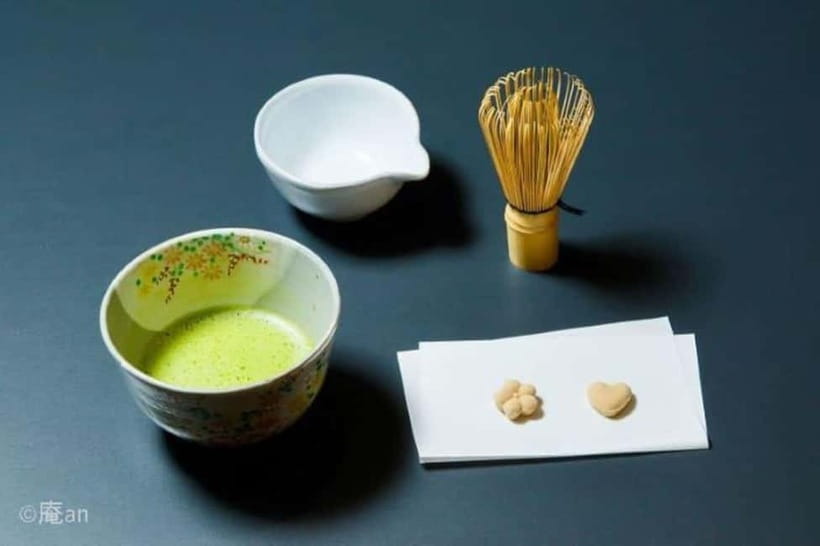
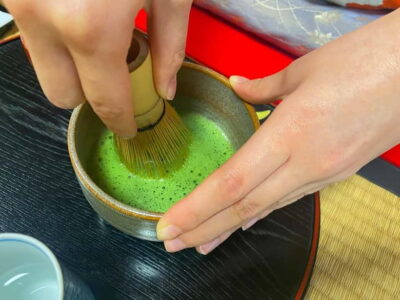
The tea itself is the heart of the activity. You’ll be served single-origin matcha, which gives the experience a clearer focus than a general green tea tasting. Matcha is powdered tea whisked with hot water, so you drink the leaf rather than infusing and removing it.
You’ll watch the preparation before tasting it. That demonstration helps connect the finished drink with the tools and movements used by the instructor. The matcha has a strong, full flavor. If you normally drink mild tea, expect this to taste more intense.
The preparation also gives the instructor a chance to explain the purpose behind each step. You may learn basic do’s and don’ts, how the bowl is handled, and why the sequence matters. The level of detail can depend on the language support available and how crowded the session is.
I would treat this part as a first look at the craft, not a technical workshop. You will see how matcha is made and gain enough context to recognize the key steps later in Kyoto. You should not expect to leave with the skills of a tea master after half an hour.
The ohigashi sweet makes the tea easier to enjoy
An ohigashi, a Japanese dried sweet, is served with the matcha. This is more than a small snack. Sweet foods help balance matcha’s strong, slightly bitter taste and are part of the rhythm of a tea serving.
You’ll have the sweet with the tea, giving you a simple way to notice how the flavors work together. The pairing also adds a small piece of tea etiquette to the session. The food portion is modest, so you should not book this as a meal or dessert stop.
This sweet is useful for first-time matcha drinkers. If the tea tastes powerful on its own, the ohigashi gives your palate a softer contrast. One attendee particularly liked having a snack prepared with the tea, while another found the matcha very rich. That combination tells you what to expect: this is a focused tea tasting, not a mild café drink.
A Kyoto setting near Gojo Station
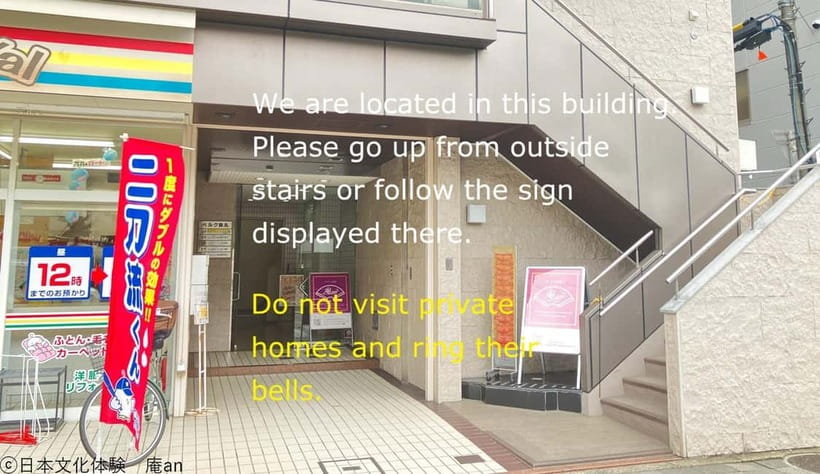
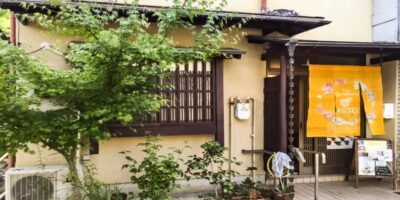
The location is one of the strongest practical points. The venue is about a one-minute walk from Exit 1 of the Subway Karasuma Line’s Gojo Station. The entrance faces the main street, Gojo-dori, so you will not need to search through a quiet side street.
The listed coordinates are 34.99642916810299, 135.76176672966227. Use the map pin and look for the entrance facing Gojo-dori. Arriving a little early is wise because the activity cannot be held for late arrivals.
Gojo is a useful base for this sort of short appointment. You can build the tea session into a day of sightseeing without arranging a long transfer. The short duration also works well before lunch, after a morning visit, or between other plans.
The venue operates from 10:00 to 17:00. Reservations received after 17:00 are handled the following day, which matters if you are trying to book at night. Check the available starting times before planning the rest of your day.
Same leaf, a different ritual:
- Kyoto: Table-Style Tea Ceremony at a Kyo-Machiya
★ 4.9 · 1,211 reviews - Kimono Tea Ceremony at Kyoto Maikoya, NISHIKI
★ 5.0 · 911 reviews - Arashiyama Bamboo, Temple, Monkeys, or Secret Sake Brewery
★ 4.8 · 886 reviews - Kyoto: Arashiyama Bamboo Forest, Monkeys, Matcha & Temple Tour
★ 5.0 · 759 reviews
Tables and chairs make the ceremony more approachable
Traditional tea ceremonies are often associated with sitting on the floor in a formal kneeling position. This activity uses tables and chairs, which makes it a less demanding introduction.
I like this arrangement for several reasons. You can focus on the explanation instead of worrying about your knees, clothing, or how long you can sit in one position. It may also suit you if you have mobility concerns.
The activity is described as wheelchair accessible, but there is no elevator in the building and you need to use stairs to reach each venue. That is an important distinction. If you use a wheelchair or have difficulty with stairs, contact the provider before booking and confirm that the assigned venue works for you.
The chair seating also signals the tone of the activity. This is a welcoming cultural introduction rather than a strict ceremony requiring formal floor posture. You still receive a set of otemae, but the physical setup is made for visitors who want a comfortable, short session.
How much English explanation can you expect?
The instructor’s language is Japanese. English translation is provided as much as possible if requested, but it is not presented as a fully English-led class.
You should contact the provider in advance if English explanation is important to you. The information supplied for the activity also says to get in touch if you would like to reserve the property, so advance contact is the safest way to clarify communication needs.
This point matters because the quality of the experience depends partly on how much cultural explanation you want. The session can show you the movements clearly even if you do not understand every word. Still, one recent participant felt that the information stayed at a basic level, covering actions such as adding hot water and mixing the tea rather than broader questions about history, customs, and who traditionally drinks matcha.
Another person found the session educational and calming. Both reactions can be true. If you want a peaceful introduction and a visual demonstration, the format works well. If you want a detailed English lecture, you may find the lesson too limited.
Crowding can also affect the experience. A recent session was described as quite crowded, with the guide difficult to hear. If clear instruction matters to you, ask about English support and group conditions before you arrive.
What the ceremony teaches about Kyoto culture
Kyoto is closely linked with Japanese tea culture, and taking part in a ceremony here gives the activity a useful sense of place. The value is not only in drinking matcha. You are also watching a set of careful actions that reflect attention, order, hospitality, and respect.
The instructor can explain why movements, utensils, and serving steps matter. At this length, the explanation will probably stay at an introductory level, but even a short lesson can change how you see tea rooms, matcha shops, and packaged tea during the rest of your visit.
I would pay attention to the details rather than expect a dramatic show. The appeal is quiet and exact. The bowl, the tea, the water, and the repeated movements carry the experience. You get a chance to slow down for half an hour in a city where sightseeing can otherwise become a race from one major site to the next.
The activity also helps you understand that matcha is not simply a trendy green drink. Its preparation has its own manners and sequence. The session does not promise an advanced history lesson, but it provides a useful starting point.
Is $7 a good value?
At $7 per person, this is one of the more affordable cultural activities you can add to a Kyoto itinerary. The price covers the tea ceremony experience and the matcha with an ohigashi sweet. You are paying for a short introduction, not a long class or a full meal.
I consider the value strongest for first-time visitors who want to try matcha and learn a few basic customs without making a major time or money commitment. The convenient Gojo location adds to the value because transport is simple and the appointment can fit between larger plans.
The value is weaker if you want a private lesson, detailed history, fluent English instruction, or a long formal ceremony. In that case, the low price reflects the compact format. You may need a different type of tea experience.
An experience completion certificate costs an additional 300 JPY. It is optional, so you can skip that extra charge if you only want the tea and demonstration. A certificate may be a fun keepsake, especially for children or anyone collecting small reminders of a Japan trip, but it does not add to the tea itself.
Who should book this activity?
This ceremony suits you if you want a brief cultural stop with a clear start and finish. It is especially practical for:
- First-time matcha drinkers
- Visitors with only 30 minutes available
- Families who prefer chair seating
- People who want an inexpensive Kyoto activity
- Anyone curious about Japanese tea manners
- Visitors staying near the Gojo area or traveling on the Karasuma Line
The activity may not suit you if you need a fully English-speaking instructor or want an advanced account of tea culture. It may also be a poor fit if you cannot climb stairs, since the building has no elevator.
Children under two who sit on a parent’s lap are free. All other participants need to take part in the experience to enter, so do not book a place for someone who plans to wait inside without joining.
Timing, cancellation, and arrival advice
The activity lasts 30 minutes, though the actual teaching period may be closer to 25 minutes. Do not arrive late and expect the session to wait. The provider states that the event cannot be held for delays, regardless of the reason.
You can cancel up to 24 hours in advance for a full refund. After that point, a cancellation fee applies. If you change the date or time after a cancellation fee has been incurred, another specified fee may apply.
Travel expenses to the venue are not reimbursed if you cancel. For that reason, I would avoid booking it too tightly against a train, airport transfer, or major timed attraction. The activity is short, but your route to Gojo Station still needs a little breathing room.
Booking later than 17:00 does not mean immediate processing. Reservations made after that hour are handled the next day. If your schedule changes, contact the provider rather than assuming a late-night message has been seen.
My call: a good first taste of Kyoto tea culture
I would book this activity if I wanted an inexpensive, convenient introduction to matcha and did not need a long lesson. The single-origin tea, ohigashi sweet, chair seating, and Gojo Station location give it a practical edge.
I would approach it with modest expectations. You’ll see the ceremony, learn the basic steps, taste strong matcha, and pick up a few manners. You may not receive much background in English, and a crowded room can make the instructor hard to hear.
Book it when you value ease and price more than depth. Contact the provider ahead if you need English support or have questions about the stairs. For a half-hour Kyoto experience at $7, it is a sensible choice for a first encounter with Japanese tea.
FAQ
Where does the tea ceremony take place?
It takes place one minute from Exit 1 of Gojo Station on the Kyoto Subway Karasuma Line. The entrance faces Gojo-dori.
How long does the experience last?
The stated duration is 30 minutes. One session was reported as lasting about 25 minutes.
How much does the experience cost?
The price is $7 per person.
What kind of tea is served?
You will receive single-origin matcha, prepared during the experience.
Is a sweet served with the tea?
Yes. An ohigashi, a Japanese dried sweet, is served with the matcha.
Do I have to sit on the floor?
No. The activity uses tables and chairs.
Is the instructor English-speaking?
The instructor’s language is Japanese. English translation is provided as much as possible if requested, and you should contact the provider ahead of time if you need it.
Is the venue wheelchair accessible?
The activity is described as wheelchair accessible, but the building has no elevator and stairs are required to reach each venue. Contact the provider before booking to confirm the arrangement.
Can I cancel for a full refund?
You can cancel up to 24 hours in advance for a full refund. Cancellation fees apply after that point.
Is a completion certificate included?
No. A completion certificate costs an additional 300 JPY.
Newly steeped around Kyoto
- Whisk Your Own Matcha: A Zen Matcha Experience at Temple★ 3.6 · 7 reviews
- Kyoto: Authentic Tea Ceremony in a Small Group★ 5.0 · 7 reviews
- Tea ceremony at Kyoto’s Zen Temple Teahouse★ 5.0 · 2 reviews
- Uji Walking Tour – Byodo-in temple and Tea Ceremony from Kyoto★ 3.5 · 3 reviews
- Tea Ceremony Experience in Traditional Kyoto Townhouse★ 5.0 · 19 reviews
- Tea Ceremony in 150 Years Old Townhouse with Tables and Chairs★ 5.0 · 22 reviews
- Sencha-do the Japanese Tea Ceremony Workshop in Kyoto★ 5.0 · 21 reviews
- Silent Beauty of Kyoto Zen Walk and Tea Experience★ 5.0 · 2 reviews
Tea Ceremony Experiences, compared.
Kyoto: Tea Ceremony in a Traditional Tea House in Kiyomizu
Read our review →
Kyoto: 45-Minute Tea Ceremony Lesson Experience
Read our review →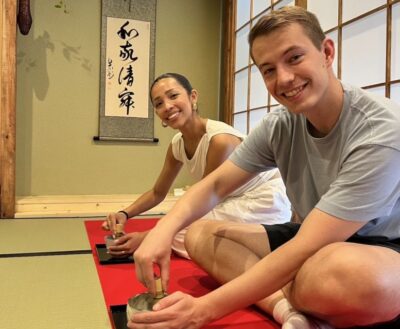
Kyoto: Table-Style Tea Ceremony at a Kyo-Machiya
Read our review →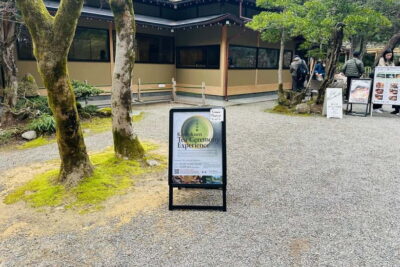


Browse the lists this tea experience appears in