
Review · KYOTO
7hr Private Wazuka True Hidden Kyoto Matcha Farm Experience
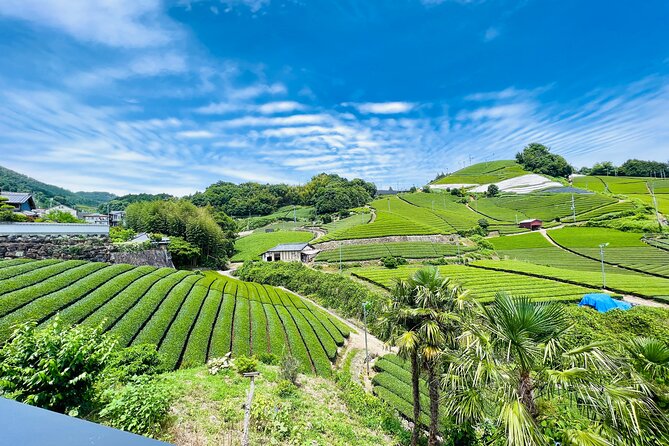
Wazuka gives you a side of Kyoto that most visitors never see: quiet hills covered with tea plants and a tea tradition said to reach back 800 years. With a fifth-generation matcha farmer as your local host, you learn how leaves move from field to cup, not just how to whisk a bowl of tea.
I like the visit to two working tea farms and the chance to taste matcha in several forms. I also like the home-style lunch and the fact that the day is private, so your group can ask questions without competing with a busload of people.
The main caution is practical: the farm paths can be muddy and bumpy, and the advertised title says seven hours while the detailed duration says about six. Confirm the timing when you book, and wear shoes you do not mind getting dirty.
Key points at a glance
- Meet a fifth-generation tea farmer: Learn about matcha from a family with generations of hands-on experience.
- Visit two Wazuka tea farms: See tea growing and learn about picking and processing in the place where it happens.
- Taste matcha and other teas: Use your nose and palate to compare teas, rather than treating matcha as one single flavor.
- Eat in a traditional Japanese-style home: The matcha lunch set adds a local food element to the day.
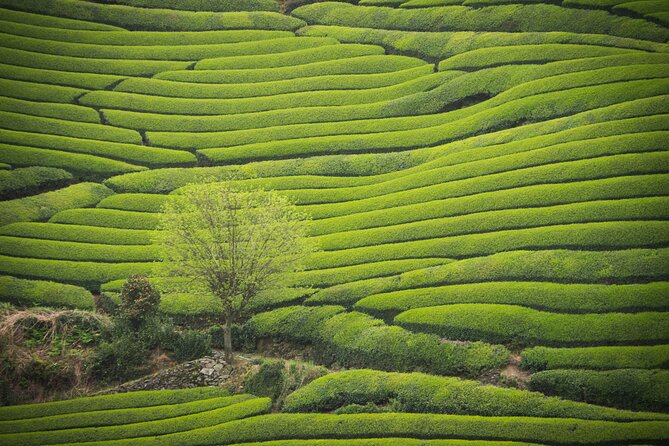
- Walk through working tea fields: Wazuka’s rolling rows of tea make the setting a major part of the visit.
- Take premium matcha home: The tour includes matcha from a farm previously owned by the Imperial Family.
Why Wazuka is worth the trip from Kyoto
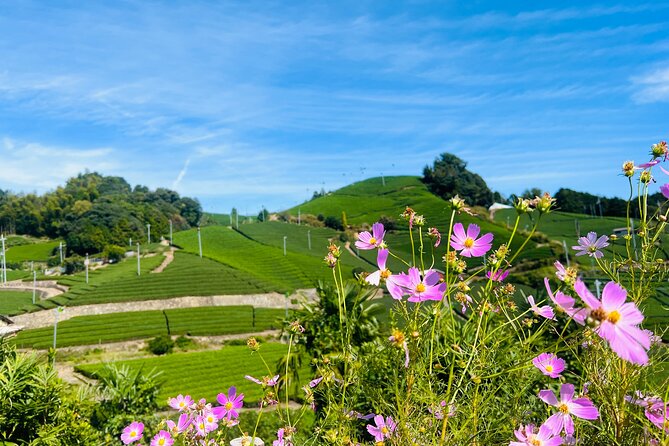
Wazuka is in Kyoto Prefecture, but it feels far removed from the city’s temple lanes and crowded sightseeing routes. Its tea fields cover the hills in neat rows, creating the calm rural setting that gives this visit its character.
The point is not simply to look at tea plants. You get a chance to follow the full chain of production, from tea picking and processing to tasting and preparation. That makes the day useful for anyone who wants to understand why matcha costs more than an ordinary green tea powder.
The tea tradition here is described as roughly 800 years old. That long span matters because tea production is presented as a family craft, not as a short demonstration created for tourism. Your host comes from a fifth-generation matcha farming family, giving the discussion a personal connection to the fields around you.
I would choose this outing if you have already seen Kyoto’s major temples and want a quieter day outside the city. It also works well early in a Japan trip, since it gives you a better sense of how food, farming, and ceremony connect in Japanese culture.
More Matcha Experiences in Kyoto
- Kyoto: Arashiyama Bamboo Forest, Monkeys, Matcha & Temple Tour
★ 5.0 · 759 reviews - Kyoto: Tea Ceremony Meditation – Make Matcha with Tea Master
★ 4.8 · 406 reviews - Kyoto: Kimono Tea Ceremony with Matcha and Sweet
★ 4.9 · 249 reviews
Meeting your fifth-generation tea-farming host
The day begins at 10:00 am at Wazuka-cha Cafe, at 35 Ohazama, Shirasu, Wazuka, Soraku District, Kyoto 619-1222. The address is also written with the Japanese name グリンティ和束, 1階, so keep the full details available when arranging your route.
Your local host is a fifth-generation matcha farmer. No individual guide name is provided, but the family connection is central to the visit. You are not getting a generic tea talk followed by a tasting. The goal is to hear how matcha is made from someone whose family has worked with the crop for generations.
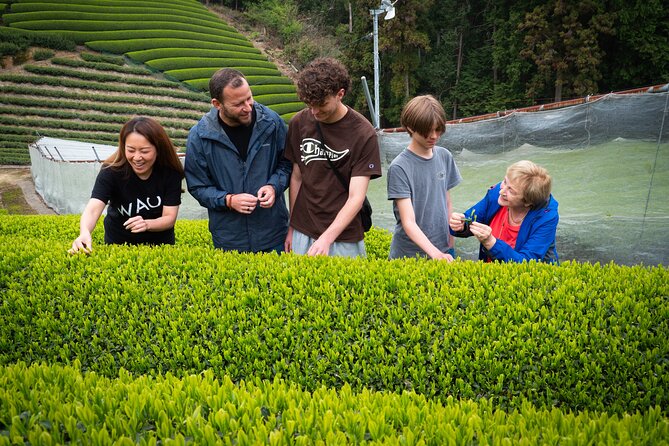
Since this is a private activity, only your group participates. That gives you room to ask basic questions about the plants, production, and preparation without worrying about holding up strangers. It also means the value depends partly on your interest. A curious group can get much more from a private format than a group that only wants photographs.
Walking through two working matcha farms
The tour includes visits to two local matcha tea farms. This is one of the strongest parts of the day because you can compare the idea of matcha with the real setting where it begins.
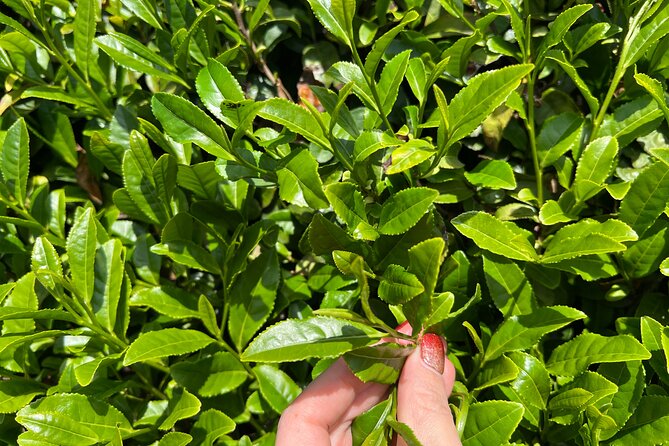
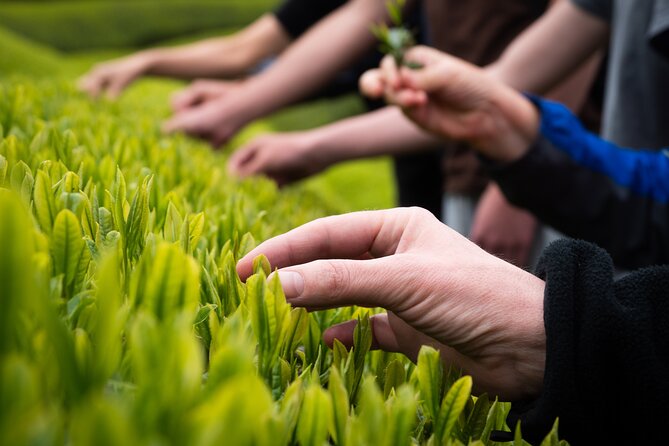
You will walk through tea fields and learn about the matcha-making process. The program covers tea picking and processing, so the farm visit is meant to connect the field with the finished drink. Look closely at the rows and listen for the practical details about how the leaves are handled.
The farm access can be bumpy and muddy. This is not a paved garden stroll, so sensible shoes matter more than stylish ones. Service animals are allowed, but the uneven ground may still be a factor for anyone who has trouble with muddy or irregular paths.
The tour description also notes that the matcha comes from a farm previously owned by the Imperial Family. That detail adds historical interest, but the real value is seeing the working tea environment and learning how the product is made.
Bring clothing suited to a rural setting. The supplied information does not give a seasonal packing list, so I would check the forecast and plan for changing ground conditions. A clean pair of shoes for later in the day could be useful if the paths are wet.
From tea picking to processing
Many tea visits stop at the cup. This one aims to explain the stages before the cup, including picking and processing. That wider view helps you understand why matcha has a particular color, texture, aroma, and price.
You may hear how the farm’s methods shape the final tea, though the supplied details do not specify the exact machinery or production techniques used during your visit. Keep your questions ready. Ask how the leaves are selected, what happens after picking, and how the final powder differs from other green teas.
The tour promises an end-to-end look at matcha making. That does not mean you should expect to perform every stage of commercial production yourself. It means the day links the farm, the processing story, the tasting, and the tea workshop into one clear sequence.
This is especially useful if you normally buy matcha only as a café drink. You get a better sense of the labor behind the powder and why fresh tea can show more than bitterness. The discussion may also help you make better choices when buying matcha later in your trip.
Same leaf, a different ritual:
- Kyoto: Tea Ceremony in a Traditional Tea House in Kiyomizu
★ 4.9 · 3,519 reviews - Kyoto: Tea Ceremony Ju-An at Jotokuji Temple
★ 4.9 · 3,207 reviews - Kyoto: 45-Minute Tea Ceremony Lesson Experience
★ 4.3 · 2,378 reviews - Kyoto: Table-Style Tea Ceremony at a Kyo-Machiya
★ 4.9 · 1,211 reviews
A Japanese-style home and the matcha lunch set
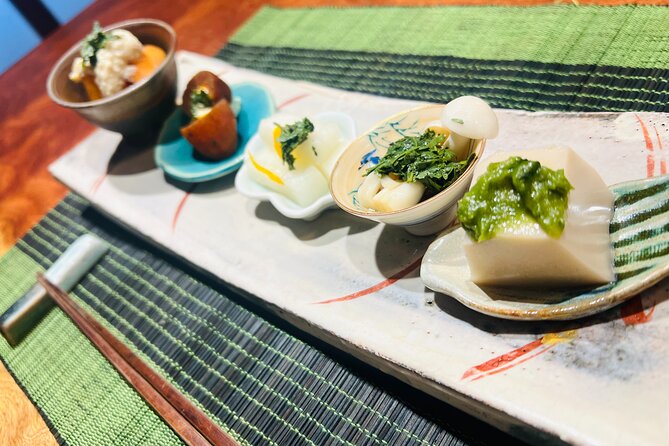
One of the more personal elements is an invitation to a traditional Japanese-style home for a delicately prepared matcha lunch set. This shifts the day away from a simple farm tour and toward a local hospitality experience.
The supplied information does not give the menu or list dietary options, so contact the provider before booking if food restrictions matter to you. The word delicately suggests that presentation and balance are part of the meal, but you should not assume a particular dish or serving size.
The lunch also gives you a break between the outdoor portions of the visit. After walking around the farms, sitting down for a carefully prepared meal makes practical sense. It gives you time to talk with your host and consider the differences between the teas you have tasted.
For many people, this home setting may feel more memorable than another restaurant meal. It offers a view of tea as part of daily culture and hospitality, rather than as a product sold only in shops. At the same time, anyone looking for a large meal should keep expectations modest until the menu is confirmed.
Tasting matcha with all five senses
The program includes matcha tasting and tea tasting, along with a workshop. The idea is to use more than your sense of taste. You may smell the tea, examine its color, feel its texture, and notice how preparation changes the drink.
That sensory approach is useful because matcha can seem one-dimensional if you only drink a sweet café version. Here, the tasting should help you pay attention to aroma, bitterness, smoothness, and finish. The exact teas and tasting order are not specified, so the range may vary.
You also have a chance to take home some premium matcha from the farm. This is a practical souvenir, especially if you want to remember the visit through something you can actually use. Powdered tea is easier to pack than fragile crafts, though you should still store it carefully once opened.
The workshop adds a hands-on element, but the available details do not say exactly how long it lasts or what you will make. Think of it as a chance to take part in tea culture, not a formal professional tea-school course.
Private format, timing, and transport
The experience starts at 10:00 am and ends back at the same Wazuka-cha Cafe meeting point. Pickup is offered, but the supplied details do not explain the pickup area, vehicle arrangements, or extra cost. Confirm those points before you rely on pickup as your transport plan.
The title presents the outing as a seven-hour private experience, while the stated duration is approximately six hours. That difference may reflect rounding or a flexible schedule, but it is worth checking. If you are connecting this with another Kyoto activity, leave extra time rather than planning a tight handoff.
The meeting point is near public transportation. That is helpful, but the information does not provide a specific station, train route, or transfer time. You should confirm the best route from your accommodation before the day begins.
Because the tour ends where it starts, you do not need to solve a one-way transport problem after the farm visit. Pickup and group discounts are listed as available features, but ask for the exact terms when booking.
Is $520 per person a fair price?
At $520 per person, this is an expensive day compared with a standard tea tasting or a self-guided trip to a rural town. The price needs to be judged as a private, specialist experience rather than as a basic sightseeing transfer.
You are paying for a local host with a fifth-generation farming background, access to two tea farms, a private group format, a traditional home lunch, multiple tastings, a workshop, and matcha to take home. You are also paying for a structured connection to a part of Kyoto that can be difficult to understand on your own.
The value is strongest for a small group that cares about tea and wants personal attention. A group discount could improve the calculation, so ask how many people qualify and whether the advertised $520 price changes with group size.
The price is harder to justify if you only want a quick look at tea fields or a single cup of matcha. You could find simpler tea activities for less. This outing makes sense when the farm access, family story, meal, and private format are the main reasons for booking.
It is booked about 35 days in advance on average, which suggests you should not leave it until the last minute if the date matters. Since the activity is non-refundable and cannot be changed after booking, check the weather, transport plan, and group availability before paying.
Who will enjoy this Wazuka day most
I would recommend this for tea drinkers, food-focused visitors, photographers who enjoy rural scenery, and anyone who wants to see a quieter side of Kyoto. It is also a good fit for families or friends who value a private schedule and can share the cost.
The outing may suit you less if you dislike uneven paths, need a fully paved route, or have no interest in how tea is made. The muddy and bumpy farm access is not a minor detail for people with mobility concerns.
It can also be a costly choice for solo visitors. The private format is most appealing when several people can take part together, especially if a group discount applies. Service animals are allowed, but you should still consider the farm terrain.
Should you book this private matcha tour?
Book it if you want more than a tasting counter. You will see two farms, meet a fifth-generation tea farmer, learn about the production process, eat in a traditional Japanese-style home, and take part in tasting and workshop activities.
Skip it if your main goal is a cheap cup of matcha, a short outing, or an easy paved walk. Before booking, confirm the pickup details, the actual duration, the lunch arrangements, and how the group discount works.
For the right visitor, this is a thoughtful way to connect Kyoto’s famous tea culture with the people and fields that keep it alive. Just budget carefully, allow for muddy ground, and treat the non-refundable booking as a firm commitment.
FAQ
Where does the matcha tour start?
It starts at 10:00 am at Wazuka-cha Cafe, 35 Ohazama, Shirasu, Wazuka, Soraku District, Kyoto 619-1222. The location is also identified as グリンティ和束, 1階.
Where does the activity end?
The activity ends back at the same meeting point.
How long does the experience last?
The detailed tour information gives an approximate duration of six hours. The experience title refers to seven hours, so confirm the expected timing when booking.
Is this a private activity?
Yes. Only your group participates in the activity.
What will I visit during the day?
You will visit two local matcha tea farms, walk through a matcha farm, learn about picking and processing, visit a traditional Japanese-style home, and take part in tea tasting and a matcha workshop.
Is pickup available?
Yes, pickup is offered. The supplied information does not state the pickup area or whether an additional charge applies, so confirm those details before booking.
Can I bring a service animal?
Yes. Service animals are allowed, though the farm access can be bumpy and muddy.
Newly steeped around Kyoto
- Whisk Your Own Matcha: A Zen Matcha Experience at Temple★ 3.6 · 7 reviews
- Uji Walking Tour – Byodo-in temple and Tea Ceremony from Kyoto★ 3.5 · 3 reviews
- Kyoto: Authentic Tea Ceremony in a Small Group★ 5.0 · 7 reviews
- Tea ceremony at Kyoto’s Zen Temple Teahouse★ 5.0 · 2 reviews
- Tea Ceremony Experience in Traditional Kyoto Townhouse★ 5.0 · 19 reviews
- Tea Ceremony in 150 Years Old Townhouse with Tables and Chairs★ 5.0 · 22 reviews
- Sencha-do the Japanese Tea Ceremony Workshop in Kyoto★ 5.0 · 21 reviews
- Silent Beauty of Kyoto Zen Walk and Tea Experience★ 5.0 · 2 reviews
Matcha Experiences, compared.
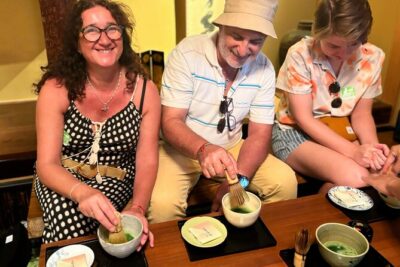
World Heritage Kyoto & Nara Uji Authentic Matcha Experience
Read our review →
Matcha Making Class in Tokyo with Authentic Japanese Sweets Set
Read our review →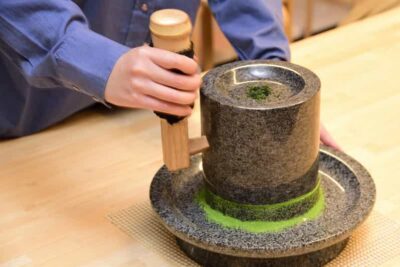
Kyoto: Tea Museum Tickets and Matcha Grinding Experience
Read our review →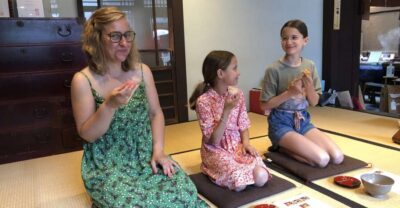
Kyoto: Tea Ceremony Meditation – Make Matcha with Tea Master
Read our review →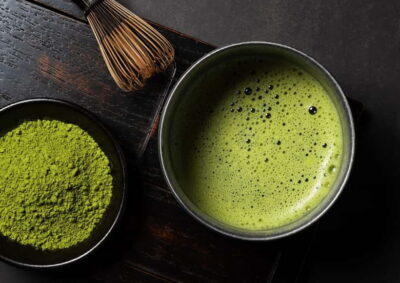
Tokyo: Matcha Making Experience with Mochi Sweets in Asakusa
Read our review →
Kyoto: Kimono Tea Ceremony with Matcha and Sweet
Read our review →
Browse the lists this tea experience appears in