
Review · KYOTO
Kyoto: Matcha & Traditional Japanese Music Immersive Experience
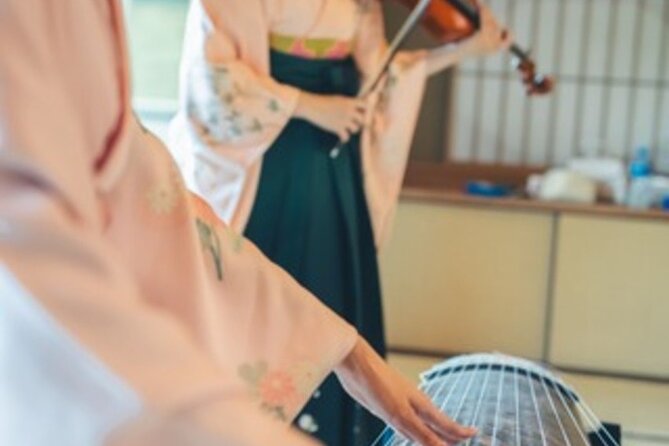
The most unusual part of this Kyoto experience is the pairing of the koto and violin. One instrument carries the clear, plucked sound of Japan, while the other brings a Western string voice. The program moves from traditional melodies to anime, game music, and original arrangements, so this is not a formal concert aimed only at classical music fans.
I like the chance to play the koto yourself, even for a short time, and I like the direct time with the musicians after the performance. You get more than a seat in an audience. The main consideration is the price: at $850 per person, this is a costly one-hour experience, so you should book it for the personal music access and setting, not simply for a concert.
Key points at a glance
- Koto and violin together: Hear Japanese traditional music beside anime, game, and original pieces.
- Hands-on koto time: Try the instrument with guidance from the musicians.
- Matcha included: Green tea is part of the visit, with tea rooms and Japanese-style spaces around you.
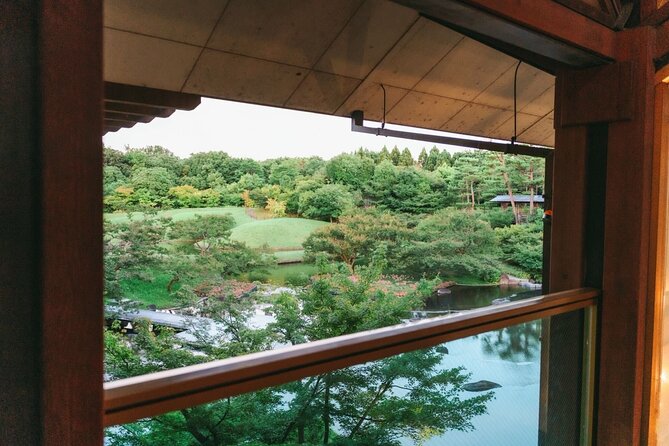
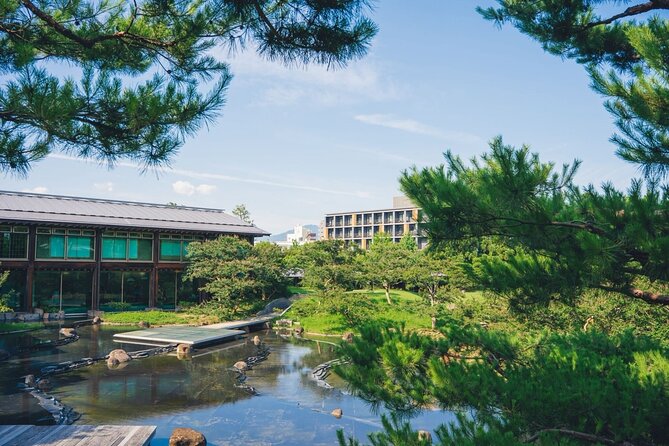
- Suzaku Garden setting: The indoor venue includes serene rooms suited to a quiet cultural activity.
- Artist conversation: Speak with the performers after the music and ask about their instruments and creative work.
- Short, focused visit: Plan on roughly one hour to one hour and 20 minutes, with no private transportation provided.
Why the koto and violin pairing works
A koto is easy to recognize once you hear it. Its strings produce a bright, dry, ringing tone, often linked with traditional Japanese music. A violin can sound warm, urgent, or playful. Put the two together and you get a conversation between different musical traditions rather than a simple demonstration of one instrument.
That contrast is the main reason I find this experience appealing. You are not asked to sit through a long program of unfamiliar pieces. The selection includes traditional Japanese melodies, anime tunes, game music, and original arrangements. That gives the musicians room to show both the old sound of the koto and its place in music that feels more familiar to many modern listeners.
The program is also suited to mixed groups. One person in your party may come for Japanese culture, another for anime or game music, and another simply for live performance. The range of music gives each person a likely entry point.
The artists are young musicians who have trained from childhood and are committed to passing on the appeal of traditional instruments. That detail matters. You are seeing traditional music presented by performers who care about keeping it active, not treating it as a museum object.
More Matcha Experiences in Kyoto
- Kyoto: Arashiyama Bamboo Forest, Monkeys, Matcha & Temple Tour
★ 5.0 · 759 reviews - Kyoto: Tea Ceremony Meditation – Make Matcha with Tea Master
★ 4.8 · 406 reviews - Kyoto: Kimono Tea Ceremony with Matcha and Sweet
★ 4.9 · 249 reviews
Arriving at Suzaku Garden in Kyoto
The experience takes place at Suzaku Garden, an indoor venue with tea rooms and Japanese-style spaces. It is near public transportation, which makes it easier to fit into a Kyoto day without arranging a private car. Private transportation is not included, so you will need to make your own way there.
The mobile ticket is useful. Keep it ready on your phone, and allow enough time to reach the venue before the scheduled start. The total visit is short, but Kyoto transit and walking can still take longer than expected, especially if you are connecting it with a busy sightseeing route.
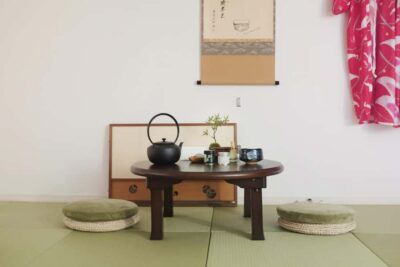
The Japanese-style setting adds something important. A concert in a standard hall would place all the attention on the performers. Here, the tea rooms and quiet interior help connect the music with a broader sense of Japanese culture. You are not only hearing a traditional instrument. You are seeing it used in a space designed around Japanese aesthetics.
Do not expect a large sightseeing complex or a full-day cultural program. This is a compact indoor stop. Its value comes from focus and access, not from the number of sights included.
The live performance, from traditional melodies to game music
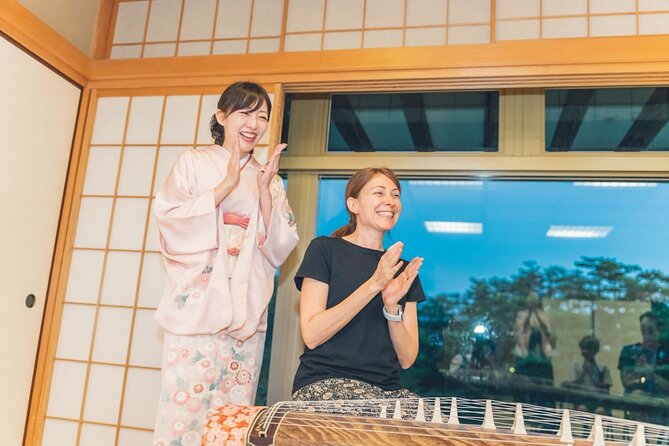
The concert is the heart of the visit. You hear koto and violin in a program that crosses several styles. Traditional Japanese pieces provide the cultural foundation, while anime and game melodies make the sound more approachable for people who may not often attend traditional music performances.
The arrangements are especially important. Instead of presenting the koto as an isolated historical instrument, the program places it beside violin and modern popular melodies. That lets you hear how its tone changes depending on the material. A traditional piece may highlight its delicate, precise sound. An anime or game arrangement can make the same instrument feel lively and contemporary.
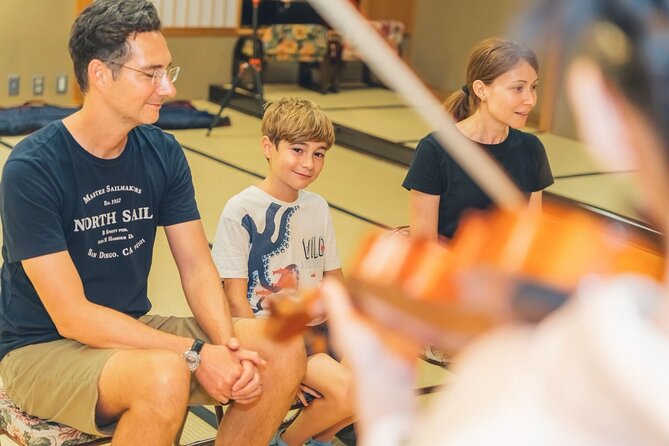
I would choose this experience over a standard concert if you want context and variety. You can hear the music, then ask questions about it. The performers explain their instruments and creative process after the show, which gives you a chance to connect the sound with the work behind it.
The performance is indoors and lasts within the one-hour to 80-minute range. That makes it easy to pair with another Kyoto activity. It also means you should not book it expecting a long evening concert with several formal acts. The program is designed as a compact cultural experience.
One practical point: the available information does not provide a detailed song list. If a particular anime or game title is important to you, do not assume it will be included. The program is described broadly, with traditional, anime, game, and original music all represented.
Your turn at the koto
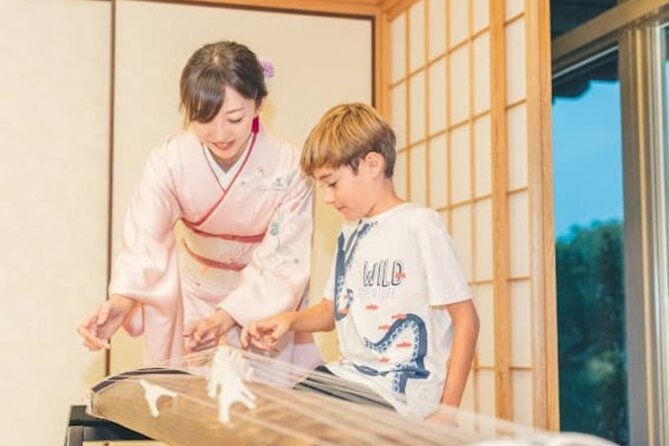
The hands-on koto session is the feature that changes this from a concert into an activity. You get access to the instrument and guidance from the musicians. Even a short attempt can make you listen differently to the performance because you begin to notice how the strings respond to touch.
You should not expect formal music lessons or the chance to master a piece. The point is to try the instrument, understand its basic feel, and appreciate the skill needed to play it well. This is a good fit for curious first-timers, families, and anyone who likes learning through action rather than observation alone.
The koto experience also gives the artists a chance to explain their craft in plain terms. You can ask about the instrument, the music, and how traditional sounds are adapted for newer arrangements. That personal exchange is likely to be more memorable than a short lecture.
If you are shy about performing, remember that this is guided access, not a public recital. The supplied information does not state how long each person plays or whether everyone in a group gets equal time, so you should treat it as a brief introduction rather than a guaranteed private lesson.
Same leaf, a different ritual:
- Kyoto: Tea Ceremony in a Traditional Tea House in Kiyomizu
★ 4.9 · 3,519 reviews - Kyoto: Tea Ceremony Ju-An at Jotokuji Temple
★ 4.9 · 3,207 reviews - Kyoto: 45-Minute Tea Ceremony Lesson Experience
★ 4.3 · 2,378 reviews - Kyoto: Table-Style Tea Ceremony at a Kyo-Machiya
★ 4.9 · 1,211 reviews
Matcha, tea rooms, and a calmer pace
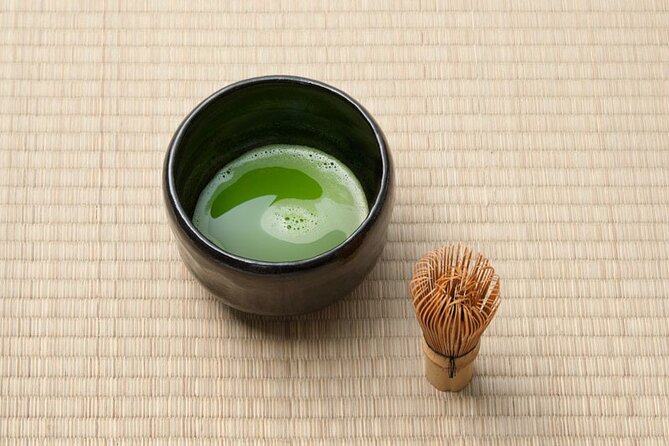
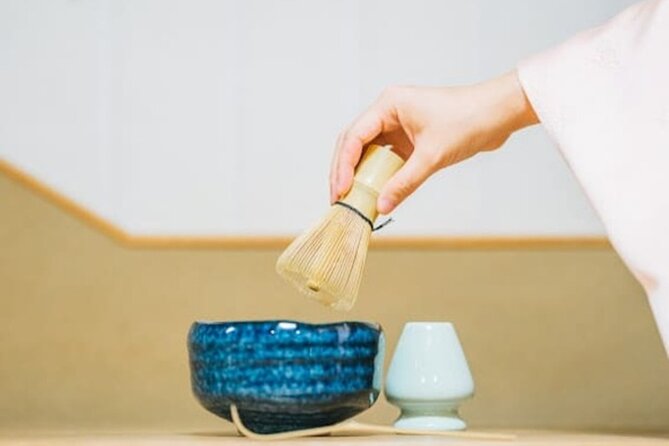
Matcha, or green tea, is included. It gives the visit a second cultural layer and offers a quiet pause after the music. A tea room is a natural setting for slowing down, especially after the more expressive sound of violin and the bright attack of the koto.
A café and restaurant are located on the first floor, but meals are not included. That distinction matters when planning your day. You can buy food there if you need it, but the tour price covers the experience and matcha, not lunch or dinner.
One account of the experience describes sharing a memorable tea ceremony moment with family. The activity information confirms the Japanese-style rooms and included matcha, but it does not provide a full tea ceremony schedule or explain exactly how formal that portion is. I would therefore book this for the music and koto access first, treating the tea element as an added part of the visit.
This is not the right pick if you want a full meal, a long tea ceremony lesson, or a broad tour of Kyoto customs. It is better for a short cultural stop with music, tea, and conversation.
Meeting the musicians after the concert
The time after the performance is one of the strongest parts of the experience. You can engage with the artists and ask about their instruments, training, and creative process. That makes the music easier to understand because you can connect what you just heard with the musicians’ own choices.
The performers have trained since childhood, according to the experience description and the account of the event. That level of practice helps explain the price and the quality of the live performance, though it does not make the cost easy to justify for every budget.
I especially value this kind of conversation when an instrument is unfamiliar. A koto can seem mysterious if you only see it from a distance. Once you are allowed to try it and speak with the people who play it, the instrument becomes more approachable.
No individual guide or musician names are provided, so you should not book this expecting a particular performer. The attraction is the group of young artists and their shared work with koto and violin.
Is $850 per person good value?
At $850 per person, this is an expensive Kyoto activity. The listed price is far above what most people would pay for a short concert or a standard matcha stop. You need to decide if the personal access justifies the cost.
The strongest value comes from the combination of several elements:
- A live performance by musicians trained from childhood
- A distinctive koto and violin pairing
- Music across traditional, anime, game, and original styles
- A chance to play the koto
- Matcha in a Japanese-style setting
- Direct conversation with the artists
If you only want to hear Japanese traditional music, a less costly concert may serve you better. If you want a private-feeling cultural encounter with hands-on participation, this experience offers more than a seat in a hall.
The small number of published ratings should also shape your expectations. The experience has a 5.0 rating based on nine reviews, which is encouraging, but that is not a large sample. I would read the rating as a sign that the people who chose this format liked it, not as proof that it suits every budget or musical taste.
For a special occasion, a music-focused trip, or a traveler who values direct artist contact, the cost may feel reasonable. For a family watching expenses, a casual Kyoto visitor, or someone mainly looking for tea and a short show, it is a hard sell.
Who will enjoy this most?
I would recommend this to you if you fit one or more of these descriptions:
- You want a cultural activity that is indoors and easy to fit into a Kyoto schedule.
- You enjoy anime or game music but also want a traditional Japanese setting.
- You like trying instruments instead of only watching performances.
- You prefer a small, focused cultural experience to a large stage show.
- You are interested in how musicians adapt older instruments for new music.
- You are traveling with someone who is not already a fan of traditional Japanese music.
The activity may be less suitable if you want a long performance, a complete tea ceremony, a meal, or a broad historical tour. The information provided does not specify group size, so you should not assume a private booking or one-on-one instruction.
Most people can participate, and the venue is near public transportation. The indoor format is also useful on a rainy Kyoto day, though the exact access details for the rooms are not specified.
Timing, tickets, and cancellation
Plan for about one hour to one hour and 20 minutes at the venue. Mobile tickets are provided, and confirmation normally arrives at booking. If you book within two days of the start time, confirmation may arrive within 48 hours and remains subject to availability.
You can cancel for a full refund up to 24 hours before the local start time. Cancellations or changes made less than 24 hours before the experience are not accepted for a refund. That rule is worth noting if your Kyoto schedule is still changing.
The café and restaurant on the first floor can help you plan food before or after the music, but you pay separately. Since private transportation is not included, check your route to Suzaku Garden before leaving your hotel.
Should you book the Kyoto koto and violin experience?
Book it if you want a personal, music-centered cultural activity and can accept the very high price. The koto trial, matcha, Japanese-style rooms, and artist conversation give it more depth than a basic concert.
Skip it if you are mainly looking for an inexpensive introduction to Kyoto culture. The one-hour format is appealing, but $850 is difficult to defend unless direct access to the musicians and the hands-on instrument session are central to your trip.
My practical call is simple: music lovers, anime and game fans, and visitors marking a special occasion should consider it. Everyone else should compare the cost carefully with other concerts and tea experiences before booking.
FAQ
Where does the experience take place?
It takes place at Suzaku Garden in Kyoto, in an indoor venue with tea rooms and Japanese-style spaces.
How long does the experience last?
The visit lasts approximately one hour to one hour and 20 minutes.
What music will I hear?
The program combines traditional Japanese melodies with anime music, game music, and original arrangements featuring koto and violin.
Can I play the koto?
Yes. You receive hands-on access to the koto and guidance from the musicians.
Is matcha included?
Yes. Matcha, or green tea, is included in the experience.
Is food included?
No. Meals are not included. A café and restaurant are available on the first floor of the venue.
Is transportation provided?
No. Private transportation is not included. The venue is near public transportation.
Can I cancel for a refund?
Yes. You can receive a full refund if you cancel at least 24 hours before the experience start time. Changes or cancellations made less than 24 hours before the start are not accepted for a refund.
Newly steeped around Kyoto
- Whisk Your Own Matcha: A Zen Matcha Experience at Temple★ 3.6 · 7 reviews
- Kyoto: Authentic Tea Ceremony in a Small Group★ 5.0 · 7 reviews
- Tea ceremony at Kyoto’s Zen Temple Teahouse★ 5.0 · 2 reviews
- Uji Walking Tour – Byodo-in temple and Tea Ceremony from Kyoto★ 3.5 · 3 reviews
- Tea Ceremony Experience in Traditional Kyoto Townhouse★ 5.0 · 19 reviews
- Tea Ceremony in 150 Years Old Townhouse with Tables and Chairs★ 5.0 · 22 reviews
- Traditional Tea Ceremony in Kyoto★ 4.5 · 3 reviews
- Sencha-do the Japanese Tea Ceremony Workshop in Kyoto★ 5.0 · 21 reviews
Matcha Experiences, compared.
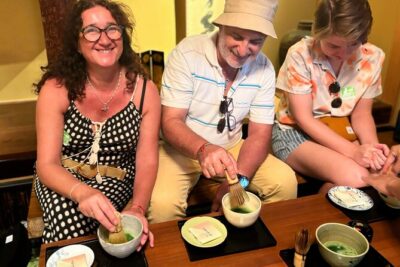
World Heritage Kyoto & Nara Uji Authentic Matcha Experience
Read our review →
Matcha Making Class in Tokyo with Authentic Japanese Sweets Set
Read our review →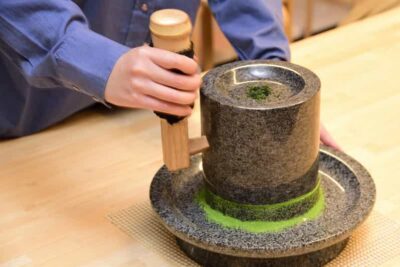
Kyoto: Tea Museum Tickets and Matcha Grinding Experience
Read our review →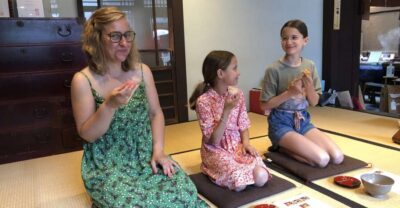
Kyoto: Tea Ceremony Meditation – Make Matcha with Tea Master
Read our review →
Tokyo: Matcha Making Experience with Mochi Sweets in Asakusa
Read our review →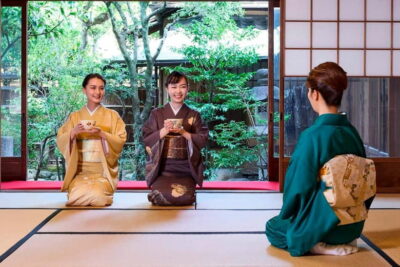
Kyoto: Kimono Tea Ceremony with Matcha and Sweet
Read our review →
Browse the lists this tea experience appears in