
Review · KYOTO
Matcha Grinding Experience and Walking Tour in Uji Kyoto
Uji’s best souvenir is not something you buy. It is the cup of matcha you grind yourself, stone by stone, then drink with a Japanese sweet or matcha ice cream. This four-hour outing pairs that hands-on workshop with Byodo-in Temple, the famous building shown on Japan’s 10-yen coin.
I like the small group, capped at six people, and the chance to explore Uji with a guide such as Vincent, whose friendly approach and local history lessons were praised in the tour feedback. I also like that the price includes temple admission, the matcha class, and a snack. The main drawback is the fixed 9:30 a.m. start at Kyoto Station, with no hotel pickup, so you must get yourself to the meeting point and keep your morning free.
Key points at a glance
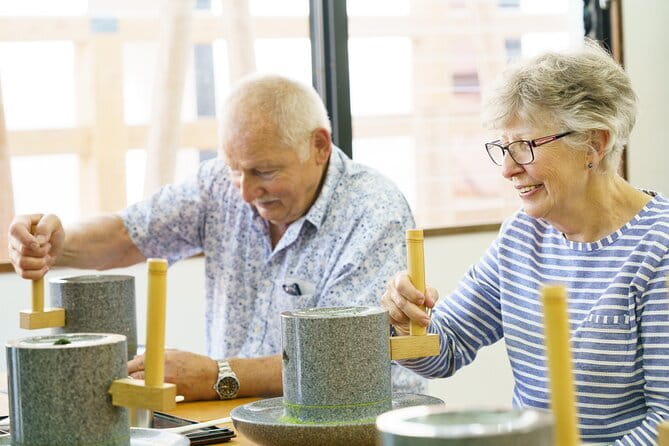
- Grind your own matcha: Use a traditional stone mill, then drink the powder you made.
- See the 10-yen coin temple: Byodo-in admission is included, along with time to view its celebrated architecture.
- Explore three Uji stops: The route includes Byodo-in Temple, Uji Shrine, and Fukujuen Ujicha Kobo.
- Keep the group personal: No more than six people join the tour, making conversation with the guide easier.
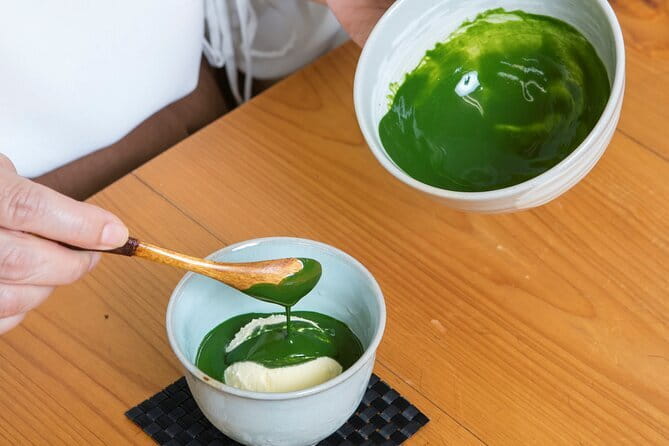
- Choose your finish: Your matcha comes with Japanese snacks or matcha ice cream.
- Plan around the rules: Bring access to WhatsApp for tour communication and wear a mask during the workshop.
Why Uji is the right place for a matcha lesson
Uji is presented here as Japan’s leading area for high-quality green tea, and the setting gives the lesson useful context. You are not simply handed a bowl of powdered tea in central Kyoto. You first walk through a town tied closely to tea production, then learn how tea leaves become the fine powder used for matcha.
That connection is the real value of the experience. The stone mill turns the workshop into a physical task rather than a quick demonstration. You can watch the leaves become powder, then taste the result right away. It gives you a better feel for the care behind a drink that is often treated as a simple café order.
The activity is especially appealing if you enjoy food experiences that explain a local custom without requiring a full-day commitment. Four hours is long enough for several major stops and a proper workshop, but short enough to leave room for other Kyoto plans.
More Matcha Experiences in Kyoto
- Kyoto: Arashiyama Bamboo Forest, Monkeys, Matcha & Temple Tour
★ 5.0 · 759 reviews - Kyoto: Tea Ceremony Meditation – Make Matcha with Tea Master
★ 4.8 · 406 reviews - Kyoto: Kimono Tea Ceremony with Matcha and Sweet
★ 4.9 · 249 reviews
Meeting at Kyoto Station at 9:30 a.m.
The tour begins at Shinshindo inside the Kyoto Station area, at the bus ticket center near the central exit. The listed address is in Higashishiokoji, Shimogyo Ward, Kyoto, and the start time is 9:30 a.m.
This is a practical meeting point for anyone already staying in Kyoto, since Kyoto Station is a major transport hub. Still, give yourself time to find the central exit and bus ticket center. Large stations can be confusing, especially if you are carrying luggage or arriving during the morning rush.
There is no hotel pickup, so the start requires a little planning. You should also make sure WhatsApp is available before the tour. The guide uses it for easy communication, so this is more than a minor booking note.
The activity ends back at the meeting point. That makes the tour simpler to fit into a Kyoto schedule, since you are not left at an unfamiliar part of Uji at the end. The supplied information does not give exact travel times between Kyoto and Uji or between each stop, so plan your wider day around the stated four-hour duration rather than adding tightly timed reservations immediately afterward.
Byodo-in and the building on the 10-yen coin
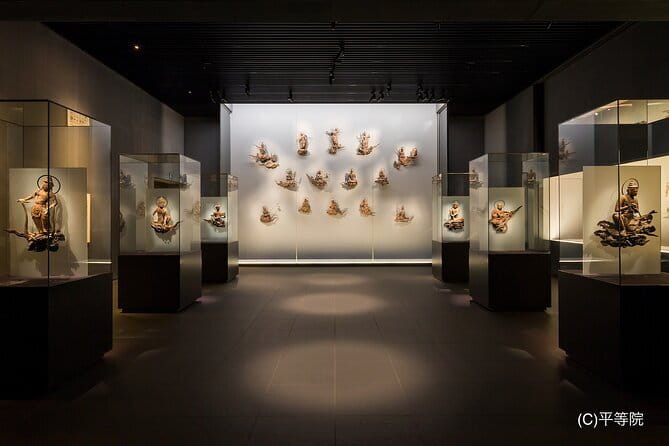
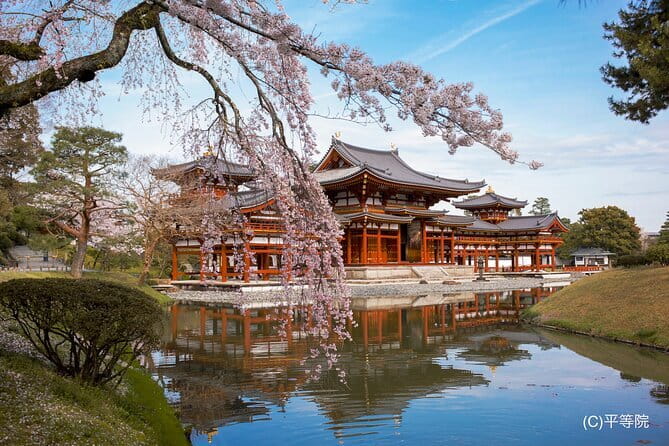
Byodo-in Temple is the first listed stop, and it gives the walk a strong beginning. The temple is a UNESCO World Heritage Site and is famous for the Phoenix Hall, the architecture represented on Japan’s 10-yen coin.
Admission is included, which matters because this is one of the main sightseeing costs built into the $130.46 price. The temple also gives the guide a natural place to explain Uji’s past before the group shifts to tea.
You should expect a cultural sightseeing stop rather than a long temple study session. The exact amount of time at Byodo-in is not provided, and the tour also includes Uji Shrine and the workshop. If you want to inspect every temple detail at a slow pace, you may prefer a separate visit. If you want a guided introduction that combines famous sights with tea, the balance works better.
The coin connection is a useful detail for first-time visitors. It gives you an easy way to recognize the building before you arrive, and it helps explain why Byodo-in is more than another temple photo stop. The visit has a clear visual hook, but the guide’s explanations are what can turn it into a more meaningful part of the morning.
Uji Shrine adds a second side of the town
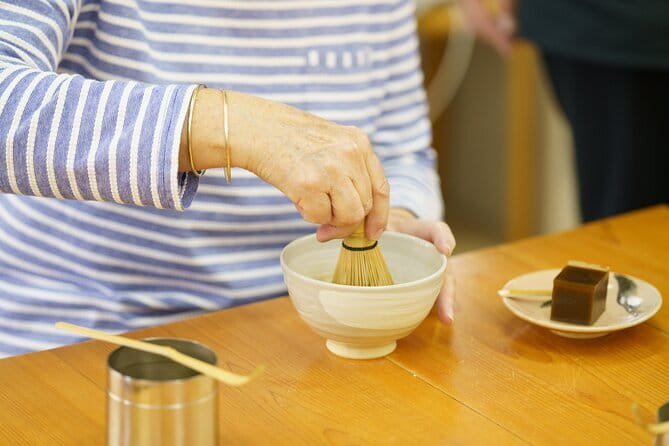
Uji Shrine follows Byodo-in in the listed route. Together, the temple and shrine show two different parts of Uji’s religious character, while the walking format lets you move between them rather than treating the town as a series of isolated stops.
The information provided does not specify the shrine’s exact highlights or the length of the visit. That is worth keeping in mind if you are looking for a highly detailed shrine tour. The guide’s role is to explain what you see along the way, and previous tour feedback specifically praised Vincent for showing several temples and shrines and talking through local history.
I like this part of the plan because it keeps the morning from becoming only a food class. You get architecture, religious sites, town walking, and tea culture in one outing. That mix should suit you if you want a broad introduction to Uji rather than a workshop with no sightseeing around it.
Same leaf, a different ritual:
- Kyoto: Tea Ceremony in a Traditional Tea House in Kiyomizu
★ 4.9 · 3,519 reviews - Kyoto: Tea Ceremony Ju-An at Jotokuji Temple
★ 4.9 · 3,207 reviews - Kyoto: 45-Minute Tea Ceremony Lesson Experience
★ 4.3 · 2,378 reviews - Kyoto: Table-Style Tea Ceremony at a Kyo-Machiya
★ 4.9 · 1,211 reviews
Fukujuen Ujicha Kobo and the stone mill
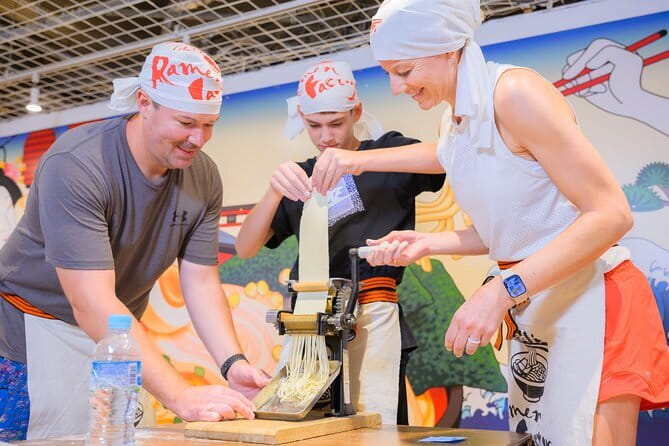
The most distinctive stop is Fukujuen Ujicha Kobo, where the matcha-making class takes place. Here you grind tea leaves into matcha powder using a traditional stone mill, then drink the tea you have prepared.
This is the experience’s main hands-on moment. Grinding tea is slower and more deliberate than whisking ready-made powder. The process gives you a clearer sense of how much work sits behind the smooth green drink served in tea shops.
The class includes a choice of Japanese snacks or matcha ice cream. That choice is a small but welcome touch. A traditional sweet suits you if you want the more classic pairing, while matcha ice cream offers a familiar, cool finish. The exact options are not listed, so do not book with the expectation of a particular dessert.
You must wear a mask during the matcha-making workshop. This requirement is easy to handle, but remember to bring one or arrange one before the class begins. It is also wise to wear comfortable clothes and shoes, since this is a walking tour followed by hands-on work, though the tour does not list a special dress code beyond the mask requirement.
What the guide adds to the walk
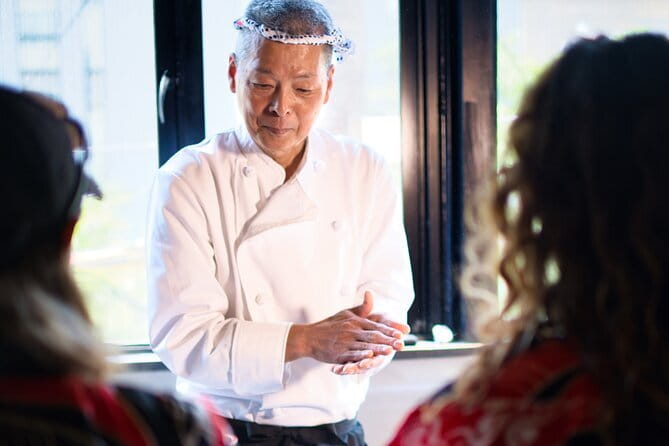
The guide is not just there to lead you from one address to the next. The strongest feedback focuses on Vincent’s friendly manner, his explanations of the places along the route, and his ability to talk through the matcha process.
One useful feature is the small maximum of six people. A group this size usually makes it easier to ask questions, hear explanations, and stay together while walking. It also creates a better chance for the guide to adjust the pace when the group becomes a private tour or has extra room to move at its own speed.
The tour feedback describes occasions when Vincent showed several temples and shrines and let the outing follow the group’s interests a little more freely. That does not guarantee a private tour, but the small cap gives you a better chance of personal attention than a large coach excursion.
The guide’s language is English, and the activity is designed for English-speaking visitors. You should expect cultural explanation throughout the route, with particular attention to Uji’s local tea story and history.
Is $130.46 a fair price?
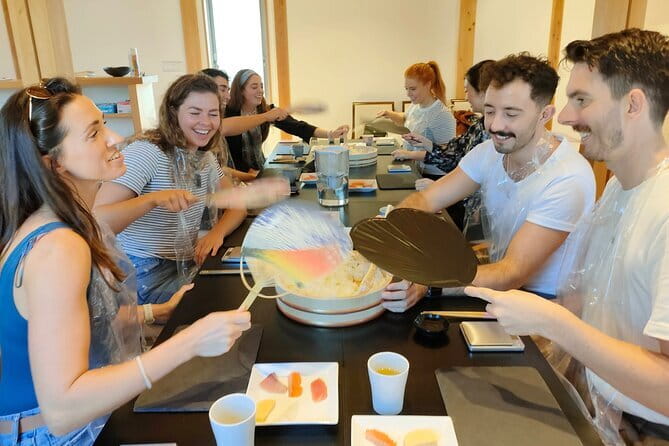
At $130.46 per person, this is not a cheap way to spend a morning in Kyoto. The value depends on how much you want from a guide-led experience rather than a self-guided temple visit.
The price includes:
- Admission to Byodo-in Temple
- The matcha-making class
- Japanese snacks or matcha ice cream
- An English-guided walking tour
- Visits to Byodo-in Temple, Uji Shrine, and Fukujuen Ujicha Kobo
You are paying for the combination. A self-guided visit to Uji could cost less, especially if you only want to see the temple and buy a matcha drink. This tour makes more sense if you value having the route organized, the history explained, and the tea preparation handled as a proper activity.
The small group also affects the calculation. A six-person maximum is more personal than a large group, and the class gives you something you could not recreate simply by walking through Uji on your own. If you are passionate about matcha, that hands-on element may justify the cost. If you only want a quick taste and a temple photograph, the price may feel high.
Because the snack or ice cream is included, you do not need to add a separate dessert stop to get the full experience. Still, the tour does not include hotel pickup, and the listing does not state that additional meals or transport costs are covered. Keep those limits in your budget.
Who will enjoy this four-hour Uji outing?
I would recommend this tour to first-time visitors who want a guided introduction to Uji without spending an entire day there. It suits people who enjoy a mix of sightseeing and food culture, especially those who want to understand matcha rather than simply order it.
It is also a good fit for small parties, couples, and solo visitors who like asking questions. The six-person limit helps the outing feel more conversational, and a guide such as Vincent can add local context to the temples and shrines.
Matcha fans get the clearest reason to book. You grind the leaves yourself, taste the finished tea, and learn why Uji is associated with high-quality green tea. Families may also enjoy the practical activity, though the supplied details do not state a minimum age or specific child arrangements, so check those points before booking for young children.
You may want to skip it if you prefer to set your own pace, spend hours at Byodo-in, or avoid a fixed morning schedule. The 9:30 a.m. start is firm, and the tour has several planned elements. It is guided exploration, not an open-ended day in Uji.
Booking details worth noting
Confirmation is sent within 48 hours of booking, subject to availability. The tour requires a minimum number of participants, so if that minimum is not met, you will be offered another date or experience, or a full refund.
Free cancellation is available when you cancel at least 24 hours before the local start time. Cancellations or changes made less than 24 hours before the start are not refunded or accepted. That policy is reasonable, but you should avoid booking it beside a plan that may change at the last minute.
The tour has a mobile ticket, is near public transportation, and ends at the original meeting point. Before you leave for Kyoto, confirm that WhatsApp works on your phone and remember the mask requirement for the workshop.
Should you book the Matcha Grinding Experience?
Book this tour if you want Uji’s major sights paired with a real tea activity, and if $130.46 fits your budget for a small guided group. The stone-mill workshop is the strongest reason to choose it, while Byodo-in supplies the famous cultural landmark and Uji Shrine broadens the walk.
I would not choose it for a slow, independent temple day or for a simple cup of matcha at the lowest possible cost. But if you want a clear four-hour plan, English guidance, included Byodo-in admission, and matcha you prepare yourself, this is a well-focused way to meet Uji.
FAQ
How long does the Matcha Grinding Experience and Walking Tour last?
The tour lasts approximately four hours.
Where does the tour begin?
It begins at Shinshindo near the central exit of JR Kyoto Station, inside the bus ticket center area.
What time does the tour start?
The listed start time is 9:30 a.m.
Where does the tour end?
The activity ends back at the meeting point.
Which places are included in the walking route?
The listed stops are Byodo-in Temple, Uji Shrine, and Fukujuen Ujicha Kobo.
Is the matcha workshop included?
Yes. The price includes the matcha-making class, where you grind tea leaves with a traditional stone mill. Japanese snacks or matcha ice cream are also included.
Do I need anything special before the tour?
You should make sure WhatsApp is available because the guide uses it for communication. You must also wear a mask during the matcha-making workshop.
Newly steeped around Kyoto
- Whisk Your Own Matcha: A Zen Matcha Experience at Temple★ 3.6 · 7 reviews
- Kyoto: Authentic Tea Ceremony in a Small Group★ 5.0 · 7 reviews
- Tea ceremony at Kyoto’s Zen Temple Teahouse★ 5.0 · 2 reviews
- Uji Walking Tour – Byodo-in temple and Tea Ceremony from Kyoto★ 3.5 · 3 reviews
- Tea Ceremony Experience in Traditional Kyoto Townhouse★ 5.0 · 19 reviews
- Tea Ceremony in 150 Years Old Townhouse with Tables and Chairs★ 5.0 · 22 reviews
- Traditional Tea Ceremony in Kyoto★ 4.5 · 3 reviews
- Sencha-do the Japanese Tea Ceremony Workshop in Kyoto★ 5.0 · 21 reviews
Matcha Experiences, compared.
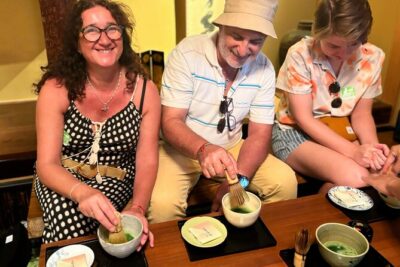
World Heritage Kyoto & Nara Uji Authentic Matcha Experience
Read our review →
Matcha Making Class in Tokyo with Authentic Japanese Sweets Set
Read our review →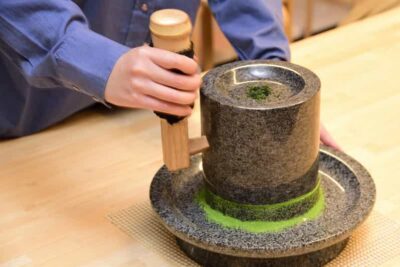
Kyoto: Tea Museum Tickets and Matcha Grinding Experience
Read our review →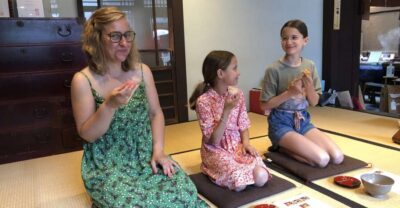
Kyoto: Tea Ceremony Meditation – Make Matcha with Tea Master
Read our review →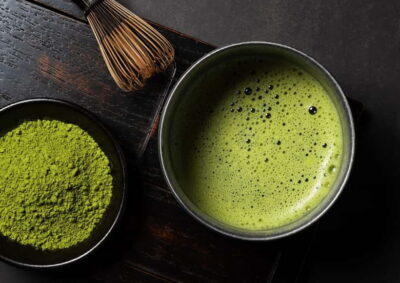
Tokyo: Matcha Making Experience with Mochi Sweets in Asakusa
Read our review →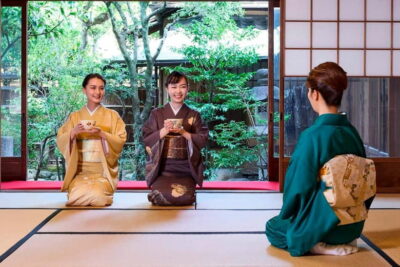
Kyoto: Kimono Tea Ceremony with Matcha and Sweet
Read our review →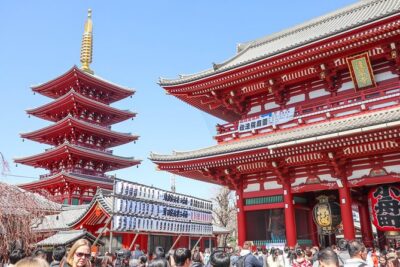
Browse the lists this tea experience appears in