
Review · KYOTO
Tea Ceremony in 150 Years Old Townhouse with Tables and Chairs
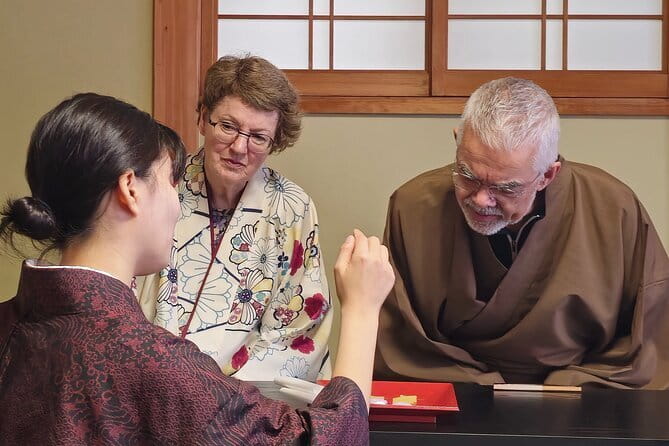
The best part of this Kyoto experience is that you do not just watch a tea ceremony. You learn how to prepare matcha yourself, then drink what you have made. I like the hands-on format and the setting in a 150-year-old townhouse, which gives the ceremony a real sense of place rather than making it feel like a stage show.
I also like the clear English explanations, the two seasonal sweets, and the chance to ask questions at the end. The main thing to consider is that this is a group session, not a private one-to-one ceremony, and a group of up to 15 can feel less quiet than a formal tea gathering.
Key points to know before booking
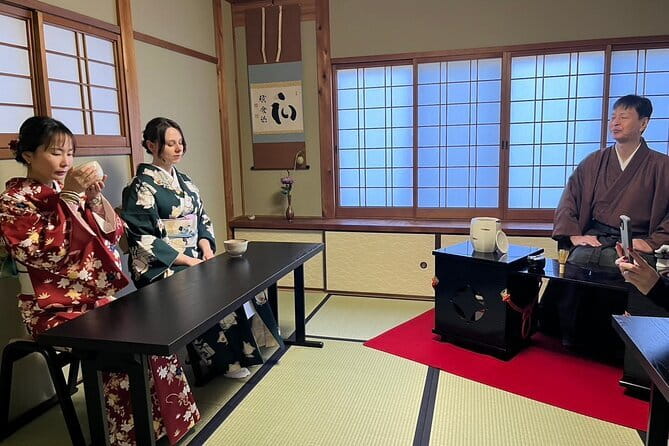
- You make your own matcha: The tea master gives step-by-step guidance, so beginners can take part without prior knowledge.
- The setting is a 150-year-old townhouse: The location in Kyoto’s Ninenzaka area adds a traditional backdrop to the lesson.
- Two seasonal sweets are included: You taste handcrafted Japanese confections alongside the tea.
- English instruction is available every day: An assistant helps explain the ceremony and answer questions.
- The session lasts about 50 minutes: It is easy to fit before or after sightseeing in Higashiyama.
- The group can reach 15 people: Come expecting a shared cultural class rather than a private ceremony.
A short tea lesson in Kyoto’s old Higashiyama district
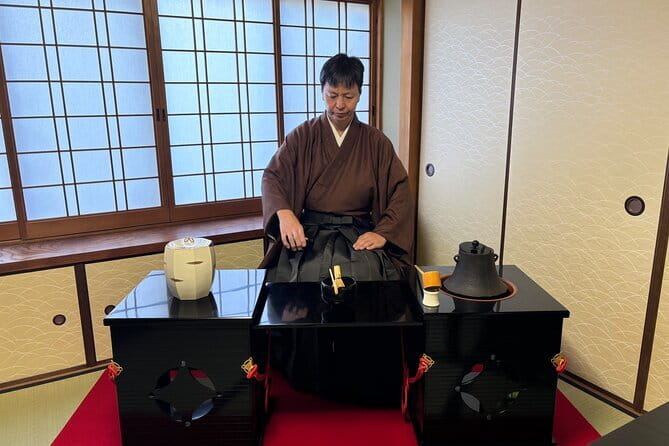
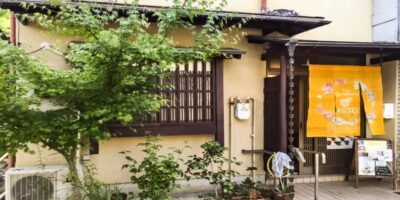
This is a compact introduction to Japanese tea culture in one of Kyoto’s most atmospheric areas. The meeting point is Tea Ceremony & Cultural Experience Kangetsu Kyoto, at 349-19 Masuyacho in Higashiyama Ward, near the Sannenzaka and Ninenzaka lanes.
That location matters. Ninenzaka is one of the classic old streets of Kyoto, with wooden buildings, stone paving, souvenir shops, and plenty of foot traffic. You are not being taken out to an isolated venue. The tea ceremony fits naturally into a morning or afternoon spent around Kiyomizu-dera and the Higashiyama district.
I like the practical length. At about 50 minutes, the class gives you enough time to understand the basic ritual and prepare tea without taking over half your day. It is also short enough for children and first-time visitors who may not want a long, highly formal ceremony.
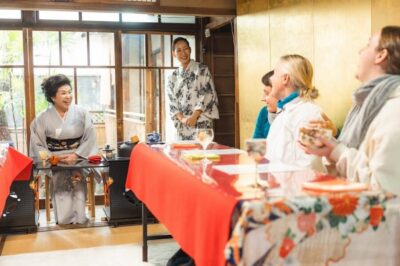
The setting is a traditional townhouse said to be 150 years old. The experience uses tables and chairs, which is important. You do not need to kneel in a formal position for the entire session, making this more comfortable and approachable than some traditional tea ceremonies.
More Tea Ceremonies in Kyoto
- Kyoto: Tea Ceremony in a Traditional Tea House in Kiyomizu
★ 4.9 · 3,519 reviews - Kyoto: Tea Ceremony Ju-An at Jotokuji Temple
★ 4.9 · 3,207 reviews - Kyoto: 45-Minute Tea Ceremony Lesson Experience
★ 4.3 · 2,378 reviews
What happens when you arrive
You meet at Kangetsu Kyoto and enter for a scheduled session. Arrive promptly. One session reportedly ran late because a previous group had not left on time, and punctuality helps protect the quiet rhythm of the ceremony.
The experience is conducted in English every day. The tea master leads the ceremonial parts, while an English-speaking assistant or interpreter explains the steps and helps with questions. This arrangement works well for first-time visitors because you can watch the tea master’s movements while hearing why each step matters.
The opening portion covers the background of Japanese tea culture, the role of the tea room, and the basic etiquette expected during the ceremony. You learn about the utensils and the order of the ritual before handling the tea yourself.
That introduction is valuable because matcha preparation can look simple from a distance. In practice, the bowl, scoop, whisk, water, and gestures all have a purpose. Knowing what you are seeing makes the ceremony easier to appreciate instead of leaving you focused only on copying movements.
Understanding the utensils and tea etiquette
The tea master explains how to use the tools and how to behave in the tea room. You are not expected to arrive with any knowledge of Japanese customs. The instruction is aimed at beginners, with clear guidance given step by step.
You learn how the tea is prepared and how to receive it respectfully. The ceremony also includes the quiet details that can be missed in a quick demonstration: the way the bowl is handled, how the tea is presented, and why the host and participant follow a particular order.
I find this educational side more useful than a simple photo opportunity. After the class, you have a better sense of why matcha is treated as more than an everyday drink. The ceremony values attention, restraint, hospitality, and respect for the moment.
The tone is relaxed rather than severe. Several aspects of the session are designed to make the tradition accessible, including the English explanations and the chance to ask questions. You still need to behave respectfully, but you do not need to worry about making one small mistake and ruining the ceremony.
Making your own cup of Uji matcha
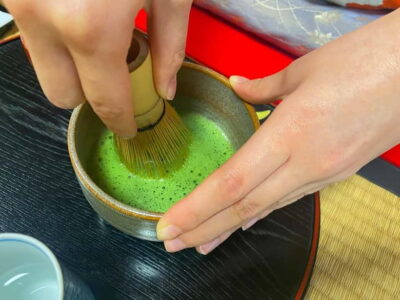
The hands-on portion is the heart of the activity. After watching the tea master, you prepare your own cup of matcha using the provided utensils. The instruction is practical, so you can follow along even if this is your first time holding a bamboo whisk.
The tea is made with high-quality matcha from Uji, the famous tea-producing area in Kyoto Prefecture. The package includes two cups of tea, described as high-quality matcha from Uji, along with the tools needed to prepare your own drink.
Do not expect a giant mug of sweetened green tea. Matcha has a distinct flavor and texture, with a stronger taste than many visitors expect. The preparation is part of the pleasure. You will see how the powdered tea changes as it is mixed with hot water and whisked.
The lesson gives you a useful skill to take home. You may not reproduce the full ceremony in your kitchen, but you will understand the basic method and the care involved. One particularly nice detail is the option to purchase high-quality matcha at the shop after the session, so you can continue practicing.
Same leaf, a different ritual:
- Kyoto: Table-Style Tea Ceremony at a Kyo-Machiya
★ 4.9 · 1,211 reviews - Kimono Tea Ceremony at Kyoto Maikoya, NISHIKI
★ 5.0 · 911 reviews - Arashiyama Bamboo, Temple, Monkeys, or Secret Sake Brewery
★ 4.8 · 886 reviews - Kyoto: Arashiyama Bamboo Forest, Monkeys, Matcha & Temple Tour
★ 5.0 · 759 reviews
Seasonal Japanese sweets with the tea
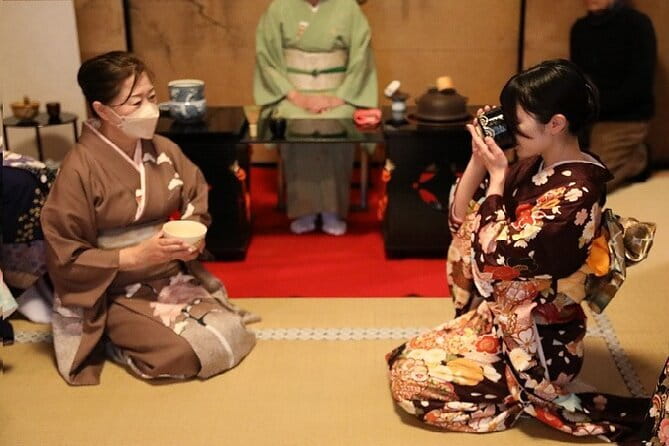
The tea is served with two different types of beautiful seasonal Japanese sweets. These sweets are not just decoration. They balance the strong, slightly bitter flavor of matcha and show how Japanese tea service pairs taste, texture, and appearance.
Seasonal wagashi often reflect the time of year through their shape or color. The exact sweets can change, so you should not book expecting one particular confection. The point is to enjoy a small, carefully made sweet with the tea and notice the contrast between the two.
This pairing also helps first-time matcha drinkers. If the tea tastes intense on its own, the sweetness provides a natural counterpoint. The sweets turn the preparation into a complete tasting rather than a lesson in whisking alone.
The session ends with time for questions. That is useful if you want to ask about tea culture, the utensils, the history of the ceremony, or how to prepare matcha at home. The tea master and assistant have been praised for giving clear explanations and making the process approachable.
Why the townhouse setting matters
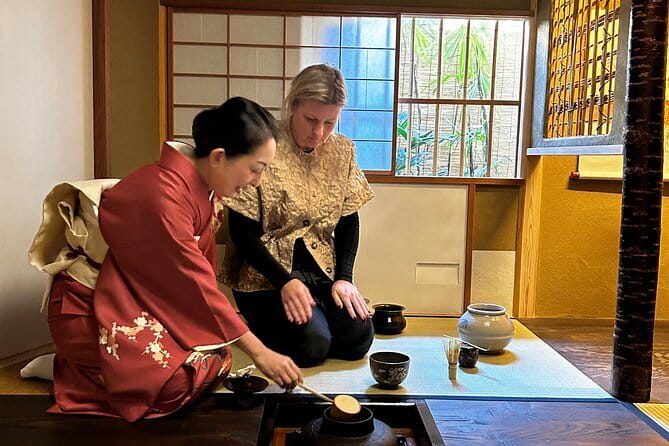
Kyoto has plenty of cultural activities, but the building itself can shape the experience. A 150-year-old townhouse gives you a physical connection to the city’s older domestic architecture. The ceremony feels tied to Kyoto rather than placed in a generic classroom.
The tables and chairs are another practical choice. Traditional tea ceremonies may involve sitting on tatami in a kneeling position, which can be uncomfortable for some people. Here, the format is easier on your legs and more suitable for visitors who want cultural context without a highly demanding physical ritual.
The trade-off is that this is an introduction, not a full formal tea-school performance. The experience is built for access, explanation, and participation. If you already study tea ceremony or want a silent, highly formal gathering, you may find it too instructional and too short.
For most first-time visitors, that is a sensible exchange. You receive enough explanation to understand what you are seeing, then you get to participate instead of sitting silently through a ceremony you may not fully understand.
Group size, atmosphere, and the question of privacy
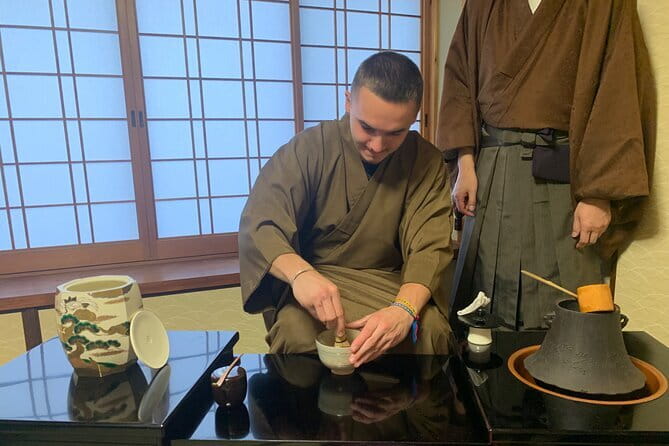
The maximum group size is 15 people. That is small enough for the tea master and assistant to guide participants, but it is not a private class. The mood depends partly on the other people in your time slot.
Most of the session is intended to be calm and respectful. You should come prepared to listen, avoid interrupting, and follow the instructions. A single late or disruptive group can affect everyone, especially in a short session where each minute matters.
This point is worth taking seriously. The ceremony is not a loud sightseeing stop. It asks for attention and courtesy. The activity works best for people who are open-minded, curious, and willing to put their phones away during the demonstration.
Only smartphones are allowed in the tea room. Video recording during the instructor’s demonstration is prohibited. You can take part in the experience, but you should not treat the tea room as a filming studio.
Clothing, socks, perfume, and other practical rules
Wear socks. If you forget, you must purchase them. This is a simple rule, but it is easy to overlook when planning a day of sightseeing in Kyoto.
Choose clothing that does not expose too much skin. Perfume is strictly prohibited because strong scents interfere with the aroma of the tea and incense in the room. That rule makes sense in a ceremony built around subtle smells and flavors.
Children under seven cannot participate. Older children can take part, and the activity has worked well for families with children aged 11 and 13. The hands-on preparation gives young people something to do, while the history and etiquette add more substance than a basic tasting.
A simple two-piece kimono rental is available for an additional 1,000 yen per person. Kimono is not included in the listed price, so treat it as an optional extra rather than part of the standard booking.
Is $28.90 a fair price?
At $28.90 per person, this is reasonably priced for Kyoto, especially because the fee includes the instructor, all taxes and fees, the tea-making tools, two cups of Uji matcha, and two seasonal Japanese sweets.
The value comes from the teaching as much as from the food and drink. You are paying for a structured cultural lesson in a historic townhouse, with an English-speaking assistant and a chance to make matcha yourself. That is more useful than simply being handed a bowl of tea for a quick photograph.
It is also a good price if you have only a short time in Kyoto. A 50-minute class leaves room for nearby sights, lunch, or a walk through Ninenzaka. The cost is less appealing if you want a long, private ceremony, a full kimono dressing, or a specialist tea-school session. Those are not part of the basic package.
The 4.8 rating and 95 percent recommendation figure suggest strong overall satisfaction, but the practical details explain the appeal better: clear teaching, friendly staff, good tea, a pleasant setting, and active participation.
Who will enjoy this most
I would choose this for a first visit to Kyoto, especially if you want cultural context without committing to a long formal ceremony. It suits couples, families with children over seven, and solo visitors who enjoy learning by doing.
It is also a good choice for tea drinkers. You can compare the flavor of properly prepared matcha with what you may have tried elsewhere, and you have the option to buy tea afterward.
You should think twice if you dislike group activities or want complete privacy. The maximum of 15 people means the room may not feel intimate in the same way as a private lesson. You also need to follow the clothing, scent, sock, and recording rules.
The session is best approached with curiosity rather than performance anxiety. You are being taught, not tested. Listen carefully, copy the movements, and accept that your first bowl may not look exactly like the tea master’s.
Location, cancellation, and planning your visit
The activity begins and ends at the same meeting point in Ninenzaka, in Kyoto’s Higashiyama Ward. It is near public transportation, and the venue sends a text with location information. Allow enough time to reach the area and find the townhouse, especially if you are coming through the busy old streets.
The price does not include bottled water, soft drinks, alcohol, socks, or kimono rental. These exclusions are easy to manage, but you should know them before arrival.
Free cancellation is available until 24 hours before the start time for a full refund. Changes or cancellations inside that 24-hour window are not accepted and are not refunded. If poor weather causes the activity to be canceled, you are offered another date or a full refund.
Should you book the Kangetsu tea ceremony?
Book it if you want a short, well-explained introduction to matcha with real participation. The strongest reasons are the 150-year-old townhouse, the two seasonal sweets, the Uji tea, and the chance to prepare your own cup under guidance.
I would especially recommend it before exploring more of Kyoto’s temples and gardens. Once you understand the ideas behind tea etiquette and hospitality, you may notice those values in other parts of Japanese culture.
Skip it if you want a private ceremony, a full kimono experience included in the price, or a long silent ritual. For everyone else, this is a practical and fairly priced way to add a meaningful cultural lesson to a day in Ninenzaka.
FAQ
How long does the tea ceremony last?
The experience lasts approximately 50 minutes.
Where does the tea ceremony take place?
It takes place at Tea Ceremony & Cultural Experience Kangetsu Kyoto, at 349-19 Masuyacho, Higashiyama Ward, Kyoto, in the Ninenzaka area. The activity ends at the same meeting point.
Is the experience offered in English?
Yes. English experiences are available every day, and an English-speaking assistant or interpreter helps explain the ceremony.
Is matcha preparation included?
Yes. You use the provided tools and receive guidance while preparing your own cup of matcha.
Is kimono rental included in the price?
No. A two-piece kimono rental is available for an additional 1,000 yen per person. Socks are also not included, and you must wear them in the tea room.
Can children join the tea ceremony?
Children under seven years old cannot participate. Children aged seven and older may join, subject to the group setting and ceremony rules.
Newly steeped around Kyoto
- Whisk Your Own Matcha: A Zen Matcha Experience at Temple★ 3.6 · 7 reviews
- Uji Walking Tour – Byodo-in temple and Tea Ceremony from Kyoto★ 3.5 · 3 reviews
- Kyoto: Authentic Tea Ceremony in a Small Group★ 5.0 · 7 reviews
- Tea ceremony at Kyoto’s Zen Temple Teahouse★ 5.0 · 2 reviews
- Tea Ceremony Experience in Traditional Kyoto Townhouse★ 5.0 · 19 reviews
- Sencha-do the Japanese Tea Ceremony Workshop in Kyoto★ 5.0 · 21 reviews
- Silent Beauty of Kyoto Zen Walk and Tea Experience★ 5.0 · 2 reviews
- Traditional Tea Ceremony in Kyoto★ 4.5 · 3 reviews
Tea Ceremony Experiences, compared.
Kyoto: Tea Ceremony in a Traditional Tea House in Kiyomizu
Read our review →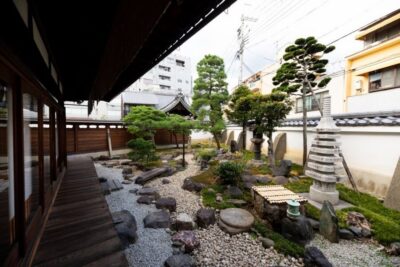
Kyoto: 45-Minute Tea Ceremony Lesson Experience
Read our review →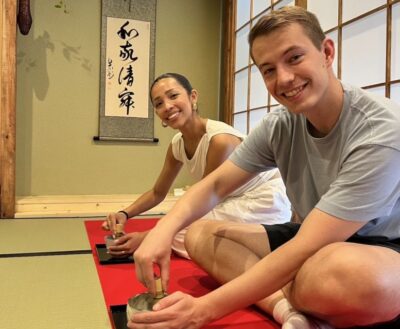
Kyoto: Table-Style Tea Ceremony at a Kyo-Machiya
Read our review →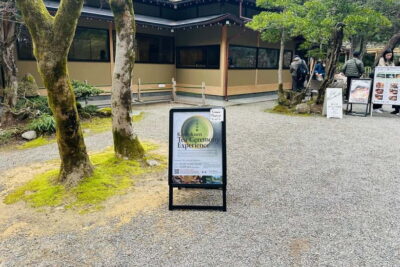


Browse the lists this tea experience appears in