
Review · NARA
Full Day Nara Deer, Temple, Shrine, Activities & Tea Ceremony
Nara’s deer are only the opening act on this seven-hour walking tour. You’ll move from the huge bronze Buddha at Todaiji to lantern-lined Kasuga Taisha, a former katana maker’s shop, old Gangoji Temple, and a quiet tea ceremony away from the busiest tourist stops.
I like the balance of famous sights and smaller cultural stops. The knife-making visit gives the day a local trade connection, while origami, calligraphy, and the tea ceremony let you do more than simply look at temples. The small maximum of 12 people also makes a long walking day easier to manage.
The main drawback is the pace. You’ll cover a lot of ground, and 45 minutes for lunch is short if you want a proper sit-down meal. This is not the best choice if you prefer a slow temple visit or dislike walking for most of the day.
Key points to know before booking
- Todaiji’s Great Buddha: Enter one of Nara’s essential sights and see Japan’s largest bronze Buddha statue.
- Deer cookies included: You receive cookies to share with the deer, but feeding is at your own risk and requires care.
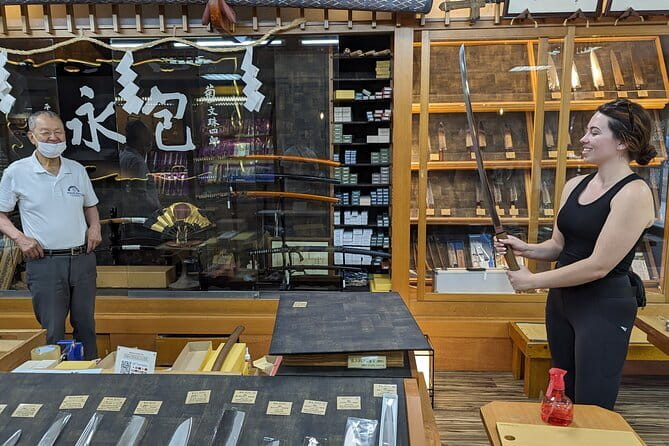
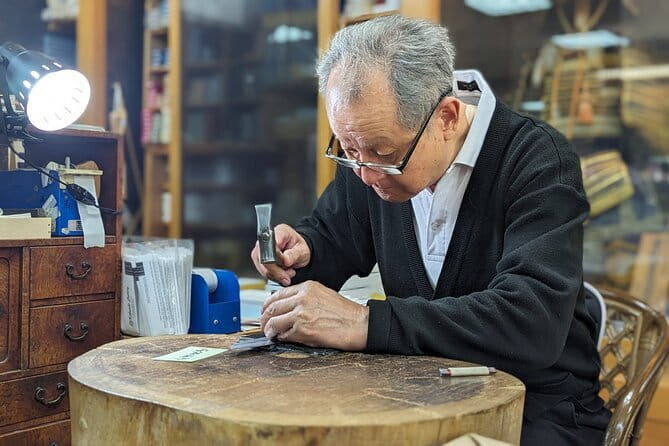
- A real craft connection: Kikuichi introduces Japanese cutlery through the story of a former katana-making family.
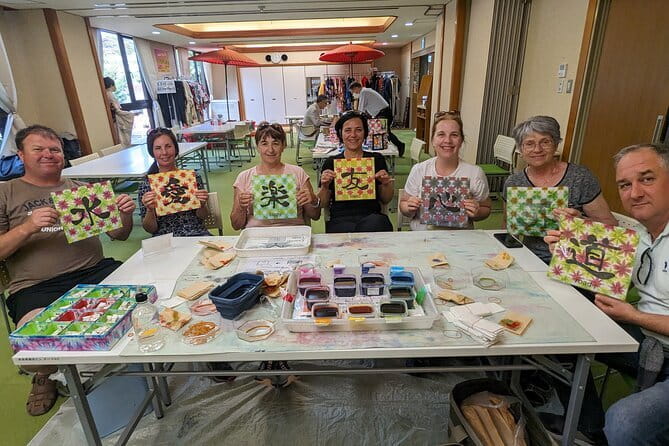
- Hands-on culture: Make deer origami, try Japanese calligraphy, and possibly wear a kimono or costume for photos.
- Gangoji’s darker story: Hear the traditional tale of the demon associated with one of Nara’s oldest temples.
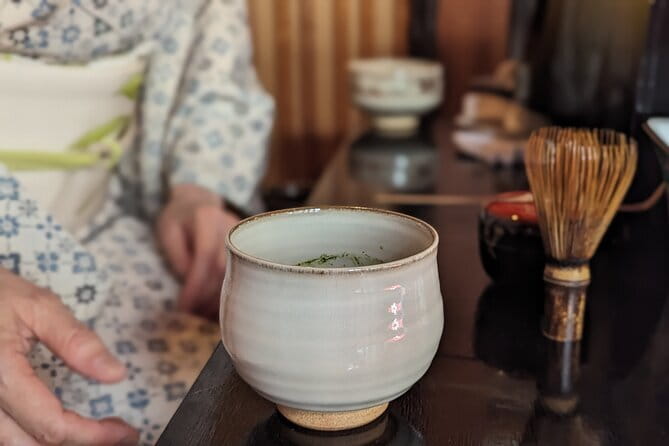
- Tea away from the crowds: Finish with freshly prepared matcha and handmade wagashi led by a certified tea master.
Starting near Higashimuki Shopping Street
The tour begins at 9:00 a.m. outside the 7-Eleven at 30-1 Higashimuki Kitamachi in Nara. That location puts you close to public transportation and within easy reach of Nara Park, so you can get straight into the old temple district without a long transfer at the start.
The activity lasts about seven hours and ends back at the meeting point. Since it is a walking tour, wear comfortable shoes and expect a full day on your feet. The group is limited to 12 people, which is a useful size for moving through temple grounds and keeping instructions clear during the cultural activities.
Bilingual guiding is included. The experience has also been led by guides named Harry and Remi, and one past tour was conducted in German. Guide language can vary, so check the available option when you book if that matters to you.
More Tea Ceremonies in Japan:
- Kyoto: Tea Ceremony in a Traditional Tea House in Kiyomizu
★ 4.9 · 3,519 reviews - Kyoto: Tea Ceremony Ju-An at Jotokuji Temple
★ 4.9 · 3,207 reviews - Kyoto: 45-Minute Tea Ceremony Lesson Experience
★ 4.3 · 2,378 reviews
Todaiji begins with guardians at the Great South Gate
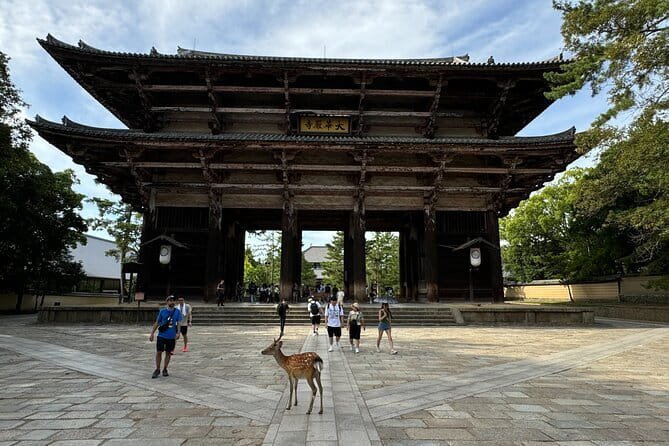
Your first stop is Todai-ji’s Namdaimon, the Great South Gate. Many people hurry toward the Buddha hall, but this gate deserves a few minutes of its own.
The structure is imposing, with a broad wooden frame and two fierce guardian figures watching from within. These guardians are not gentle decoration. They were placed to protect the temple grounds, and their powerful poses give you an immediate sense of the religious world you are entering.
The guide can explain the gate’s role and the architecture before you continue into the temple grounds. The 35-minute visit is enough for an introduction and photographs, but not so long that it consumes the day before the main hall.
The Great Buddha at Todaiji
Todaiji is the day’s major landmark. Admission is included, and you receive free time inside to look around at your own pace after learning about the temple and its setting.
The main attraction is the enormous bronze Buddha, described as the largest bronze Buddha statue in Japan. The scale is the point. You can read about Buddhist sculpture in advance, but the size only becomes clear when you are standing inside the hall and looking up.
This portion works well for both first-time visitors and people who have already seen Japanese temples. First-time visitors get the essential context, while repeat visitors can use the free time to focus on details, statues, and the building itself.
Do keep your expectations realistic. The Todaiji grounds are one of Nara’s most visited places, so this will not feel like a quiet private temple visit. The benefit of joining a guide is that you do not have to work out the basic route and meaning on your own.
Japanese knives at Kikuichi’s original shop
The stop at Kikuichi Monju Shiro Kanenaga Main Store changes the subject in a useful way. Instead of another temple, you visit the original shop of a prestigious Japanese knife maker with roots as a former katana maker.
You receive an introduction to Japanese cutlery and can ask for advice about Japanese knives. This is especially useful if you are interested in cooking, Japanese metalwork, or buying a serious souvenir rather than another mass-produced item.
The shop visit lasts about 35 minutes. That is enough time to understand the connection between sword-making and kitchen knives, but you should remember that shopping is optional and purchases are not included in the tour price.
I like this stop because it gives you a view of Nara’s working traditions, not just its monuments. The practical side is equally important: if you are considering a knife, listen carefully, ask questions, and leave room in your luggage. The tour does not promise a particular product or price.
More Full Days Among the Tea around Japan:
- Mt. Fuji & Lake Kawaguchiko Ropeway Panorama Full-Day Tour
★ 4.6 · 236 reviews - Tokyo: Full-Day Tour w/Tea Experience,Buffet Lunch & Cruise
★ 4.9 · 151 reviews - Kanazawa: Samurai, Matcha, Gardens and Geisha Full-Day Tour
★ 4.9 · 75 reviews - Full-Day Tour from Kanazawa: Samurai, Matcha, Gardens and Geisha
★ 5.0 · 68 reviews
Kasuga Taisha and the lantern path
Kasuga Taisha is one of Nara’s most important Shinto shrines. Here, the guide introduces the spirit of Kasuga, described as closely tied to nature, and explains basic ideas within Shinto.
The approach is known for its stone and bronze lanterns. Their repeated forms create a strong visual route through the shrine grounds, and the setting helps explain how Shinto connects sacred places with the natural world.
The scheduled visit is about 40 minutes. That gives you time to walk along the lantern path, see the shrine setting, and hear the basic religious background. It is not a long, unhurried study of every building, so take advantage of the guide’s explanations and note anything you want to revisit later.
This stop pairs well with Todaiji. Todaiji introduces Buddhism through a vast temple and Buddha statue, while Kasuga Taisha gives you a concise introduction to Shinto. You get two major Japanese religious traditions in one morning without turning the day into a lecture.
Meeting Nara’s deer in the park
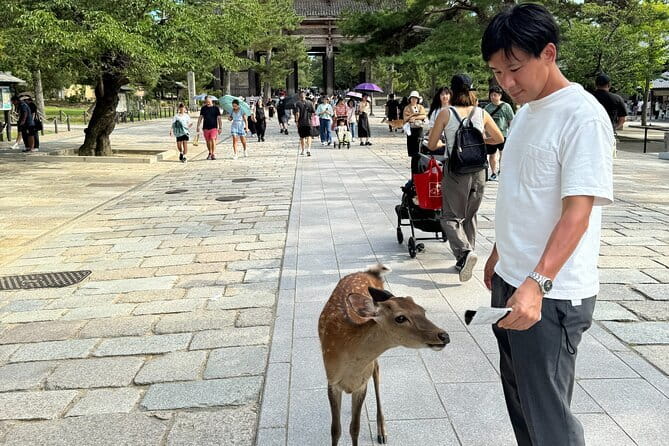
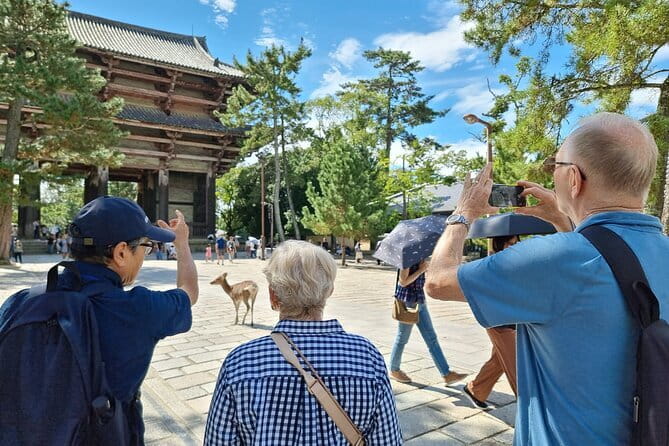
The walk through Nara Park links the main sights. The deer are accustomed to people and form part of the city’s public life, but they are still animals, not tame pets.
Deer cookies are included for sharing. A past account described feeding the deer as being at your own risk, which is the right attitude. Hold the food carefully, pay attention to the deer around you, and follow the guide’s directions.
This section is likely to be one of the most memorable parts of the day, especially for families and first-time visitors to Nara. It is also the least predictable. Deer may be calm, impatient, or eager for more food. Keep your belongings secure and do not assume that a cute animal will behave like a house pet.
The guide helps choose a practical route through the park, connecting the shrine and temple areas rather than leaving you to guess where to go. That matters because Nara Park is broad, and a good route saves both time and unnecessary backtracking.
Lunch near Higashimuki Shopping Street

After the morning sights, you get 45 minutes of free time for lunch around Higashimuki Shopping Street. You meet the guide again at a preset location before continuing.
Lunch and drinks are not included. The short break is convenient, but it is not generous. If you want a full meal, decide quickly and stay aware of the meeting time. This is a good moment to choose something simple rather than spending half the break comparing menus.
The shopping street also gives you a chance to pick up snacks or souvenirs, though shopping is at your own expense. Since the tour returns to the same general area at the end, you may prefer to postpone larger purchases until after the final activity.
Origami, calligraphy, and possible costume photos
The Nara Visitor Center & Inn hosts the cultural activity portion. You learn basic origami and create a deer, then practice Japanese calligraphy by writing your name in Katakana or Kanji.
These activities are modest in scale, but they add something important to the day. Instead of only hearing about Japanese culture, you produce a small keepsake and get a feel for two simple traditional practices. You can take both items home.
If time allows, you may also wear a kimono or another costume or outfit for a photo session. This is clearly dependent on the day’s timing, so do not book the tour solely for a guaranteed kimono experience. The confirmed activities are origami and calligraphy.
This part should appeal to families, first-time visitors, and anyone who wants a break from temple architecture. It also gives the guide a chance to interact with each person rather than addressing the whole group while everyone stands in front of a building.
Gangoji and the demon story
Gangoji Temple is one of the five World Heritage Sites in Nara and one of the city’s seven great temples. It is also described as technically the oldest temple in Japan still standing, giving it a special place in the city’s religious story.
The visit lasts about 45 minutes, with entrance included. The guide explains the temple’s past and tells the frightening origin story of the demon of Gangoji.
That darker tale adds variety after the serene shrine and playful deer. Ask questions if you enjoy folklore, because stories about demons and spirits often reveal how people understood danger, illness, and the unseen world. The value here is not only the age of the buildings. It is the chance to hear a local story attached to the site.
Gangoji is also a sensible choice for this tour because it receives less attention than Todaiji. You still see one of Nara’s major historic temples, but the visit feels different from the morning’s blockbuster stop.
Matcha and handmade wagashi at Shofukutei
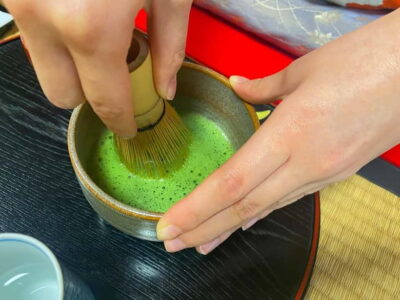
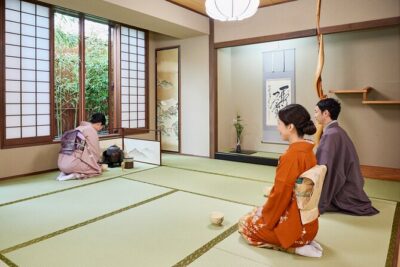
The final stop is Shofukutei, a traditional cafe where a certified tea master and her husband welcome the group. The tea ceremony includes freshly prepared matcha and a handmade wagashi, the small Japanese sweet served with tea.
This is more than a quick green tea tasting. The tea master prepares the matcha in front of you and guides you through a formal Japanese tea experience. The setting is intended to be away from crowded, high-priced tourist stops, which makes it a calm way to finish a busy day.
Tea ceremonies can feel unfamiliar if you have never attended one. Watch first, follow the instructions, and do not worry about getting every movement perfect. The point is to understand the care given to the tea, the bowl, the sweet, and the interaction between host and guest.
The one-hour session is included in the tour cost. That helps the price feel more reasonable, since you are paying not only for a guide and temple admissions but also for a certified tea master, matcha, and wagashi.
Is $110.55 a good value?
At $110.55 per person, this is not the cheapest way to see Nara. You are paying for a full guided day rather than simply walking through the park and buying individual admissions.
The value comes from the combination of inclusions:
- A bilingual local guide
- Entrance to Todaiji
- Entrance to Gangoji
- Deer cookies
- A Japanese cutlery introduction
- Origami and calligraphy
- Possible costume photos if time allows
- A tea ceremony with matcha and wagashi
Lunch, drinks, shopping, and souvenirs cost extra. The tour also asks you to commit most of a day, so it makes the most sense if you want structure and cultural explanation.
I would consider the price fair for someone who wants Nara’s major sights plus several organized activities. If you already know Nara well, speak Japanese, and are happy planning your own route, you can spend less independently. If this is your first visit and you want the day arranged for you, the admissions and tea ceremony make the price easier to justify.
The average booking lead time is about 135 days. That suggests you should reserve early, especially if your Japan itinerary has fixed dates. Confirmation is provided when you book, and free cancellation is available up to 24 hours before the start time. If the minimum number of participants is not reached, the provider offers another date or experience, or a full refund.
Who should book this Nara day?
I would recommend it to first-time visitors who want to see the essentials without spending hours planning temple routes. Families may also like the deer cookies, origami, calligraphy, and possible costume photos, although the long walking schedule may tire younger children.
It suits curious food and craft shoppers who want more than temples. The Kikuichi visit has a clear practical angle, while the tea ceremony provides a more formal cultural experience.
It is less suitable for anyone who wants a slow, private temple day. The schedule is packed, lunch is brief, and the group moves between several stops. You should also be comfortable walking for much of the seven hours.
Final verdict
Book this tour if you want Nara in one well-organized day, with the famous deer and Todaiji joined by Kasuga Taisha, Gangoji, Japanese knife-making, hands-on crafts, and a proper tea ceremony. The strongest parts are the range of activities and the contrast between major sights and smaller cultural encounters.
Skip it if you prefer to set your own pace, spend a long time inside one temple, or keep lunch and shopping flexible. For most first-time visitors with only one day in Nara, the tour offers a useful mix of landmarks, local stories, and activities that you would be unlikely to arrange as neatly on your own.
FAQ
How long does the Nara tour last?
The tour lasts approximately seven hours.
What time does the tour start?
It starts at 9:00 a.m.
Where does the tour begin?
The meeting point is the 7-Eleven at 30-1 Higashimuki Kitamachi, Nara, 630-8214, Japan.
Where does the tour end?
The activity ends back at the meeting point.
Is lunch included?
No. Lunch and drinks are not included. You receive about 45 minutes of free time to eat around Higashimuki Shopping Street.
Are temple entrance fees included?
Yes. Entrance to Todaiji and Gangoji Temple is included.
Is the tea ceremony included?
Yes. The tea ceremony fee, matcha, and wagashi are included.
How many people can join the tour?
The tour has a maximum of 12 participants.
Newly steeped around Japan
- Yokohama : Tea Ceremony with Sweets and Souvenir★ 5.0 · 5 reviews
- Whisk Your Own Matcha: A Zen Matcha Experience at Temple★ 3.6 · 7 reviews
- Walking Tour: Yanaka,Nezu& Sendagi: Tea Ceremony & Old Tokyo★ 5.0 · 3 reviews
- Visit local home for music and tea ceremony near Disney★ 4.9 · 13 reviews
- Trip to Kamakura & Enoshima: Shrines, Seaside, Temples &Tea★ 5.0 · 11 reviews
- Yokohama: Sushi & Gyoza Cooking with Matcha & GreenTea Experience★ 5.0 · 3 reviews
- Kyoto tea town for matcha lovers★ 5.0 · 16 reviews
- Uji: Private immersion into Kyoto’s tea and reglious culture★ 5.0 · 17 reviews
Tea Ceremony Experiences, compared.
Kyoto: Tea Ceremony in a Traditional Tea House in Kiyomizu
Read our review →
Kyoto: 45-Minute Tea Ceremony Lesson Experience
Read our review →
Kyoto: Table-Style Tea Ceremony at a Kyo-Machiya
Read our review →

Browse the lists this tea experience appears in