
Review · KANAZAWA
Kanazawa: Samurai, Matcha, Gardens and Geisha Full-Day Tour
Kanazawa’s best sights make sense when you walk between them. This full-day route links samurai houses, castle grounds, a famous garden, and geisha streets into one long story about power, taste, and daily life in old Japan. The matcha stop at Gyokusen-an adds a quiet pause, while Shima gives you a close look at a preserved tea house.
I like two things especially. First, the guide gives context that signs alone cannot provide, from how lower-ranking samurai lived to why Kanazawa’s tea houses look different from Kyoto’s. Second, the route leaves room for questions, lunch, shopping, and extra time at a favorite stop. The drawback is clear: this is a serious walking day, often around 12 kilometers and, for some people, more than 27,000 steps.
Key points to know before booking
- A full-day walking route: Expect several hours on foot across Kanazawa’s historic districts, gardens, and backstreets.
- Four sides of old Kanazawa: See samurai residences, a Shinto shrine, castle grounds, Kenroku-en, and the Higashi-chaya geisha quarter.
- Matcha served in a historic setting: Learn the basic etiquette while enjoying matcha and artistic wagashi sweets.
- Small details make the day: The route includes side streets, modest samurai homes, a koi pond, wooden bridges, and the back lanes of Kazue-machi.
- Guides make the history accessible: Guides including Mike, Akari, Gareth, Daniel, Lee, and Mohammed are noted for clear English, humor, flexibility, and help with practical travel questions.
- Bring weather-ready shoes and clothing: Kanazawa can be rainy, cold, snowy, or icy, especially in winter.
Start beneath Kanazawa Station’s giant sumo wrestlers
Meet outside the Shinkansen ticket gates, in front of the information center. If you have just come through the gates, look ahead and to the right for four large sumo wrestlers. If you are coming from outside, enter through the East Entrance and look just inside.
The guide wears a Snow Monkey Resorts tour tag. This is a useful meeting point because Kanazawa Station is large, and the tour begins with a short walk away from the transport hub.
Before setting off, look at Tsuzumi-mon, the station’s modern gate inspired by traditional Japanese forms. It is not an old monument, but it gives you an early clue about Kanazawa’s character: the city is comfortable placing modern design beside preserved streets and buildings.
The route then moves through quieter local streets. You pass residences and occasional wooden temples on the way toward Nagamachi. This first stretch helps you see that Kanazawa’s historic quarters are part of a living city, not a single fenced-off museum.
More Matcha Experiences in Japan:
- World Heritage Kyoto & Nara Uji Authentic Matcha Experience
★ 5.0 · 1,573 reviews - Kyoto: Arashiyama Bamboo Forest, Monkeys, Matcha & Temple Tour
★ 5.0 · 759 reviews - Matcha Making Class in Tokyo with Authentic Japanese Sweets Set
★ 5.0 · 744 reviews
Nagamachi shows how samurai life really worked
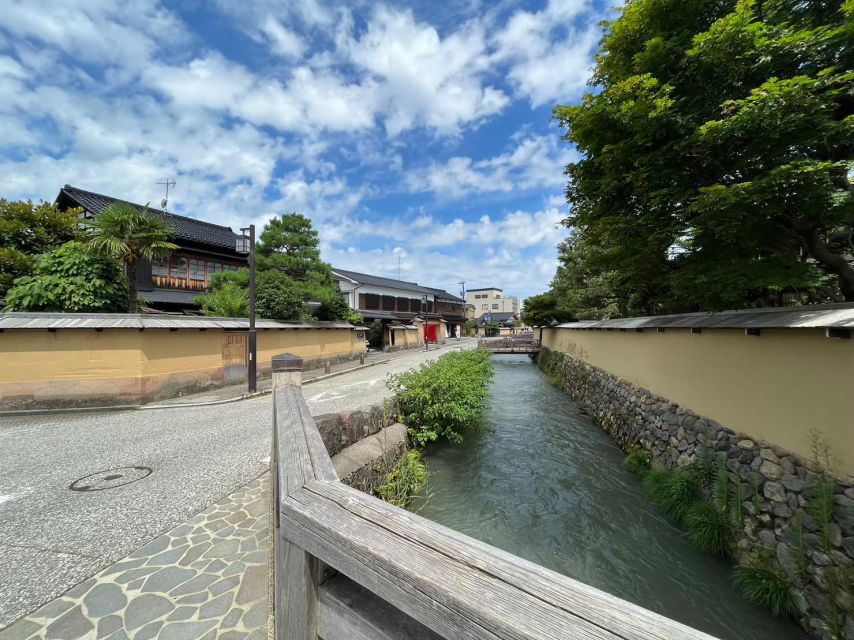
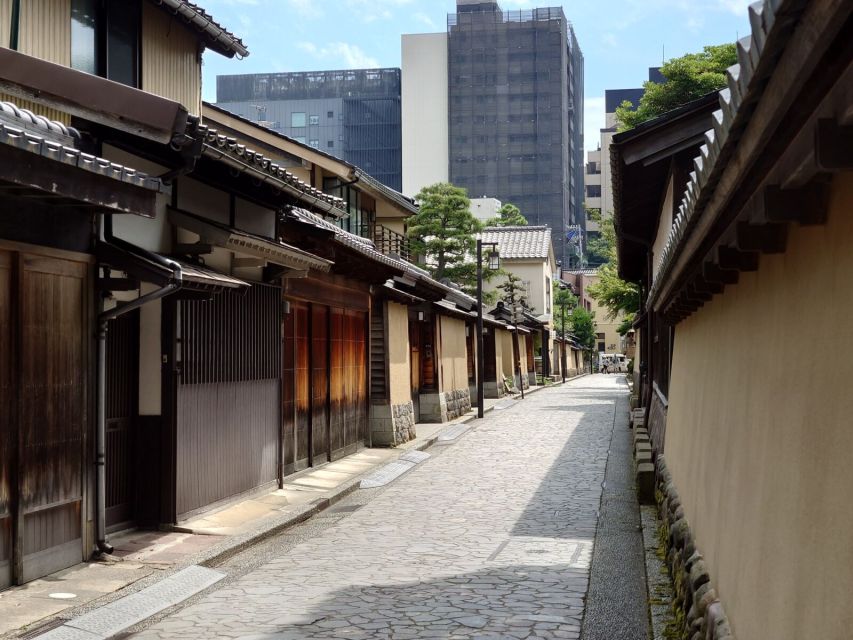
Nagamachi is the heart of the tour’s samurai story. Its crooked streets, earthen walls, narrow lanes, and restored homes recall the district where samurai families once lived under the rule of the Maeda lords.
The valuable part is not simply seeing a handsome wall or traditional gate. Your guide explains the social structure behind the buildings, including the difference between elite warriors and lower-ranking samurai. You may enter modest residences and see how families with limited means lived. That detail keeps the visit grounded. Samurai history can easily become a parade of swords and dramatic battles, but these homes point toward work, family, space, and status.
You get guided sightseeing here for roughly 110 minutes, with some time to look around on your own. That balance works well. Listen closely when the guide explains the district, then use free time to browse Kanazawa crafts and local goods.
I would not rush this part. Nagamachi rewards attention to surfaces: plaster walls, wooden entrances, drainage channels, and small changes in street width. The district is photogenic, but the guide’s explanation is what turns it into a place rather than a backdrop.
Oyama Shrine mixes Japan with the West
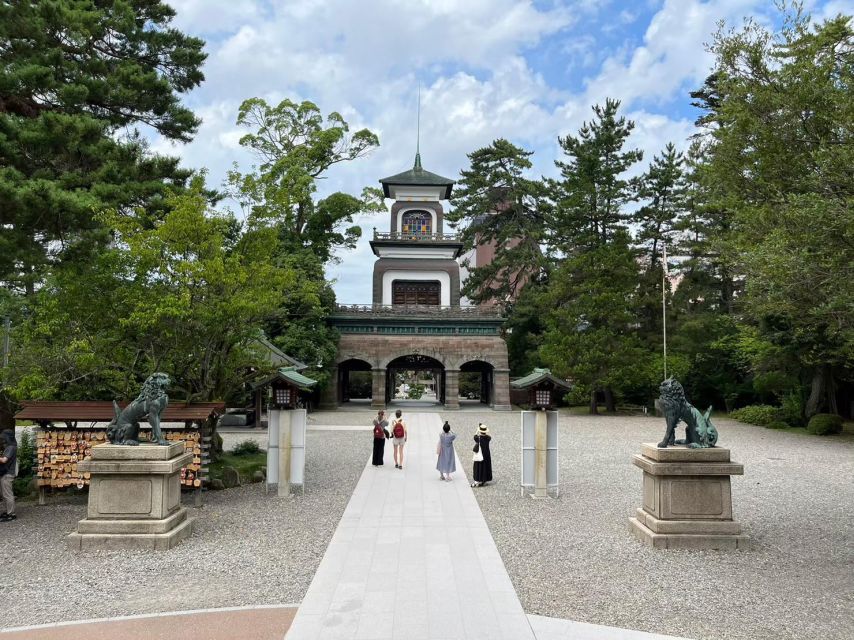
Oyama Shrine is a short stop, but it gives the day a change of tone. Its gate and architecture combine Japanese elements with western-style details, including stained glass. The result reflects Japan’s period of rapid change in the 19th century.
The shrine is also more than a quick photograph. Behind it, you find a koi pond and a small garden. A path leads toward a large wooden bridge and then through an impressive gate into the Kanazawa Castle grounds.
This transition is one of the nicest pieces of the route. You move from samurai neighborhood to shrine garden, then into the area once controlled by the castle. The walk links the places physically, so the political structure of old Kanazawa becomes easier to picture.
Matcha at Gyokusen-an gives your feet a break
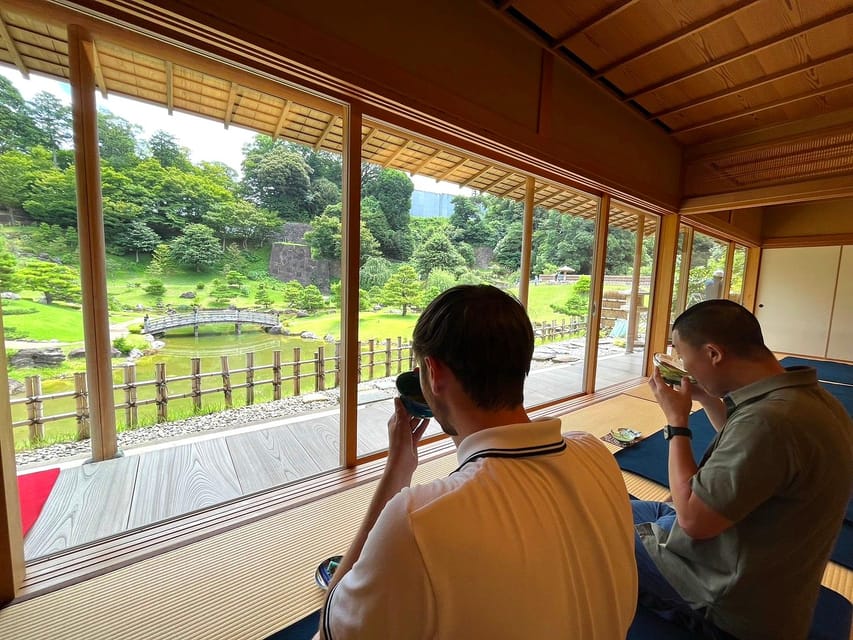
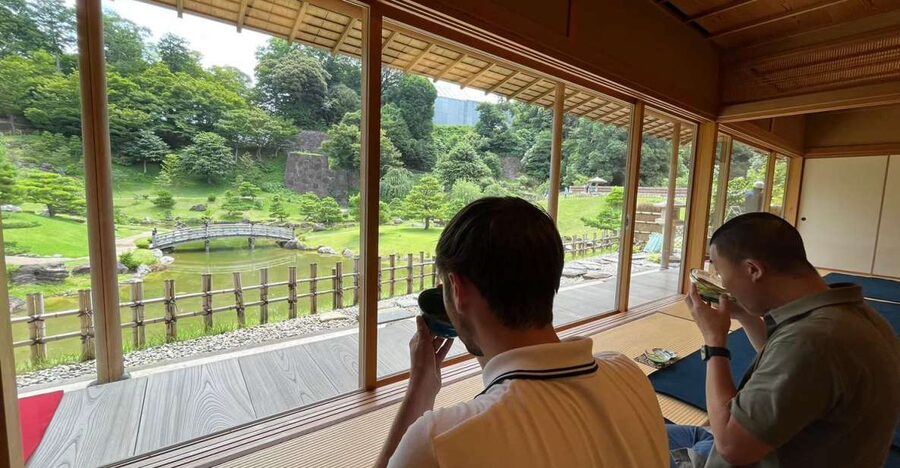
Gyokusen-an tea house provides a welcome pause after the first major walking section. It sits near the base of the castle’s large stone walls and looks over a carefully arranged garden. Inside, the setting is quiet and restrained, with the polished simplicity associated with a formal Japanese tea space.
Kimono-clad staff serve matcha and wagashi, the small artistic sweets traditionally paired with the tea. Your guide explains the basic way to receive and drink matcha. You do not need prior experience. The point is not to perform a perfect ceremony, but to understand the manners and attention behind the ritual.
This is one of the strongest parts of the day because it gives you time to stop looking at monuments and notice taste, gesture, and atmosphere. The bitter tea and delicate sweet also make a pleasant contrast.
Gyokusen-an occasionally hosts special events. If that happens, the matcha experience moves to another location. The tea experience remains part of the day, but the precise setting can change.
More Full Days Among the Tea around Japan:
- Mt. Fuji & Lake Kawaguchiko Ropeway Panorama Full-Day Tour
★ 4.6 · 236 reviews - Tokyo: Full-Day Tour w/Tea Experience,Buffet Lunch & Cruise
★ 4.9 · 151 reviews - Full-Day Tour from Kanazawa: Samurai, Matcha, Gardens and Geisha
★ 5.0 · 68 reviews - Nara Deer Park, Uji Matcha, & Hot Spring Full-Day Tour from Osaka
★ 4.0 · 21 reviews
Lunch is flexible, not included
Lunch is not included, which keeps the schedule adaptable. Your guide can suggest places nearby, and there is time to eat along the way. Some people use the opportunity to visit Omicho Market, which one long day’s account singled out as a highlight for lunch.
This arrangement suits you if you prefer choosing your own food and budget. It is less convenient if you want a fixed group meal with everything arranged in advance. Ask early about lunch timing, especially if you have dietary needs or want time at the market.
Do not plan an elaborate meal if you want to keep the rest of the route comfortable. You still have Kenroku-en and Higashi-chaya ahead, followed by the Shima geisha house.
Kanazawa Castle connects power and garden design
The route passes through Kanazawa Castle grounds before entering Kenroku-en. The castle is partially restored, so you are not visiting a completely intact feudal palace. Even so, the scale of the stone walls, gates, bridges, and open grounds gives you a strong sense of the Maeda family’s power.
The walk through the castle area works best when you pay attention to the setting rather than expecting a single spectacular interior. The guide fills in the political background and explains how the castle related to the surrounding districts.
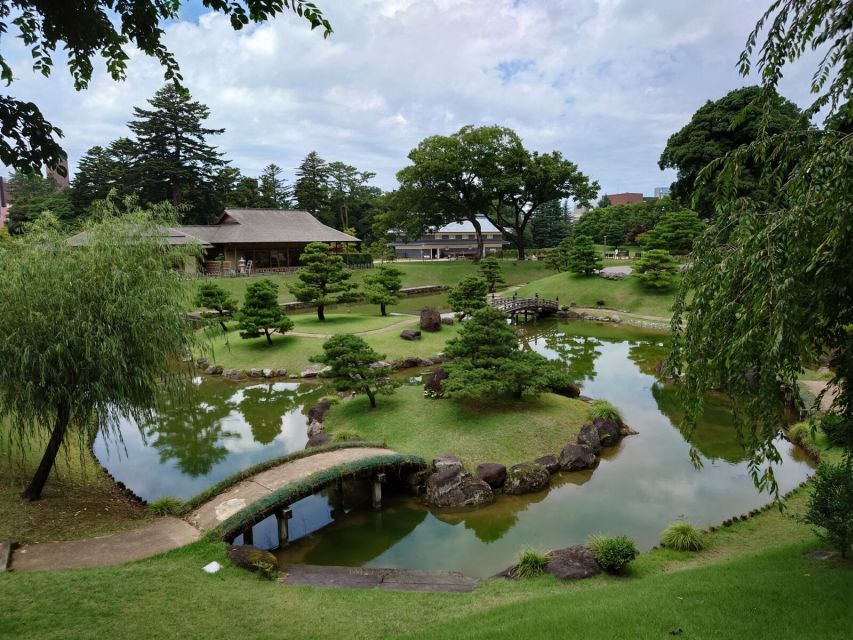
From there, you enter Kenroku-en, with about an hour and a half for guided sightseeing. The name is usually explained through the garden’s six desired qualities, including space, seclusion, artifice, antiquity, water, and views. The garden was developed over more than 200 years for the lords of Kanazawa Castle.
Kenroku-en is carefully maintained, but it does not feel like a simple display of flowers. Its appeal changes with the season and weather. Rain can soften the garden and make the castle walls seem almost dreamlike. Snow gives the famous trees a different shape. On a clear day, ponds, paths, bridges, and distant views carry the scene.
There are hills, steps, and uneven paths, so comfortable shoes matter. The garden is also large enough that you should stay aware of the meeting time. Free time is useful, but do not wander so far that the group has to wait.
Higashi-chaya reveals Kanazawa’s tea-house culture
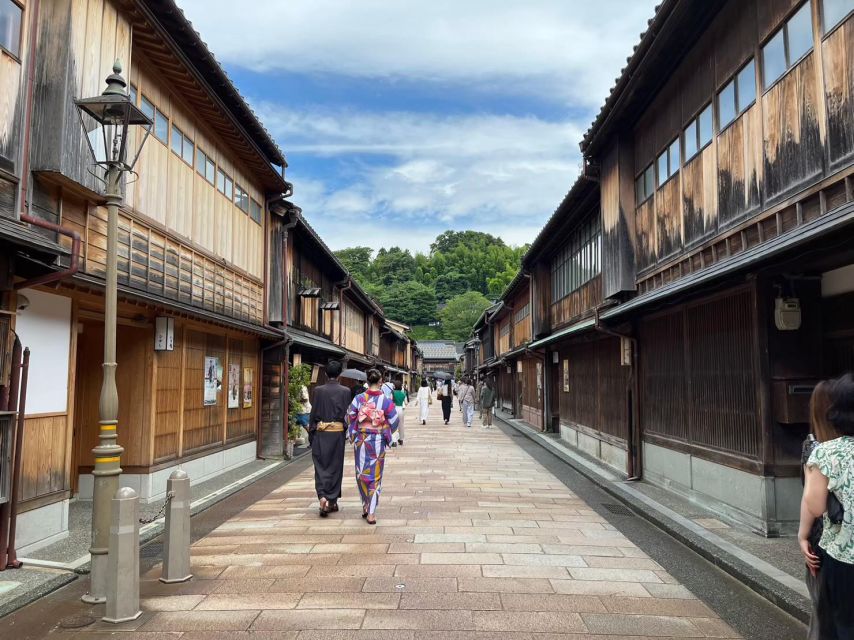
Higashi-chaya is one of Kanazawa’s signature districts. Its tall two-story wooden tea houses line streets that feel more formal and theatrical than the modest samurai lanes in Nagamachi. Some buildings are painted red, a design feature particularly associated with Kanazawa’s tea-house districts.
Your guide explains how tea houses functioned and how geisha entertainment fit into the social life of the city. The district is still a place where you can browse shops and local crafts, but it is important to look beyond the pretty facades. The buildings were designed for privacy, presentation, and controlled hospitality.
You have roughly 40 minutes for guided sightseeing and free time. That is enough to take photographs, enter selected shops, and get your bearings. It is not enough for a slow, independent exploration of every lane, so return later if Higashi-chaya becomes your favorite part of Kanazawa.
The district can feel busy at popular times, but the tour also uses smaller streets and continues through the back lanes of Kazue-machi. Those quieter passages help balance the more visited main road.
Shima offers a rare look inside a geisha house
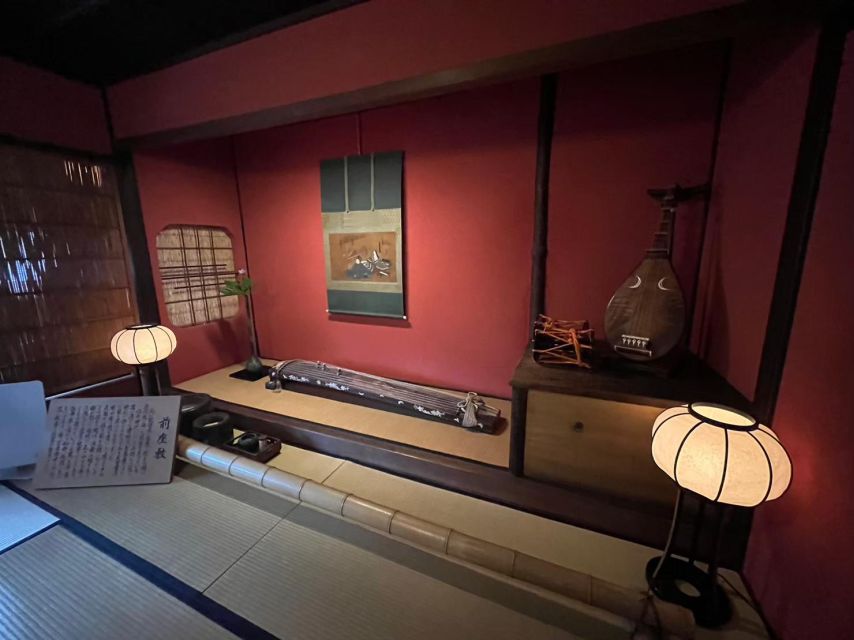
The visit to Shima is separate from the general stroll through Higashi-chaya. This preserved geisha house, now a heritage site, lets you see the architecture from inside.
Your guide points out how the rooms were arranged and how the building supported tea-house entertainment. You can expect classic wooden interiors and a closer look at a world that is easy to misunderstand from the street alone.
This stop is especially useful if you want cultural context rather than only exterior photographs. The visit lasts about an hour, giving you time to look carefully and ask questions.
The combination of Higashi-chaya and Shima works well. First you see the district as a street, with its shops and facades. Then you enter a preserved building and learn how the spaces were used. It is a more complete picture than a quick walk past closed doors.
The return walk shows another side of Kanazawa
After Higashi-chaya and Shima, the route heads back toward Kanazawa Station. You pass through Kazue-machi, a maze-like area of backstreets along the way.
By this point, your feet will probably know exactly how long the day has been. Still, the return walk is not filler. You see residential corners and smaller routes that a bus-based sightseeing plan would skip.
The tour ends back at the original meeting point. Guides have sometimes helped with practical matters at the station, including train-ticket questions and changes to onward travel. That kind of assistance can be useful if Kanazawa is one stop in a longer Japan itinerary.
How much walking should you expect?
Treat the walking requirement seriously. The route includes approximately 30-minute walking sections, extended outdoor sightseeing, gardens, historic districts, and uneven or potentially slippery surfaces.
Some people report covering around 12 kilometers or more than 27,000 steps. Those figures will vary with the group, detours, pace, and personal movement during free time, but they show the nature of the day. This is not a gentle hop-on, hop-off tour.
Wear shoes with good grip. In winter, snow and ice may cover roads and sidewalks, and temperatures can fall below 10 degrees Celsius, with mornings and evenings close to or below freezing. Bring warm clothing and warm footwear.
Rain is also a real possibility. Carry an umbrella or rain gear and check the forecast before leaving. One advantage of a walking route is that rainy gardens and misty castle walls can look striking, but wet clothing and poor shoes will make the final hours harder.
The guide can shape the experience
The tour is in English, and the guide is a major part of its value. Guides named in the feedback include Mike, Akari, Gareth, Daniel, Lee, Mohammed, Devin, Adeline, and Garrett. The guide assigned to your date may be different.
The strongest pattern is flexibility. Guides have adjusted the pace, answered questions, waited when someone needed help, and suggested places to eat or visit afterward. Families have also found the day manageable when the guide allowed children time for stops.
The best reason to book a guide is the layered explanation. You hear the basic facts at each site, then connect them across the day: samurai status, feudal power, garden design, shrine architecture, tea etiquette, and geisha culture.
Do not expect a completely private tour. Group size is not specified, and the experience is sold as a guided group activity. The guide can offer flexibility, but the group still needs to stay together and meet at set times.
Is $156 a fair price?
At $156 per person, this is not the cheapest way to see Kanazawa. You are paying for a full day with an English-speaking guide, the matcha experience, Kenroku-en admission, and entry to Shima. Lunch is extra, and you handle any personal shopping or additional food costs.
The value improves if you would otherwise struggle to connect these districts on your own. Nagamachi, Oyama Shrine, the castle, Kenroku-en, Higashi-chaya, and Shima are spread across the city. A guide saves planning time and gives meaning to places that can otherwise become a string of attractive streets.
The price is less compelling if you prefer slow solo sightseeing, already know Kanazawa’s history, or want to spend a full day inside one garden or museum. You also pay for a demanding walking schedule, so the tour’s value depends on your energy as much as your interest.
Free cancellation up to 24 hours ahead and reserve-now, pay-later booking make the commitment easier, particularly when your Japan schedule is still changing.
Who should book this Kanazawa walking tour?
I would choose this tour if you have one main day in Kanazawa and want a broad, well-explained introduction. It suits first-time visitors who want both famous sights and smaller street-level details.
It is also a good fit for people interested in architecture, gardens, samurai history, tea culture, or geisha traditions. Families can do well with it if everyone accepts the walking and weather demands.
I would hesitate if you have mobility concerns, dislike long outdoor days, or want lots of unstructured time for shopping and photography. The itinerary is full, and even its flexible moments sit inside a larger schedule.
Should you book it?
Book this tour if you want Kanazawa’s main historic districts tied together by one clear story. The strongest features are the preserved samurai homes, the matcha pause at Gyokusen-an, the careful tour of Kenroku-en, and the inside visit at Shima.
Skip it if 12 kilometers of walking sounds unpleasant or if you prefer exploring at a very slow pace. For everyone else, $156 is a reasonable spend for a full day that removes much of the guesswork and adds cultural detail you would likely miss alone.
FAQ
Where does the Kanazawa tour start?
Meet outside the Shinkansen ticket gates, in front of the information center at Kanazawa Station. Look for the four large sumo wrestlers near the East Entrance and a guide wearing a Snow Monkey Resorts tour tag.
Where does the tour end?
The activity ends back at the original meeting point at Kanazawa Station.
Is lunch included?
No. Lunch is not included, but you can ask the guide for nearby recommendations. There is also time to eat along the route, including the option to visit Omicho Market.
How much walking is involved?
The tour involves several hours of walking outdoors. Some people cover around 12 kilometers or more than 27,000 steps, so comfortable shoes are essential.
What happens during the matcha experience?
You receive matcha and artistic wagashi sweets served by kimono-clad staff. Your guide explains the proper way to drink the tea. The experience usually takes place at Gyokusen-an, but it may move if a special event is being held there.
What is included in the price?
The price includes the guide, matcha experience, Kenroku-en garden admission, and entry to Shima geisha house. Lunch and personal purchases are not included.
Newly steeped around Japan
- Yokohama : Tea Ceremony with Sweets and Souvenir★ 5.0 · 5 reviews
- Whisk Your Own Matcha: A Zen Matcha Experience at Temple★ 3.6 · 7 reviews
- Walking Tour: Yanaka,Nezu& Sendagi: Tea Ceremony & Old Tokyo★ 5.0 · 3 reviews
- Visit local home for music and tea ceremony near Disney★ 4.9 · 13 reviews
- Trip to Kamakura & Enoshima: Shrines, Seaside, Temples &Tea★ 5.0 · 11 reviews
- Yokohama: Sushi & Gyoza Cooking with Matcha & GreenTea Experience★ 5.0 · 3 reviews
- Kyoto tea town for matcha lovers★ 5.0 · 16 reviews
- Uji: Private immersion into Kyoto’s tea and reglious culture★ 5.0 · 17 reviews
Matcha Experiences, compared.
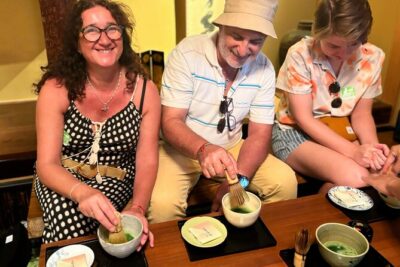
World Heritage Kyoto & Nara Uji Authentic Matcha Experience
Read our review →
Matcha Making Class in Tokyo with Authentic Japanese Sweets Set
Read our review →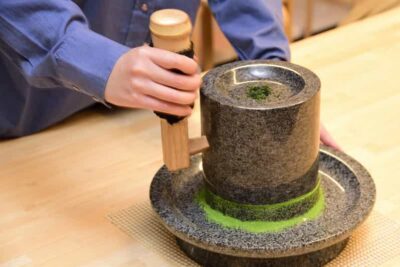
Kyoto: Tea Museum Tickets and Matcha Grinding Experience
Read our review →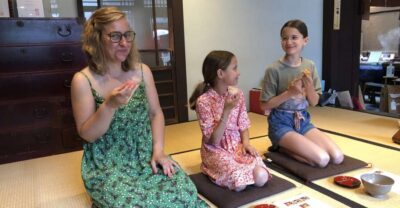
Kyoto: Tea Ceremony Meditation – Make Matcha with Tea Master
Read our review →
Tokyo: Matcha Making Experience with Mochi Sweets in Asakusa
Read our review →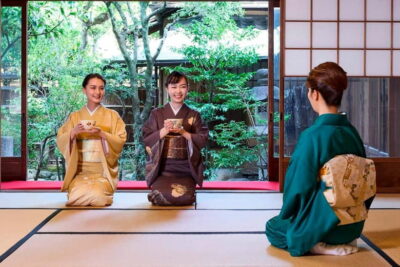
Kyoto: Kimono Tea Ceremony with Matcha and Sweet
Read our review →
Browse the lists this tea experience appears in