
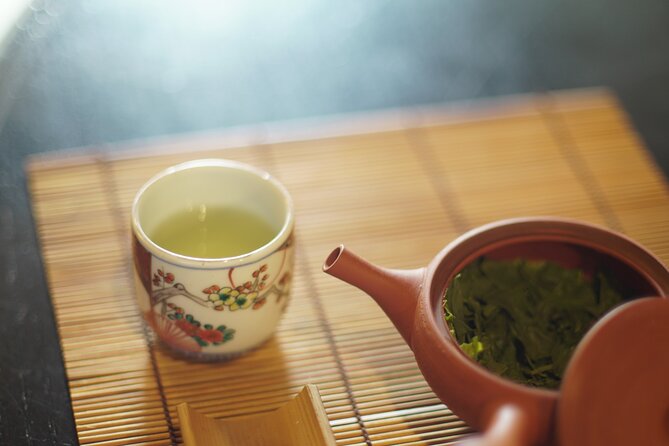
Review · OSAKA
Discover Japanese Tea Blending Techniques in Osaka
Japanese tea is far more varied than the green powder in a café latte. In this small Osaka workshop, Ko guides you through sencha, matcha, hojicha, oolong, and Japanese black tea, then lets you put the lessons to work with tea cocktails and fruit drinks. The setting near Namba Yasaka Jinja gives you a quieter slice of the city than the usual Dotonbori circuit.
I like two things here: the tiny group size, capped at three people, and the practical way you learn by brewing rather than watching. I also like that you leave with recipes and tea samples, not just a pleasant memory. The main consideration is timing: the workshop starts at 3 p.m. and takes about two hours, so it works best as a planned afternoon stop rather than a quick add-on.
Key points

- Five tea styles in one sitting: Compare sencha, wakocha, Japanese oolong, hojicha, and matcha.
- A true hands-on class: Learn brewing temperatures, timing, teapot handling, and pouring technique.
- Ko leads the workshop: His relaxed teaching style combines tea expertise with mixology.
- Modern drinks meet old customs: Make fruit-based tea drinks and sample a tea cocktail.
- Small and personal: The maximum group size is three people.
- Useful take-home treats: Keep recipes and small tea samples for brewing at home.
A small Osaka workshop with a lot in the cup
This experience begins at 3 p.m. near Namba Yasaka Jinja, at 2-chōme-9-19 Motomachi in Osaka’s Naniwa Ward. That location matters. You are still close to central Osaka, but the meeting point is away from the loudest tourist streets, giving the afternoon a calmer pace.
The class lasts about two hours and ends where it begins. Since the activity is limited to three people, you can ask questions freely and get help with each brewing step. This is a much better format for learning fine details, such as how to hold a teapot, than a large demonstration where you sit at the back and hope to see the action.
The setting is described as a cozy tea house with antique items and a relaxed feel. You should expect a real working tea space rather than a formal schoolroom. That makes the class feel social and flexible, though it also means the experience is more intimate and informal than a grand tea ceremony.
More Tea-Making Classes around Osaka:
- London: Traditional English Scone Making and Tea Workshop
★ 5.0 · 702 reviews - London Traditional English Scone Making and Tea Workshop
★ 5.0 · 271 reviews - Marrakech: Moroccan Pastries and Tea Class with a Local
★ 4.7 · 84 reviews
Why the five teas make this more than a matcha class
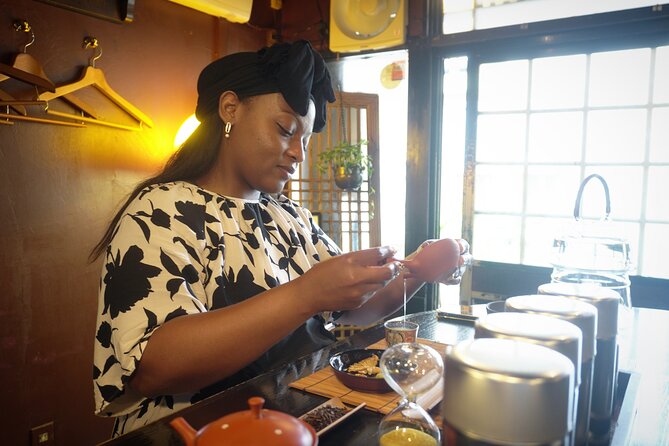
The workshop introduces five different Japanese tea styles, each with its own character and brewing needs.
Sencha gives you the classic Japanese green tea experience, but the class focuses on more than simply pouring hot water over leaves. You learn how temperature and timing affect the cup. That lesson is useful because green tea can turn bitter when brewed carelessly.
Wakocha, or Japanese black tea, shows another side of domestic tea production. It is easy to assume Japanese tea means only green tea, so this tasting adds welcome range. You can compare its flavor and brewing approach with the lighter, greener styles.
Japanese oolong tea brings another contrast. It helps explain how processing changes the leaf before it reaches your teapot. The point is not just to taste five drinks. You begin to see why each tea needs a slightly different method.
Hojicha is roasted tea, with a warmer and deeper flavor. It is often a good choice for people who find some green teas too sharp. The class gives you the chance to taste properly brewed hojicha rather than relying on a bottled version from a vending machine or convenience store.
Then comes matcha, the tea most often linked with Japan outside the country. Here, matcha is part of a wider lesson in tea preparation and blending, not the entire event. That balance is helpful. You get the familiar style, but you also learn how much more there is to Japanese tea.
The practical lesson: temperature, tools, and touch
The strongest part of the workshop is its hands-on structure. Ko explains the basic brewing rules, then you prepare the teas yourself. You learn about water temperature, brewing time, tool handling, and the way you hold and pour from the teapot.
Those details may sound small, but they change the result. Tea is sensitive to heat and timing. A few seconds or degrees can shift a drink from mellow to harsh. Learning to adjust those factors gives you something you can use long after your Osaka visit.
The class also covers why certain motions matter. Holding a pot correctly is not treated as empty ceremony. It affects control, pouring, and the care you bring to the process. Ko’s teaching style is described as friendly, funny, and easy to follow, so the technical parts should not feel stiff or academic.
You should expect to do the brewing yourself while Ko corrects your technique and explains the reasons behind it. If you prefer a quiet, formal ceremony with little conversation, this may not be the right match. If you want to understand what you are doing and try it immediately, the format is well chosen.
Tea culture, history, and the ideas behind the ritual
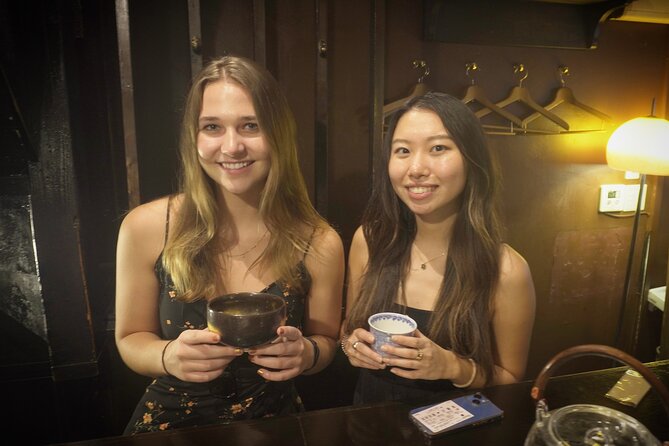
The workshop places tea in the wider story of Japan. You learn about the historical role of tea and the philosophy that shaped Japanese tea culture. The goal is not to turn the afternoon into a long lecture. Instead, the background helps explain why preparation, attention, and hospitality matter so much.
This cultural context gives the brewing practice more meaning. You are not just memorizing a temperature for sencha or a technique for matcha. You are seeing how everyday habits, formal rituals, farming, craft, and social customs connect through tea.
Ko also discusses how each tea is made. That is valuable because the leaf’s final taste begins well before it reaches your cup. Processing helps explain the difference between green, roasted, black, and partially oxidized teas.
The workshop uses locally sourced organic leaves, according to the activity details. That does not mean every tea will suit every palate, but it does make the tasting more purposeful. You are sampling teas selected for teaching, not simply drinking a generic beverage alongside a lecture.
More Tea Experiences around Osaka:
- Osaka: Tea Ceremony Experience
★ 4.9 · 1,426 reviews - Tea Ceremony Experience in Osaka Doutonbori
★ 5.0 · 754 reviews - Matcha Making Class in Osaka with Authentic Japanese Sweets Set
★ 5.0 · 509 reviews - Osaka: Matcha Making Experience with Japanese Sweets
★ 5.0 · 146 reviews
The modern turn: fruit drinks and tea cocktails
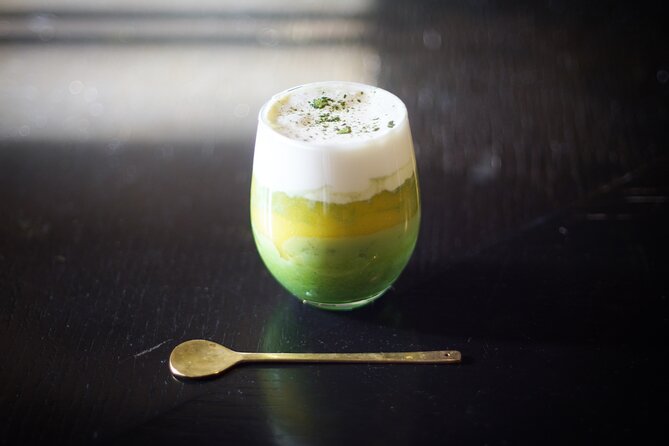
After the traditional brewing lesson, the class changes direction. You use tea in newer drinks, including fruit-based combinations and a cocktail infused with alcohol. This is where the workshop earns its tea blending title.
The mixology section keeps the experience from feeling like a standard tea ceremony. It also shows how familiar Japanese ingredients and methods can fit modern café and bar culture. Matcha can become part of a creamy fruit drink, while brewed tea can provide aroma, bitterness, or depth in a cocktail.
One drink highlighted by the experience is a mango matcha macchiato. You may also prepare a tea cocktail and other mixed drinks using natural ingredients. The exact recipes can vary, but the clear aim is to help you carry tea into your own kitchen rather than treating it as a drink reserved for specialists.
This section is especially useful if you enjoy food and drink workshops. You do not simply taste finished drinks. You apply the earlier lessons, then see how brewing quality affects the final mixture. A poorly made tea will not improve just because it is mixed with fruit or alcohol.
The alcohol element is worth noting before you book. If you do not drink, the tea brewing and nonalcoholic drinks remain central parts of the workshop, but the cocktail portion may be less important to you.
Traditional sweets and a relaxed pace
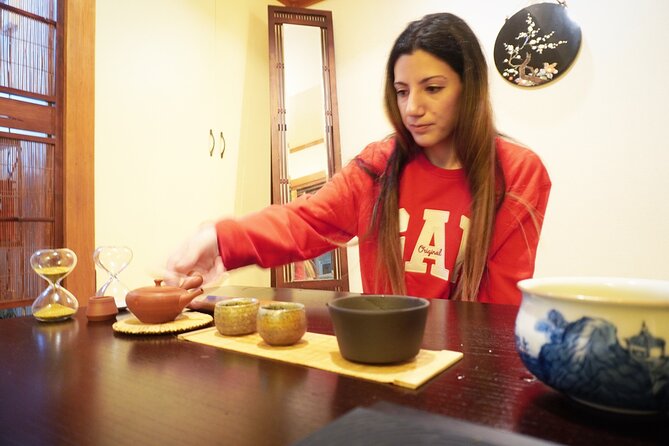
Traditional Japanese sweets are included as part of the tasting. They provide a small but welcome contrast to the drinks, particularly with matcha and other teas that can have a sharp or roasted edge.
The overall pace sounds unhurried. You brew, taste, talk, and move between traditional methods and newer recipes. This is not an attraction you rush through in 30 minutes. Set aside the full two hours, and consider allowing extra time if you want to continue chatting or order another drink after the formal workshop.
The intimate format also makes it easier to talk about your own preferences. You can explain if you like roasted flavors, softer drinks, stronger tea, fruit, or less sweetness. The activity is designed to personalize the experience around your taste rather than forcing everyone through exactly the same cup.
That personal element is a real advantage at this price. At $54.46 per person, you are paying more than you would for a tea in a café, but you receive instruction, several tastings, hands-on practice, mixed drinks, sweets, recipes, and take-home tea. For someone who already enjoys tea or wants a meaningful food experience in Osaka, the price is reasonable.
If you only want to drink matcha once and move on, it is probably not the best use of your budget. The value comes from the teaching and variety.
What you take home
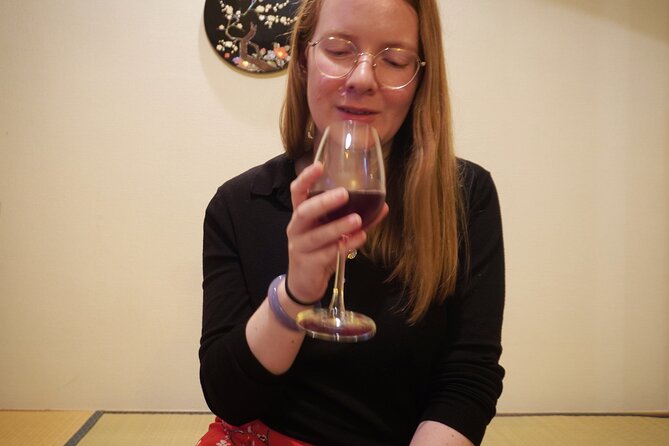
At the end, you receive recipes and small tea samples. The samples are useful because they let you repeat the experience in your own kitchen. You can practice the brewing methods while the lesson is still fresh, then adjust the temperature and timing to suit your taste.
The recipes also give the cocktail and fruit-drink section a longer life. You are not left trying to remember what went into a mango matcha drink or how the tea was combined with alcohol. That makes this a practical souvenir, especially for anyone who enjoys cooking or hosting friends.
The samples are small, so do not expect a large supply of tea for months of brewing. Think of them as a starting kit and a way to share a taste with people back home.
Who will enjoy this Osaka tea experience?
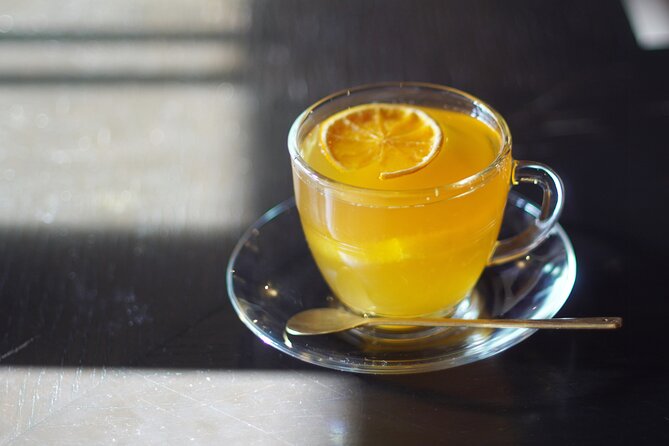
I would recommend this workshop most strongly to:
- Tea drinkers who want to understand the differences between Japanese styles.
- People who prefer small groups and direct access to a guide.
- Couples looking for a calm, hands-on afternoon activity.
- Food and drink fans interested in tea cocktails and fruit blends.
- Visitors who want a local-feeling activity outside Osaka’s busiest shopping streets.
- Beginners who want clear instruction without a formal classroom atmosphere.
It also suits a honeymoon or special trip because the format leaves room for conversation and shared preparation. You do not need advanced tea knowledge. The workshop starts with the basics and builds from there.
You may want to skip it if you dislike tasting several kinds of tea, prefer a large social group, or want a strictly traditional ceremony with no modern drinks. The alcohol-based cocktail section may also be a minor drawback if you do not drink, though it is only one part of a broader program.
Timing, meeting point, and booking advice
The meeting point is Namba Yasaka Jinja, 2-chōme-9-19 Motomachi, Naniwa Ward, Osaka, 556-0016. The activity begins at 3 p.m. and returns to the same meeting point.
The location is near public transportation, but give yourself enough time to find the exact entrance and arrive ready for a 3 p.m. start. A mobile ticket is provided, and confirmation arrives when you book.
The maximum group size is three people, which is one of the most important details to check before reserving. If you are booking as a couple, you may have a nearly private lesson. Solo participants can also expect a more personal class than a typical group tour.
Free cancellation is available if you cancel at least 24 hours before the local start time. Changes or cancellations inside that window are not accepted for a refund, so keep that deadline in mind when planning your Osaka schedule.
Should you book it?
Book this if you want to do more than take a photo with matcha. The workshop gives you a useful grasp of Japanese tea, from leaf processing and history to water temperature, pot handling, blending, and modern mixology. The small group, friendly guide, and take-home recipes make it feel personal rather than mass-produced.
At $54.46, it is best viewed as a compact food culture class, not simply a tasting. I would make room for it if you enjoy tea, cooking, cocktails, or quiet neighborhood experiences. If your Osaka plans are packed and you want only a quick refreshment, choose a café instead. For anyone ready to slow down for two hours and learn how the cup gets made, this is a smart pick.
FAQ
Where does the Japanese tea workshop meet?
The workshop meets at Namba Yasaka Jinja, 2-chōme-9-19 Motomachi, Naniwa Ward, Osaka, 556-0016, Japan.
What time does the activity start?
The activity starts at 3 p.m.
How long does the workshop last?
The workshop lasts approximately two hours and ends back at the meeting point.
How many people can join?
The maximum group size is three people.
Which teas will I learn about?
The workshop covers sencha, Japanese black tea called wakocha, Japanese oolong tea, hojicha, and matcha.
Are food and mixed drinks included?
You will sample traditional Japanese sweets and make modern tea drinks using natural ingredients such as fruit. The workshop also includes a tea cocktail with alcohol.
Can I take anything home?
Yes. You can take home recipes for the drinks and small tea samples to brew or share later.
Newly steeped around Osaka
- Osaka:Zen Tea Ceremony and Foot Bath Experience<45min>★ 5.0 · 7 reviews
- Nara Deer Park, Uji Matcha, & Hot Spring Full-Day Tour from Osaka★ 4.0 · 21 reviews
- Osaka: Tea Ceremony, Calligraphy, and Kimono Experience★ 5.0 · 6 reviews
- Osaka Japanese Cooking And Matcha Class near Osaka Castle★ 5.0 · 22 reviews
- Tea and Calligraphy Session at a Table in Osaka★ 5.0 · 4 reviews
- Osaka: Nara, Todaiji, Uji Matcha, and Hot Spring Tour★ 4.0 · 7 reviews
- Craft Sushi and Matcha Ice Cream in Central Osaka (3-Course Meal)★ 5.0 · 2 reviews
- ZEN therapy | Shiatsu-style massage, EnergyTherapy & Japanese Tea★ 5.0 · 5 reviews
Tea Making & Blending Classes, compared.
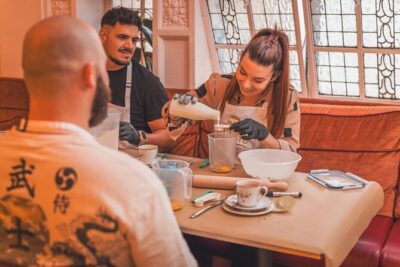
London: Traditional English Scone Making and Tea Workshop
Read our review →
Marrakech: Moroccan Pastries and Tea Class with a Local
Read our review →
Moroccan Hands on traditional pastries & Tea class in Marrakech
Read our review →
Istanbul: World Teas & Turkish Tea Brewing, Tasting Workshop
Read our review →
Experience Chengdu: Private Tea-Making Day Tour of Mengdingshan Tea Plantation
Read our review →
Taipei Fresh Market Tour and Colorful Bubble Tea Making
Read our review →Browse the lists this tea experience appears in