
Review · OSAKA
Nara Deer Park, Uji Matcha, & Hot Spring Full-Day Tour from Osaka
Nara’s free-roaming deer are the star of this day out, but the real appeal is the unusual combination of Todaiji’s giant Buddha, Uji matcha, and a Japanese hot spring in one trip from Osaka. It gives you three very different sides of the Kansai region without making you arrange several train connections.
I like the chance to taste Uji’s green-tea specialties after seeing the deer, and I like ending the day with a soak at Genji-no-Yu rather than another crowded sightseeing stop. The main drawback is the pace: Nara time is limited, and the guide may provide only basic commentary if the group is small and the guide also drives.
Key points to know before booking
- Feed deer at Nara Park: Bring small cash for deer crackers and keep your hands moving once the crackers are gone, since some deer can be persistent.
- See Todaiji’s Great Buddha: The temple admission is not included, and the stop allows about 40 minutes.
- Explore Uji Matcha Street: You have about 90 minutes for matcha ice cream, cakes, noodles, tea shops, and lunch.
- Finish at Genji-no-Yu: The natural hot spring costs extra, tattoos are generally not accepted, and bathing is without clothing.
- Expect a shared group outing: Vehicle size can range from 10 to 45 seats, with a maximum of 40 participants.
- Meet early in Nipponbashi: Look for the yellow Gogoday flag and arrive 15 minutes before departure.
Why this Nara and Uji combination works
Many day trips from Osaka focus on one major sight and a lot of transport. This one packs together wildlife, Buddhist art, tea culture, and bathing. That variety is its strongest feature.
You leave central Osaka in the morning and return to the same meeting point after roughly nine hours. The tour includes round-trip transport in an air-conditioned vehicle, which matters because Nara Park, Todaiji Temple, Uji, and the hot spring are not all clustered together.
The price is listed at $49.84 per person. For that amount, you receive transport, pickup at the designated Osaka meeting point, and a guide who may speak English, Japanese, and Traditional Chinese. You still pay for lunch, the $5 Todaiji admission, and the $9 hot spring entry, so budget roughly $15 more for the required paid stops, plus food, drinks, deer crackers, and matcha treats.
That remains a reasonable price for a full day outside Osaka, particularly if you value not having to plan the route yourself. It is less compelling if you want long, detailed explanations at each site or plenty of time for independent wandering.
More Matcha Experiences in Osaka
- Matcha Making Class in Osaka with Authentic Japanese Sweets Set
★ 5.0 · 509 reviews - Osaka: Matcha Making Experience with Japanese Sweets
★ 5.0 · 146 reviews - Osaka Temple Cool Foot Bath & Matcha Experience〈45min〉
★ 4.9 · 82 reviews
Starting in Nipponbashi at 8:30
The stated start time is 8:30 am, with the meeting point at 1-chōme-3-6 Nipponbashi in Osaka’s Chuo Ward. The detailed meeting instruction points to Nipponbashi Exit 2 in the Namba and Shinsaibashi area at about 8:40 am, so check the final instructions carefully and arrive early.
Look for the guide holding a yellow Gogoday flag. The practical rule is simple: arrive 15 minutes ahead. There are no refunds for late arrivals or no-shows, and the vehicle will not wait indefinitely.
The ride is shared with people from different countries. The guide may give explanations in more than one language, and this can affect how much English commentary you hear. Some guides, including Etta, Leo, Joe, and Yao, have been praised for being lively, helpful, and good at giving practical tips. Other experiences have been less satisfying, especially when English explanations were brief or difficult to follow.
That variation is worth understanding before you book. This is best treated as a guided transfer with useful orientation, not as a private walking tour with nonstop historical commentary.
Nara Park and the deer
Nara Park gives you the most immediately memorable part of the day. Deer roam freely around the park, and you can buy special crackers to feed them. The animals are used to people, but do not mistake that familiarity for complete gentleness. Some may bow, nudge, follow, or become rather determined once they spot food.
Feed one cracker at a time. Keep the crackers hidden until you are ready, and show empty hands when you have finished. This small bit of preparation makes the encounter easier and helps you avoid being chased by an enthusiastic deer.
The tour allows about 90 minutes at Nara Park. That sounds generous, but the area is large and the route to the temple takes time. You may need to choose between lingering with the deer, taking photos, walking through the grounds, and reaching Todaiji on schedule.
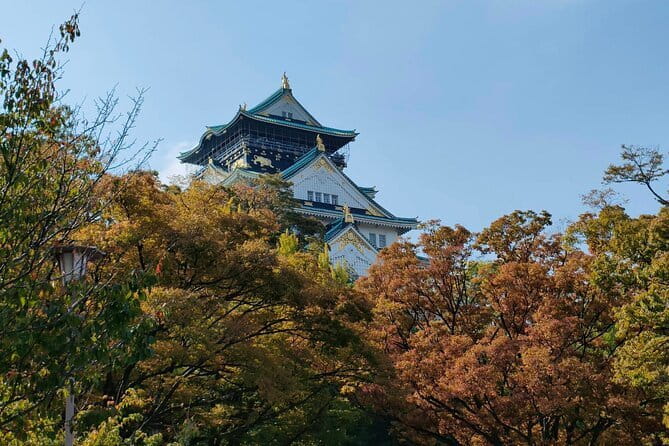
Autumn foliage adds seasonal appeal, although the tour is not limited to autumn. Nara’s open park setting gives you a welcome break from Osaka’s dense streets, and the deer make this stop feel very different from a standard temple visit.
One important point: the tour information says Nara Park admission is free, but food and small purchases are your responsibility. Bring cash because some shops and attractions may not accept cards.
Todaiji Temple and the Great Buddha
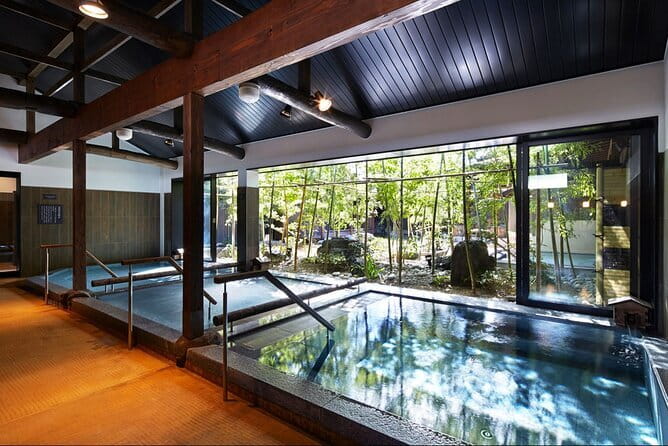
Todaiji is the day’s major cultural stop. This UNESCO World Heritage site is one of Japan’s best-known Buddhist temple complexes, and its Great Buddha statue provides the visual centerpiece.
The tour allows about 40 minutes here. The admission fee is not included and costs $5 per person. Bring cash to keep the entry simple, especially since the tour advises carrying money for places that may not accept credit cards.
Forty minutes is enough to enter, see the main hall and statue, and take in the scale of the complex. It is not enough for a slow examination of every building or a long walk through the grounds. If you are especially interested in Buddhist architecture, you may wish for more time.
Your guide’s role here can vary. Some guides offer historical context and help with navigation. Others provide a short explanation before setting a return time. Pay close attention to where and when you must meet the group, since the day continues to Uji and then the hot spring.
I would treat Todaiji as a focused introduction rather than a full temple study. You get the most from it by heading directly to the main hall, taking a moment to appreciate the Great Buddha, and saving time for the surrounding details only after you have confirmed the meeting point.
Same leaf, a different ritual:
- Osaka: Tea Ceremony Experience
★ 4.9 · 1,426 reviews - Tea Ceremony Experience in Osaka Doutonbori
★ 5.0 · 754 reviews - Osaka: Tea Ceremony, Calligraphy, and Kimono Experience
★ 4.9 · 130 reviews - Osaka: Japanese Traditional Sweets Making and Tea Ceremony
★ 4.7 · 118 reviews
Lunch and Uji Matcha Street
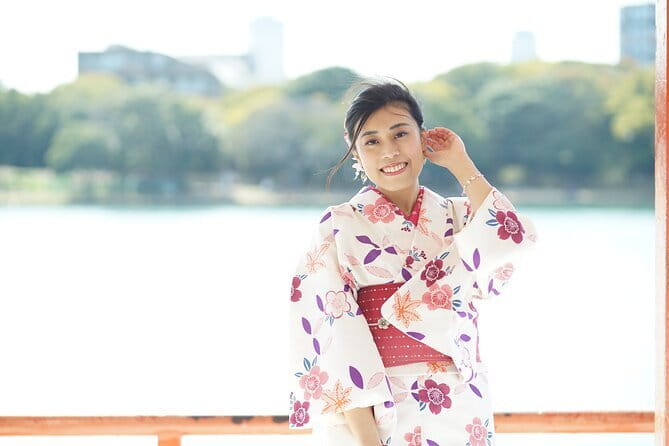
Lunch is not included, so Uji is both a sightseeing stop and your chance to buy a meal. The tour allows about 90 minutes in Uji, where the famous matcha street is lined with tea shops and food options.
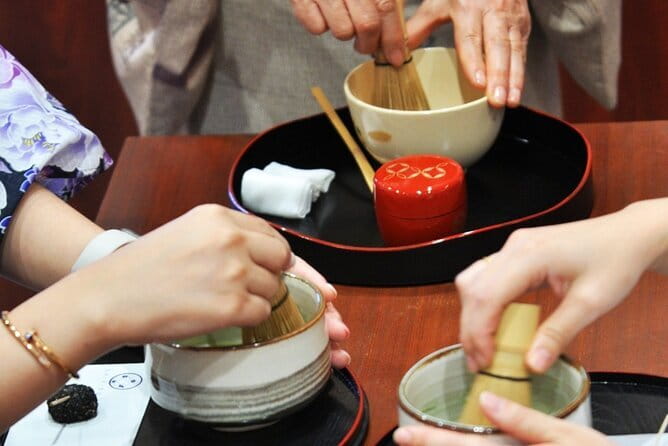
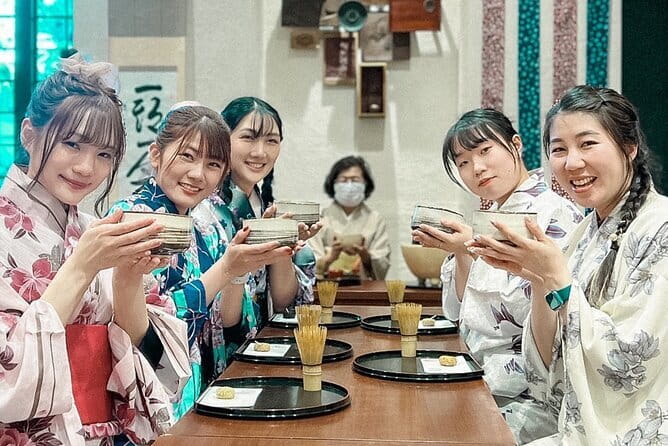
Uji is known here through its green tea. You can look for matcha ice cream, matcha cakes, tea drinks, and even soba noodles made with matcha. The variety gives you room to keep lunch simple or make the stop a tasting session.
The guide may point out established matcha shops and suggest places to try. Still, you choose and pay for your own food. Bring cash, since the tour specifically warns that some shops may not accept credit cards.
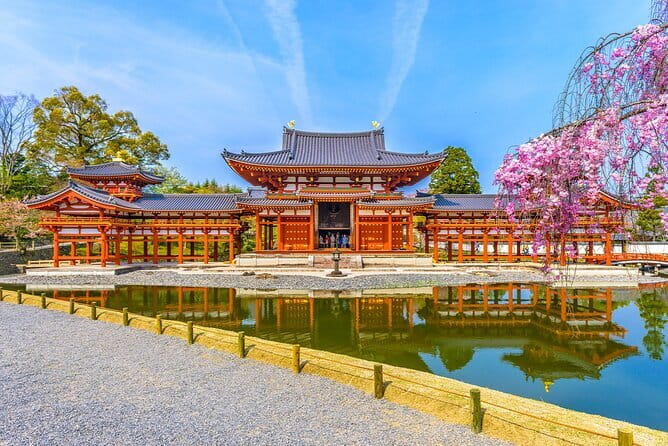
The 90-minute window goes quickly. If you want lunch, matcha sweets, and a proper visit to Byodo-in Temple, decide what matters most before you start walking. It is easy to spend too much time browsing the shops and then hurry through the temple.
I like this part of the route because it adds a local food angle to a day otherwise centered on monuments. Matcha is not just a souvenir here. It appears in snacks, drinks, noodles, and desserts, so you can compare flavors and textures rather than simply buying tea.
Byodo-in Temple and the Phoenix Hall
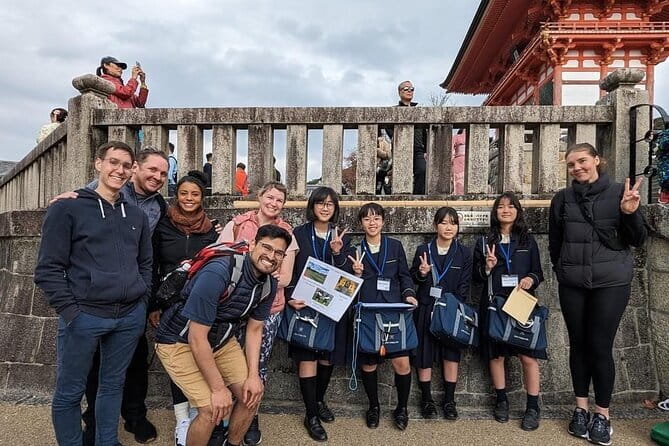
Byodo-in Temple is a UNESCO World Heritage site and one of Uji’s most recognizable places. Its setting gives the Uji stop a quieter, more refined feel after the lively deer park and the food stalls of Matcha Street.
Admission to the temple is not clearly included in the tour price, so carry cash and confirm the current entry arrangements with your guide. The supplied information specifically lists the $5 charge for Todaiji and the $9 charge for the hot spring, but it does not give a separate Byodo-in admission amount.
The main temple grounds are part of the Uji visit, but the indoor viewing of the Phoenix Hall may require separate planning or an additional ticket. If seeing the interior is important to you, ask early about availability rather than assuming it is part of the standard group stop.
The allotted Uji time is enough for a useful visit, but the schedule is not leisurely. You need to track the meeting time while moving between the street, temple, and transport point. This is one reason the tour suits first-time visitors who want an overview more than repeat visitors who want to study every corner.
Genji-no-Yu and the final hot spring
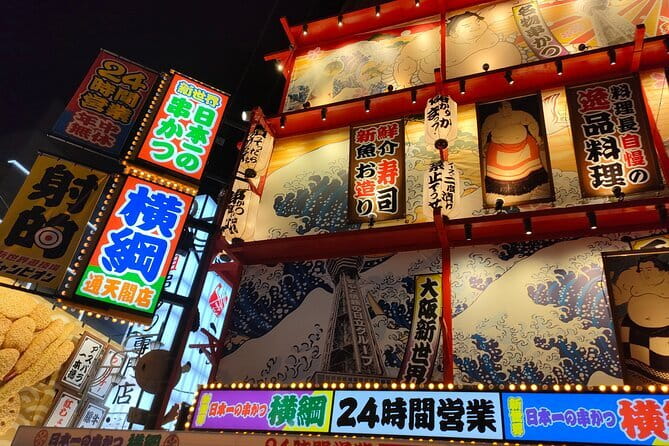
The day ends at Genji-no-Yu, described as Uji’s only natural hot spring, with water rising from 1,111 meters underground. The traditional Japanese architecture and quiet setting offer a good change of pace after a full day of walking.
Entry costs $9 per person and is not included. You have about one hour, which is enough for a straightforward bath but not a long spa visit. The onsen shuttle bus runs on a fixed schedule, so delays earlier in the day can reduce the time available or make the shuttle difficult to catch.
Japanese hot spring etiquette is important. Bathing is done without clothing, and you wash before entering the communal water. The tour information also warns that people with tattoos are not permitted in most Japanese hot springs. If you have tattoos, confirm the facility’s current policy before booking rather than relying on the general tour description.
Bring cash for the admission, and keep your expectations practical. This is a one-hour finish to a packed excursion, not an entire afternoon at a resort. Still, the bath can be exactly what tired legs need after Nara and Uji.
Guide quality and the shared-tour tradeoff
The guide can shape this experience more than any individual stop. Etta is described as funny, informative, and especially helpful with deer-feeding advice. Leo has been praised for navigation and suggestions for other places in Japan. Joe is noted for keeping the day lively, while Yao is described as friendly and strong on Nara’s history.
At the same time, the multilingual format can limit English commentary. Some departures may spend longer on Chinese explanations, followed by shorter English versions. If you need detailed narration at every sight, this may frustrate you.
Group size also affects the experience. The vehicle can hold between 10 and 45 people, with a maximum of 40 participants. If fewer than 13 people join, the guide may also drive. In that case, expect basic explanations rather than a full talk while traveling.
The tradeoff is price. A shared vehicle keeps the tour affordable, but you give up the flexibility and personal attention of a private guide. Be ready to walk independently once you are dropped near a sight, listen carefully to return instructions, and manage your own food and entrance fees.
Who should book this day trip
I would recommend it to you if you have limited time in Osaka and want to cover Nara and Uji in one day. It suits first-time visitors, couples, families with older children, and anyone who likes mixing famous sights with food and a bath.
It is also useful if transport planning is not your favorite part of Japan travel. The included vehicle removes the need to coordinate several train rides and local connections.
I would hesitate if you want a slow cultural visit, extensive English history talks, or a flexible schedule. The day is tightly timed, Nara can feel short, and the guide’s commentary varies. You should also reconsider the final stop if you are not comfortable with communal bathing or if the tattoo policy is a problem.
Book at least 24 hours before the start time if you want the option of a full refund. Changes or cancellations inside that window are not accepted for a refund.
Should you book the Nara, Uji, and hot spring tour?
Book it if you want maximum variety for about $50, and you are comfortable paying extra for lunch, Todaiji, the hot spring, and small purchases. The deer, Great Buddha, matcha street, Byodo-in, and Genji-no-Yu create a memorable mix that would be difficult to arrange as cheaply and easily in one day.
Skip it if you want a deeply guided temple tour or ample free time. This is a brisk shared excursion with practical transportation and several strong stops, not a private lesson in Japanese history.
For the best day, arrive early, carry cash, wear comfortable walking shoes, bring a plan for lunch, and listen closely to the meeting times. If you get a guide such as Etta, Leo, Joe, or Yao, the day may feel especially warm and informative. Either way, the sights themselves make this a solid choice for a first look at Nara and Uji from Osaka.
FAQ
Where does the tour begin?
The tour begins at 1-chōme-3-6 Nipponbashi, Chuo Ward, Osaka, near Nipponbashi Exit 2 in the Namba and Shinsaibashi area. The stated start time is 8:30 am. Look for the guide holding a yellow Gogoday flag.
How long does the tour last?
The tour lasts approximately nine hours and ends back at the original meeting point in Osaka.
Is lunch included?
No. Lunch is not included, so you pay for your own meal in Uji. The tour also recommends bringing cash because some shops may not accept credit cards.
Are the Todaiji and hot spring admission fees included?
No. Todaiji admission costs $5 per person, and Genji-no-Yu hot spring admission costs $9 per person. These fees are paid separately.
Can I feed the deer at Nara Park?
Yes. Nara Park is home to free-roaming deer, and you can buy food for them. Be cautious because some deer may be playful or persistent.
Is the hot spring suitable for people with tattoos?
The tour information says people with tattoos are not permitted in most Japanese hot springs. Confirm the current policy with Genji-no-Yu before booking if this applies to you.
What happens if I need to cancel?
You can cancel for a full refund if you do so at least 24 hours before the experience’s start time. Cancellations or changes made less than 24 hours before the start time are not refunded or accepted.
More Full Days Among the Tea around Osaka
- Hampton Court Guided Tour. Full day Access & High Tea
★ 5.0 · 270 reviews - Mt. Fuji & Lake Kawaguchiko Ropeway Panorama Full-Day Tour
★ 4.6 · 236 reviews - Tokyo: Full-Day Tour w/Tea Experience,Buffet Lunch & Cruise
★ 4.9 · 151 reviews - From Colombo: Kandy, Pinnawala and Tea Factory Full-Day Trip
★ 4.4 · 99 reviews
Newly steeped around Osaka
- Osaka:Zen Tea Ceremony and Foot Bath Experience<45min>★ 5.0 · 7 reviews
- Osaka Japanese Cooking And Matcha Class near Osaka Castle★ 5.0 · 22 reviews
- Osaka: Tea Ceremony, Calligraphy, and Kimono Experience★ 5.0 · 6 reviews
- Tea and Calligraphy Session at a Table in Osaka★ 5.0 · 4 reviews
- Osaka: Nara, Todaiji, Uji Matcha, and Hot Spring Tour★ 4.0 · 7 reviews
- Craft Sushi and Matcha Ice Cream in Central Osaka (3-Course Meal)★ 5.0 · 2 reviews
- ZEN therapy | Shiatsu-style massage, EnergyTherapy & Japanese Tea★ 5.0 · 5 reviews
- Discover Japanese Tea Blending Techniques in Osaka★ 5.0 · 19 reviews
Matcha Experiences, compared.
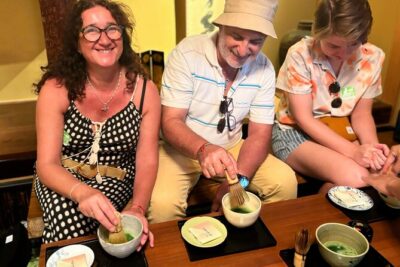
World Heritage Kyoto & Nara Uji Authentic Matcha Experience
Read our review →
Matcha Making Class in Tokyo with Authentic Japanese Sweets Set
Read our review →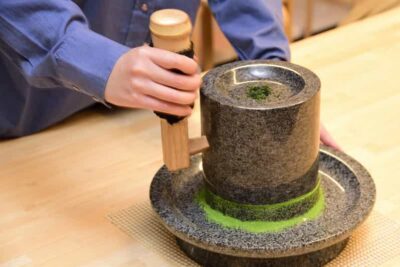
Kyoto: Tea Museum Tickets and Matcha Grinding Experience
Read our review →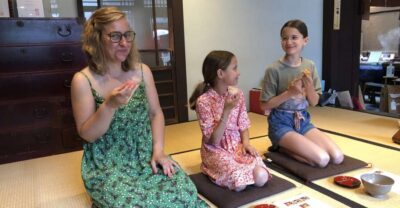
Kyoto: Tea Ceremony Meditation – Make Matcha with Tea Master
Read our review →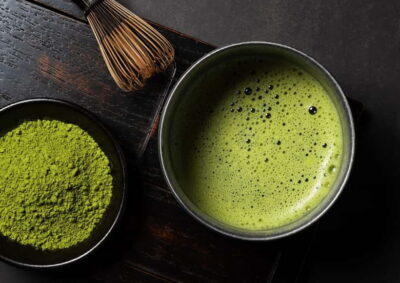
Tokyo: Matcha Making Experience with Mochi Sweets in Asakusa
Read our review →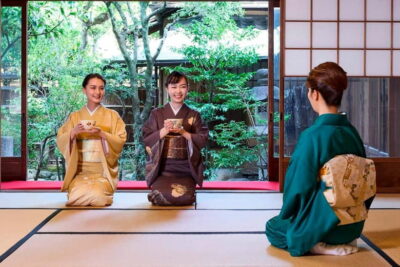
Kyoto: Kimono Tea Ceremony with Matcha and Sweet
Read our review →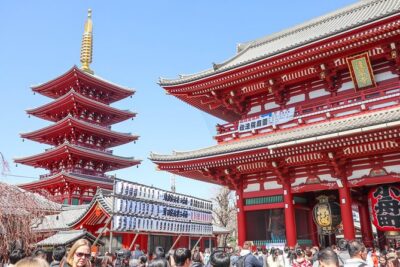
Browse the lists this tea experience appears in