
Review · OSAKA
Craft Sushi and Matcha Ice Cream in Central Osaka (3-Course Meal)
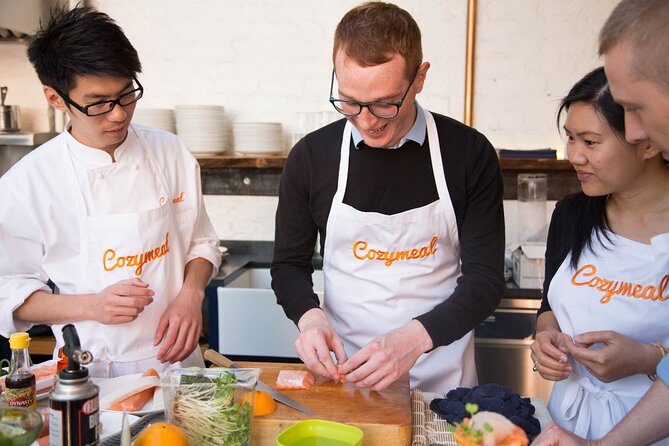
Osaka’s food culture makes the most sense when you get your hands busy. This small cooking class takes you from shaving dried bonito for miso soup to shaping nigiri, rolling futomaki and hosomaki, and finishing with matcha ice cream. The chef’s patient teaching is a major draw, especially if sushi-making feels intimidating.
I like the six-person maximum, which gives the class a personal feel rather than turning it into a production line. I also like the full meal: you are not only rolling sushi, but making a broth-based starter and a proper dessert. The main consideration is the meeting point in Yoshita, Higashiosaka, so check your route carefully instead of assuming the class is near Osaka’s best-known downtown districts.
Key points
- A complete three-course meal: Make miso soup, several sushi styles, and matcha ice cream.
- Real Japanese techniques: Shave katsuobushi, prepare sushi rice, roll maki, and shape nigiri.
- Small class size: The maximum is six people, allowing closer help from the chef.
- Hands-on from start to finish: You prepare the food rather than simply watching a demonstration.
- BYOB format: Bring wine or beer if you would like a drink with the meal.
- Dietary requests are possible: Contact the provider in advance so the menu can be adjusted where practical.
Why this Osaka cooking class works
Osaka has long been known for its food culture, and this class gives you a useful way to understand that reputation. Instead of simply eating sushi at a counter, you learn how several parts of the meal fit together.
The class lasts about three hours and covers a generous menu. You begin with miso soup, move into three different sushi forms, and finish with matcha ice cream. That range matters. A short sushi lesson might teach you one roll and send you home, but this class introduces soup, rice, raw fish, seaweed, vegetables, and dessert in one sitting.
I especially like the balance between familiar and less familiar tasks. Rolling avocado and cucumber into maki may feel approachable. Shaving dried bonito for the broth gives you a more traditional step that you may not encounter in an ordinary restaurant meal.
The small group is another strong point. With no more than six people, you should have a better chance to ask questions, correct your technique, and work at a comfortable pace. The chef can focus on individual problems, such as loose sushi rolls or rice that is difficult to handle.
There is no chef name provided in the booking information, so you should not choose this class expecting a particular named instructor. What is clear is the teaching style: patient, practical, and focused on helping you complete each dish without making the process feel difficult.
More Matcha Experiences in Osaka
- Matcha Making Class in Osaka with Authentic Japanese Sweets Set
★ 5.0 · 509 reviews - Osaka: Matcha Making Experience with Japanese Sweets
★ 5.0 · 146 reviews - Osaka Temple Cool Foot Bath & Matcha Experience〈45min〉
★ 4.9 · 82 reviews
Meeting at Yoshita in Higashiosaka
The class begins at Yoshita, Higashiosaka, Osaka 578-0924, and finishes at the same meeting point. That detail deserves attention because the experience is described as being in the heart of Osaka, while the supplied address is in Higashiosaka.
Before booking, check the address against your hotel and daily plans. Do not assume that a class described as an Osaka experience will begin beside Dotonbori, Osaka Station, or another central sightseeing area. The exact travel time is not provided, so you should allow enough room to reach Yoshita without cutting it close.
The fixed start and end point can still work well for your itinerary. You can plan the class as a dedicated food activity rather than worrying about a changing drop-off point. It is also useful that the experience ends where it begins, especially if you are carrying ingredients, leftovers, or personal belongings.
A mobile ticket is included, and confirmation is provided at booking. Keep the meeting details easy to reach on your phone, particularly if you are navigating unfamiliar neighborhoods.
Starting with miso soup and freshly shaved bonito
The first course is miso soup made with miso paste, tofu, and Japanese broth prepared from shaved katsuobushi, or dried bonito. This is more than a warm opening dish. It introduces one of the basic ideas of Japanese cooking: a few carefully prepared ingredients can create a clean, savory flavor.
The bonito step is one of the more distinctive parts of the class. You do not simply pour stock from a packet. You learn how the dried fish contributes to the broth and how it supports the miso and tofu.
For you, this may be the most educational part of the meal because the process is easy to overlook when you order soup in a restaurant. The class connects the finished bowl to the ingredient behind it.
The soup also gives the group a calm beginning before the more exact sushi work. You can get used to the kitchen, meet the chef, and settle into the rhythm of the lesson. The preparation is described as approachable, with the chef guiding you through each step.
Making three kinds of sushi
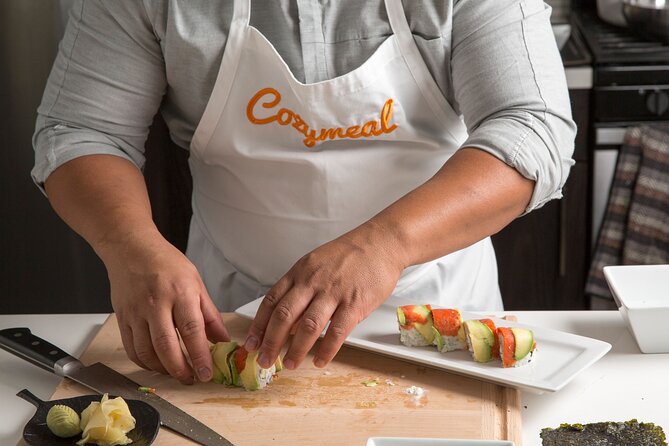
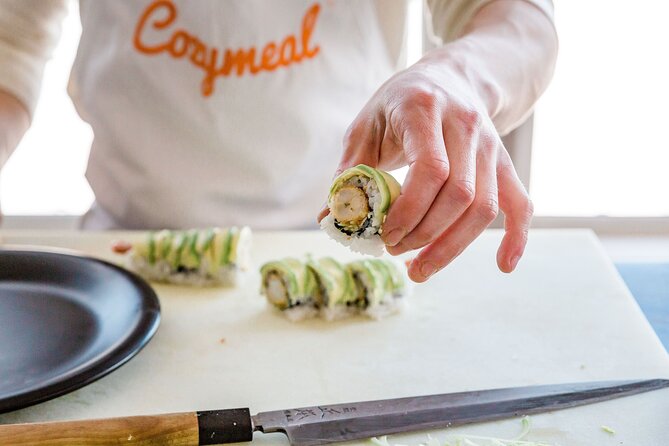
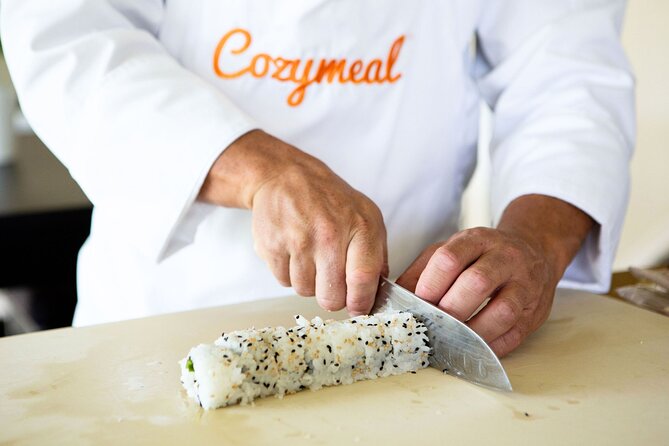
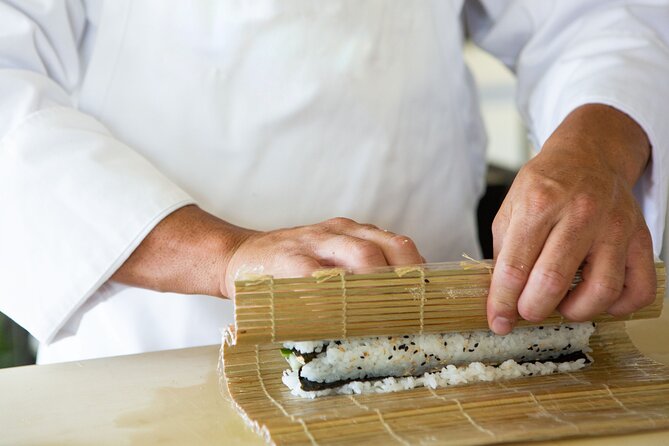
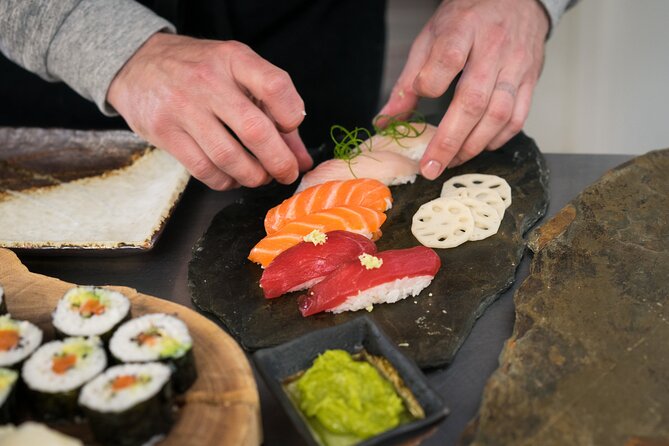
The central part of the class is the sushi course. You work with Japanese rice, nori, avocado, cucumber, and fresh fish to make futomaki, hosomaki, and nigiri.
Each form teaches a different skill. Futomaki is the larger roll, with more filling and a broader shape. Hosomaki is slimmer and requires better control of the amount of rice and filling. Nigiri removes the seaweed wrap and puts more attention on shaping the rice and placing the fish.
This variety makes the lesson useful for different levels of experience. If you have never made sushi, you get a clear introduction to rolling, filling, and shaping. If you have tried making maki at home, the three formats give you a chance to improve your consistency.
The ingredients are also practical rather than overly elaborate. Avocado and cucumber are familiar, while fresh fish and nori provide the essential sushi character. Japanese rice is particularly important because its texture helps the rolls hold together. The class lets you see how much the rice matters, rather than treating it as a minor side ingredient.
You should expect hands-on work, not a cooking demonstration where the chef prepares everything while you watch. That means you may produce a roll that is not perfectly shaped. That is part of the value. The chef’s role is to show you how to handle the ingredients and help you fix problems as they appear.
Sushi-making can seem simple until you try to spread rice evenly or keep a roll firm. A small class gives you a better chance of receiving help before frustration sets in. The teaching has been described as patient and reassuring, which suits a technique that can feel fiddly at first.
Same leaf, a different ritual:
- Osaka: Tea Ceremony Experience
★ 4.9 · 1,426 reviews - Tea Ceremony Experience in Osaka Doutonbori
★ 5.0 · 754 reviews - Osaka: Tea Ceremony, Calligraphy, and Kimono Experience
★ 4.9 · 130 reviews - Osaka: Japanese Traditional Sweets Making and Tea Ceremony
★ 4.7 · 118 reviews
Matcha ice cream brings the meal to a close
Dessert is creamy matcha ice cream made with matcha powder. It gives the class a different kind of food lesson because matcha has a distinct bitter, grassy flavor that needs to be balanced carefully.
The dessert also keeps the menu from becoming an all-sushi event. You learn that a Japanese meal can move from savory broth to raw fish and rice, then finish with a cool tea-based sweet.
Matcha is not universally loved, so this course may be a better fit if you already enjoy green tea flavors or want to try something less familiar. The experience description does not specify the ice cream equipment, chilling time, or exact recipe, so you should not expect a detailed pastry workshop. The focus is the full three-course meal and the chance to make the dessert yourself.
Still, ending with matcha ice cream gives the class a pleasant change of pace. After the concentration needed for sushi, dessert should feel more relaxed and social.
What the three-hour schedule means
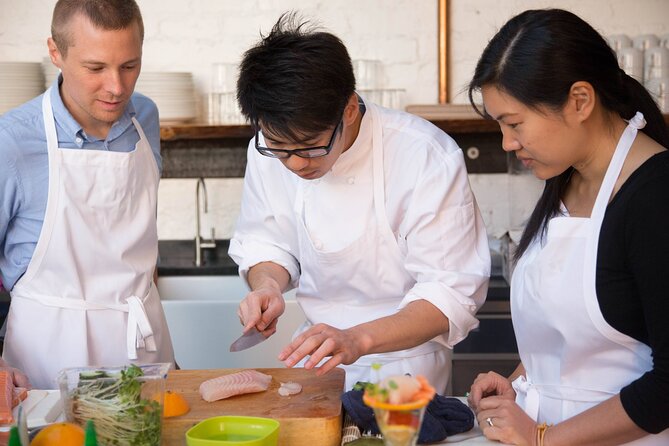
Three hours is long enough to learn several techniques without turning the class into a full-day commitment. You will need time for instruction, preparation, cooking, and eating, so the session is not simply three hours of continuous knife work.
The pace should suit you if you want to understand the method rather than rush through a single recipe. The menu has several components, and the small group allows the chef to guide the process in stages.
It is also a useful activity on a rainy day or when you want a break from sightseeing. You leave with more than a meal. You gain a better sense of how miso soup, sushi rice, nori, bonito, fresh fish, and matcha fit into Japanese food culture.
The class may be less suitable if you want a quick, polished tasting with no participation. You will be expected to work. That is the point, but it does require attention and willingness to follow instructions.
Price and what you receive for $104.72
At $104.72 per person, this is not the cheapest meal in Osaka. You are paying for instruction, the ingredients, the cooking space, and a three-hour hosted experience rather than only the food on the plate.
The value is strongest if you would otherwise book both a sushi meal and a separate cooking lesson. Here, the price includes a full three-course menu, hands-on teaching, and several techniques in one session. The small group also matters because a six-person limit usually allows more contact with the chef than a large workshop.
The price may feel high if your main goal is simply to eat sushi. Osaka offers many places where you can order sushi without spending this much or committing three hours. This class earns its price through participation and context, not quantity alone.
I would see it as a good use of money for food-focused visitors, couples, families, or small groups who want an activity they can talk about afterward. It is less compelling for someone who already has extensive sushi-making experience and wants an advanced course, since the exact level of instruction is not specified.
Dietary needs, drinks, and practical details
Dietary requests can be accommodated when you contact the provider in advance. The wording is flexible rather than a promise of every possible substitution, so explain your needs before the class and wait for confirmation.
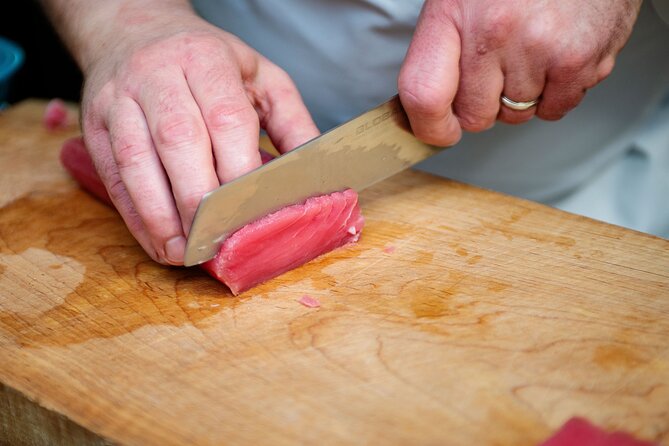
The listed ingredients include raw fish, tofu, miso, nori, avocado, cucumber, Japanese rice, and matcha powder. If you have allergies or avoid raw fish, do not wait until the class begins to ask for changes.
The event is BYOB. You may bring wine or beer to enjoy during the class, but alcohol is not included. This can make the meal feel more relaxed, though you should still keep the cooking tasks in mind.
Service animals are allowed. Confirmation arrives at the time of booking, and the activity uses a mobile ticket. The cancellation policy allows a full refund if you cancel at least 24 hours before the local start time. Changes or cancellations inside that window are not accepted for a refund. The class also requires a minimum number of participants, so if the provider cancels because that minimum is not met, you are offered another date or experience, or a full refund.
Who should book this class
I would recommend it to you if food is one of the main reasons you are visiting Osaka. It gives you a closer look at ingredients and methods that can disappear behind a restaurant counter.
It is also a good choice for a first cooking class in Japan because the menu moves from simple soup to more technical sushi, then to a sweet finish. The chef’s patient approach should help beginners stay comfortable.
Small groups, couples, and families with an interest in food are likely to get the most from it. The six-person limit keeps the setting personal, and the three-course format gives everyone several tasks to share.
You may want to skip it if you are short on time, staying far from Higashiosaka, or looking only for a quick meal. You should also think twice if raw fish is a concern and you have not arranged a suitable alternative in advance.
Should you book Craft Sushi and Matcha Ice Cream?
Book this class if you want to do more than eat Osaka food. The strongest features are the small group, patient instruction, fresh fish, bonito-based miso soup, three sushi styles, and homemade matcha ice cream.
Before paying, confirm the Yoshita meeting point and ask about any dietary changes you need. If the location works for your schedule, the $104.72 price is reasonable for a three-hour lesson and full meal. If you mainly want restaurant sushi, spend the money on dinner instead. If you want a practical food memory you can carry home, this class makes the better choice.
FAQ
How long does the cooking class last?
The class lasts approximately three hours.
Where does the class begin?
It begins at Yoshita, Higashiosaka, Osaka 578-0924, Japan.
Where does the class end?
The activity ends back at the meeting point.
How many people can join the class?
The maximum group size is six participants.
What food will I make?
You will make miso soup with tofu and katsuobushi broth, sushi including futomaki, hosomaki, and nigiri, and matcha ice cream.
Is alcohol included?
No. This is a BYOB activity, so you may bring wine or beer to enjoy during the class.
Can dietary needs be accommodated?
The class is designed to accommodate various dietary needs. Contact the provider in advance so they can try to adjust the experience.
Is a mobile ticket available?
Yes. The experience includes a mobile ticket, and confirmation is provided at the time of booking.
What is the cancellation policy?
You can cancel at least 24 hours before the local start time for a full refund. Cancellations or changes made less than 24 hours before the start are not accepted for a refund.
Newly steeped around Osaka
- Osaka:Zen Tea Ceremony and Foot Bath Experience<45min>★ 5.0 · 7 reviews
- Osaka Japanese Cooking And Matcha Class near Osaka Castle★ 5.0 · 22 reviews
- Nara Deer Park, Uji Matcha, & Hot Spring Full-Day Tour from Osaka★ 4.0 · 21 reviews
- Osaka: Tea Ceremony, Calligraphy, and Kimono Experience★ 5.0 · 6 reviews
- Tea and Calligraphy Session at a Table in Osaka★ 5.0 · 4 reviews
- Osaka: Nara, Todaiji, Uji Matcha, and Hot Spring Tour★ 4.0 · 7 reviews
- ZEN therapy | Shiatsu-style massage, EnergyTherapy & Japanese Tea★ 5.0 · 5 reviews
- Discover Japanese Tea Blending Techniques in Osaka★ 5.0 · 19 reviews
Matcha Experiences, compared.
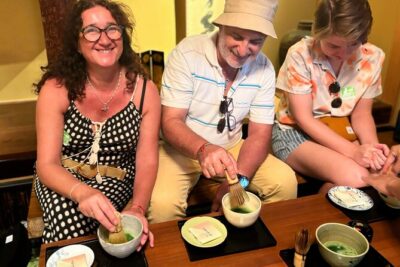
World Heritage Kyoto & Nara Uji Authentic Matcha Experience
Read our review →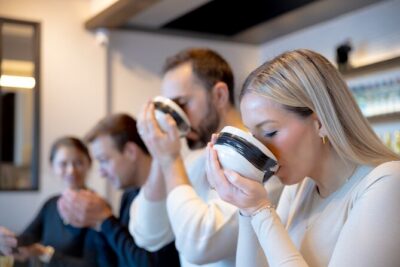
Matcha Making Class in Tokyo with Authentic Japanese Sweets Set
Read our review →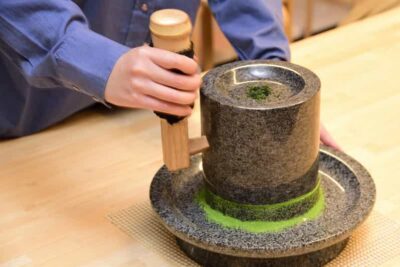
Kyoto: Tea Museum Tickets and Matcha Grinding Experience
Read our review →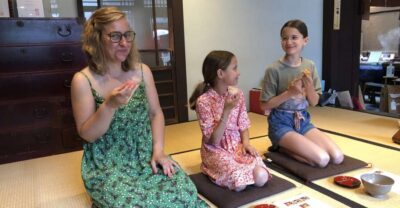
Kyoto: Tea Ceremony Meditation – Make Matcha with Tea Master
Read our review →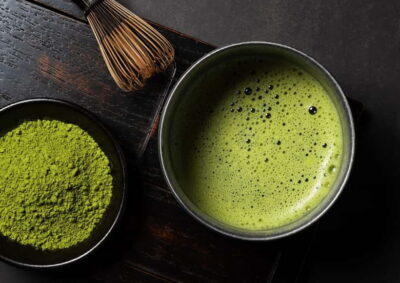
Tokyo: Matcha Making Experience with Mochi Sweets in Asakusa
Read our review →
Kyoto: Kimono Tea Ceremony with Matcha and Sweet
Read our review →
Browse the lists this tea experience appears in