
Review · OSAKA
Osaka Japanese Cooking And Matcha Class near Osaka Castle
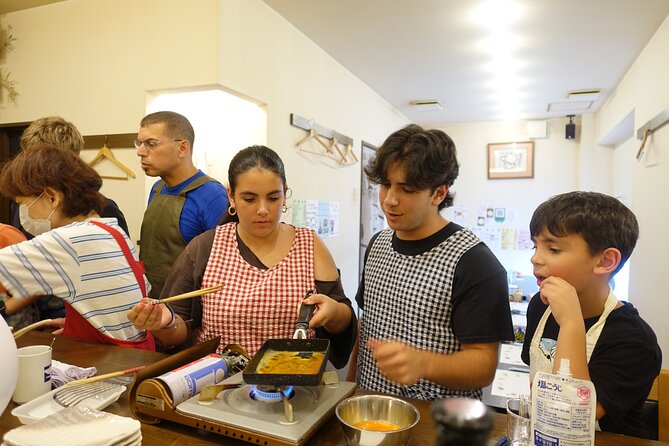
Osaka’s food culture makes more sense when you cook it yourself. In this small class near Osaka Castle, Ikuko and her son Takumi guide you through Japanese home cooking, okonomiyaki, or bento, then show you how to prepare matcha at home. You eat what you make, so this is both a lesson and a two-hour meal.
I like the small group size, capped at 10, because you have room to ask questions and get hands-on help. I also like the warm family feel created by Ikuko and Takumi, with Takumi helping when English explanations need extra support. The main consideration is that the class is fairly short, and the precise dishes depend on the option you choose.
Key points to know before booking
- Choose your Japanese meal: Pick home-cooked dishes, okonomiyaki, or bento.
- Learn matcha as well: The class includes instruction in making authentic matcha at home.
- Meet Ikuko and Takumi: Ikuko leads the cooking, while her son can help with translation.
- Add sake tasting: An upgrade lets you pair the meal with a tasting.
- Keep the evening simple: The listed start time is 5:30 pm, and the class lasts about two hours.
- Reach it by train: The location is one station from Osaka Castle Station by JR and seven minutes on foot from Morinomiya Station.
What this Osaka cooking class is really like
This is not a long restaurant-style dinner with a cooking demonstration on the side. You are there to prepare Japanese food yourself, with instruction from a local family. That difference matters. You leave with a better sense of how everyday Japanese dishes are put together, rather than simply eating another meal in Osaka.
The class combines three elements: cooking, eating, and matcha preparation. You choose one main food option from home-cooked dishes, okonomiyaki, or bento. The exact ingredients and steps can vary, but the aim is familiar Japanese food that you can try to recreate at home.
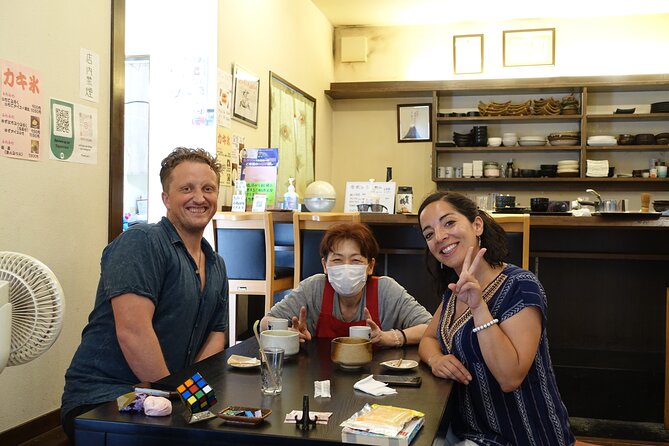
The experience takes place at a café, which gives you a pleasant place to wait before the lesson. You can arrive early enough to settle in with a coffee, although the supplied details do not give a separate recommended arrival time. The activity begins and ends at the same meeting point, so you do not need to arrange a second pickup location.
More Matcha Experiences in Osaka
- Matcha Making Class in Osaka with Authentic Japanese Sweets Set
★ 5.0 · 509 reviews - Osaka: Matcha Making Experience with Japanese Sweets
★ 5.0 · 146 reviews - Osaka Temple Cool Foot Bath & Matcha Experience〈45min〉
★ 4.9 · 82 reviews
Meeting Ikuko and Takumi near Osaka Castle
The personal side of this class is one of its strongest features. Ikuko is the main host, and her son Takumi helps with communication. English may be limited at times, but Takumi can assist with translation, and the cooking itself gives everyone something practical to focus on.
That family setup can make the lesson feel less formal than a large commercial food tour. You are not simply watching someone prepare a finished dish. You can ask questions, follow each step, and receive help as you work.
The setting is also useful for anyone who wants a local experience without traveling far across Osaka. The address is 3-chōme-8-2 Nakamichi in Higashinari Ward. It is described as one station from Osaka Castle Station on the JR line and about a seven-minute walk from Morinomiya Station.
If you are sightseeing around Osaka Castle, this makes an easy food activity before or after your visit. It is also accessible from Shinsaibashi and Namba, so you can fit it into a wider day in central Osaka. Still, check your route carefully before setting out, since the meeting point is not at the castle entrance itself.
Picking between home cooking, okonomiyaki, and bento
Your meal choice shapes the character of the class.
Home-cooked dishes are the best fit if you want everyday Japanese food rather than a famous street-food specialty. One example from the experience included salmon and dashiki rolled omelette, giving you a taste of the simple, careful cooking often associated with a Japanese home meal. This option may appeal most if you are interested in recipes you can adapt after returning home.
Okonomiyaki gives you a direct connection to Osaka’s food identity. The dish is commonly associated with Osaka and is often described as a savory pancake, though the class information does not specify the exact ingredients or preparation method used here. If you want a food that feels especially tied to the city, this is the natural pick.
Bento offers a different lesson in Japanese food presentation and meal planning. A bento is more than one dish, so this option can help you understand how several foods fit together in a compact meal. The class details do not list the exact bento contents, so ask the host what will be prepared if particular ingredients matter to you.
The important point is that you choose one option, not all three. If your booking includes a menu choice, select the dish that best matches your interests. If you need a specific menu, confirm it before arrival.
Cooking with a small group
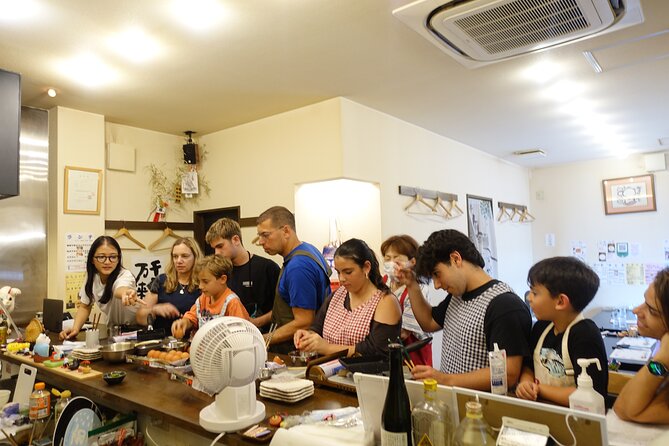
The maximum group size is 10 people. That is not a private lesson, but it is small enough to keep the session personal. You have a better chance of seeing each step clearly, asking for help, and getting feedback than you would in a large food workshop.
The reviews describe the class as especially suitable for families. Ikuko and Takumi are repeatedly praised for making people feel comfortable, and the family atmosphere seems to be a central part of the experience. That matters if you are nervous about cooking in front of strangers or unsure how much English will be used.
You should still keep your expectations realistic. This is a social class, not a technical culinary course. You will practice authentic Japanese cooking techniques, but you should not expect professional chef training or a long series of dishes in only two hours.
The limited time is both a strength and a constraint. It fits neatly into an Osaka sightseeing day, but it also means the cooking lesson must keep moving. Ask questions as you go rather than waiting until the very end.
Same leaf, a different ritual:
- Osaka: Tea Ceremony Experience
★ 4.9 · 1,426 reviews - Tea Ceremony Experience in Osaka Doutonbori
★ 5.0 · 754 reviews - Osaka: Tea Ceremony, Calligraphy, and Kimono Experience
★ 4.9 · 130 reviews - Osaka: Japanese Traditional Sweets Making and Tea Ceremony
★ 4.7 · 118 reviews
Learning matcha instead of only drinking it
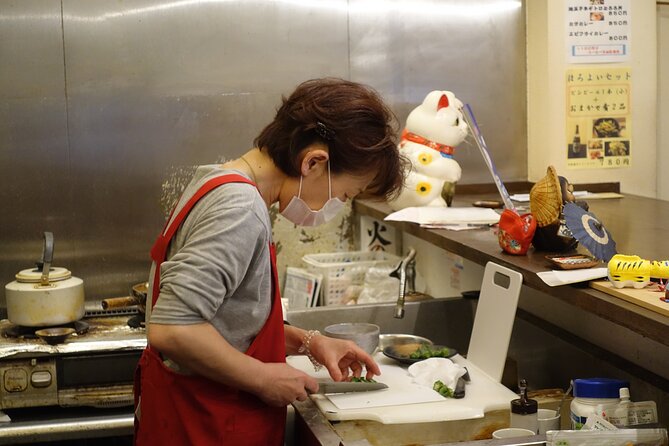
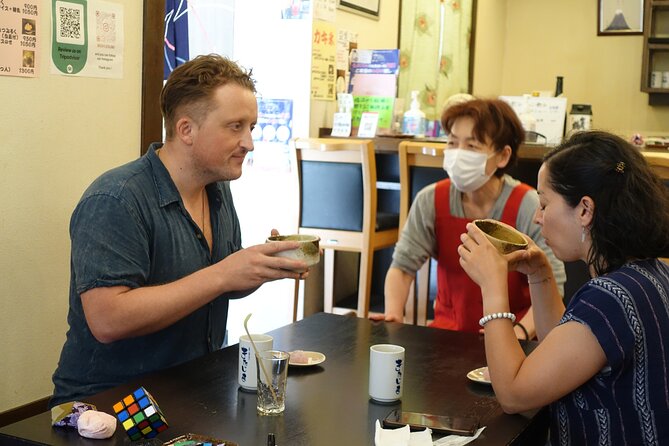
The matcha portion gives the class an extra layer. Many food activities let you taste matcha, but this one teaches you how to make authentic matcha at home. That makes the lesson more useful after your trip, especially if you already enjoy Japanese tea.
The available information does not specify the exact equipment, ceremony steps, or amount of hands-on practice. You should therefore think of this as a practical introduction rather than a full tea ceremony. The focus is on making matcha yourself alongside the cooking experience.
I like this pairing because it gives the class a natural change of pace. Cooking is active and meal-focused, while matcha offers a quieter cultural element. Together, they make the two-hour session feel broader than a standard cooking lesson.
Adding sake to the meal
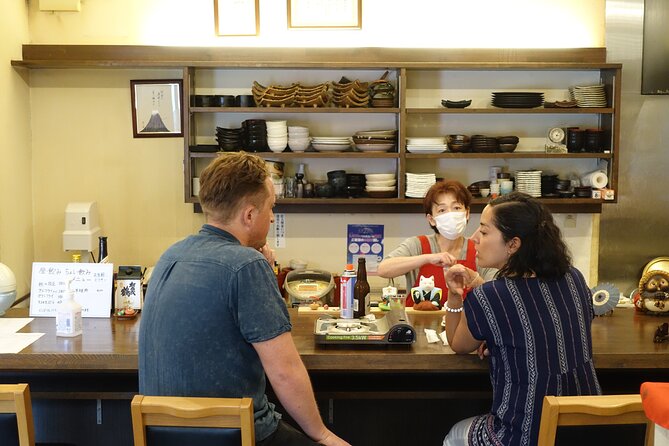
You can upgrade the experience to include a sake tasting. This is a useful option if you want to connect the food with a traditional Japanese drink, or if you prefer an evening activity with a small tasting component.
The information provided does not state how many sake samples are included, which varieties are served, or how much the upgrade costs. Treat it as an optional extra rather than the main reason to book. If you are interested in sake specifically, ask for those details before paying for the upgrade.
The cooking class itself remains the central activity. The sake addition may make the meal feel more complete, but the strongest reason to choose this experience is the chance to cook with Ikuko and Takumi in a small setting.
How the two-hour schedule fits your Osaka day
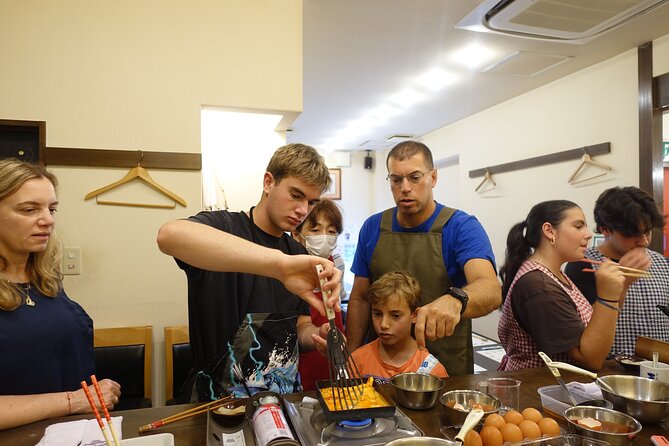
The listed start time is 5:30 pm, making this primarily an evening plan. The description also refers to lunch or dinner class options, so availability can vary. Check the date and time shown when you book rather than assuming every day offers both choices.
A 5:30 pm start works well after daytime sightseeing at Osaka Castle. You can visit the castle area first, travel to the class, and then enjoy the meal you prepare. It also works as a calmer alternative to searching for a restaurant during the evening rush.
The experience lasts about two hours and ends at the meeting point. Since no return transportation is included, you can continue to Namba, Shinsaibashi, or another Osaka neighborhood afterward. You can also make the class your main dinner plan, since the food is described as delicious and filling in the supplied feedback.
The café setting adds a small practical benefit. If you arrive before the class, you can relax with coffee rather than waiting outdoors. Do not assume the café time is part of the formal activity, though. The class itself is the two-hour cooking and matcha session.
Price, value, and what you receive
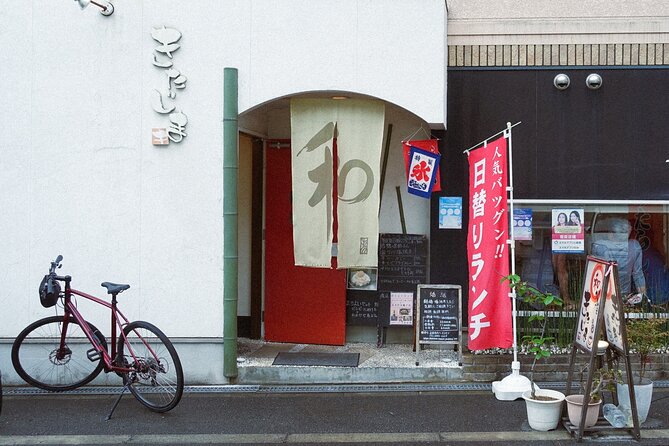
At $65.69 per person, this is not the cheapest way to eat in Osaka. You can find a quick okonomiyaki meal or a bowl of noodles for much less. The value comes from the instruction, the personal setting, the meal, the matcha lesson, and the chance to spend time with a local family.
For someone who only wants dinner, the price may feel high. For someone who wants a useful food activity and a cultural lesson in one booking, it is more reasonable. The small group limit helps support the price because you are paying for participation and guidance, not just a seat at a table.
The sake tasting upgrade changes the calculation. Since the extra cost and tasting details are not provided, compare the upgrade with your own interest in sake. If you mainly want to learn cooking, the standard option should be enough.
This class is booked about 14 days ahead on average, which suggests you should not leave it until the last minute if your schedule is tight. Confirmation is provided at booking, and the ticket is mobile, so you can keep the booking on your phone.
Who should book this experience
I would recommend this class to families, couples, solo visitors who enjoy small social activities, and anyone who wants more than a restaurant meal. It is especially useful if you want to learn recipes you may try at home, since the food is based on common Japanese and Osaka dishes.
It also suits visitors who like a personal host. Ikuko’s friendliness and Takumi’s translation help create a relaxed setting, but you should be comfortable with some communication through demonstration, gestures, and simple explanations.
The class may be less suitable if you need a fully detailed English lecture, a fixed menu with complete ingredient information, or advanced cooking instruction. The available details do not promise dietary adaptations, private participation, or a formal tea ceremony, so ask before booking if any of those are essential.
The 5:30 pm timing is another factor. It is convenient for an evening meal, but it may not work if you want to spend the whole night in Namba or if your Osaka schedule is already packed with fixed reservations.
Booking details and cancellation
You can cancel for a full refund up to 24 hours before the experience start time. Cancellations or changes made less than 24 hours before the start are not accepted for a refund, and cutoff times follow Osaka local time.
The activity is near public transportation and has a maximum of 10 people. It starts and finishes at 3-chōme-8-2 Nakamichi, Higashinari Ward, Osaka, 537-0025. Plan on reaching the area by train and walking from Morinomiya Station.
My verdict: a friendly food lesson with real local character
I would book this if I wanted a personal Osaka food experience rather than another meal at a busy restaurant. The strongest reasons are the small group, the chance to cook familiar Japanese food, the matcha lesson, and the warm partnership between Ikuko and Takumi.
Choose okonomiyaki if Osaka food is your priority, home cooking if you want practical recipes, and bento if presentation and a complete meal interest you most. Add sake only if that tasting is important to you.
The main limits are the short two-hour format, some uncertainty about the exact menu, and the possibility that English explanations may rely partly on Takumi and hands-on demonstration. For most people, those are manageable tradeoffs. If you value friendly hosts, food you can eat immediately, and skills you can take home, this class earns its place in an Osaka itinerary.
FAQ
Where does the Osaka cooking and matcha class meet?
The meeting point is 3-chōme-8-2 Nakamichi, Higashinari Ward, Osaka, 537-0025, Japan.
How long does the activity last?
The cooking and matcha experience lasts approximately two hours.
What time does the listed class start?
The listed start time is 5:30 pm.
Does the activity end at the same location?
Yes. The activity ends back at the meeting point.
How many people can join the class?
The maximum group size is 10 people.
Which dishes can I choose to prepare?
You can choose one option from home-cooked dishes, okonomiyaki, or bento.
Is matcha included in the experience?
Yes. The class includes instruction in how to make authentic matcha at home.
Can I add a sake tasting?
Yes. A sake tasting is available as an upgrade with the meal.
Who leads the cooking class?
Ikuko leads the experience, and her son Takumi helps with translation and communication.
How close is the class to public transportation?
The location is one station from Osaka Castle Station by JR and about a seven-minute walk from Morinomiya Station. It is also accessible from Shinsaibashi and Namba.
Can I cancel for a full refund?
Yes. You can cancel at least 24 hours before the start time for a full refund. Changes or cancellations made less than 24 hours before the start are not accepted for a refund.
More Cooking Classes with Tea around Osaka
- Osaka: Japanese Cooking Class with Matcha Experience
★ 5.0 · 4 reviews - Osaka Sushi Cooking Class
★ 5.0 · 3 reviews - Cultural Cooking Class Featuring Ramen Sushi and Tea Ceremony
★ 5.0 · 2 reviews - Osaka : Exclusive Tea Ceremony & Wagashi Cooking
★ 5.0 · 2 reviews
Newly steeped around Osaka
- Osaka:Zen Tea Ceremony and Foot Bath Experience<45min>★ 5.0 · 7 reviews
- Nara Deer Park, Uji Matcha, & Hot Spring Full-Day Tour from Osaka★ 4.0 · 21 reviews
- Osaka: Tea Ceremony, Calligraphy, and Kimono Experience★ 5.0 · 6 reviews
- Tea and Calligraphy Session at a Table in Osaka★ 5.0 · 4 reviews
- Osaka: Nara, Todaiji, Uji Matcha, and Hot Spring Tour★ 4.0 · 7 reviews
- Craft Sushi and Matcha Ice Cream in Central Osaka (3-Course Meal)★ 5.0 · 2 reviews
- ZEN therapy | Shiatsu-style massage, EnergyTherapy & Japanese Tea★ 5.0 · 5 reviews
- Discover Japanese Tea Blending Techniques in Osaka★ 5.0 · 19 reviews
Matcha Experiences, compared.
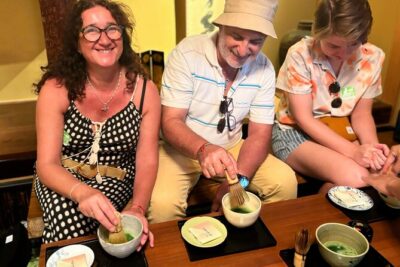
World Heritage Kyoto & Nara Uji Authentic Matcha Experience
Read our review →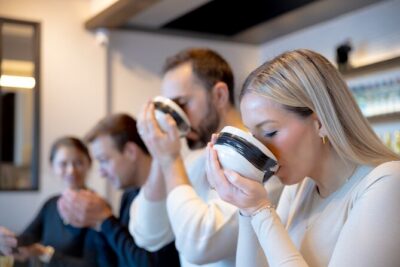
Matcha Making Class in Tokyo with Authentic Japanese Sweets Set
Read our review →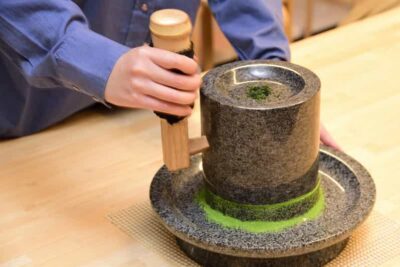
Kyoto: Tea Museum Tickets and Matcha Grinding Experience
Read our review →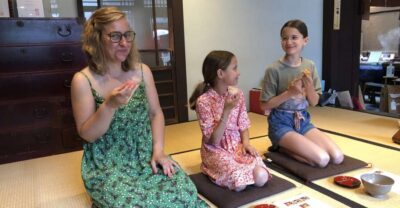
Kyoto: Tea Ceremony Meditation – Make Matcha with Tea Master
Read our review →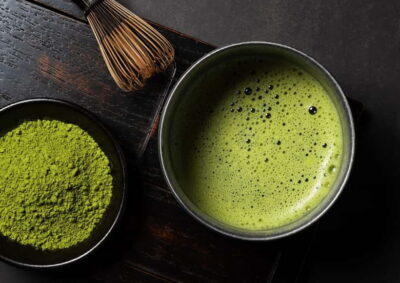
Tokyo: Matcha Making Experience with Mochi Sweets in Asakusa
Read our review →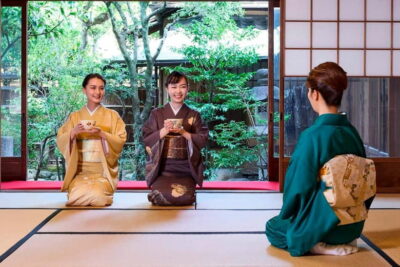
Kyoto: Kimono Tea Ceremony with Matcha and Sweet
Read our review →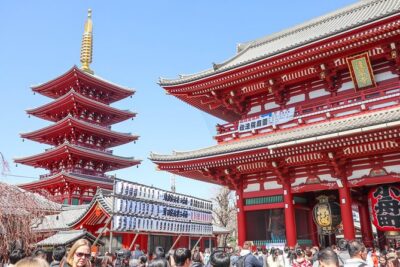
Browse the lists this tea experience appears in