
Review · OSAKA
Osaka: Nara, Todaiji, Uji Matcha, and Hot Spring Tour
Nara’s free-roaming deer, the huge bronze Buddha at Tōdai-ji, and a long soak in Uji’s Genji-no-Yu hot spring make this an unusually varied day from Osaka. You move from sacred parkland to Buddhist and Shinto sites, then finish with tea culture and bathing.
I like the wide mix of experiences and the fact that round-trip transport is included. I also like the small maximum group of 15, which should make the day easier to manage than a large coach outing. The main drawback is time: this is a long day, and some stops may feel rushed, especially if transport runs late or you want to explore every temple.
Key points to know
- Nara Park includes 1 hour and 20 minutes, enough for deer, paths, and a quick look around.
- Tōdai-ji and Kasuga-taisha require separate entry fees, so carry extra yen or budget for roughly $10 in additional admissions.
- Uji combines matcha culture with a hot spring stop, giving the day a calmer finish.
- Genji-no-Yu includes 1 hour and 20 minutes, while the wider Uji stop is scheduled for 2 hours and 20 minutes.
- The tour starts at 8:30 a.m. in Nipponbashi and returns to the same meeting point.
- Good footwear matters, since the day includes temple grounds, park paths, and several hours on the move.
Why this Osaka day trip covers so much ground
At $81 per person, this tour is priced as a practical way to reach Nara and Uji without arranging several separate train journeys. You get round-trip transport from Osaka, an air-conditioned vehicle, and a multilingual guide and driver. Food, drinks, and several admission fees are extra.
The value depends on what you want from the day. If you want independent temple visits with plenty of time for photographs, meals, and wandering, the schedule may feel tight. If you want to see several major sights in one outing and avoid working out the connections yourself, the price is more appealing.
The tour lasts about 8 to 9 hours, including transport. That matters. You are not getting eight or nine full sightseeing hours. Some of the day will pass on the road between Osaka, Nara, and Uji. Still, the route gives you a clear sense of how these nearby destinations differ: Nara for deer and monumental Buddhism, Uji for tea and literary culture, and the hot spring for rest.
The vehicle holds no more than 15 people. That is a useful middle ground. You get shared transport and a guide, but the group is not as large as a standard sightseeing bus. The minimum is four people, so the route depends on enough bookings being in place.
More Matcha Experiences in Osaka
- Matcha Making Class in Osaka with Authentic Japanese Sweets Set
★ 5.0 · 509 reviews - Osaka: Matcha Making Experience with Japanese Sweets
★ 5.0 · 146 reviews - Osaka Temple Cool Foot Bath & Matcha Experience〈45min〉
★ 4.9 · 82 reviews
Nara Park and its sacred deer
The first major stop is Nara Park, with about 1 hour and 20 minutes set aside. The park is famous for its free-roaming deer, which are regarded as sacred and protected as a national treasure.
This is the most immediately playful part of the day. The deer wander through the public park rather than sitting behind fences, so you can watch them moving among the paths and temple grounds. A family with children may find this especially memorable, since the animals provide a lively change from formal religious buildings.
Keep your expectations sensible. Nara Park is large, and 80 minutes is not enough to cover every corner. You will need to choose between spending time with the deer, walking toward the temple area, and pausing for photographs. Good shoes will help because you are on foot for much of this stop.
One practical point needs attention: food for the deer is not guaranteed at every moment. Local vendors can run out, so do not make feeding the animals the sole reason for coming here. The park itself remains worthwhile, and you can still watch the deer and enjoy the open setting without buying anything.
Children should be supervised closely around the animals. The deer are accustomed to people, but the schedule does not allow unlimited time for a slow, careful visit. Use this stop to enjoy the atmosphere, then keep an eye on the meeting time.
Tōdai-ji and the Great Buddha
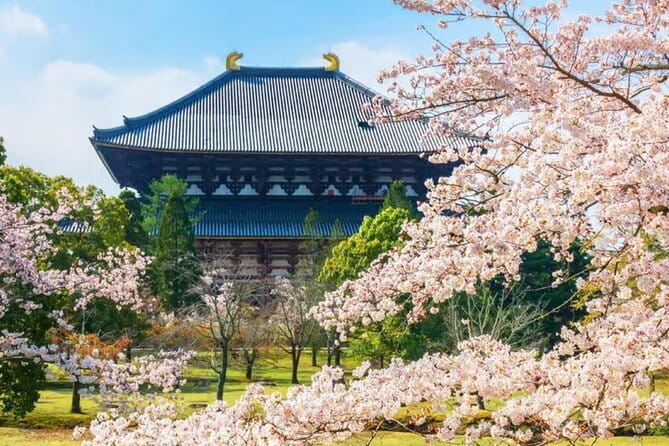
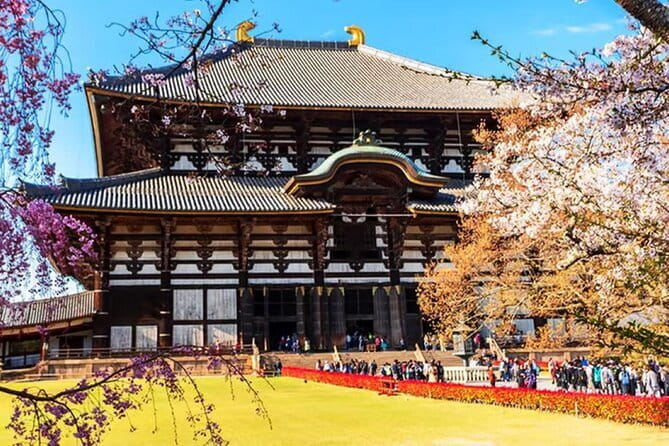
Tōdai-ji follows Nara Park, with about 40 minutes allocated. The temple is home to the Great Buddha, a bronze Vairocana Buddha measuring about 15 meters tall. The scale of the statue is the point here. Even a short visit gives you a strong sense of the building’s size and the importance of the site.
The admission ticket is not included. Plan to pay separately, with the supplied information putting the combined extra admissions and hot spring cost at around $10, though exact charges can vary. Bring some cash so you are not caught short at the entrance.
Forty minutes is a brisk allocation for Tōdai-ji. It can work for entering the temple, seeing the Great Buddha, and taking a few photographs. It is less suitable if you want to study the details, browse slowly, or spend time in every nearby building.
This is also the stop most sensitive to delays. One account of the day described being advised not to go into the Buddha temple because there was not enough time. That warning is worth taking seriously. Ask the guide early about the exact meeting time and whether the group is entering. If you want Tōdai-ji to be a priority, be ready to move directly there rather than lingering too long with the deer.
The short visit is not automatically a flaw. Some people prefer a focused look at the Great Buddha before moving on. You just need to understand that this is a highlights stop, not a slow temple visit.
Kasuga-taisha and Nara’s Shinto side
Kasuga-taisha is scheduled for another 40 minutes. Founded in the eighth century, the shrine is associated with the Fujiwara clan and the deity Futsunushi no Mikoto. It is known for its many lanterns, which give the grounds a distinct Shinto character.
This stop broadens the day. Tōdai-ji shows you monumental Buddhist architecture, while Kasuga-taisha offers a different religious setting. Seeing both in one visit helps you understand that Nara’s appeal is not limited to one famous statue.
The entry ticket is not included. The information provided lists Kasuga-taisha among the extra-cost sites, along with Tōdai-ji, Byodo-in Temple, the Tale of Genji Museum, and the hot springs. Confirm with the guide which tickets are needed on your particular route before the day begins.
Again, 40 minutes is enough for a clear introduction but not a leisurely exploration. If you like shrines, lanterns, and wooded approaches, you may wish for more time. If you are already feeling the length of the day, this shorter stop keeps the schedule moving.
Same leaf, a different ritual:
- Osaka: Tea Ceremony Experience
★ 4.9 · 1,426 reviews - Tea Ceremony Experience in Osaka Doutonbori
★ 5.0 · 754 reviews - Osaka: Tea Ceremony, Calligraphy, and Kimono Experience
★ 4.9 · 130 reviews - Osaka: Japanese Traditional Sweets Making and Tea Ceremony
★ 4.7 · 118 reviews
Uji, matcha, and the possible temple add-ons
The tour then shifts to Uji, a city known for high-quality Uji Matcha. You are meant to have time for a cup of green tea at a traditional tea house, although food and drinks are not included in the tour price.
This is a pleasant change of pace after Nara. Matcha is not simply a drink here. It is part of Uji’s identity, and a tea stop gives you a taste of the local culture without requiring a full tea ceremony. Budget separately for the cup and any snack or meal.
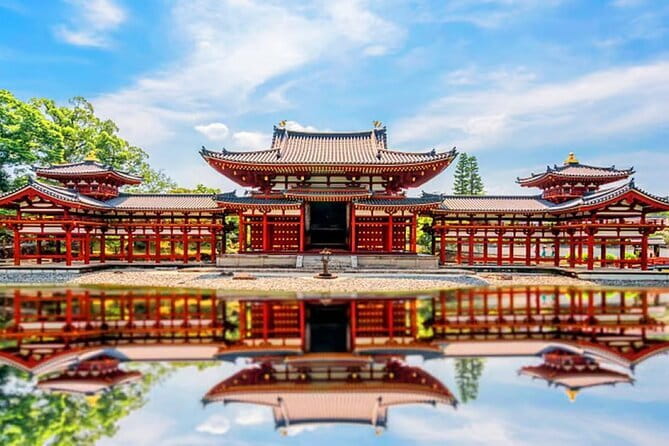
The supplied route information also highlights Byodo-in Temple, with its famous Phoenix Hall, and the Tale of Genji Museum among possible paid attractions. However, the timed itinerary gives Uji 2 hours and 20 minutes and does not provide a separate duration for Byodo-in or the museum. Ask the guide what is included on the day and which sites you can enter.
That distinction matters. A description of Uji can suggest a leisurely temple and tea visit, but the actual day still has a fixed schedule and a hot spring booking to reach. One account of the experience described the Uji temple and matcha portion as feeling short. You should treat this section as a taste of Uji rather than a full historical tour of every attraction.
If Byodo-in is your main goal, confirm the plan before paying. The Phoenix Hall is one of Uji’s best-known sights, but the information supplied does not guarantee a dedicated interior visit. You may have to choose between temple grounds, tea, the museum, and simply enjoying the town.
A restorative finish at Genji-no-Yu
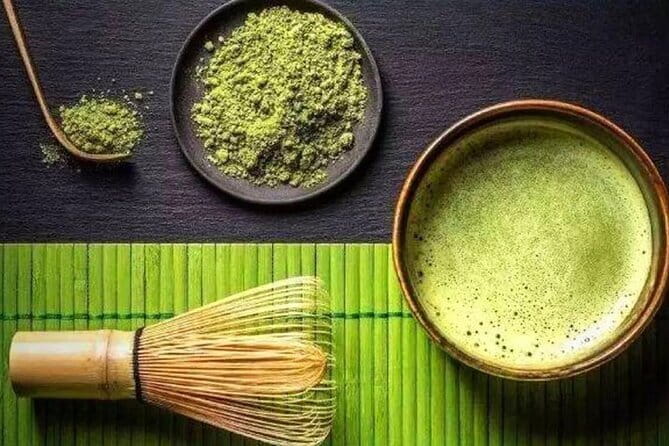
The final major stop is Uji Natural Hot Spring Genji-no-Yu, with 1 hour and 20 minutes included. The facility offers indoor and outdoor baths and takes its name from The Tale of Genji, the classic work linked with Uji.
After a full day on foot, this is the tour’s most welcome practical feature. A hot spring gives you time to stop looking at schedules and simply rest. The bath is not an optional extra tacked onto the route. It is built into the experience and gives the day a clear change of rhythm.
Entry is included in the listed tour plan, although the cost information also mentions hot springs among the admissions that may be around $10. Because the wording is not fully consistent, confirm with the provider or guide whether the admission is covered on your departure date and whether any personal charges apply.
The tattoo rule is important: visible tattoos are not allowed. If you have a tattoo, ask about the current facility rules before booking rather than assuming you will be admitted. Unaccompanied minors are also not allowed on the tour.
The hot spring stop may appeal most to adults and families who want a quieter ending. It will not suit someone who dislikes communal bathing or would rather spend every available minute at temples. The 80-minute allocation gives you time to bathe, but it is not an all-afternoon spa visit.
Transport, meeting point, and the length of the day

The meeting point is 1-chōme-3 Nipponbashi Parking, at 1-chōme-3 Nipponbashi, Chuo Ward, Osaka, postal code 542-0073. The start time is 8:30 a.m., and the tour ends back at the same meeting point.
Arrive early. A shared tour cannot wait long for a late arrival, and the day already contains several fixed stops. The route is near public transportation, which helps if you need to reach Nipponbashi from another part of Osaka.
An air-conditioned vehicle makes the long transfers easier, especially in hot or cold weather. The day can still feel tiring. One account described the tour as long but enjoyable and stressed the need for good footwear, with cold weather making some extended stops harder. Dress for walking, bring water, and carry an extra layer if temperatures are low.
The multilingual guide and driver are included. No individual guide names are provided, so you should not expect to select a particular guide when booking. The guide’s role is especially useful for keeping the group together and explaining the order of the day, but the amount of commentary may vary.
Who will get the most from this tour
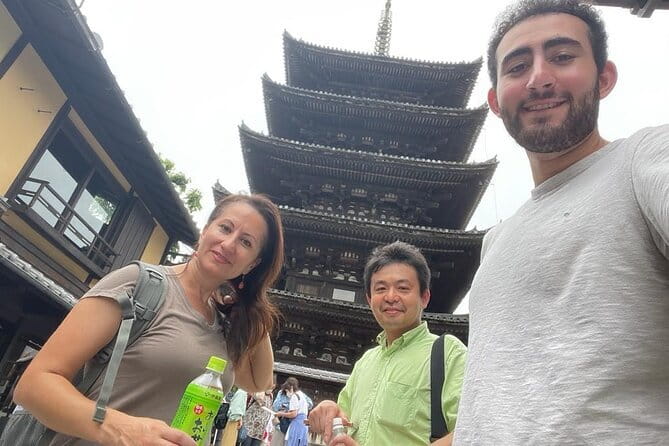
I would recommend this outing to you if you want a quick introduction to two important destinations outside Osaka and prefer one organized route. It works particularly well for families who like animals, children who will enjoy the deer, and first-time visitors who want the major sights without handling several connections.
It also suits you if a hot spring sounds better than one more temple at the end of a long day. The combination of culture, tea, and bathing is more varied than a standard temple-only excursion.
I would hesitate if your top priority is detailed temple study. Tōdai-ji and Kasuga-taisha each receive about 40 minutes, and Uji has several possible attractions competing for limited time. You may leave wishing you had another hour in Nara or Uji.
This is also not the best fit if you dislike group schedules, have mobility concerns that make long walking days difficult, or need complete certainty about every admission. Most people can participate, but the route includes park paths, temple grounds, and a long day away from Osaka.
Booking value and the practical verdict
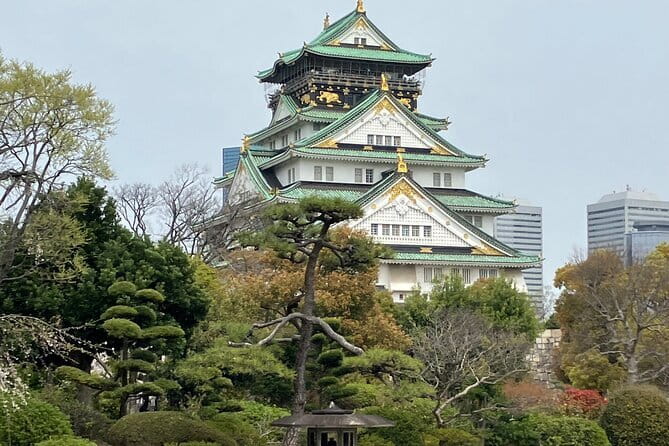
At $81, the tour offers a fair package for round-trip transport, an air-conditioned vehicle, a multilingual guide and driver, Nara Park, Nara’s major religious sites, Uji, and a hot spring visit. You still need to pay for food, drinks, and some admission tickets, so the final cost will be higher than the headline price.
The strongest value comes from convenience and variety. You can see deer, the Great Buddha, a major Shinto shrine, Uji’s tea culture, and an onsen in one day. The trade-off is depth. You are sampling several places instead of settling into one.
You can cancel free of charge up to 24 hours before the start time for a full refund. Changes made less than 24 hours before departure are not accepted, and the minimum group size is four. The maximum is 15.
Should you book it?
Book this tour if you want a broad, efficient day from Osaka and like the idea of ending with a hot spring. Go in with good shoes, extra money for admissions and food, and realistic expectations about the short temple visits.
Skip it if Byodo-in or Tōdai-ji requires a slow, detailed visit. In that case, a more focused independent day in either Nara or Uji would give you more time. For everyone else, this is a useful sampler with a memorable mix of deer, sacred sites, matcha, and warm water.
FAQ
How long does the tour last?
The tour lasts approximately 8 to 9 hours, including transportation time.
Where does the tour start and end?
It starts at 8:30 a.m. at 1-chōme-3 Nipponbashi Parking in Osaka and ends back at the same meeting point.
Is transportation included?
Yes. Round-trip transportation from Osaka in an air-conditioned vehicle is included, along with a multilingual guide and driver.
Are food and drinks included?
No. Food and drinks are not included, so you should budget separately for matcha, meals, and snacks.
Are temple admission tickets included?
No. Entry to Tōdai-ji, Kasuga-taisha, Byodo-in Temple, and the Tale of Genji Museum is listed as not included. The supplied information also mentions an approximate extra cost of around $10 for admissions and hot spring entry, so confirm the exact charges before departure.
Is the hot spring included?
Genji-no-Yu is listed as an included stop with 1 hour and 20 minutes scheduled for bathing. Since the admission details also mention hot springs among possible extra costs, confirm whether the entry fee is covered for your departure.
Can children join the tour?
Most people can participate, but unaccompanied minors are not allowed. Children must join with an accompanying adult. Visible tattoos are also not allowed at the hot spring facility.
Newly steeped around Osaka
- Osaka:Zen Tea Ceremony and Foot Bath Experience<45min>★ 5.0 · 7 reviews
- Nara Deer Park, Uji Matcha, & Hot Spring Full-Day Tour from Osaka★ 4.0 · 21 reviews
- Osaka: Tea Ceremony, Calligraphy, and Kimono Experience★ 5.0 · 6 reviews
- Osaka Japanese Cooking And Matcha Class near Osaka Castle★ 5.0 · 22 reviews
- Tea and Calligraphy Session at a Table in Osaka★ 5.0 · 4 reviews
- Craft Sushi and Matcha Ice Cream in Central Osaka (3-Course Meal)★ 5.0 · 2 reviews
- ZEN therapy | Shiatsu-style massage, EnergyTherapy & Japanese Tea★ 5.0 · 5 reviews
- Discover Japanese Tea Blending Techniques in Osaka★ 5.0 · 19 reviews
Matcha Experiences, compared.
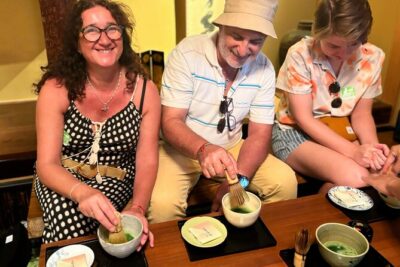
World Heritage Kyoto & Nara Uji Authentic Matcha Experience
Read our review →
Matcha Making Class in Tokyo with Authentic Japanese Sweets Set
Read our review →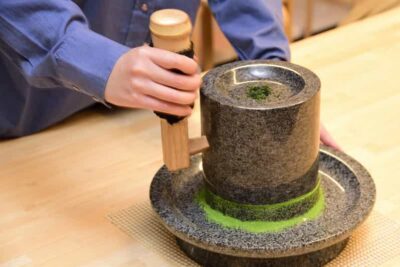
Kyoto: Tea Museum Tickets and Matcha Grinding Experience
Read our review →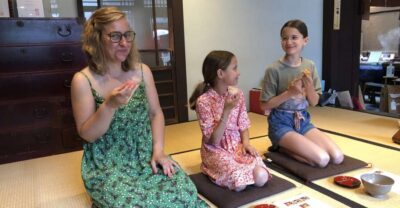
Kyoto: Tea Ceremony Meditation – Make Matcha with Tea Master
Read our review →
Tokyo: Matcha Making Experience with Mochi Sweets in Asakusa
Read our review →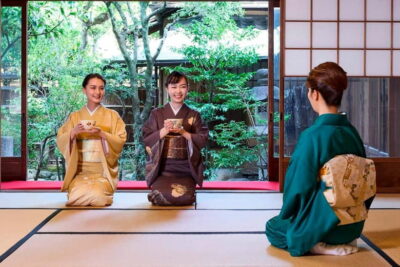
Kyoto: Kimono Tea Ceremony with Matcha and Sweet
Read our review →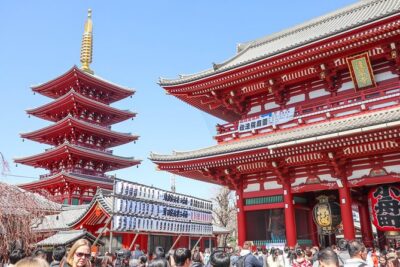
Browse the lists this tea experience appears in