
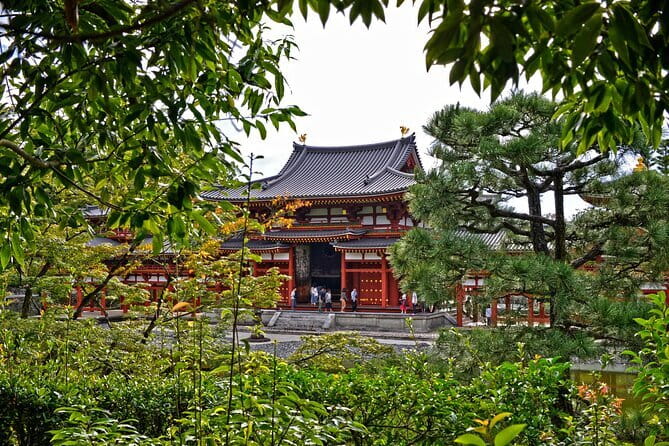
Review · UJI
Uji Tea Ceremony and UNESCO Heritage Walking Tour
Uji’s best sights fit neatly into this three-hour walking tour, with Byodoin Temple and its famous Phoenix Hall setting the tone. You’ll then sit down at Taihoan for a traditional tea ceremony before walking past old shrines, suspension bridges, and shops selling Uji matcha.
I like the small group size, capped at nine, and the way the route links Uji’s tea culture with its religious sites. I also like the guides’ practical touch: Naoki, Katsuhiko, Maru, and others have helped visitors understand the area and find good matcha stops for later.
The main caution is the tea ceremony’s length. The Taihoan stop lasts about 40 minutes, but the included ceremony itself is listed as 30 minutes, and one guest found it short. If tea is your only reason for coming, the temple and walking portions take up more of the tour.
Key points to know before booking
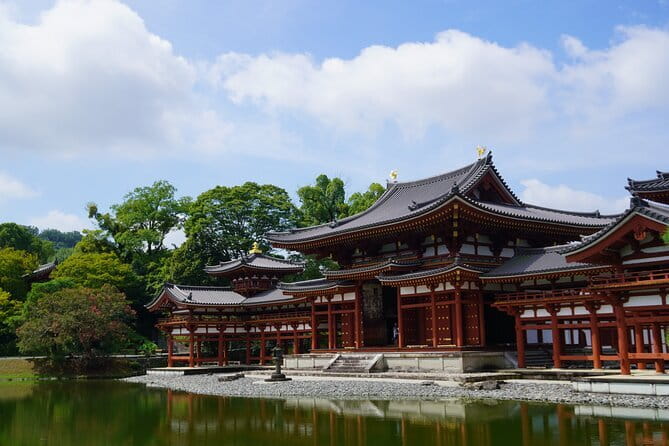
- Byodoin’s Phoenix Hall is the star opening stop, with admission included and about an hour set aside for the temple and museum area.
- The tea ceremony is a short, guided introduction, not a long formal lesson, with 30 minutes included at Taihoan.
- A group of up to nine keeps the walk personal, making it easier to ask questions and keep a family group together.
- The route connects Uji’s main cultural sights, including Uji Shrine, Ujigami Shrine, Uji Bridge, and two suspension bridges.
- Guides add useful local advice, including suggestions for matcha shops and places to visit after the tour.
- The $70 price includes the guide, tea ceremony, and Byodoin admission, but not food, drinks beyond the stated tea experience, or transport to and from Uji.
Why this Uji tour works well in three hours

Uji can look simple on a map, but its attractions are spread along the river and through quiet temple streets. This route gives you a clear start and finish, so you do not spend your morning guessing which bridge leads to which shrine.
You meet your English-speaking guide at Uji Station at 9:45 a.m. From there, the walk moves through the town and finishes at Uji Bridge. Hotel pickup and drop-off are not included, so you need to reach Uji on your own and arrange your return afterward.
The small-group limit matters here. With no more than nine people, the guide can explain details without turning every stop into a loud group lecture. Families also get a bit more breathing room. One account specifically noted that the timing worked well with children.
The pace appears steady rather than rushed. You cover several important sites, but the tour does not try to turn Uji into an all-day march. You should still expect regular walking, standing, and outdoor time, especially around the bridges and shrines.
More Green Tea Tours in Japan
- Uji: Green Tea Tour with Byodoin and Koshoji Temple Visits
★ 4.8 · 72 reviews - Slow Cycling Tour at Uji’s Matcha Green Tea Fields and Heritage
★ 5.0 · 25 reviews - Kyoto Matcha Green Tea Tour
★ 4.5 · 23 reviews
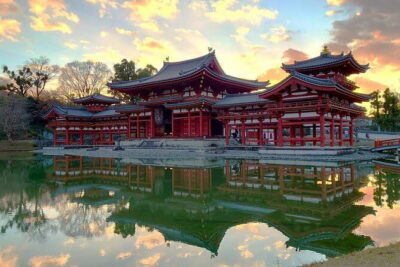
Byodoin Temple and the Phoenix Hall
The tour begins with about an hour at Byodoin Temple, a UNESCO World Heritage Site and the most important architectural stop of the morning. Admission is included, which makes the $70 price easier to assess.
The Phoenix Hall is the visual centerpiece. Its form, setting, and long history give the guide plenty to explain, and the tour also includes the Byodoin museum area. That museum matters because it gives you a closer look at details that can be easy to miss from the grounds.
I would give this stop your full attention. The temple is not just a quick photo stop before the tea ceremony. The guide’s explanation helps connect the building to Uji’s place in Japanese history and culture. Several guides have been praised for making the temple easier to understand, including Nobumasa Myake, who led one particularly appreciated visit.
The one-hour allocation is useful, but it is not unlimited. If you like to linger over architecture, take many photographs, or read every museum display, you may want to return independently. The tour needs to keep moving so the tea ceremony and later shrines stay on schedule.
Taihoan and a 30-minute introduction to tea
At Taihoan, you take part in the traditional Japanese tea ceremony that forms the cultural heart of the experience. Uji is presented here as the birthplace of Japan’s green tea, so this is more than a casual matcha tasting.
The stop is scheduled for about 40 minutes, while the included tea ceremony is listed as 30 minutes. You learn the basic art of tea preparation and take part in the process rather than simply receiving a cup at a café.
That distinction is important. This is an introduction to tea etiquette and preparation, not an extended workshop where you spend hours practicing each movement. If you want a compact cultural experience that fits into a morning of sightseeing, the timing works. If you already know a lot about tea ceremony or want a slow, highly detailed lesson, it may feel brief.
One family found the tea ceremony especially enjoyable for a child, which suggests that the format can work well for first-time participants. The ceremony gives the tour a hands-on moment after the more formal temple visit. You are not only looking at Uji’s culture, you are taking part in one small piece of it.
Wear clothing that lets you sit and move comfortably. The tour data does not specify seating arrangements, so you should not assume a particular style of tea ceremony or a long period on the floor. The guide can explain what to do, which helps if the customs are new to you.
Suspension bridges and Uji’s river views
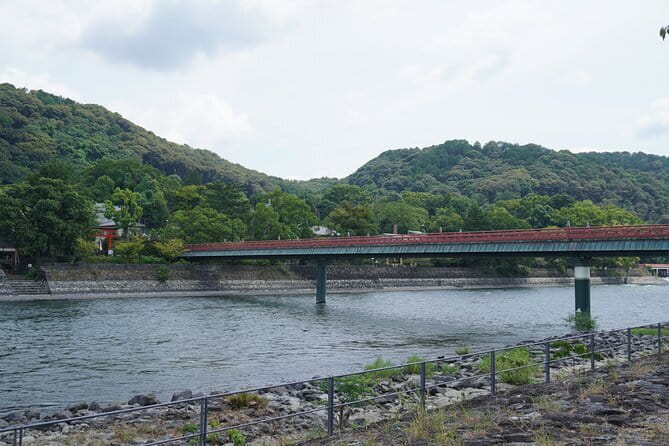
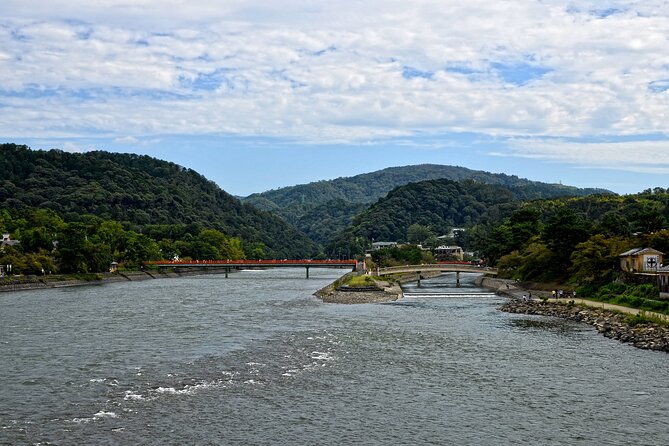
After Taihoan, the route turns outdoors toward Asagiri Bridge and the Tachibara and Asagiri suspension bridges. This is the scenic part of the walk, with about 15 minutes set aside for views and photographs.
Do not expect a long nature hike. The bridge section is short, but it gives you a change of pace after the temple and tea room. The river, bridges, and surrounding town provide a useful sense of how Uji is arranged.
The bridges also help break up the information-heavy parts of the tour. You can pause, take pictures, and enjoy the setting while the guide points out features of the area. Autumn was described as a particularly good time for this walk, with seasonal color and quieter corners adding to the appeal.
Weather matters here. The activity requires good weather, and poor conditions can lead to a different date or a full refund. Even in fair weather, you should be ready for an outdoor walk rather than assuming the tour takes place mostly indoors.
More Green Tea Tours in Uji:
- Experience all of Japanese culture and Japanese food experience classes “origami, udon, Japanese food, green tea, calligraphy” in 4 hours
★ 5.0 · 105 reviews - Scenic Green Tea Fields of Hidden Kyoto & Local Tea Exp (Private)
★ 5.0 · 32 reviews - Osaka; Japanese Tea ceremony experience, Macha and Sencha
★ 4.9 · 29 reviews - Kyoto Matcha Green Tea Tour
★ 4.7 · 28 reviews
Uji Shrine and Ujigami Shrine
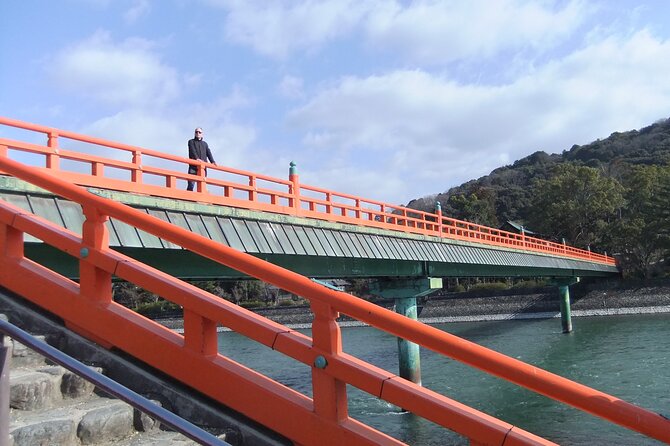
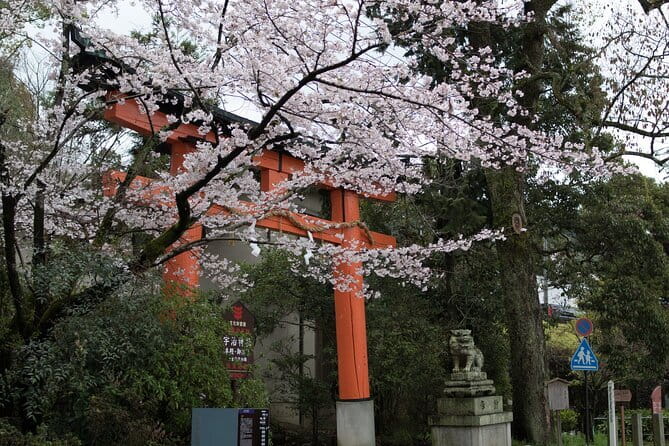
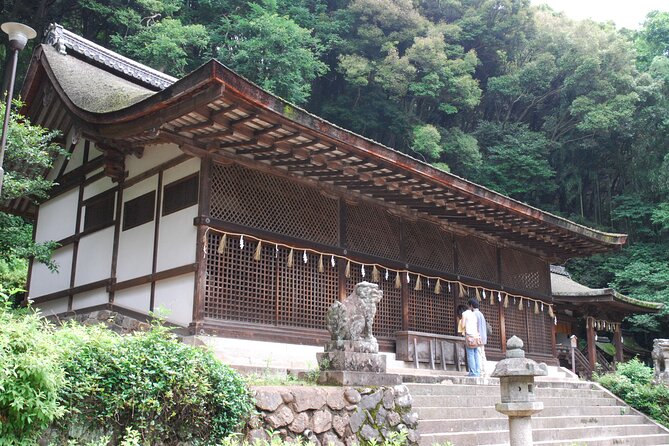
The shrine portion gives the morning a quieter feel. The itinerary includes both Uji Shrine and Ujigami Shrine, with about 20 minutes set aside for these sacred sites.
The short timing means you will receive an introduction rather than a detailed religious studies lesson. Still, this stop adds useful context. Byodoin shows you monumental Buddhist architecture, while the shrines offer a different side of Uji’s spiritual life.
A good guide can make a brief shrine visit worthwhile by explaining why the sites matter and what you are looking at. That has been one of the strongest features of this experience. Guides are described as friendly, funny, clear, and able to explain both local history and customs without making the walk feel like a classroom.
You should keep your expectations realistic. Twenty minutes is enough to visit and listen, but not enough to explore every corner at leisure. If the shrines catch your interest, note their location and return later on your own.
Ending at Uji Bridge with matcha ideas
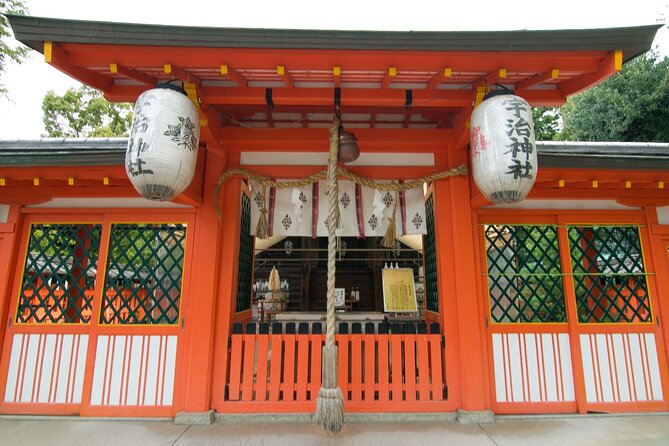
The tour ends at Uji Bridge after about 45 minutes around the final part of the route. This is where the walk returns to local food and tea culture, with opportunities to taste Uji’s famous green tea and local treats.
The supplied details do not specify exactly which shop or delicacy you will visit, so you should treat this as a chance to experience the area rather than a guaranteed multi-course food tasting. Personal expenses are not included.
The ending location is useful. Uji Bridge is a natural place to continue exploring, and the guides can point you toward matcha places for afterward. Naoki was especially helpful with suggestions for places to try after the formal tour, while Maru’s guidance was praised for making a wider visit to Uji more enjoyable.
You may want to plan lunch or additional tea stops after the tour. The 45-minute final section does not mean all food purchases are covered. Bring money for anything you want to buy, and allow time after the 12:45 p.m. finish if you want to keep exploring.
What the $70 price really covers
At $70 per person, this is not the cheapest way to stroll around Uji. You can visit public streets, bridges, and shrines without joining a paid tour. The value comes from combining a guide, Byodoin admission, and a structured tea ceremony in one morning.
The included temple entrance is important because Byodoin is the leading paid sight on the route. The English-speaking guide is the other major part of the cost. You are paying for explanations that tie the temple, tea, shrines, and town together, not simply for transportation between stops.
For a first visit to Uji, I think the price is reasonable if you want context and a fixed plan. It also suits anyone staying in or near Kyoto who wants to see another town without spending a full day arranging every stop.
The value is weaker if you mainly want an extended tea ceremony. The ceremony is only 30 minutes, and food, personal purchases, and hotel transfers cost extra. In that case, compare this tour with booking a separate tea experience and exploring Uji independently.
Who will get the most from this walk
I would recommend this tour to first-time visitors who want an efficient introduction to Uji. You get the town’s major themes in one compact route: temple architecture, tea, river views, shrines, and matcha food culture.
Families may also like the format. The walking pace has worked well for groups with children, and the tea ceremony gives younger visitors something hands-on to remember. The small group makes it easier for a guide to adjust explanations and keep the group together.
History and culture fans should find plenty to enjoy, especially at Byodoin and the shrines. The guides are repeatedly described as friendly, informative, and fun to talk with. Guides named Naoki, Katsuhiko, Maru, and Nobumasa Myake have each been associated with strong visits, though your assigned guide will depend on the date.
This is less suitable for anyone seeking a private tour, a long tea lesson, or a relaxed full-day pace. It is also not the right choice if you want hotel pickup. You must reach Uji Station yourself and make your own way back after finishing at Uji Bridge.
Practical details that affect your morning
The tour starts at 9:45 a.m. at Uji Station, at 17 Uji Umonji, Uji, Kyoto 611-0021. Check the exact meeting instructions after booking, since the activity confirmation is sent at the time of booking.
The end point is Uji Bridge in Otsukata, Uji, Kyoto 611-0021. This is not a loop back to the station, so plan your onward route. The tour is near public transportation, but no hotel transfer is provided.
Most people can participate, and the group maximum is nine. The information does not give a detailed accessibility description, so contact the provider if you need specific help with steps, seating, walking distance, or the tea ceremony setup.
Free cancellation is available up to 24 hours before the start time for a full refund. Changes or cancellations inside that window are not accepted for a refund. Since bad weather can cancel the experience, keep your schedule flexible if rain is likely.
Should you book the Uji tea and heritage walk?
Book it if you want a well-shaped introduction to Uji, especially your first time in town. The strongest combination is Byodoin’s Phoenix Hall, a guided tea ceremony at Taihoan, and practical advice about where to continue for matcha afterward.
I would choose it for a family, a couple, or a small group staying around Kyoto that wants history without spending a full day on one destination. The guides add real value, and the maximum of nine keeps the experience more personal than a large bus tour.
Skip it if your priority is a long, formal tea ceremony or complete freedom to linger. The tea segment is short, and the route covers several sites on a firm three-hour schedule. For most first-time visitors, though, the $70 cost is fair for the admission, guide, ceremony, and clear introduction to Uji.
FAQ
Where does the tour start?
The tour starts at Uji Station in Uji, Kyoto, at 9:45 a.m. The listed address is 17 Uji Umonji, Uji, Kyoto 611-0021, Japan.
Where does the tour end?
The tour ends at Uji Bridge in Otsukata, Uji, Kyoto 611-0021, Japan. It does not include a return transfer to Uji Station or hotel drop-off.
How long does the experience last?
The walking tour lasts approximately three hours.
What is included in the price?
The price includes an English-speaking guide, the tea ceremony, and admission to Byodoin Temple. The tea ceremony itself is listed as 30 minutes.
Is the tea ceremony the full length of the tour?
No. The Taihoan stop lasts about 40 minutes, while the included tea ceremony is listed as 30 minutes. The rest of the tour covers temples, shrines, bridges, and Uji’s tea culture.
How large is the group?
The tour has a maximum of nine participants.
Is hotel pickup included?
No. You must make your own way to Uji Station, and hotel pickup and drop-off are not included.
What happens if the weather is poor?
The experience requires good weather. If it is canceled because of poor conditions, you can receive a different date or a full refund. You can also cancel up to 24 hours before the start time for a full refund.
More Heritage Visits with Tea around Uji
- World Heritage Kyoto & Nara Uji Authentic Matcha Experience
★ 5.0 · 1,573 reviews - Beijing Culture: Tea Ceremony, Heritage Instrument & Calligraphy
★ 5.0 · 57 reviews - Tea and Doughnuts: Historic Walking Food Tour of Southwark
★ 4.6 · 14 reviews - Victoria Falls: Cultural Tour with High Tea
★ 4.8 · 12 reviews
More Tea Ceremonies in Uji
- Uji: UNESCO Heritage & Tea Ceremony Walking Tour
★ 4.6 · 54 reviews - Kyoto: Tea Ceremony in a Traditional Tea House in Kiyomizu
★ 4.9 · 3,519 reviews - Kyoto: Tea Ceremony Ju-An at Jotokuji Temple
★ 4.9 · 3,207 reviews - Kyoto: 45-Minute Tea Ceremony Lesson Experience
★ 4.3 · 2,378 reviews
Newly steeped around Uji
- Kyoto tea town for matcha lovers★ 5.0 · 16 reviews
- Uji: Private immersion into Kyoto’s tea and reglious culture★ 5.0 · 17 reviews
- Uji and Wazuka Matcha Farm Half Day Private Guided Tour★ 5.0 · 21 reviews
- Utilising upcycled Matcha! Creating matcha incense (Uji, Kyoto)★ 5.0 · 6 reviews
- Kyoto Matcha Green Tea Tour★ 4.5 · 23 reviews
- 7 Hours Private Guided Tour Uji and Wazuka Matcha Farm★ 5.0 · 2 reviews
- Half Day Matcha Tour in Uji, home of culture, with a local★ 4.8 · 14 reviews
- Kyoto: Tea Museum and Tsuen Teahouse Guided Tour★ 5.0 · 2 reviews
Green Tea Tours, compared.
Uji: Green Tea Tour with Byodoin and Koshoji Temple Visits
Read our review →
Scenic Green Tea Fields of Hidden Kyoto & Local Tea Exp (Private)
Read our review →
Osaka; Japanese Tea ceremony experience, Macha and Sencha
Read our review →
Slow Cycling Tour at Uji’s Matcha Green Tea Fields and Heritage
Read our review →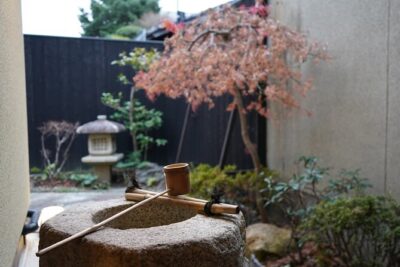
Sencha-do the Japanese Tea Ceremony Workshop in Kyoto
Read our review →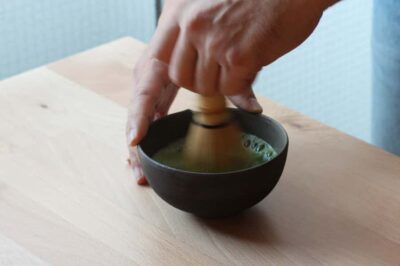
Authentic Japanese tea tasting: sencha, matcha and gyokuro
Read our review →Browse the lists this tea experience appears in