
Review · YOKOHAMA
Matcha tasting for all five senses at Hotel Yokohama
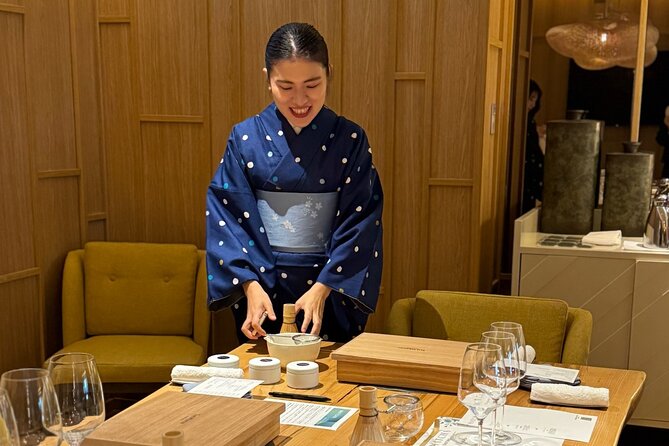
Matcha here is more than a green drink. You compare several Japanese teas, learn how to whisk your own bowl, and connect the ritual with ikigai, the Japanese idea of purpose and meaning. Instructor Misato brings a calm, thoughtful approach, and the setting is a polished Yokohama hotel rather than a busy tea shop.
I like two things right away: the hands-on preparation makes the tradition easier to understand, and the wagashi pairings give you a practical way to notice how sweetness changes matcha’s flavor. The small take-home package is another useful touch.
The main consideration is the price: $100 per person for about two hours is a serious spend for a tea tasting. It makes the most sense if you want culture, conversation, and reflection, not just a quick cup of matcha.
Key Points to Know Before Booking
- Several matcha varieties: Compare teas from Japan’s major growing regions and pay attention to differences in aroma and taste.
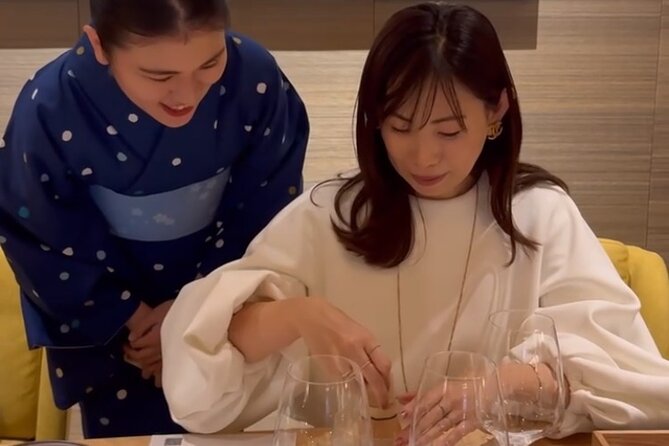
- Misato leads the session: Her teaching includes matcha, Japanese culture, and an ikigai exercise.
- You prepare your own tea: Learn to use the bamboo whisk, called a chasen, and the tea bowl, or chawan.
- Wagashi and other food pairings: Japanese sweets and small savory items help show how matcha works with food.
- Private two-hour format: Only your group participates, with a 3:00 pm start in Minatomirai.
- Flexible cancellation: Cancel at least 24 hours before the start for a full refund.
What This Yokohama Matcha Session Is Really About
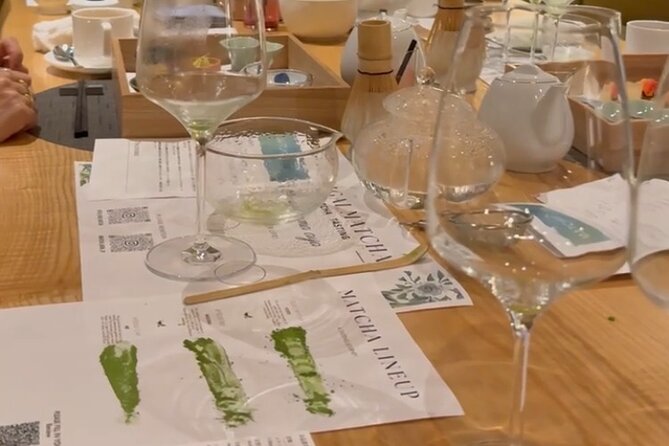
The title promises a matcha tasting for all five senses, and the session is designed to slow you down and make you notice more than color and caffeine. You look at the powder, smell the tea, taste several styles, feel the tools in your hands, and listen to the quiet rhythm of whisking and instruction.
The experience also adds a personal element through ikigai. You are not simply told how matcha is grown or served. You are invited to think about purpose, values, and the direction of your own life. That part will appeal to some people and feel more serious than expected to others.
I would treat this as a cultural workshop with tea at its center. It is not a formal tea ceremony performance where you sit silently and watch an expert do everything. You take part, ask questions, prepare matcha, and discuss what the drink means within Japanese life.
The two-hour length gives the subject room to breathe. A shorter tasting could explain the basics, but it would leave little time for comparison, food pairings, preparation, and the reflective exercise. Here, the slower pace is part of the point.
More Matcha Experiences in Japan:
- World Heritage Kyoto & Nara Uji Authentic Matcha Experience
★ 5.0 · 1,573 reviews - Kyoto: Arashiyama Bamboo Forest, Monkeys, Matcha & Temple Tour
★ 5.0 · 759 reviews - Matcha Making Class in Tokyo with Authentic Japanese Sweets Set
★ 5.0 · 744 reviews
Meeting Misato in Minatomirai
The meeting point is at 4 Chome Minatomirai in Yokohama’s Nishi Ward, with the activity ending at the same place. The session begins at 3:00 pm, so you can build it into a late-afternoon plan without giving up the whole day.
Minatomirai is a modern part of Yokohama, and the hotel setting gives the experience a polished, quiet feel. That makes a clear contrast with the city’s streets, shopping areas, and waterfront attractions. You can arrive after sightseeing, then shift gears for a more focused cultural activity.
The practical advantage of a fixed hotel meeting point is simplicity. You do not need to move between a tea farm, a shop, and a restaurant. The drawback is that you do not see tea fields or a production facility. If your main goal is learning how matcha is grown, processed, and ground at the source, this session will feel limited.
This is a private activity, so only your own group takes part. That matters if you want to ask detailed questions or would rather not perform a tea ritual in front of strangers. It also means the quality of the experience depends on how interested your group is in the discussion.
Comparing Japanese Matcha by Taste and Aroma
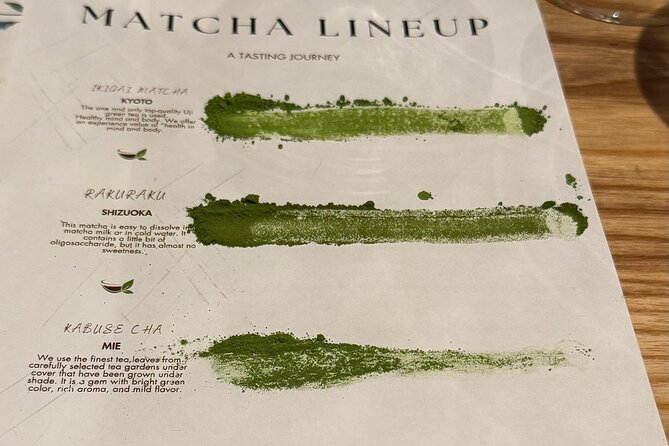
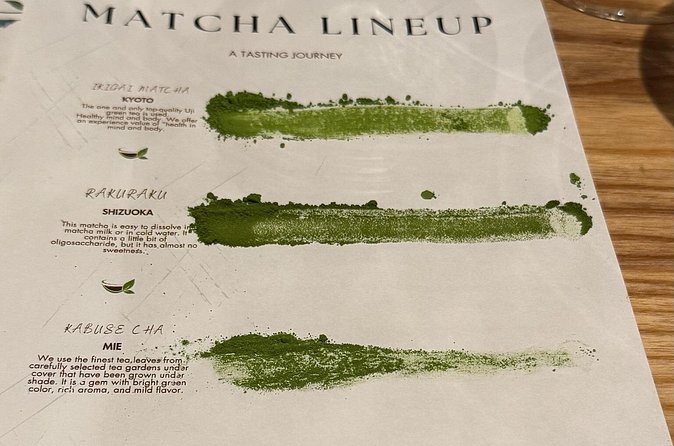
The tasting introduces several varieties of high-quality matcha from Japan’s best-known tea regions. The point is not simply to decide which one tastes nicest. You learn that matcha can differ in aroma, bitterness, sweetness, body, and finish.
For a first-time drinker, this comparison is useful. Matcha is often treated as one single product, but preparation and quality can make a big difference. Sampling several bowls side by side helps you notice why one tea may seem softer, more savory, or more intense than another.
You can expect the instructor to explain how production affects the final drink, along with the tea’s history and place in Japanese culture. The supplied information does not give the names of the tea regions or a detailed production schedule, so you should not book this expecting a technical farm lecture.
What you do get is context. The tea becomes easier to appreciate when you understand that color, scent, texture, and aftertaste all matter. The five-senses approach is especially helpful if you have only tried sweetened matcha drinks in cafés.
The tea is also served as something to pay attention to, not something to rush. You may find that the session changes your view of bitterness. Matcha is meant to have character, and the instructor can help you separate pleasant intensity from a badly prepared cup.
Whisking Your Own Bowl with a Chasen
The hands-on portion is one of the strongest reasons to book. You learn how to prepare matcha with a bamboo whisk, or chasen, and a tea bowl, or chawan.
This is a small skill, but it gives the session a physical center. Instead of hearing a talk about Japanese tea customs, you hold the tools and make the drink yourself. The motion of the whisk, the texture of the foam, and the final taste all become easier to understand when your own hands are involved.
Do not expect to become a tea master in one afternoon. The value is in learning the basic method and seeing why each tool matters. The instructor can show you the principles of preparation, while you get a feel for the process.
For children, nervous first-timers, or anyone who thinks a formal tea ceremony might feel intimidating, this practical approach is more welcoming. It also gives you something to repeat at home with the matcha included at the end.
A small warning: matcha has a strong flavor, and making it yourself does not automatically make it mild. The sweets help, but anyone sensitive to caffeine or bitter flavors should keep that in mind. The provided information does not specify caffeine levels or alternatives.
More Tea Experiences around Japan:
- Kyoto: Tea Ceremony in a Traditional Tea House in Kiyomizu
★ 4.9 · 3,519 reviews - Kyoto: Tea Ceremony Ju-An at Jotokuji Temple
★ 4.9 · 3,207 reviews - Kyoto: 45-Minute Tea Ceremony Lesson Experience
★ 4.3 · 2,378 reviews - Osaka: Tea Ceremony Experience
★ 4.9 · 1,426 reviews
Wagashi, Canapés, and the Five Senses
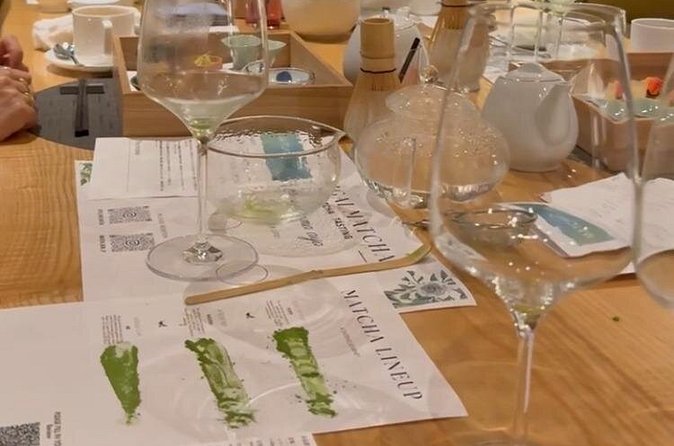
The food pairings add welcome variety. Traditional Japanese sweets, known as wagashi, are selected to work with the tea’s flavor. Their sweetness can soften matcha’s bitterness and make subtle differences between teas easier to notice.
The session also includes small canapés and, in the wider cultural program described by participants, references to silk and onigiri. The precise food menu is not fixed in the details provided, so you should not book this expecting a full meal. Think of the food as a tasting accompaniment.
This is where the five-senses idea becomes practical. You notice the appearance of the sweets, their texture, the contrast between sweet and bitter, and the way the food changes the tea’s finish. It is a better lesson than simply being told that Japanese cuisine values balance.
Food also makes the experience easier to share with a friend. One person may focus on aroma while another notices texture or sweetness. The private format gives you space to compare reactions without turning the session into a large group presentation.
If you have dietary restrictions, ask before booking. The available information does not list vegetarian, vegan, gluten-free, nut-free, or allergy accommodations. Do not assume the canapés or wagashi will fit your needs.
The Ikigai Exercise and a More Personal Lesson
The unusual feature here is the connection between matcha and ikigai. The session includes work intended to help you consider your purpose in life and what you want to value.
That may sound unusual for a tea tasting, but it explains why several people found the activity emotional and memorable. The tea gives you a quiet setting, while the exercise moves the discussion beyond food and ceremony. You are given time to think about goals and meaning rather than simply collecting facts about Japan.
Misato seems to make this part central to her teaching. She is described as calm and attentive, with enough knowledge to answer detailed questions. That is important because ikigai can easily be reduced to a trendy four-part diagram. Here, the exercise appears to be presented as a personal reflection rather than a quick slogan.
Still, this section will not suit everyone. If you want a strictly culinary class, the purpose-of-life material may feel unrelated or too earnest. If you enjoy thoughtful conversations and want a cultural experience with an emotional side, it could be the part you remember longest.
I would book this with an open mind and modest expectations. You are not promised a life-changing answer. You are given a structured pause to consider what matters to you, alongside a traditional Japanese drink.
What the $100 Price Includes
At $100 per person, the cost is above that of a basic tea tasting or café visit. The price is easier to justify because it covers a private two-hour activity, an in-person licensed or certified guide, multiple matcha samples, preparation instruction, Japanese sweets, and take-home tea products.
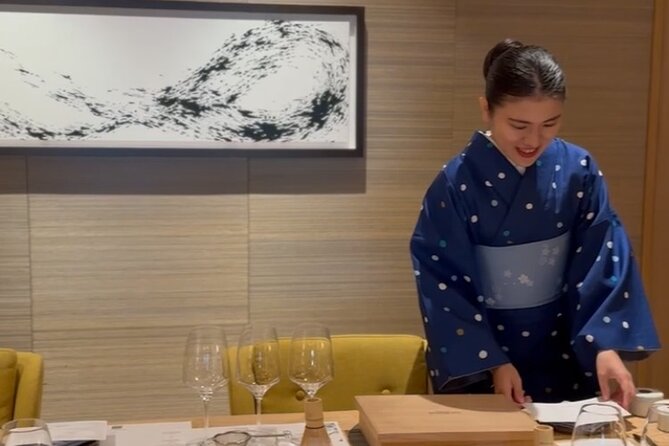
You are paying for teaching and time, not just ingredients. Misato’s role matters here. A good instructor can explain why the teas taste different, answer questions, correct your whisking technique, and connect the ceremony to everyday Japanese culture.
The value is strongest for a couple, family, or small group that wants a shared activity with conversation. Since no other group joins you, you are not paying for a large public class with a fixed script and a crowded room.
The value is weaker if you only want to taste premium matcha. You can find less expensive tea drinks elsewhere in Yokohama. This experience earns its price through the lesson, the guided comparison, the personal exercise, and the chance to make your own bowl.
The take-home matcha package helps extend the experience. You can try the tea again after your trip and see if you can reproduce the preparation at home. The exact amount and products are not specified, so consider them a pleasant extra rather than a major part of the financial calculation.
Who Will Enjoy This Most
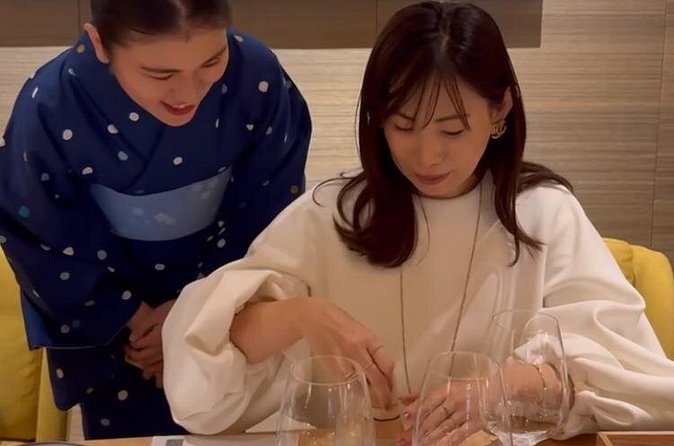
I would recommend this for people who want a quiet cultural activity in Yokohama and do not mind paying for personal instruction. It is particularly suitable for:
- First-time matcha drinkers who want to understand the flavor rather than hide it in a sweet latte
- Couples or friends looking for a shared, reflective activity
- Visitors interested in Japanese customs, food, and everyday values
- People who enjoy hands-on classes more than sightseeing from a distance
- Anyone curious about ikigai and personal purpose
- Families whose members can comfortably take part in a two-hour seated session
It may not suit someone seeking a tea plantation visit, a full meal, a highly formal ceremony, or a low-cost afternoon activity. The hotel location is convenient, but it does not replace seeing tea production in the countryside.
Most people can participate, and service animals are allowed. The activity is near public transportation. The data does not specify wheelchair access, seating details, or language options, so ask the provider if any of those points are important to you.
Booking Timing and Practical Details
The experience is commonly booked around 18 days ahead, so leaving it until the last minute may not work, especially if your Yokohama schedule is tight. A mobile ticket makes arrival easier, but you still need to reach the exact Minatomirai meeting point on time.
The session starts at 3:00 pm and lasts about two hours. Allow extra time before and after if you have dinner plans or a timed attraction nearby. Since the activity returns to its starting point, you do not need to arrange a separate finish location.
Confirmation arrives when you book. Free cancellation is available if you cancel at least 24 hours before the local start time. Inside that window, the amount paid is not refunded, and changes are not accepted.
The overall rating is 4.9 from seven ratings, a small sample but a strong signal. The most consistent praise centers on the beauty of the ceremony, Misato’s calm instruction, the connection with ikigai, the quality of the food, and the satisfaction of making matcha personally.
Should You Book the Minatomirai Matcha Experience?
Book it if you want matcha presented as a cultural practice, a food pairing, and a chance to think. The combination of several teas, hands-on whisking, wagashi, a private hotel setting, and Misato’s ikigai lesson gives the afternoon more substance than a simple tasting.
Skip it if your priority is value measured only by the number of cups, or if you want to visit a tea-growing area. At $100, this is a deliberate purchase. You are paying for a calm, guided experience and the space to ask questions.
For the right person, it can become one of the quieter highlights of a Yokohama stay. You leave with new tea skills, a better sense of matcha’s range, a small supply for home, and perhaps a few useful questions about your own direction.
FAQ
Where does the matcha experience begin?
It begins at 4 Chome Minatomirai, Nishi Ward, Yokohama, Kanagawa 220-0012, Japan.
What time does the activity start?
The scheduled start time is 3:00 pm.
How long does the experience last?
It lasts approximately two hours.
Is this a private activity?
Yes. Only your group participates.
Is a guide included?
Yes. An in-person guide who is licensed or certified leads the experience.
Can I cancel for a full refund?
Yes, if you cancel at least 24 hours before the experience start time. Cancellations within 24 hours are not refunded, and changes made within that period are not accepted.
Newly steeped around Japan
- Yokohama : Tea Ceremony with Sweets and Souvenir★ 5.0 · 5 reviews
- Whisk Your Own Matcha: A Zen Matcha Experience at Temple★ 3.6 · 7 reviews
- Walking Tour: Yanaka,Nezu& Sendagi: Tea Ceremony & Old Tokyo★ 5.0 · 3 reviews
- Visit local home for music and tea ceremony near Disney★ 4.9 · 13 reviews
- Trip to Kamakura & Enoshima: Shrines, Seaside, Temples &Tea★ 5.0 · 11 reviews
- Yokohama: Sushi & Gyoza Cooking with Matcha & GreenTea Experience★ 5.0 · 3 reviews
- Kyoto tea town for matcha lovers★ 5.0 · 16 reviews
- Uji: Private immersion into Kyoto’s tea and reglious culture★ 5.0 · 17 reviews
Matcha Experiences, compared.
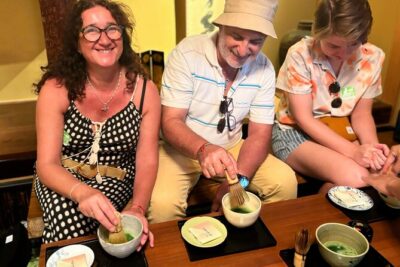
World Heritage Kyoto & Nara Uji Authentic Matcha Experience
Read our review →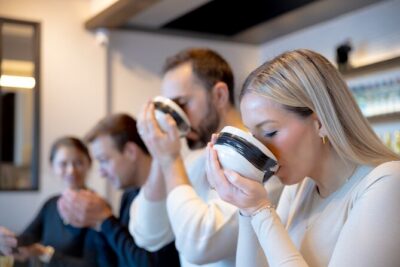
Matcha Making Class in Tokyo with Authentic Japanese Sweets Set
Read our review →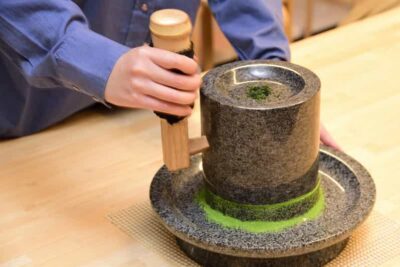
Kyoto: Tea Museum Tickets and Matcha Grinding Experience
Read our review →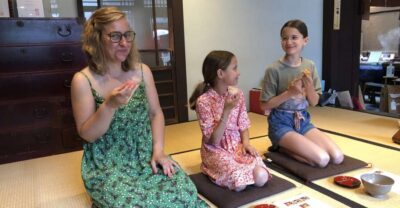
Kyoto: Tea Ceremony Meditation – Make Matcha with Tea Master
Read our review →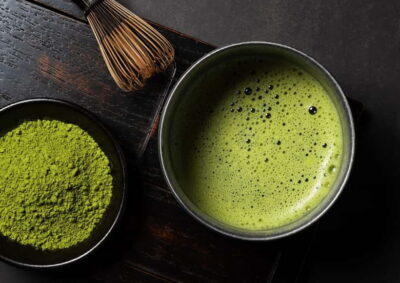
Tokyo: Matcha Making Experience with Mochi Sweets in Asakusa
Read our review →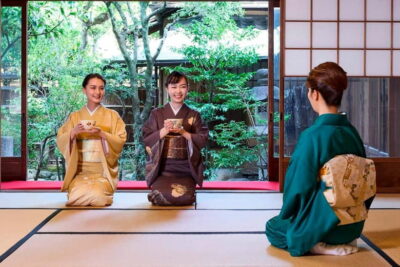
Kyoto: Kimono Tea Ceremony with Matcha and Sweet
Read our review →
Browse the lists this tea experience appears in