
Review · JAPAN
Kagoshima: Matcha Making Experience
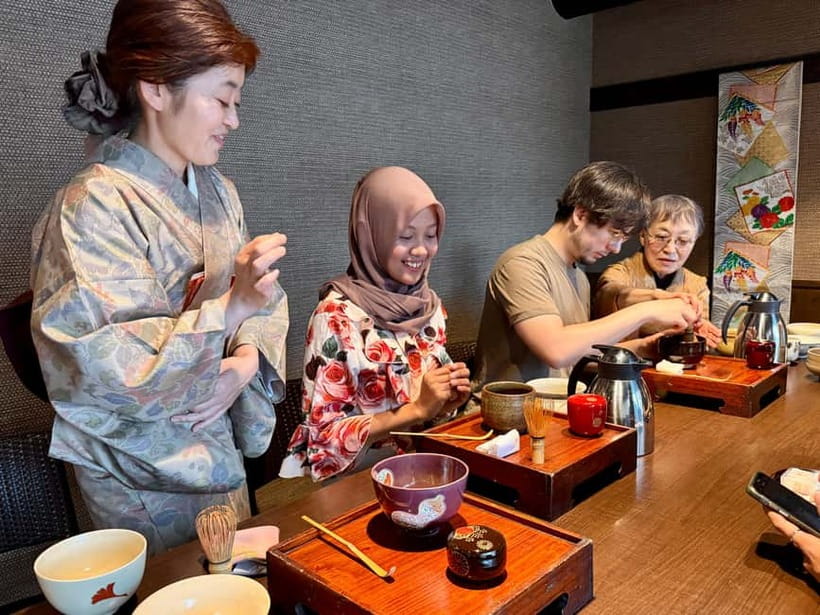
The best thing about this Kagoshima matcha workshop is its friendly, practical approach. You are not expected to know the rules of a formal tea ceremony. Instead, you sit at a table, learn what the utensils do, watch a bowl prepared for you, then make one yourself. Junko and Ayako have helped international visitors ask questions about tea, culture, and history without turning the hour into a stiff performance.
I like the local Kagoshima matcha and sweets, and I like that you receive enough instruction to repeat the process at home. The short walk from Kagoshima-Chuo Station is another clear plus. The main consideration is that this is not a traditional tatami-room ceremony, and the upstairs venue has no lift.
Key points
- A hands-on lesson: You watch the instructor prepare matcha, then whisk your own bowl.
- Local flavors: The matcha powder and traditional confectionery come from Kagoshima.
- Easy station access: The private room is about five minutes from Kagoshima-Chuo Station.
- Casual setting: Tables and chairs make this easier for beginners than a formal tea room.
- Language help: The workshop is conducted in Japanese, with English or German support available.
- Small-group feel: Private or small-group bookings are available for a more personal lesson.
A gentle introduction to Kagoshima matcha
This one-hour experience is designed for curiosity, not ceremony expertise. You learn the basic steps of making matcha, but you also get a feel for why the drink is prepared with such care.
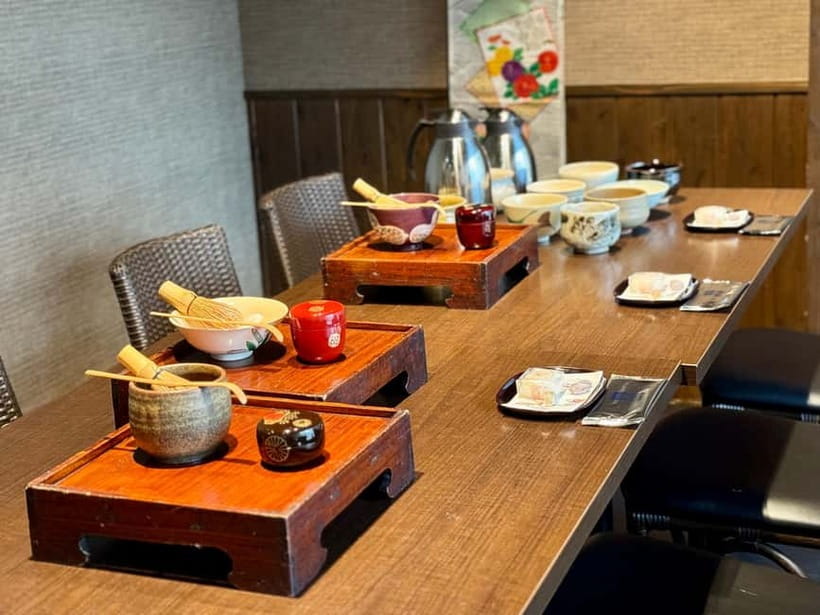
Your instructor begins by introducing the utensils. You will learn what each item is for and how it fits into the preparation. The lesson also touches on basic hospitality etiquette, so you are not only copying motions. You are learning the simple order and manners behind serving tea.
That makes this a good choice if you want more than a quick taste. A demonstration alone can be pleasant, but preparing your own bowl gives you a better memory of the process. You notice the amount of powder, the water, the whisk, and the movement needed to bring the tea together.
The casual room matters. You sit at a table with chairs rather than kneeling in a tatami tea room. For many people, that removes the pressure of getting every movement right. You can focus on the aroma, texture, and instructions.
More Matcha Experiences in Japan:
- World Heritage Kyoto & Nara Uji Authentic Matcha Experience
★ 5.0 · 1,573 reviews - Kyoto: Arashiyama Bamboo Forest, Monkeys, Matcha & Temple Tour
★ 5.0 · 759 reviews - Matcha Making Class in Tokyo with Authentic Japanese Sweets Set
★ 5.0 · 744 reviews
Your first bowl, prepared by the instructor
The activity starts with a bowl of matcha whisked by the instructor. This is a smart order for a beginner because you taste the drink before trying to make it yourself.
You also receive a traditional Kagoshima confection with the tea. The sweet helps balance matcha’s stronger, earthy flavor and gives you a local taste alongside the drink. The confectionery is made with local ingredients and may contain sugar, eggs, yam, rice flour, or nuts, so check ahead if you have allergies.
Take this first bowl slowly. Notice the color, scent, and feel of the tea before you begin. Matcha is not prepared like ordinary loose-leaf tea. The powder is mixed into the water, so the drink has a fuller texture and a more direct tea flavor.
The local sourcing adds value here. You are not simply attending a generic Japanese tea demonstration. Both the matcha powder and sweets come from Kagoshima, giving the hour a clear connection to Kyushu.
Choosing utensils and learning the small details
An appealing detail from the class is the chance to choose your own cup or bowl. This gives you a small personal decision at the start and helps you look at the equipment as more than decoration.
The instructor explains the purpose of the different utensils and how to handle them. You learn the basic process without needing to bring any prior knowledge. Questions are welcome, and the lesson can include cultural or historical explanations when you want more context.
Junko is named as one of the instructors, and Ayako also assists. English or German support can be provided, which is useful for questions about technique or etiquette. The main workshop language is Japanese, so the level of language support may matter to you when booking. If you want detailed explanations in English or German, request the assistant in advance.
The class also covers basic hospitality etiquette. This does not mean you need to memorize a long list of rules. It gives you a sense of how tea is offered and received politely, which adds meaning to the simple act of whisking a bowl.
Whisking your own Kagoshima matcha
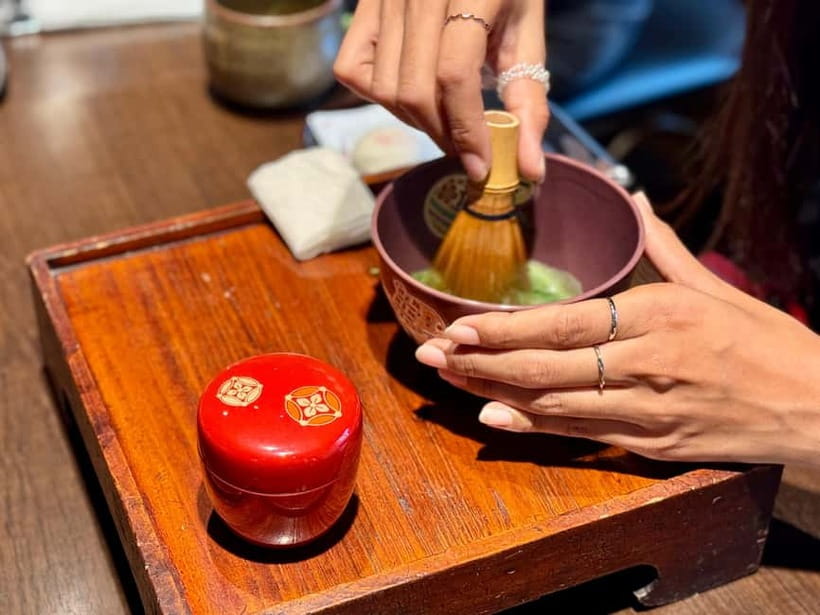
After the demonstration and tasting, you prepare a bowl yourself. You receive matcha to practice making, then follow the instructor’s guidance through the process.
This is the most useful part of the workshop for anyone hoping to make matcha at home. You can ask about the utensils and techniques while you have them in front of you, rather than trying to copy a video later. The instructor can correct your approach and help you understand how the tea should look and feel.
Do not expect a perfect bowl on your first try. The value is in learning the basic rhythm and seeing how the powder changes as you whisk. The activity is intentionally relaxed, so mistakes are part of the lesson rather than a problem.
You also get the fun of comparing your bowl with the instructor’s preparation. The first bowl shows you the finished drink, while your own bowl gives you a practical connection to the method. That simple contrast makes the session more memorable.
More Tea Experiences around Japan:
- Kyoto: Tea Ceremony in a Traditional Tea House in Kiyomizu
★ 4.9 · 3,519 reviews - Kyoto: Tea Ceremony Ju-An at Jotokuji Temple
★ 4.9 · 3,207 reviews - Kyoto: 45-Minute Tea Ceremony Lesson Experience
★ 4.3 · 2,378 reviews - Osaka: Tea Ceremony Experience
★ 4.9 · 1,426 reviews
What the casual room changes
A formal tea ceremony can involve a tatami room, kneeling, prescribed gestures, and a stronger sense of ritual. This experience does not try to recreate all of that.
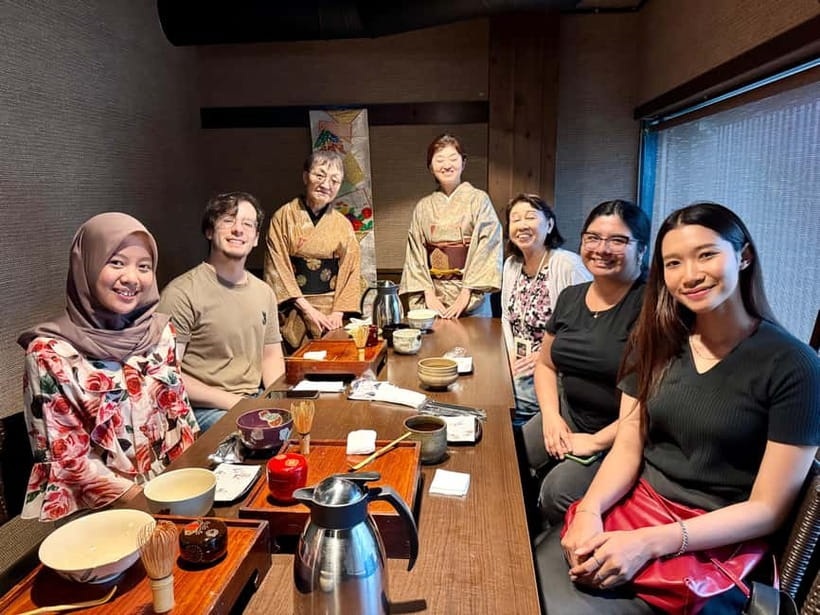
Instead, the private room is inside a Japanese restaurant, and you sit at a table with chairs. I see this as an advantage for beginners, older participants who prefer not to kneel, and anyone who wants a useful introduction rather than a ceremonial display.
It is also a better setting for conversation. You can ask about matcha, utensils, etiquette, and local customs as the activity continues. The small-group or private format supports that personal approach.
There are limits. If your main goal is a formal tea ceremony in a traditional tatami tea room, this is not the right experience. The organizers are clear about that distinction. You are coming for hands-on instruction in a comfortable room, not a full ceremonial performance.
Why the five-minute station walk helps
The venue is about a five-minute walk from Kagoshima-Chuo Station. That is especially handy if you are fitting the workshop between train travel, sightseeing, or other plans in Kagoshima.
You do not need to arrange transportation as part of the activity, but you are responsible for reaching the venue. The meeting point can vary according to the option booked, so check your reservation details before setting out.
The venue is upstairs, on the second floor in the Japanese system, and there is no lift. You need to use the stairs. The activity is not suitable for wheelchair users, so this is an important practical point rather than a minor footnote.
The nearby station location also makes a one-hour activity easy to fit into a busy day. Since the class is short, you can enjoy the tea lesson without giving up half a day of sightseeing.
The $35 price and what you receive
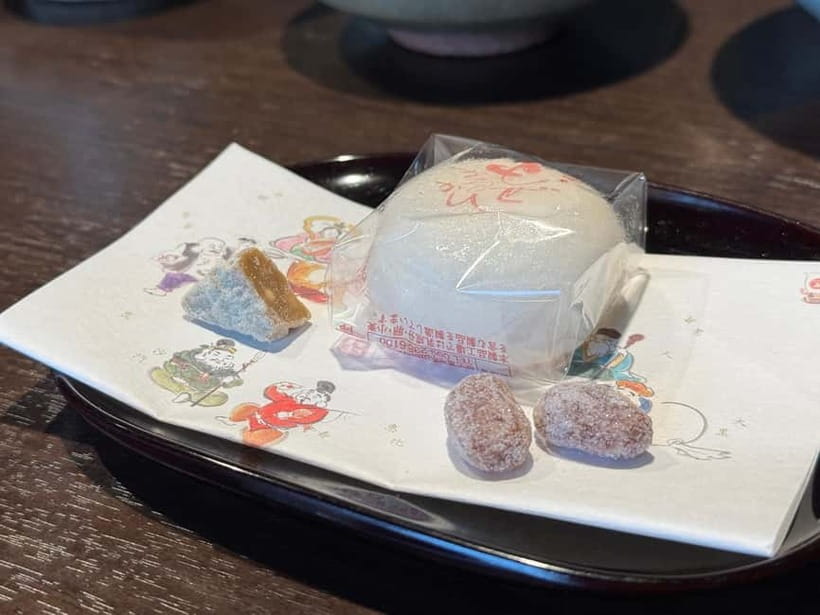
At $35 per person, the price is fair for a guided, hands-on cultural lesson. You receive one bowl prepared for you, one bowl to make yourself, traditional Kagoshima sweets, instruction on utensils and etiquette, and help with the technique.
The value is strongest if you want participation. A simple cup of matcha would cost less, but it would not teach you how to prepare the drink or explain the equipment. A formal tea ceremony might offer more ritual, but this workshop gives you a more direct chance to practice.
Private and small-group options can make the price more worthwhile if you prefer personal attention. They also give you more room to ask questions. The class has received a top rating from the three available bookings, with particular praise for the teacher, the two translators, the cultural explanations, and the convenient location.
One practical advantage is the option to reserve now and pay later. You can keep your schedule flexible, and free cancellation is available up to 24 hours in advance for a full refund. Check the exact option and meeting point when booking because arrangements can vary.
Who will enjoy this matcha lesson
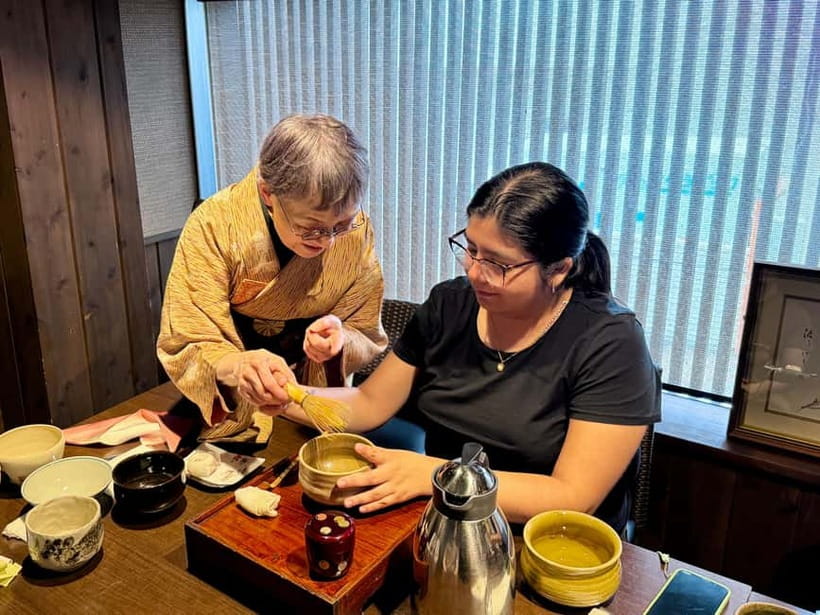
I would recommend this activity to first-time visitors who want a manageable introduction to Japanese tea. It is also useful for anyone who has bought matcha or a whisk at home but never felt sure about the preparation.
You will likely enjoy it if you like asking questions, trying a technique yourself, and learning about local food. The local tea and confectionery give the class a stronger sense of place than a generic demonstration.
The workshop is suitable for participants aged seven and older. It is not designed for children under seven, and the stairs make it unsuitable for wheelchair users.
Matcha contains caffeine. The sweets may contain sugar, eggs, yam, rice flour, and nuts. If you have a food allergy or a health condition affected by caffeine, ask for details before booking.
Avoid perfume and other strong fragrances. This is not only a house rule. Strong scents can cover the delicate aroma of the tea, which is part of what you are there to notice. Smoking and pets are not allowed.
A useful stop near Kagoshima-Chuo Station
The location makes this a practical choice for a short cultural activity in Kagoshima. You can reach the private room on foot from the station, take part in the hour-long lesson, and continue with your day.
The station setting also keeps the experience grounded in ordinary city life. You are not being taken far outside town for a staged attraction. You are meeting an instructor in a local restaurant setting and working with tea and sweets produced in Kagoshima.
The class is especially easy to pair with other plans because the duration is only one hour. Still, allow enough time to find the upstairs venue and confirm the meeting point. The exact starting times depend on availability.
Should you book the Kagoshima matcha workshop?
Book it if you want a hands-on, beginner-friendly tea lesson with local matcha, local sweets, and a convenient city location. The chance to make your own bowl is the main reason to choose it over a simple tea tasting.
It is also a good fit if you want English or German support, though you should request that help when arranging your booking. Junko and Ayako have made the lesson welcoming for international participants, and the small-group format gives you space for questions.
Skip it if you specifically want a full tea ceremony in a tatami room, kimono rental, or a wheelchair-accessible venue. For everyone else, $35 buys a focused hour of instruction, tasting, and practice, with a useful skill you can take home.
FAQ
How long does the matcha experience last?
The workshop lasts one hour.
How much does the experience cost?
The price is $35 per person.
Where is the workshop located?
The venue is in a private room inside a Japanese restaurant, about a five-minute walk from Kagoshima-Chuo Station.
Is this a traditional Japanese tea ceremony?
No. This is a casual matcha preparation workshop at a table with chairs, not a formal ceremony in a tatami tea room.
Do I prepare matcha myself?
Yes. You first receive a bowl prepared by the instructor, then prepare a bowl yourself with guidance.
What food is included?
The experience includes a traditional sweet from Kagoshima. The matcha powder and confectionery are sourced locally in Kagoshima.
Is English assistance available?
Yes. English or German assistance can be provided. The workshop itself is conducted in Japanese, so request language support when booking.
Can I book a private class?
Yes. Private and small-group options are available.
Is the venue accessible by lift?
No. The venue is upstairs and has no lift. The experience is not suitable for wheelchair users.
Are there any age or health restrictions?
Children under seven are not allowed. Matcha contains caffeine, and the sweets may contain sugar, eggs, yam, rice flour, and nuts. Participants with allergies or specific health conditions should check in advance.
Newly steeped around Japan
- Yokohama : Tea Ceremony with Sweets and Souvenir★ 5.0 · 5 reviews
- Whisk Your Own Matcha: A Zen Matcha Experience at Temple★ 3.6 · 7 reviews
- Walking Tour: Yanaka,Nezu& Sendagi: Tea Ceremony & Old Tokyo★ 5.0 · 3 reviews
- Visit local home for music and tea ceremony near Disney★ 4.9 · 13 reviews
- Trip to Kamakura & Enoshima: Shrines, Seaside, Temples &Tea★ 5.0 · 11 reviews
- Yokohama: Sushi & Gyoza Cooking with Matcha & GreenTea Experience★ 5.0 · 3 reviews
- Kyoto tea town for matcha lovers★ 5.0 · 16 reviews
- Uji: Private immersion into Kyoto’s tea and reglious culture★ 5.0 · 17 reviews
Matcha Experiences, compared.
World Heritage Kyoto & Nara Uji Authentic Matcha Experience
Read our review →
Matcha Making Class in Tokyo with Authentic Japanese Sweets Set
Read our review →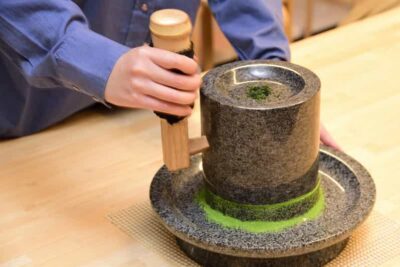
Kyoto: Tea Museum Tickets and Matcha Grinding Experience
Read our review →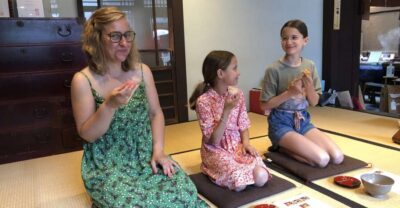
Kyoto: Tea Ceremony Meditation – Make Matcha with Tea Master
Read our review →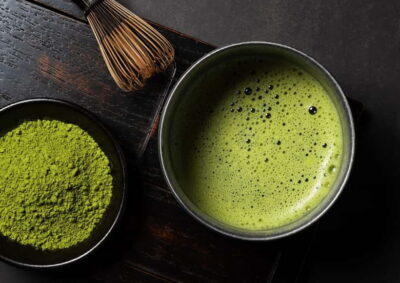
Tokyo: Matcha Making Experience with Mochi Sweets in Asakusa
Read our review →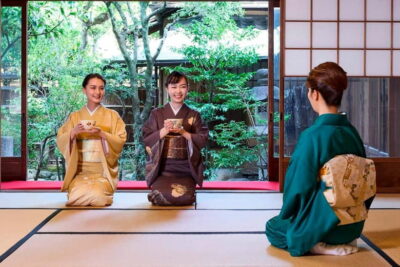
Kyoto: Kimono Tea Ceremony with Matcha and Sweet
Read our review →
Browse the lists this tea experience appears in