
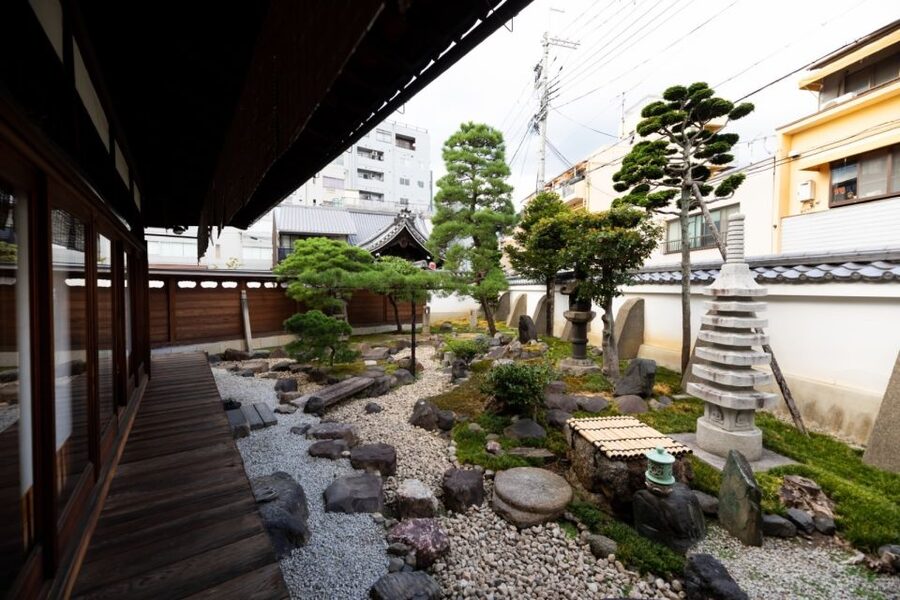
Review · KYOTO
Kyoto: Tea Ceremony Ju-An at Jotokuji Temple
Kyoto’s tea ceremony is less about having a quick cup of tea and more about learning how small movements can carry meaning. At Jotokuji Temple, you begin with a traditional purification ritual, then enter a quiet tearoom where the tea master explains each step before guiding you through your own bowl of matcha. I like the calm temple setting and the chance to take part rather than simply watch. The main drawback is practical: the tearoom has three steps and is not wheelchair accessible.
I also like the small group size, which gives you room to ask questions. Guides such as Kate, Taka, and Yaki have been praised for clear, warm explanations, and sessions often include Japanese sweets alongside the tea. You will need to remove your shoes, and traditional floor seating may not suit everyone, though stools and seats can be provided.
Key points to know before booking
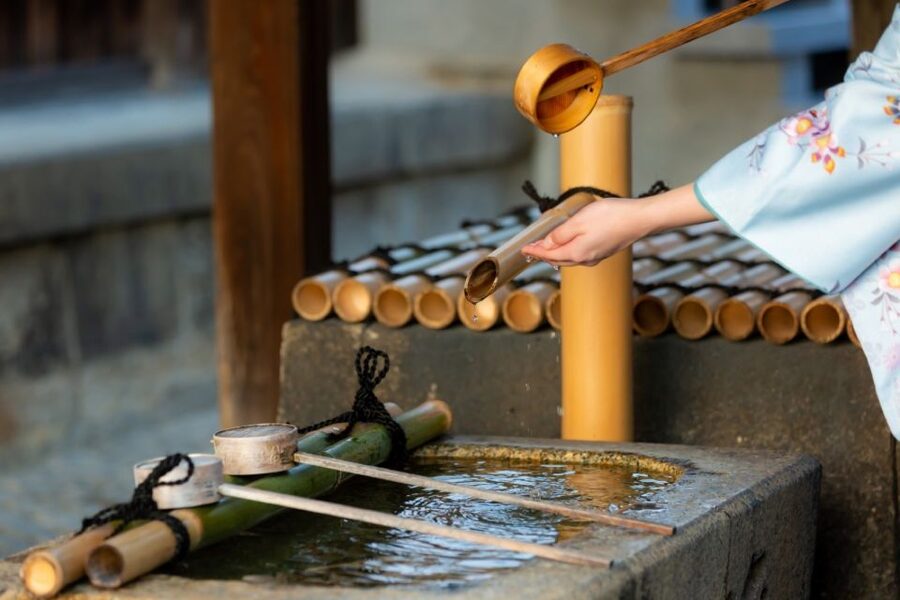
- Purification comes first: You begin at the temple fountain and learn a ritual that many first-time visitors have never seen before.
- The tea is hands-on: The tea master demonstrates the process, then you get a chance to prepare your own matcha.
- The Grand Tearoom is the focus: The ceremony takes place inside a traditional room reached by three steps.
- English instruction is provided: A guide explains the ceremony and translates the tea master’s presentation.
- Groups stay small: The maximum is 10 participants, a useful size for questions and personal guidance.
- The price is modest: At $29 per person for 70 minutes, this is a reasonable introduction to Kyoto’s tea culture.
Why this tea ceremony feels different from a café visit
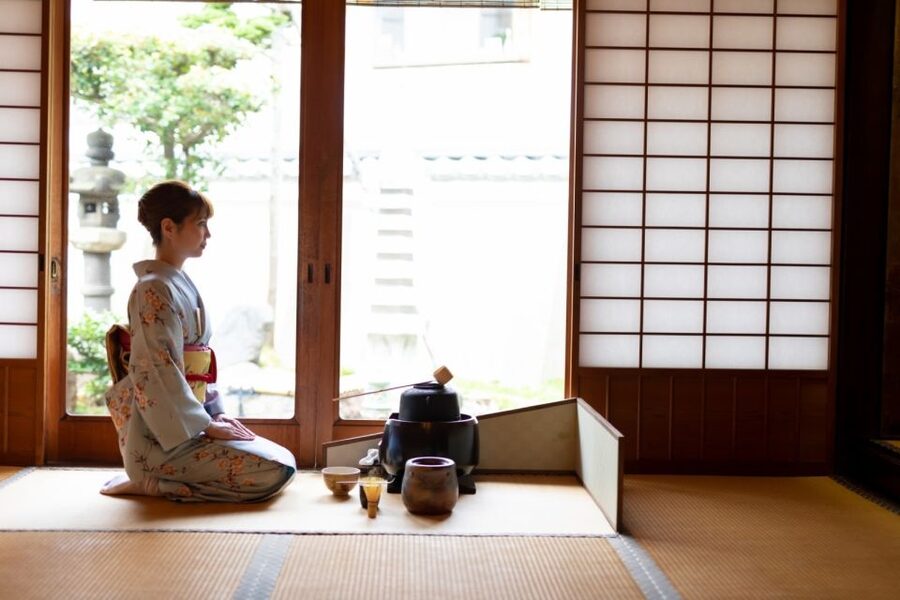
You can drink matcha all over Kyoto. What you cannot easily recreate on your own is the setting, order, and care of a formal tea ceremony.
This experience shows you that the tea is only one part of the event. The way you enter the room, purify yourself, handle the bowl, observe the host, and show respect all matter. Even if you know nothing about chanoyu, the ceremony gives you a useful window into Japanese ideas about attention, restraint, and hospitality.
I like that the session is presented as an introduction rather than an intimidating test of etiquette. You are not expected to arrive with specialist knowledge. The tea master demonstrates what to do, and the English-speaking guide explains why the actions matter. That makes the experience suitable for first-time visitors who want something more meaningful than a quick matcha tasting.
The 70-minute length also works well in a busy Kyoto schedule. A full traditional ceremony can take several hours, while this workshop gives you the central elements without taking up half a day. You get enough time to understand the ritual, ask questions, drink the tea, and try the preparation yourself.
More Tea Ceremonies in Kyoto
- Kyoto: Tea Ceremony in a Traditional Tea House in Kiyomizu
★ 4.9 · 3,519 reviews - Kyoto: 45-Minute Tea Ceremony Lesson Experience
★ 4.3 · 2,378 reviews - Kyoto: Table-Style Tea Ceremony at a Kyo-Machiya
★ 4.9 · 1,211 reviews
Finding Tea Ceremony Ju-An at Jotokuji Temple
The meeting point is Tea Ceremony Ju-An at 556 Gojo-sagaru, Tominokoji Dori, Shimogyo-Ku, Kyoto.
Once inside the temple, face the Main Hall. Look to the left for a few steps leading to the tea room. The instructions ask you to enter through the main gates, where you will pass the Grand Tearoom and a parish shop. The guide waits near the red benches.
This arrival matters because the temple grounds are part of the experience. Do not rush straight to the room if you have a few spare minutes. You can look at the architecture, pause beside the purification fountain, and take in the atmosphere before the formal session begins.
The red benches also provide a useful meeting spot. In good weather, you can sit there while waiting. If rain arrives, you can shelter beneath the shop’s gable or wait inside the Grand Tearoom. That is a small but helpful detail, especially if you are carrying luggage or moving around Kyoto in wet weather.
Give yourself enough time to find the temple entrance. The activity is structured around a meeting point inside the grounds, so arriving late could mean missing the opening ritual or interrupting the group once it has entered the room.
The temple entrance and purification ritual
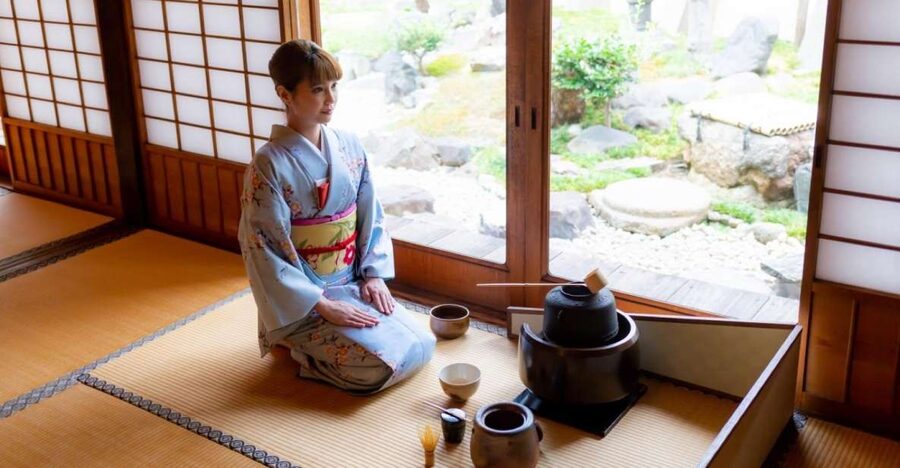
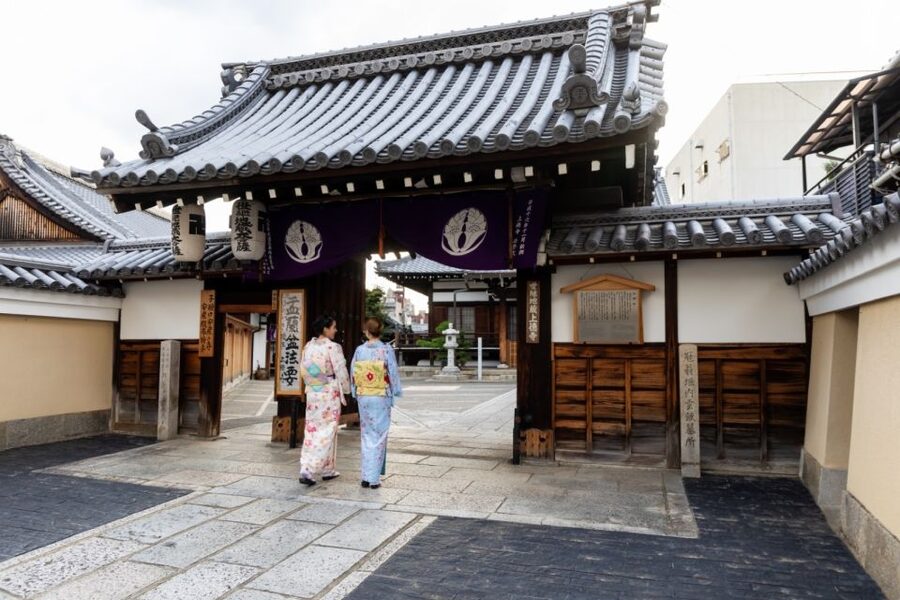
The session begins with a walk through Jotokuji Temple. You have the chance to look at the temple architecture before entering the tea room, and the guide provides an introduction to the site.
The purification ritual takes place before the tea ceremony itself. For many visitors from outside Japan, this is one of the most useful parts because it shows how preparation and respect begin before the first bowl is served. You will learn how to use the purification fountain and why this kind of ritual belongs at the start of the experience.
I like this opening because it prevents the tea ceremony from feeling like a staged performance dropped into an unrelated room. The temple setting, the approach to the tearoom, and the purification ritual create a clear sequence. You move from the outside world into a more focused space.
The temple visit is not a long sightseeing tour, so you should not book this expecting a full architectural study of Jotokuji. Its role is to establish the mood and explain where the ceremony fits. The main event remains inside the Grand Tearoom.
Entering the Grand Tearoom
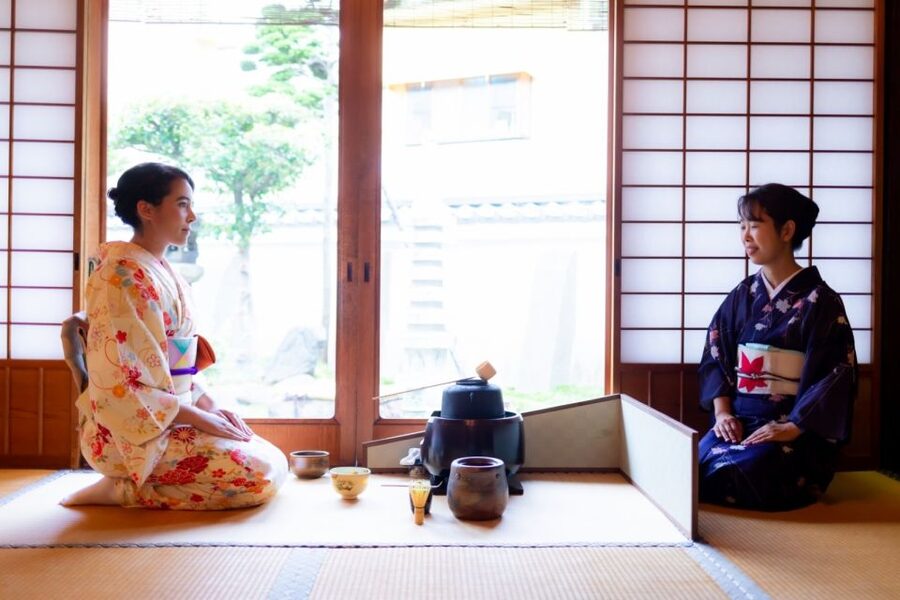
Before entering, you remove your shoes. This is an important part of the setting, not just a practical rule. Wear clean socks and choose footwear that is easy to remove, especially if you are planning a full day of sightseeing.
The tearoom is reached by three steps. The temple itself is wheelchair accessible, but the tearoom is not, so wheelchair users should not book this activity. The stated information also notes that seats and stools can be supplied for anyone who does not feel comfortable sitting on the floor in the traditional position.
That flexibility makes a real difference. Floor seating can be difficult for people with stiff knees, limited mobility, or simply no experience sitting that way. Tell the guide what you need, and you can take part without forcing yourself into an uncomfortable position.
Once seated, the room gives you a closer view of the tea utensils and the host’s movements. This is where the ceremony becomes less about taking photographs and more about watching carefully. The gestures are slow and deliberate, and the guide explains what you are seeing.
Same leaf, a different ritual:
- Kimono Tea Ceremony at Kyoto Maikoya, NISHIKI
★ 5.0 · 911 reviews - Arashiyama Bamboo, Temple, Monkeys, or Secret Sake Brewery
★ 4.8 · 886 reviews - Kyoto: Arashiyama Bamboo Forest, Monkeys, Matcha & Temple Tour
★ 5.0 · 759 reviews - Kyoto: Kimono Tea Ceremony at Orizuruya Gion
★ 4.9 · 618 reviews
Watching the tea master prepare matcha
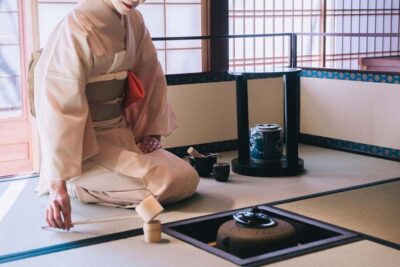
The tea master prepares the matcha while explaining the meaning behind the process. You learn about the implements, the sequence of actions, and the proper way to receive and drink the tea.
A strong part of the session is the attention given to small details. The host does not simply whisk green tea and hand it over. The preparation is treated as a series of respectful movements. That can feel unusual at first, but the English explanation helps you understand why the pace is measured.
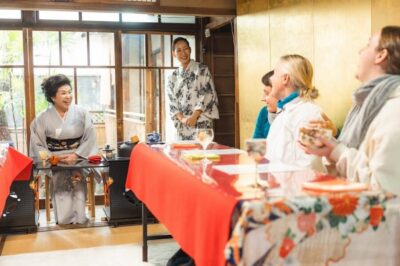
Several sessions have included guides such as Kate working alongside the tea master. The guide’s role is important because the tea master may focus on the ceremony while the English-speaking host explains the cultural points, answers questions, and keeps the group involved.
The explanations are not limited to instructions. You learn about the ideas behind the ceremony and how it connects with Japanese daily life. That is why this experience can appeal even if you are not especially interested in tea. The bowl of matcha is the visible result, but the subject is also manners, focus, hospitality, and the value of a single shared moment.
Making and drinking your own matcha
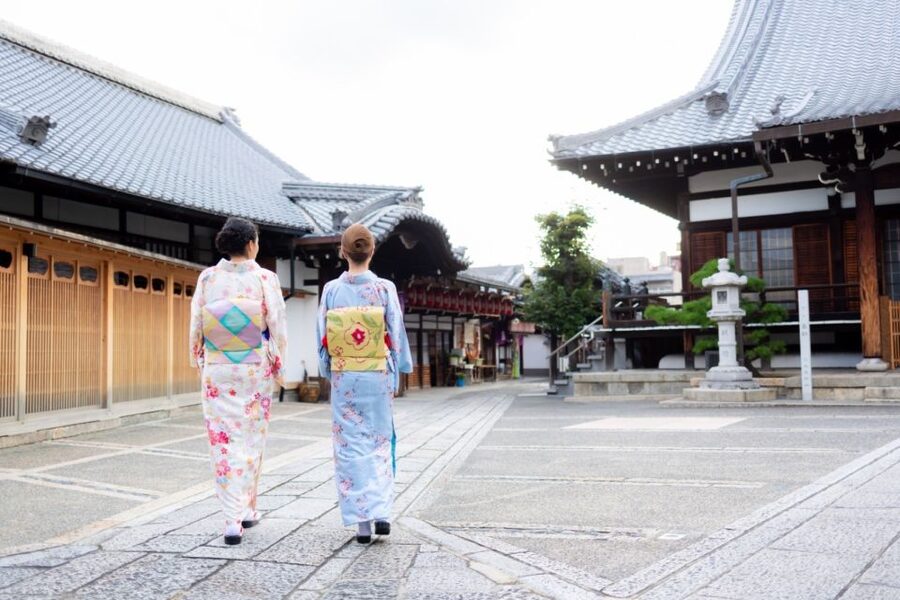
After watching the demonstration, you get a chance to prepare your own tea with guidance from the host and tea master. This hands-on portion is one of the best reasons to choose this activity instead of a demonstration-only event.
You do not have to guess what to do. The instructors show you how to use the ceremonial tools and guide you through the process. The small group helps here because the host can pay attention to each person rather than rushing through a long line.
The matcha is served in the proper setting, and sessions also include Japanese sweets. The sweet is a useful part of the experience because it balances the strong, grassy taste of matcha. The published inclusions do not list a meal, so think of this as a tasting and workshop, not breakfast or lunch.
The tea can be an acquired taste. If you usually drink sweetened tea or coffee, matcha may taste more bitter and earthy than expected. That is not a fault of the activity, but it is worth knowing before you book. The point is to experience the tea in its traditional form and learn how it is prepared.
What the guides add to the experience
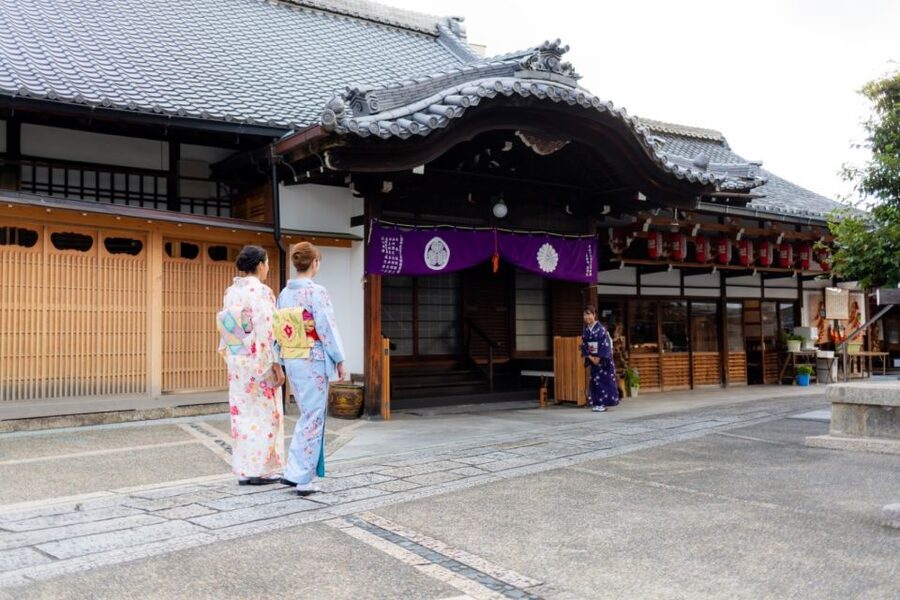
The tea master provides the ritual expertise, while the English-speaking guide makes the presentation easy to follow. That division works well. You can watch the ceremony without losing the explanation.
Names associated with recent sessions include Kate, Taka, and Yaki. Kate has been praised for clear and engaging explanations, while other guides have been described as kind, patient, and encouraging. You may not have all of those hosts in your particular session, but the experience is built around an English-speaking instructor and tea master.
The best guides do more than translate words. They explain why a gesture happens, answer questions without making the group feel awkward, and help visitors participate respectfully. That is especially useful when you are unsure how to hold the bowl, when to drink, or how closely to follow the host’s movements.
The session is also designed for questions. If you are curious about the temple, the matcha, or the ceremony’s place in Japanese culture, you should have time to ask. The group limit of 10 keeps the room personal without requiring a private booking.
Is $29 good value for 70 minutes?
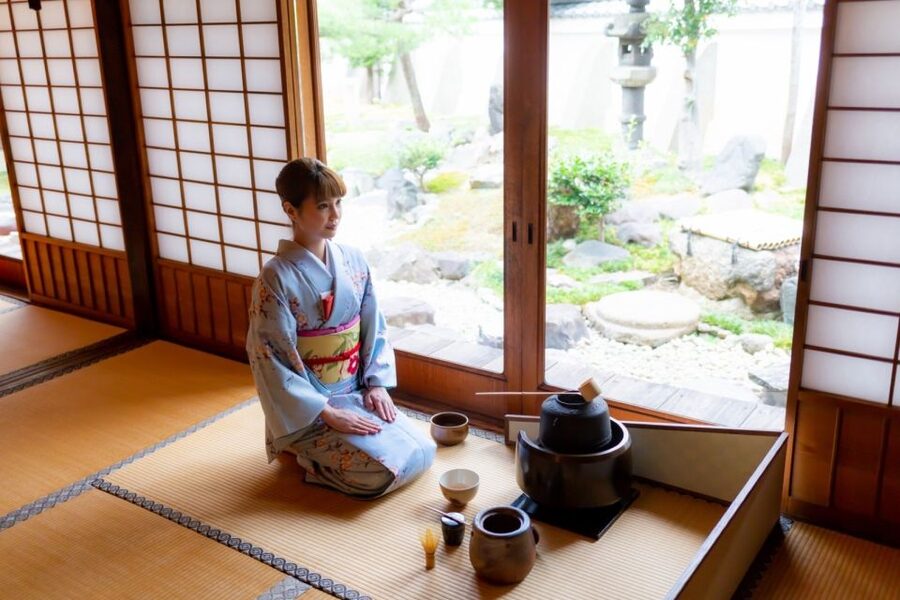
At $29 per person, I consider this a good-value cultural activity in Kyoto. You receive a guided temple introduction, a purification ritual, an English explanation of chanoyu, a tea master’s demonstration, matcha, sweets, and a chance to prepare your own tea.
The value is strongest if you want participation rather than a photo stop. You are paying for instruction, setting, and access to a ceremony that is difficult to arrange independently. A bowl of matcha bought at a café costs less, but it does not give you the same context or hands-on lesson.
The 70-minute duration also keeps the cost practical for a wider range of itineraries. You can place it between other Kyoto sights without giving up an entire afternoon. It works particularly well in the morning, when the quiet atmosphere can provide a calm start to a busy day.
The main limitation is that the price does not cover a meal, and kimono rental is not included. You can rent a kimono separately if you want a more dressed-up photo, but you should treat that as an added expense rather than part of the booking.
Who should book this Kyoto tea ceremony?
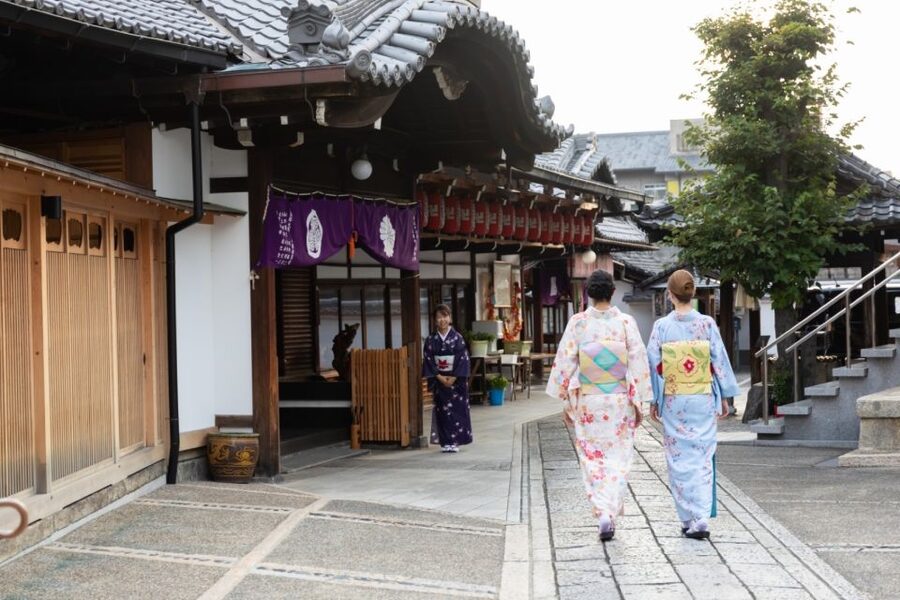
I would recommend it to first-time visitors who want a clear, welcoming introduction to Japanese tea culture. It also suits people who enjoy small cultural workshops, quiet settings, and activities where they can ask questions and take part.
Families with older children may enjoy the hands-on format, though the information provided does not specify a minimum age. Couples, solo visitors, and small groups can all fit comfortably within the 10-person limit.
You should also consider it if you have already visited Kyoto’s major temples and want an activity based on culture rather than sightseeing. The temple visit is short, but the ceremony gives the stop a purpose beyond checking another building off your list.
I would be more cautious if you dislike floor seating, cannot manage three steps, or want a long temple tour. Stools help with the seating issue, but the tearoom itself is not wheelchair accessible. Anyone looking for a full formal ceremony lasting several hours should also know that this is a shorter introduction.
Booking advice and final verdict
The flexible booking terms are useful for a changing Kyoto schedule: you can reserve now and pay later, and cancellations made at least 24 hours ahead receive a full refund. Starting times vary, so check availability for the day you want.
Book this tea ceremony if you want to understand what happens behind the matcha bowl. The purification ritual, temple setting, careful demonstration, and guided preparation turn a simple drink into a lesson in Japanese manners and attention.
Skip it if you only want a fast cup of tea or if the three steps into the tearoom are a problem. For most visitors who can manage the physical setup, $29 is a fair price for a calm, well-explained experience that fits neatly into a Kyoto day.
FAQ
How long does the Kyoto tea ceremony last?
The experience lasts 70 minutes.
Where does the tea ceremony take place?
It takes place at Tea Ceremony Ju-An inside Jotokuji Temple in Kyoto. The meeting point is 556 Gojo-sagaru, Tominokoji Dori, Shimogyo-Ku.
What happens during the experience?
You enter through the temple gates, learn about the temple, take part in a purification ritual, remove your shoes, and join the tea master in the Grand Tearoom. You watch the preparation of matcha, learn how to drink it, and prepare your own tea with guidance.
Is the activity conducted in English?
Yes. The instructor and guide provide the experience in English.
Is the tea ceremony suitable for wheelchair users?
No. The temple is wheelchair accessible, but the Grand Tearoom is not because it has three steps.
Can I avoid sitting on the floor?
Yes. Seats and stools can be provided for people who are not comfortable sitting on the floor in the traditional position.
What is included in the $29 price?
The price includes the tour guide and the chanoyu workshop ceremony. A meal is not included, and kimono rental costs extra.
Newly steeped around Kyoto
- Whisk Your Own Matcha: A Zen Matcha Experience at Temple★ 3.6 · 7 reviews
- Kyoto: Authentic Tea Ceremony in a Small Group★ 5.0 · 7 reviews
- Tea ceremony at Kyoto’s Zen Temple Teahouse★ 5.0 · 2 reviews
- Uji Walking Tour – Byodo-in temple and Tea Ceremony from Kyoto★ 3.5 · 3 reviews
- Tea Ceremony Experience in Traditional Kyoto Townhouse★ 5.0 · 19 reviews
- Tea Ceremony in 150 Years Old Townhouse with Tables and Chairs★ 5.0 · 22 reviews
- Sencha-do the Japanese Tea Ceremony Workshop in Kyoto★ 5.0 · 21 reviews
- Silent Beauty of Kyoto Zen Walk and Tea Experience★ 5.0 · 2 reviews
Tea Ceremony Experiences, compared.
Kyoto: Tea Ceremony in a Traditional Tea House in Kiyomizu
Read our review →
Kyoto: 45-Minute Tea Ceremony Lesson Experience
Read our review →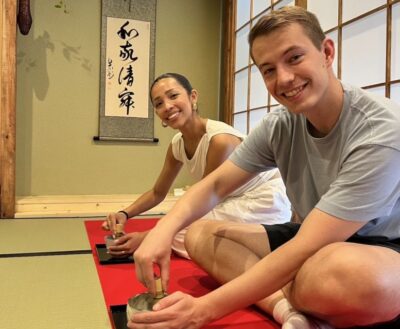
Kyoto: Table-Style Tea Ceremony at a Kyo-Machiya
Read our review →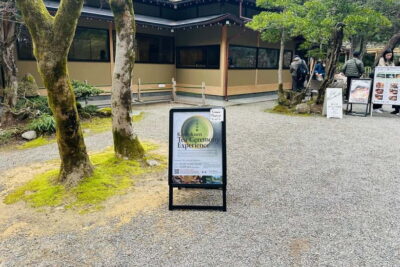


Browse the lists this tea experience appears in