
Review · KYOTO
Kyoto: Kimono Tea Ceremony at Orizuruya Gion
The most memorable part of this Gion experience happens before the tea is even poured. You choose a kimono from more than 200 designs, then staff dress you properly and, for women, finish the look with simple hairstyling. After that, an English-speaking instructor explains the meaning behind the tea ceremony and shows you how to whisk your own matcha.
I like the small maximum of 10 participants, which gives the lesson a calm, personal feel. I also like the chance to keep wearing the kimono after the ceremony, sometimes until 5 p.m., for a short walk and photos in Gion. The main consideration is time: dressing is part of the event, so the actual tea lesson is not a quick drop-in activity.
Key points at a glance
- Choose from more than 200 kimono designs: Staff help with the dressing, so you do not need to know how to tie or arrange traditional clothing.
- Learn to make your own matcha: You handle the bamboo whisk and prepare a bowl yourself, not just watch a demonstration.
- Expect a small group: The maximum is 10 participants, with an English-speaking instructor.
- Add Japanese calligraphy: The longer option lasts about two hours and includes the calligraphy set and lesson.
- Use the Gion location well: The shop is a short walk from both Gion-Shijo and Kyoto-Kawaramachi stations.
- Plan for extra photos afterward: The kimono may be kept until 5 p.m., depending on the arrangement for your time slot.
Choosing a kimono in Gion
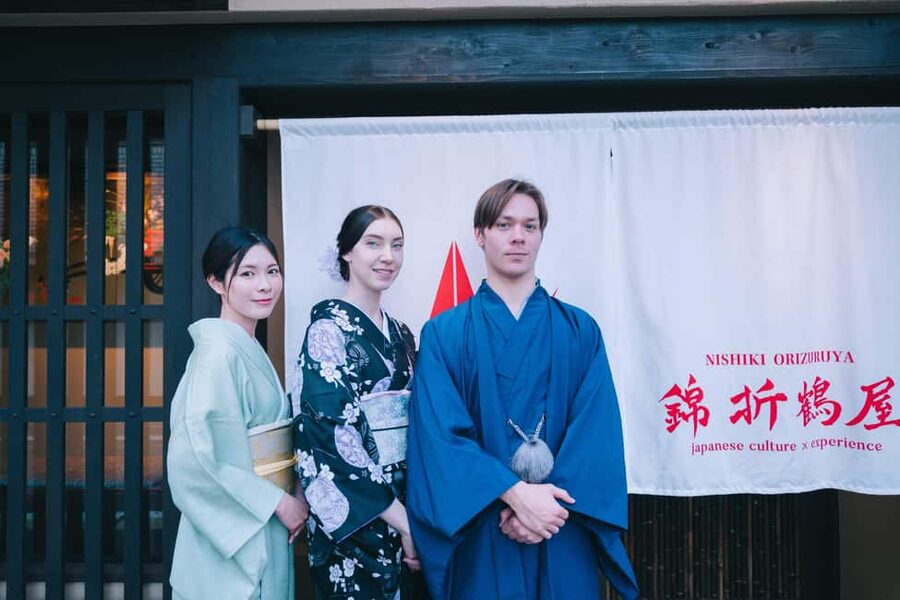
Orizuruya Gion is at 572-7 Minamigawa, in Kyoto’s Higashiyama district. It is about a seven-minute walk from Keihan Gion-Shijo Station and about 10 minutes from Hankyu Kyoto-Kawaramachi Station. That makes this easy to pair with an afternoon around Gion rather than a special cross-city outing.
Inside, you begin by selecting your kimono. The large selection is one of the stronger parts of the experience, but it can also make the first few minutes feel a little busy. If you have a color or pattern in mind, say so early. Otherwise, let the staff guide you toward something that suits you.
The dressing is handled by experienced staff. That matters because a kimono is not simply a robe you throw on and tie at the waist. The layers, belt, and final adjustments create the proper shape, and the staff make sure the clothing sits neatly before you enter the tea room.
For women, simple hairstyling is included. It is not presented as a full salon appointment, so keep your expectations sensible. It is a useful finishing touch that makes the traditional clothing look more complete in photographs.
The process is practical as well as theatrical. You do not need to arrive knowing formal Japanese etiquette, and staff help you avoid awkward mistakes. That makes this a good first cultural activity in Kyoto, especially if you want to take part rather than simply watch.
More Kimono and Tea Ceremonies in Kyoto
- Kimono Tea Ceremony at Kyoto Maikoya, NISHIKI
★ 5.0 · 911 reviews - KYOTO Tea Ceremony with kimono near by Imamiya Jinjya Shrine
★ 5.0 · 343 reviews - Kyoto: Kimono and Tea Ceremony Experience at Cultural Asset
★ 4.3 · 306 reviews
A quiet tea room and an English lesson
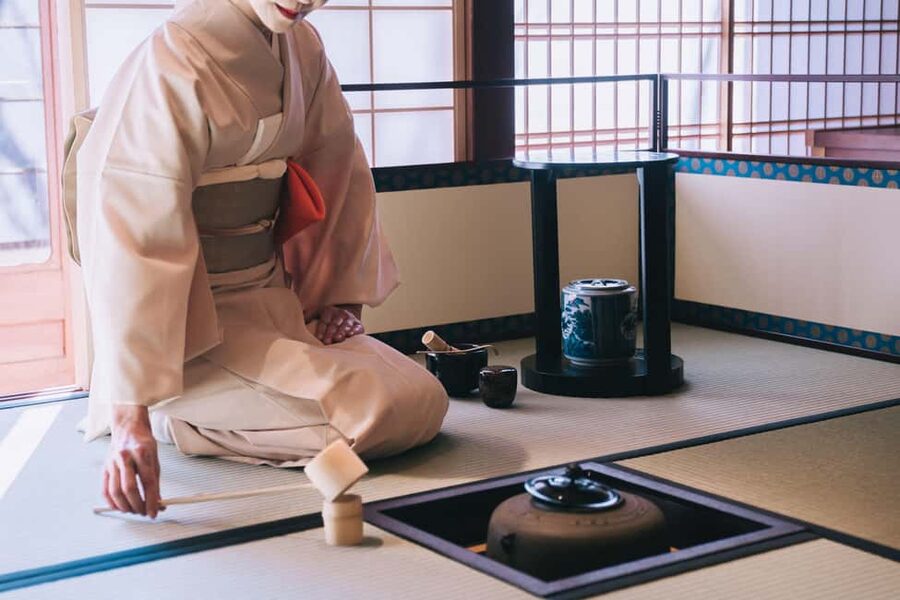
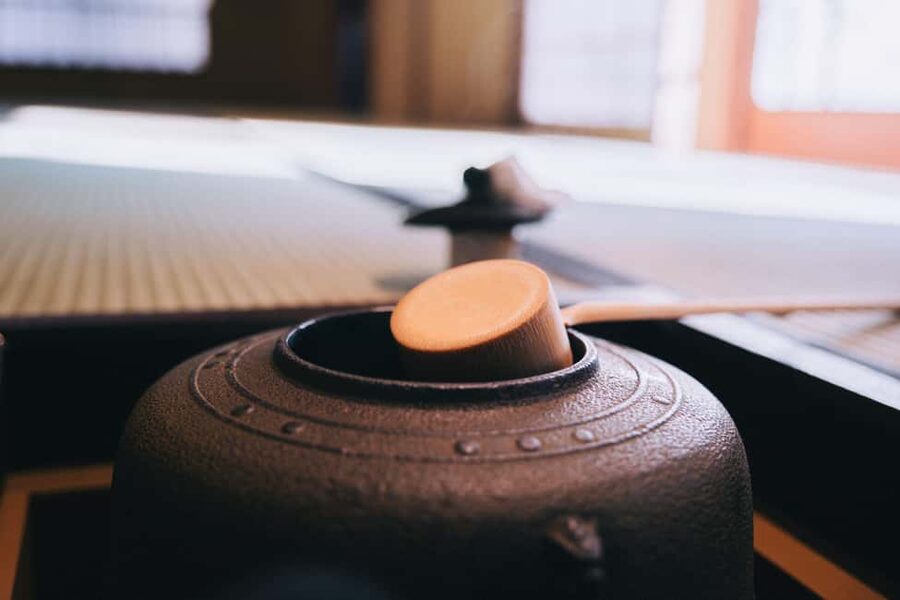
Once dressed, you move into the tea room for the main event. The instructor explains the order of the ceremony, the purpose of the utensils, and the careful movements used to prepare matcha. The tone is calm and respectful, but you are encouraged to ask questions.
This is not a performance where you sit silently while an expert does everything. You learn how to use the chasen, the traditional bamboo whisk, and then make your own bowl of matcha. The lesson gives you a small skill you can carry home, even if your first bowl is not as smooth as the instructor’s.
The tea ceremony has a slow rhythm. You watch the preparation, follow the directions, and pay attention to details that are easy to miss in a faster cultural show. The quiet is part of the point. It gives you a break from the noise and crowds of central Kyoto without requiring a long retreat outside the city.
The English instruction is especially useful here. The ceremony contains gestures and habits that may not be obvious to a first-time participant. An English-speaking instructor explains what you are doing and why, so you are less likely to treat the ritual as a photo opportunity with tea added on.
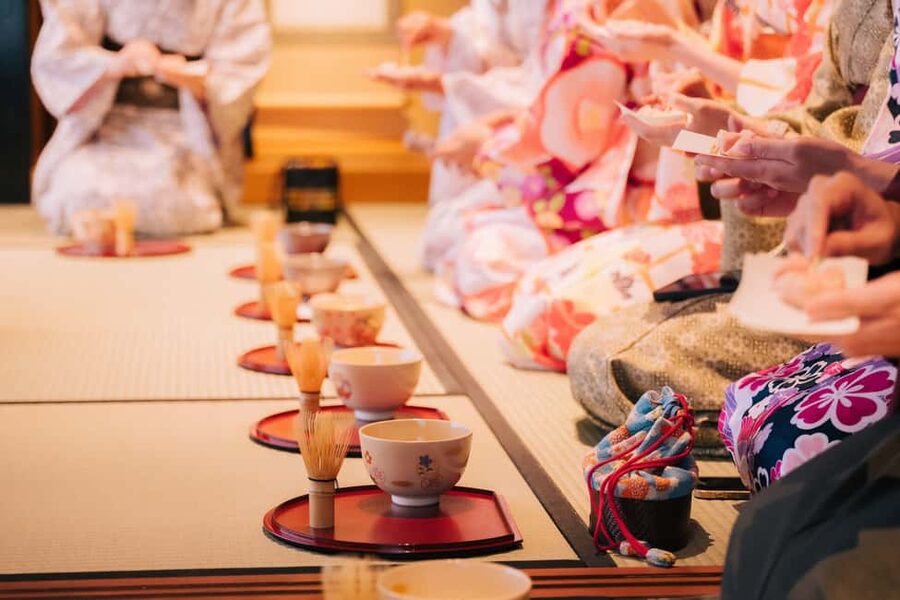
You also receive Japanese sweets called wagashi with the matcha. These sweets are made to balance the tea’s bitter edge, and they give the tasting a clear Japanese context. The confectionery is described as a century-old maker, which adds a pleasant link to Kyoto’s long tradition of seasonal sweets.
Do not expect the tea to taste like a sweet café drink. Matcha has a strong, grassy bitterness, and the wagashi helps prepare your palate. The appeal lies in making the tea, understanding the balance, and taking time with it.
What the 90-minute option really includes
The tea ceremony version lasts about one hour and 30 minutes. That period covers the clothing selection, dressing, hairstyling where included, the tea lesson, matcha preparation, sweets, and photographs or final moments with the staff.
Because the appointment includes several stages, this is not the right choice if you only want a five-minute kimono photo session. It is also not a formal tea school course. You receive a friendly introduction to the practice, with enough explanation to understand the basic movements and meaning.
I would choose an earlier appointment if you want to make use of the kimono afterward. The clothing can be kept until 5 p.m. in the arrangement described for this experience, giving you time to visit a nearby temple, take pictures, or walk through Gion before returning it.
That extra time can change the value calculation. At $49 per person, the price covers the kimono set, tea utensils, wagashi, matcha, simple hairstyling, taxes, and an English-speaking licensed guide. If you wear the kimono only for the ceremony, the price reflects a cultural lesson and clothing rental. If you keep it for several hours, it also functions as a short Gion kimono rental.
Remember that you are responsible for your own transport to and from the meeting point. The convenient station access keeps that cost and effort modest, but it is still worth leaving enough time to arrive before the dressing begins.
Adding Japanese calligraphy for two hours
The longer version lasts about two hours and adds Japanese calligraphy. A calligraphy set is included only with that option, so check the exact selection when booking.
The calligraphy portion gives the event a second hands-on skill. You hold the brush, work through the basic technique, and leave with a personal result rather than only a memory card full of photographs. The activity can be challenging, particularly if you are unused to controlling a brush with deliberate pressure and speed, but the instructor is there to guide you patiently.
I would choose the calligraphy option if you want more to do than dress up and drink tea. It also suits families and couples who enjoy making something together. Several participants have found the calligraphy lesson to be the most engaging part because it adds concentration and a clear sense of progress.
The tradeoff is time. Two hours in traditional clothing can feel long if your main aim is a short cultural introduction. You also need to plan the rest of your day around the appointment, especially if you have a timed visit to Kiyomizu-dera, a restaurant reservation, or a train to catch.
More Tea Ceremonies in Kyoto
- Kyoto: Tea Ceremony in a Traditional Tea House in Kiyomizu
★ 4.9 · 3,519 reviews - Kyoto: Tea Ceremony Ju-An at Jotokuji Temple
★ 4.9 · 3,207 reviews - Kyoto: 45-Minute Tea Ceremony Lesson Experience
★ 4.3 · 2,378 reviews - Kyoto: Table-Style Tea Ceremony at a Kyo-Machiya
★ 4.9 · 1,211 reviews
Walking through Gion afterward
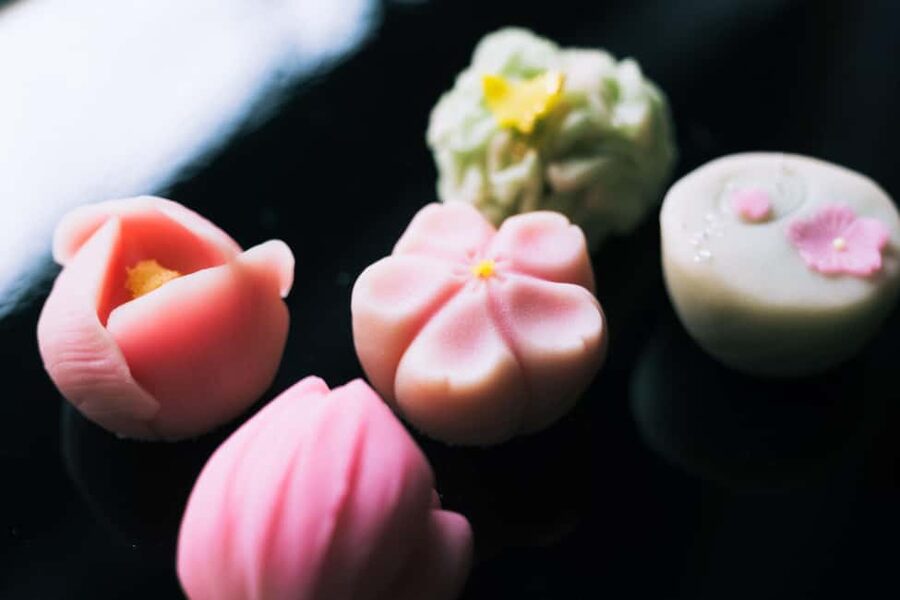
The location gives you a useful bonus: Gion is right outside the door. The area offers narrow lanes, traditional buildings, shrines, and plenty of places for photographs, though you should remember that it is a working neighborhood as well as a sightseeing district.
The experience allows you to keep the kimono for a walk afterward, with the return time described as up to 5 p.m. The exact practical value depends on your appointment time. A morning booking gives you much more time to use the clothing than a late afternoon booking.
A nearby temple is about a 10-minute walk away, according to the experience details. That makes an easy follow-up stop, though the kimono is not ideal for covering long distances or rushing between attractions. Wear comfortable shoes if they are part of your chosen outfit, and allow extra time for steps and uneven streets.
Photos are encouraged, and staff may help take them. This is one reason the dressing and hair arrangement work well together. You leave looking ready for the setting instead of having to arrange everything yourself.
Be respectful when taking pictures in Gion. Avoid blocking lanes, entering private areas, or photographing people who do not wish to be included. The clothing is part of your experience, not a pass to ignore the neighborhood around you.
Staff, pace, and group size
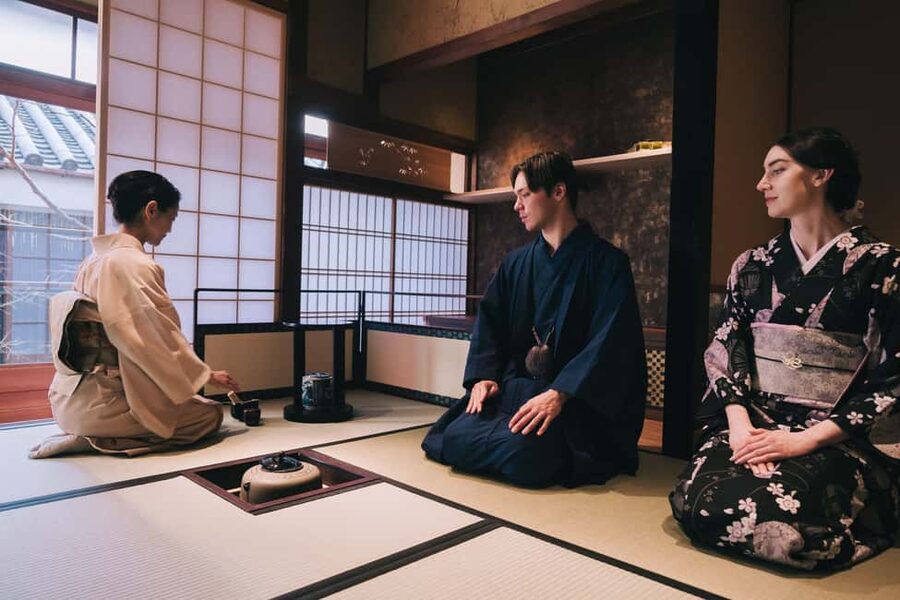
The maximum group size is 10. That is small enough for the instructor to watch your whisking, answer questions, and keep the ceremony from feeling like a large stage show.
The staff speak English at the activity, while the dressing team may communicate more through simple words, gestures, and hands-on assistance. That need not be a problem. Dressing is a visual process, and the staff’s job is clear even when conversation is limited.
Juki is specifically praised in the supplied details for making the tea experience warm and memorable. Other staff members help with the kimono, hair, photographs, directions, and local practical advice. The overall setup relies on several people doing different jobs, so the event feels more like a hosted experience than a single guide reciting a script.
The tone is welcoming, including for people who worry about making a mistake. You are shown how to sit, handle the utensils, and prepare the tea. The ceremony retains its formal shape, but you are not expected to arrive with specialist knowledge.
Who will enjoy this most

I would recommend this experience to first-time visitors who want a clear introduction to Japanese culture. You get clothing, food, instruction, a traditional setting, and a practical activity in one booking.
It works especially well for:
- Couples looking for a memorable Kyoto activity
- Families with older children or teenagers
- Solo visitors who want a guided cultural experience
- Anyone interested in photography and traditional clothing
- Visitors who prefer doing something hands-on rather than touring another monument
- People who want to add calligraphy to a tea ceremony
It is also a good rainy-day plan. Much of the event takes place indoors, and the short walk afterward can be adjusted to the weather.
You may want something else if you have already studied tea ceremony in depth. The lesson is an accessible introduction, not an advanced course in tea practice. Likewise, people who dislike formal clothing, sitting quietly, or following careful instructions may find the pace slow.
The clothing can also be snug and structured. That is part of wearing a kimono properly, but it is worth considering if you have limited comfort with layered garments. The staff can help you dress, but you should still allow enough time and patience for the process.
Is $49 a good value?
At $49, the cost is fair for what is included. You are not paying for only a cup of matcha. The price covers a kimono set, dressing assistance, simple hairstyling for women, wagashi, tea utensils, an English-speaking guide, all fees and taxes, and the lesson itself.
The value improves if you choose an early appointment and use the kimono for a few hours afterward. In that case, the event combines a cultural class with clothing rental and a photo opportunity in Gion.
The calligraphy option may be the better buy for anyone who wants a fuller two-hour activity. It adds another instructor-led skill and gives you something tangible to remember the day by. If you are mainly interested in tea, the shorter option should be enough.
A 4.9 rating from 618 reviews indicates very strong satisfaction, particularly with the friendly staff, the quality and range of the kimono, the clear tea instruction, and the calm atmosphere. I would still read that number with some care: the experience is designed to be welcoming and accessible, so it is best judged against your own expectations rather than against a formal tea ceremony for experts.
Booking details worth knowing
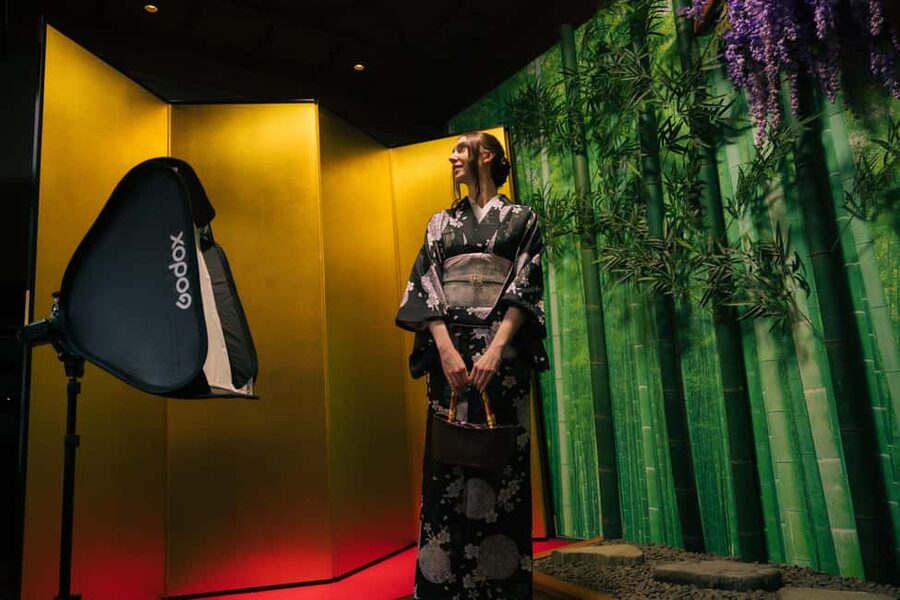
You can cancel up to 24 hours before the activity for a full refund. You can also reserve now and pay later, which helps if your Kyoto schedule is still shifting.
Starting times vary, so check availability before planning your day. Arrive at Gion Oritsuruya in time for the dressing stage. If you arrive late, you may lose some of the quiet preparation that makes the experience worthwhile.
Bring only what you need. You will be changing into a kimono, taking photographs, and possibly walking afterward. The meeting point is easy to reach from two major stations, but you still pay your own train or taxi fare.
If you choose the calligraphy version, confirm that you have selected the two-hour option. The calligraphy set is not included with the tea-only experience.
Should you book it?
Book this if you want a polished, low-stress way to try a kimono and learn what a matcha ceremony involves. The best parts are the wide clothing choice, patient dressing help, hands-on whisking, small group size, and the chance to walk around Gion afterward.
Choose the calligraphy option if you want a longer activity and enjoy making something with your hands. Choose the 90-minute version if tea, sweets, and traditional dress are your main goals.
I would skip it only if you want an advanced tea-school lesson, dislike dressing up, or have a tightly packed Kyoto schedule. For most visitors, the $49 price buys more than a staged photo: it gives you a calm cultural lesson, a new skill, and a practical way to enjoy Gion in traditional clothing.
FAQ
Where does the kimono tea ceremony take place?
It takes place at Gion Oritsuruya, 572-7 Minamigawa, Gion-machi, Higashiyama-ku, Kyoto-shi, Kyoto.
How do I reach Orizuruya Gion?
The meeting point is about a seven-minute walk from Keihan Gion-Shijo Station and a 10-minute walk from Hankyu Kyoto-Kawaramachi Station.
How long does the activity last?
The tea ceremony experience lasts about one hour and 30 minutes. The tea ceremony with Japanese calligraphy lasts about two hours.
Is hairstyling included?
Simple hairstyling is included for women. Kimono rental, tea utensils, wagashi, matcha, taxes, and the licensed guide are also included.
Can I choose a Japanese calligraphy lesson?
Yes. Select the Japanese Calligraphy Experience option. The calligraphy set is included only with that option.
Can I cancel or pay later?
You can cancel up to 24 hours in advance for a full refund. Reserve now and pay later is also available, subject to the booking terms.
Newly steeped around Kyoto
- Whisk Your Own Matcha: A Zen Matcha Experience at Temple★ 3.6 · 7 reviews
- Kyoto: Authentic Tea Ceremony in a Small Group★ 5.0 · 7 reviews
- Tea ceremony at Kyoto’s Zen Temple Teahouse★ 5.0 · 2 reviews
- Uji Walking Tour – Byodo-in temple and Tea Ceremony from Kyoto★ 3.5 · 3 reviews
- Tea Ceremony Experience in Traditional Kyoto Townhouse★ 5.0 · 19 reviews
- Tea Ceremony in 150 Years Old Townhouse with Tables and Chairs★ 5.0 · 22 reviews
- Sencha-do the Japanese Tea Ceremony Workshop in Kyoto★ 5.0 · 21 reviews
- Silent Beauty of Kyoto Zen Walk and Tea Experience★ 5.0 · 2 reviews
Kimono & Tea Ceremony, compared.


KYOTO Tea Ceremony with kimono near by Imamiya Jinjya Shrine
Read our review →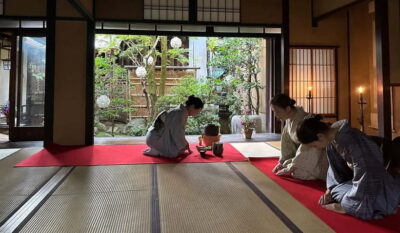
Kyoto: Kimono and Tea Ceremony Experience at Cultural Asset
Read our review →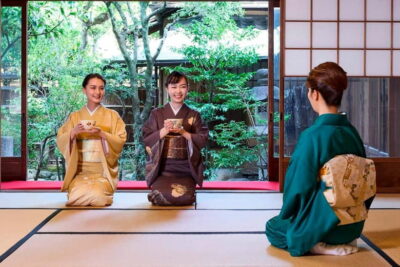
Kyoto: Kimono Tea Ceremony with Matcha and Sweet
Read our review →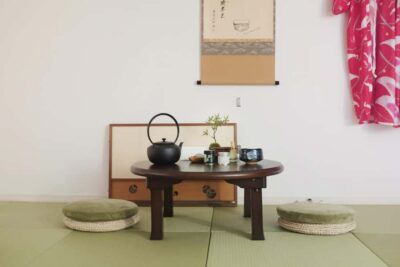
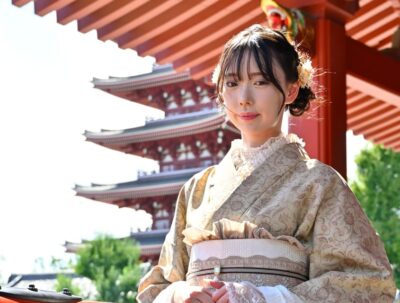
Tokyo: Asakusa Kimono Dressing and Matcha Experience
Read our review →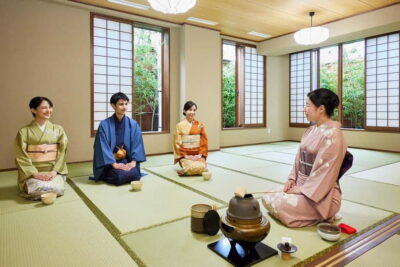
Asakusa: Kimono Tea Ceremony with Matcha and Sweet
Read our review →Browse the lists this tea experience appears in