
Review · JAPAN
Asakusa Cultural Walk & Matcha Making Tour
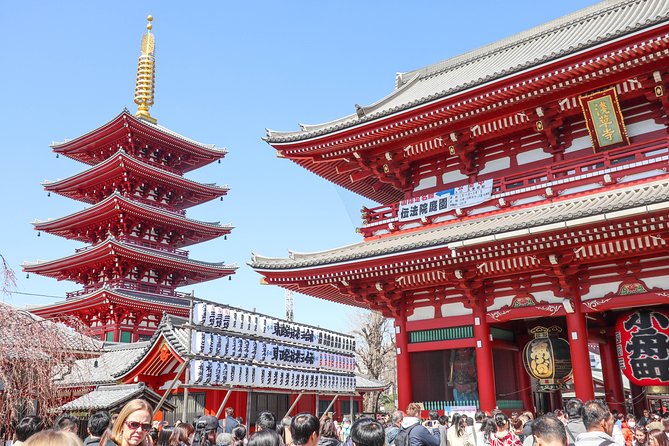
Asakusa is more than the big red Kaminarimon gate and the packed approach to Sensoji. This three-hour small-group walk takes you into the customs, food, and daily character of the district, with a hands-on matcha session and lunch at a local restaurant.
I like the small group of up to eight, which gives you room to ask questions, and I like that lunch is an activity rather than just a meal. You make your own okonomiyaki or monjayaki and get one drink. The main caution is that the advertised monjayaki may be replaced by okonomiyaki, and one recent departure did not include the promised snack.
Key points to know before booking
- Matcha is made by you: At Kaminari Issa, you prepare powdered green tea and taste a highly ranked matcha.
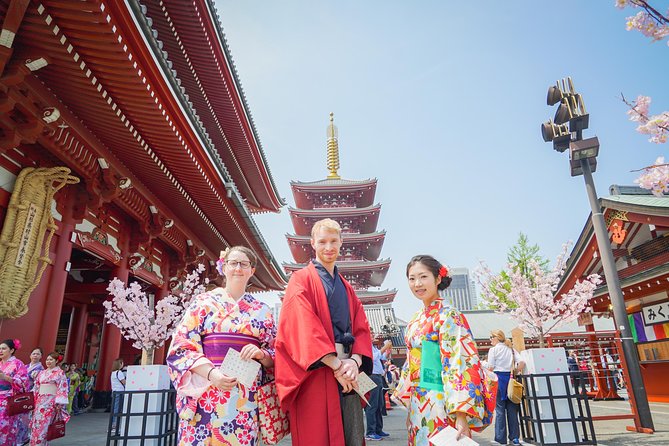
- Temple customs get explained: Your local English-speaking guide adds context to Sensoji and Asakusa Shrine.
- Lunch is hands-on: Cook okonomiyaki or monjayaki yourself, with one drink included.
- The group stays small: With a limit of eight participants, conversation is easier than on a large coach tour.
- The meeting point is simple: Find your guide by the red or orange sign near the Kaminarimon Police Box.
- Food limits matter: The tour is not suitable for people with gluten intolerance, and allergy-free meals cannot be guaranteed.
Why this Asakusa walk feels different
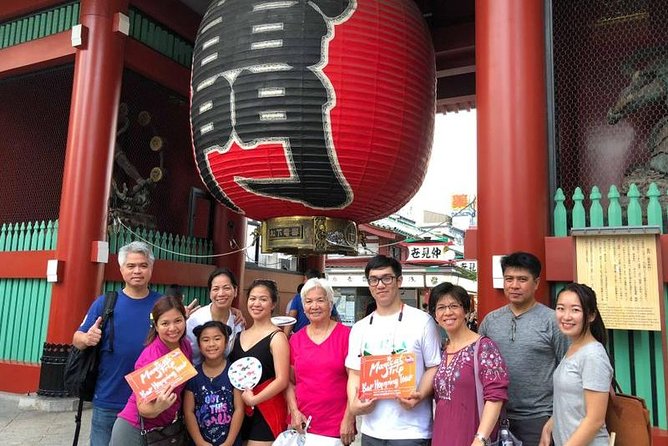
Many first visits to Asakusa follow the same short route: Kaminarimon, Nakamise, Sensoji, a photo, and out. That route shows you the district’s famous face, but it leaves out the everyday customs and food that give Asakusa its local flavor.
This tour adds those missing pieces. You still see the major sights, but your guide explains how to behave at a temple, what local people buy, and where to eat without relying only on the most obvious restaurants around the sightseeing area.
I especially like the balance between looking and doing. You spend time at religious sites, then step into a teahouse to prepare matcha. Later, lunch becomes a cultural lesson as you cook your own savory pancake or monjayaki.
At $88 per person, the price is not bargain-level for a three-hour walk. Still, it covers a guide, a small snack, lunch with one drink, the matcha-making experience, and tour photos. If you would otherwise pay separately for a food stop and a tea activity, the package offers fair value. It is less appealing if you mainly want a quick orientation walk or prefer choosing every dish yourself.
More Matcha Experiences in Japan:
- World Heritage Kyoto & Nara Uji Authentic Matcha Experience
★ 5.0 · 1,573 reviews - Kyoto: Arashiyama Bamboo Forest, Monkeys, Matcha & Temple Tour
★ 5.0 · 759 reviews - Matcha Making Class in Tokyo with Authentic Japanese Sweets Set
★ 5.0 · 744 reviews
Meeting the guide near Kaminarimon
The tour begins at 11 a.m. in front of the Kaminarimon Police Box, close to Asakusa Station’s Ginza Line Exit 1. Allow about three minutes from the station exit, and look for the red or orange sign held by your guide.
Arrive early. The group must leave on time, and if you miss the start, you cannot join later, move the booking, or claim a refund. Large bags and luggage are not allowed, so this is best done before hotel check-in or after leaving your bags somewhere secure.
The English-speaking guide is central to the experience. Guides named Hina, Nori, and Ramesh have led departures, each with a different style. Hina received particular praise for explaining the tea-making process step by step and answering questions with patience. Nori guided one small spring group, while Ramesh was described as friendly, fun, and well informed about the area.
You should expect the guide to shape the mood of the day. The small format helps here. With no more than eight people, you can ask about temple etiquette, local food, shopping, or neighborhood life without trying to speak over a crowd.
Sensoji and Asakusa Shrine: more than a photo stop
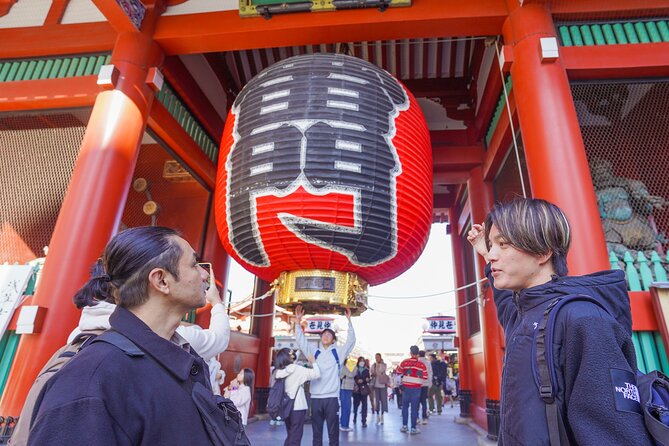
The route includes time at Asakusa Shrine and Sensoji, with the shrine appearing twice in the stated schedule. That may reflect separate portions of the visit or a scheduling detail, so do not expect two completely different attractions at that point.
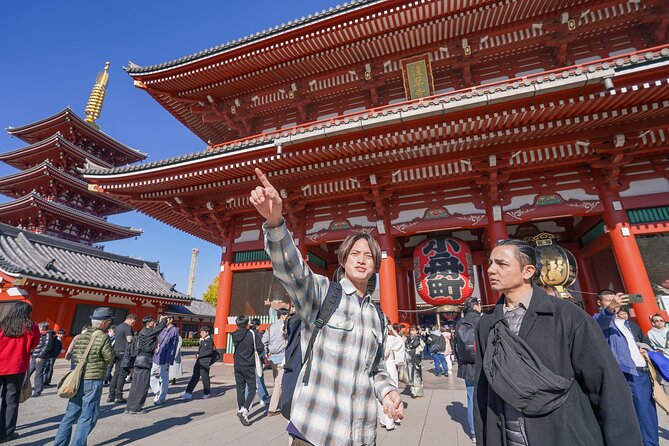
Sensoji is Asakusa’s major draw, and the approach through Kaminarimon and Nakamise is often crowded. A guide helps you read the scene rather than simply follow the flow of people. You can learn about important temple customs, how to act respectfully, and what the different areas mean.
Asakusa Shrine gives the tour another angle on the district’s religious traditions. The guide can connect the shrine visit with local life, rather than leaving you to guess what you are seeing. That kind of explanation is useful if Japanese temple and shrine customs are new to you.
The schedule allows about 20 minutes at one listed shrine stop and 25 minutes at another. That is enough for orientation and questions, but not enough for a slow, detailed examination of every building. If you want a long independent visit to Sensoji, plan to return after the tour.
Nakamise and the useful side of shopping
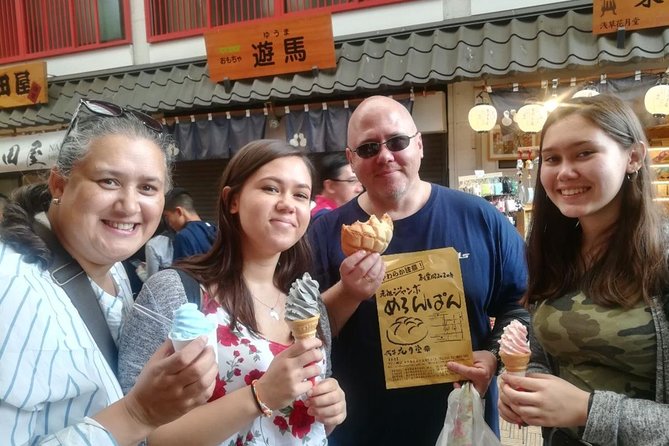
Nakamise is the traditional shopping street leading toward Sensoji. It is a natural place to look at Japanese sweets, souvenirs, small gifts, and local goods, but it can also feel like a conveyor belt of purchases when you are on your own.
Your guide gives you practical help with what to buy and what to eat. That matters because the best choice is not always the most eye-catching item in the first shop. The tour does not give you much free shopping time, though. The visit is listed at about 20 minutes, so note ideas during the walk and return later if something catches your eye.
I would treat Nakamise as an introduction, not a dedicated shopping session. The tour finishes around 2 p.m. near Hoppy Street, leaving you time to revisit the street, browse more slowly, or continue around Asakusa after the group ends.
More Tea Experiences around Japan:
- Kyoto: Tea Ceremony in a Traditional Tea House in Kiyomizu
★ 4.9 · 3,519 reviews - Kyoto: Tea Ceremony Ju-An at Jotokuji Temple
★ 4.9 · 3,207 reviews - Kyoto: 45-Minute Tea Ceremony Lesson Experience
★ 4.3 · 2,378 reviews - Osaka: Tea Ceremony Experience
★ 4.9 · 1,426 reviews
Making matcha at Kaminari Issa
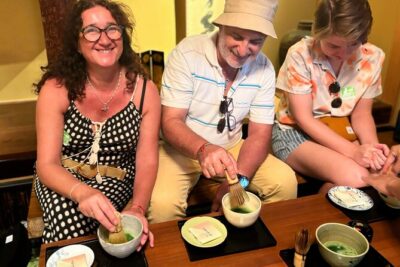
The 55-minute tea stop at Kaminari Issa is the heart of the experience for anyone interested in Japanese food and custom. You do not simply receive a cup of green tea. You learn how to prepare matcha, the powdered tea traditionally whisked into hot water.
The hands-on format makes this more memorable than a short tasting. You can follow the process yourself, notice the texture and aroma, and taste the finished drink. The experience includes what is described as the highest-ranked matcha, though the provided information does not name the tea or explain its exact grading system.
The tea session also gives the walking tour a useful pause. Asakusa’s streets can be crowded and energetic, while the teahouse stop offers a quieter, more focused hour. Hina’s teaching style was singled out for clear demonstrations and careful explanations of tea’s history and cultural role, so a guide who enjoys this subject can add a lot.
Matcha has a bitter, grassy taste that may not suit everyone. The point is not a sweet café drink. Go for the process, the ritual, and the chance to understand an everyday Japanese tradition through your own hands.
Hoppy Street and local food
After the tea stop, the route reaches Hoppy Street for about 15 minutes. This is one of Asakusa’s best-known food and drink areas, associated with casual dining and local nightlife. The tour does not include an extra meal or drink here, but your guide can explain what makes the street part of Asakusa’s food culture.
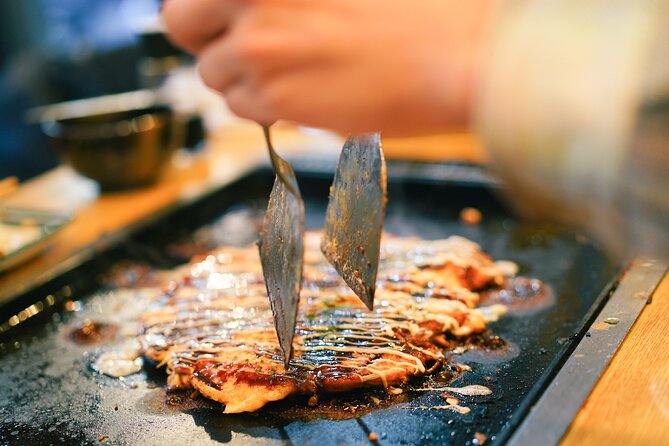
The included lunch takes about 40 minutes at a local café or restaurant. You receive either okonomiyaki or monja-yaki, also called monjayaki, plus one drink. Both are savory dishes cooked on a hot griddle, but they offer different eating experiences.
Okonomiyaki is often described as a savory pancake with a more defined shape. Monjayaki is softer and runnier, and it is particularly associated with Tokyo. Cooking either dish yourself turns lunch into an activity, though the restaurant staff or guide will likely help you understand the process.
There is an important booking point here. Monjayaki is a major reason to choose this tour, but the dish may not always be available. One departure served okonomiyaki instead, which was a disappointment for someone who had already tried it elsewhere. If monjayaki is essential to your decision, ask about availability before booking rather than assuming it is guaranteed.
The included drink helps the value, but additional food and drinks cost extra. You also do not need to pay for the guide’s meal or drinks, which removes an awkward expense during lunch.
What the food policy means for you
Vegetarian food is available, but the tour is not vegan and is not suitable for people with gluten intolerance. The operator cannot guarantee an allergy-free meal because the food is prepared in kitchens outside its direct control.
Substitutions may not be possible at every stop. The staff will try to compensate at another stop when they can, but you should not book this experience expecting a fully customized menu. If you have a serious allergy or strict dietary rules, choose a food tour with clearer kitchen controls.
A snack is included in the package, but it was not provided on at least one departure. I would regard it as a small extra rather than a reason to book. The lunch, matcha activity, and guide are the parts that carry the real value.
Timing, walking, and comfort
The tour runs from 11 a.m. to about 2 p.m. That timing works well if you want a structured start to your Asakusa day, then plan to shop or explore independently afterward.
You will be walking between several stops, though the exact distance is not provided. Wear comfortable shoes and avoid bringing a large bag. Some locations are not accessible to wheelchairs or strollers, so families should check whether the route suits their needs before paying.
The activity is open to all ages. Families, couples, solo visitors, and groups of friends can all fit the format, especially because the lunch and matcha sessions give different age groups something active to do.
The information also mentions that a rickshaw ride may be replaced by a Ninja Experience in bad weather. A rickshaw ride is not listed in the main itinerary, so treat this as a possible weather-related change rather than a guaranteed part of the standard tour.
Who gets the best value from this tour
I would recommend this experience to a first-time Asakusa visitor who wants help making sense of the district. It works especially well if you want temple customs, local food, and a cultural activity in one compact morning.
It is also a good fit for solo visitors. The small group makes it easier to meet people without committing to a large organized excursion. Couples and families may like the balance of sightseeing and participation, while food-focused visitors will appreciate cooking lunch rather than sitting down for an ordinary restaurant meal.
You may want another option if you have already spent time in Asakusa, strongly require monjayaki, need strict allergy controls, or dislike group schedules. The tour gives you a useful introduction, but it does not offer much time for slow photography, long shopping stops, or independent temple visits.
The tour’s overall rating is 4.5 from seven reviews, with the strongest praise focused on the guides, especially their warmth, enthusiasm, and ability to explain the matcha activity. That fits the design of the experience: the places are famous, but the guide determines how much you learn from them.
Should you book the Asakusa Cultural Walk and Matcha Making Tour?
Book it if you want an easy, social introduction to Asakusa that combines the famous sights with two hands-on experiences. The matcha session and cook-it-yourself lunch make the $88 price reasonable for many visitors, particularly if you would otherwise book separate activities.
Go in with clear expectations. The snack may be inconsistent, monjayaki may be replaced by okonomiyaki, and food substitutions are limited. If those points work for you, this is a practical way to see the major Asakusa sights, learn local customs, and leave with a better idea of where to continue exploring on your own.
FAQ
How long does the Asakusa Cultural Walk and Matcha Making Tour last?
The tour lasts three hours, starting at 11 a.m. and ending at about 2 p.m.
Where does the tour meet?
Meet in front of the Kaminarimon Police Box at Sensoji, about three minutes from Asakusa Station’s Ginza Line Exit 1. Your guide will hold a red or orange sign.
What food is included?
Lunch includes okonomiyaki or monja-yaki, also called monjayaki, plus one drink. A small snack is also listed as included.
Is vegetarian food available?
Yes, a vegetarian menu is available. The tour is not vegan and is not suitable for people with gluten intolerance.
Is matcha making included in the price?
Yes. The tour includes a matcha-making experience at Kaminari Issa, where you prepare and taste powdered green tea.
How many people are in the group?
The tour is limited to eight participants and includes an English-speaking local guide.
Can I cancel the tour?
You can cancel up to 24 hours in advance for a full refund. You can also reserve now and pay later, keeping your plans flexible.
Newly steeped around Japan
- Yokohama : Tea Ceremony with Sweets and Souvenir★ 5.0 · 5 reviews
- Whisk Your Own Matcha: A Zen Matcha Experience at Temple★ 3.6 · 7 reviews
- Walking Tour: Yanaka,Nezu& Sendagi: Tea Ceremony & Old Tokyo★ 5.0 · 3 reviews
- Visit local home for music and tea ceremony near Disney★ 4.9 · 13 reviews
- Trip to Kamakura & Enoshima: Shrines, Seaside, Temples &Tea★ 5.0 · 11 reviews
- Yokohama: Sushi & Gyoza Cooking with Matcha & GreenTea Experience★ 5.0 · 3 reviews
- Kyoto tea town for matcha lovers★ 5.0 · 16 reviews
- Uji: Private immersion into Kyoto’s tea and reglious culture★ 5.0 · 17 reviews
Matcha Experiences, compared.
World Heritage Kyoto & Nara Uji Authentic Matcha Experience
Read our review →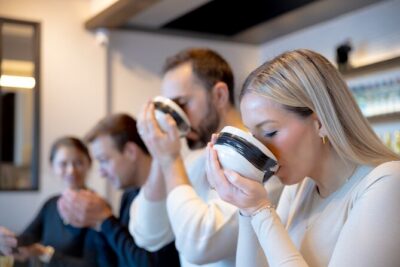
Matcha Making Class in Tokyo with Authentic Japanese Sweets Set
Read our review →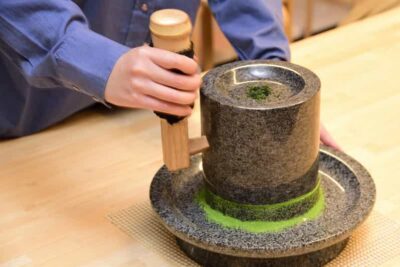
Kyoto: Tea Museum Tickets and Matcha Grinding Experience
Read our review →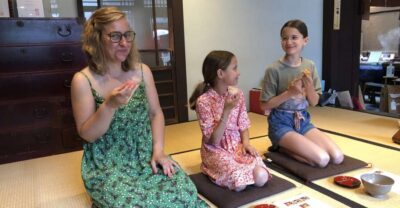
Kyoto: Tea Ceremony Meditation – Make Matcha with Tea Master
Read our review →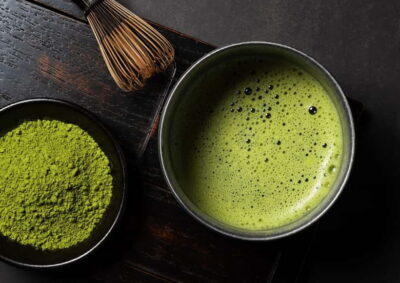
Tokyo: Matcha Making Experience with Mochi Sweets in Asakusa
Read our review →
Kyoto: Kimono Tea Ceremony with Matcha and Sweet
Read our review →
Browse the lists this tea experience appears in