
Review · NARA
Nara:Authentic Tea Ceremony(Max 5 ppl) -Master Matcha Making
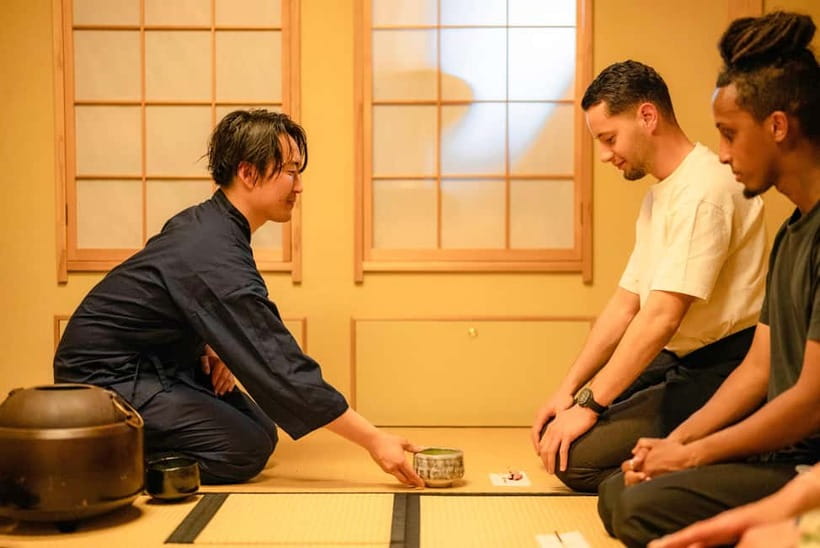
A 120-year-old farmhouse, a quiet room, and a tea master placing every utensil with care: this is a gentle way to meet Nara beyond its deer park. You learn the meaning behind the ceremony, taste single-origin Nara matcha, and then make a bowl yourself. The hands-on whisking makes this more useful than a ceremony you only watch.
I like the intimate setting and the chance to ask plain, direct questions. I also like the local help afterward, since hosts such as Mike and Kurabi have offered advice on restaurants, sake shops, matcha purchases, Nara sights, Kyoto, and even Osaka. The main consideration is time: at one hour, this is an introduction, not a full study of tea practice, and the exact host may vary.
Key points to know before booking
- A 120-year-old farmhouse: The setting gives the ceremony a quiet, traditional feel rather than a staged café atmosphere.
- You make your own matcha: The tea master demonstrates the technique, then watches your whisking and offers personal corrections.
- Nara tea tasting: You compare single-origin matcha and other Japanese teas, helping you notice differences in aroma and flavor.
- Seasonal wagashi included: Traditional sweets balance the gentle bitterness of matcha and form part of the tea experience.
- Small and personal: The group is limited to six, and many sessions have been private or close to one-on-one.
- Useful local advice: Hosts have shared food, drink, shopping, and sightseeing tips for Nara and nearby cities.
Entering a 120-year-old Japanese farmhouse
The setting does much of the work here. Instead of sitting in a busy shop with customers coming and going, you enter a traditional Japanese farmhouse that is about 120 years old. The old house gives the hour a slower rhythm, with space to focus on the tea, the tools, and the person guiding you.
The experience may involve a short walk through an older part of Nara, depending on the meeting point and host. One participant described walking around ten minutes to the guesthouse, while another enjoyed the route from the station through the older part of town. You should check the meeting details carefully, since the farmhouse and the initial meeting point may not be exactly the same place.
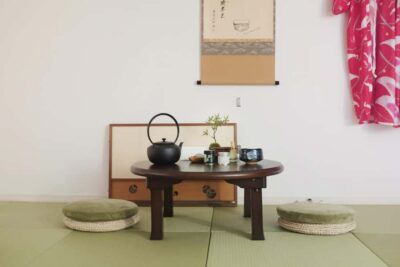
This is a useful setting for first-time visitors. The room itself becomes part of the lesson. You can see how the tea utensils fit together, watch the host move through the preparation, and notice how much attention is given to simple actions. The calm atmosphere is not decoration alone. It helps you slow down enough to understand why the ceremony values care, order, and quiet.
More Matcha Experiences in Japan:
- World Heritage Kyoto & Nara Uji Authentic Matcha Experience
★ 5.0 · 1,573 reviews - Kyoto: Arashiyama Bamboo Forest, Monkeys, Matcha & Temple Tour
★ 5.0 · 759 reviews - Matcha Making Class in Tokyo with Authentic Japanese Sweets Set
★ 5.0 · 744 reviews
The first lesson: manners, tools, and meaning
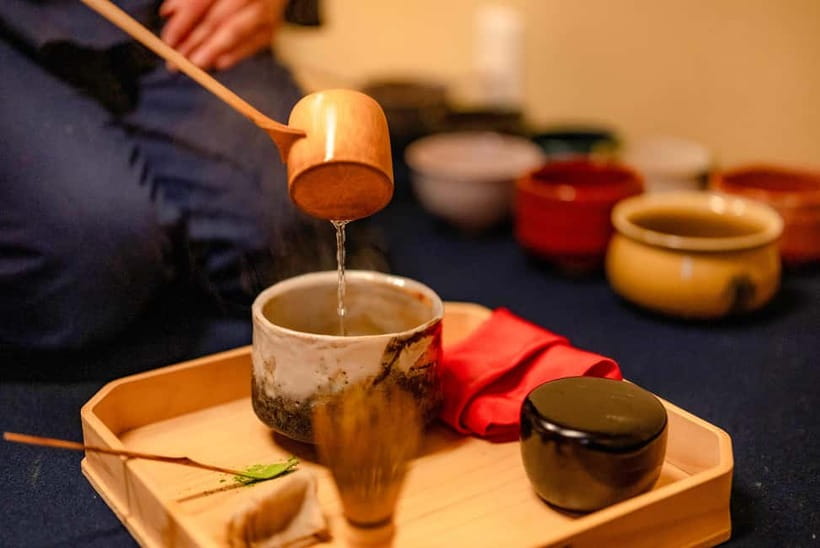
The tea master begins with the foundations. You learn about the development of the tea ceremony, the role of etiquette, and the purpose of the traditional utensils. The instruction is designed for visitors who may know little about Japanese tea, so you do not need previous experience.
Expect the explanation to cover more than how to drink matcha. The host explains why the ceremony follows a set order and how gestures shape the encounter between host and guest. Several sessions have also included discussion of the philosophical ideas behind tea practice. That context matters because the ceremony can seem overly formal if you only watch the movements without knowing their purpose.
The hosts use English and Japanese. The English level described in the supplied feedback was strong, including from a visitor who specifically praised Mike’s English. Still, the exact style may vary by instructor. Mike, Kurabi, Hasumi, Mark, and Tate are among the names connected with recent sessions, so the person leading your class may not be the same host pictured or described elsewhere.
I appreciate the friendly tone reported across the experience. The formalities are taught clearly, but the sessions are not presented as a test. One host was praised for explaining every step while still making room for humor. That is the right balance for most visitors: respectful enough to honor the tradition, relaxed enough for you to ask questions.
Tasting Nara matcha before you whisk
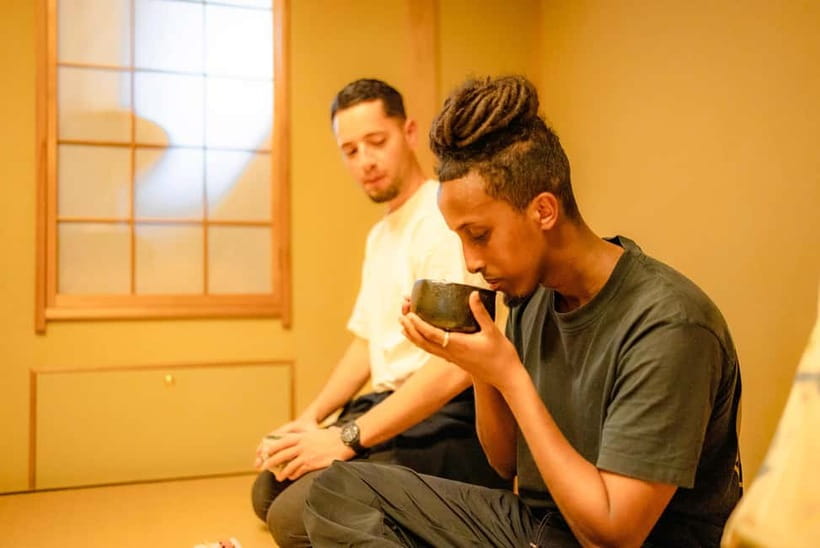
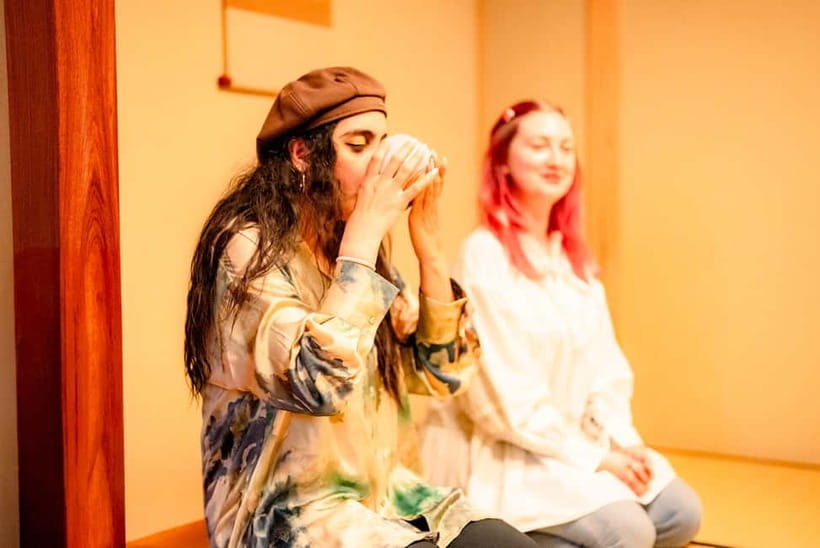
Before you prepare your own bowl, you taste matcha and compare teas from Nara. The focus on single-origin tea gives the tasting a local point of view. You are not simply handed a sweet green drink. You get a chance to notice how teas differ in aroma, bitterness, body, and finish.
Some sessions have included extra tea from Uji, a famous tea-growing area, along with other Japanese teas. That comparison can be especially useful if you plan to visit Kyoto or buy matcha during your trip. You start to understand that matcha is not one fixed flavor, and that preparation affects the final cup.
The tasting is also a good moment to tell the host what you prefer. One session was adjusted to suit individual tastes, and several hosts gave advice on where to purchase matcha. If you usually find green tea too bitter, say so. If you prefer a stronger taste, ask how the whisking and water affect the result.
The information provided does not specify every tea served at every session, so the selection can change. Think of this as a guided introduction to Japanese tea rather than a fixed professional tasting flight. The value comes from being able to compare, ask questions, and then use that information when you make your own bowl.
Making matcha with personal instruction
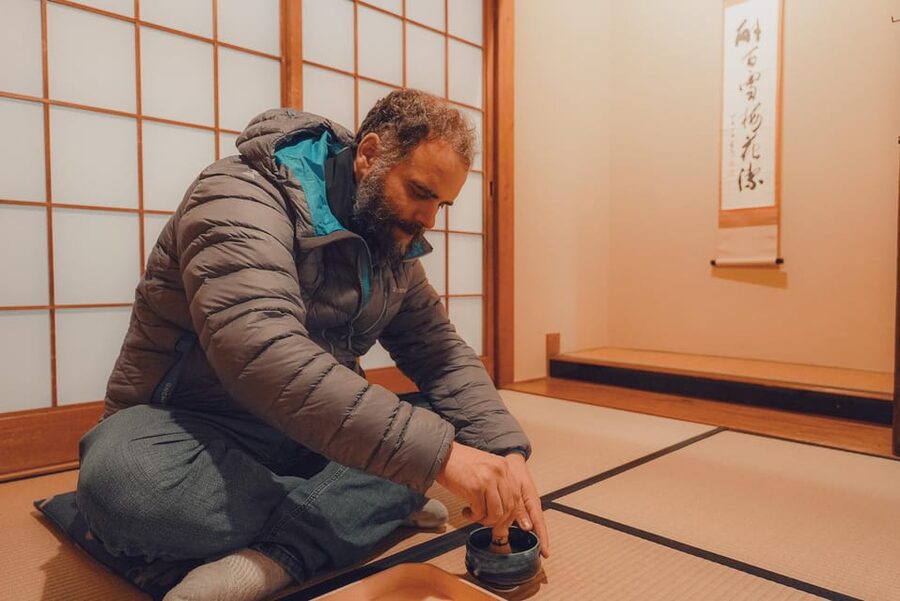
This is the part that gives the experience its practical value. After watching the tea master prepare matcha, you take the whisk and try it yourself. The host guides your hand movements and watches the texture develop.
The goal is not merely to stir powdered tea into water. You learn how to use the bamboo whisk, how to create a smoother foam, and how small changes in technique affect the drink. Past sessions included direct tips on improving whisking and making the matcha creamier. You can use those lessons later at home, which is a nice benefit from a short activity.
The process also gives the hour a relaxed rhythm. You make an attempt, taste the result, and adjust. It is normal for a first bowl to look different from the master’s bowl. The instructor’s personal feedback is more helpful than a long lecture because you can correct your technique at once.
I would not book this expecting to become a tea master in sixty minutes. You learn the basic method and the meaning behind it, but mastery takes sustained practice. That limitation is worth knowing. For most visitors, though, the chance to make matcha under careful guidance is enough to turn a passive cultural demonstration into something you can remember and repeat.
More Tea Ceremonies in Japan:
- Kyoto: Tea Ceremony in a Traditional Tea House in Kiyomizu
★ 4.9 · 3,519 reviews - Kyoto: Tea Ceremony Ju-An at Jotokuji Temple
★ 4.9 · 3,207 reviews - Kyoto: 45-Minute Tea Ceremony Lesson Experience
★ 4.3 · 2,378 reviews - Osaka: Tea Ceremony Experience
★ 4.9 · 1,426 reviews
Wagashi and the final taste of the ceremony
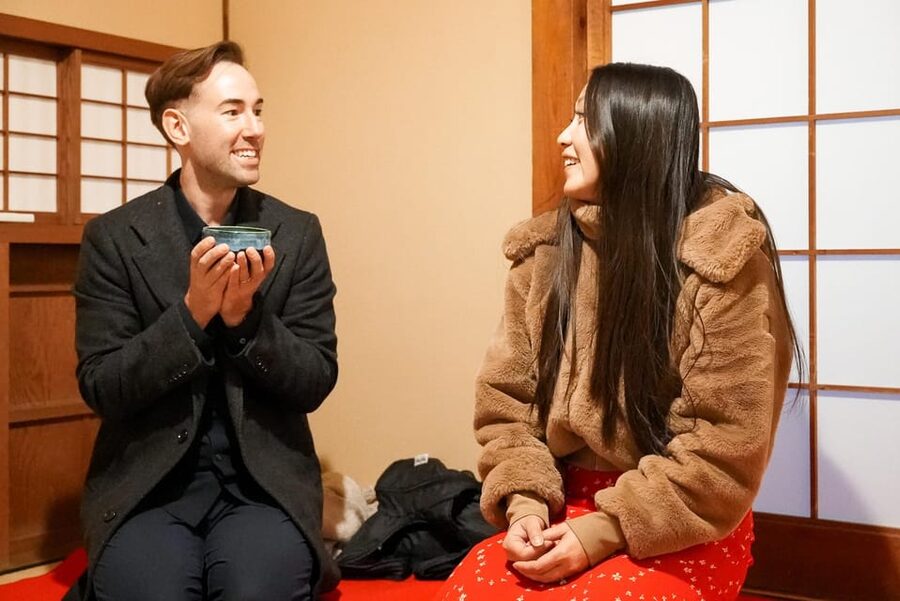
The tea is served with seasonal wagashi, traditional Japanese sweets. Their sweetness is not an afterthought. Wagashi prepares your palate for matcha and softens its bitter edge, while its shape and seasonal character add another layer to the experience.
The exact sweet can vary, and the information does not promise a particular flavor or design. One session included a handmade sweet, which shows that the host may sometimes add a personal touch. You should expect an authentic traditional sweet rather than a large snack or dessert course.
The pairing works best when you take your time. Taste the wagashi first, then sip the matcha. The contrast helps you understand why the two are served together. It also gives the ceremony a clear ending after the more technical whisking practice.
There is no suggestion that this replaces a meal. If you are hungry, eat before or after. The wagashi is a cultural part of the tea service, not a substantial food stop.
Why the small group size matters
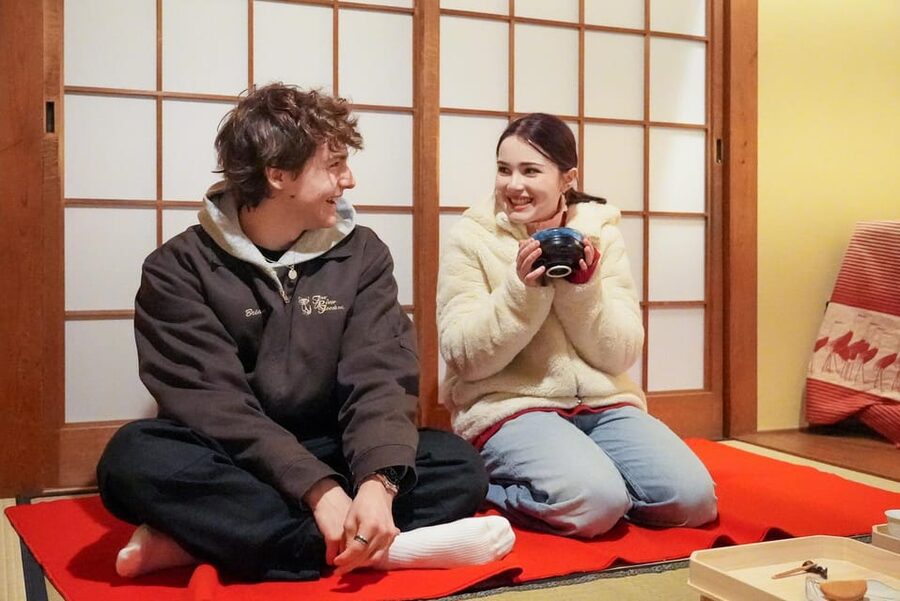
The activity is limited to six participants, but the format can feel even more personal. Several sessions were private for one person or a family of four, and one participant who expected a group of ten found the class turned into a one-on-one meeting. The exact arrangement depends on bookings, but the small capacity is a real advantage.
With fewer people, you can ask about etiquette without holding up a large class. You also receive more attention while whisking. If your foam is thin or your motion is awkward, the master can correct you rather than giving a general instruction to the entire room.
Families and couples should find the format easy to share. A family group can learn together without being separated into different activities. Solo visitors also benefit, since the host can shape the conversation around personal interests.
The one possible drawback is that the experience may feel more formal or quiet than a typical social tour. If you want a lively group activity with lots of movement, this is not the best match. The pleasure here comes from concentration, conversation, and small details.
Local advice that adds value after the tea
The hosts do more than explain tea. Several sessions included recommendations for restaurants, ramen shops, yakiniku, sake stores, matcha cafés, bars, and less-visited sights. One host even helped with a restaurant reservation, while another helped a visitor find the bus to Nara Park.
That local advice can make the $46 price more useful than a simple hour-long demonstration. You can ask where to buy matcha, which cafés are worth your time, or what to do after the ceremony. Since the hosts are connected with Nara, they may also help you think beyond the most familiar sights.
Still, treat these suggestions as helpful personal guidance, not a formal food tour. Restaurants and shops can change, and the host’s recommendations may reflect personal taste. Bring a short list of your own interests so you can use the conversation well.
I especially like this feature for visitors staying in Nara for only a day or two. A good restaurant tip or a clear route to your next sight can save time. It also gives you a chance to ask about Kyoto or Osaka if those cities are next on your trip.
Is $46 good value for one hour?
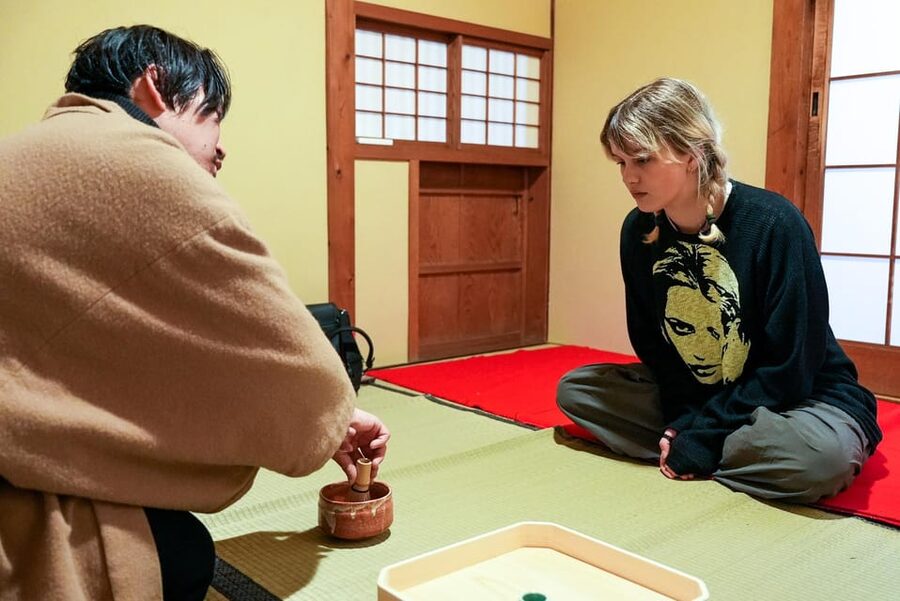
At $46 per person, this is not the cheapest way to drink matcha in Japan. A café can serve you a bowl for far less. But a café does not usually provide a tea master, an explanation of utensils and etiquette, a tasting comparison, personal whisking advice, seasonal wagashi, and access to local recommendations.
The price makes the most sense if you value instruction and setting. You are paying for a private or very small session in a historic home, not simply for the ingredients. The one-hour length also fits neatly into a day of sightseeing without taking over your schedule.
Value depends on your interest. If you only want a sweet matcha drink, spend less at a café. If you want to understand the custom, try the tools, and learn a method you can repeat at home, the price is fair.
The perfect rating and 119 reviews suggest a strong record of satisfaction, but I would still keep expectations realistic. The session is brief, the host can vary, and the tea selection may not be identical each time. Those are normal limits for a short cultural class.
Timing, language, and cancellation details
The duration is one hour, with starting times available according to the booking calendar. That makes a morning booking appealing if you want to begin the day quietly, while an afternoon session can provide a break from temples and city streets.
Instruction is available in English and Japanese. The activity is limited to six participants, and the provider is Kurabi. The exact instructor can vary, with Mike, Kurabi, Hasumi, Mark, and Tate named in connection with sessions.
You can cancel up to 24 hours before the start for a full refund. The reserve-now, pay-later option also helps if your Nara schedule is still changing. Confirm the meeting point and host details before setting out, especially since the farmhouse may require a walk from the initial location.
Who should book this tea ceremony?
I would recommend it to first-time visitors who want a clear, friendly introduction to Japanese tea. It also suits anyone who likes small classes, traditional homes, hands-on activities, and conversations that continue beyond the formal program.
Families can enjoy the shared practice, while solo visitors may appreciate the personal attention. Tea drinkers will get more from the tasting and technique lesson, but you do not need to be a tea expert to enjoy it.
I would skip it if your schedule is packed or if you want a full meal, a long temple tour, or an advanced tea-school lesson. This is a focused one-hour encounter. Its strength is the combination of place, teaching, tasting, and quiet practice.
If that combination appeals to you, book it. The old farmhouse, local Nara tea, seasonal wagashi, and direct help with whisking give you something a quick café stop cannot. Just confirm the meeting point, arrive ready to sit quietly for a while, and leave room afterward for the host’s local suggestions.
FAQ
How long does the tea ceremony last?
The activity lasts one hour.
How much does the experience cost?
The listed price is $46 per person.
Where does the tea ceremony take place?
It takes place in a 120-year-old traditional Japanese farmhouse in Nara, on Honshu.
How many people can join?
The group is limited to six participants. Some sessions may be private or one-on-one, depending on bookings.
Is the activity available in English?
Yes. Instruction is offered in English and Japanese.
Do I get to make my own matcha?
Yes. The tea master demonstrates the process, then you whisk your own matcha with personal guidance and feedback.
What food is included?
Seasonal wagashi, traditional Japanese sweets, is included with the tea service.
Will I learn about tea ceremony etiquette and tools?
Yes. The session covers tea ceremony history, etiquette, traditional utensils, and the meaning behind the process.
Can I cancel for a refund?
Yes. You can cancel up to 24 hours in advance for a full refund. You can also reserve now and pay later.
Newly steeped around Japan
- Yokohama : Tea Ceremony with Sweets and Souvenir★ 5.0 · 5 reviews
- Whisk Your Own Matcha: A Zen Matcha Experience at Temple★ 3.6 · 7 reviews
- Walking Tour: Yanaka,Nezu& Sendagi: Tea Ceremony & Old Tokyo★ 5.0 · 3 reviews
- Visit local home for music and tea ceremony near Disney★ 4.9 · 13 reviews
- Trip to Kamakura & Enoshima: Shrines, Seaside, Temples &Tea★ 5.0 · 11 reviews
- Yokohama: Sushi & Gyoza Cooking with Matcha & GreenTea Experience★ 5.0 · 3 reviews
- Kyoto tea town for matcha lovers★ 5.0 · 16 reviews
- Uji: Private immersion into Kyoto’s tea and reglious culture★ 5.0 · 17 reviews
Matcha Experiences, compared.
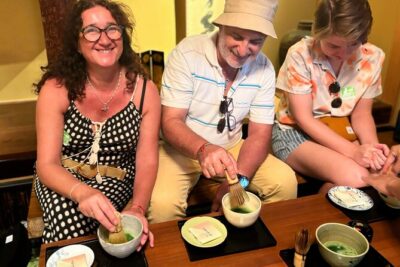
World Heritage Kyoto & Nara Uji Authentic Matcha Experience
Read our review →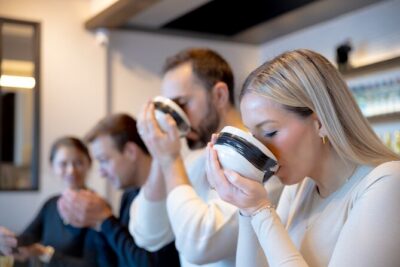
Matcha Making Class in Tokyo with Authentic Japanese Sweets Set
Read our review →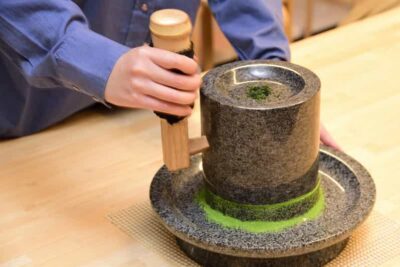
Kyoto: Tea Museum Tickets and Matcha Grinding Experience
Read our review →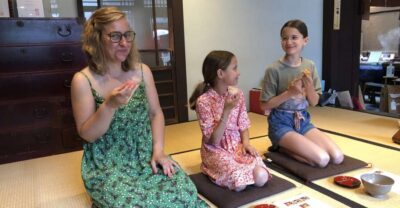
Kyoto: Tea Ceremony Meditation – Make Matcha with Tea Master
Read our review →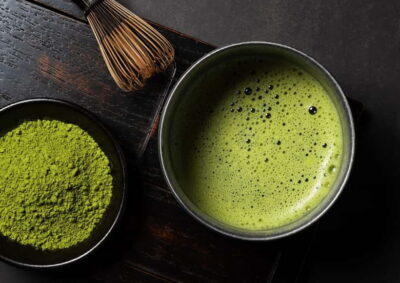
Tokyo: Matcha Making Experience with Mochi Sweets in Asakusa
Read our review →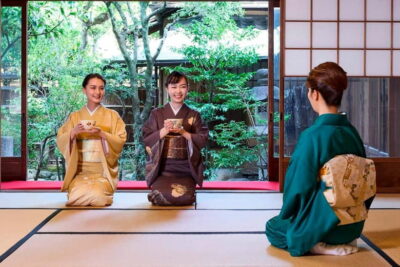
Kyoto: Kimono Tea Ceremony with Matcha and Sweet
Read our review →
Browse the lists this tea experience appears in