
Review · BEIJING
Beijing: Chinese Culture Tea Ceremony Reservation Service
The heart of this experience is the traditional tea ceremony, not a sightseeing circuit. You sit down, choose tea leaves, and follow a careful sequence of greetings, warming utensils, rinsing leaves, brewing, and serving. It offers a calm change of pace near some of Beijing’s busiest sights.
I like the English-speaking instructor and the clear visual guide, which should make the ceremony easier to follow. I also like the two-hour format and the choice of 10:00 AM or 3:00 PM, times selected according to traditional Chinese ideas about when tea is best enjoyed. The main drawback is the price structure: the $7 reservation fee does not cover the teahouse bill, and average spending is about 398 RMB per person before any tea purchases.
Key points at a glance
- Near Beijing’s major sights: The teahouse is close to Tiananmen Square, the Forbidden City, and Yonghe Temple.
- A real tea ritual: You will warm the utensils, add and shake the leaves, smell the fragrance, rinse the tea, brew it, and serve it.
- English instruction included: An English-speaking tea ceremony instructor guides the session.
- The booking fee is not the final cost: The $7 fee reserves your place, while teahouse expenses average about 398 RMB per person.
- Two useful appointment times: Choose 10:00 AM or 3:00 PM, subject to availability.
- A quiet cultural stop: The ceremony focuses on simplicity, nature, balance, and harmony between heart and mind.
A traditional tea ceremony near Tiananmen
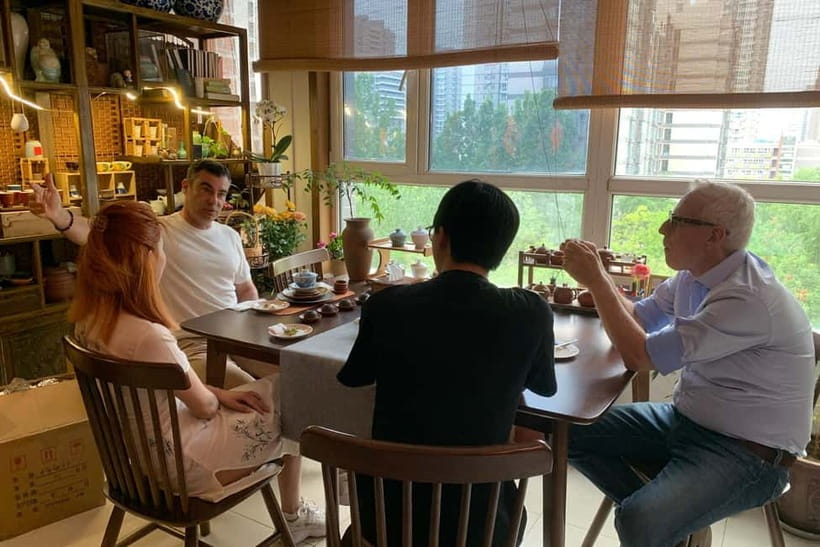
Beijing sightseeing can feel like a march from one huge landmark to the next. This tea ceremony gives you two hours to slow down. You meet at a traditional teahouse and courtyard near Tiananmen Square, the Forbidden City, and Yonghe Temple, then spend the session learning how tea is prepared and enjoyed.
The location makes this easy to pair with other plans. You could schedule the ceremony before or after a visit to the Forbidden City, although the time of your reservation should fit your sightseeing schedule carefully. The available appointment times are 10:00 AM and 3:00 PM, and the activity ends back at the meeting point.
The setting is presented as a traditional teahouse and courtyard rather than a formal museum display. That matters. You are not only hearing about tea customs. You are taking part in the sequence yourself, with the instructor showing you what happens at each stage.
More Tea Ceremonies in China
- Traditional Chinese Tea Ceremony Experience
★ 4.7 · 74 reviews - Beijing Culture: Tea Ceremony, Heritage Instrument & Calligraphy
★ 5.0 · 57 reviews - Chinese Tea ceremony in Beijing Hutong courtyard
★ 4.7 · 26 reviews
What happens during the two-hour session
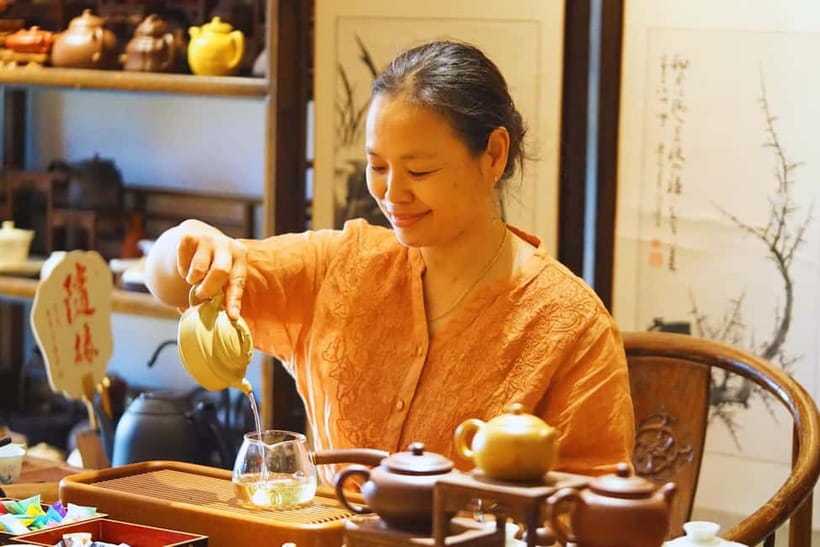
The ceremony begins with host and guest greeting each other. This opening sets the tone. Chinese tea preparation is not simply a way to produce a drink quickly. The greeting, handling of the utensils, and attention to the leaves are all part of the experience.
Next, the tea utensils are warmed. Tea leaves are added, then shaken to release their fragrance. You smell the aroma before drinking, which gives you a chance to notice the character of the tea before water changes it.
The cups are warmed as well. The tea is rinsed, brewed, and served. You then enjoy the tea in the manner shown by the instructor. The steps may sound simple, but their order is the point. This is a session about care, balance, and attention.
You also choose your preferred tea leaves. That gives you a small personal decision at the center of the ceremony. The exact selection available at the teahouse is not specified, so you should choose from what is offered on the day rather than expect a fixed menu.
The experience is built around the ideas of simplicity, nature, and harmony between heart and mind. If you want a fast tasting with little explanation, this may feel slow. If you are curious about the meaning behind Chinese tea customs, the pace is part of the value.
Why the preparation ritual matters
Tea ceremonies can look mysterious when you first watch one. Here, each action has a practical purpose as well as a cultural meaning. Warming the cups and utensils prepares them for the tea. Shaking the leaves helps release their fragrance. Rinsing the tea is part of the preparation before the main brew is served.
The instructor’s role is important because you are not expected to know the sequence in advance. An English-speaking instructor is included, and an English textual and visual guide is provided with the reservation information. Together, those features should help you follow the process without guessing when to act.
I would pay attention to the small movements rather than treat the ceremony as a simple tasting. Notice the fragrance before the tea reaches your lips. Watch how the host handles the cups. The experience is more rewarding when you see the ceremony as a form of communication between host and guest.
The session also gives you a useful introduction to the social side of tea. The host and guest greet each other, prepare the tea, and share the finished drink. That exchange is central to the activity, and it is one reason this feels different from buying a cup at a modern café.
Choosing between 10:00 AM and 3:00 PM
The activity offers two main appointment times: 10:00 AM and 3:00 PM. These hours were selected because they are considered suitable for drinking tea according to traditional Chinese culture and medicine.
The 10:00 AM time works well if you want a calm start to a day of sightseeing. You can then continue toward nearby landmarks after the ceremony. It may also suit you if you prefer tea earlier in the day.
The 3:00 PM appointment makes a good pause after morning sightseeing. You can use it to break up a full day around central Beijing. It also gives you time to reach the meeting point after visiting an earlier attraction.
The activity lasts about two hours, so allow more time than the ceremony alone. You will need to reach the teahouse, take the elevator to the second floor, and settle in before the tea begins. The meeting instructions say to take the elevator to the second floor after arrival. At the end, you return to the same meeting point.
Starting times depend on availability. Check the available date and time before building your day around the ceremony.
More Tea Ceremonies in Beijing:
- Beijing Culture Event: Tradition Music, Tea Ceremony, Calligraphy
★ 5.0 · 11 reviews - Beijing: Temple Of Heaven+Tai Chi Class+Tea Ceremony
★ 5.0 · 8 reviews - Traditional Chinese Tea Ceremony Experience
★ 5.0 · 7 reviews - Beijing Tai Chi and Tea Ceremony Experience
★ 5.0 · 4 reviews
The location and nearby sights

The teahouse is described as close to Tiananmen Square, the Forbidden City, and Yonghe Temple. That gives you several ways to fit the tea ceremony into a Beijing itinerary.
A session near Tiananmen and the Forbidden City can work as part of a central Beijing day. You might arrange the tea ceremony around a visit to the palace complex, keeping in mind that the ceremony itself takes two hours. If your sightseeing plans are tightly timed, do not assume you can rush from one attraction to the other.
Yonghe Temple is also listed as nearby. This makes the activity useful for a day focused on traditional culture and historic sites. The exact walking time and transport details are not provided, so use the visual guide sent after booking for the practical route.
You receive information about the teahouse location and transportation after the reservation is placed. Read that guide before setting out. The $7 reservation fee is inexpensive compared with many guided activities, but the value depends on finding the meeting point without losing time.
What the $7 reservation fee really covers
The advertised price is $7 per person. That is the reservation service fee, not the total cost of the tea experience.
The fee includes the booking, an English textual and visual guide for the teahouse and ceremony, and an English-speaking tea ceremony instructor. It does not include expenses at the teahouse. The average spending is listed as about 398 RMB per person, and the cost of purchasing tea leaves is not included.
That difference deserves close attention. If you are comparing this with a standard sightseeing ticket, the $7 price may look like the full cost at first glance. It is not. You should budget for the teahouse bill separately, and you may spend more if you decide to buy tea leaves.
The setup can still offer fair value if you specifically want an English-guided cultural activity. The reservation handles access to the session and gives you a clear introduction to the ritual. It is less attractive if you only want to taste tea cheaply or have no interest in the ceremony itself.
I would treat the $7 as the cost of arranging the appointment. Before you book, make sure you are comfortable with the additional average spending at the teahouse.
Friendly instruction, with no sightseeing guide
The instructor is included to teach the tea ceremony in English. This is useful because the process has several stages, and the cultural reasons behind them are part of the appeal.
A separate tour guide is not included. There is also no audio guide. That means you should not expect a narrated walk through the surrounding Beijing sights or a broader history lecture about Tiananmen, the Forbidden City, or Yonghe Temple.
This narrow focus is a strength if you want a tea session. You are not paying for a guide who divides attention between transport, landmarks, and refreshments. The instructor’s task is the ceremony itself.
It is also a limitation if you want a full cultural tour. You will need to arrange your own sightseeing before and after the appointment. Keep your expectations focused: this is a tea experience, not a city tour.
The strongest praise connected with the service centers on warm, attentive hosting and useful cultural insight. That is the kind of experience this format is designed to provide. The session may suit you especially well if you are curious but do not know the proper customs.
Accessibility and practical arrival details
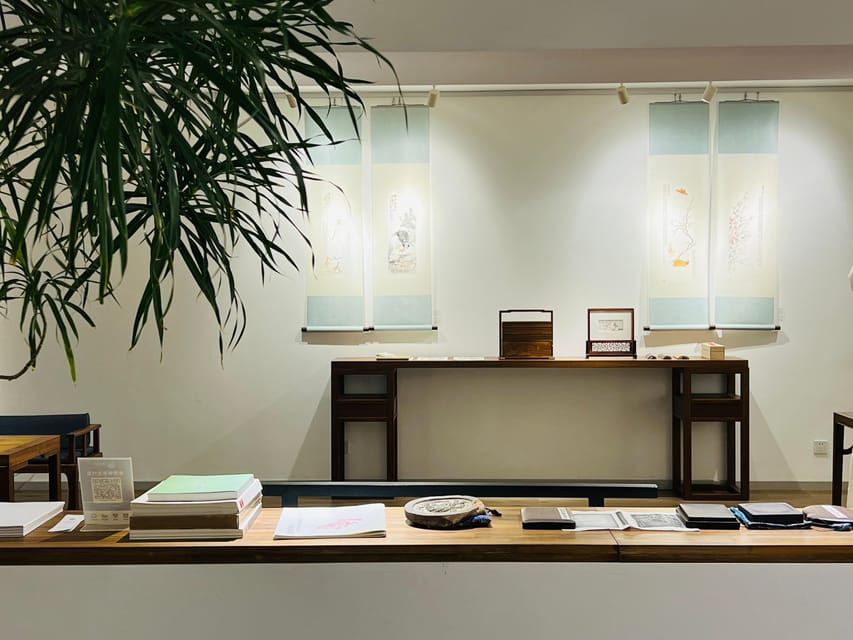
The activity is listed as wheelchair accessible. It also offers express elevators, which may make arrival simpler. The meeting instructions say to take the elevator to the second floor after you arrive.
The activity begins and ends at the meeting point. There is no separate transport service described, so you are responsible for reaching the teahouse. Use the supplied visual guide for the address and transportation details.
Opening hours are listed as 10:00 AM to 8:00 PM. The available appointments are specifically set at 10:00 AM and 3:00 PM, so do not assume you can arrive at any time during opening hours.
Provide your name and phone number when you arrive. This helps the teahouse match you with the reservation. It is a small detail, but having those details ready can make check-in quicker.
The booking can be canceled up to 24 hours in advance for a full refund. You can also reserve now and pay later, which helps if your Beijing schedule is still changing.
Who will enjoy this tea experience most
I would recommend this to you if you have a real interest in Chinese traditional culture, tea customs, or quiet hands-on activities. It is also a good choice if you want a break from large monuments and crowded sightseeing routes.
Tea enthusiasts will get the most from the careful preparation. You will have time to smell the leaves, watch the brewing process, and compare the experience with tea traditions you may already know.
It can also suit curious first-time visitors. You do not need to arrive with specialist knowledge. The English-speaking instructor and visual guide are there to explain the process.
Families and groups should consider the pace. The ceremony is built around calm attention, not entertainment or constant movement. Children who enjoy trying new drinks and watching demonstrations may like it, while anyone expecting a fast activity may find two hours long.
The cost is the main question for many people. The $7 booking fee looks modest, but the separate teahouse spending of about 398 RMB per person changes the calculation. Book it for the cultural lesson and the ceremony, not because it is a cheap drink stop.
Should you reserve this Beijing tea ceremony?
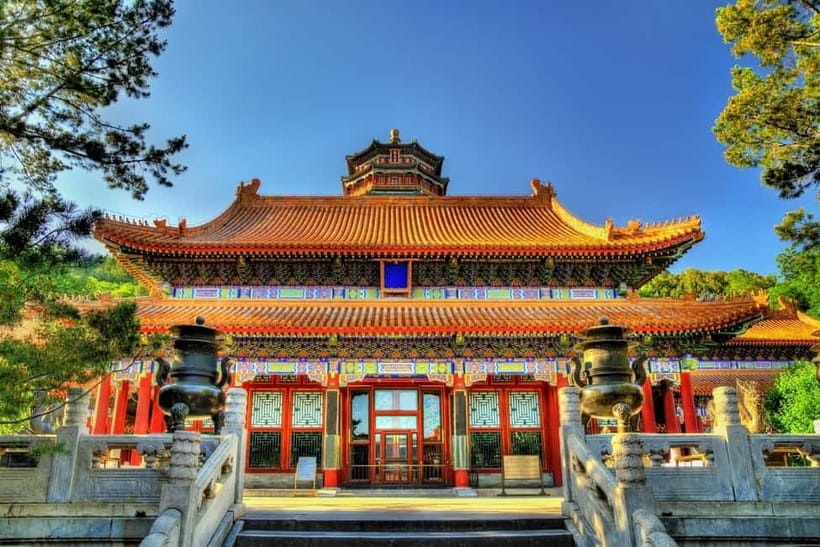
Reserve it if you want a focused introduction to Chinese tea culture near Beijing’s best-known central sights. The English instruction, careful sequence, and traditional teahouse setting give the session more substance than simply ordering tea at a café.
Skip it if you want a broad city tour, a low-cost refreshment, or a flexible walk-in activity. You also need to budget beyond the $7 reservation fee, with teahouse spending averaging about 398 RMB per person and tea purchases charged separately.
For the right visitor, this is a gentle and useful two-hour pause. Set aside enough time to reach the second-floor meeting point, read the location guide, and enjoy the ceremony without rushing. If that sounds like your kind of Beijing experience, the reservation is worth considering.
FAQ
Where is the tea ceremony held?
The teahouse is near Tiananmen Square, the Forbidden City, and Yonghe Temple in Beijing.
How long does the activity last?
The tea ceremony lasts about two hours.
What appointment times are available?
The selected appointment times are 10:00 AM and 3:00 PM, subject to availability.
Does the $7 price include the tea and teahouse bill?
No. The $7 price covers the reservation service. Expenses at the teahouse are separate.
How much should I expect to spend at the teahouse?
Average spending is listed as about 398 RMB per person. Buying tea leaves costs extra.
Is an English-speaking instructor included?
Yes. An English-speaking tea ceremony instructor is included.
What does the ceremony include?
The process includes greetings, preparing the tea, warming the utensils and cups, adding and shaking the leaves, smelling the aroma, rinsing the tea, brewing, serving, and drinking the tea.
Is a tour guide or audio guide included?
No. A tour guide and audio guide are not included.
Where do I go when I arrive?
After arriving, take the elevator to the second floor. Provide your name and phone number at the teahouse.
Can I cancel the reservation?
Yes. You can cancel up to 24 hours in advance for a full refund. You can also reserve now and pay later.
Newly steeped around Beijing
- Private Tour to the Temple of Heaven and Tea tasting at the Maliandao Tea city★ 5.0 · 3 reviews
- Temple of Heaven Private Tour and Tea Tasting at Maliandao Tea Street★ 5.0 · 2 reviews
- Private Beijing Spiritual Tour with Lunch and Tea Ceremony★ 5.0 · 2 reviews
- Beijing Tai Chi and Tea Ceremony Experience★ 5.0 · 4 reviews
- Traditional Chinese Tea Ceremony Experience★ 5.0 · 7 reviews
- 3-Hour Private Hutong Walking Tour with Drum Show at Drum Tower and Tea Tasting★ 5.0 · 3 reviews
- 3-hour Morning/Afternoon Tea Tasting on Maliandao Street & Dimsum★ 5.0 · 7 reviews
- Beijing Hands-On Culture Tour: Tea, Instrument, Calligraphy★ 5.0 · 6 reviews
Tea Ceremony Experiences, compared.
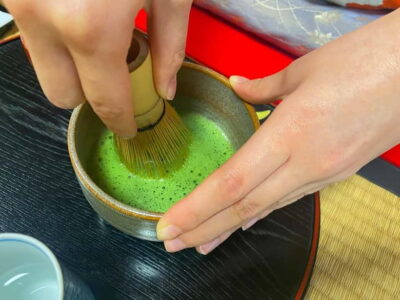
Kyoto: Tea Ceremony in a Traditional Tea House in Kiyomizu
Read our review →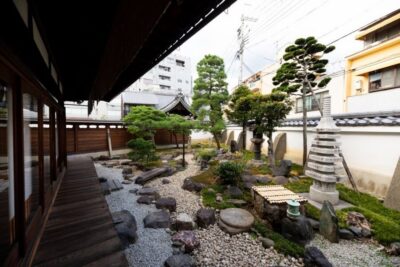
Kyoto: 45-Minute Tea Ceremony Lesson Experience
Read our review →
Kyoto: Table-Style Tea Ceremony at a Kyo-Machiya
Read our review →


Browse the lists this tea experience appears in