
Review · SHANGHAI
Shanghai 3-Hour Afternoon Tea Tasting and Dessert Tour
Shanghai’s dessert culture is far more varied than a plate of western-style pastries. This three-hour afternoon walk takes you from moon cakes at local bakeries to a traditional tea ceremony, then on to chilled Cantonese sweets along Huaihai Road. Guides such as Jade and Jim have shaped the walk around individual tastes, so you can ask questions and steer the conversation toward food, daily life, or Shanghai’s past.
I like the small, local stops and the strong tea focus. The tasting may include Hangzhou green tea and Fujian black tea, with some tours reaching five tea varieties. I also like that the route can include more than the advertised tasting, such as fruit, local candy, coffee, yogurt, or a brief museum and park visit.
The main caution is that the food lineup may not be identical every day. One older experience felt repetitive, and one recent account found the ice cream less worthwhile than other local sweets. If you want a tightly fixed menu or a major sightseeing tour, this may feel loose.
Key points to know before booking
- Mooncakes at two pastry shops: Taste festive pastries tied to family reunion during the Mid-Autumn Festival.
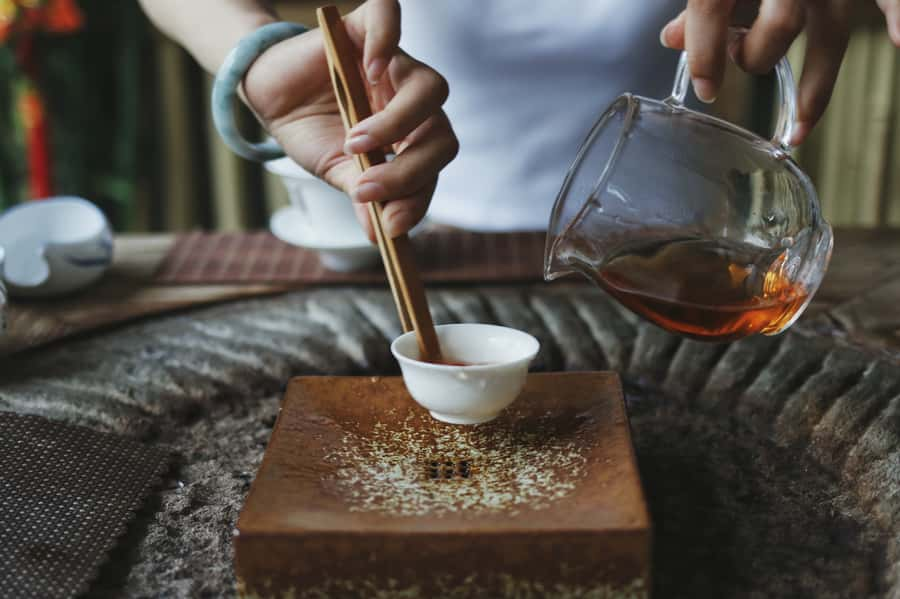
- A real tea ceremony: Sample teas from Hangzhou and Fujian in a traditional teahouse setting.
- Cantonese cold desserts: Try milk pudding, purple sticky rice, papaya, sago, mango puree, and almond tofu.
- A walking route through central Shanghai: The meeting point is South Huangpi Road Station on Metro Line 1, Exit 2.
- Guiding that can adapt: Jade and Jim have helped guests shape tastings around personal preferences and questions.
- Three hours for $77: The price makes the most sense if you value several tastings, a guide, and cultural context rather than a single meal.
Why this Shanghai food walk works
The appeal is simple: you spend an afternoon eating small portions while moving through a central Shanghai neighborhood. You are not parked in one restaurant for three hours, and you are not rushing through a long list of landmarks. Instead, each stop gives you a different way to understand local tastes.
The tour begins at 2 PM, a useful time for anyone who has spent the morning sightseeing or arriving in Shanghai. Meet your guide at South Huangpi Road Station, Metro Line 1, Exit 2, then set off on foot. Hotel pickup and drop-off are not included, so you need to reach the meeting point yourself.
The route is described along Huaihai Road, one of the city’s main shopping avenues. The exact food stops can change, but the theme remains consistent: traditional Chinese sweets, tea, and newer dessert habits. I would treat this as a guided food walk with neighborhood context, not as a formal afternoon tea in the British sense.
More Tea Tastings in China
- Tea Tasting and Pairing Concept Workshop
★ 5.0 · 57 reviews - Biking Real Shanghai& Tea Tasting Experience
★ 4.5 · 45 reviews - Private Shanghai City and Zhujiajiao Combo Tour with Boating, Tea Tasting, Lunch
★ 5.0 · 15 reviews
Mooncakes at two local pastry shops
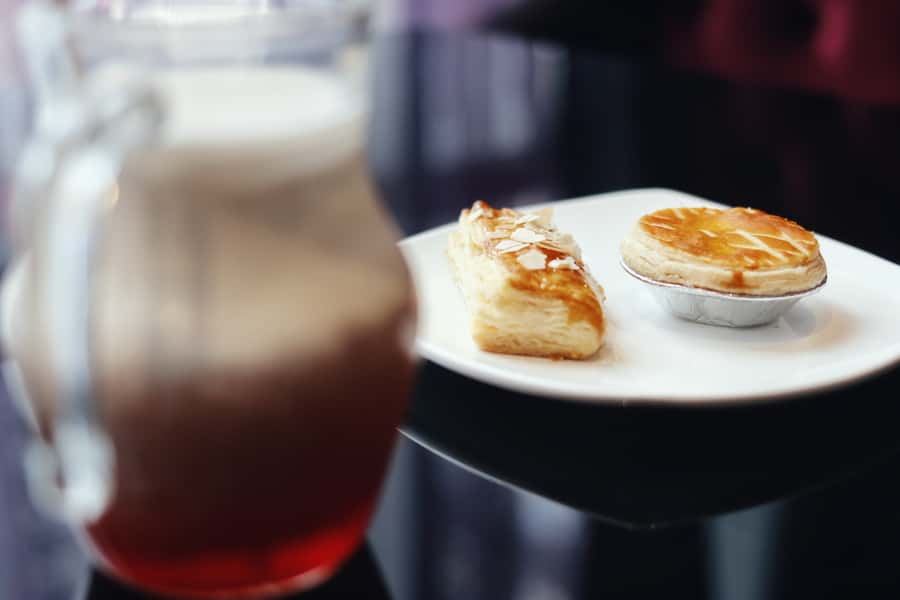
Mooncakes are the first key tasting. These round pastries are closely tied to the Mid-Autumn Festival, when they are exchanged as gifts and shared by families. Their round shape represents reunion, so the guide can explain the social meaning behind the food rather than simply handing you a sample.
You are scheduled to visit two local pastry shops and try several varieties. That comparison matters because mooncakes can differ in filling, texture, sweetness, and style. Some may feel dense and rich, while others can be lighter or more delicate. The point is not to find one universal best mooncake. It is to notice how a familiar festival food changes from shop to shop.
This part suits curious eaters who want cultural context with their snack. If you have never tried mooncakes, take small bites and compare them slowly. They can be filling, especially when followed by tea and several desserts.
The schedule may also include other local treats. Previous versions of the walk have featured biscuits, yogurt, fruit, local candy, and even newer café-style items. That variety is useful, though it also means the tour is not a fixed tasting menu with every item guaranteed.
Tea from Hangzhou and Fujian
The tea ceremony is the heart of the experience. At a nearby teahouse, you taste green tea from Hangzhou and black tea from Fujian. Other tastings have included as many as five traditional Chinese teas.
This stop gives the afternoon a slower rhythm. After walking between pastry shops, you can sit, taste, and ask questions. Tea becomes more interesting when you learn to notice differences in color, scent, bitterness, sweetness, and finish. You do not need to be a tea expert. The guide handles the explanation, and you can focus on what you actually enjoy.
The setting matters. Several accounts describe the tea stop as a small, traditional place with less marketing and more attention to the ceremony itself. That is a useful distinction. You are not simply buying a packaged tea as a souvenir. You are seeing how tea can structure conversation and hospitality.
I would save your questions for this part. Guides Jade and Jim have been praised for explaining local life, food habits, and history in an easy conversational way. The tour is conducted in English, Chinese, or Korean, and the guide can answer questions beyond the formal food program.
Chilled Cantonese desserts on Huaihai Road
After tea, the route moves to a Cantonese dessert restaurant. This is where the flavors become cooler, fruitier, and often less familiar to first-time visitors.
Possible tastings include:
- Milk pudding with purple sticky rice
- Papaya and sago
- Mango puree
- Almond tofu
- Other icy or chilled Cantonese sweets
These desserts are worth approaching with an open mind. Purple sticky rice adds chew and earthiness to soft milk pudding. Sago gives fruit desserts a small, slippery texture. Almond tofu is especially different from standard western puddings, with a delicate almond flavor and soft, smooth consistency.
The menu is not meant to be one large serving of each dessert. You are sampling a range of flavors, which is the right format when the dishes are sweet and filling. If you have a strong dislike of very soft textures, almond tofu or milk pudding may be less appealing. If you like fruit desserts, mango puree, papaya, and sago are likely to be the safer choices.
One account found the ice cream skippable, while other food stops were more interesting. That is a good reminder to judge the afternoon by its range rather than by every individual bite. The best parts are likely to be the tea ceremony and the less familiar traditional desserts.
Same leaf, a different ritual:
- One-Day Hangzhou Dragon Well Tea Culture & West Lake Private Tour
★ 5.0 · 98 reviews - Traditional Chinese Tea Ceremony Experience
★ 4.7 · 74 reviews - Beijing Culture: Tea Ceremony, Heritage Instrument & Calligraphy
★ 5.0 · 57 reviews - Tea Village in lost Town and Buddha 1 day tour
★ 5.0 · 32 reviews
More than the advertised tasting
The experience can include extra stops depending on the route and your guide. These have included fresh fruit, bubble tea, hipster coffee, local candy, a small museum, and a park in an old concession neighborhood.
That flexibility is one of the tour’s strengths. Jim has helped people try local yogurt, watermelon desserts, matcha ice cream, mango sweets, biscuits, and different fruits. He has also helped with practical matters such as using Alipay and handling airline arrangements. Those services are not listed as formal inclusions, so do not book expecting them. Still, they show how the experience can become a broader introduction to daily life in Shanghai.
You may also pass through areas you would not choose on your own. That is valuable in a city where a food shop can be easy to miss and local customs are not always obvious. The route is not only about eating. It gives you a reason to pay attention to storefronts, neighborhood habits, and the way old and new food businesses sit side by side.
At the same time, flexibility has a downside. If the route changes with opening hours, crowd levels, or personal preferences, your tasting may differ from another group’s experience. Ask your guide at the beginning what is planned that day.
What the $77 price really covers
At $77 per person, this is not a bargain snack crawl. The value comes from the combination of several food tastings, a live guide, a tea ceremony, and three hours of walking and conversation.
I would compare it with what you would spend trying to find these places alone. Individual desserts may not cost much, but locating the right pastry shops, understanding what to order, and arranging a traditional tea experience can take time. The guide adds the explanation and removes much of the guesswork.
The price is easier to justify if you are interested in food and local customs, not just quantity. You are not booking a full meal. You are paying for small tastes, interpretation, and access to places that may not be obvious to an independent visitor.
Families may find the format useful. A 14-year-old has enjoyed this kind of stop-and-sample afternoon because the food keeps changing. Couples and solo visitors can also benefit, especially if they want conversation rather than a silent restaurant meal.
Budget-minded eaters should know that the inclusions cover the local guide, afternoon tea or tea ceremony, and desserts. Hotel pickup and drop-off are not included. Bring water, wear comfortable shoes, and avoid eating a large lunch immediately beforehand.
The practical rhythm of the three hours
The meeting time is 2 PM, and the full activity lasts three hours. Expect a walking route with several food stops rather than a vehicle-based tour.
You should plan to arrive at South Huangpi Road Station, Exit 2, a little early. This gives you time to find the guide without using part of the tasting time. Since no hotel transport is provided, check your route before leaving your accommodation.
The schedule usually follows this shape:
- Meet the guide near South Huangpi Road Station.
- Walk to two pastry shops for mooncake tasting.
- Stop at a teahouse for green and black tea.
- Continue to a Cantonese dessert restaurant.
- Sample chilled sweets and possibly a few additional local items.
The phrase skip the line through a separate entrance is included in the booking information, but the experience remains a walking food tour rather than a reserved museum visit. The small museum mentioned in some versions should be treated as a possible extra, not a guaranteed stop.
Free cancellation is available up to 24 hours before departure for a full refund, and you can reserve now and pay later. Availability and starting times should still be checked when booking.
Who will enjoy this afternoon most
This tour is a good match for you if you like trying unfamiliar food in small portions. It also works well if you want a gentle introduction to Chinese tea and prefer local shops to a polished dining room.
I would recommend it especially for:
- First-time visitors who want context for everyday food
- Families with older children or teenagers
- Solo visitors who appreciate a guide for conversation and ordering
- Tea drinkers curious about regional Chinese varieties
- People who have already seen major Shanghai sights and want a different afternoon
It is less suitable if you want a large, substantial meal. It may also disappoint you if every stop must follow a strict published menu. The experience has a flexible character, and that can mean more personal attention but less predictability.
The tour is also not ideal for anyone who dislikes walking between stops or very sweet foods. You should expect pastry, fruit desserts, puddings, tea, and other sugary tastes throughout.
Final verdict: book it for tea and local flavor
I would book this Shanghai afternoon if your goal is to understand the city through sweets, tea, and ordinary neighborhood stops. The tea ceremony is the strongest reason to go, especially if you want more than a quick drink in a modern café.
The mooncakes give the tour a clear cultural theme, and the Cantonese desserts add texture and variety. Guides such as Jade and Jim have also shown the value of a flexible conversation, answering questions about food, local life, history, and practical matters.
Skip it if you want a fixed luxury tea service, a full meal, or a major landmark tour. Book it if you want three unhurried hours, several small tastings, and a guide who can help you make sense of what is on the plate.
FAQ
Where does the Shanghai afternoon tea tour meet?
The meeting point is South Huangpi Road Station on Metro Line 1, Exit 2.
What time does the tour begin?
The tour begins at 2 PM and lasts three hours.
Is hotel pickup included?
No. Hotel pickup and drop-off are not included, so you must make your own way to the meeting point.
Which languages are available?
The live guide can conduct the tour in English, Chinese, or Korean.
What foods are included?
The experience includes mooncakes from two local pastry shops, tea at a teahouse, and Cantonese desserts. Possible sweets include milk pudding with purple sticky rice, papaya, sago, mango puree, and almond tofu.
What teas will I taste?
The stated tea tasting includes green tea from Hangzhou and black tea from Fujian. Other tastings may include additional traditional Chinese teas.
Can I cancel the booking?
Yes. You can cancel up to 24 hours in advance for a full refund. You can also reserve now and pay later.
More Three-Hour Tea Sessions around China
- Three-Hour Private Chengdu Tea Wholesale Market Tour
★ 5.0 · 4 reviews - 3-Hour Private Hutong Walking Tour with Drum Show at Drum Tower and Tea Tasting
★ 5.0 · 3 reviews - 3 hours Xi’an Mahjong Class with Local Tea
★ 5.0 · 2 reviews - 3 Hour Vietnam Tea & Egg Coffee Tasting With Train Street
★ 5.0 · 2 reviews
More Afternoon Tea in China
- Afternoon Tea and Dessert Tour on the Huaihai Road in Shanghai
★ 5.0 · 19 reviews - 3-hour Morning/Afternoon Tea Tasting on Maliandao Street & Dimsum
★ 5.0 · 7 reviews - Classic Afternoon Tea Voyage in Hong Kong for 4 Pax
★ 4.0 · 4 reviews - London: Afternoon Tea Cruise on the River Thames
★ 4.4 · 3,274 reviews
Newly steeped around China
- Full-day Tour: Spectacular Sunrise, Tea Plantation & Sunset★ 5.0 · 3 reviews
- Unlock Chinese Tea: Culture, Science, Tasting & Hands-on Brewing★ 5.0 · 12 reviews
- Shanghai Mahjong Experience in Local Tea Bar★ 5.0 · 4 reviews
- Chinese Tea Ceremony Experience★ 5.0 · 3 reviews
- Private Tour Hangzhou West Lake and Tea Fields Discovery★ 5.0 · 3 reviews
- Hangzhou West Lake and Tea Plantation Half Day Tour★ 5.0 · 4 reviews
- Private Hangzhou Day Tour to West Lake, Lingyin Temple, Tea Village, Old Pagoda★ 5.0 · 17 reviews
- Half-Day Hangzhou Private Tour with Green Tea Village and Lingyin Temple★ 5.0 · 3 reviews
Tea Tastings, compared.
Twinings 2-Hour Tea Tasting Masterclass in London
Read our review →
Munnar: Tea trail, Tea Factory, and Tea Tasting Tour
Read our review →
Matcha Experience with of Japanese Tea Tasting in Tokyo
Read our review →
Nara:5 Type of Tea Tasting & Mindful Tea Ceremony
Read our review →
Montmartre Hill French Afternoon Tea Tasting Tour with Crepes and Macarons
Read our review →
Full Day Tour In Uzungol Lake with Turkish Tea Tasting
Read our review →Browse the lists this tea experience appears in