
Review · JAPAN
Japanese Tea Making Class in Sapporo
The clever part of this 90-minute Sapporo tea class is that you taste one drink in several forms. Lukewarm water brings out the tea’s basic flavor, ice and a wine glass highlight aroma and sweetness, and hot water draws out bitterness and astringency. It is less a formal ceremony than a practical lesson in how small changes affect your cup.
I like two things here. First, you learn by tasting rather than just listening, including the surprising contrast between a ceramic teacup and a wine glass. Second, the seasonal wagashi gives the tea a proper Japanese setting, with sweets shaped around the feeling of the season. The possible drawback is the price: at $78.48 per person, this is a specialized short class, not a low-cost snack stop.
Key points at a glance
- Three brewing styles: Compare lukewarm, iced, and hot Japanese tea in one sitting.
- A wine glass changes the cold tea: The shape helps bring the tea’s aroma forward.
- Seasonal wagashi is included: Japanese sweets are paired with tea’s bitterness and astringency.
- Useful home-brewing advice: You receive guidance on tea types, water temperature, and brewing time.
- Private 90-minute format: Only your group takes part, making this a focused introduction.
- Easy morning plan: Meet at 10:00 am near Maruyama Park in Sapporo’s Chuo Ward.
A Three-Cup Lesson in Japanese Tea
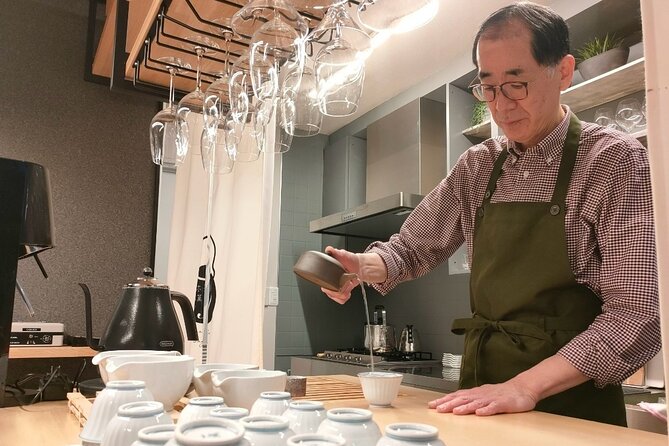
The central idea is simple: Japanese tea is not one fixed taste. Change the water temperature, the brewing time, or the vessel, and you change the result in your cup.
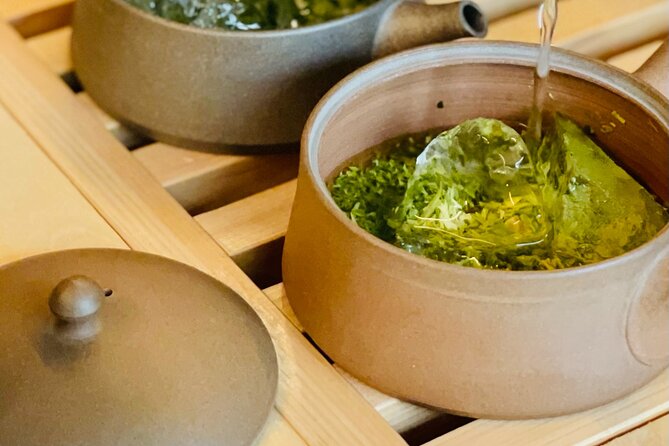
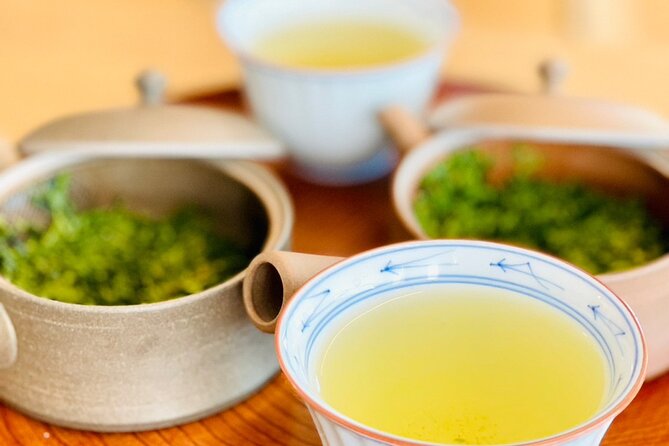
The class begins with a first preparation using lukewarm water. This gentler approach lets you notice the tea’s original flavor without immediately pulling out all its sharper notes. I like this as a starting point because it gives you a calm reference point for the cups that follow.
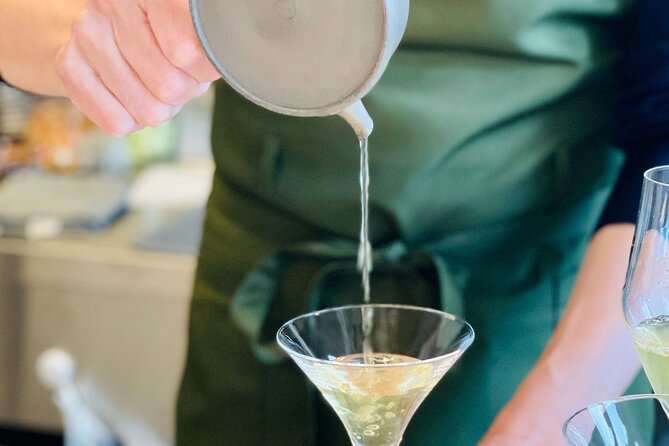
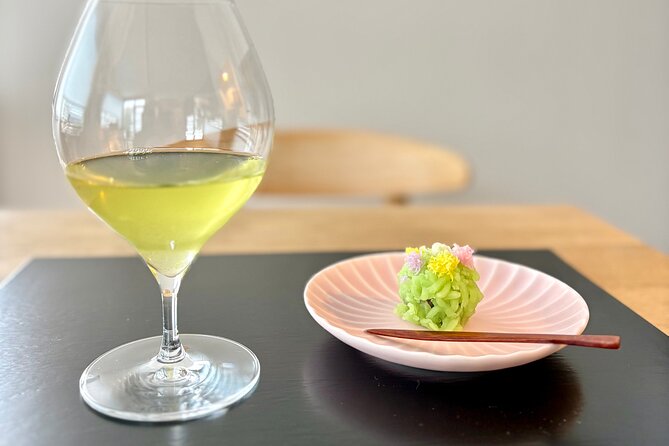
The second preparation uses ice and water in a wine glass. This is the class’s most unusual comparison. Cold tea served this way brings the aroma and sweetness forward, while the glass makes the experience feel closer to tasting wine than drinking a standard cup of tea.
The third preparation uses hot water. Heat draws out more bitterness and astringency, the dry, puckering quality that many people associate with strong green tea. This is not presented as a mistake. It is part of the tea’s character, and you learn how temperature controls how much of it reaches your palate.
You are not simply handed three drinks and left to guess the difference. The point is to compare them in order. That makes the lesson useful for beginners, especially if you have ever brewed green tea at home and wondered why it sometimes tastes smooth and sweet, and at other times sharp.
More Tea-Making Classes around Japan:
- Discover Japanese Tea Blending Techniques in Osaka
★ 5.0 · 19 reviews - London: Traditional English Scone Making and Tea Workshop
★ 5.0 · 702 reviews - London Traditional English Scone Making and Tea Workshop
★ 5.0 · 271 reviews
What Happens During the 10:00 am Class
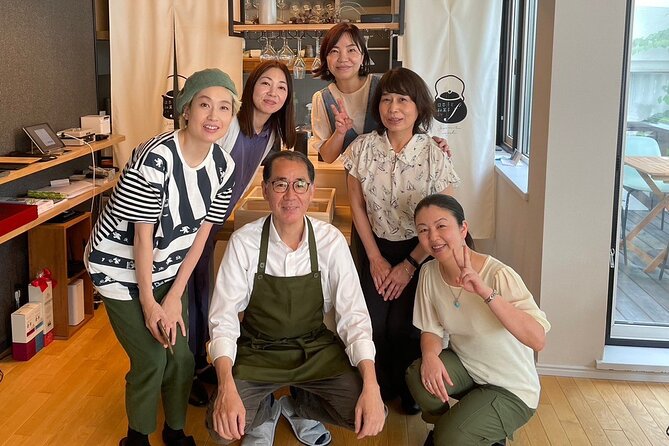
The experience begins at 日本茶と和菓子 エフ, located at 25-chōme-2-12 Ōdōrinishi in Sapporo’s Chuo Ward, near Maruyama Park. The meeting time is 10:00 am, and the activity finishes at the same place.
The class is private, so only your group participates. That matters in a lesson built around tasting. You can compare cups at your own pace, ask questions, and pay attention to small changes without having to keep up with a large room.
The session also uses teaching materials to explain basic tea knowledge. You can expect an introduction to tea types, how tea is made, and the main points of brewing. The focus is practical rather than ceremonial. You learn what to do with the leaves, water, temperature, and timing when you want a better cup later.
The exact teaching sequence may vary, but the main structure is clear: learn the basics, brew the tea step by step, compare the results, and pair the tea with Japanese sweets. At roughly an hour and a half, it fits neatly into a morning in Sapporo.
Why Lukewarm Water Comes First
Many people assume that boiling water is the proper way to make tea. This class gives you a more careful approach. The first cup uses lukewarm water to show the tea’s original flavor.
That first cup is important because it gives you a clean comparison. If you started with hot water, the stronger bitterness and astringency might dominate your attention. Lukewarm water lets you notice the softer side of the tea before the class introduces more forceful brewing.
For you, this is also the most useful lesson to take home. If your tea often tastes too bitter, the problem may be more heat or more brewing time than the tea itself. The class gives you a way to test that idea rather than treating a brewing rule as something fixed.
The experience uses two kinds of tea, according to the class details. That adds another comparison. You can notice how the tea itself affects the cup, then see how the same or similar leaves respond to different brewing methods.
The Wine Glass Changes the Cold Cup
The cold preparation is the most memorable part of the tasting. Tea is brewed with ice and water, then served in a wine glass. The vessel is not just decoration. The shape changes how the aroma reaches you, making the tea feel different before you even take a sip.
Cold tea can show sweetness and fragrance in a way that hot tea does not. The class uses this contrast to make a broader point: the vessel and serving temperature are part of the drink. A ceramic teacup suits hot Japanese tea, while a wine glass brings a different character to chilled tea.
You may find this especially useful if you normally drink green tea only when it is hot. The cold version gives you another option for warm weather or for meals where you want something lighter. The lesson does not turn Japanese tea into wine, but the comparison makes you pay closer attention to aroma.
This is also where the class feels less like a standard tasting. You are not just memorizing names or grades. You are testing how the same basic drink changes when the conditions change.
More Tea Experiences around Japan:
- Kyoto: Tea Ceremony in a Traditional Tea House in Kiyomizu
★ 4.9 · 3,519 reviews - Kyoto: Tea Ceremony Ju-An at Jotokuji Temple
★ 4.9 · 3,207 reviews - Kyoto: 45-Minute Tea Ceremony Lesson Experience
★ 4.3 · 2,378 reviews - World Heritage Kyoto & Nara Uji Authentic Matcha Experience
★ 5.0 · 1,573 reviews
Hot Water Brings Out the Sharp Notes
The final cup uses hot water to draw out bitterness and astringency. These qualities can sound negative, but they are part of the range of Japanese tea. A properly brewed cup can have a balance of sweetness, fragrance, bitterness, and dryness.
The value of this stage is learning control. You may prefer the hot version, or you may decide that the lukewarm or cold preparation suits your taste better. The class does not require you to choose one correct style. It shows you how each method creates a different result.
The tasting also helps explain why brewing instructions matter. Temperature and time are not minor details. They affect which flavors are released and how strong those flavors become.
You receive a summary sheet with guidance about temperature and brewing time for each tea. That is a practical souvenir, especially if you want to repeat the lesson at home. It turns a pleasant morning into something you can use in your own kitchen.
Wagashi Makes the Tasting Feel Seasonal
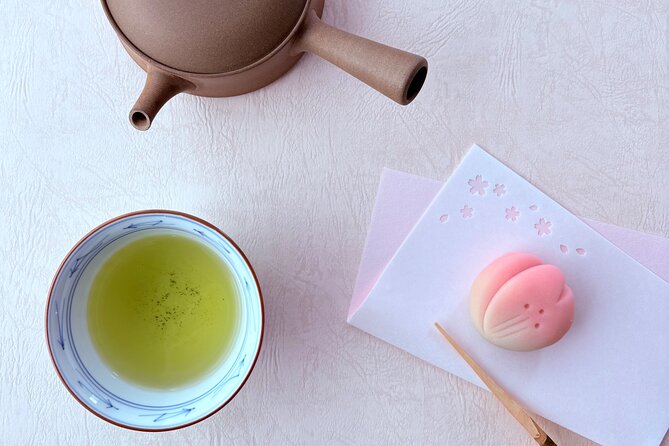
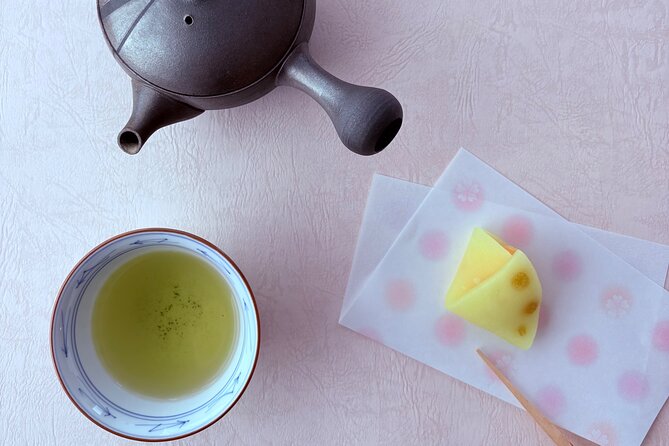
Japanese wagashi, or traditional Japanese sweets, is included with the tea. The sweets are not an afterthought. They are used to balance tea’s bitterness and astringency.
The seasonal presentation adds another layer to the class. One example described in the experience uses wagashi shaped like spring flowers. This connects the food to Japanese seasonal awareness, where color, shape, and ingredients often change with the time of year.
You should expect a modest snack pairing rather than a full meal. That is enough for the purpose. A sweet bite can soften the sharper notes in hot tea, while the tea keeps the wagashi from becoming overly sugary.
I particularly like this part because it gives the tasting a sense of place without requiring a long cultural lecture. You taste the tea, eat the sweet, and notice how each changes the other. The pairing also makes the session suitable for people who enjoy food experiences as much as drink lessons.
The Health Context, Without Overpromising
The class presents Japanese tea in the context of modern health interest. Japanese tea contains polyphenols, plant compounds associated with antioxidant and antibacterial properties. It also contains theanine, an amino acid said to support relaxation.
The information also points to growing demand for Japanese tea, with export volume increasing by about 2.5 times over the past decade. That helps place the drink in a wider setting. Japanese tea is both a traditional part of daily life and a product gaining attention outside Japan.
I would treat the health material as background, not as a medical reason to book. The class is primarily about flavor, aroma, preparation, and culture. You should enjoy the cup first and view the health points as supporting context, not a promise of specific results.
The Price and What You Get for $78.48
At $78.48 per person, this is not the cheapest way to drink tea in Sapporo. You are paying for a private, guided tasting with several brewing methods, teaching materials, seasonal wagashi, and direct instruction over about 90 minutes.
The value depends on your interests. If you only want a quick cup of tea and a sweet, the price will feel high. Sapporo has simpler café stops for that. If you want to understand why tea tastes different and learn methods you can repeat at home, the class offers more than a snack break.
The private format also affects the calculation. You are not joining a large group that moves through a fixed demonstration. Only your group participates, which gives the lesson a more personal pace. The value is strongest for couples, friends, or families who genuinely want to taste and discuss the differences.
You also leave with information that can be used later. The brewing summary, including temperature and timing, gives the experience some lasting value. The sweets are included, but the real purchase is the guided comparison.
Who Will Enjoy This Sapporo Experience
I would choose this class for anyone who wants a hands-on introduction to Japanese tea without committing to a long formal ceremony. Beginners are especially well suited because the instruction starts with basic tea knowledge and builds through direct comparison.
It also fits food-focused itineraries. The wagashi pairing gives you something to taste, while the seasonal design adds a small connection to Japanese aesthetics. If you enjoy noticing texture, aroma, and aftertaste, you will get more from the session than someone who simply wants caffeine.
The private setup may work well for people who prefer a quiet activity. You can ask questions and compare impressions within your own group. The class is also a good rainy-morning plan because it lasts only about an hour and a half and ends where it begins.
I would think twice if your schedule is tight or if you are looking for a major sightseeing stop. This is a focused indoor lesson, not a tour of Sapporo or a visit to tea fields. It also may not suit anyone who dislikes bitter flavors or sweets, though the whole purpose is to show how brewing can soften or strengthen those notes.
Getting There and Planning the Morning
The meeting point is near public transportation in Sapporo’s Chuo Ward, at 日本茶と和菓子 エフ, 25-chōme-2-12 Ōdōrinishi. The class begins at 10:00 am, so plan to arrive with enough time to find the address without rushing.
Because private transportation is not included, you are responsible for getting to the meeting point. The activity returns to that same location, which makes planning easier. You can pair it with other plans in the Maruyama Park area or use the nearby transport connections for the next part of your day.
A mobile ticket is provided, and booking confirmation is received at the time of booking. Free cancellation is available if you cancel at least 24 hours before the 10:00 am start. Changes or cancellations inside that window are not accepted, and the amount paid is not refunded.
Is This Tea Class Worth Booking?
Book it if you want to understand Japanese tea through taste, not just hear a short explanation. The strongest reasons are the three-way brewing comparison, the unusual cold tea in a wine glass, the seasonal wagashi, and the useful brewing notes for home.
At $78.48, it makes the most sense as a private food-and-culture activity rather than a casual beverage stop. I would recommend it to curious beginners, couples, and small groups with a free morning in Sapporo.
Skip it if you want a longer cultural tour, a full meal, or the lowest possible price. But if the question is why one cup of Japanese tea can taste sweet, fragrant, bitter, or dry depending on how you make it, this compact class gives you a clear and memorable answer.
FAQ
Where does the Japanese tea class take place?
The class takes place at 日本茶と和菓子 エフ, located at 25-chōme-2-12 Ōdōrinishi, Chuo Ward, Sapporo, Hokkaido 064-0820, Japan.
What time does the experience start?
The class starts at 10:00 am.
How long does the class last?
The activity lasts approximately 1 hour and 30 minutes.
Is transportation included?
No. Private transportation is not included. The meeting point is near public transportation.
Where does the activity finish?
The activity ends back at the meeting point.
Is the class private?
Yes. Only your group participates in this private activity.
What types of tea preparation will I try?
You will try tea brewed with lukewarm water, tea prepared with ice and water in a wine glass, and tea brewed with hot water.
Are Japanese sweets included?
Yes. Seasonal Japanese sweets, known as wagashi, are included as a snack and are paired with the tea.
Will I learn how to brew tea at home?
Yes. The class covers tea types, manufacturing methods, brewing points, water temperatures, and brewing times. A summary sheet with temperature and timing guidance is provided.
What is the cancellation policy?
You can cancel at least 24 hours before the experience starts for a full refund. Cancellations or changes made less than 24 hours before the start time are not accepted and are not refunded.
Newly steeped around Japan
- Yokohama : Tea Ceremony with Sweets and Souvenir★ 5.0 · 5 reviews
- Whisk Your Own Matcha: A Zen Matcha Experience at Temple★ 3.6 · 7 reviews
- Walking Tour: Yanaka,Nezu& Sendagi: Tea Ceremony & Old Tokyo★ 5.0 · 3 reviews
- Visit local home for music and tea ceremony near Disney★ 4.9 · 13 reviews
- Trip to Kamakura & Enoshima: Shrines, Seaside, Temples &Tea★ 5.0 · 11 reviews
- Yokohama: Sushi & Gyoza Cooking with Matcha & GreenTea Experience★ 5.0 · 3 reviews
- Kyoto tea town for matcha lovers★ 5.0 · 16 reviews
- Uji: Private immersion into Kyoto’s tea and reglious culture★ 5.0 · 17 reviews
Tea Making & Blending Classes, compared.
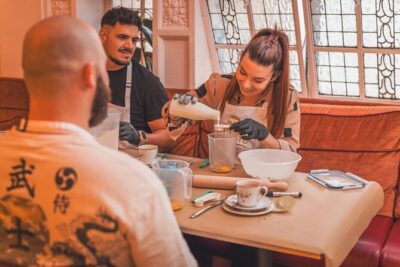
London: Traditional English Scone Making and Tea Workshop
Read our review →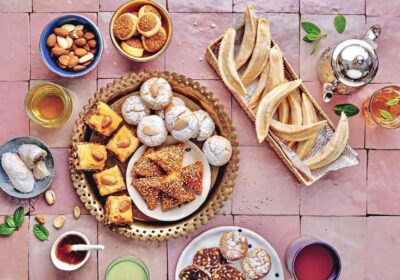
Marrakech: Moroccan Pastries and Tea Class with a Local
Read our review →
Moroccan Hands on traditional pastries & Tea class in Marrakech
Read our review →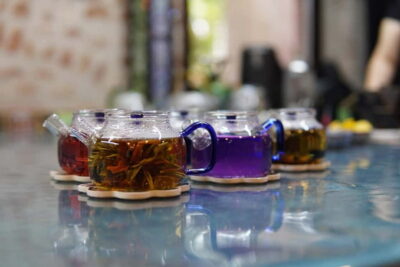
Istanbul: World Teas & Turkish Tea Brewing, Tasting Workshop
Read our review →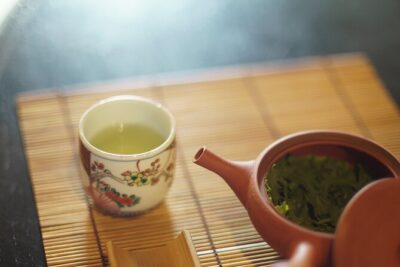
Discover Japanese Tea Blending Techniques in Osaka
Read our review →

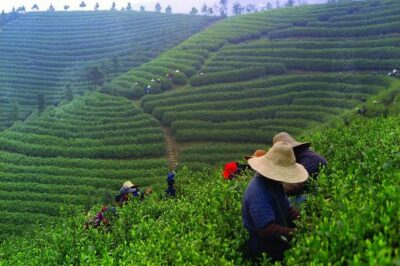
Experience Chengdu: Private Tea-Making Day Tour of Mengdingshan Tea Plantation
Read our review →Browse the lists this tea experience appears in