
Review · KYOTO
Kyoto: A Walking Tour of Four Spring Waters, Tofu Lunch & Matcha
Kyoto’s sacred water traditions give this small-group tour its unusual shape. You’ll eat a tofu and Kyoto obanzai lunch, visit three shrines tied to local legends, sample spring water, and finish with sweets and matcha made with spring water. It is a gentle way to see Kyoto through everyday customs rather than major temple sights.
I like the small maximum of six people, which should make the walking portions easier to manage. I also like the food focus: yuba, tofu, Kyoto side dishes, traditional sweets, and matcha all connect the tour to the city’s cooking traditions.
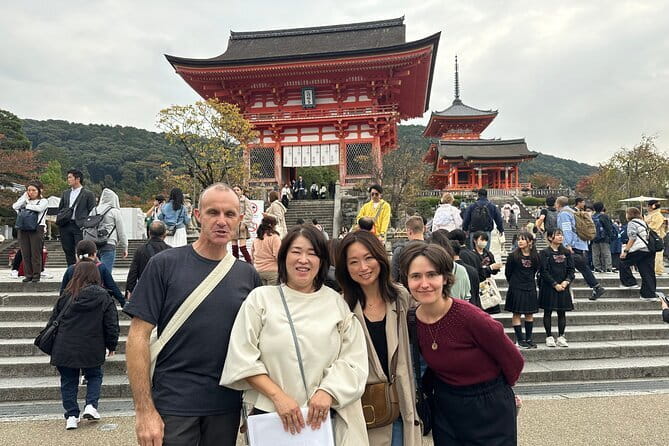
The main consideration is pace and routing. The tour lasts nearly five hours, some stops are brief, and busy streets or queues can slow things down. Kiyomizu-dera is not included, and the walking portion describes three spring-water sites, despite the tour title referring to four spring waters.
Key points to know before booking
- Sacred water is the theme: Visit Yasaka Shrine, Nishiki Tenmangu, and Hiyoke Tenmangu, each linked to a different local belief.
- Lunch is more than plain tofu: The meal includes tofu or yuba and Kyoto obanzai, a style of small seasonal dishes.
- The finale is especially distinctive: Kameya Yoshinaga, founded in 1803, serves traditional sweets and matcha prepared with spring water.
- The group is capped at six: This suits people who prefer a quieter, more personal walk.
- Transportation is included: The tour covers transportation fees during the experience, but hotel pickup and private transportation are not provided.
- Allow extra time: The planned duration is about 4 hours 40 minutes, but traffic or other delays can push the finish later.
Why this Kyoto walk feels different
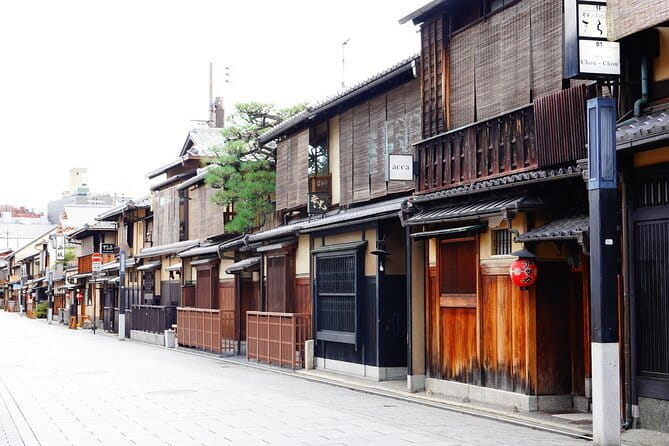
Many Kyoto tours aim straight for famous temples and packed sightseeing lanes. This one takes a quieter route through the city’s relationship with water, food, luck, learning, beauty, and protection from fire.
That gives you a different way to understand Kyoto. The shrines are not just photo stops. Each one has a practical or spiritual role in local life, and the guide explains the meaning behind the water you sample. The result is part walking tour, part food experience, and part introduction to Japanese religious customs.
The tour begins at 11:00 am at Kyoto Station. From there, the route includes lunch, shrine visits, and a traditional confectionery stop. The group size is limited to six people, a useful advantage in narrow shopping arcades and at small shrine water sources.
You should expect a social, guided outing rather than a strenuous hike. The listed stop times at the shrines are short, ranging from 10 to 20 minutes, but getting between them and waiting at busy sites can add time.
More Matcha Experiences in Kyoto
- Kyoto: Arashiyama Bamboo Forest, Monkeys, Matcha & Temple Tour
★ 5.0 · 759 reviews - Kyoto: Tea Ceremony Meditation – Make Matcha with Tea Master
★ 4.8 · 406 reviews - Kyoto: Kimono Tea Ceremony with Matcha and Sweet
★ 4.9 · 249 reviews
A tofu and Kyoto obanzai lunch
The first major part of the day is lunch, with about 1 hour 20 minutes set aside for a tofu and Kyoto obanzai meal. Tofu is made from soy milk, and Kyoto has long treated it as a refined food rather than a cheap filler.
The meal also includes yuba, the delicate skin that forms on heated soy milk. For many people, this is the culinary highlight of the tour. Yuba has a mild flavor and a soft, tender texture, so it is best approached as a subtle food rather than a strongly seasoned dish.
Kyoto obanzai refers to home-style small dishes, often served in a set meal. The appeal is variety: instead of one large main course, you get several modest preparations that show how simple ingredients can be handled in different ways.
I would book this lunch with the right expectations. It is designed around nourishing, restrained flavors, not a dramatic feast. One account of the meal found the service adequate but felt the yuba’s delicate taste was not presented as clearly as it could have been. That is useful guidance: if you enjoy quiet, gentle flavors, you may appreciate this meal more than someone looking for bold seasoning.
Restaurants may change with the season and other conditions. That means the exact setting and preparation are not fixed, so you should focus on the food style rather than expecting a particular restaurant or presentation.
Yasaka Shrine and the dragon’s water
The walking section begins at Yasaka Shrine, one of Kyoto’s best-known religious sites. Here, the tour introduces the old belief that Kyoto is protected by four divine creatures, each associated with one direction.
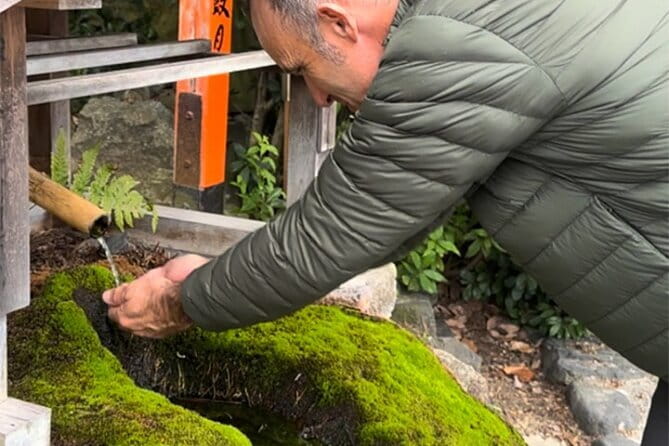
The east is linked with the Azure Dragon, and Yasaka Shrine is said to sit above a mystical pond that serves as the dragon’s lair. Water connected with this place is known as Gion Shinsui, or Power Water.
The tour also refers to Biyomizu, or beauty water, associated with a shrine dedicated to beauty. The custom involves drinking the power water and then applying a few drops of beauty water. This is a small ritual, but it helps show how religious places in Japan often connect spiritual ideas with everyday hopes such as health, appearance, good fortune, and protection.
You have about 20 minutes here, with admission included. That is enough for an introduction and the water ritual, but not a long, unhurried tour of the entire shrine complex. If Yasaka Shrine is high on your personal sightseeing list, you may want to return separately.
The area can be busy. You might queue at the water source, and the approach may involve crowds moving through the shrine grounds and nearby streets. That is part of the setting, but it means this is not a secluded nature walk.
Nishiki Tenmangu and water for wisdom
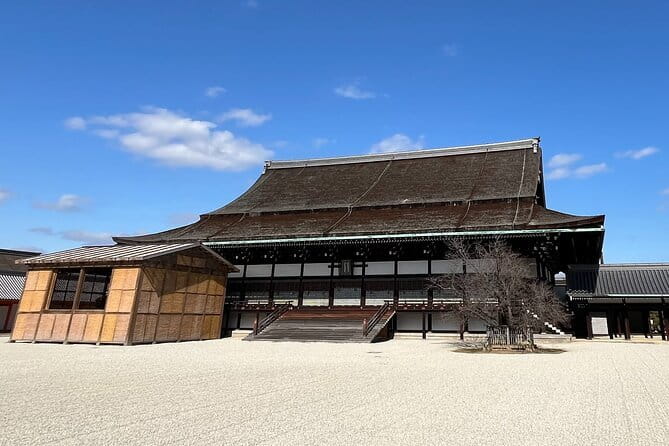
The next shrine is Nishiki Tenmangu, where the spring water is associated with Tenjin, the deity of learning. It is said to offer protection from misfortune, wisdom, and success in academic pursuits.
The stop is listed at about 10 minutes. That makes it a focused visit rather than a full shrine tour. The value here is the explanation of the belief and the chance to take part in a local custom.
The shrine is near the well-known Nishiki shopping area, so this portion places sacred space beside one of central Kyoto’s commercial districts. That contrast is one of the tour’s stronger features. You can see modern shops and traditional religious practice sharing the same compact city space.
A small shrine can also be easy to miss when you explore alone. With a guide, you are more likely to notice the water source, understand its purpose, and learn why people come to it. One particularly enjoyable detail mentioned in the experience is the chance to draw a fortune. That gives you a simple, hands-on connection with the shrine rather than just another photograph.
Same leaf, a different ritual:
- Kyoto: Tea Ceremony in a Traditional Tea House in Kiyomizu
★ 4.9 · 3,519 reviews - Kyoto: Tea Ceremony Ju-An at Jotokuji Temple
★ 4.9 · 3,207 reviews - Kyoto: 45-Minute Tea Ceremony Lesson Experience
★ 4.3 · 2,378 reviews - Kyoto: Table-Style Tea Ceremony at a Kyo-Machiya
★ 4.9 · 1,211 reviews
Hiyoke Tenmangu and protection from fire
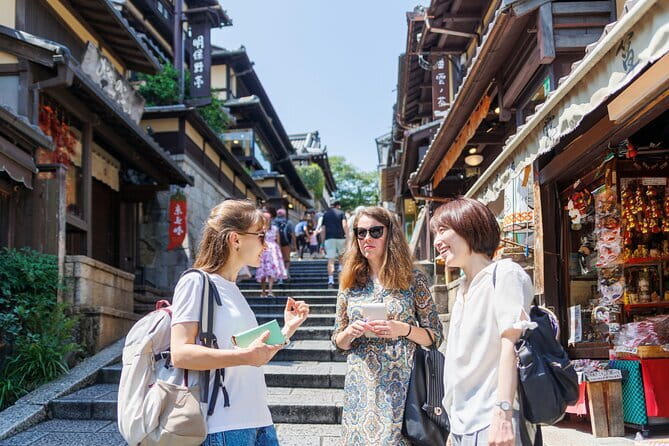
Hiyoke Tenmangu provides the third spring-water stop. The shrine is revered as a fire-preventing deity, and its story is tied to the Hamaguri-gomon Incident in the late Edo period.
According to the tradition presented on the tour, the surrounding area escaped a major fire during that event. Since then, stories of the shrine’s protection from fire have continued.
Again, the visit is short, about 10 minutes. The attraction is less about a grand monument and more about the way a particular place carries a local memory. Kyoto has suffered major fires over the centuries, so a shrine connected with fire prevention reflects a very practical concern.
The water stops also give the walk a clear theme. At Yasaka, the focus is power and beauty. At Nishiki Tenmangu, it is wisdom and success. At Hiyoke Tenmangu, it is safety from fire. The tour asks you to notice how water is treated as both a physical resource and a carrier of spiritual meaning.
The title mentions four spring waters, while the detailed route describes three spring-water sources at the shrines. The final confectionery stop also uses spring water for its sweets and matcha. If the exact number matters to you, confirm the current route before booking.
Kameya Yoshinaga and the sweet finish
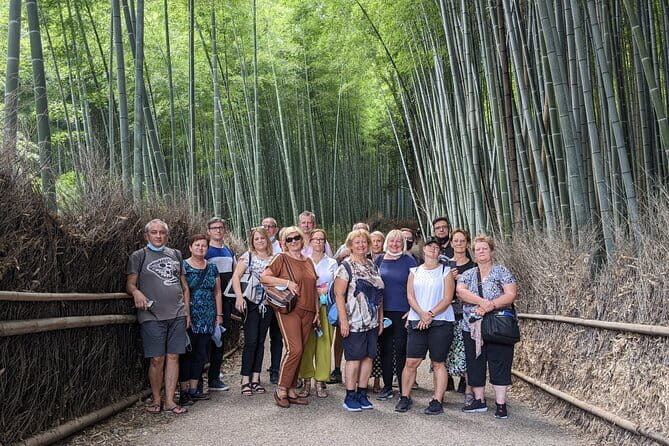
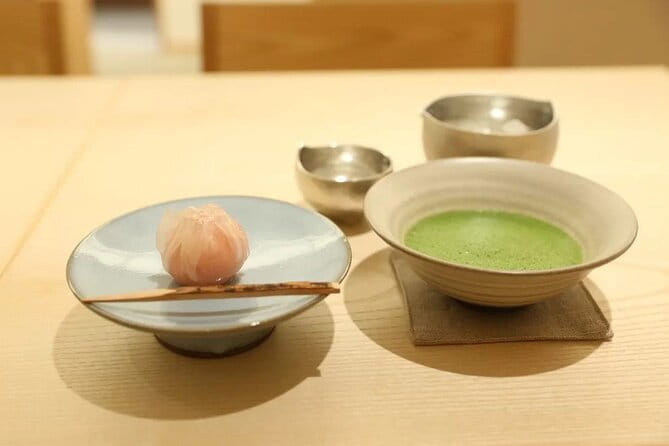
The final stop is Kameya Yoshinaga, a Kyoto confectionery founded in 1803. Here, you receive traditional sweets and a bowl of matcha made with spring water.
This is one of the most appealing parts of the experience because it gives the walk a proper finish. After several short shrine visits, you can sit down, slow the pace, and enjoy the refined side of Kyoto’s food culture.
Traditional Kyoto sweets are often made to accompany tea, and their appeal is visual as well as flavorful. The portion is listed at about 30 minutes, which should give you time to enjoy the sweets and matcha without turning the stop into a long meal.
This confectionery visit was also one of the most highly praised parts of the experience. It is easy to understand why. A historic sweets shop offers a stronger sense of place than a generic café, and using spring water ties the final course back to the theme of the walk.
If you are not fond of matcha, the stop may feel less rewarding. The included drink is a bowl of matcha, not coffee or a choice of ordinary tea. For anyone interested in Japanese tea and confectionery, however, this is a fitting close.
What the $130 price covers
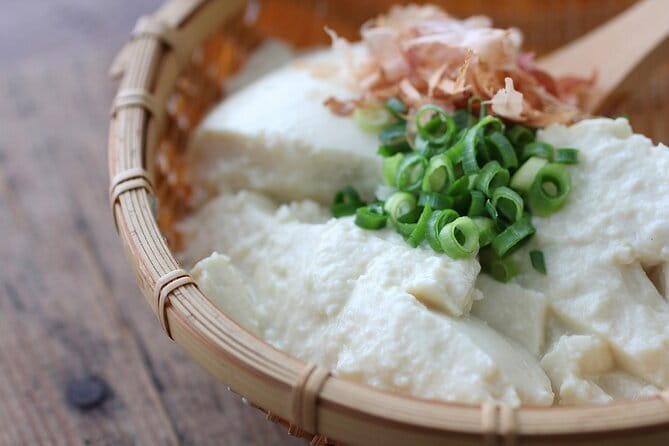
At $130 per person, this is not a low-cost walking tour. Its value depends on how much you want the food and cultural interpretation to be handled for you.
The price includes the tofu and obanzai lunch, matcha and sweets, transportation fees during the tour, admissions, and activity fees. You are paying for more than a guide walking you between shrines. You are also paying for a planned meal, a traditional confectionery visit, and the chance to sample water tied to specific beliefs.
The small group helps justify the cost. With a maximum of six people, the guide can usually keep the group together more easily and explain customs without speaking to a large crowd. That matters at small shrines, where a large group could feel awkward or block the space.
The value is weaker if you mainly want famous sights. Kiyomizu-dera is not part of the itinerary, and the tour does not promise long visits at major temples. You could spend less by visiting shrines independently, but you would need to arrange the route, learn the meaning of each water source, pay for lunch, and choose a confectionery stop yourself.
For a first visit to Kyoto, I would compare this with your other plans. If your schedule already includes Yasaka Shrine and the Nishiki area, the tour may repeat some ground. If you want a food-centered cultural activity with a small group, the price is easier to defend.
Timing, transport, and practical planning
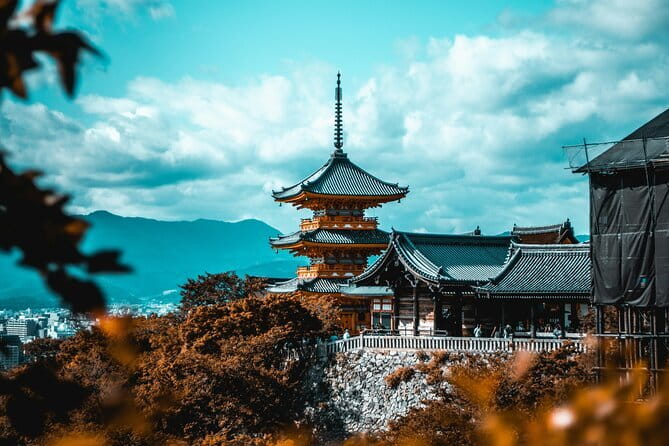
The meeting point is Kyoto Station at 11:00 am. The tour ends back at the meeting point, which is helpful if you need to continue sightseeing from the station afterward.
Private transportation and hotel pickup are not included. The tour does include transportation fees during the activity, so you do not need to budget separately for the planned transfers, but you should still arrive at the stated meeting point on your own.
The full experience takes about 4 hours 40 minutes. Keep the rest of your day flexible because traffic and other unforeseen delays can push the finish later. Do not schedule a tight train connection, timed museum entry, or dinner reservation immediately afterward.
The route passes through busy parts of central Kyoto. You may encounter crowds at Yasaka Shrine, Nishiki Tenmangu, nearby arcades, or at the water sources. The walking itself is not described as difficult, and most people can participate, but you should be comfortable walking between several city stops and standing briefly at shrines.
The tour requires at least two participants. If that minimum is not reached, the operator can cancel up to four days before departure and offer a full refund. Confirmation is sent within 48 hours of booking, subject to availability.
Your own cancellation is different. The experience is non-refundable and cannot be changed for any reason, so book only when your plans are firm.
Who should book this experience
I would recommend this tour to you if you want a gentle introduction to Kyoto’s spiritual customs and food traditions. It is especially suited to people who enjoy small shrines, local legends, vegetarian-friendly food, tea, sweets, and guided walks with a clear theme.
It is also a good choice if you have already seen the biggest temples and want something less familiar. The water sources are the point, not an excuse to rush through famous landmarks.
You may want to skip it if you dislike tofu, yuba, or matcha, or if you prefer to explore at your own pace. The route is structured, the shrine visits are short, and the tour does not include Kiyomizu-dera. It may also disappoint if you expect a nature walk far from city traffic.
Should you book the Kyoto spring-water tour?
Book it if the combination of tofu cuisine, sacred water, and traditional sweets sounds more appealing than another major-temple checklist. The small group, included food, and Kameya Yoshinaga stop give the experience a clear identity.
Skip it if your priority is Kiyomizu-dera, long shrine visits, or complete flexibility. Also confirm how the current route handles the four-water title, since the detailed schedule describes three shrine water sources and a spring-water-based food and tea stop.
For the right person, this is a thoughtful half-day experience: modest in scale, grounded in Kyoto customs, and pleasantly different from the usual sightseeing circuit.
FAQ
Where does the tour begin?
The tour begins at Kyoto Station, at Higashishiokoji Kamadonocho in Shimogyo Ward.
What time does the tour start?
The scheduled start time is 11:00 am.
Where does the tour end?
The activity ends back at the meeting point at Kyoto Station.
How long does the experience last?
The tour lasts approximately 4 hours 40 minutes.
What food is included?
The tour includes a tofu and Kyoto obanzai lunch. Yuba may be part of the meal, though the restaurant and exact preparation can change with the season and other factors.
Is matcha included?
Yes. A bowl of matcha and sweets is served at Kameya Yoshinaga.
Which shrines are visited?
The route visits Yasaka Shrine, Nishiki Tenmangu, and Hiyoke Tenmangu.
Is Kiyomizu-dera included?
No. Kiyomizu-dera is not included in the current itinerary.
Is transportation included?
Transportation fees during the tour are included. Private transportation and hotel pickup and drop-off are not included.
How many people can join the tour?
The tour has a maximum of six participants and requires at least two participants to operate.
Newly steeped around Kyoto
- Whisk Your Own Matcha: A Zen Matcha Experience at Temple★ 3.6 · 7 reviews
- Tea ceremony at Kyoto’s Zen Temple Teahouse★ 5.0 · 2 reviews
- Uji Walking Tour – Byodo-in temple and Tea Ceremony from Kyoto★ 3.5 · 3 reviews
- Kyoto: Authentic Tea Ceremony in a Small Group★ 5.0 · 7 reviews
- Tea Ceremony Experience in Traditional Kyoto Townhouse★ 5.0 · 19 reviews
- Tea Ceremony in 150 Years Old Townhouse with Tables and Chairs★ 5.0 · 22 reviews
- Sencha-do the Japanese Tea Ceremony Workshop in Kyoto★ 5.0 · 21 reviews
- Silent Beauty of Kyoto Zen Walk and Tea Experience★ 5.0 · 2 reviews
Matcha Experiences, compared.
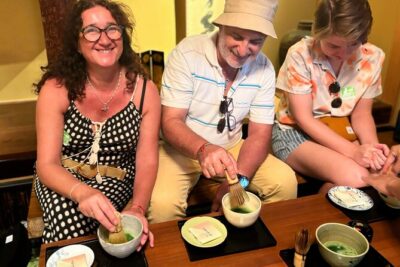
World Heritage Kyoto & Nara Uji Authentic Matcha Experience
Read our review →
Matcha Making Class in Tokyo with Authentic Japanese Sweets Set
Read our review →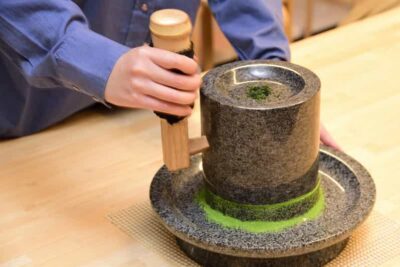
Kyoto: Tea Museum Tickets and Matcha Grinding Experience
Read our review →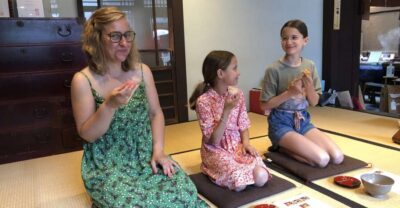
Kyoto: Tea Ceremony Meditation – Make Matcha with Tea Master
Read our review →
Tokyo: Matcha Making Experience with Mochi Sweets in Asakusa
Read our review →
Kyoto: Kimono Tea Ceremony with Matcha and Sweet
Read our review →
Browse the lists this tea experience appears in