
Review · KYOTO
Kyoto: Arashiyama Bamboo, Temple, Matcha, Monkeys & secret spots
Arashiyama is much more than a wall of bamboo, and this tour makes that point well. I like the way it pairs the famous grove with Okochi Sanso Garden, a calm private garden where you can sit with matcha, and Tenryu-ji Temple, where ponds, koi, buildings, and gardens give the area its deeper sense of place. The small group, capped at 12 people, also makes it easier to ask questions and keep a steady pace.
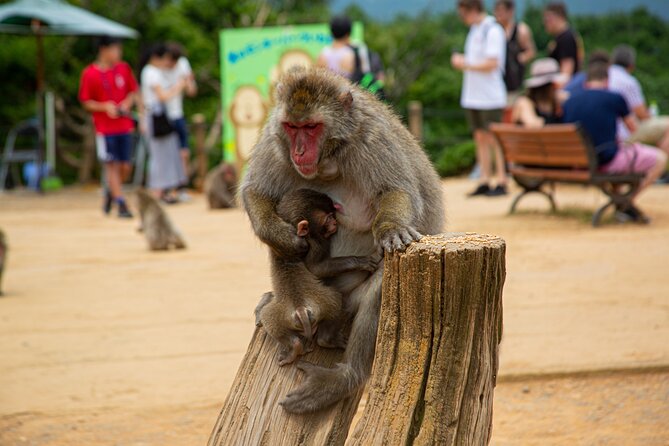
I also like the finish at Arashiyama Monkey Park, which adds a sharp change of mood and one of Kyoto’s best high views. The main drawback is physical: this is a long walking tour, and the final 15 to 20 minute climb to the monkeys follows a steep path. In summer, the hill can feel especially tough.
Key points to know before booking
- The bamboo grove is only the beginning: You also visit Okochi Sanso, Tenryu-ji, the shopping street, Togetsukyo Bridge, and the monkey park.
- Matcha comes with your garden visit: Okochi Sanso includes entry and a drink in a former tea house used as a rest area.
- Small groups make a difference: The maximum group size is 12, giving you more room for questions and conversation.
- The monkey park requires effort: Plan for a steep 15 to 20 minute uphill walk and wear comfortable shoes.
- Guides add personality: Toru, Karim, Tom, Francis, Diana, and others are praised for stories, cultural context, local food advice, and patient pacing.
- The tour ends at the monkey park: Your guide leaves you with your ticket and directions, then you can stay as long as you like.
Why this Arashiyama walk is more useful than a bamboo-only visit
The bamboo grove is one of Kyoto’s most photographed places, but it is also easy to treat as a quick stop. You arrive, take a few pictures, and leave without understanding the temples, gardens, river, and hills around it.
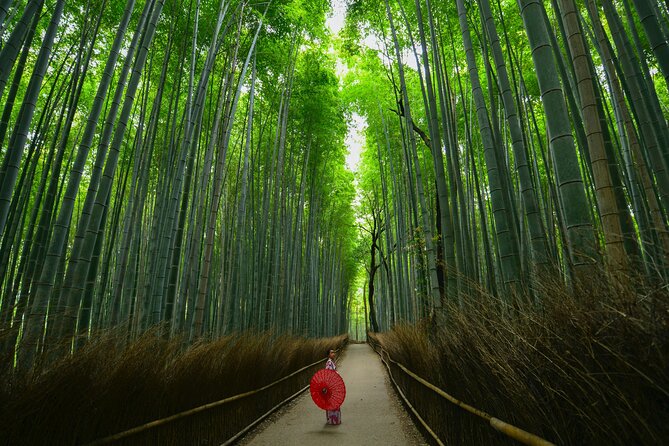
This tour gives you a fuller half-day in the district. You move through natural areas, historic religious sites, a private garden, shopping streets, a famous bridge, and a wildlife park. That variety matters because Arashiyama changes character from one stop to the next. The bamboo feels hushed and narrow. Tenryu-ji opens into formal temple grounds. Togetsukyo gives you a broad river view. The monkey park finishes high above the city.
The format is also practical for a first visit. Your guide handles the sequence, explains what you are seeing, and offers shopping and translation help. You do not need to spend your morning working out which entrance to use or how to connect the main sights.
The group limit of 12 is a real benefit. It is not a private tour, but it is small enough for a guide to notice if someone needs a slower pace or wants to ask about Japanese customs, food, gardens, or temple design. Several guides, including Toru, Karim, Tom, and Francis, are praised for keeping the walk relaxed while filling the gaps between stops with stories.
More Matcha Experiences in Kyoto
- Kyoto: Arashiyama Bamboo Forest, Monkeys, Matcha & Temple Tour
★ 5.0 · 759 reviews - Kyoto: Tea Ceremony Meditation – Make Matcha with Tea Master
★ 4.8 · 406 reviews - Kyoto: Kimono Tea Ceremony with Matcha and Sweet
★ 4.9 · 249 reviews
Starting among the bamboo in Arashiyama Park
The tour begins at 18-12 Sagatenryuji Kurumamichicho, in the Arashiyama area. You should arrive 15 minutes early. This is strict: late arrivals cannot join, and the booking terms do not provide a refund for missing the start.
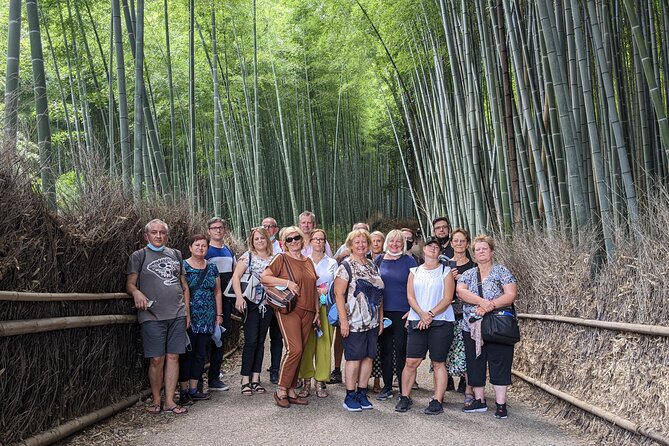
The first stop is Arashiyama Park’s Kameyama Area. You walk through the bamboo grove and continue toward the top of the park. The bamboo is beautiful, but the best part of having a guide here is the added context. Francis, for example, has explained how bamboo grows and what happens to it after it is cut. That kind of detail turns a familiar photo stop into a place you can better understand.
You may also benefit from the guide’s timing and route choices. One couple described being led toward the bamboo before the largest crowds arrived. No guide can promise an empty grove, especially in a major Kyoto sight, but starting promptly and moving with someone who knows the area can help.
This opening section is not a hard mountain hike, but it does involve continuous walking. You will want shoes that can handle uneven paths and enough room in your schedule to stop for pictures without losing the group.
Okochi Sanso Garden, matcha, and a proper pause
Okochi Sanso Garden is one of the strongest parts of the tour. It is a private garden with carefully arranged views, paths, and quiet sitting areas. The visit includes admission, so there is no separate entrance charge to handle.
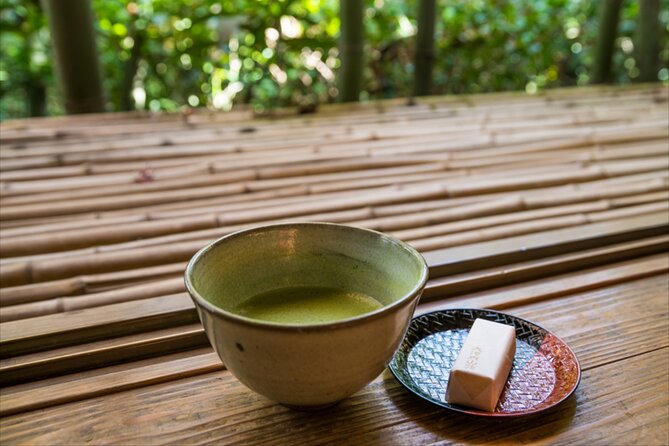
After walking through the bamboo and park, the garden gives you time to slow down. You can sit, take a breath, and have a drink served in a former tea house now used as a rest area. The matcha is a small but important touch. It connects the scenery to a familiar part of Japanese tea culture without turning the stop into a formal tea ceremony.
I would not rush this section. The garden is valuable because it gives you a different way to experience Arashiyama. The bamboo grove is narrow and dramatic. Okochi Sanso is more measured, with space to look carefully and enjoy the quiet.
The garden is also a good example of why this tour costs more than simply walking through the public bamboo grove on your own. Your admission is included, and you get help understanding a place many independent visitors might skip.
Tenryu-ji Temple and the dragon pond
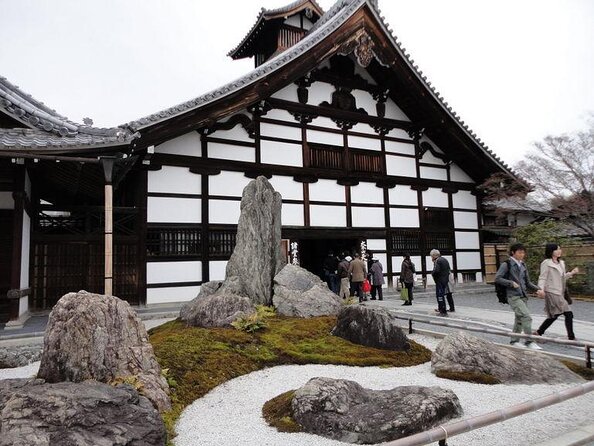
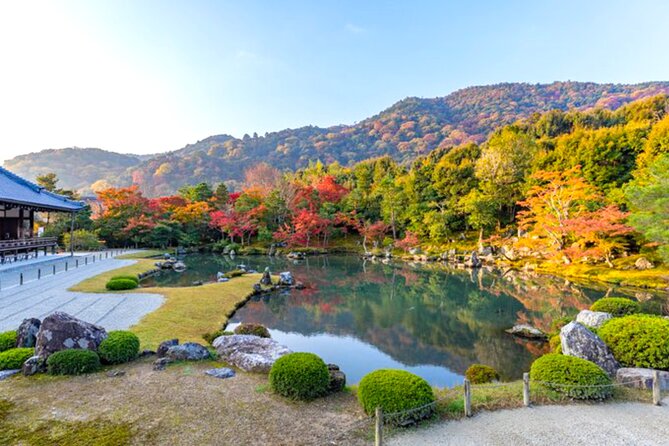
Tenryu-ji is one of Kyoto’s best-known temples, and the tour includes both indoor and outdoor areas. You can see temple architecture, gardens, and the pond with koi while your guide explains the site and its place in Kyoto’s religious and cultural life.
The pond and garden are especially appealing after the enclosed bamboo paths. The view opens up, and the water gives the stop a calm center. One guide, Tom, is praised for explaining Japanese history, architecture, and garden design in a way that helped visitors make sense of other places they had seen during their trip.
This is also a useful stop for families. Tomio, another guide, has been singled out for pointing out small wildlife and interesting details for children. The tour is not designed only for children, but the mix of nature, animals, ponds, and stories gives younger visitors more to notice than a temple lecture alone.
Temple etiquette still matters. Keep your voice low in indoor areas, follow your guide’s instructions, and allow room for worshippers. The tour is informative, but it does not turn the temple into a stage set.
Same leaf, a different ritual:
- Kyoto: Tea Ceremony in a Traditional Tea House in Kiyomizu
★ 4.9 · 3,519 reviews - Kyoto: Tea Ceremony Ju-An at Jotokuji Temple
★ 4.9 · 3,207 reviews - Kyoto: 45-Minute Tea Ceremony Lesson Experience
★ 4.3 · 2,378 reviews - Kyoto: Table-Style Tea Ceremony at a Kyo-Machiya
★ 4.9 · 1,211 reviews
Arashiyama shopping street and local help
The shopping portion lasts about an hour and is intentionally flexible. You can stop at shops that catch your eye, and the guide can assist with translation or practical questions.
This is where the tour can become more personal. Karim has helped people find specific items in Japan after the formal tour ended, and Diana has recommended restaurants that became trip highlights. Guides have also shared advice about Japanese foods, including custard-filled fish-shaped sweets.
You should not expect shopping purchases to be included. Souvenirs and food are your responsibility, and the tour does not include lunch. The advantage is guidance rather than a shopping package. If you are unsure what something is, need help communicating, or want advice about a local item, having a guide nearby can remove some friction.
The hour also helps break up the sightseeing. Five hours of temples and gardens without a pause can feel repetitive. Here, you get time to browse, snack, and decide what interests you.
Togetsukyo Bridge and the Katsura River
Togetsukyo Bridge is a short stop, about 15 minutes, but it earns its place. The bridge and Katsura River provide one of the classic Arashiyama views, with a wider sense of space after the bamboo and temple gardens.
This is a picture stop, so have your camera ready. Your guide may also take group photos during the day, with a website provided later for downloading them. That can be useful if you want pictures of the whole group rather than only solo shots.
The visit is brief, so do not expect a long riverside break. It works best as a quick visual change before the final part of the experience. If you want extended time around the bridge, you can return later on your own.
The uphill finish at Arashiyama Monkey Park Iwatayama
The tour officially ends at Arashiyama Monkey Park Iwatayama. Your guide gives you the ticket and instructions, then leaves you to make the climb and explore independently. The park admission is included.
The path to the top takes about 15 to 20 minutes and is steep. That estimate is short, but the effort can be substantial in hot weather. Several people describe the climb as the hardest part of the day, especially in summer temperatures around 33 degrees Celsius. Bring water, sun protection, and comfortable shoes.
The reward is the view over Kyoto and the chance to see the monkeys. The park is especially appealing for families and children, though adults who enjoy nature and city views will find plenty here too. Guides have shared practical details such as the monkeys preferring apples over peanuts at certain times of day, but you should follow the park’s own feeding rules.
It is important to set your expectations. The monkey park may be the highlight of your day, but animal sightings and the quality of the experience can vary. The view from the top is a reliable reason to make the climb. The monkeys are the bonus.
Since the guide leaves at this point, you can stay as long as you wish and leave whenever you are ready. That gives you freedom, but you will need to find your own way back after the park.
Pace, fitness, weather, and group size
This is a walking tour, not a bus tour. The listed duration is about five hours, but it can run roughly 30 minutes shorter or longer. You should avoid scheduling a tight train connection or another fixed activity immediately afterward.
The pace is generally described as relaxed, with guides adjusting for older members of the group and giving people time to look around. Still, relaxed does not mean easy. You cover several sites, walk between them, and finish with a steep hill.
I would pack:
- Comfortable walking shoes
- Water
- Sunscreen and an umbrella in hot or bright weather
- Rain protection if the forecast is unsettled
- WhatsApp on your phone for last-minute contact with the tour team
The tour requires good weather. If poor conditions cause cancellation, you are offered another date or a full refund. A minimum of two people is also needed for the tour to operate. A solo booking is allowed, but the session may be canceled if no second participant books.
Other languages may sometimes be available, including French, German, and Spanish, but English is the only language guaranteed on the shared tour. Contact the operator before booking if language support is important to you.
Is $89.54 a fair price?
At $89.54 per person, this is not the cheapest way to see the bamboo grove. You can visit public areas of Arashiyama independently for far less.
The value comes from what is added. The price includes a guide, Okochi Sanso admission, Tenryu-ji admission, and Monkey Park admission. You also receive a planned route, cultural explanations, shopping and translation help, and a small-group setting.
For a first visit, I think the price is reasonable if you want structure and context. A guide can make the difference between checking off sights and understanding why the gardens, temple, bridge, and park belong together. The value is weaker if you prefer wandering alone, dislike fixed schedules, or plan to spend only a short time at the bamboo grove.
The tour has a 99 percent recommendation rate and a 4.9 rating from 219 ratings, with especially strong praise for guides such as Toru, Karim, Tom, Francis, and Diana. The repeated strengths are clear explanations, humor, patience, local tips, and a good pace. Those qualities matter more here than a simple list of sights because the experience involves several transitions and a fair amount of walking.
Who should book this Arashiyama experience?
I would choose this tour for a first Kyoto visit, especially if you want to see Arashiyama in one organized half-day. It suits couples, families, solo visitors who want company, and anyone who enjoys asking questions while sightseeing.
It is also a good fit if you want gardens and architecture, not only photographs. Okochi Sanso and Tenryu-ji give the tour more substance, while Togetsukyo Bridge and the monkey park add variety.
I would think twice if you have limited mobility, are uncomfortable on steep paths, or do not want to walk for several hours. The monkey park is optional in practice because the formal tour ends at its entrance, but the listed route is built around continuing there. You can skip the climb, yet doing so means missing one of the main features.
Book at least 24 hours before the start if you need the free cancellation option. Changes or cancellations inside that window are not refunded.
Should you book it?
Book this tour if you want a guided introduction to the whole Arashiyama area, not just the bamboo grove. The combination of matcha, a private garden, Tenryu-ji, shopping, the river bridge, and monkeys gives you a well-shaped day with plenty of variety.
Skip it if you prefer complete independence or want a gentle outing with very little uphill walking. For everyone else, the strongest reason to book is the balance: you get the famous sights, quieter garden time, useful local explanations, and a memorable view from above Kyoto, all in one small group.
FAQ
How long does the Arashiyama tour last?
The experience takes approximately five hours. The actual length can vary by about 30 minutes before or after the estimate.
Is this a private tour?
No. It is a shared walking tour with a maximum of 12 participants.
What does the tour include?
The price includes the guide, Okochi Sanso Garden admission, Tenryu-ji Temple admission, Monkey Park admission, and shopping or translation assistance.
Is lunch included?
No. Lunch, shopping, and souvenirs are not included.
How difficult is the walk to the monkey park?
The climb to the top takes about 15 to 20 minutes on a steep path. Comfortable shoes and a reasonable level of physical fitness are recommended.
Where does the tour end?
The formal tour ends at Arashiyama Monkey Park Iwatayama. Your guide gives you the ticket and directions, and you can leave the park whenever you choose.
Can I book if I am traveling alone?
Yes, but the tour needs at least two participants to operate. If only one person books, the session may be canceled, with a rescheduled date or full refund offered.
Newly steeped around Kyoto
- Whisk Your Own Matcha: A Zen Matcha Experience at Temple★ 3.6 · 7 reviews
- Kyoto: Authentic Tea Ceremony in a Small Group★ 5.0 · 7 reviews
- Tea ceremony at Kyoto’s Zen Temple Teahouse★ 5.0 · 2 reviews
- Uji Walking Tour – Byodo-in temple and Tea Ceremony from Kyoto★ 3.5 · 3 reviews
- Tea Ceremony Experience in Traditional Kyoto Townhouse★ 5.0 · 19 reviews
- Tea Ceremony in 150 Years Old Townhouse with Tables and Chairs★ 5.0 · 22 reviews
- Traditional Tea Ceremony in Kyoto★ 4.5 · 3 reviews
- Sencha-do the Japanese Tea Ceremony Workshop in Kyoto★ 5.0 · 21 reviews
Matcha Experiences, compared.
World Heritage Kyoto & Nara Uji Authentic Matcha Experience
Read our review →
Matcha Making Class in Tokyo with Authentic Japanese Sweets Set
Read our review →
Kyoto: Tea Museum Tickets and Matcha Grinding Experience
Read our review →
Kyoto: Tea Ceremony Meditation – Make Matcha with Tea Master
Read our review →
Tokyo: Matcha Making Experience with Mochi Sweets in Asakusa
Read our review →
Kyoto: Kimono Tea Ceremony with Matcha and Sweet
Read our review →
Browse the lists this tea experience appears in