
Review · KYOTO
Kyoto Local Gourmet Night Experience: Kaiseki & Izakaya & Matcha
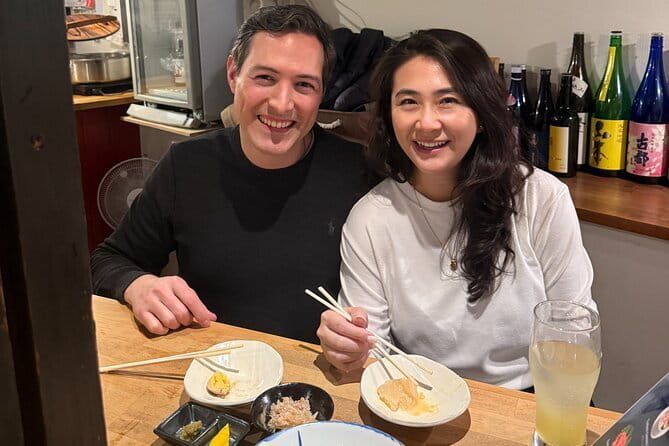
Kyoto’s best evening meal may not happen behind a grand restaurant door. It may happen in three small stops, reached on foot through lantern-lit Gion and Pontocho. This tour gives you three different dining experiences, plus sake, dessert, and local stories instead of asking you to pick one restaurant and hope for the best. I especially like the small maximum of seven people and the chance to eat near, but away from, Kyoto’s busiest streets.
I also like that drinks are included and that the evening ends back at Minamiza Theater, a useful central meeting point. The tradeoff is clear: at $70.94, this is not a bargain if you want one large, formal meal. Vegetarian food, including fish, requires advance notice, while vegan and gluten-free diets cannot be accommodated.
Quick reasons to consider this Kyoto food tour
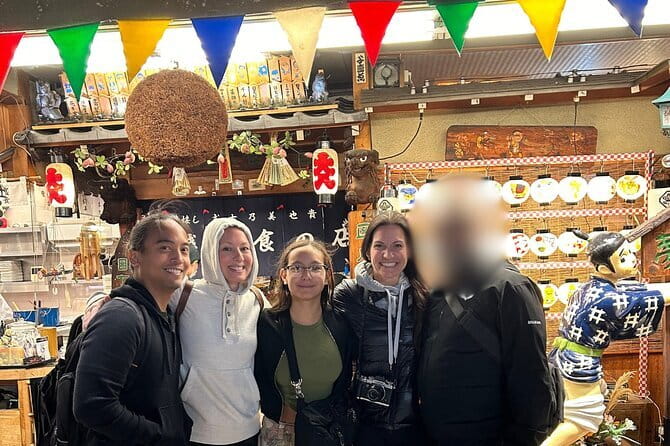
- Three restaurants in one evening: Dinner, drinks, and dessert are spread across different local stops rather than served as one fixed meal.
- A small group of no more than seven: You get more room for questions and conversation with guides such as Akari, Ayane, Lisa, and Sura.
- Gion and Pontocho after dark: The route gives you traditional streets, wooden machiya houses, lanterns, and the atmosphere around Kyoto’s old entertainment districts.
- Sake and non-alcoholic choices included: Three drinks are included, and alcohol is not served to anyone under 20.
- A local view of the Kamo River: The evening includes time near the river, with dessert and sake at nearby shops.
- Good value for a first night in Kyoto: The tour combines food, orientation, culture, and company in about three and a half hours.
Why three small stops work better than one large dinner
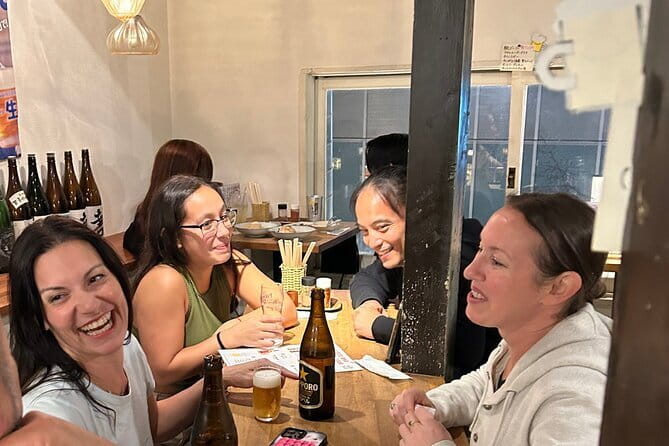
The smart idea here is variety. You do not spend the whole evening at one table, waiting for one restaurant’s menu to reveal what Kyoto has to offer. Instead, you move through three different places, with dinner, drinks, and dessert divided among them.
That format suits Kyoto especially well. The city’s food culture is not limited to expensive formal dining. It also lives in compact izakaya, casual neighborhood restaurants, sake counters, tea and dessert shops, and narrow lanes where the best choice is not always obvious from the street.
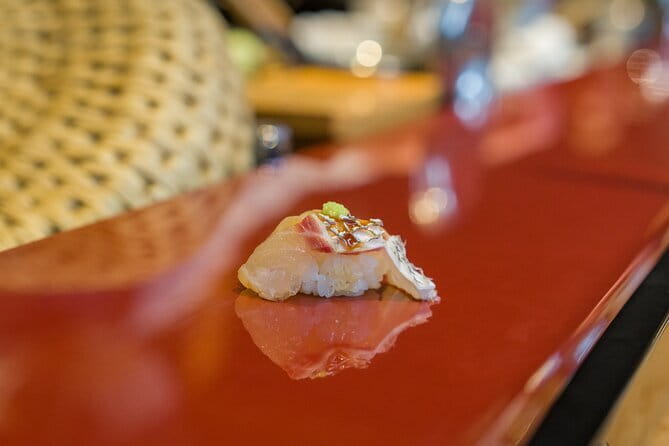
The evening includes a full dinner course and desserts at three restaurants. The exact dishes are not specified, so you should not book this expecting a guaranteed list of sushi, tempura, or a particular kaiseki menu. The title refers to kaiseki, izakaya, and matcha, but the practical details confirm a broader local food outing with restaurant stops, Japanese sake, tea or coffee, soft drinks, and dessert.
That uncertainty is part of the appeal for flexible eaters. It is also the main thing to consider if you have a strict food plan. The menu can change, and additional items beyond the included meal cost extra.
More Matcha Experiences in Kyoto
- Kyoto: Arashiyama Bamboo Forest, Monkeys, Matcha & Temple Tour
★ 5.0 · 759 reviews - Kyoto: Tea Ceremony Meditation – Make Matcha with Tea Master
★ 4.8 · 406 reviews - Kyoto: Kimono Tea Ceremony with Matcha and Sweet
★ 4.9 · 249 reviews
Starting at Minamiza Theater in central Kyoto
The meeting point is Minamiza Theater at the east end of Shijo Bridge, in Kyoto’s Higashiyama Ward. Minamiza is a historic theater known for traditional performances, so the start gives the evening a cultural setting rather than a generic street corner.
From there, you walk into Gion and toward the nearby dining areas. The meeting point is close to public transportation, which matters after an evening meal. The tour also ends back at Minamiza, so you do not need to figure out a new return point in an unfamiliar part of the city.
Arrive with comfortable shoes. The advertised duration is about three hours and 30 minutes, and some of that time is used for moving between stops. This is not a seated dinner from start to finish. You are walking through old districts, pausing for photos, and shifting from one restaurant or shop to the next.
Gion Shirakawa and the old streets of Gion
The first major stretch takes you through Gion Shirakawa-dori, one of Kyoto’s prettiest traditional streets. The route follows the atmosphere of the Shirakawa area, with old wooden buildings, the river, and carefully maintained streets that feel far removed from modern downtown.
Gion is famous for machiya houses and teahouses connected with geisha entertainment. You might see a geisha or maiko moving to an engagement, but that is never something a responsible tour can promise. The real value is the setting itself: lanterns, narrow lanes, traditional facades, and the sense that this remains a working district rather than a museum set.
You have about an hour and a half in the Gion portion, including food and walking. That allows your guide to explain Kyoto cuisine and local customs while you move through the area. It also gives you time for photographs without turning the evening into a rushed checklist.
Yasaka Shrine is part of Gion’s wider appeal, though the supplied schedule does not promise a dedicated shrine visit. You may see the area around it as you move through the district, but book this as a food and neighborhood tour, not as a shrine tour.
The first food stop is designed to introduce traditional Kyoto cuisine. Exact dishes are not stated, so the best way to approach it is with curiosity. The guide can explain what you are eating and why it belongs to Kyoto’s food traditions, which is useful when a menu contains ingredients or serving styles you would not recognize on your own.
Pontocho, sake, and Kyoto’s narrow dining lane
The tour then moves to Pontocho, a famously narrow alley running near the Kamo River. Its wooden buildings and lantern-lit path make it one of the most atmospheric places in central Kyoto at night.
Pontocho is also a dining district, not just a pretty lane for photos. Restaurants and bars line the alley, and in warmer months some riverside establishments use kawadoko platforms overlooking the river. This tour gives you light snacks and Japanese sake while your guide explains the streets and the city’s dining culture.
One useful feature is that three drinks are included, with alcohol and non-alcoholic options available. That removes the awkward arithmetic that can make a food tour feel expensive. You can enjoy sake if you are 20 or older, or choose a non-alcoholic drink without feeling that you are paying for something you cannot use.
The drink policy is firm: alcohol is not served to participants under 20. The tour description does not give a separate minimum age for the activity, but this alcohol rule applies clearly to younger participants.
Pontocho can be crowded and narrow, especially in the evening. That is part of its character, but it also means this is not the best setting for someone who dislikes busy lanes or prefers a quiet, stationary meal. The small group limit helps. A group of seven is easier to keep together than a large food-tour crowd, and it should make it simpler to hear the guide in a tight alley.
Same leaf, a different ritual:
- Kyoto: Tea Ceremony in a Traditional Tea House in Kiyomizu
★ 4.9 · 3,519 reviews - Kyoto: Tea Ceremony Ju-An at Jotokuji Temple
★ 4.9 · 3,207 reviews - Kyoto: 45-Minute Tea Ceremony Lesson Experience
★ 4.3 · 2,378 reviews - Kyoto: Table-Style Tea Ceremony at a Kyo-Machiya
★ 4.9 · 1,211 reviews
The Kamo River and a quieter dessert stop
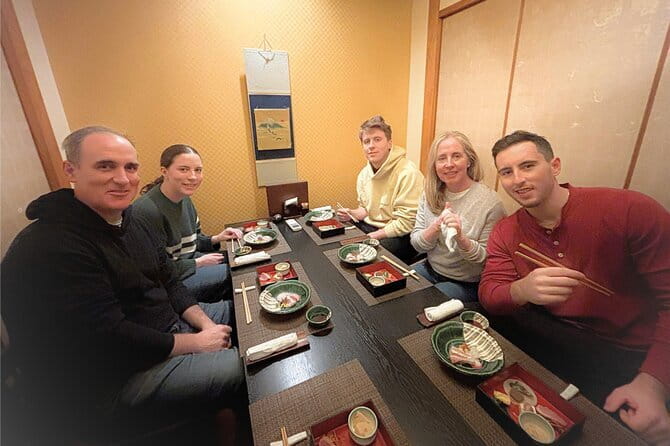
The third part takes you to the Kamo River, one of the places Kyoto residents use for walks, relaxation, and informal gatherings. The riverbanks offer a change of pace after the narrow lanes of Gion and Pontocho.
You spend about an hour around the river and nearby shops, with desserts and sake included in the plan. Evening light around the river can make this a pleasant place to slow down, talk, and compare the food from earlier stops.
This section is valuable because it connects Kyoto’s food culture with daily life. You are not only eating in a restaurant district. You are seeing one of the city’s familiar public spaces and learning which places matter to people who live there.
Again, the exact dessert is not guaranteed. The activity title mentions matcha, and tea or coffee is included, but the published details do not promise a particular matcha preparation. If a formal tea ceremony or a carefully demonstrated matcha service is your main goal, choose a dedicated tea experience instead. Here, matcha and dessert are part of a wider evening rather than the entire focus.
A brief look at Kawaramachi
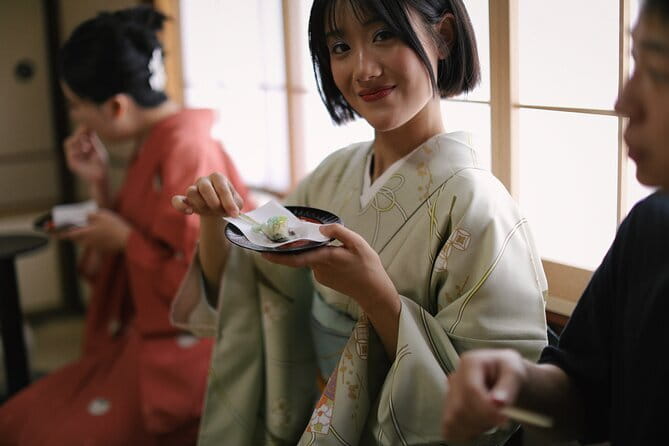
Kawaramachi-dori is included as a pass-by rather than a full stop. This downtown street has shops, cafes, and a more modern city feel than Gion or Pontocho.
That short transition helps you see three sides of central Kyoto in one evening. Gion shows the old entertainment district, Pontocho brings compact dining and nightlife, and Kawaramachi shows the commercial center. You will not have time for serious shopping here, and there is no listed admission or activity at this point, but it helps connect the route.
Because the schedule is spread across several neighborhoods, some of the three-and-a-half hours goes toward walking and transportation. That is not wasted time if you want a sense of the city. It is less suitable if you want the maximum possible number of courses in one place.
What the $70.94 price includes
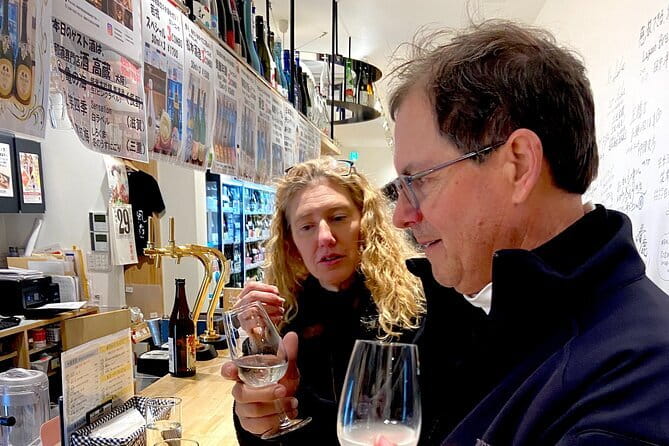
At $70.94 per person, the cost is reasonable for a small-group evening that combines food, drinks, guiding, and neighborhood touring. The value depends on how you count dinner.
Included are:
- A full dinner course
- Desserts at three different restaurants
- Three drinks, including alcoholic and non-alcoholic options
- Japanese sake
- Coffee or tea
- Soda
- Tour photos
- A local guide
- About three and a half hours of walking, food, and conversation
You still pay for extra food or drinks if you order beyond what is included. The supplied information describes the included meals as satisfying, but appetite varies. If you are a large eater, you may want to budget for an additional order.
Compared with booking three separate restaurants in Gion or Pontocho, the price also pays for guidance and interpretation. You do not have to study menus, find suitable places, or guess which lane to enter. The guide handles the route and gives context along the way.
The strongest value is for a first or second night in Kyoto. You get oriented to central neighborhoods while tasting local food. If you already know Kyoto well and want a long, formal kaiseki dinner, you may prefer to spend the same money on one specialized restaurant.
The guide can make or break the evening
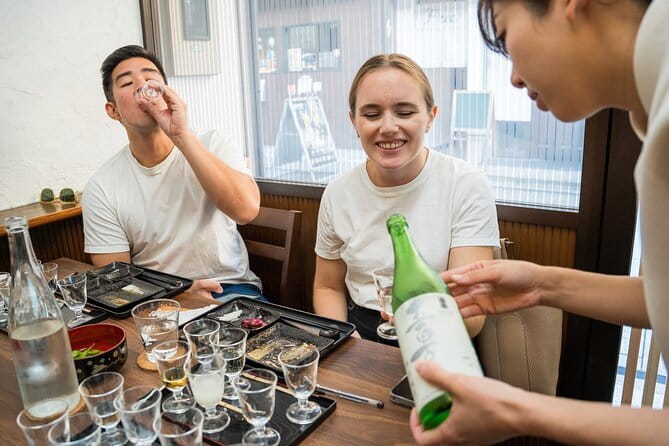
The guide is central to this experience because the food itself is only half the outing. You are moving through neighborhoods that can look confusing at night, and the guide explains the relationship between Kyoto’s streets, restaurants, sake, and local customs.
Several guides have received particularly warm praise. Akari has been noted for keeping the evening engaging for children. Ayane has led a small-group experience that felt personal. Lisa handled an unusually small departure with ease, and Sura was described as relaxed, easy to talk to, and good at choosing smaller local places near the main areas.
Those details point to the kind of guide this tour needs: someone who can keep conversation moving, adjust to a family group, and explain food without turning the night into a lecture. The tour has a maximum of seven people, which gives the guide a fair chance to learn your interests and answer questions.
The experience may feel almost private if other participants do not arrive. One departure became a private tour because another group was delayed by a flight. That is not guaranteed, but the small capacity gives the evening a personal feel even when the group is full.
Food restrictions and who should book
Vegetarians can be accommodated if you request it when booking. The stated vegetarian option includes fish, so strict vegetarians should clarify what they mean before reserving.
Vegan and gluten-free diets cannot be accommodated. This is an important limit, not a minor footnote. If you need either diet, choose a different food experience.
The tour suits you best if you:
- Want local food without planning several restaurant reservations
- Like walking through historic districts at night
- Enjoy sake, tea, dessert, and conversation
- Prefer a group of seven or fewer
- Are comfortable with a menu that is not fully specified in advance
- Want a gentle introduction to Gion, Pontocho, and the Kamo River
- Are traveling with children who can participate in a three-and-a-half-hour evening
It is less suitable if you want a silent, formal meal, a dedicated tea ceremony, a guaranteed kaiseki menu, or a vegan or gluten-free dinner. It is also not ideal if you dislike moving between restaurants.
Booking timing and cancellation
This experience is booked, on average, 24 days ahead, so reserve early if your Kyoto dates are fixed. Confirmation is provided when you book, and the activity uses a mobile ticket.
You can cancel for a full refund up to 24 hours before the start time. Cancellations or changes made less than 24 hours before the start time are not accepted for a refund. The cutoff uses Kyoto local time.
Should you book the Kyoto Local Gourmet Night Experience?
I would book this if you want your first Kyoto food tour to do more than feed you. The route gives you three neighborhoods, three restaurant stops, drinks, dessert, and a local guide in one compact evening. The most praised qualities are the relaxed guides, the personal small-group format, and the choice of places close to major sights but less obvious to a newcomer.
The main caution is the food policy. Vegetarian diners must request the option in advance, and vegan or gluten-free diners should skip it. You should also understand that the title suggests several Kyoto specialties, but the available details do not guarantee a particular kaiseki course or matcha preparation.
For most flexible eaters, $70.94 is a fair price for a guided introduction to Kyoto after dark. Book it early, arrive ready to walk, and treat the evening as a mix of dinner, neighborhood tour, and local conversation rather than a single grand meal.
FAQ
Where does the Kyoto Local Gourmet Night Experience start?
It starts at Minamiza Theater, at Kyoto City, Higashiyama Ward, near Shijo Bridge. The activity also ends back at the meeting point.
How long does the tour last?
The experience lasts approximately three hours and 30 minutes. Some of that time is used for transportation and walking between stops.
How many people can join the tour?
The maximum group size is seven people.
What food and drinks are included?
The price includes a full dinner course, desserts at three restaurants, three drinks, Japanese sake, coffee or tea, soda, and tour photos. Extra items ordered beyond the included meals cost more.
Can I request vegetarian food?
Yes. A vegetarian menu can be arranged with advance notice. The stated vegetarian option includes fish, so mention your dietary needs when booking.
Can children drink alcohol on the tour?
No. Alcoholic drinks are not served to anyone under 20. Non-alcoholic drinks are available.
What is the cancellation policy?
You can cancel up to 24 hours before the experience start time for a full refund. Changes or cancellations made less than 24 hours before the start time are not accepted for a refund.
Newly steeped around Kyoto
- Whisk Your Own Matcha: A Zen Matcha Experience at Temple★ 3.6 · 7 reviews
- Kyoto: Authentic Tea Ceremony in a Small Group★ 5.0 · 7 reviews
- Tea ceremony at Kyoto’s Zen Temple Teahouse★ 5.0 · 2 reviews
- Uji Walking Tour – Byodo-in temple and Tea Ceremony from Kyoto★ 3.5 · 3 reviews
- Tea Ceremony in 150 Years Old Townhouse with Tables and Chairs★ 5.0 · 22 reviews
- Tea Ceremony Experience in Traditional Kyoto Townhouse★ 5.0 · 19 reviews
- Sencha-do the Japanese Tea Ceremony Workshop in Kyoto★ 5.0 · 21 reviews
- Silent Beauty of Kyoto Zen Walk and Tea Experience★ 5.0 · 2 reviews
Matcha Experiences, compared.
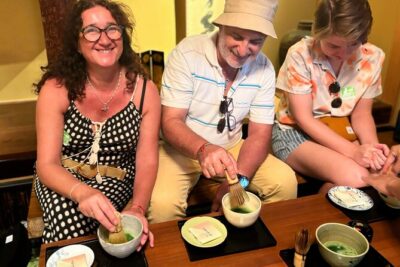
World Heritage Kyoto & Nara Uji Authentic Matcha Experience
Read our review →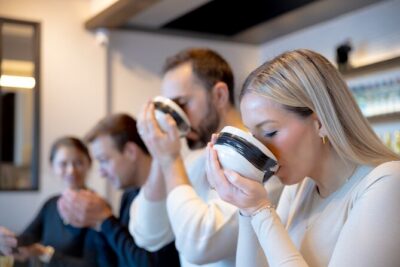
Matcha Making Class in Tokyo with Authentic Japanese Sweets Set
Read our review →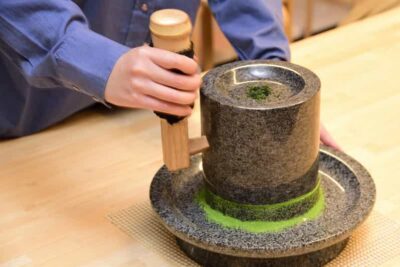
Kyoto: Tea Museum Tickets and Matcha Grinding Experience
Read our review →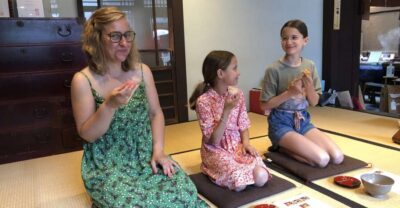
Kyoto: Tea Ceremony Meditation – Make Matcha with Tea Master
Read our review →
Tokyo: Matcha Making Experience with Mochi Sweets in Asakusa
Read our review →
Kyoto: Kimono Tea Ceremony with Matcha and Sweet
Read our review →
Browse the lists this tea experience appears in