
Review · KYOTO
Sushi or Traditional Japanese Cuisine in a Kyoto Home with Emika
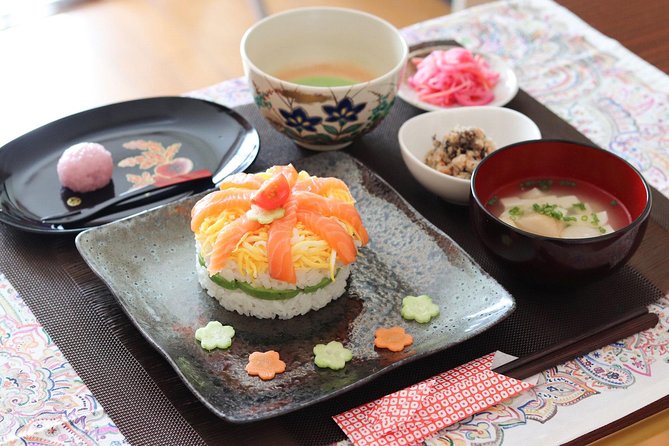
The best part of this Kyoto experience is simple: you sit at a local dining table instead of eating in a restaurant. Emika serves a home-cooked meal built around sushi, miso soup, rice, seasonal vegetables, seafood, and Kyoto-style Obanzai cooking. The food is only half the point. You also get time for conversation and a look at daily life in a Kyoto home.
I like the private setting, since your group eats with Emika rather than joining a large class. I also like the traditional matcha service, which may be prepared by Emika or her father, a tea ceremony master. The main consideration is timing: 90 minutes goes quickly, so this is a focused meal and cultural visit, not a long cooking workshop.
Key points to know before booking
- Emika hosts you in her Kyoto home, giving the meal a personal setting that restaurants cannot match.
- The food follows seasonal Obanzai traditions, with locally sourced ingredients and a menu that changes through the year.
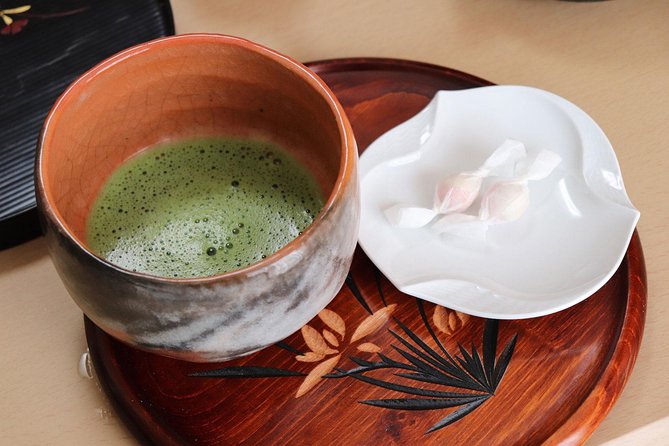
- Matcha and sweets are part of the experience, and Emika’s father may prepare the tea in the traditional style.
- You choose lunch or dinner, making it fairly easy to fit into a day of sightseeing.
- The experience is private, with only your own group participating.
- The price is $79 per person, including the home-cooked meal and local alcohol, but not transportation to the home.
A Kyoto meal at a real dining table
Kyoto is famous for carefully prepared food, but some of the most useful cultural lessons come from an ordinary meal at home. This experience brings you to Emika’s residence in the Nishikyo Ward, southwest of central Kyoto, for a personal introduction to Japanese food and family life.
You will meet Emika at 31-30 Katsurainariyamachō. The activity begins and ends there, and hotel pickup is not included. The home is near public transportation, so you need to plan your own way to the meeting point.
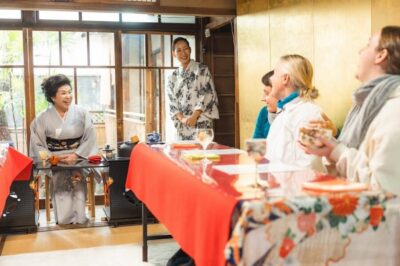
Once you arrive, the tone is informal. You sit around a dining table with Emika and share food while talking about cooking, Kyoto, drinks, and everyday life in Japan. This is a good choice if you want conversation with a local rather than a polished restaurant performance.
The visit is private, so the experience can feel more relaxed than a group food tour. You will not be trying to hear a guide over a crowd or racing from one tasting stop to the next. At the same time, a private home meal depends on your comfort with conversation and a quieter pace.
Other places to pour a cup around Kyoto:
- Kyoto: Tea Ceremony in a Traditional Tea House in Kiyomizu
★ 4.9 · 3,519 reviews - Kyoto: Tea Ceremony Ju-An at Jotokuji Temple
★ 4.9 · 3,207 reviews - Kyoto: 45-Minute Tea Ceremony Lesson Experience
★ 4.3 · 2,378 reviews
What Obanzai cooking means here
Obanzai is traditional Kyoto home cooking, often built around seasonal vegetables, seafood, rice, soup, and simple preparations that make good use of local ingredients. It is not one fixed recipe or a single famous dish. The menu changes with the season and with what is available.
Your meal may include sushi, miso soup, rice, several Obanzai dishes, and a sweet served with matcha. The precise menu is not fixed, which is part of the appeal. You are eating the kind of food that reflects the time of year rather than ordering from a standard tourist menu.
Several diners especially appreciated how fresh the food tasted and how Emika prepared traditional dishes in front of them. You might see some of the cooking process, including the traditional way to make sushi and miso soup. The meal is not described as a formal hands-on cooking class, so book it for eating, conversation, and cultural context rather than a full lesson with recipes and extensive practice.
Some of the produce may come from Emika’s own garden. That detail gives the meal a direct connection to place. It also means the food can feel personal rather than generic, with ingredients tied to the season and to the household.
Matcha, sweets, and a quiet tea moment
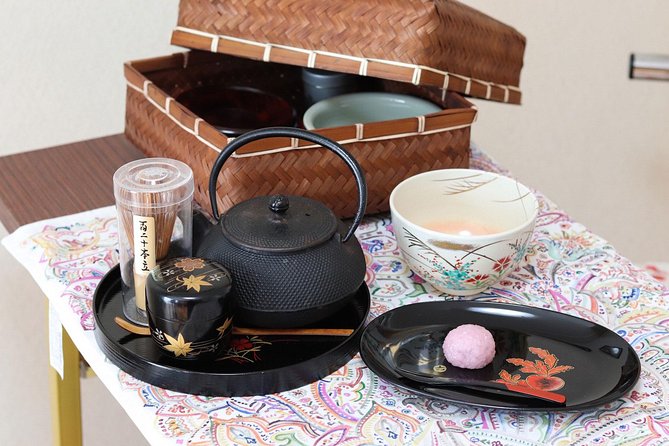
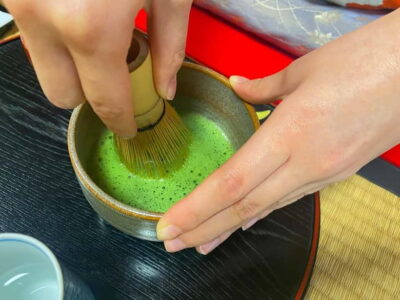
The meal starts or ends with a freshly made cup of traditional matcha green tea. Emika or her father prepares the tea, and her father is described as a master of the tea ceremony.
This part adds a different rhythm to the visit. The meal gives you a chance to talk and ask questions. The tea service asks you to slow down and notice the preparation, presentation, and small customs around drinking matcha. A sweet is served with the tea, as is customary with this style of experience.
Do not expect a long formal tea lesson unless Emika chooses to explain more during your visit. The available details describe a small tea ceremony, not a full tea school program. Still, for someone who has not seen matcha prepared in a traditional setting, this can be one of the most memorable parts of the 90 minutes.
The tea is also a nice fit for people who want more than a meal. You get food, a local family connection, and a short look at an important part of Japanese culture without booking a separate tea ceremony.
The 90-minute flow
The visit lasts about an hour and a half. That is enough time for a meal and conversation, but you should keep your expectations realistic. This is not an all-evening dinner party or a long market-to-table class.
A typical flow can include:
- Arrival at Emika’s home: You meet at the specified address in Nishikyo Ward. The activity ends at the same point.
- Matcha service: Fresh matcha may be served at the beginning or the end. Emika or her father prepares it in the traditional style.
- Shared meal: You sit together for sushi, rice, miso soup, seasonal Obanzai dishes, and a sweet.
- Conversation and food explanation: You can talk about Kyoto, Japanese food, drinks, and home cooking. The exact balance depends on the meal and your group.
- Tea and closing: If matcha is not served first, it may finish the visit, giving the meal a calm final moment.
Lunch and dinner departures are available. Lunch can work well after a morning in Kyoto, while dinner gives you a more settled end to a sightseeing day. Check your route carefully, since the meeting point is not in the central restaurant districts most first-time visitors picture when they think of Kyoto.
Same leaf, a different ritual:
- Kyoto: Table-Style Tea Ceremony at a Kyo-Machiya
★ 4.9 · 1,211 reviews - Kimono Tea Ceremony at Kyoto Maikoya, NISHIKI
★ 5.0 · 911 reviews - Arashiyama Bamboo, Temple, Monkeys, or Secret Sake Brewery
★ 4.8 · 886 reviews - Kyoto: Arashiyama Bamboo Forest, Monkeys, Matcha & Temple Tour
★ 5.0 · 759 reviews
What makes Emika’s hosting special
Emika’s manner is described as quiet, kind, polite, and witty. That combination matters in a home setting. You are not booking a loud food show or a scripted stage presentation. You are spending time with a host who shares her food, her home, and her experience of Japanese life.
Several people found the conversation as valuable as the meal. You can ask about the dishes, ingredients, drinks, Kyoto, and family customs. The exchange may be especially rewarding if you enjoy asking questions and learning through a relaxed meal.
Emika’s father may also be part of the tea service. His background as a tea ceremony master gives the matcha portion a special connection to Japanese tradition. The supplied details do not guarantee that he will serve tea at every booking, so treat this as a possibility rather than a promise.
The experience suits diners who enjoy a personal host. If you prefer to eat privately with little conversation, a restaurant may be a better match. Here, talking is part of the point.
Is $79 a fair price?
At $79 per person, this is more expensive than an ordinary Japanese lunch, but you are paying for more than the food. The cost includes a private home visit, a host, a seasonal multi-part meal, matcha, sweets, conversation, and local alcohol.
I think the value is strongest for someone who already has plenty of restaurant meals planned in Kyoto. A sushi counter or neighborhood noodle shop can give you excellent food. This experience gives you access to a home and to a personal explanation of Kyoto cooking, which is harder to arrange on your own.
The price is less convincing if you mainly want a large meal or an extensive cooking lesson. The visit lasts about 90 minutes, and the meal size and menu vary by season. You should book it for the setting and personal contact as much as for the dishes themselves.
The inclusion of local alcohol adds value for adults who want to talk about Japanese drinks over the meal. The supplied information does not specify the type or amount, so do not book this expecting a particular sake, beer, or regional bottle.
Getting there and planning your visit
You are responsible for reaching the home at 31-30 Katsurainariyamachō in Kyoto’s Nishikyo Ward. Hotel pickup and drop-off are not included. The location is near public transportation, but you should allow enough time to find the correct address and arrive promptly.
The mobile ticket makes the booking easy to carry on your phone. Confirmation is provided when you book. Since the activity is held in a private residence, double-check the meeting address and your transportation plan before leaving your hotel.
You can book lunch or dinner, which helps you fit the meal around temples, gardens, and other Kyoto plans. I would avoid placing a major timed attraction immediately afterward. The meal itself is scheduled for 90 minutes, but you may want a little breathing room for finding the home and returning to the main sightseeing areas.
The experience is private, with only your group participating. That makes it a good option for couples, families, and small groups who want a more personal meal. The available information does not give a maximum group size, so check the booking details if you are traveling with a larger party.
Dietary needs and accessibility notes
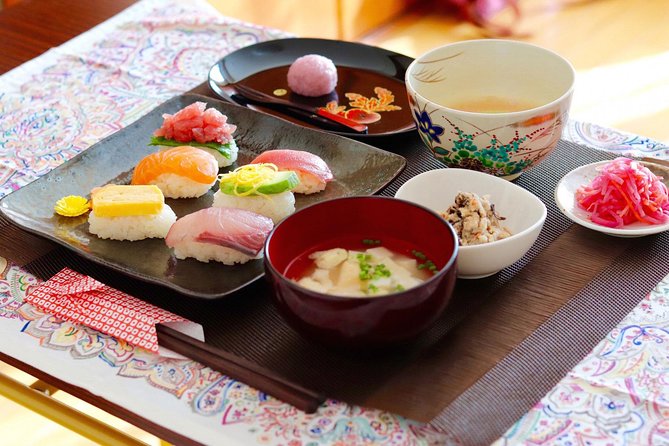
You should give any dietary requirements in the Special Requirements box when booking. This matters because the menu includes seafood, soup, rice, vegetables, sushi, sweets, and alcohol, and the dishes change with the season.
Do not wait until you arrive to explain a serious allergy or restriction. The provider specifically asks you to share this information in advance, giving the host a chance to consider the meal.
Service animals are allowed. The experience is near public transportation. No further accessibility details are provided, so contact the provider if you need specific information about the home, seating, stairs, or restroom access.
The meal ends at the meeting point, so you will need to arrange your own return. Free cancellation is available if you cancel at least 24 hours before the local start time. Changes or cancellations inside that window are not accepted for a refund.
Who will enjoy this Kyoto home meal?
I would recommend it to you if you want:
- A meal in a real Kyoto home rather than a restaurant
- A private experience with a local host
- Seasonal Japanese food and Obanzai cooking
- A short introduction to traditional matcha service
- Time to ask questions about Kyoto, food, and daily life
- A compact activity that fits into a lunch or dinner slot
It is less suitable if you want a full cooking class, a long tea ceremony, or a large tasting menu with a fixed list of dishes. The meal is personal and seasonal, so the experience changes with the ingredients and the host’s preparations.
It may also be a poor fit if you dislike conversation or find private-home visits uncomfortable. The food matters, but the social exchange is central. You should arrive ready to sit, talk, listen, and try dishes that may not be familiar.
Should you book this experience?
Book it if you want to understand Japanese food through a family meal rather than a restaurant menu. Emika’s home cooking, garden produce, seasonal Obanzai dishes, and matcha service create a personal view of Kyoto that a standard sightseeing stop cannot provide.
The strongest reasons to go are the private setting, the fresh seasonal food, and the chance to meet a quiet but warm local host. The possibility of tea prepared by Emika’s father, a tea ceremony master, adds another special touch.
Skip it if your priority is a hands-on cooking course or a long evening of dining. For everyone else, $79 is a reasonable price for a 90-minute cultural meal that combines food, conversation, and a glimpse of home life in Kyoto.
FAQ
Where does the experience take place?
The meal takes place in Emika’s home at 31-30 Katsurainariyamachō, Nishikyo Ward, Kyoto, 615-8025, Japan.
How long does the experience last?
The experience lasts approximately 1 hour and 30 minutes.
What food is included?
The home-cooked meal may include sushi, miso soup, rice, traditional Obanzai dishes, and a sweet served with matcha. The menu varies by season.
Is matcha tea included?
Yes. The experience includes matcha green tea prepared in the traditional style by Emika or her father. Her father is described as a master of the tea ceremony.
Is transportation included?
No. Hotel pickup and drop-off are not included. You must make your own way to the meeting point, though the home is near public transportation.
Can I cancel for a refund?
Yes. You can receive a full refund if you cancel at least 24 hours before the local start time. Cancellations or changes made less than 24 hours before the start are not accepted for a refund.
Newly steeped around Kyoto
- Whisk Your Own Matcha: A Zen Matcha Experience at Temple★ 3.6 · 7 reviews
- Uji Walking Tour – Byodo-in temple and Tea Ceremony from Kyoto★ 3.5 · 3 reviews
- Kyoto: Authentic Tea Ceremony in a Small Group★ 5.0 · 7 reviews
- Tea ceremony at Kyoto’s Zen Temple Teahouse★ 5.0 · 2 reviews
- Tea Ceremony Experience in Traditional Kyoto Townhouse★ 5.0 · 19 reviews
- Tea Ceremony in 150 Years Old Townhouse with Tables and Chairs★ 5.0 · 22 reviews
- Sencha-do the Japanese Tea Ceremony Workshop in Kyoto★ 5.0 · 21 reviews
- Silent Beauty of Kyoto Zen Walk and Tea Experience★ 5.0 · 2 reviews
Japan Tea Tours, compared.
Kyoto: Tea Ceremony in a Traditional Tea House in Kiyomizu
Read our review →
Kyoto: 45-Minute Tea Ceremony Lesson Experience
Read our review →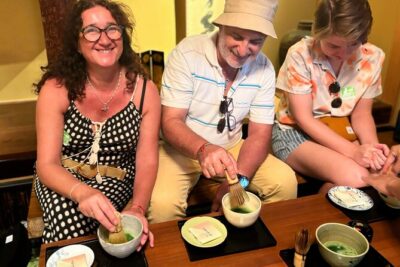
World Heritage Kyoto & Nara Uji Authentic Matcha Experience
Read our review →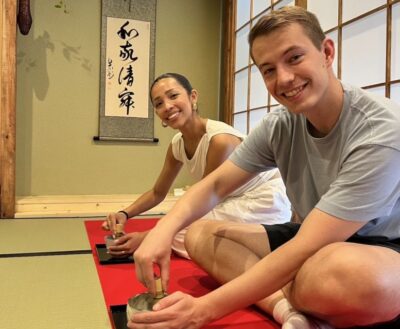
Kyoto: Table-Style Tea Ceremony at a Kyo-Machiya
Read our review →

Browse the lists this tea experience appears in