
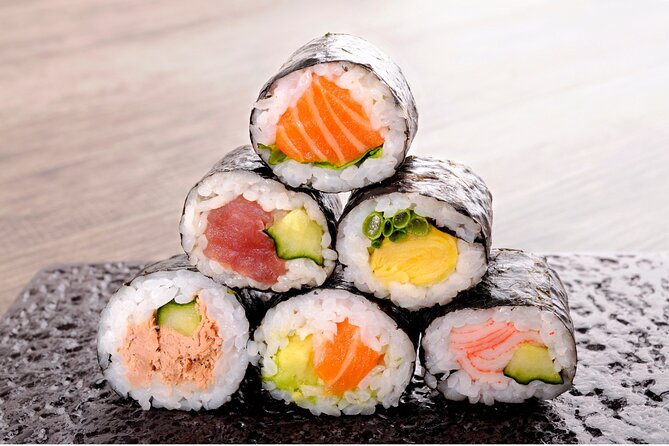
Review · TOKYO
Giant Sushi Cooking Class: Make a 1.5m Sushi Roll in Tokyo
Tokyo’s sushi usually arrives in neat, bite-sized pieces. This class turns the idea on its head: you and a small group build one 1.5-meter sushi roll, then cut it into portions and eat the result together. It is part cooking lesson, part shared food project, and part good-natured spectacle.
I like the hands-on format, especially the chance to work with fish, avocado, nori, rice, and sesame from the start. I also like the setting in Meguro, near public transportation, with Japanese snacks, conversation, and social games before or around the cooking session. The main point to consider is the advertised duration of about 12 hours, which may feel long for a class focused on one dish, so check the exact schedule before booking.
Key points at a glance
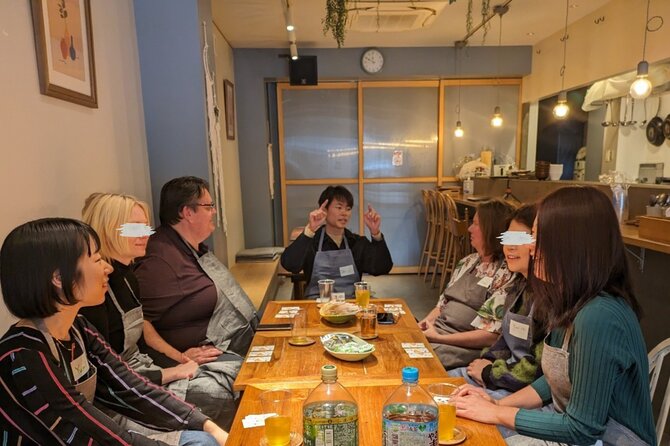
- A 1.5-meter maki roll: You work together to create an unusually large sushi log, then cut and serve it.
- Traditional methods for home use: The hosts explain sushi rice, nori preparation, fillings, and rolling pressure using ordinary kitchen tools.
- Meguro location: The class starts and ends at 2 Chome-3 Senzoku, Meguro City, about a 10-minute walk from the station according to the available visitor details.
- Small group size: The class accepts no more than 12 people, giving the group a shared task rather than a crowded demonstration.
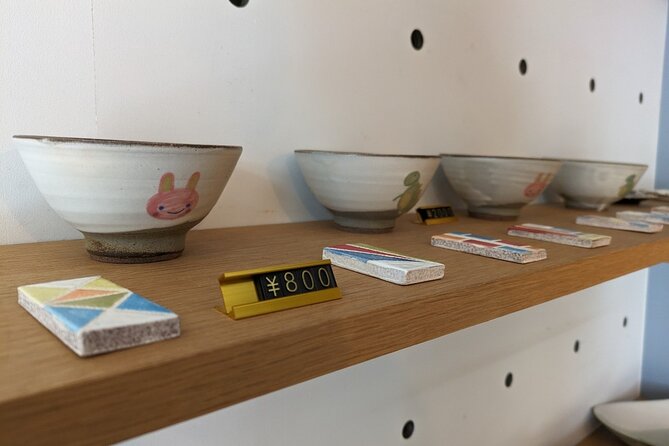
- Hand-painted tableware: The finished sushi is served on individually designed Japanese plates, which are also available to buy onsite.
- Low-risk booking: You can cancel for a full refund up to 24 hours before the start time.
Why make giant sushi in Tokyo?
The appeal here is not simply eating sushi. It is seeing how the basic parts fit together, then taking part in the slightly ridiculous but memorable act of making one enormous roll.
A normal maki roll asks for control and precision on a small scale. A 1.5-meter roll adds teamwork. You need to spread the rice evenly, place the fillings in the right position, and apply enough pressure to form a log without crushing everything inside. The size makes the technique easier to see, but it also makes small mistakes more obvious.
That shared task should work well for families and couples because everyone has a job. Solo visitors can also fit in naturally, since the format depends on cooperation with the group rather than on working alone at an individual station.
I also see value in the class for anyone who has eaten plenty of sushi but never thought about the rice. The hosts explain what makes sushi rice different, which is often the part diners notice least but cooks need to get right. You are not just copying a shape. You are learning why the dish holds together and tastes the way it does.
More Cooking Classes with Tea around Tokyo:
- Xiao Long Bao, Beef Noodles & Boba Tea Cooking Class in Taipei
★ 5.0 · 159 reviews - Xiao Long Bao, Chicken vermicelli with mushroom and sesame oil, Tofu strips salad, Bubble milk tea. Taiwan Traditional Delicacies Experience-A (Taipei Cooking Class)
★ 5.0 · 79 reviews - Private Kyoto Sushi Cooking Class & Tea Ceremony with Emika
★ 5.0 · 66 reviews
Arriving in Meguro and settling in
The meeting point is 2 Chome-3 Senzoku, Meguro City, Tokyo 152-0012. The class ends at the same location, so you do not need to arrange a separate return transfer or find your way to a second venue.
The location is near public transportation. The available details put the walk from the station at roughly 10 minutes. I would still allow a little extra time in Tokyo, where a short walk can include several turns, quiet residential streets, or a moment spent checking the address.
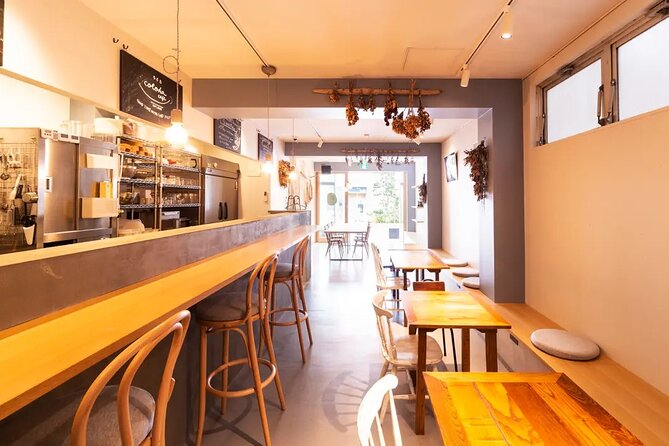
The setting is described as a cafe, and the visit includes Japanese snacks and social games. That matters because the experience is not built around a rushed lesson followed by an immediate exit. There is room for conversation and informal contact with the hosts and other people in the group.
The cafe was described as relatively new, but the service and organization received strong praise. I would treat that as a reason to expect a friendly atmosphere, not as a guarantee that the format will suit every visitor. If you want a formal culinary school with a highly structured professional kitchen, this may feel more relaxed than expected.
The group limit is 12 people. That is large enough to create energy during the group roll, but small enough that the activity should remain manageable. Since everyone is working on the same long sushi creation, a smaller group also means fewer people competing for space around the ingredients.
Preparing fish, avocado, nori, and rice
The class begins with the ingredients that give the roll its structure and flavor. You learn to prepare the fish and avocado fillings, along with the nori sheets. The hosts also explain sushi rice and why it behaves differently from ordinary cooked rice.
This part is useful because sushi depends on balance. The filling cannot be so wet or bulky that it breaks the roll. The nori must be ready to hold the rice. The rice must spread across the seaweed without turning the sheet into a soft, difficult mess.
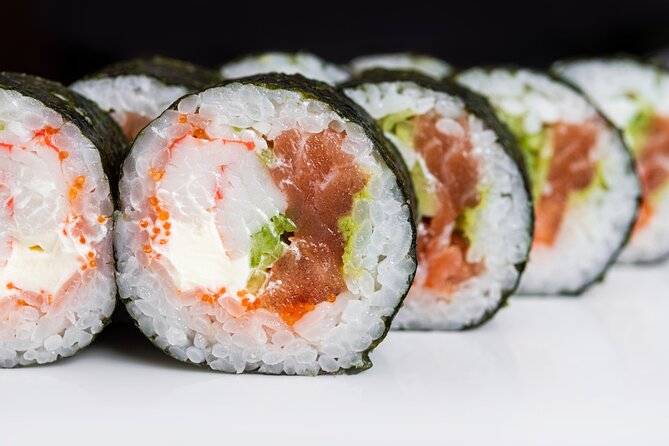
The supplied details do not name the fish or list every ingredient, so I would not book this expecting a particular seafood choice unless you confirm it in advance. The stated filling includes fish and avocado, and the roll is finished with sesame seeds.
You use everyday cooking utensils and equipment. That is a strong practical feature. Specialized sushi tools can make a class look impressive but leave you wondering how to repeat the dish at home. Here, the stated aim is to show you methods you can recreate with normal kitchen equipment.
The lesson also gives you a clearer sense of scale. Rolling a small maki at home can seem simple until the rice sticks, the nori tears, or the filling shifts. Working on a much larger roll lets you see how spreading and placement affect the final shape.
Building the 1.5-meter sushi roll
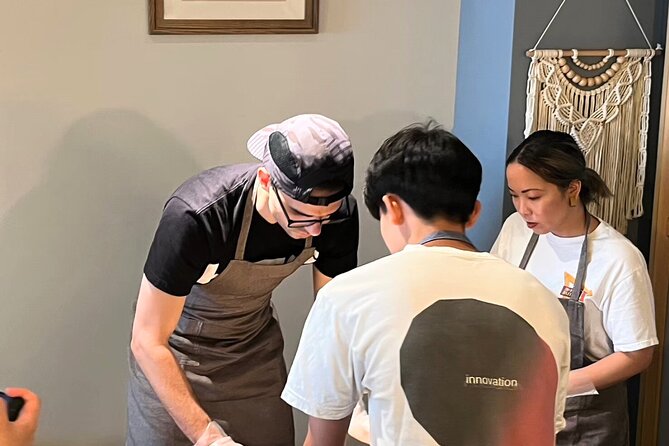
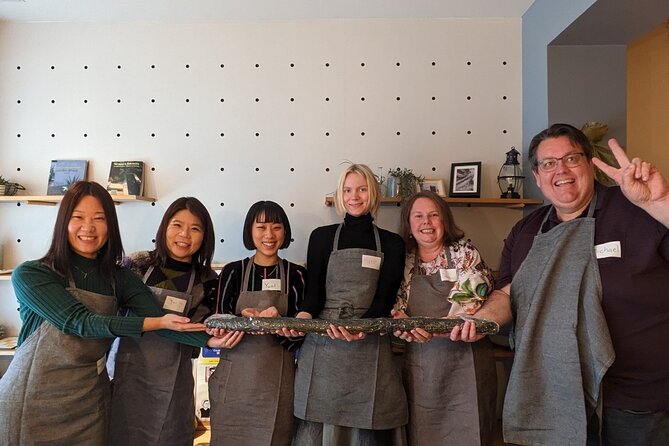
The central task begins once the ingredients are ready. The group lays out the nori sheets, spreads the sushi rice, adds the fish and avocado, and finishes the filling with sesame seeds.
This is the point where the class becomes a team exercise. A roll this long cannot be handled like a single piece of hand luggage. The group must place the ingredients consistently along the full length and then bring the nori together with care.
The hosts show you how much pressure to use. Too little and the log will not hold its shape. Too much and the rice and filling can squeeze out. That simple lesson is one of the most useful parts of the experience because rolling is where many home cooks lose control.
The giant format also creates a visual payoff. You see the roll as one long object before it becomes individual pieces. Cutting it reveals how evenly the filling was placed and whether the rice stayed compact. It is a little cooking lesson and a little group performance, without needing a stage.
You should expect to participate rather than sit and watch. The class is described as hands-on at every step, so it suits people who want to touch the ingredients and help produce the final dish. It may be less suitable if you prefer a quiet demonstration or have very limited time.
Same leaf, a different ritual:
- Matcha Making Class in Tokyo with Authentic Japanese Sweets Set
★ 5.0 · 744 reviews - Kimono Tea Ceremony at Tokyo, Asakusa Maikoya
★ 5.0 · 638 reviews - Tokyo: Traditional Tea Ceremony with a Tea Master
★ 5.0 · 528 reviews - Dynamic Tokyo: Tokyo Tower, Tea Experience, Bay Cruise Day Tour
★ 4.5 · 521 reviews
Cutting, serving, and eating the result
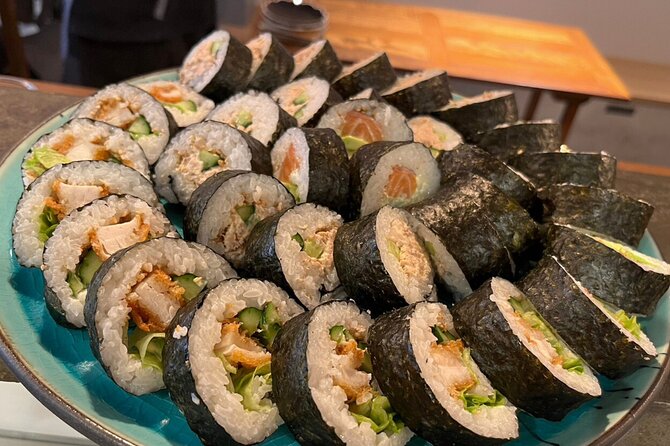
Once the roll is ready, the group cuts it and serves the pieces. This is the reward for the preparation, but it also completes the lesson. You can see the result of the group’s pressure, spacing, and rice distribution in every slice.
The sushi is served on Japanese dishware that is hand-crafted and hand-painted. Each plate is individually designed by local artists. That detail gives the meal a stronger sense of place than disposable plates or plain commercial crockery would provide.
The tableware is also available to purchase at the onsite shop. I would treat this as an optional extra, not part of the $50 value calculation. It can be a pleasant way to take home a physical reminder of the class, but the activity remains worthwhile without buying anything afterward.
The meal itself is collaborative. You are not ordering a selection from a sushi menu, so there may be less choice than at a restaurant. In return, you get the satisfaction of eating something you helped make with the whole group.
Japanese snacks and conversation add to the social side of the visit. Social games are also included in the available description. These details make the experience feel broader than a single recipe, though anyone seeking a focused, quiet cooking lesson may find the extra interaction more than they need.
What you learn for your own kitchen
The class promises more than a fun photograph. The techniques are intended for use at home, with familiar utensils and equipment.
You learn how to prepare the key components, work with nori, handle sushi rice, distribute fillings, and apply pressure during rolling. The giant maki itself may be impractical for an ordinary dinner table, but the method can be adapted to smaller rolls.
That is where the class earns much of its value. You are paying for a shared activity, but you also leave with a better understanding of a common Japanese food. If you already make sushi regularly, the lesson may feel basic. If you have only watched sushi being prepared, it offers a useful first step.
The traditional techniques are described as methods passed down through generations. Since no specific chef names or family lineage are provided, I would not attach a detailed personal story to that claim. The practical takeaway is simpler: expect the hosts to explain established ways of preparing and rolling sushi rather than offering a purely novelty-based activity.
The experience is also a good match for families with older children who can follow food-preparation instructions and work as part of a group. The supplied information does not give an age limit, so you should confirm that directly if you plan to bring young children.
Is $50 a fair price?
At about $50, this class sits in a reasonable range for a small-group food experience in Tokyo, especially since the price covers instruction, ingredients, the shared meal, snacks, and the social activity around it.
The value depends on what you want from a cooking class. If your goal is to prepare several different sushi styles or eat a large amount of premium seafood, this may not be the best match. The focus is one giant maki, not a broad tasting menu or an advanced culinary course.
If you value an unusual activity, the price makes more sense. You get a dish that is difficult to recreate as a group without guidance, plus an explanation of ingredients and techniques you can use later. The maximum of 12 people helps keep the experience from becoming a large, impersonal event.
The hand-painted plates are part of the atmosphere but not something you should assume is included as a souvenir. They are available to buy onsite, so budget separately if one catches your eye.
The stated duration is approximately 12 hours. That is unusually long for the described cooking activity, so this is the one practical detail I would clarify before paying. It may refer to the broader booking window or an approximate duration, but the supplied information does not explain the timetable. If you have evening plans, make sure the start and finish times fit your day.
Who will enjoy this most?
I would choose this experience for:
- Families looking for a food activity that keeps everyone involved
- Couples who want a playful alternative to a standard meal
- Solo visitors who enjoy meeting people through a shared task
- First-time sushi makers who want practical instruction
- Food lovers interested in Japanese preparation methods and tableware
- Visitors who prefer a memorable local activity over a standard restaurant meal
I would think twice if you want a private class, a highly advanced cooking course, or a menu with many sushi types. The format is built around one large group creation. That is the fun, but it also limits personal choice.
The class can also be a good rainy-day plan because the main activity takes place indoors at the cafe. The information does not describe outdoor sightseeing as part of the experience, so do not book it expecting a tour of Meguro.
Booking details worth knowing
Your mobile ticket makes entry simple, and confirmation is provided when you book. The activity begins and ends at the Meguro meeting point, with no separate finish location listed.
You can cancel for a full refund if you do so at least 24 hours before the experience start time. Cancellations made less than 24 hours in advance are not refunded, and changes inside that window are not accepted. The cut-off follows Tokyo local time, so keep that in mind if you are booking from another time zone.
The class has a maximum of 12 people. Since the activity depends on working together on one long roll, that limit is important. I would book ahead if the date matters to you, although the supplied information does not state how far in advance spaces usually sell out.
Should you book the giant sushi class?
Book it if you want a friendly, unusual food activity where the final dish is as entertaining as the lesson. The 1.5-meter roll, shared preparation, Japanese snacks, social games, and hand-painted plates give the class more character than a basic roll-your-own-sushi session.
At $50, the experience offers fair value for a small group and a meal you help create. Just confirm the unusual 12-hour duration, and remember that the fish type, age requirements, and exact timetable are not specified.
If those details fit your plans, this is a smart pick for families, couples, and solo visitors who want to make something together instead of simply ordering another sushi meal.
FAQ
Where does the sushi class start?
It starts at 2 Chome-3 Senzoku, Meguro City, Tokyo 152-0012, Japan.
Where does the activity finish?
The activity ends back at the meeting point.
How long does the experience last?
The advertised duration is approximately 12 hours. The exact timetable is not provided, so confirm the schedule before booking.
How much does the class cost?
The listed price is $50.
How large is the sushi roll?
The group makes one sushi maki roll measuring about 1.5 meters long.
What ingredients do you prepare?
You prepare fish, avocado, nori, sushi rice, and sesame seeds as part of the class.
How many people can join?
The activity accepts a maximum of 12 participants.
Is the class suitable for families and solo visitors?
Yes. It is described as suitable for families, couples, and solo visitors.
Can I cancel for a full refund?
Yes. You can cancel at least 24 hours before the experience start time for a full refund. Cancellations or changes made less than 24 hours before the start are not accepted for a refund.
Newly steeped around Tokyo
- Yokohama : Tea Ceremony with Sweets and Souvenir★ 5.0 · 5 reviews
- Walking Tour: Yanaka,Nezu& Sendagi: Tea Ceremony & Old Tokyo★ 5.0 · 3 reviews
- Private Mochi・Matcha sweets Making Class Near Shibuya Area★ 5.0 · 22 reviews
- 2 Hours Mochi &Nerikiri Making & Matcha Class in Bunkyo★ 5.0 · 21 reviews
- Private Kimono and tea ceremony at local home near Tokyo Disney★ 5.0 · 6 reviews
- Kimono and Tea Ceremony in Asakusa Private Food Tour With Guide★ 5.0 · 4 reviews
- Tokyo Tea Ceremony Class at a Traditional Tea Room★ 5.0 · 2 reviews
- Tokyo: Tea Ceremony & Japanese Sweets Making★ 5.0 · 10 reviews
Japan Tea Tours, compared.
Kyoto: Tea Ceremony in a Traditional Tea House in Kiyomizu
Read our review →
Kyoto: 45-Minute Tea Ceremony Lesson Experience
Read our review →
World Heritage Kyoto & Nara Uji Authentic Matcha Experience
Read our review →
Kyoto: Table-Style Tea Ceremony at a Kyo-Machiya
Read our review →

Browse the lists this tea experience appears in