
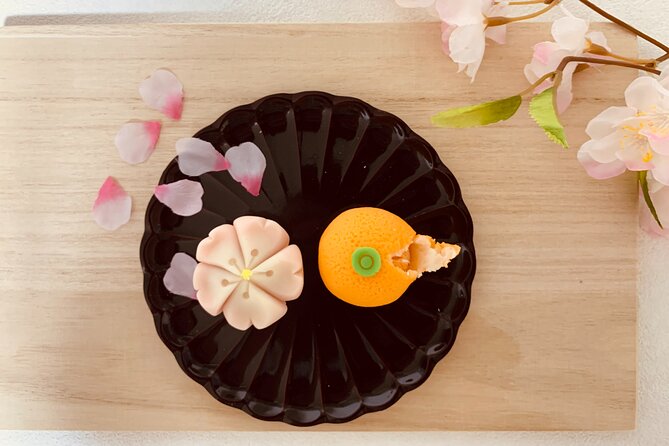
Review · TOKYO
2 Hours Mochi &Nerikiri Making & Matcha Class in Bunkyo
Japanese sweets are small, pretty, and far trickier to shape than they look. In this private Bunkyo class, Yuko teaches you to make mochi, dango, or nerikiri in her home, then connects each sweet with Japanese customs such as New Year celebrations, special events, and the tea ceremony.
I like the one-table format, where Yuko can slow down, correct your technique, and answer questions. I also like the chance to make several designs rather than simply watching a demonstration. The main consideration is that this is a small home class, not a polished cooking studio, so travelers wanting a large group or a full meal should choose another activity.
Key points at a glance
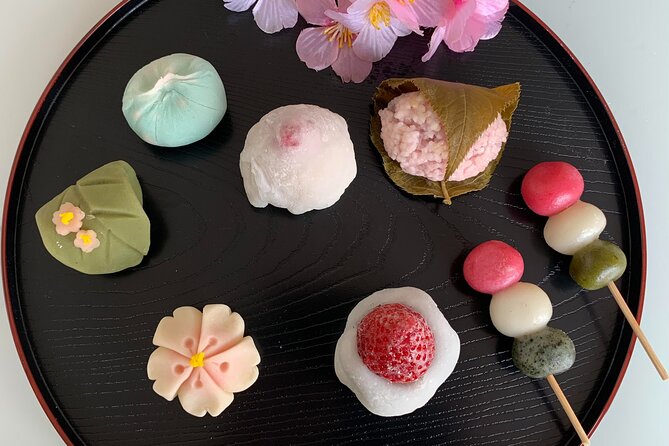
- Choose your sweets: Pick a mochi and dango course, a nerikiri course, or the combination course.
- Learn with Yuko: Your bilingual, native-Japanese instructor was trained by the Wagashi Association of Japan.
- Work in a private home: Only your group takes part, creating a quiet one-table lesson.
- Connect food with culture: Learn how different wagashi relate to New Year, special events, and tea ceremony traditions.
- Finish with matcha: The class includes matcha as part of the traditional sweets experience.
- Plan two hours in Bunkyo: The class begins at 10:00 a.m. at 1-chōme-27-8 Sekiguchi and ends there.
Why this Tokyo sweets class feels different
Many food activities in Tokyo are demonstrations. You watch a chef work quickly, take a few pictures, and perhaps taste the result. This class takes a slower route. You sit at one table in a Japanese home and make the sweets yourself, with Yuko guiding each stage.
That difference matters. Mochi has a simple ingredient list, but handling the dough takes a light touch. Nerikiri is even more delicate. Its soft bean paste must be shaped with care into small seasonal-style designs. You do not need previous Japanese cooking experience, but you do need to accept that your first creation may look more handmade than shop-window perfect.
I like this kind of activity because the lesson continues after you leave. The techniques are simple enough to try at home later, and the class gives you a better sense of what you are seeing in wagashi shops across Japan. You are not just sampling a sweet. You are learning why it looks the way it does and when it might be served.
The setting also gives the class a personal feel. Yuko welcomes participants into her kitchen and dining room, and the small space allows for conversation as well as instruction. A family can work together, a solo visitor can receive direct help, and a couple can share the task without being separated into a large group.
More Matcha Experiences in Tokyo
- Matcha Making Class in Tokyo with Authentic Japanese Sweets Set
★ 5.0 · 744 reviews - Tokyo: Matcha Making Experience with Mochi Sweets in Asakusa
★ 4.9 · 388 reviews - Asakusa Cultural Walk & Matcha Making Tour
★ 5.0 · 245 reviews
Choosing between mochi, dango, and nerikiri
The experience offers three course choices, so check the option carefully when booking.
The Mochi and Dango Course focuses on two familiar Japanese sweets. Mochi is soft and chewy, while dango is made into small dumplings often served in a group on a skewer. These sweets appear in different settings, from New Year customs to special events.
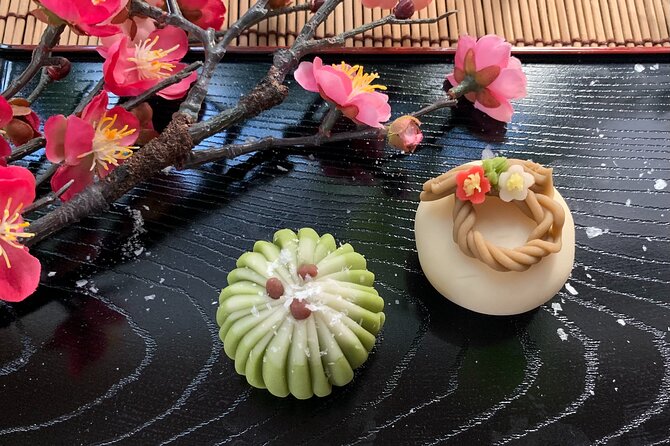
The Nerikiri Course is the best pick if you are interested in the artistic side of wagashi. Nerikiri is the refined sweet often associated with a tea ceremony. You shape it into decorative forms, and the work calls for patience more than speed.
The combination course includes mochi, dango, and nerikiri. It offers the widest range of techniques in the same two-hour period, though you should expect a busy lesson. If you want the most complete introduction and enjoy hands-on work, this is likely the strongest choice.
The information provided does not specify the exact number or design of sweets made in every course. That can vary by the option you choose and the pace of the group. If you have a strong preference, confirm the selected course before you pay.
A two-hour lesson at Yuko’s home
The class begins at 10:00 a.m. at 1-chōme-27-8 Sekiguchi in Bunkyo City. The venue is near public transportation, and Yuko has contacted participants in advance to help them find the house. I would still allow extra time for the final walk from the station and avoid arriving at the last minute. A home address can be less obvious than a shopfront.
The first part of the class introduces traditional Japanese sweets and their place in daily life and ceremonies. Yuko is a bilingual, native-Japanese instructor trained by the Wagashi Association of Japan, so you receive both practical directions and cultural context in English.
Next comes the hands-on work. Yuko demonstrates the technique, then you copy it at the table. This is where the private format earns its keep. If your dough is too sticky, your shape is uneven, or your fingers are pressing too hard, she can show you how to adjust.
Participants have described Yuko as patient and attentive, particularly when guiding first-time makers. One solo participant found the intimate setting comfortable, while families appreciated being able to work together without a larger group watching. That combination makes the class flexible for different ages and skill levels.
The session finishes with matcha. The tea gives the sweets a proper setting and helps you understand why nerikiri is linked with tea ceremony. The activity ends back at the meeting point, so you can continue your day in Bunkyo without arranging a second pickup.
The cultural value behind each sweet
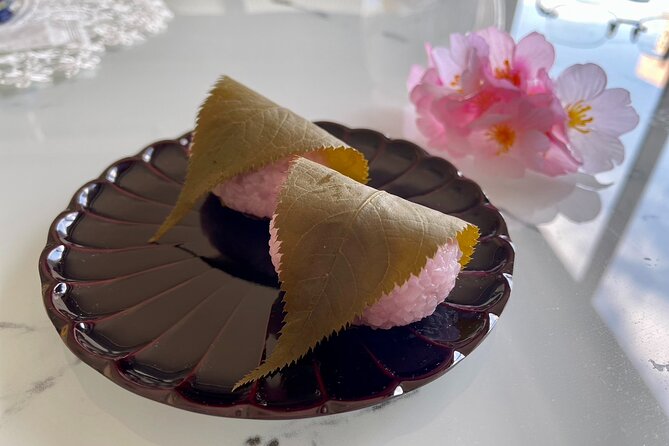
Wagashi can look like simple candy, but the shapes and occasions matter. Mochi is closely tied to New Year and other important moments. Dango appears at special events and is familiar to anyone who has browsed Japanese festival foods.
Nerikiri is more formal. Its delicate appearance suits a tea ceremony, where the sweet is served before the bitter tea. The contrast is part of the pleasure. The sweetness prepares your palate for matcha, while the design reflects the season or the setting.
You will not become a wagashi master in two hours. That is not the point. You will gain a practical introduction to the movements, textures, and cultural ideas behind the sweets. I find this more useful than a lecture because your hands remember the lesson. Once you have shaped the dough yourself, you notice details in Japanese confectionery shops that might otherwise pass you by.
The class also offers a look at hospitality inside a Japanese home. Several participants valued the calm, welcoming atmosphere and the chance to talk with Yuko. This is not a commercial food hall with a steady stream of groups. It is a personal lesson built around conversation and shared work.
More Tea and Sweets Making in Tokyo
- Make Traditional Nerikiri Sweets & Matcha experience in Shibuya
★ 5.0 · 130 reviews - Sweets Making and Kimono Tea Ceremony at Tokyo Maikoya
★ 5.0 · 57 reviews - Japanese Traditional Sweets making and Tea Ceremony
★ 4.7 · 50 reviews - Mochi Matcha Gluten Free Japanese Sweets Class near Shibuya area
★ 5.0 · 26 reviews
How much personal instruction do you get?
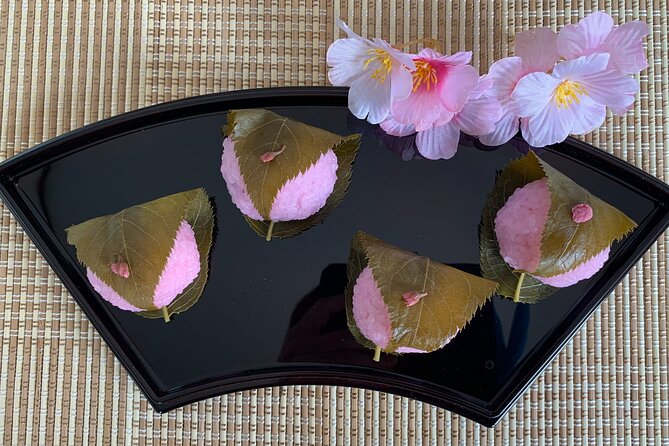
This is a private activity, and only your group participates. That is the strongest practical feature for families or anyone who dislikes being rushed.
In a large class, the instructor must repeat the same directions while trying to watch several tables. Here, Yuko can focus on your hands and give you a clearer demonstration. The private setup is also useful if members of your group have different confidence levels. A child or beginner can take more time, while a more experienced cook can ask for extra detail.
Solo visitors can book the class too. The one-table arrangement avoids the awkwardness of joining a large tour group, and the lesson gives you something active to do rather than simply sitting through a talk.
There is a tradeoff. A home class has a more intimate feel, but it may not have the space or equipment of a professional culinary school. The available information does not promise wheelchair access, dietary substitutions, or a fully equipped teaching kitchen, so contact the provider before booking if any of those points matter to you.
What the class may leave you with
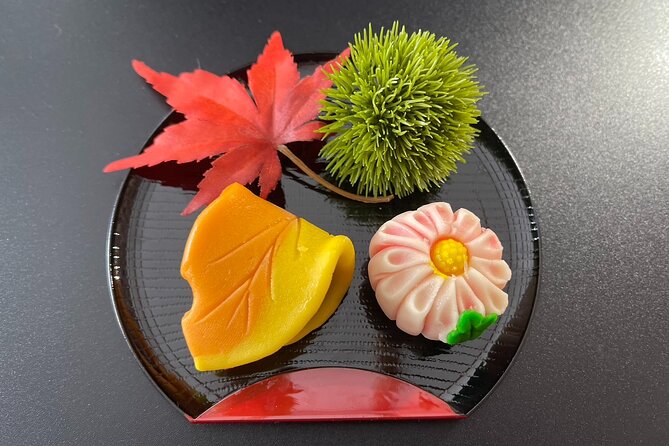
The main takeaway is the skill itself. The recipes are described as simple enough for beginners to practice later at home, which makes this more than a one-time tasting.
The precise take-home contents are not listed as a standard inclusion. One participant received a tray of sweets and a small goodie bag, but you should not assume that every booking includes the same items. The reliable expectation is the class, the sweets you prepare during it, and the matcha portion described in the activity.
You also leave with ideas for presentation. Nerikiri is shaped to look attractive before you eat it, and even a beginner can create something personal. One participant said the class made them feel unexpectedly artistic. That is a fair description of the appeal: you are cooking, but you are also working with color, form, and balance.
If you want to repeat the recipes at home, ask questions during the lesson. The pace is much better for learning than trying to remember a demonstration from a distance.
Price and value at $78.83
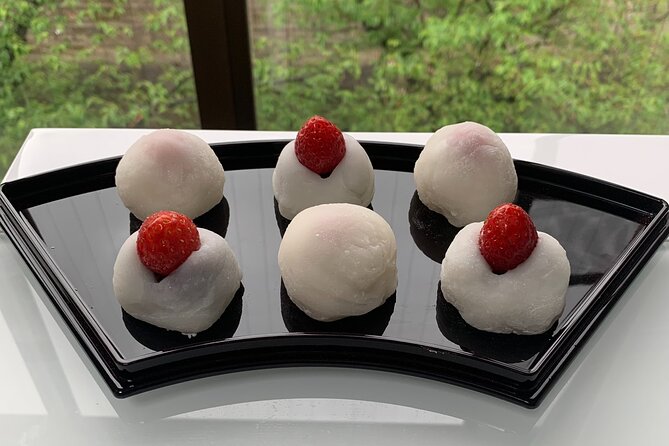
At $78.83 per person, this is not a cheap snack stop. You are paying for a private, two-hour lesson, an English-language guide, the ingredients and activity, and access to a personal setting rather than a standard group class.
The value improves if you care about instruction. A short group demonstration may cost less, but it will not give you the same amount of attention. Here, Yuko can correct your technique and explain the cultural role of the sweets as you make them.
The price also makes more sense for a family, couple, or solo visitor who wants one meaningful food activity during a busy Tokyo stay. You do not need a full afternoon, and the 10:00 a.m. start leaves much of the day free.
It is less suitable if your main goal is to eat as much as possible for the lowest cost. This is a lesson first, with sweets as the result. You should book it for the making, the conversation, and the chance to understand wagashi, not simply for dessert.
The activity is often reserved around 38 days in advance. That suggests you should plan ahead if your Tokyo dates are fixed, especially since the private format has limited capacity.
Who should book this class?
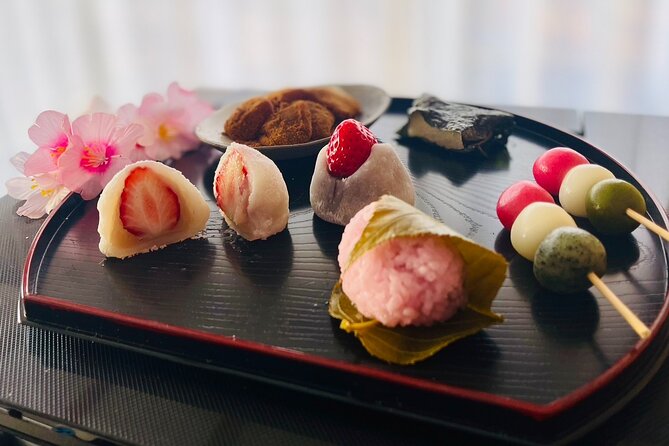
I would point families toward this activity first. Parents and children can share the table, and the step-by-step format gives everyone a role. The personal setting also makes it easier to ask questions or take a little extra time.
It suits solo visitors especially well. You do not need to gather a group, and the intimate format avoids the distance of a large class. If you enjoy meeting local people through food, this is one of the better uses of two hours in Tokyo.
Couples and friends who like creative activities will also find plenty to do. The class is practical rather than passive, and the finished sweets give you a small souvenir of the morning, even if no formal take-home package is guaranteed.
You may want to skip it if you are looking for a large-scale cooking course, a full Japanese meal, or a tour that moves through several Bunkyo sights. The activity stays focused on wagashi and matcha in one home.
Practical details before you go
The mobile ticket is convenient, and confirmation is provided at booking. The meeting point is 1-chōme-27-8 Sekiguchi, Bunkyo City, Tokyo 112-0014, Japan. The activity begins at 10:00 a.m. and returns to the same location.
Wear something comfortable for sitting at a table and working with food. The supplied information does not give a dress code, but neat, practical clothing is the sensible choice for any hands-on cooking activity.
Read the course name before confirming. The three options are not interchangeable. If you want to try all three sweets, choose the combination course rather than assuming every class includes mochi, dango, and nerikiri.
Free cancellation is available until 24 hours before the start time for a full refund. Changes or cancellations made inside that 24-hour window are not accepted for a refund, and the cut-off follows Tokyo local time.
The activity has a current rating of 5 out of 5 from 21 ratings, with 100 percent recommending it. That is a strong record, but the reasons matter more than the number: the class succeeds because Yuko gives patient instruction, welcomes people into a personal setting, and connects the sweets with Japanese culture.
Should you book it?
Book this class if you want to make Japanese sweets with your own hands and prefer a quiet, personal lesson to a large commercial workshop. Yuko’s patient teaching, bilingual explanations, and Wagashi Association training give the class a solid foundation, while the home setting adds warmth.
Choose the combination course if you want the broadest introduction. Pick nerikiri if design and tea ceremony interest you most, or mochi and dango if you want familiar sweets with links to New Year and special events.
At $78.83, the class is best judged as a private cultural lesson rather than a dessert purchase. For families, solo visitors, and food-minded couples, it offers a useful skill, a personal meeting, and a gentle look at Japanese hospitality in one well-contained morning.
FAQ
Where does the mochi and nerikiri class take place?
The class takes place at 1-chōme-27-8 Sekiguchi, Bunkyo City, Tokyo 112-0014, Japan.
What time does the activity begin?
The class starts at 10:00 a.m.
How long does the experience last?
The activity lasts approximately two hours.
Is the class private?
Yes. Only your group participates in the activity.
Who teaches the class?
The class is taught by Yuko, a bilingual, native-Japanese instructor trained by the Wagashi Association of Japan.
What sweets can I learn to make?
You can choose a mochi and dango course, a nerikiri course, or a combination course covering mochi, dango, and nerikiri.
Is matcha included?
Matcha is part of the described experience and is served during the class.
Do I need previous Japanese cooking experience?
No. The recipes are described as simple, and the class is designed for participants without prior experience preparing Japanese food.
Can I cancel for a full refund?
Yes. You can cancel at least 24 hours before the start time for a full refund. Cancellations or changes made less than 24 hours before the activity are not eligible for a refund.
More Two-Hour Tea Sessions around Tokyo
- Skipton: 2-Hour Afternoon Tea Cruise
★ 4.8 · 508 reviews - Twinings 2-Hour Tea Tasting Masterclass in London
★ 5.0 · 105 reviews - Agafay Desert, 2H of Quad Biking, tea & transfer from Marrakech
★ 5.0 · 55 reviews - Sydney Harbour: 2-Hour Morning Yacht Cruise with Morning Tea
★ 4.8 · 42 reviews
Newly steeped around Tokyo
- Yokohama : Tea Ceremony with Sweets and Souvenir★ 5.0 · 5 reviews
- Walking Tour: Yanaka,Nezu& Sendagi: Tea Ceremony & Old Tokyo★ 5.0 · 3 reviews
- Private Mochi・Matcha sweets Making Class Near Shibuya Area★ 5.0 · 22 reviews
- Private Kimono and tea ceremony at local home near Tokyo Disney★ 5.0 · 6 reviews
- Kimono and Tea Ceremony in Asakusa Private Food Tour With Guide★ 5.0 · 4 reviews
- Giant Sushi Cooking Class: Make a 1.5m Sushi Roll in Tokyo★ 5.0 · 9 reviews
- Tokyo Tea Ceremony Class at a Traditional Tea Room★ 5.0 · 2 reviews
- Tokyo: Tea Ceremony & Japanese Sweets Making★ 5.0 · 10 reviews
Tea & Sweets Making, compared.
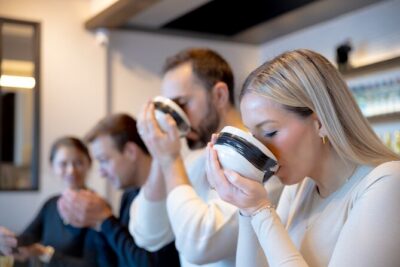
Matcha Making Class in Tokyo with Authentic Japanese Sweets Set
Read our review →
Tangier: Sunset, Tea, Sweets, Camel Ride, and Hercules Caves
Read our review →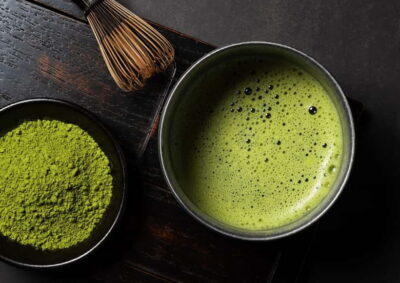
Tokyo: Matcha Making Experience with Mochi Sweets in Asakusa
Read our review →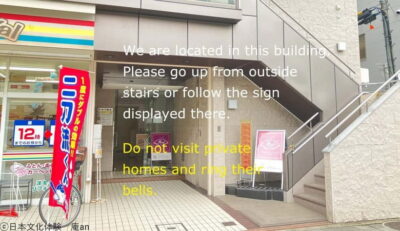
Kyoto: Japanese Traditional Sweets Making and Tea Ceremony
Read our review →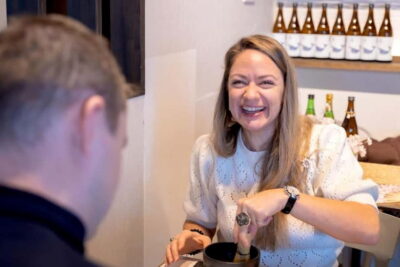
Osaka: Matcha Making Experience with Japanese Sweets
Read our review →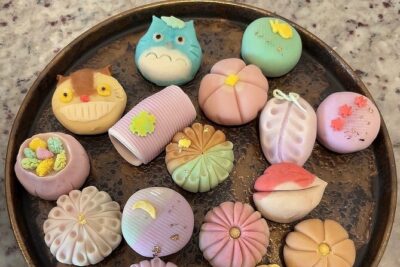
Make Traditional Nerikiri Sweets & Matcha experience in Shibuya
Read our review →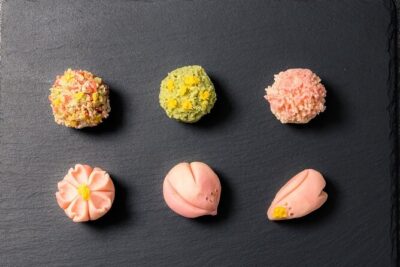
Sweets Making and Kimono Tea Ceremony at Tokyo Maikoya
Read our review →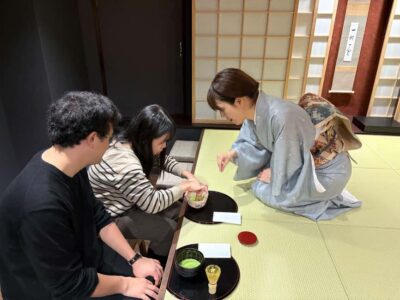
Kyoto: Traditional Tea Ceremony with Matcha & Sweets in Gion
Read our review →Browse the lists this tea experience appears in