
Review · TOKYO
Private Mochi・Matcha sweets Making Class Near Shibuya Area
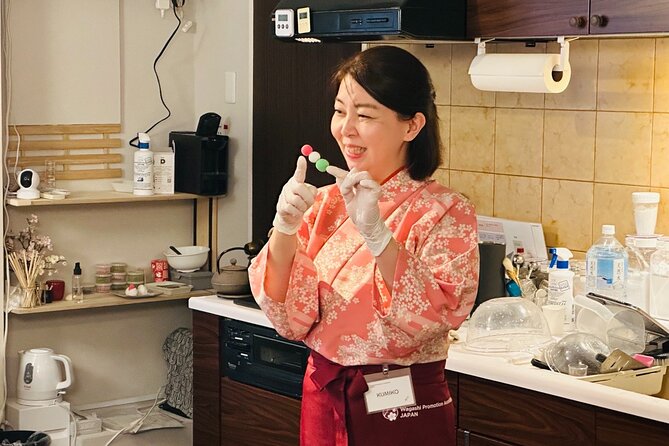
Making mochi in a Tokyo home gives you something a sweets shop cannot: a chance to understand how these soft, chewy treats fit into Japanese culture. Sakura guides you through mochi or nerikiri, then serves matcha in her tea room if you wish. The hands-on format is the main appeal.
I like the personal attention, especially for families and first-time cooks. I also like the cultural explanation, which adds meaning to the ingredients and techniques instead of treating mochi as a cute snack. The Sangenjaya location is close enough to Shibuya for an easy side trip, yet the class takes place in a real neighborhood home.
The main consideration is the setting. You’ll be visiting a private house with a toy poodle named Choco, so this is not a good choice if you have a dog allergy. Also, the exact sweets prepared can vary between mochi, daifuku, and nerikiri.
Key Points to Know Before You Book
- Sakura teaches in her own Tokyo home, giving the class a personal feel rather than a large culinary-school atmosphere.
- You learn mochi or nerikiri, with past sessions including strawberry daifuku, dango, and shaved ice with dango.
- A simple matcha tea ceremony is available, held in the home’s tea room and included when you choose to take part.
- The class lasts about two hours, making it easy to fit into a Tokyo sightseeing day.
- Groups are limited to eight people, with private instruction and group discounts available.
- The home has a toy poodle, an important detail for anyone with a dog allergy.
What This Sangenjaya Sweets Class Is Really Like
This is a small cooking lesson focused on Japanese confectionery, known as wagashi. You meet at 1-chōme-11-13 Sangenjaya, in Setagaya City, and finish at the same location. The class lasts about two hours, so you are getting a focused introduction rather than a full-day cooking course.
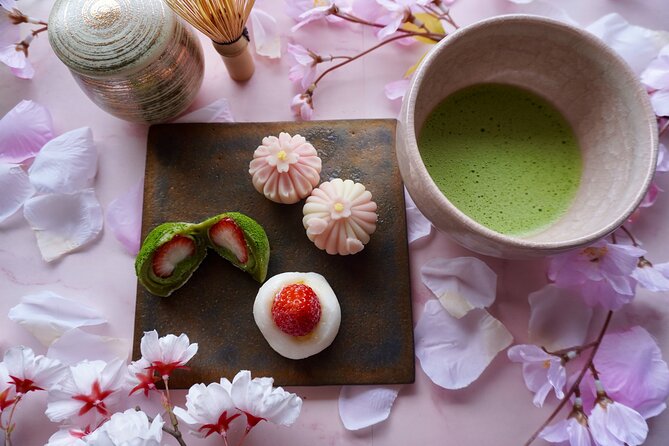
The experience centers on making mochi or nerikiri. Mochi is made from glutinous rice flour and is prized for its soft, stretchy texture. Nerikiri is a more delicate sweet, often shaped with careful attention to color and form. The class lets you work with traditional Japanese sweets in a way that is more useful than simply buying one from a department-store counter.
I like that Sakura also explains the place of mochi in Japanese culture. That background matters because mochi is not just a dessert. It appears in seasonal celebrations, New Year customs, ceremonies, and everyday Japanese food culture. You leave with a better idea of why the texture, shape, and fillings matter.
The class is described as private, though the total group size can reach eight people. That makes it a good fit for a family, a group of friends, or anyone who prefers direct help rather than a crowded demonstration. If you book with a larger party, ask about the available group discount.
More Matcha Experiences in Tokyo
- Matcha Making Class in Tokyo with Authentic Japanese Sweets Set
★ 5.0 · 744 reviews - Tokyo: Matcha Making Experience with Mochi Sweets in Asakusa
★ 4.9 · 388 reviews - Asakusa Cultural Walk & Matcha Making Tour
★ 5.0 · 245 reviews
Getting to the Class in Sangenjaya
The meeting point is in Sangenjaya, a Setagaya neighborhood with public transportation nearby. The class is close enough to the Shibuya area to work well alongside a day in western Tokyo, but it is not held in central Shibuya itself.
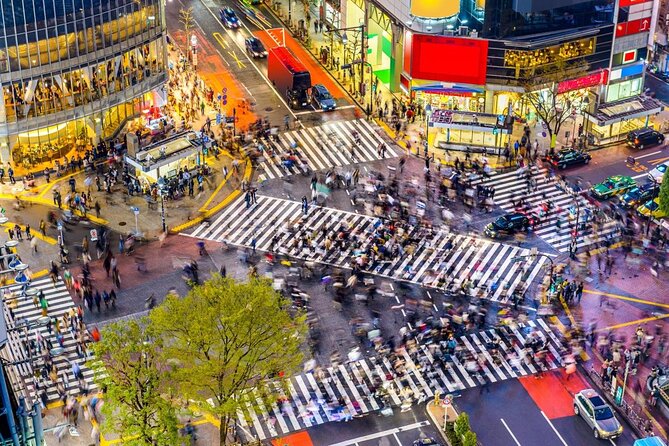
That distinction is useful. Shibuya is famous for its huge crossing, department stores, and crowds. Sangenjaya offers a more local residential setting, and the class takes place in an authentic Japanese house. One family described the location as an easy short walk from the train in a pleasant neighborhood.
You should allow a little extra time to find the exact address. This is a home-based class, not a large shop with a bright sign and a reception desk. Keep the meeting address available on your phone, and use the mobile ticket if that is how you booked.
The experience begins and ends at the same meeting point. That makes planning simple, especially if you are traveling with children or want to continue sightseeing afterward. You can return toward Shibuya, explore Sangenjaya, or head elsewhere in Tokyo without arranging a separate pickup.
Rolling, Shaping, and Tasting the Mochi
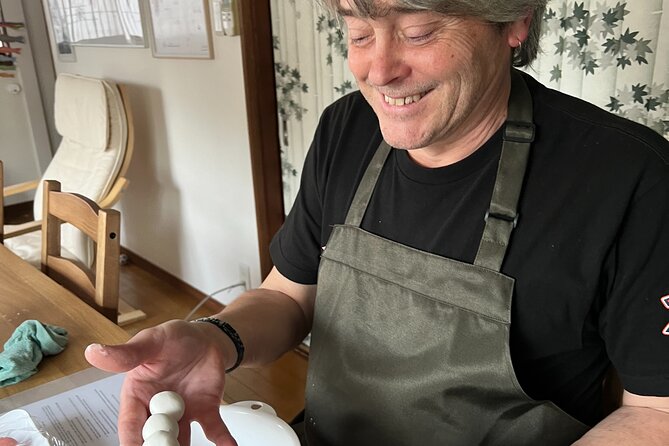
The heart of the class is the practical work. Sakura explains the ingredients and techniques, then gives you a chance to make the sweets yourself. That personal instruction is important because mochi dough can be tricky for a first-timer. It is soft, sticky, and sensitive to handling.
You should expect to work step by step rather than watch a long demonstration from across a room. The format is friendly to beginners, including children. A six-year-old joined one family’s class, and the parent found Sakura attentive to their needs. That makes this a useful option if you are searching for a food activity that works for more than just serious cooks.
The exact menu is not fixed in the information provided, so you should not assume you will make every kind of sweet in one visit. The class is described as an opportunity to learn mochi or nerikiri. Past sessions have included three kinds of mochi, such as two styles of strawberry daifuku, along with shaved ice and dango.
That variety gives you an idea of the class’s range, but it is best to treat it as an example rather than a promise. If you have a particular interest in strawberry daifuku, nerikiri, or another sweet, ask Sakura what is planned for your date.
The tasting is part of the fun. You are not just practicing a recipe for later. You get to eat the sweets you make, which gives you a clear sense of texture and balance. Mochi can look simple, but the contrast between chewy outer dough and a soft or sweet filling is central to its appeal.
Why the Cultural Explanation Adds Value
Many Japanese sweets classes focus only on the recipe. This one also gives you cultural context, which I consider one of its strongest features. Sakura explains the importance of mochi in Japan and connects the food to Japanese customs.
That information changes how you look at the sweets afterward. A piece of mochi is no longer just a colorful dessert. Its shape, ingredients, and seasonal use can carry meaning. Even a short explanation helps you recognize more when you visit a wagashi shop or see mochi served during your trip.
Sakura also offers recommendations for the rest of your time in Tokyo. The details of those recommendations are not set in advance, but the chance to ask a local host about the city is useful. You can bring questions about neighborhoods, food, or what to do after the class.
This is one reason the home setting works well. You have time to talk, and the lesson does not feel like a quick stop at a tourist counter. If you enjoy food experiences that connect a dish to local life, this part may be worth as much as the cooking itself.
More Tea and Sweets Making in Tokyo
- Make Traditional Nerikiri Sweets & Matcha experience in Shibuya
★ 5.0 · 130 reviews - Sweets Making and Kimono Tea Ceremony at Tokyo Maikoya
★ 5.0 · 57 reviews - Japanese Traditional Sweets making and Tea Ceremony
★ 4.7 · 50 reviews - Mochi Matcha Gluten Free Japanese Sweets Class near Shibuya area
★ 5.0 · 26 reviews
The Optional Matcha Tea Ceremony
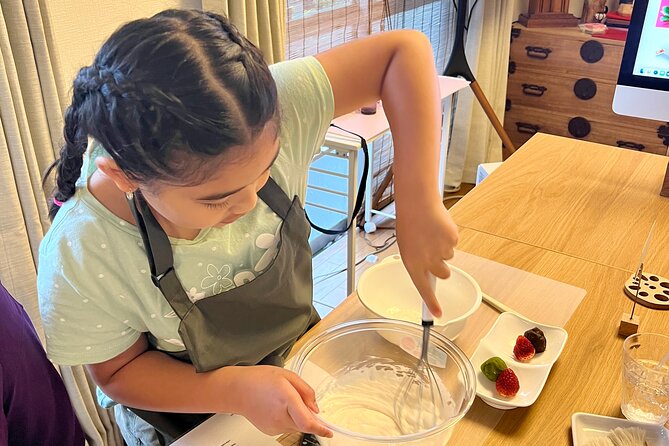
The house has a tea room, and you can take part in a simple tea ceremony if you want to. Matcha is included. This is not presented as a long formal ceremony, so you should think of it as a gentle introduction rather than specialist tea training.
That lighter format suits many visitors. You can learn how matcha fits with Japanese sweets without committing to a formal cultural program that takes half a day. After making chewy sweets, sitting down with tea gives the class a natural finish.
The tea room also gives you a chance to slow down. Tokyo sightseeing can become a chain of stations, crossings, shops, and crowded attractions. A short tea experience in a private home offers a quieter change of pace.
You should tell Sakura if you want the tea ceremony. The description says you can have it if you wish, so it appears to be optional rather than an automatic part of every session. Matcha is included when you take part.
A Good Choice for Families and Small Groups
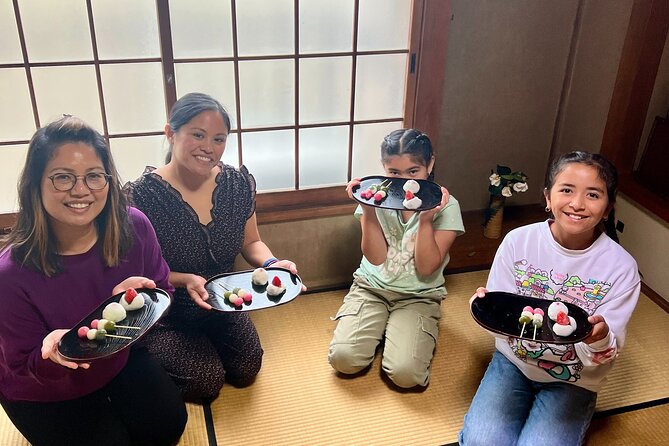
The class works especially well for families. Children can take part in shaping the sweets, and the food is familiar enough to keep younger participants interested. One family enjoyed making mochi with a six-year-old, while another parent attended with a child and appreciated Sakura’s patient, attentive approach.
The lesson is also suitable for adults who want something more personal than a standard group tour. The maximum is eight people, which keeps the class relatively small. You should still confirm the exact group arrangement when booking, since private does not necessarily mean only one or two people.
A group of five used the class as a highlight of a Tokyo trip. That makes sense because the activity is social without requiring advanced cooking skills. You can work together, compare your results, and eat the sweets at the end.
The toy poodle, Choco, is part of the home setting and has been a pleasant addition for some families. That will be a plus for dog lovers, but it is a clear drawback for anyone with allergies. The activity information specifically advises against booking if you are allergic to dogs.
Is $78.83 a Fair Price?
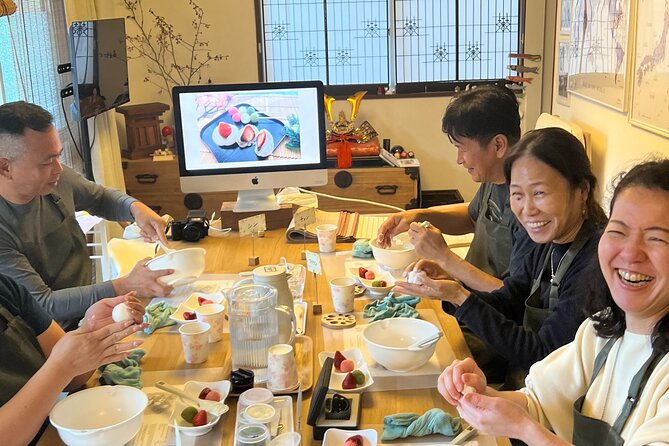
At $78.83 per person, this is not the cheapest food activity in Tokyo. The value depends on what you want from the class.
If you only want to taste mochi, a shop or department-store food hall will cost much less. But that comparison misses the point. Here, you are paying for about two hours of personal instruction, ingredients, a hands-on lesson, cultural explanation, sweets to eat, and the option of a matcha experience.
The private-home setting also matters. You are not just following a recipe in a large room with many people. You can ask questions, get help with difficult steps, and hear recommendations for your time in Tokyo. For a family or small group, that can be better value than paying separate admission for several unrelated attractions.
The price is easier to justify if you care about Japanese food culture and want to learn a skill you can remember after the trip. It is less compelling if your only goal is a quick dessert tasting or if you prefer a polished commercial kitchen.
Group discounts may help reduce the cost for parties booking together. Since the exact discount is not provided, check the current terms before you commit.
Practical Details That Matter
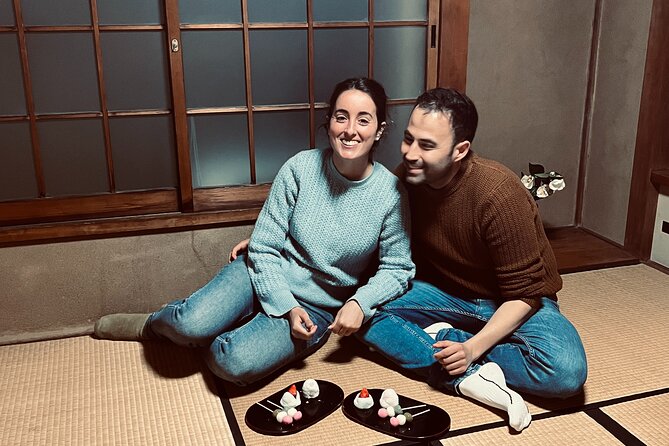
Confirmation is sent within 48 hours of booking, subject to availability. If you are planning around a tight Tokyo schedule, wait for confirmation before building other fixed plans around the class.
The activity is near public transportation, and the start and end point are the same. A mobile ticket is available, which is convenient when you are moving around the city with only your phone.
Free cancellation is available if you cancel at least 24 hours before the start time. Cancellations made less than 24 hours before the start are not refunded, and late changes are not accepted.
The activity may also be canceled if the minimum number of participants is not reached or if poor weather affects the booking. In those cases, you are offered another date or experience, or a full refund. The weather condition is worth noting even though the class takes place indoors, so keep some flexibility in your schedule.
Service animals are allowed. The home has a dog, so anyone with a serious allergy should choose a different activity.
Who Should Book This Class
I would recommend this class to you if you want a personal food activity with a cultural element. It suits families, small groups, first-time visitors to Japan, and adults who enjoy making rather than simply tasting food.
It is also a strong choice if you are staying near Shibuya and want to see a quieter neighborhood nearby. The two-hour length is manageable, and the class does not require you to give up a full day of sightseeing.
You may want to skip it if you dislike home-based activities, have a dog allergy, or want a highly formal tea ceremony. You should also confirm the menu if you need a specific sweet, since the information allows for mochi or nerikiri and past classes have varied.
Should You Book the Sangenjaya Mochi Class?
For most people who enjoy food and local culture, I think this is a worthwhile Tokyo activity. The strongest reasons are the small group format, Sakura’s personal teaching, the chance to make several traditional sweets, and the explanation of mochi’s place in Japanese life.
Book it if you want a warm, hands-on lesson rather than a quick photo stop. Families should be especially happy with the format, while dog lovers may enjoy Choco’s presence. Just check the dog policy, confirm the planned sweets, and leave room in your schedule for the booking confirmation.
FAQ
Where does the mochi-making class take place?
The class takes place at 1-chōme-11-13 Sangenjaya, Setagaya City, Tokyo 154-0024, Japan.
How long does the class last?
The activity lasts approximately two hours.
Does the class start and end at the same location?
Yes. The experience ends back at the meeting point.
What Japanese sweets can I learn to make?
The class teaches you how to make mochi or nerikiri. Past sessions have included strawberry daifuku, dango, and shaved ice with dango, but the exact menu can vary.
Is matcha included?
Yes. Matcha is included if you choose to take part in the simple tea ceremony.
Is the tea ceremony required?
No. The tea ceremony is optional. The home has a tea room for this part of the experience.
How many people can join the class?
The activity has a maximum of eight participants.
Is the class suitable for people with dog allergies?
No. A toy poodle lives in the home, and the activity is not recommended for anyone with a dog allergy.
How much does the experience cost?
The listed price is $78.83 per person. Group discounts are available.
Can I cancel for a full refund?
Yes, if you cancel at least 24 hours before the experience start time. Cancellations made less than 24 hours before the start are not refunded.
Newly steeped around Tokyo
- Yokohama : Tea Ceremony with Sweets and Souvenir★ 5.0 · 5 reviews
- Walking Tour: Yanaka,Nezu& Sendagi: Tea Ceremony & Old Tokyo★ 5.0 · 3 reviews
- 2 Hours Mochi &Nerikiri Making & Matcha Class in Bunkyo★ 5.0 · 21 reviews
- Private Kimono and tea ceremony at local home near Tokyo Disney★ 5.0 · 6 reviews
- Kimono and Tea Ceremony in Asakusa Private Food Tour With Guide★ 5.0 · 4 reviews
- Giant Sushi Cooking Class: Make a 1.5m Sushi Roll in Tokyo★ 5.0 · 9 reviews
- Tokyo Tea Ceremony Class at a Traditional Tea Room★ 5.0 · 2 reviews
- Tokyo: Tea Ceremony & Japanese Sweets Making★ 5.0 · 10 reviews
Tea & Sweets Making, compared.

Matcha Making Class in Tokyo with Authentic Japanese Sweets Set
Read our review →
Tangier: Sunset, Tea, Sweets, Camel Ride, and Hercules Caves
Read our review →
Tokyo: Matcha Making Experience with Mochi Sweets in Asakusa
Read our review →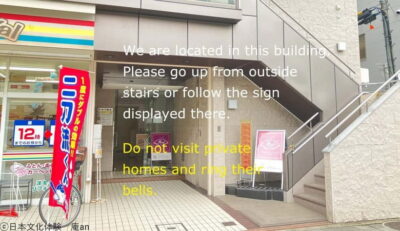
Kyoto: Japanese Traditional Sweets Making and Tea Ceremony
Read our review →
Osaka: Matcha Making Experience with Japanese Sweets
Read our review →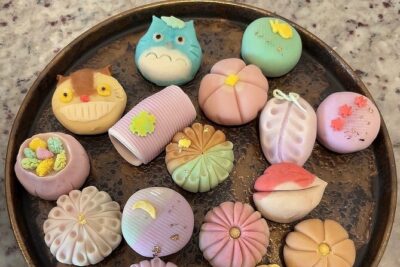
Make Traditional Nerikiri Sweets & Matcha experience in Shibuya
Read our review →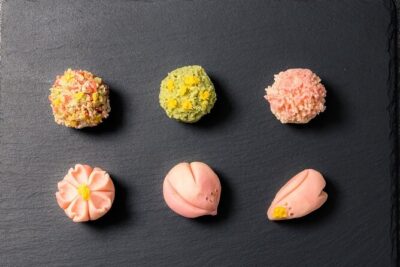
Sweets Making and Kimono Tea Ceremony at Tokyo Maikoya
Read our review →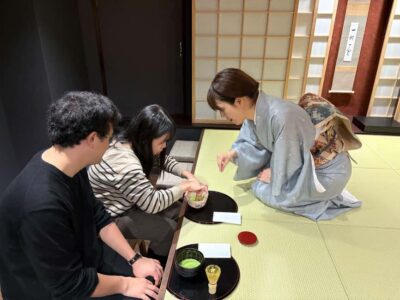
Kyoto: Traditional Tea Ceremony with Matcha & Sweets in Gion
Read our review →Browse the lists this tea experience appears in