
Review · KYOTO
2 Types of Japanese Sweets making and Tea Ceremony
The best part of this Kyoto experience is that you do not simply watch Japanese sweets being made. You shape three kinds of sweets yourself, using Wasanbon sugar and bean paste from long-established Kyoto shops, then prepare a cup of single-origin matcha. It is a neat way to connect food, seasons, and tea in one sitting.
I especially like the seasonal Nerikiri, since the flower and kinton designs change the look of the sweets and give you a small taste of Japanese confectionery craft. I also like the low price of ¥28 per person, which covers a 125-minute hands-on session rather than a short demonstration.
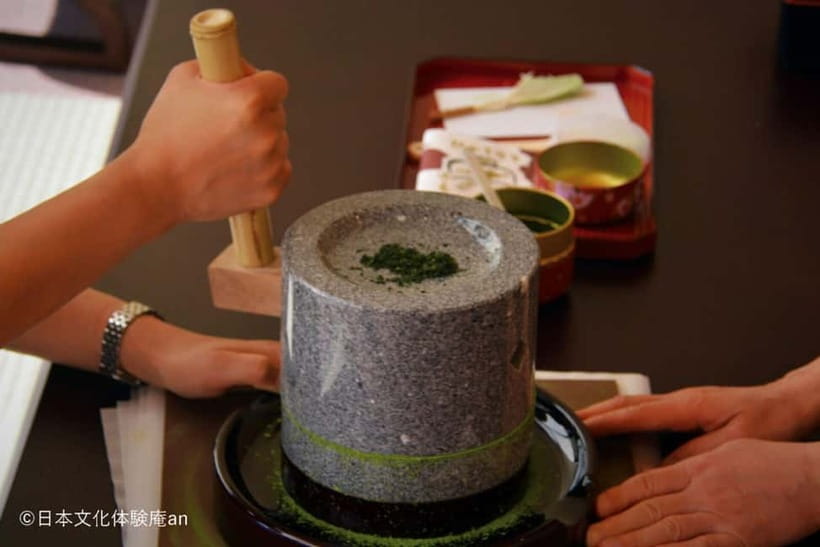
The main point to understand is the tea portion. You will learn about matcha, see a grinding demonstration, and make your own cup in a casual tea experience. If you expect a formal, highly traditional tea ceremony, this may feel more like an informative workshop, and the room can feel classroom-like when other participants are noisy.
Key details at a glance
- Three food and tea activities: Make Wasanbon Ohigashi, two seasonal Nerikiri sweets, and your own matcha.
- Kyoto ingredients: The white and red bean pastes come from long-established Kyoto shops.
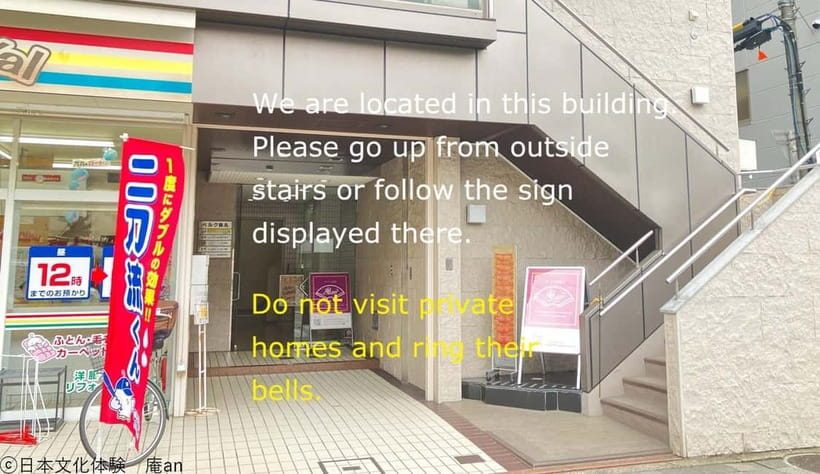
- Convenient location: The venue is one minute from Exit 1 of Gojo Station on the Karasuma Subway Line.
- Useful English support: The instructors speak Japanese, with English translation provided as much as possible.
- A full 125 minutes: The schedule gives you time to make, taste, drink, and take pictures without rushing through every step.
- Extra-cost options: Coloring costs ¥200, a take-out box costs ¥100, and a completion certificate costs ¥300.
Three Japanese traditions in one 125-minute workshop
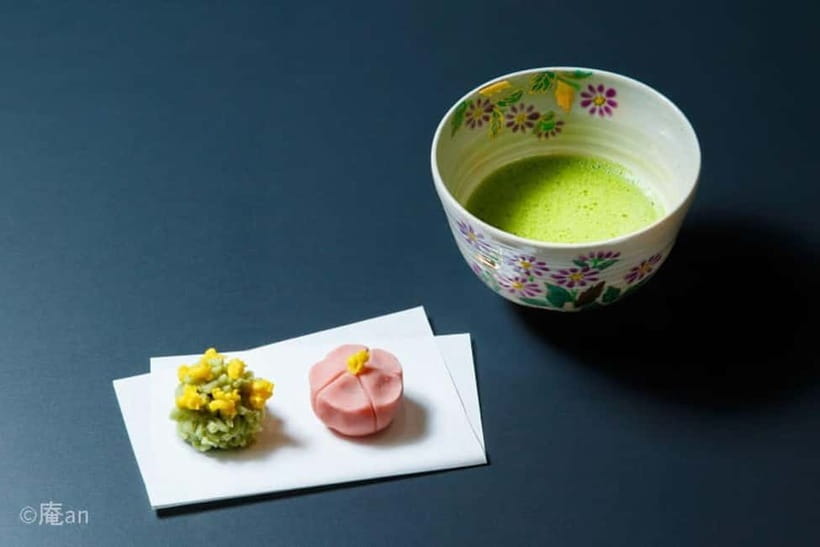
I like the simple idea behind this program. You start with Japanese sweets, move into more detailed confectionery work, and finish with matcha. Each part uses a different skill, so the session does not feel like repeating one recipe three times.
The workshop takes place in Honshu, at a venue near Gojo Station in Kyoto. The entrance faces Gojo-dori, so you should look for the storefront on the main street rather than wandering around side streets. From Exit 1, it is only about a minute on foot, which makes this a handy activity to fit between sightseeing stops.
The experience lasts 125 minutes. That is long enough to include explanations and hands-on work, but short enough to fit comfortably into a Kyoto day. I would allow extra time before the start, since the organizers cannot hold the event for late arrivals.
The working language is Japanese. English translation is provided as much as possible, and Maiko has been praised for being attentive and informative, with good English noted during one session. Still, I would not book this expecting every explanation to be delivered in fluent English unless you contact the provider in advance to request language help.
More Tea and Sweets Making in Kyoto
- Kyoto: Japanese Traditional Sweets Making and Tea Ceremony
★ 4.4 · 314 reviews - Kyoto: Traditional Tea Ceremony with Matcha & Sweets in Gion
★ 4.9 · 27 reviews - Kyoto near Fushimiinari Wagashi making&Small Group Tea Ceremony
★ 5.0 · 14 reviews
Making Wasanbon Ohigashi from traditional sugar
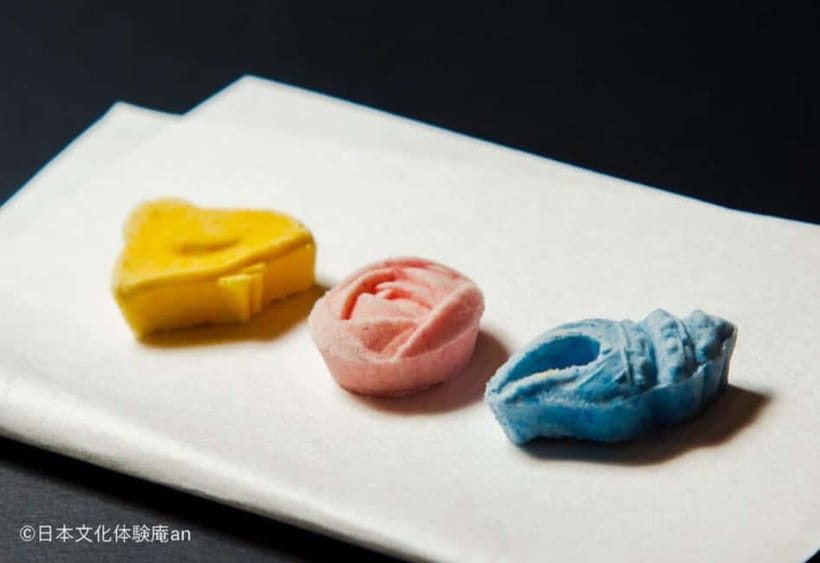
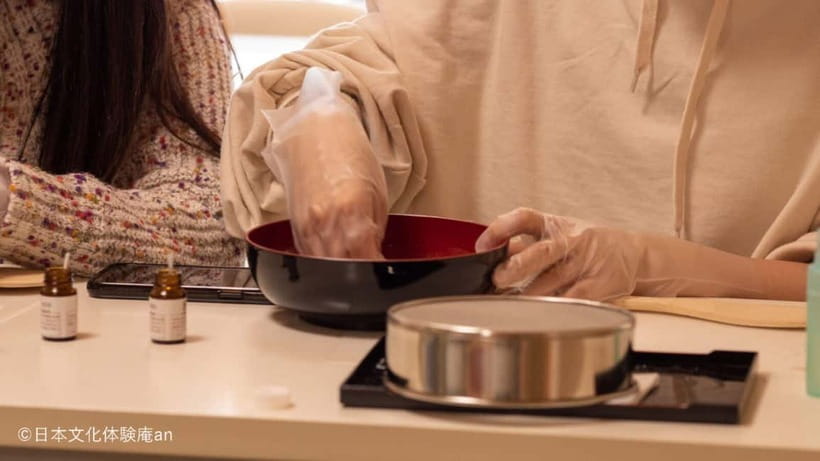
The first activity is Ohigashi, a dry Japanese sweet made with Wasanbon. This traditional Japanese sugar has a fine texture and a gentle sweetness, and it is handled differently from the bean-paste sweets that follow.
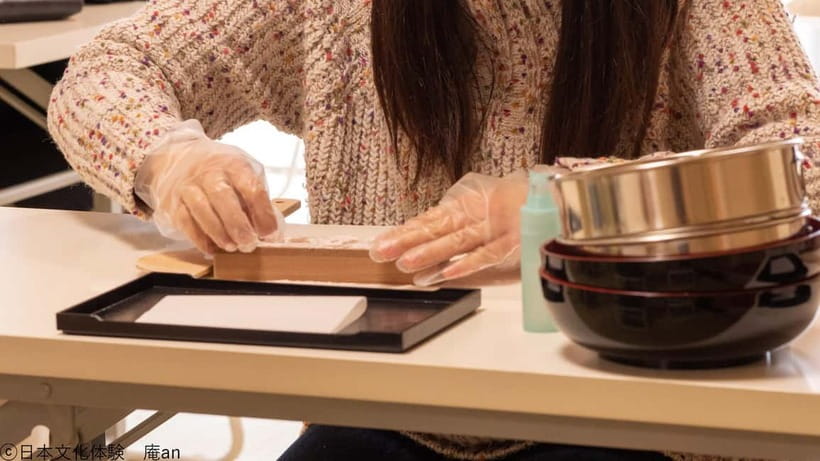
You receive an explanation of Japanese traditional sweets before beginning. Then you shape the Ohigashi yourself. Since this is the first task, it gives you a calm introduction to the tools and methods used in the workshop.
I like this opening because it shows that Japanese sweets are not all soft, chewy, or filled with bean paste. Ohigashi offers a different texture and demonstrates how much care can go into a small, dry confection. It is also a good first activity for anyone who enjoys food crafts but does not want a difficult cooking class.
The schedule places a short break after the Ohigashi session, at about the 20-minute mark. That pause helps separate the first sweet from the more detailed Nerikiri work.
Shaping two seasonal Nerikiri sweets
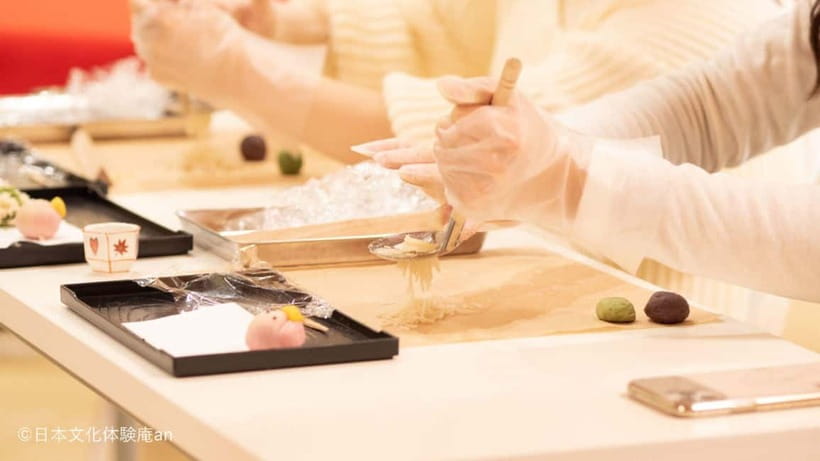
Nerikiri is the star of the hands-on portion. These sweets use white or red bean paste and are shaped to reflect the season. You make two varieties: a flower-shaped Nerikiri and a kinton Nerikiri.
The seasonal element matters. Japanese confectionery often uses color, form, and decoration to suggest flowers, weather, or a particular time of year. You are not simply producing a generic dessert. You are learning how a small sweet can carry a visual reference to the season.
The flower-shaped Nerikiri gives you a clear form to work toward. The kinton version has a different appearance and technique, so you get useful contrast between the two. The work is detailed enough to feel special, but the program is designed for beginners who need guidance.
The bean paste comes from long-established Kyoto shops. That ingredient choice gives the activity a stronger connection to Kyoto confectionery than a basic class using ordinary supermarket materials. You also get to eat the sweets during the session, unless you pay ¥100 for a take-out box.
Color is an optional extra. If you want to add color, the fee is ¥200. I would ask about this before starting if the visual side of the craft matters to you, since the published price does not include that addition.
The schedule leaves a longer break after the Nerikiri work, with the tea portion beginning around the 95-minute mark. This structure gives you a chance to finish the sweets before turning your attention to matcha.
What the casual tea ceremony really includes
The final section begins with an explanation of tea, followed by a matcha-grinding demonstration. You then prepare your own matcha and take part in a casual tea ceremony experience.
This is a useful introduction if you have never made matcha. You are not only handed a prepared drink. You see how the tea is treated and take part in making your own cup. The single-origin matcha is another thoughtful detail, since the tea itself receives attention rather than serving as an afterthought to the sweets.
I would set your expectations carefully. One participant felt the session was more of an informative presentation followed by making a cup of matcha than a full tea ceremony. That is a fair way to read the program description. You will learn about the practice and experience a casual version, but this is not presented as a formal, highly ceremonial tea gathering.
The room can also affect how the tea portion feels. A quiet, respectful group will make this part more pleasant. A noisy group can make the setting feel more like a classroom than an intimate cultural experience. The instructor can guide the activity, but cannot control the manners of every person in the room.
After the tea ceremony portion, there is picture time, followed by eating and drinking. The session ends at about 125 minutes, when you leave the room.
More Tea Ceremonies in Kyoto
- Kyoto: Tea Ceremony in a Traditional Tea House in Kiyomizu
★ 4.9 · 3,519 reviews - Kyoto: Tea Ceremony Ju-An at Jotokuji Temple
★ 4.9 · 3,207 reviews - Kyoto: 45-Minute Tea Ceremony Lesson Experience
★ 4.3 · 2,378 reviews - Kyoto: Table-Style Tea Ceremony at a Kyo-Machiya
★ 4.9 · 1,211 reviews
How much value do you get for ¥28?
At ¥28 per person, this is a strong-value cultural activity if you want several hands-on elements in one booking. The price includes Ohigashi making, two Nerikiri creations, and the matcha experience. You are not paying only for a demonstration or a tasting.
The value is especially clear for visitors who want something beyond temple visits and shopping. The program gives you a practical way to learn about Japanese sweets and tea, with food you help make along the way. It is also a fairly easy activity to fit into a Kyoto itinerary because the station access is excellent and the total duration is just over two hours.
There are a few small costs to watch. Adding color is ¥200, a take-out box is ¥100, and a completion certificate is ¥300. None of these fees are large, but I would budget for them if you want colored sweets, a souvenir box, or proof that you completed the class.
The activity does not include anything beyond the stated three-part experience. You should think of the ¥28 as the cost of the workshop itself, not a package with extra sightseeing, transport, or additional souvenirs.
The setting, guide style, and language question
The instructors are Japanese, and the experience is built around Japanese explanations. English translation is available as much as possible, and Maiko has been singled out for attentive instruction and clear English.
That combination should work well for many English-speaking visitors, especially during visual tasks such as shaping sweets. You can watch the demonstration, copy the technique, and ask for help. Still, food-making instructions can involve small details, so I recommend contacting the provider ahead of time if you need full English interpretation.
The atmosphere depends partly on the group. One session was described as friendly and informative, while another felt clinical and classroom-like. I would not choose this program if your top priority is a private, quiet, traditional setting.
The room is intended for a shared experience, not a private appointment. You should also know that people who are not taking part cannot enter the room. That matters if someone in your party plans to wait inside without participating.
Getting to Gojo Station and planning your arrival
The meeting point is one minute from Exit 1 of Gojo Station on the Karasuma Subway Line. The entrance faces Gojo-dori, the main street. This is one of the easiest parts of the booking, but I would still arrive early because the session cannot be held for late arrivals.
The posted operating hours are 10:00 to 17:00. Reservations received after 17:00 are processed the next day. That detail matters if you are booking in the evening or making a last-minute change.
The building has no elevator, and you need to use stairs to reach each venue. The activity is marked wheelchair accessible, but the stair information is important. If you use a wheelchair or have difficulty with stairs, contact the provider before booking so you can confirm the exact access arrangements.
Free cancellation is available up to 24 hours in advance, and you can reserve now and pay later. If you cancel after the fee period begins, or change the date after that point, charges can apply. The provider also does not cover your travel expenses if you miss the activity or cancel.
Who will enjoy this Japanese sweets class?
I think this workshop suits first-time visitors who want a clear introduction to Japanese sweets and matcha without committing to a full-day cultural course. It is also a good choice for couples, families with older children, and anyone who likes making something with their hands.
Food lovers will appreciate the Kyoto bean paste and single-origin matcha. Photography-minded visitors may enjoy the flower-shaped sweets and the picture time at the end. The session also works well for a rainy day because the core activity takes place indoors.
Children under two years old can sit on a parent’s lap free of charge. Other participants need to take part in the experience to enter. If you are traveling with young children, think about how well they will handle careful shaping, listening, and a 125-minute schedule.
I would be more cautious if you want a quiet, private tea ceremony or a fully formal Japanese ritual. This experience gives you a casual introduction, not a ceremony designed around silence and strict tradition. I would also reconsider it if you need guaranteed English instruction or cannot use stairs without first confirming access.
Practical tips for a better session
Arrive early and find the Gojo-dori entrance before the start time. One minute from the station is close, but a late arrival can still mean missing the activity.
Contact the provider about English before the day of the booking. Translation is offered as much as possible, but the listed language is Japanese.
Bring a little extra money if you want colored sweets, a ¥100 take-out box, or the ¥300 completion certificate. The basic price already includes the three main activities.
Treat the tea portion as a casual learning session. You will grind or see matcha being ground, make your own cup, and learn about tea, but you should not expect a long formal ceremony.
Try to be considerate in the shared room. The tea portion is more enjoyable when the group stays quiet and listens to the instructor.
Should you book it?
I would book this activity if you want good value, easy station access, and three connected Japanese culture activities in one 125-minute session. The seasonal Nerikiri, Kyoto bean paste, Wasanbon Ohigashi, and single-origin matcha give the program real substance for its price.
I would skip it only if your main goal is a formal tea ceremony, a private setting, or guaranteed full English instruction. For most visitors, the best way to approach it is as a hands-on sweets workshop with a casual tea introduction. Go with that expectation, and the ¥28 price feels fair.
FAQ
Where does the Japanese sweets and tea experience take place?
It takes place in Honshu, Japan, one minute from Exit 1 of Gojo Station on the Karasuma Subway Line. The entrance faces Gojo-dori.
How long does the activity last?
The full experience lasts 125 minutes, including the sweets activities, breaks, tea explanation, matcha experience, picture time, and eating and drinking time.
What sweets will I make?
You will make Ohigashi from Wasanbon sugar, a flower-shaped Nerikiri, and a kinton Nerikiri. The two Nerikiri sweets are seasonal.
Is matcha included?
Yes. You receive an explanation of tea, see a matcha-grinding demonstration, take part in the tea experience, and make your own matcha.
Is this a formal tea ceremony?
It is described as a casual tea ceremony experience. The program includes tea instruction and making your own matcha, so it may feel more like an educational session than a fully formal ceremony.
Is English available?
The instructors speak Japanese, and English translation is provided as much as possible. You can contact the provider if you would like to request English support.
What does the ¥28 price include?
It includes the experience of making two types of Japanese sweets and taking part in the tea experience, covering Ohigashi, two Nerikiri sweets, and matcha.
Are there any extra charges?
Adding color costs ¥200, a sweets take-out box costs ¥100, and an experience completion certificate costs ¥300.
Is the venue wheelchair accessible?
The activity is listed as wheelchair accessible, but the building has no elevator and you need to use stairs to reach each venue. Contact the provider before booking if you need to confirm access arrangements.
Newly steeped around Kyoto
- Whisk Your Own Matcha: A Zen Matcha Experience at Temple★ 3.6 · 7 reviews
- Kyoto: Authentic Tea Ceremony in a Small Group★ 5.0 · 7 reviews
- Tea ceremony at Kyoto’s Zen Temple Teahouse★ 5.0 · 2 reviews
- Uji Walking Tour – Byodo-in temple and Tea Ceremony from Kyoto★ 3.5 · 3 reviews
- Tea Ceremony Experience in Traditional Kyoto Townhouse★ 5.0 · 19 reviews
- Tea Ceremony in 150 Years Old Townhouse with Tables and Chairs★ 5.0 · 22 reviews
- Sencha-do the Japanese Tea Ceremony Workshop in Kyoto★ 5.0 · 21 reviews
- Silent Beauty of Kyoto Zen Walk and Tea Experience★ 5.0 · 2 reviews
Tea & Sweets Making, compared.
Matcha Making Class in Tokyo with Authentic Japanese Sweets Set
Read our review →
Tangier: Sunset, Tea, Sweets, Camel Ride, and Hercules Caves
Read our review →
Tokyo: Matcha Making Experience with Mochi Sweets in Asakusa
Read our review →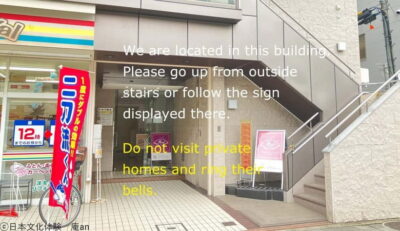
Kyoto: Japanese Traditional Sweets Making and Tea Ceremony
Read our review →
Osaka: Matcha Making Experience with Japanese Sweets
Read our review →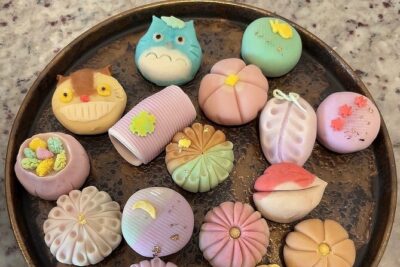
Make Traditional Nerikiri Sweets & Matcha experience in Shibuya
Read our review →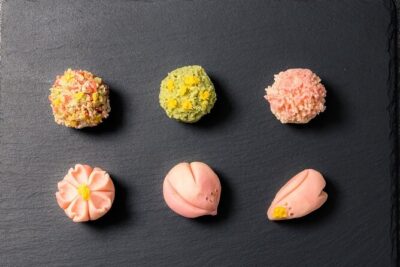
Sweets Making and Kimono Tea Ceremony at Tokyo Maikoya
Read our review →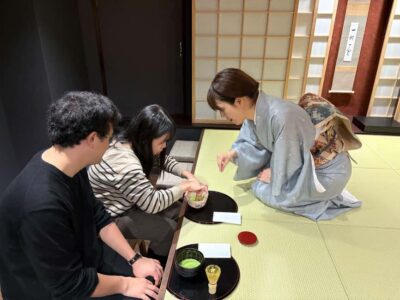
Kyoto: Traditional Tea Ceremony with Matcha & Sweets in Gion
Read our review →Browse the lists this tea experience appears in