
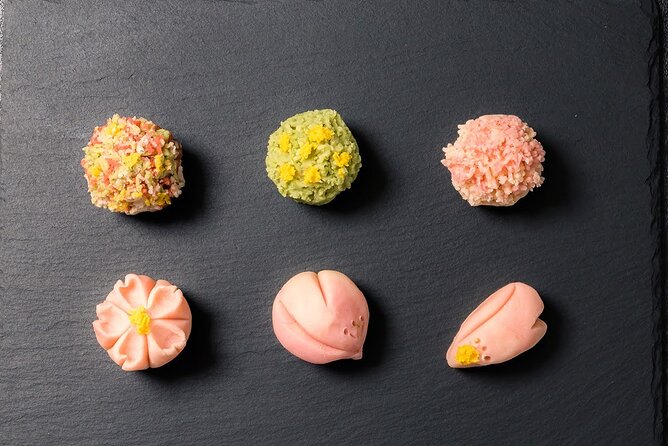
Review · TOKYO
Sweets Making and Kimono Tea Ceremony at Tokyo Maikoya
The best part of this Asakusa experience is that you do not just watch a tea ceremony. You make wagashi, put on a kimono, and then serve and enjoy matcha in a traditional tea room. The sweets are shaped by hand, with color and design choices that make the class feel personal.
I like the close attention in the small-group format, and I like that the ceremony is paired with a hands-on activity rather than treated as a silent performance. Staff members, including a host named Kurumi on some sessions, are patient and explain what each movement means. The main drawback is that you do not make the sweet dough from scratch. You color and shape prepared dough, so serious cooking enthusiasts may find the workshop light.
Key points to know
- Two cultural activities in one: Make wagashi, then prepare and drink matcha during a formal tea ceremony.
- Kimono and hair styling included: You choose traditional clothing and can have your hair arranged with a decorative accessory.
- Small-group setting: The experience is generally limited to 10 people, though the booking information also gives a maximum of 12.
- Strong choice for families: Children must be at least 7 years old, and adults and teenagers can take part together.
- Photo time is built in: You can pose in the kimono, often in attractive indoor and outdoor settings, but tripods are not allowed.
- Easy two-hour plan: Meet at Maikoya Asakusa at 11:30 a.m. and finish back at the same location.
Making wagashi before the matcha ceremony
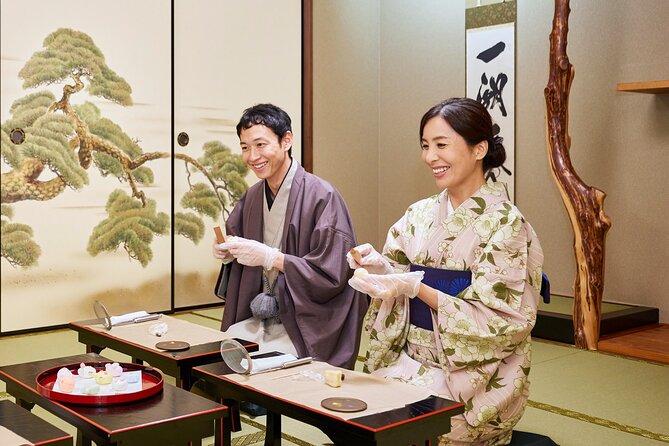
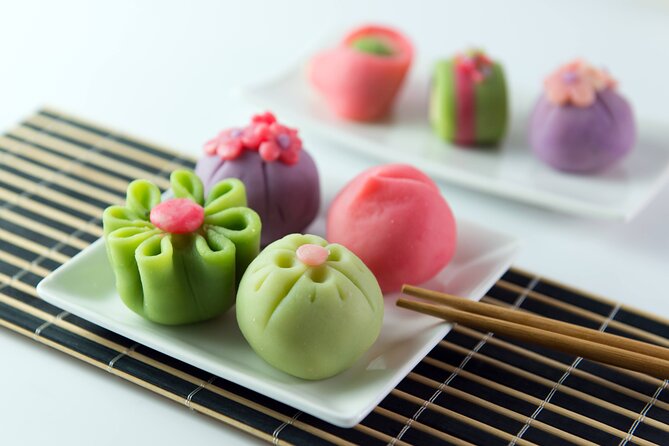
This experience begins with Japanese sweets, known as wagashi. These small, carefully shaped sweets are traditionally served with matcha because their sweetness balances the tea’s bitter edge. Here, you work with prepared ingredients and use your hands to color and form the sweets.
That distinction matters. You are not taking a full pastry course, and you are not grinding beans or cooking a complex filling. Instead, you learn the visual craft of wagashi. You choose shapes and colors, then use simple tools and careful fingerwork to create two sweets. The work calls for patience, especially if you want neat edges and a pleasing design.
I like this format for a first cultural activity in Tokyo. You can take part right away, even if you have no cooking background. The task is short enough to keep children and teenagers interested, yet it still shows why Japanese sweets are valued for appearance as well as taste.
You typically keep one of the sweets you make and enjoy the other with tea. The exact shapes and seasonal designs can vary, so you should expect a guided craft rather than a fixed cooking demonstration. This is a good point to ask questions. The instructors explain the ingredients, the purpose of the sweets, and how they fit into the tea ceremony.
More Kimono and Tea Ceremonies in Tokyo
- Kimono Tea Ceremony at Tokyo, Asakusa Maikoya
★ 5.0 · 638 reviews - Tokyo: Matcha and Kimono Experience
★ 4.7 · 219 reviews - Tokyo: Asakusa Kimono Dressing and Matcha Experience
★ 4.9 · 173 reviews
Choosing a kimono at Maikoya Asakusa
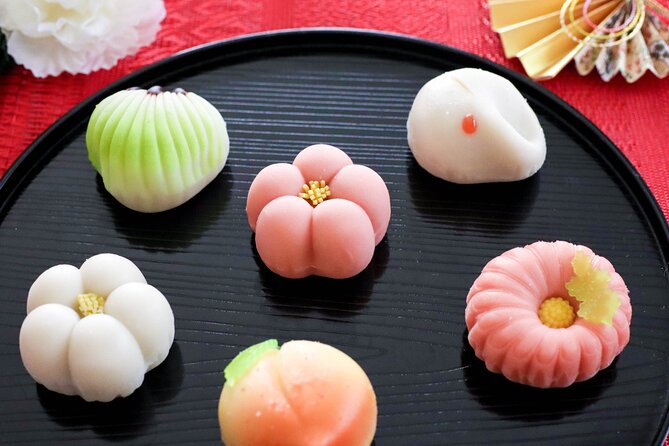
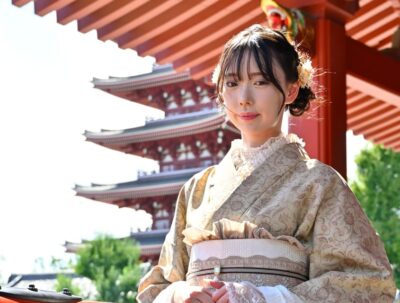
The kimono portion adds much more than a photo opportunity. Staff help you select traditional clothing, then arrange the layers and obi, the wide sash worn around the waist. Some participants also receive a traditional updo with a flower or other hair ornament.
The process takes time because a kimono is not simply a robe you pull on. The staff explain what they are doing as they dress you, which helps you understand the clothing instead of treating it as a costume. You may choose from colorful garments and coordinate an obi and hair accessory.
This part works well for families and couples. Adults can participate alongside older children and teenagers, and the clothing gives everyone a shared activity before the more formal tea portion. Some men and boys also wear traditional clothing, so this is not limited to women.
Sizing is a fair concern when booking any kimono activity. The experience has accommodated a range of body types, but the available selection can change. If fit is important to you, contact the provider before booking rather than assuming every style will be available.
Give yourself enough time for dressing. The experience lasts about two hours, and the order of activities can vary. You should arrive ready to take part rather than expecting a quick change followed by a long ceremony.
Learning why tea ceremony movements matter
Once you are dressed, the session moves into the tea ceremony. You learn the basic etiquette, including how matcha is prepared, presented, received, and enjoyed. The instructor also explains the cultural meaning behind the movements.
The ceremony is formal, but the teaching approach is friendly. You are not expected to know how to sit, bow, turn a tea bowl, or drink matcha before arriving. The staff guide you step by step, and the small group makes it easier to ask for help.
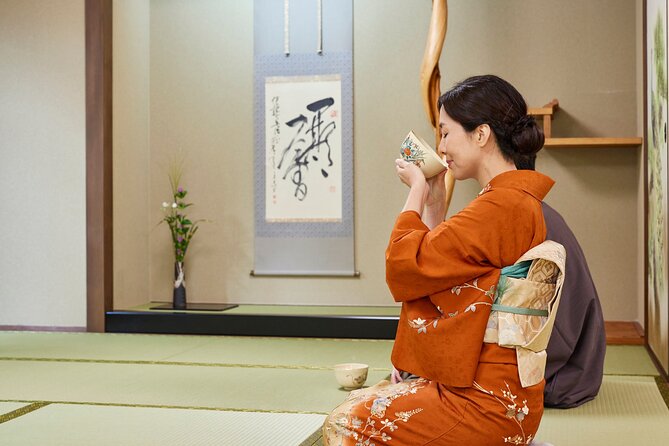
The most valuable part for me is the explanation of purpose. Tea ceremony is not only about drinking green tea. The careful movements encourage attention, respect, and calm. The sweets are served at the right point because their sweetness prepares your palate for matcha.
You prepare matcha during the experience and drink it with water and the sweets you have made. Matcha has a strong, grassy flavor that may surprise you if you usually drink mild green tea. The wagashi helps soften that bitterness.
The room is intended to feel calm and traditional. You will receive instructions about appropriate behavior, and photography or video may be restricted during parts of the ceremony. Follow the tea master’s directions. A phone can record a few pictures, but it should not become the focus of the session.
Photo time in kimono
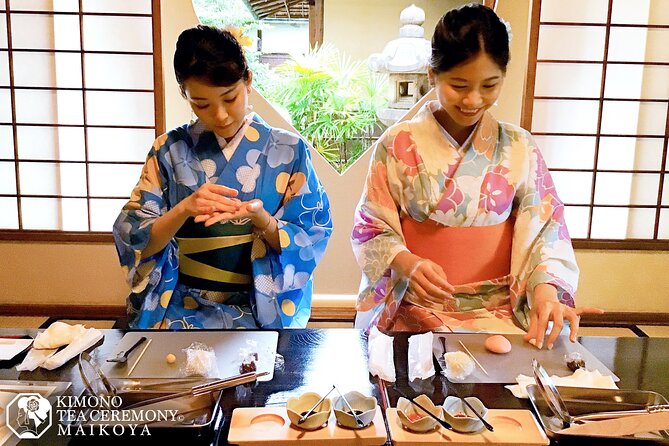
Photo opportunities are part of the appeal, especially if this is your first time wearing a kimono. Staff can take pictures if you ask, and the setting may include a garden or terrace area with traditional touches such as an umbrella.
This is not a separate professional photo shoot with a listed package. Think of it as guided picture time during the cultural activity. You can pose in your clothing, show your handmade sweets, and take family pictures while the staff help with basic framing.
Tripods are not allowed. Photography and video may also be limited during the tea ceremony. You should take pictures during the designated moments and put your phone away when the instructor begins the formal portion.
I like this balance. You get memorable images without turning the whole experience into a costume session. Still, anyone hoping for a long series of elaborate portraits should keep expectations modest. The ceremony and sweets remain the main activities.
More Tea and Sweets Making in Tokyo
- Matcha Making Class in Tokyo with Authentic Japanese Sweets Set
★ 5.0 · 744 reviews - Tokyo: Matcha Making Experience with Mochi Sweets in Asakusa
★ 4.9 · 388 reviews - Make Traditional Nerikiri Sweets & Matcha experience in Shibuya
★ 5.0 · 130 reviews - Japanese Traditional Sweets making and Tea Ceremony
★ 4.7 · 50 reviews
Why the small group matters
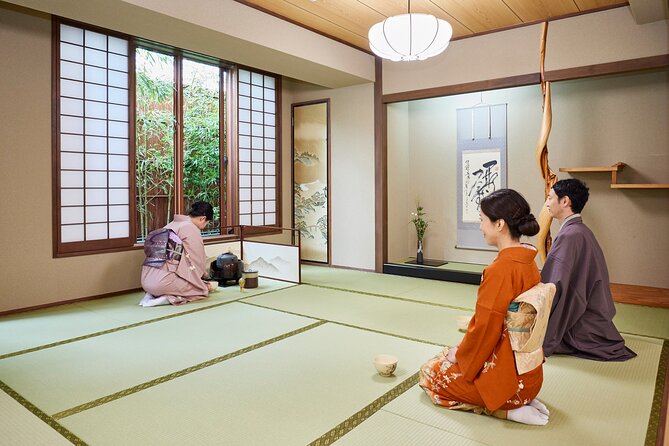
The activity is designed for a small group. The included information gives a maximum of 10 people, while the additional booking details state a maximum of 12. That discrepancy is worth confirming when you book, but either number is far more manageable than a large bus-group presentation.
A small group helps in three ways. First, staff can assist with kimono dressing and answer questions. Second, everyone gets more room to shape the sweets and follow the ceremony. Third, the session feels quieter and less rushed.
A host named Kurumi has led some sessions and received praise for patience during the sweets preparation. Do not assume she will lead your particular class, since staffing can change, but the experience is built around personal instruction rather than a recorded presentation.
The group format also affects your comfort. You will be taking part in a formal activity alongside people you do not know. That can feel social and fun, especially for families, but it is not a private ceremony. If you want a completely private session, ask about that before booking.
A practical two-hour schedule
The meeting point is Kimono Tea Ceremony MAIKOYA Asakusa, at 1-chōme-12-2 Asakusa, Taito City, Tokyo 111-0032. The scheduled start time is 11:30 a.m., and the activity ends back at the same place.
The first stage is usually kimono preparation, followed by sweets making and the tea ceremony. The exact order may shift, but you should plan on the full two hours. Do not book a tight lunch reservation immediately afterward.
Transportation is not included, and there is no hotel pickup or drop-off. The venue is near public transportation, so you will need to make your own way there. Check the address carefully before leaving, especially if you are coming from another part of Tokyo.
Arrive with enough time to find the tea house. Late arrival can be awkward during dressing or the opening instructions, and the experience is not designed around repeated individual arrivals. A mobile ticket is accepted, and booking confirmation is issued at the time of reservation.
Children under 7 cannot enter the tea ceremony venue. If one child in your party is younger than 7, the group cannot make a reservation for this experience. This is an important rule for families planning a multigenerational day.
What the $112.29 price covers
At $112.29 per person, this is not the cheapest way to drink matcha in Tokyo. You can find tea and sweets at many places for far less. The price here pays for a complete cultural session: kimono dressing, hair styling or arrangement, ingredients and utensils, instruction, matcha, water, ceremony guidance, and photo time.
I think the value is strongest if you want several activities in one stop. Paying separately for kimono rental, hair styling, a sweets class, and a tea ceremony could take more planning and may cost more. The two-hour format also works well when your Tokyo schedule is full.
The value is weaker if you only want to sample matcha or take a quick kimono picture. You are paying for instruction and participation, not simply refreshments. The sweets work is introductory, and the tea ceremony is guided for an international audience.
The high rating and 98 percent recommendation suggest that the experience has been consistently well received, but you should still match it to your interests. It suits someone curious about Japanese customs, not someone searching for an advanced confectionery lesson or a private religious ceremony.
The best fit for families, couples, and first-time visitors
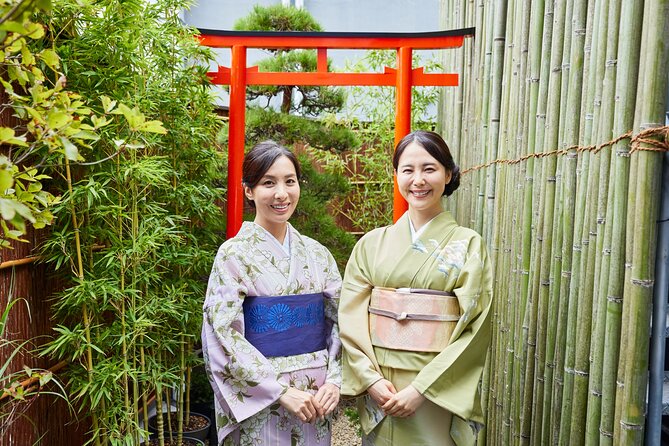
Families with children aged 7 and older are a natural fit. The activity gives younger participants something to do with their hands, while the kimono and photos keep the pace varied. Teenagers often enjoy choosing clothing and making pictures, and adults receive enough cultural explanation to make the session worthwhile.
Couples can use it as a relaxed morning activity in Asakusa. It creates shared photographs and a clear introduction to tea etiquette without requiring a full day at a museum. It also works well for parent and adult-child trips.
First-time visitors to Japan may get the most from it because several unfamiliar customs are explained in one setting. You learn how traditional clothing is worn, why wagashi accompanies matcha, and how the tea ceremony is performed.
It may be less suitable if you dislike sitting through instructions, strongly dislike matcha, or want complete freedom to photograph every moment. The ceremony has rules, and the tea has a distinct flavor. You should also expect staff to guide the activity closely rather than letting you wander through each step on your own.
Small details that improve the experience
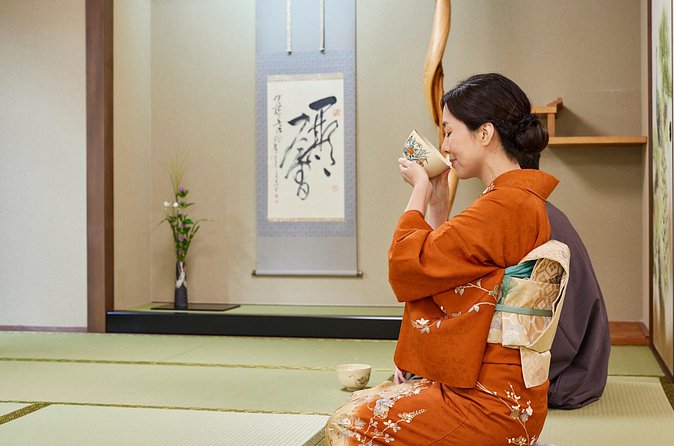
Wear clothing that makes changing easy, though the provided information does not specify a required dress code. Avoid arriving with an overpacked schedule. The kimono dressing, hair arrangement, sweets work, ceremony, and photographs all need their share of the two-hour session.
Keep valuables secure and check your belongings before leaving. One participant once had to return to the studio after leaving a wallet behind, and the staff waited beyond normal hours to help. That was a kind response, but it is better not to rely on such luck.
Ask before taking pictures during the formal ceremony. The tea master may restrict photography or video at certain points. You will get better photos by cooperating with the timing instead of trying to record every movement.
If you have food allergies or dietary restrictions, ask Maikoya before booking. The experience includes sweets and tea, but the supplied information does not specify all ingredients or substitution options. Do not assume the recipes can be changed.
Cancellation is free up to 24 hours before the local start time. A cancellation within 24 hours is not refunded, and late changes are not accepted. That policy is reasonable for a small class, but it means you should wait until your Tokyo plans are firm.
Should you book the Maikoya tea ceremony?
I would book this if you want a friendly, hands-on introduction to Japanese culture in Asakusa. The combination of wagashi making, kimono dressing, matcha, and ceremony instruction gives you more to remember than a simple tea tasting.
The strongest reasons to go are the patient guidance, the small group, and the chance to take part rather than sit in the audience. The experience is especially good for families, couples, and first-time visitors who want a polished cultural activity without committing half a day.
I would skip it if your main goal is advanced sweets making, a private ceremony, or an entirely traditional setting without tourist-friendly instruction. The wagashi class uses prepared dough, the group size is not fully consistent in the booking details, and photography has limits.
For most visitors, the $112.29 cost is fair when you use the whole package. Arrive on time, allow the full two hours, and treat the kimono and photographs as part of the cultural lesson rather than the entire point. You will leave with handmade sweets, a better sense of tea etiquette, and a few pictures that show more than a standard Tokyo souvenir.
FAQ
Where does the tea ceremony experience begin?
It begins at Kimono Tea Ceremony MAIKOYA Asakusa, located at 1-chōme-12-2 Asakusa, Taito City, Tokyo 111-0032, Japan.
What time does the activity start?
The scheduled start time is 11:30 a.m.
How long does the experience last?
The activity lasts approximately two hours and ends back at the meeting point.
Is transportation included?
No. Transportation and hotel pickup and drop-off are not included. The venue is near public transportation.
What is included in the price?
The experience includes kimono wearing, ingredients and utensils for making Japanese sweets, green tea, and water.
How many people can join the activity?
The experience is described as a small-group activity with a maximum of 10 people in the included details. Additional booking information gives a maximum of 12, so confirm the group limit when reserving.
Can children participate?
Children must be at least 7 years old to enter the tea ceremony venue. If your party includes a child under 7, you cannot reserve this experience.
Can I take photographs during the ceremony?
Photography is allowed at guided times, but tripods are not allowed. Photography and video may be limited during parts of the ceremony, so follow the tea master’s instructions.
Can I cancel for a full refund?
Yes. You can cancel up to 24 hours before the local start time for a full refund. Cancellations or changes made less than 24 hours before the start time are not accepted for a refund.
More Tea Ceremonies in Tokyo
- Tokyo: Traditional Tea Ceremony with a Tea Master
★ 5.0 · 528 reviews - Tea Ceremony Workshop in Tokyo by the Experienced Instrucor
★ 5.0 · 189 reviews - Asakusa: Kimono Tea Ceremony with Matcha and Sweet
★ 4.9 · 153 reviews - Tea Ceremony Experience in a Private Tea Room in Shibuya
★ 4.9 · 125 reviews
Newly steeped around Tokyo
- Yokohama : Tea Ceremony with Sweets and Souvenir★ 5.0 · 5 reviews
- Walking Tour: Yanaka,Nezu& Sendagi: Tea Ceremony & Old Tokyo★ 5.0 · 3 reviews
- Private Mochi・Matcha sweets Making Class Near Shibuya Area★ 5.0 · 22 reviews
- 2 Hours Mochi &Nerikiri Making & Matcha Class in Bunkyo★ 5.0 · 21 reviews
- Private Kimono and tea ceremony at local home near Tokyo Disney★ 5.0 · 6 reviews
- Kimono and Tea Ceremony in Asakusa Private Food Tour With Guide★ 5.0 · 4 reviews
- Giant Sushi Cooking Class: Make a 1.5m Sushi Roll in Tokyo★ 5.0 · 9 reviews
- Tokyo Tea Ceremony Class at a Traditional Tea Room★ 5.0 · 2 reviews
Kimono & Tea Ceremony, compared.


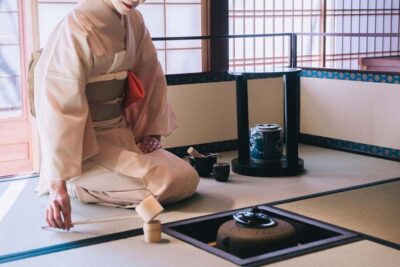
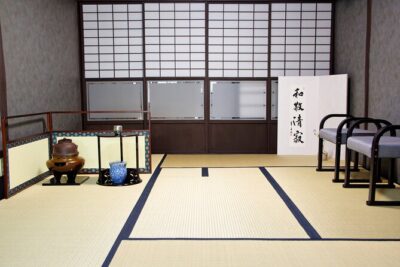
KYOTO Tea Ceremony with kimono near by Imamiya Jinjya Shrine
Read our review →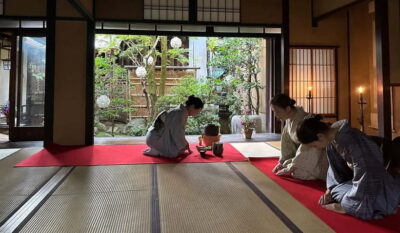
Kyoto: Kimono and Tea Ceremony Experience at Cultural Asset
Read our review →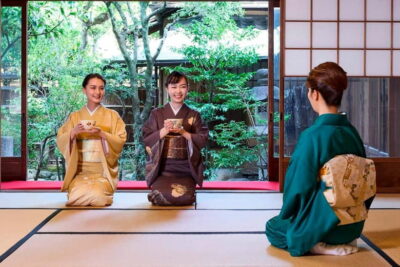
Kyoto: Kimono Tea Ceremony with Matcha and Sweet
Read our review →
Tokyo: Asakusa Kimono Dressing and Matcha Experience
Read our review →Browse the lists this tea experience appears in