
Review · KYOTO
Kyoto: Japanese Traditional Sweets Making and Tea Ceremony
Kyoto’s sweet side is easy to miss. This 95-minute class lets you work with white and red bean paste from long-established Kyoto shops, shape two seasonal nerikiri sweets, and prepare your own Uji matcha. It is hands-on, calm, and far more affordable than many Kyoto food activities.
I like the clear rhythm: make the sweets first, then drink the matcha with them. I also like the setting near Gojo Station and the friendly effort to explain things in English. The main catch is communication. The instructor teaches in Japanese, with English added as much as possible, so you may need to watch closely and copy the demonstration.
Key points at a glance
- Two seasonal nerikiri sweets: Shape high-grade sweets inspired by flowers or fruit that match the time of year.
- Kyoto-made ingredients: Use white and red bean paste supplied by long-established Kyoto shops.
- Hands-on matcha: Whisk single-origin Uji matcha and drink it with your finished sweets.
- A short cultural lesson: Learn basic tea etiquette and how to prepare matcha, rather than attending a long formal tea ceremony.
- Easy central location: The venue is a one-minute walk from Exit 1 of Gojo Station.
- Good value at $18: The price covers both sweet-making and tea preparation, with optional extras charged separately.
What this Kyoto sweets and tea class really offers
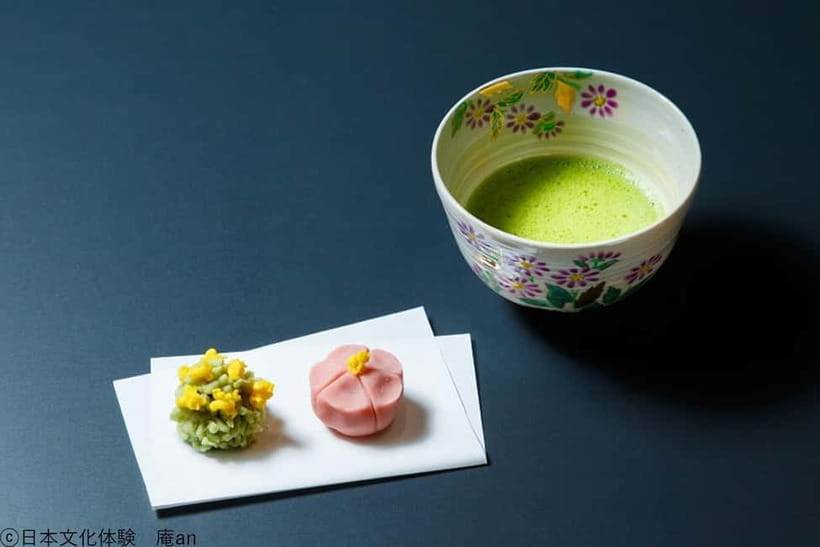
This activity is best understood as a practical introduction to two linked parts of Kyoto food culture. You are not simply watching a confectioner work. You color bean paste, shape it with your hands, whisk matcha, and eat the results at the end.
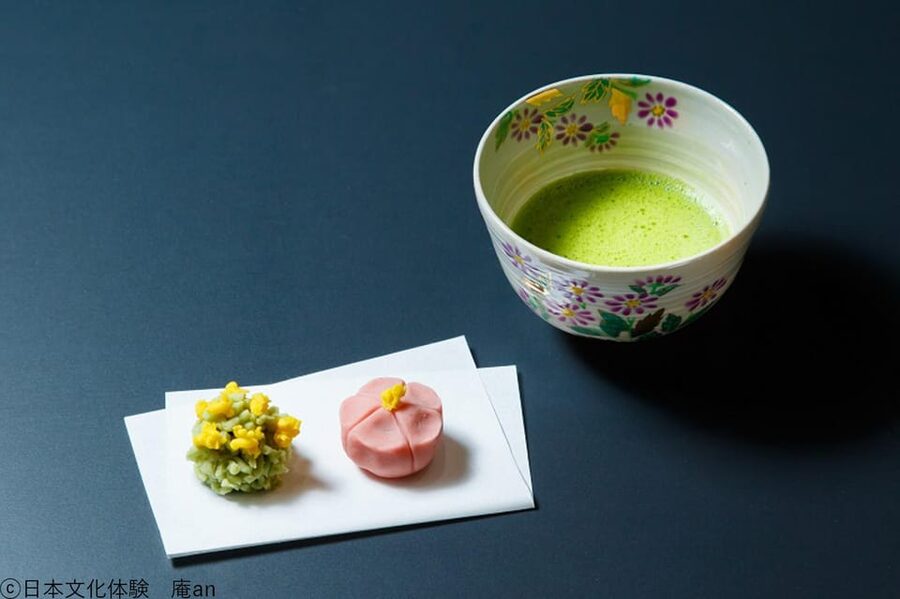
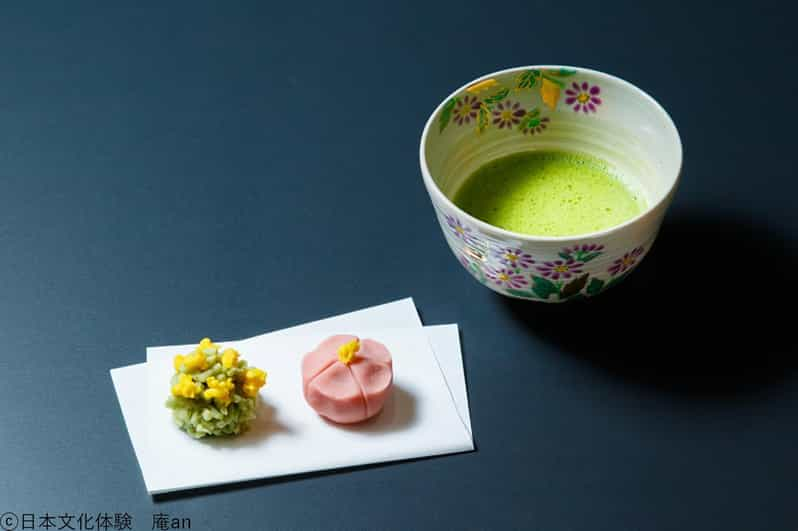
The class uses nerikiri, a refined Japanese sweet made from white bean paste shaped into seasonal designs. The finished pieces may suggest flowers, fruit, or another image from the current season. That seasonal link is important. Japanese sweets often do more than provide a sugar fix. Their color and form reflect the time of year.
The class is also not a full-length tea school lesson. The tea portion is brief and instructional. You learn basic etiquette, prepare matcha, and drink it with your sweets. If you want a slow, formal ceremony in a traditional tea room, this is not quite that. If you want a friendly way to understand the basics and take part yourself, it fits well.
More Tea and Sweets Making in Kyoto
- Kyoto: Traditional Tea Ceremony with Matcha & Sweets in Gion
★ 4.9 · 27 reviews - 2 Types of Japanese Sweets making and Tea Ceremony
★ 4.6 · 17 reviews - Kyoto near Fushimiinari Wagashi making&Small Group Tea Ceremony
★ 5.0 · 14 reviews
Starting with Kyoto bean paste and seasonal nerikiri
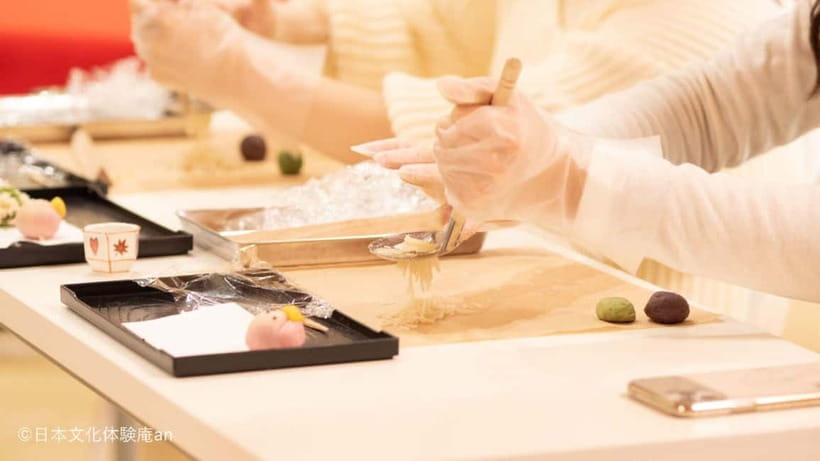
The sweets section begins with the white bean paste. You start by adding color, then shape the paste into two seasonal pieces. The work is creative, but it is guided step by step, so you do not need previous cooking or craft experience.
The ingredients matter. You are using white and red bean paste made by established Kyoto shops, not simply an anonymous sweet mixture. That gives the lesson a useful connection to local confectionery. You also get a better sense of why Japanese sweets can cost more than their small size suggests. The careful coloring and shaping require patience.
Do not expect a professional wagashi apprenticeship in one short class. The process is simplified, and the paste is prepared in advance. That is a sensible trade-off for a 95-minute activity. You get to focus on the visual craft and the eating, without spending hours on bean preparation.
The shaping can be trickier than it first appears. A simple flower design requires neat handling, controlled pressure, and an eye for balance. That is part of the fun. Your sweets may not look exactly like the instructor’s, but the activity is forgiving and low intensity. It works for adults, older children, and anyone who likes making something with their hands.
One useful point for families: children aged two and under can attend free when sitting on a parent’s lap. The activity is not physically demanding, and a family with children aged 10 and 14 found the pace and challenge suitable. Younger children may need close help with the shaping.
Learning matcha etiquette after the sweets
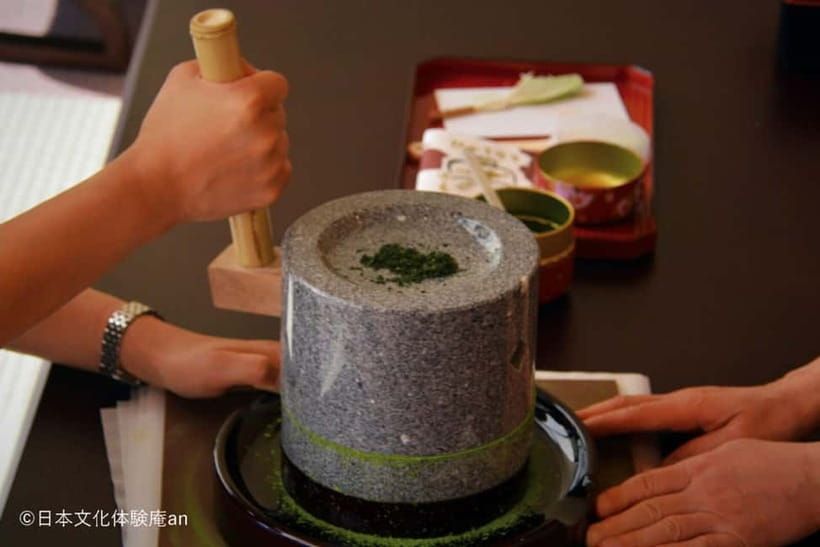
Once the sweets are ready, the focus moves to matcha. You prepare your own tea using Uji matcha, a natural choice for a Kyoto activity. The experience uses a single-origin special matcha, and the bitterness of the tea is meant to balance the sweetness of the bean paste.
You learn the basic movements and etiquette involved in drinking matcha. That can include how to handle the bowl, how to turn it, and how to approach the tea respectfully. The exact presentation may vary by session, but the aim is clear: give you enough understanding to prepare and drink the tea at home.
The tea is served with the sweets you made. This pairing is one of the best parts of the class because it makes the lesson feel complete. You have just shaped the nerikiri, and now you can see how its sweetness works with the grassy, bitter edge of matcha.
Keep your expectations in check. Several details point to a short tea lesson rather than a full ceremonial performance. One session felt rushed, and the tea had cooled before it was drunk. Another class had background noise as people left a neighboring sweet-making session. These are useful warnings if the tea ceremony is the main reason you are booking.
The activity works better when you see the tea portion as a hands-on introduction. You will not simply sit silently while a specialist performs every movement. You will learn the basic etiquette and make the drink yourself.
English support depends on the instructor
The official language is Japanese, but English help is provided as much as possible when requested. In practice, this varies by instructor and group.
Several sessions included clear explanations in both Japanese and English. Some instructors adjusted quickly after realizing that part of the group did not speak Japanese. Others used limited English, leaving participants to follow the demonstration and copy the visible steps.
That does not make the activity impossible for English speakers. The sweets are shown physically, and the sequence is straightforward. Still, I would contact the provider in advance if detailed English instruction matters to you. Ask for English translation when booking.
The experience has a friendly teaching style. Instructors are repeatedly described as patient, welcoming, funny, and attentive to the group. One assistant was especially helpful with matcha questions. Names are not consistently provided, so you should not expect a particular teacher unless the provider confirms one.
A practical tip: sit where you can see the instructor’s hands. One participant suggested a microphone and screen showing close-up demonstrations. That tells you something useful about the room. If the class is full or another group is nearby, it may be harder to hear or see every movement.
More Tea Ceremonies in Kyoto
- Kyoto: Tea Ceremony in a Traditional Tea House in Kiyomizu
★ 4.9 · 3,519 reviews - Kyoto: Tea Ceremony Ju-An at Jotokuji Temple
★ 4.9 · 3,207 reviews - Kyoto: 45-Minute Tea Ceremony Lesson Experience
★ 4.3 · 2,378 reviews - Kyoto: Table-Style Tea Ceremony at a Kyo-Machiya
★ 4.9 · 1,211 reviews
A small class feel, with occasional group noise
Group size is not fixed in the information provided, and the atmosphere can change from one start time to another. Some sessions feel small and easy to follow. Others share space with Japanese students or people taking only the sweets portion.
That mix can be a plus. You may find yourself in a room with local junior high students, which gives the activity a less packaged feel. It can feel more like a working cultural class than a performance made only for overseas visitors.
The downside is sound. People leaving another class can interrupt the tea lesson, and a larger group may join for the matcha section. If you want quiet and personal attention, ask about the expected group size before booking.
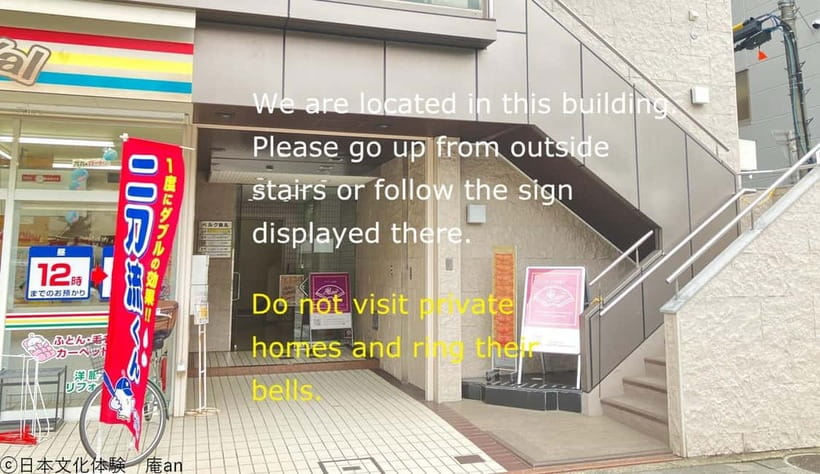
The venue is near the center of Kyoto and simple to reach. From Exit 1 of the Karasuma Line’s Gojo Station, it is about a one-minute walk. The entrance faces Gojo-dori, so you should look for the shop front on the main street rather than expecting a hidden entrance.
Allow extra time to find the building. The class cannot be held for late arrivals, and the provider does not delay the activity to wait for people who are running behind. This matters in Kyoto, where a short train ride can still involve crowded platforms and confusing station exits.
Why $18 is strong value for Kyoto
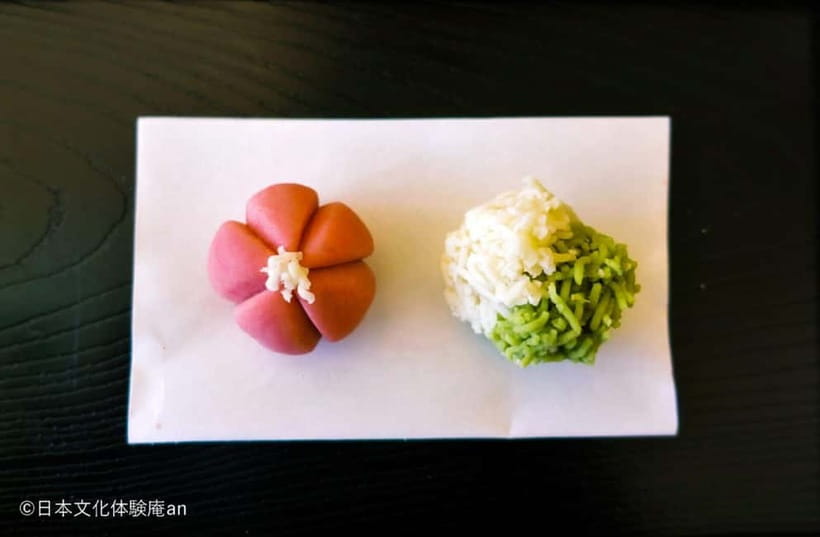
At $18 per person, this is one of the easier Kyoto cultural activities to fit into a busy day. The price includes the sweets-making and tea experience, not just a demonstration. You leave having made two sweets and prepared matcha yourself.
The value is strongest if you want an activity with substance but not a full afternoon commitment. Ninety-five minutes is long enough to learn a process, yet short enough to pair with Gojo, downtown Kyoto, or another nearby stop.
You pay extra only if you want a sweets take-out box, which costs 100 yen, or an experience completion certificate, which costs 300 yen. The box may be useful if you cannot eat both sweets during the session. The certificate is optional and has little practical value unless you enjoy collecting small mementos.
The low price also explains some of the limits. This is a group lesson in a classroom setting, not a private tea master appointment. English support may be shared across the room, and the tea portion may feel quick. Even so, you get two activities for a modest fee, making it a sensible pick for budget-conscious visitors.
Who should book this activity
I would choose this class if you want a cultural activity that is easy, affordable, and interactive. It suits you especially well if:
- You enjoy food crafts more than passive sightseeing.
- You want to try matcha without committing to a formal tea school.
- You are visiting Kyoto with children or teenagers.
- You need a rainy-day plan in central Kyoto.
- You like seasonal design, sweets, and small creative tasks.
- You want an activity that fits into a morning or afternoon schedule.
It is also a good choice after several days of temples and walking. The class gives you a place to sit, focus on one task, and slow down for a while. The room may be air-conditioned, which is welcome during Kyoto’s hot, humid summer.
I would look elsewhere if you want a silent, highly formal tea ceremony, a private lesson, or detailed English commentary on every part of Japanese tea culture. The setting can be busy, and the language balance depends on the teacher.
The activity is marked wheelchair accessible, but the information also says there is no elevator and that you must use stairs to reach each venue. That is an important conflict to clarify directly before booking if you use a wheelchair or have difficulty with stairs.
Timing, cancellations, and small practical details
The operating hours are 10:00 to 17:00. Reservations received after 17:00 are processed the following day. This is mainly useful when you are booking at short notice.
Free cancellation is available up to 24 hours before the activity for a full refund. After that point, a cancellation fee may apply, and changing the date or time after the fee has been incurred can cost extra. Travel expenses are not reimbursed if you cancel.
The provider offers reserve-now, pay-later booking, which helps if your Kyoto schedule is still shifting. Still, do not rely on arriving late. The session will not be held for delays, regardless of the reason.
Non-participants cannot enter. If one person in your party does not want to take part, that person should make separate plans rather than wait inside the venue.
Should you book the Kyoto sweets and matcha experience?
Yes, if you want a low-cost, hands-on taste of Kyoto culture. The best features are the seasonal nerikiri, the use of established Kyoto bean paste, the Uji matcha, and the chance to eat what you make. Friendly instructors and a convenient Gojo location add to the appeal.
Book with realistic expectations. The sweets are made from prepared paste, the tea ceremony is really a short etiquette and preparation lesson, and English explanations can range from excellent to limited. If you can accept those points, this is a cheerful and useful 95-minute break from temples, shopping, and long walks.
FAQ
How long does the Kyoto sweets and tea experience last?
The activity lasts 95 minutes. Starting times vary, so you should check availability when booking.
Where does the activity take place?
The venue is a one-minute walk from Exit 1 of Gojo Station on Kyoto’s Karasuma Subway Line. The entrance faces Gojo-dori.
What sweets will I make?
You will make two seasonal nerikiri sweets using colored white bean paste. The designs reflect seasonal flowers, fruit, or similar natural themes.
Is the class taught in English?
The instructor teaches in Japanese, with English translation provided as much as possible when requested. The amount of English may vary, so contact the provider in advance if you need detailed English instruction.
Is matcha included?
Yes. You prepare your own single-origin Uji matcha and drink it with the Japanese sweets you made.
Can I take the sweets home?
A sweets take-out box is available for 100 yen. It is not included in the activity price.
Is the venue wheelchair accessible?
The activity is listed as wheelchair accessible, but the building has no elevator and you must use stairs to reach each venue. Confirm the current access arrangements with the provider before booking.
Newly steeped around Kyoto
- Whisk Your Own Matcha: A Zen Matcha Experience at Temple★ 3.6 · 7 reviews
- Uji Walking Tour – Byodo-in temple and Tea Ceremony from Kyoto★ 3.5 · 3 reviews
- Kyoto: Authentic Tea Ceremony in a Small Group★ 5.0 · 7 reviews
- Tea ceremony at Kyoto’s Zen Temple Teahouse★ 5.0 · 2 reviews
- Tea Ceremony Experience in Traditional Kyoto Townhouse★ 5.0 · 19 reviews
- Tea Ceremony in 150 Years Old Townhouse with Tables and Chairs★ 5.0 · 22 reviews
- Sencha-do the Japanese Tea Ceremony Workshop in Kyoto★ 5.0 · 21 reviews
- Silent Beauty of Kyoto Zen Walk and Tea Experience★ 5.0 · 2 reviews
Tea & Sweets Making, compared.

Matcha Making Class in Tokyo with Authentic Japanese Sweets Set
Read our review →
Tangier: Sunset, Tea, Sweets, Camel Ride, and Hercules Caves
Read our review →
Tokyo: Matcha Making Experience with Mochi Sweets in Asakusa
Read our review →
Osaka: Matcha Making Experience with Japanese Sweets
Read our review →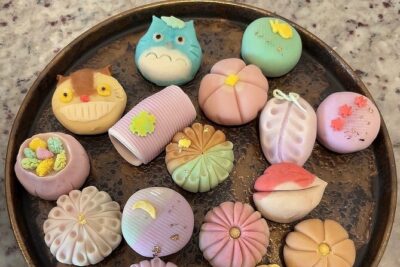
Make Traditional Nerikiri Sweets & Matcha experience in Shibuya
Read our review →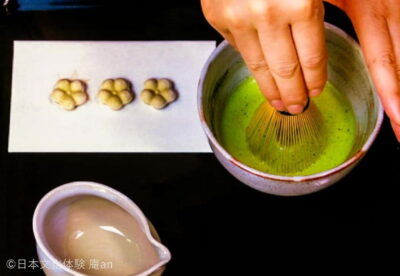
Osaka: Japanese Traditional Sweets Making and Tea Ceremony
Read our review →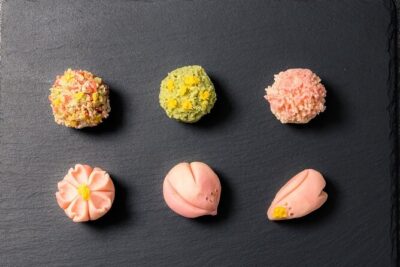
Sweets Making and Kimono Tea Ceremony at Tokyo Maikoya
Read our review →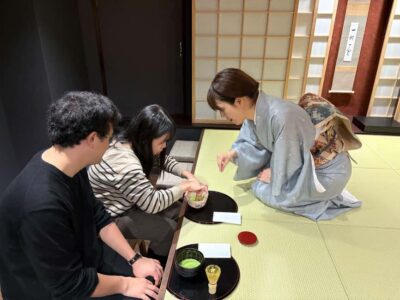
Kyoto: Traditional Tea Ceremony with Matcha & Sweets in Gion
Read our review →Browse the lists this tea experience appears in