
Review · BEIJING
Chinese Tea ceremony in Beijing Hutong courtyard
The best part of this experience is the setting: you sit down for tea in a traditional Beijing hutong courtyard, only a short walk from the Forbidden City. This is not a grand palace performance. It is a small, personal meeting with local hosts, where tea opens the door to everyday Beijing life and old customs.
I like the chance to choose among green, black, wulong, and Pu’Er tea, rather than being handed one fixed drink. I also like the small group size, limited to four people, which gives you time to ask questions and try brewing the tea yourself. The main thing to check is the final price and meeting point, since the details mention both a $31 rate and an additional charge of 100 RMB per person, as well as slightly different directions near the Forbidden City.
Key points
- A hutong courtyard near the Forbidden City: Tea is served in a local residential setting, not a large commercial teahouse.
- Four tea styles to choose from: Pick from green, black, wulong, and Pu’Er tea.
- Practical brewing lessons: You learn that good Chinese tea takes more care than pouring boiling water into a mug.
- Small, personal format: The group is limited to four participants, with English instruction.
- Hosts with local roots: The family has lived in the courtyard area for generations, and Limeng is praised for her warm, clear hosting.
- A useful one-hour break: The session fits neatly before or after sightseeing around the Forbidden City.
Tea beside the Forbidden City
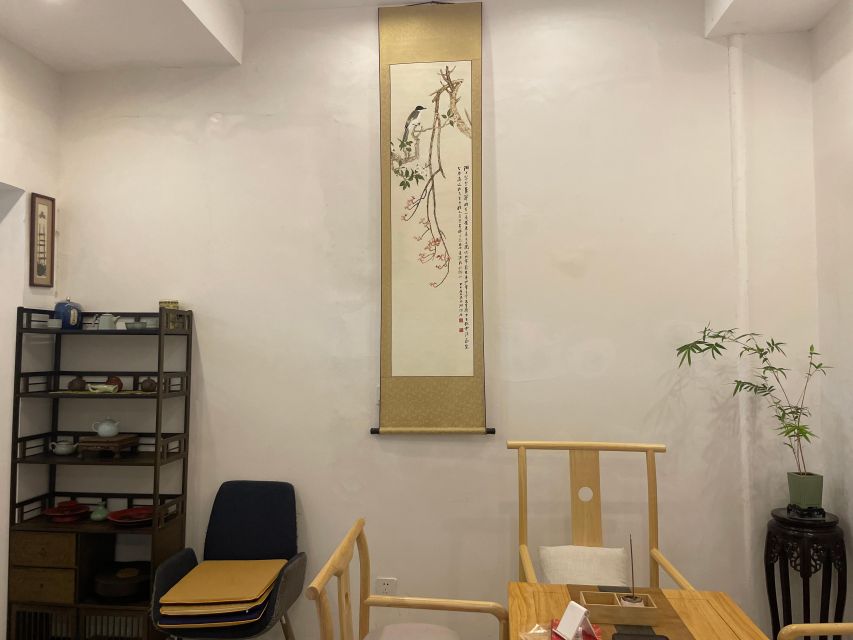
This one-hour experience takes place in central Beijing, close to the Forbidden City’s eastern side. The tea workshop is described as about 150 meters from the east gate, while the included directions also refer to a point 800 meters west of the Forbidden City exit gate. Those descriptions may refer to different approach points, so I would confirm the exact meeting location before setting out.
That small bit of planning matters. The Forbidden City is enormous, and its gates and exits are not interchangeable. If you have just finished touring the palace grounds, you may be several minutes from the tea courtyard even when the map appears to show a short distance.
The surrounding area adds real value. Nearby sites include Pudusi inheritance and the Imperial Ancestral Temple, so the tea stop can fit naturally into a day focused on old Beijing. You are not being taken far out of the city center for a staged cultural show. You remain close to one of Beijing’s main sights, but the mood changes quickly once you enter the hutong lanes.
A courtyard setting also gives you a look at how central Beijing is organized beyond the imperial landmarks. The experience is built around contact with local residents and a family whose roots in the area go back generations. That does not turn the session into a full neighborhood tour, but it gives the tea lesson a more personal setting than a formal museum demonstration.
More Chinese Tea Ceremonies in China
- Traditional Chinese Tea Ceremony Experience
★ 4.7 · 74 reviews - Traditional Chinese Tea Ceremony Experience
★ 5.0 · 7 reviews - Beijing:Learn Calligraphy & Enjoy Kung Fu Tea Ceremony
★ 5.0 · 2 reviews
Choosing between green, black, wulong, and Pu’Er tea
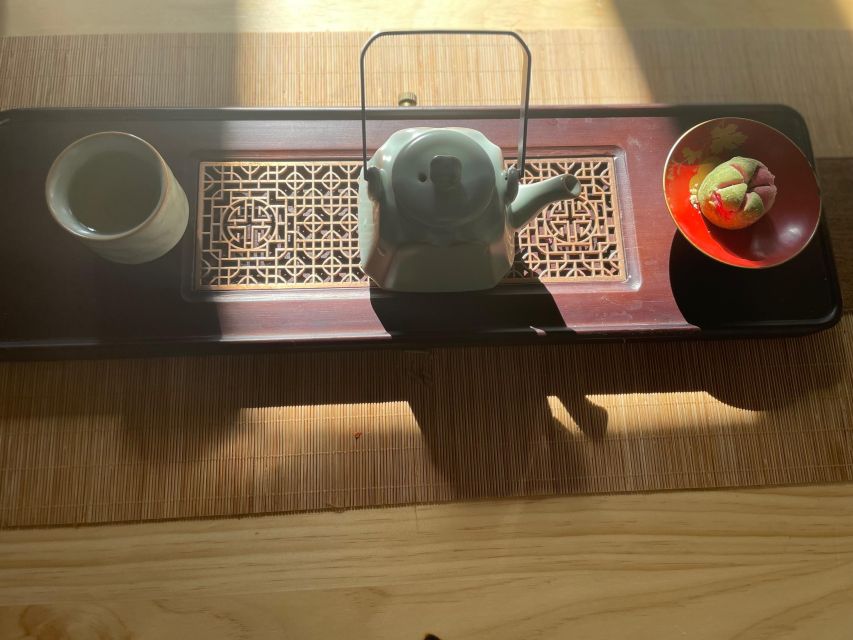
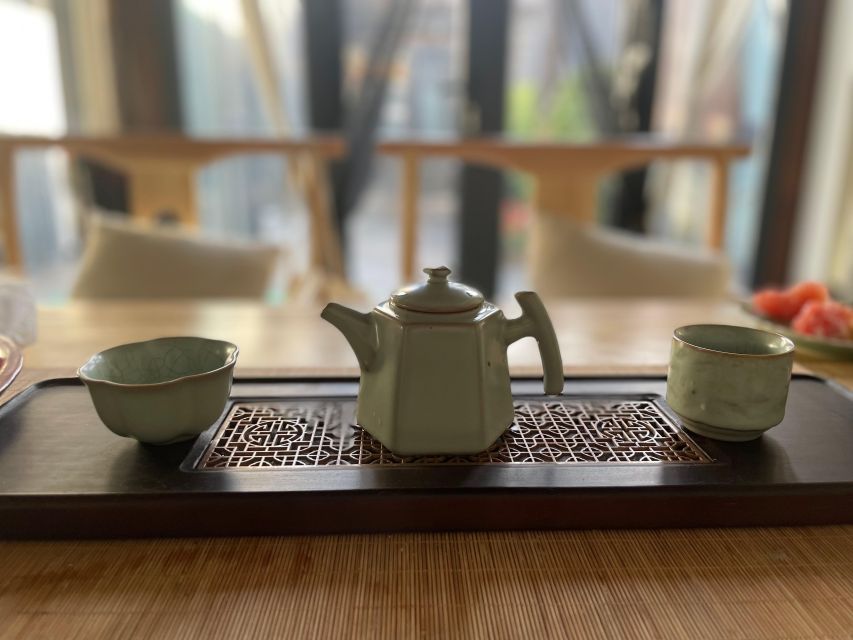
You receive one pot of tea, with different types available to choose from. The listed choices are green tea, black tea, wulong tea, and Pu’Er tea. This range lets you pick a flavor style that suits you, or use the session to try something unfamiliar.
The hosts explain the differences between the teas and how they fit into Chinese tea customs. You can expect the conversation to cover more than taste. The lessons include how tea is prepared, how it is served, and the cultural meaning attached to the ceremony.
Several detailed points make this more than a simple tasting. You learn which teas may suit different seasons, how people discuss tea’s effects on the body, and why preparation changes the final flavor. The session also covers the proper way to hold a teacup, a small detail that helps you understand the manners surrounding tea.
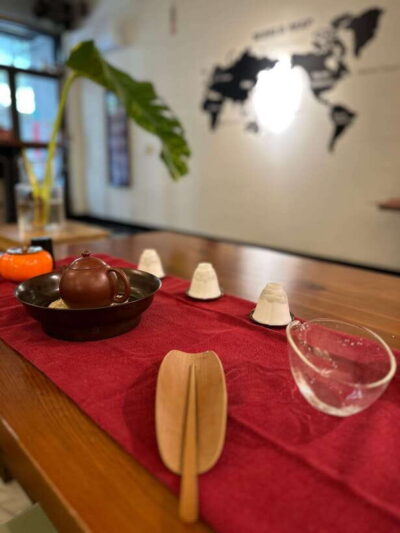
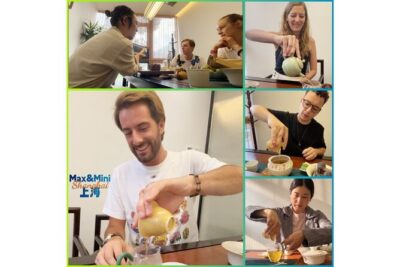
If you usually make tea by pouring boiling water over leaves and waiting several minutes, this is where the experience can change your habits. The tea is brewed in a more careful, repeated way, with attention to water, timing, and handling. You are shown the process and can try it yourself.
The choice of tea also means the session can work for people who are not already tea enthusiasts. One participant who did not consider themselves a tea lover still found the drinks enjoyable and the conversation worthwhile. You do not need a trained palate to get something from this hour.
What the tea ceremony actually teaches
The word ceremony can suggest a long, formal performance. Here, expect something more relaxed and interactive. The hosts prepare the tea, explain the steps, and invite you to take part.
You learn how the tea is presented and how to drink it in a way that fits Chinese custom. The handling of the cup, the brewing process, and the relationship between tea and snacks all become part of the lesson. The point is not to memorize strict rules. It is to understand why tea is prepared and shared in this manner.
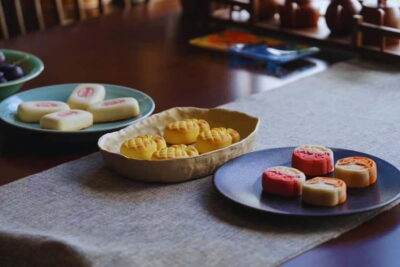
The tea snacks are complimentary and chosen to go with the drinks. They add a pleasant change of texture and show how tea is part of a wider social ritual, not just a beverage. The snacks are not described as a meal, so you should still plan lunch or dinner separately.
The instruction is in English. The experience provider is Bayi Teahouse, and the hosts are described as friendly and easy to talk with. Limeng is named specifically and has been praised for her English communication and ability to explain both tea customs and the hutong setting.
The strongest part of the session is likely to be the exchange around the tea. You can ask about brewing, local customs, or life around the Forbidden City. The small group format helps here. With no more than four participants, the conversation should feel less like a lecture and more like sitting down with a local family.
A local conversation, not just a tasting
The tea is the activity’s anchor, but the people make the hour memorable. You meet hosts connected to the neighborhood, including a family that has lived in the area for generations. That gives you a chance to ask about local life rather than hearing only a prepared script about Chinese tea.
The experience is especially useful if you want a cultural meeting that does not demand an entire afternoon. Beijing sightseeing can be intense. The Forbidden City involves large courtyards, long walks, and a steady flow of major rooms and gates. A quiet hour in a hutong courtyard provides a welcome change of pace.
You also get a small lesson in how to approach Beijing through conversation. The hosts can discuss tea and the city together, linking a daily habit to local customs and older traditions. Past participants have also received practical food suggestions, including advice about finding Beijing duck away from the most tourist-focused restaurants. That kind of exchange is a bonus, not a guaranteed part of the formal program, but it shows the value of having time with local hosts.
Do not book this expecting a long walking tour of the hutongs. The main activity is the tea ceremony, with the courtyard and surrounding lanes providing context. A short walk through a nearby hutong may be included or suggested, but the published details do not promise a full neighborhood route.
More Tea Ceremonies in China
- Beijing Culture: Tea Ceremony, Heritage Instrument & Calligraphy
★ 5.0 · 57 reviews - Beijing Culture Event: Tradition Music, Tea Ceremony, Calligraphy
★ 5.0 · 11 reviews - Beijing: Temple Of Heaven+Tai Chi Class+Tea Ceremony
★ 5.0 · 8 reviews - Beijing Tai Chi and Tea Ceremony Experience
★ 5.0 · 4 reviews
How it fits with a Forbidden City day
The location makes this easy to pair with central Beijing sightseeing. You could schedule the tea before entering the Forbidden City, after leaving it, or between nearby historic sites. The one-hour length is short enough to fit into a busy day, though you should allow extra time for finding the correct gate and courtyard.
If you visit the Forbidden City first, confirm which exit brings you closest to the tea location. The directions refer to both the east gate and a point west of the exit gate, so relying only on a general map pin could make the meeting harder to find.
Hotel pickup is listed as included, with instructions to wait in your hotel lobby ten minutes before the scheduled pickup time. At the same time, the workshop is described as being near the Forbidden City, so I would confirm how pickup works for your booking. The supplied information does not explain the pickup route, vehicle, or whether every central hotel is covered.
The session is wheelchair accessible, another useful point for anyone planning a full day around the palace grounds. Beijing’s major historic areas can involve long distances, so the short duration and seated format may be helpful. Still, you should confirm the exact entrance and surface conditions with the provider if you need a fully step-free route.
Is $31 a fair price?
At $31 per person, the cost is not the lowest way to drink tea in Beijing. You can find tea in many cafés for much less. The value here comes from the instruction, the courtyard setting, the small group, the choice of tea, and the chance to speak with local hosts near the Forbidden City.
For one person or a couple, that can be a sensible price for a focused cultural activity. You are paying for an organized meeting in English, not simply a pot of tea. The hosts explain brewing and customs, provide snacks, and give you a chance to participate.
For a family of four, the total cost deserves more thought. One participant found the experience worthwhile but considered it expensive for a full family group. That reaction is fair: four individual prices add up quickly for a one-hour activity, even when the setting and instruction are good.
There is also a pricing detail that needs clarification. The information supplied lists an additional charge of 100 RMB per person under items not included. It does not clearly say what that fee covers. Ask Bayi Teahouse to confirm the complete total before booking, especially if you are comparing this with other tea experiences in Beijing.
The flexible booking terms help reduce the risk. You can cancel up to 24 hours in advance for a full refund, and the reserve-now, pay-later option lets you keep your plans open. Starting times depend on availability, so check the schedule against your Forbidden City admission time.
Who will enjoy this most
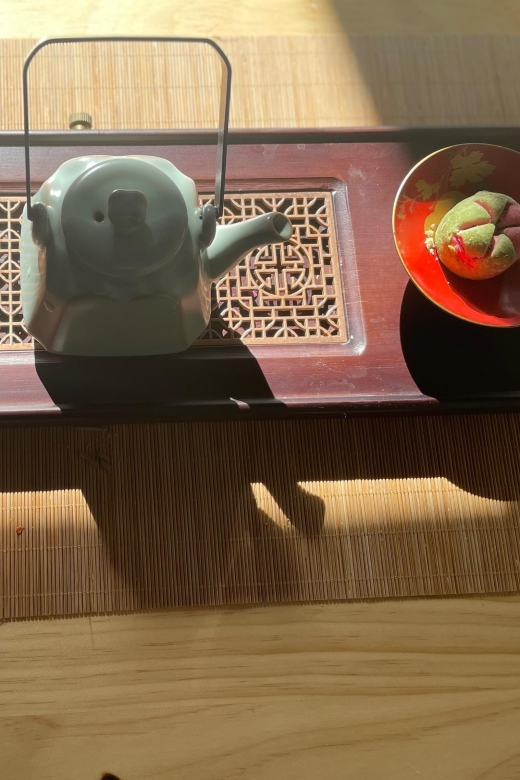
I would recommend this to you if you want a calm, personal cultural activity close to Beijing’s main sights. It suits people who enjoy conversation, food traditions, and small details of daily life more than large performances.
It is a good choice for:
- First-time visitors who want a gentle introduction to Chinese tea customs.
- Couples looking for a quiet break near the Forbidden City.
- Families who prefer an interactive lesson to another sightseeing stop.
- People who are curious about hutong life and local residents.
- Tea drinkers who want to compare green, black, wulong, and Pu’Er tea.
- Anyone with only an hour to spare between central Beijing attractions.
You may want to skip it if your only goal is to see as many sights as possible, or if you expect a large tea market, a full meal, or an extended walking tour. The activity is compact and conversational. Its appeal depends on your interest in sitting down, listening, tasting, and asking questions.
The small group limit is a clear advantage. With no more than four participants, you should have room to ask about brewing and cultural habits without competing with a large crowd. The English instruction also makes the explanations easier to follow for international visitors.
Practical advice before you go
Confirm the meeting point in writing. The directions refer to the east gate of the Forbidden City and also to a spot 800 meters west of the exit gate. Those are not precise enough for a first visit to this huge complex.
Ask about the 100 RMB per person charge. The listed price is $31 per person, but the additional fee is not explained. A clear total will help you judge the value for your group.
Allow time to reach the courtyard. Even a short distance near the Forbidden City can take longer than expected because of security checks, crowds, traffic, and the size of the palace grounds.
Wear comfortable shoes if you are combining the experience with sightseeing. The tea itself is seated, but getting to the courtyard and moving around the nearby historic area may involve walking.
Do not expect a full meal. Complimentary snacks are provided with the tea, but they are meant to accompany the tasting rather than replace lunch.
If you want a particular tea, ask about the choices when you arrive. The available types are green, black, wulong, and Pu’Er tea. The experience includes one pot, so choosing carefully is part of the fun.
Should you book the hutong tea ceremony?
I would book this if you want human contact and cultural detail close to the Forbidden City. The tea lesson is practical, the setting is personal, and the hosts add warmth that a standard sightseeing stop cannot provide.
The strongest reasons to go are the small group, the English instruction, the chance to try several tea styles, and the opportunity to learn directly from hosts connected to the hutong community. Limeng and the other hosts are central to the experience, and the conversation appears to be as important as the tea itself.
I would hesitate only if the extra 100 RMB charge makes the price too high for your group, or if you are looking for a longer tour. Confirm the fee, pickup arrangement, and exact location first. If those details work for you, this is a smart one-hour addition to a Forbidden City day and a more personal way to meet Beijing than another quick photo stop.
FAQ
How long does the Chinese tea ceremony last?
The experience lasts one hour.
Where does the tea ceremony take place?
It takes place in a traditional hutong courtyard in central Beijing, close to the Forbidden City. The information gives directions from both the east gate and a point west of the Forbidden City exit, so confirm the exact meeting point before going.
Which teas can I choose from?
The available choices include green tea, black tea, wulong tea, and Pu’Er tea.
Is food included?
Complimentary snacks are served with the tea. A full meal is not listed as included.
Is the activity taught in English?
Yes. English instruction is provided, and English is listed as the activity language.
How many people are in the group?
The activity is limited to four participants.
Is hotel pickup available?
Yes. Pickup is listed as included, and you are asked to wait in your hotel lobby ten minutes before the scheduled pickup time.
Can I cancel the booking?
You can cancel up to 24 hours in advance for a full refund. The reserve-now, pay-later option is also available.
More Tea Ceremonies in Beijing
- Beijing: Chinese Culture Tea Ceremony Reservation Service
★ 4.8 · 4 reviews - Private Beijing Spiritual Tour with Lunch and Tea Ceremony
★ 5.0 · 2 reviews - Kyoto: Tea Ceremony in a Traditional Tea House in Kiyomizu
★ 4.9 · 3,519 reviews - Kyoto: Tea Ceremony Ju-An at Jotokuji Temple
★ 4.9 · 3,207 reviews
More Chinese Tea Ceremonies in Beijing
- One-Day Hangzhou Dragon Well Tea Culture & West Lake Private Tour
★ 5.0 · 98 reviews - Authentic Hangzhou Longjing Tea Culture Experience Tour
★ 5.0 · 32 reviews - Tainan Culture Trip: Chinese Tea Ceremony_Oolong Tea
★ 5.0 · 29 reviews - Unlock Chinese Tea: Culture, Science, Tasting & Hands-on Brewing
★ 5.0 · 12 reviews
Newly steeped around Beijing
- Private Tour to the Temple of Heaven and Tea tasting at the Maliandao Tea city★ 5.0 · 3 reviews
- Temple of Heaven Private Tour and Tea Tasting at Maliandao Tea Street★ 5.0 · 2 reviews
- Private Beijing Spiritual Tour with Lunch and Tea Ceremony★ 5.0 · 2 reviews
- Traditional Chinese Tea Ceremony Experience★ 5.0 · 7 reviews
- Beijing Tai Chi and Tea Ceremony Experience★ 5.0 · 4 reviews
- 3-Hour Private Hutong Walking Tour with Drum Show at Drum Tower and Tea Tasting★ 5.0 · 3 reviews
- 3-hour Morning/Afternoon Tea Tasting on Maliandao Street & Dimsum★ 5.0 · 7 reviews
- Beijing Hands-On Culture Tour: Tea, Instrument, Calligraphy★ 5.0 · 6 reviews
Chinese Tea Ceremony Tours, compared.
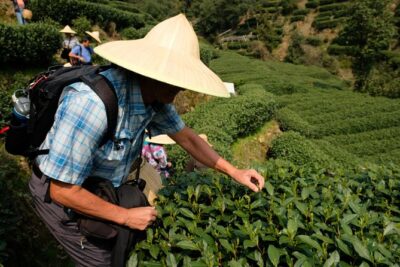
One-Day Hangzhou Dragon Well Tea Culture & West Lake Private Tour
Read our review →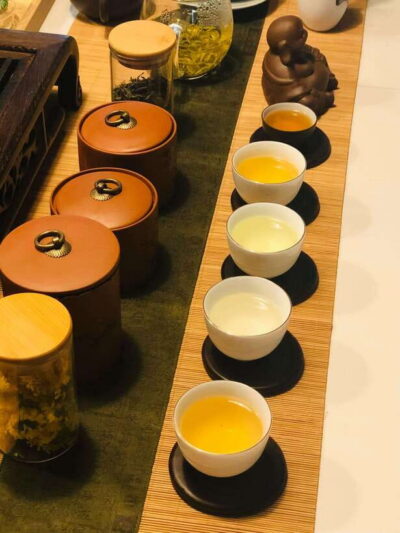
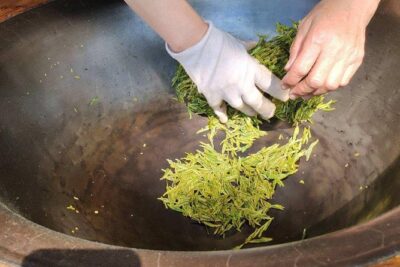
Unlock Chinese Tea: Culture, Science, Tasting & Hands-on Brewing
Read our review →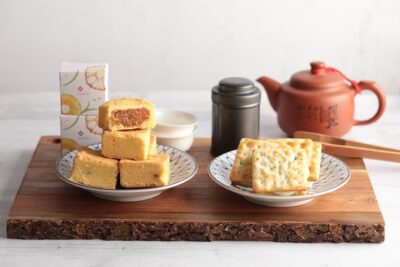
Taiwanese Baking Class with Oolong Tea Tasting in Taipei
Read our review →
Beijing:Learn Calligraphy & Enjoy Kung Fu Tea Ceremony
Read our review →Browse the lists this tea experience appears in