
Review · TOKYO
Tea Ceremony Workshop in Tokyo by the Experienced Instrucor
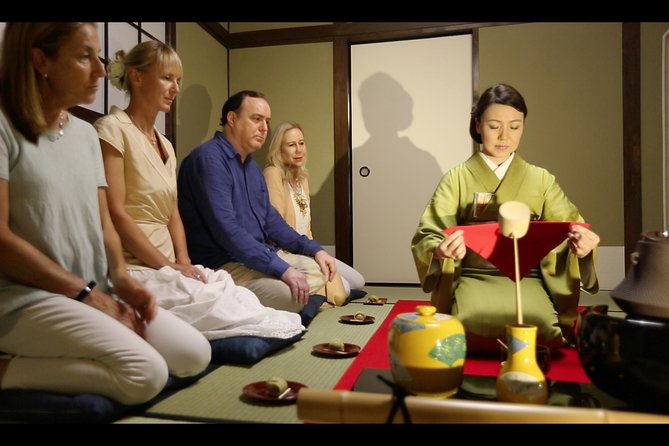
A quiet room, a bowl of vivid green matcha, and a host who explains every movement: this workshop gives you a practical introduction to Chado, the Japanese Way of Tea. You watch a formal ceremony, learn why the tea room is arranged as it is, and then make tea yourself rather than simply sitting back for a performance.
I especially like two things here. First, the class takes place in a real traditional tearoom inside a school licensed by the Urasenke Chado School in Kyoto. Second, you practice as both host and guest, tasting strong koicha and frothy usucha along with Japanese sweets. The main consideration is the old building: the tea room is upstairs, and its staircase is very steep.
Key points to know before booking
- A 1940s tea room in Asakusa: The workshop takes place in an old Japanese-style house with tatami mats and a traditional tea room.
- Two forms of matcha: You taste koicha, a strong tea associated with the older ceremonial tradition, then prepare usucha, the thinner foamy style.
- Instruction in English: The instructor explains the ceremony, its ideas, the tea bowls, and the steps for making matcha.
- A small class: The stated maximum is six people, though some descriptions refer to groups of up to eight, so confirm the final group size if that matters to you.
- Socks are required: Miniskirts, tight pants, and bare feet are not suitable for the tea room.
- Accessible seating choices: You do not need to sit in seiza, the formal kneeling position, and a chair can be provided if sitting on the tatami is difficult.
What this Tokyo tea ceremony really offers
This is not just a cup of matcha with a Japanese setting attached. The session introduces the ideas behind Chado, then lets you try the careful movements yourself. That distinction matters. You come away understanding how the host prepares tea, how the guest receives it, and why details such as the bowl, sweets, posture, and order of service all matter.
The experience is run by an instructor from a school licensed by the Urasenke Chado School in Kyoto. One instructor, Ms. Haneishi, has been practicing tea ceremony for 28 years, according to the information provided for the experience. Her long practice helps explain why the session includes more than a quick demonstration.
At the same time, this is an introduction rather than a full formal tea ceremony lasting several hours. That makes it a good choice for a first encounter, especially if you want cultural context without giving up half a day of sightseeing.
The activity costs $38.47 per person. For Tokyo, that is a reasonable price for a small-group class that includes instruction, several tea tastings, traditional sweets, a formal demonstration, and hands-on practice. You are paying for teaching and access to a functioning tea school, not simply for a beverage.
More Tea Ceremonies in Tokyo
- Kimono Tea Ceremony at Tokyo, Asakusa Maikoya
★ 5.0 · 638 reviews - Tokyo: Traditional Tea Ceremony with a Tea Master
★ 5.0 · 528 reviews - Asakusa: Kimono Tea Ceremony with Matcha and Sweet
★ 4.9 · 153 reviews
Finding the tea room in Asakusa
The meeting point is 2-chōme-3-12 Kotobuki, Taito City, Tokyo 111-0042. The activity ends at the same place. It is near public transportation, and the surrounding Asakusa area makes it easy to pair the class with other sightseeing.
Pay close attention to the address. The updated location is 2-3-12, while Google Maps may show 2-3-3 for reasons noted by the operator. That small difference could leave you standing at the wrong entrance, so check the address before setting out.
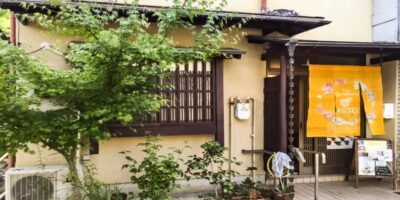
The building dates from the 1940s. This gives the workshop much of its character, but it also means you should not expect a modern venue. The tea room is on the second floor, reached by a very steep staircase. There is no machinery to help with the climb.
The operator also notes a weight capacity for the old house. The stated maximum is six people, though another part of the information refers to eight. A group may occasionally be asked to change its time to balance the building’s load. If you are booking for a larger party, contact the provider before finalizing plans.
Sakura tea and the short introduction
The session begins with a cup of Sakura tea, made with cherry blossom. It is a gentle welcome before the stronger flavors that follow and gives the host a chance to settle everyone into the room.
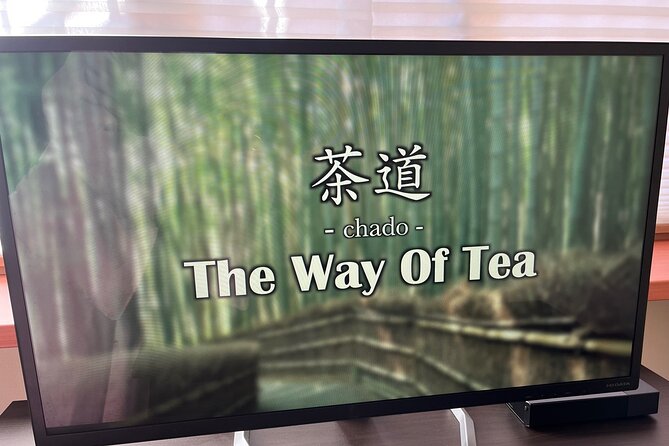
A 10-minute video explains the history and core ideas of Chado. This may sound less atmospheric than starting immediately on the tatami, but it gives you useful bearings. The formal gestures make more sense once you understand that tea ceremony concerns attention, hospitality, respect, and leaving ordinary distractions behind for a while.
The video also keeps the live instruction focused. Instead of spending the first part of the class on a long lecture, the instructor can use the tea room to show how the ideas work in practice.
Entering the tatami room
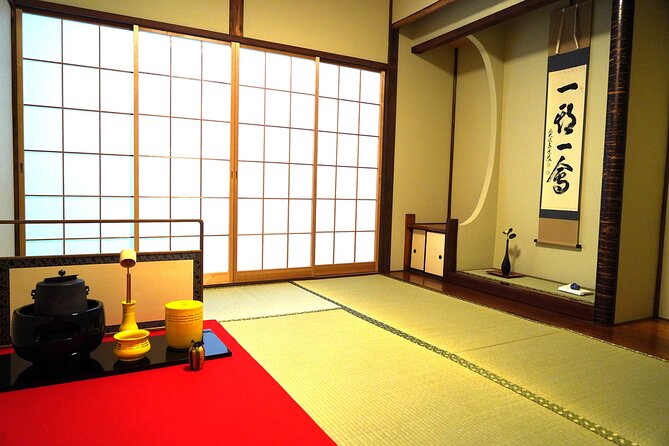
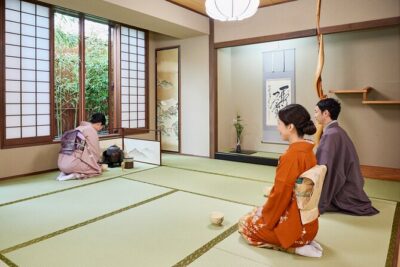
The tea room is one of the most appealing parts of the experience. Tatami, traditional objects, tea bowls, and the quiet pace create a clear break from the movement of Tokyo outside. The room is not presented as a museum display. You sit in it, watch tea being made there, and take part in the process.
You do not need to use seiza, the formal kneeling style with your legs folded beneath you. That is important for many people, since holding the position can be uncomfortable even during a short ceremony. If you cannot sit on the floor, a chair can be provided.
Dress with the room in mind. Bare feet are not allowed, so bring socks. Miniskirts and tight pants are discouraged because you will be sitting and moving on tatami. Comfortable, modest clothing will make the session easier.
The tea room is upstairs, and the steep staircase is the main practical limitation. Most people can participate, but the building is not equipped with a lift or other climbing aid. If you have mobility concerns, ask the provider before booking.
Same leaf, a different ritual:
- Matcha Making Class in Tokyo with Authentic Japanese Sweets Set
★ 5.0 · 744 reviews - Dynamic Tokyo: Tokyo Tower, Tea Experience, Bay Cruise Day Tour
★ 4.5 · 521 reviews - Tokyo: Matcha Making Experience with Mochi Sweets in Asakusa
★ 4.9 · 388 reviews - Asakusa Cultural Walk & Matcha Making Tour
★ 5.0 · 245 reviews
Watching koicha, the formal tea
The instructor performs a formal preparation of koicha, the thick, strong matcha traditionally treated as the main tea in a ceremony. The taste is more concentrated than the thin matcha drinks commonly served in cafés, so you should approach it as part of the lesson rather than expect a sweet or mild beverage.
Koicha is linked here with the older tea tradition enjoyed by samurai. That detail gives the demonstration a sense of place in Japanese culture, but the real value is watching the sequence of actions. The host moves with purpose, and the ceremony becomes easier to follow because the instructor explains what is happening.
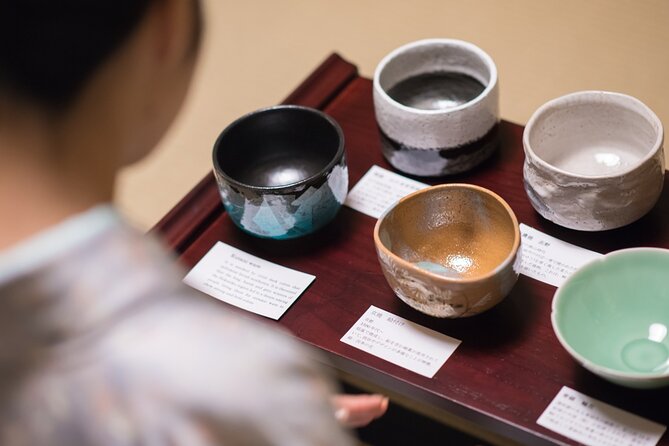
You also learn about tea bowls from different regions. Their shapes can affect the way the tea looks, feels, and tastes. This is a fine example of how Chado turns ordinary objects into part of the experience. A bowl is not only a container. Its form, texture, and origin contribute to the occasion.
The formal performance is mainly for watching and understanding. You then get your own chance to work with the tea-making tools.
Making usucha yourself
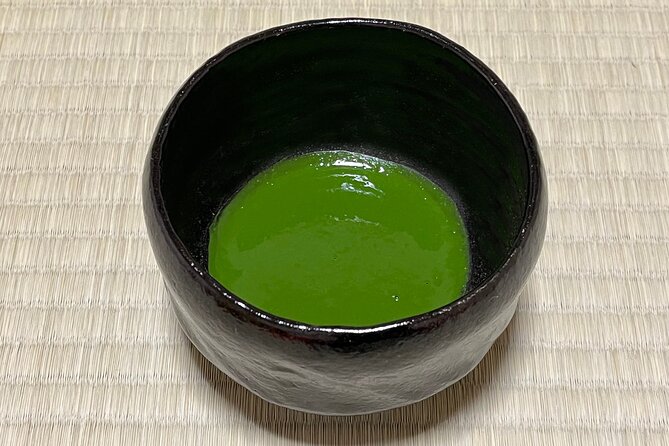
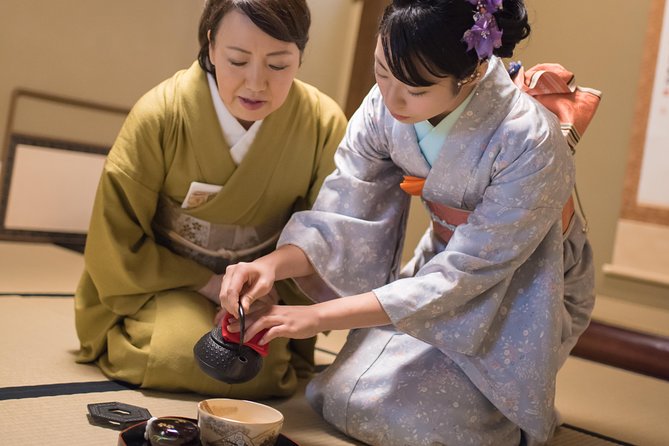
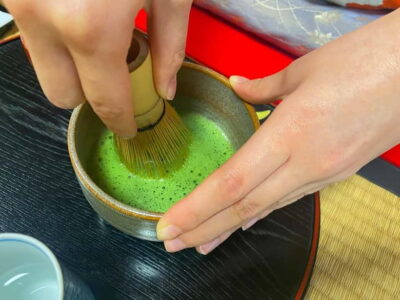
The hands-on section focuses on usucha, the thinner style of matcha with a thick layer of foam. The instructor shows you how to prepare a bowl, then provides the materials so you can make your own tea.
This is the strongest part of the workshop for anyone who prefers learning by doing. You see how much technique goes into producing that fine foam, and you gain a better sense of the host’s work after trying it yourself. Do not worry about producing a perfect bowl on the first attempt. The point is to learn the movements and understand the care involved.
You practice serving tea as well as receiving it. That gives the class a social element often missing from a simple matcha tasting. You learn the basic relationship between host and guest, and the ceremony feels less like a staged show and more like a shared activity.
The instructor’s English fluency is another practical advantage. The teaching is not limited to memorized gestures. You can follow explanations about the history, cultural meaning, tea types, and equipment.
Sweets, tea flavors, and the guest’s role
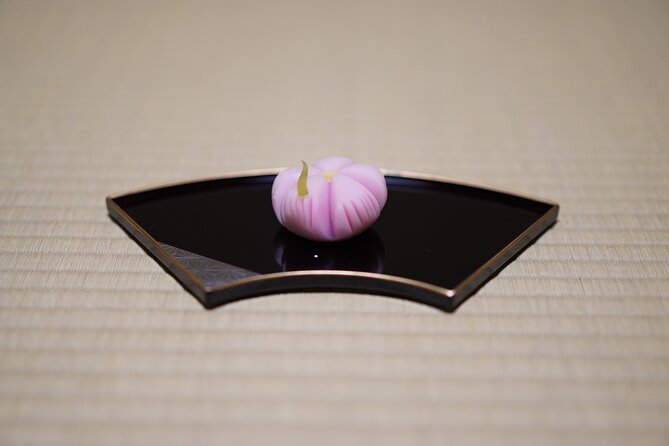
Japanese confectionery is served at several points during the class. You can expect three kinds of local Japanese sweets, including traditional confectionery and dry sweets before the usucha. These are not just extras for the table. Sweet flavors prepare the palate for the bitterness of matcha.
You taste several kinds of tea and learn to notice your own preferences. That makes this more useful than a single sample. Koicha gives you the strongest impression, while usucha is lighter in body and topped with foam.
The balance of sweet and bitter is central to the experience. A beautifully shaped confection may be part of the visual presentation, while the dry sweets provide a simpler accompaniment before drinking usucha. The class connects food, tea, objects, and manners without turning the session into a technical tasting course.
The guest’s role also matters. You learn how to receive tea, appreciate the bowl, and take part in the quiet rhythm of the room. These small actions may feel unfamiliar at first, but the instructor guides you through them.
How long the workshop takes
The listed duration is approximately 1 hour and 30 minutes. That is long enough for the video, welcome tea, formal performance, explanation of the room and bowls, sweets, koicha, and your own usucha preparation.
The timing works well in a Tokyo sightseeing day. You can fit the workshop between visits around Asakusa rather than losing a full morning or afternoon. Multiple workshop times are available, which helps if you are arranging trains, meals, or other bookings.
Do not expect a slow, extended tea ceremony in the traditional sense. The class is deliberately shorter and more accessible. One useful way to view it is as a structured lesson with a ceremonial performance inside it.
Who will enjoy this experience most
I would recommend this workshop to first-time visitors who want more than a quick matcha drink. It suits people who enjoy cultural activities, small classes, and instruction that explains why customs exist.
It is also a good family option. The minimum age is 10, and the activity can work for older children and teenagers who are willing to sit quietly, listen, and try the tea-making steps. The class has been enjoyed by families with teenagers, and a young participant even became interested enough to buy matcha afterward.
Couples may appreciate the peaceful setting and the chance to make tea together. Solo participants can also fit comfortably into the small class, and the intimate format makes it easier to ask questions.
This is less suitable if you want a free-flowing food tour, a modern café experience, or a large theatrical presentation. It requires a little patience and respect for the room. The steep staircase also rules it out for some people unless they can manage the climb safely.
What the high rating tells you, and what it does not
The experience has a 4.9 rating from 189 ratings, with 98 percent recommending it. The praise centers on the instructor’s warmth, clear English explanations, calm atmosphere, and the chance to make tea rather than only watch.
Those strengths are easy to understand. The class is intimate, the teacher explains each step, and the school setting gives the activity a sense of purpose. The sweets and multiple teas add variety, while the short video helps set the scene.
You should still set your expectations correctly. One assessment described the class as a basic introduction. That is fair. You will learn the foundations of Chado, not become a tea master in 90 minutes. The formal side is condensed, and the hands-on section is designed for beginners.
That is not a weakness for most visitors. A short, well-organized introduction may be more useful than a longer ceremony you cannot follow. If you already study Chado or want an advanced lesson, you may find the material too elementary.
Booking, clothing, and cancellation details
Confirmation is sent within 48 hours, subject to availability. The experience is offered as a mobile ticket, and free cancellation is available if you cancel at least 24 hours before the start time. Changes or cancellations made inside that 24-hour window are not accepted for a refund.
Wear clothing that lets you sit comfortably, bring socks, and double-check the new address before leaving. If you need a chair or have concerns about the staircase, contact the provider in advance rather than waiting until arrival.
The activity is designed for people age 10 and above. Most people can participate, but the second-floor location and old building are important details to consider.
Should you book this Tokyo tea ceremony?
Book it if you want a small, hands-on introduction to Japanese tea ceremony with clear English instruction and a traditional setting. The mix of koicha, usucha, sweets, tea bowls, and your own preparation gives you a fuller experience than a simple tasting.
I would especially choose it for a first visit to Tokyo, a family with older children, or anyone who wants a calm cultural break in Asakusa. At $38.47, the price is fair for the amount of teaching and participation included.
Skip it if you need step-free access, dislike sitting on tatami, or already have advanced Chado training. For everyone else, bring socks, allow time to find 2-chōme-3-12 Kotobuki, and arrive ready to slow down for a while. That quiet change of pace is the real point of the class.
FAQ
Where does the tea ceremony workshop meet?
It meets at 2-chōme-3-12 Kotobuki, Taito City, Tokyo 111-0042, Japan, in the Asakusa area. The activity ends back at the same meeting point.
How long does the workshop last?
The listed duration is approximately 1 hour and 30 minutes.
What kinds of tea will I try?
You receive Sakura tea as a welcome drink, taste koicha, and prepare and drink usucha. The session also introduces different types of matcha and tea bowls.
Do I have to sit in seiza?
No. You do not have to sit in seiza. A chair can be provided if you cannot sit on the tatami.
Are socks required?
Yes. Socks are required in the tea room, and bare feet are not allowed.
What is the cancellation policy?
You can cancel at least 24 hours before the experience starts for a full refund. Cancellations or changes made less than 24 hours before the start time are not accepted for a refund.
Newly steeped around Tokyo
- Yokohama : Tea Ceremony with Sweets and Souvenir★ 5.0 · 5 reviews
- Walking Tour: Yanaka,Nezu& Sendagi: Tea Ceremony & Old Tokyo★ 5.0 · 3 reviews
- Private Mochi・Matcha sweets Making Class Near Shibuya Area★ 5.0 · 22 reviews
- 2 Hours Mochi &Nerikiri Making & Matcha Class in Bunkyo★ 5.0 · 21 reviews
- Private Kimono and tea ceremony at local home near Tokyo Disney★ 5.0 · 6 reviews
- Kimono and Tea Ceremony in Asakusa Private Food Tour With Guide★ 5.0 · 4 reviews
- Giant Sushi Cooking Class: Make a 1.5m Sushi Roll in Tokyo★ 5.0 · 9 reviews
- Tokyo Tea Ceremony Class at a Traditional Tea Room★ 5.0 · 2 reviews
Tea Ceremony Experiences, compared.
Kyoto: Tea Ceremony in a Traditional Tea House in Kiyomizu
Read our review →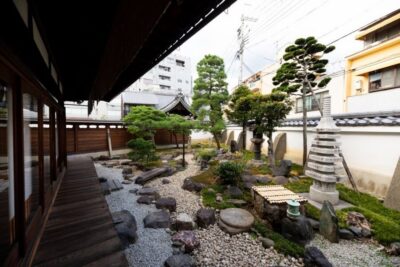
Kyoto: 45-Minute Tea Ceremony Lesson Experience
Read our review →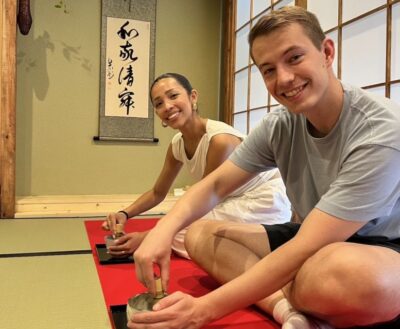
Kyoto: Table-Style Tea Ceremony at a Kyo-Machiya
Read our review →

Browse the lists this tea experience appears in