
Review · TOKYO
Privately visit local home for relax tea ceremony &music, Tokyo
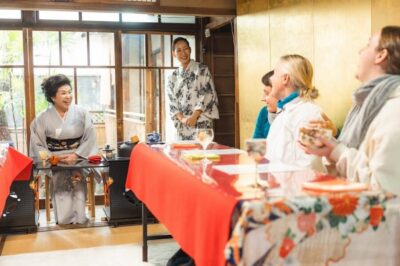
A visit to Noriko’s home trades formal ceremony for something warmer: you sit down, share matcha, and talk freely about Japan. You’ll also hear her play the koto, then try a melody yourself. I like the easy setting and the chance to ask questions that rarely fit into a large group tour.
I also like the clear travel plan: Shin-Urayasu Station is about 20 minutes from Tokyo Station, followed by a short walk. The main consideration is the price, $81 per person for about two hours, with the optional yukata costing another 3,500 yen. This is best for people who value personal contact over a grand historic venue.
Key Points at a Glance
- Private home setting: Your group visits Noriko’s cozy Japanese home, rather than joining a crowded public demonstration.
- Hands-on matcha: Noriko prepares the first bowl, then guides you through making the second.
- Live koto music: You hear two pieces and get a chance to play this traditional instrument.
- Seasonal sweets: Tea comes with two small sweets and one seasonal sweet.
- Optional yukata: Add cotton kimono dress for 3,500 yen, including a simple hairstyle for women.
- Simple access: Meet at Shin-Urayasu Station, about 20 minutes from Tokyo Station and a four-minute walk from the nearest station exit.
A Quiet Cultural Visit Near Tokyo
Many Japanese cultural activities put you in a polished venue with strict steps and set phrases. This one takes a different path. Noriko welcomes you into her home, explains what she is doing, and keeps the tea ceremony relaxed.
That difference matters. You do not need to know how to kneel, bow, hold a tea bowl, or follow every traditional rule before you arrive. Noriko gives you enough background to understand the ritual, then lets you enjoy it without worrying about mistakes.
I see this as an introduction to Japanese culture rather than a formal lesson in tea ceremony. You will learn the basic shape of the experience, but the real value comes from the personal exchange. You can ask about tea, music, history, customs, or other parts of daily life in Japan.
The private format is especially useful if you are traveling with family, friends, or a small group with different interests. You can pause to ask a question, ask Noriko to explain a gesture, or spend more time on the music. A large class usually cannot offer that kind of back-and-forth.
More Tea Ceremonies in Tokyo
- Kimono Tea Ceremony at Tokyo, Asakusa Maikoya
★ 5.0 · 638 reviews - Tokyo: Traditional Tea Ceremony with a Tea Master
★ 5.0 · 528 reviews - Tea Ceremony Workshop in Tokyo by the Experienced Instrucor
★ 5.0 · 189 reviews
Meeting Noriko at Shin-Urayasu Station
The meeting point is Shin-Urayasu Station, identified as station JE08. From Tokyo Station, the journey takes about 20 minutes. You then walk roughly three minutes to Noriko’s home, with the nearest station only about four minutes away on foot.
This makes the activity fairly easy to fit into a Tokyo day, but remember that the experience takes place in Shin-Urayasu, not central Tokyo. You should allow time to reach the meeting point and return afterward. The activity ends back at the same meeting point.
Noriko meets you at the station and walks with you to her home. That removes the stress of finding an unfamiliar private address on your own. It also starts the visit in a friendly way, with a local host guiding you from the station.
The setting is part of the appeal. You are not entering a staged cultural center built for large groups. You are visiting a real home, where the atmosphere is personal and informal. That can make the conversation feel more natural, though anyone expecting an elaborate historic tea house should adjust those expectations.
Making Matcha Without the Pressure
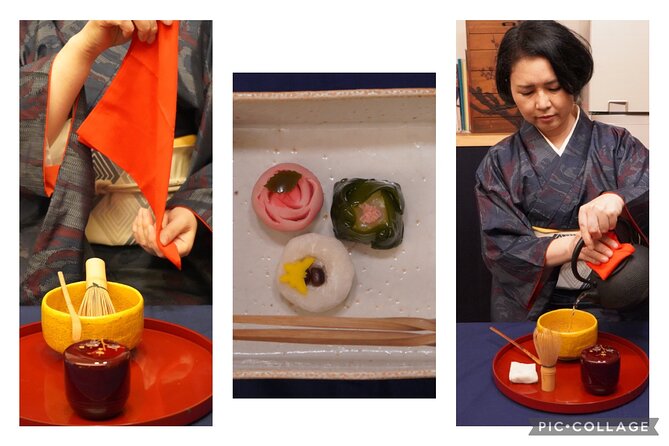
The tea portion begins with a short explanation of the ceremony’s background. Noriko prepares the first bowl of matcha while showing you what she is doing. You then make a second bowl yourself, following her instructions step by step.
This two-part structure works well. Watching first gives you a clear example, while preparing your own tea makes the activity more than a demonstration. You get to handle the process and see how simple or challenging it feels.
The relaxed approach is important. Traditional tea ceremony can involve precise movements, formal manners, and a strong sense of order. Here, Noriko keeps the focus on understanding and enjoyment. You can pay attention to the flavor, the tools, and the gestures without feeling that one wrong movement has ruined the ceremony.
Your matcha comes with two small sweets and one seasonal sweet. These are not presented as a full meal, so eat beforehand if you need lunch or dinner. Their purpose is to balance the tea and give you a small taste of the seasonal side of Japanese hospitality.
I like that the activity gives you two chances to drink tea. The first bowl lets you settle into the setting. The second connects you directly to the practice. If you are curious about matcha but uneasy about a very formal ceremony, this is a sensible middle ground.
Hearing and Playing the Koto
After the tea, Noriko introduces the koto, a traditional Japanese string instrument. She performs two pieces before handing the experience over to you.
The order is well chosen. You hear what the instrument can do before trying it yourself. Then you can test the strings, follow Noriko’s direction, and see how quickly a simple melody comes together.
For many people, the koto will be the less familiar part of the visit. Tea ceremonies are common on cultural schedules, but a chance to hear a private performance and touch the instrument is harder to find. The music gives the experience another layer without turning it into a concert.
Do not expect a long recital or a professional music class. The performance consists of two pieces, followed by an opportunity for you to play. The point is participation and curiosity, not technical training.
One of the strongest reasons to choose this activity is the range of subjects Noriko can discuss. The visit covers tea, music, history, and questions about Japan in one small setting. I would especially recommend it if you prefer asking questions to simply watching a guide speak.
Same leaf, a different ritual:
- Matcha Making Class in Tokyo with Authentic Japanese Sweets Set
★ 5.0 · 744 reviews - Dynamic Tokyo: Tokyo Tower, Tea Experience, Bay Cruise Day Tour
★ 4.5 · 521 reviews - Tokyo: Matcha Making Experience with Mochi Sweets in Asakusa
★ 4.9 · 388 reviews - Asakusa Cultural Walk & Matcha Making Tour
★ 5.0 · 245 reviews
Adding the Yukata for 3,500 Yen
You can add a cotton kimono, called a yukata, for 3,500 yen. The fee can be paid in cash, by card, or through PayPal. You need to request this option when booking, since it adds time to the visit.
For men, dressing takes about 10 minutes. For women, choosing the yukata and getting dressed takes about 20 to 30 minutes. Women also receive a simple hairstyle. Afterward, Noriko helps take photos.
This option changes the feel of the experience. Without it, you have a focused two-hour tea and music visit. With it, the activity becomes a small cultural photo session as well. If wearing traditional clothing is a major goal, the extra fee is easy to understand.
The added cost is less attractive if you only want a quick look at a yukata. Dressing time extends the visit, and the main tea and music program already costs $81 per person. I would choose the add-on for a special occasion, a family photo, or a first visit to Japan, rather than treating it as an essential part of the tea ceremony.
The simple hairstyle for women is a thoughtful extra, but the description does not promise a full salon-style arrangement. Expect a practical traditional touch, not an elaborate beauty appointment.
What the $81 Price Buys You
At $81 per person, this is not the cheapest way to drink matcha in Tokyo. You can find tea in cafés and see cultural performances at larger venues for less. The value here comes from privacy, guidance, and the mix of activities.
You are paying for about two hours with a host who gives personal attention to your group. The price includes the home visit, the guided tea experience, two small sweets and a seasonal sweet, a koto performance, and your turn at the instrument.
That package makes more sense for someone who wants conversation and participation. If you only want to taste matcha, the cost will feel high. If you want to ask questions, prepare tea, hear live music, and try a Japanese instrument in one sitting, the price is easier to justify.
The private format also gives the activity value for families and small groups. Everyone can take part rather than watching from the back of a room. Group discounts are available, though the exact discount is not specified, so check the total before booking.
The optional yukata fee is separate. Include the 3,500 yen in your budget if you want the clothing and photos. The base price does not include that addition.
Who Will Get the Most From This Visit
I would recommend this experience to you if you want a gentle introduction to Japanese customs without strict ceremony rules. It fits first-time visitors who want context, as well as repeat visitors who prefer a personal conversation over another major sightseeing stop.
It also suits families. Children and adults can watch the tea, make matcha, hear music, and try the koto. The private setting lets Noriko adjust the pace more easily than a large public class.
Couples and small groups may enjoy the yukata option, especially if photos are important. Solo visitors can also benefit from the personal format, though the price per person may feel harder to justify alone.
This is less suitable for you if you want a grand temple, a historic tea pavilion, or a long formal ceremony. The location is a private home in the Tokyo area, not a famous landmark. It is also not a full Japanese cooking class, a concert, or an extended kimono fitting.
The experience is strongest when you arrive with questions. Ask about the meaning of the tea steps, the koto, seasonal sweets, or everyday customs. The private setting gives you room to shape the conversation.
Practical Details Before You Book
The activity lasts about two hours and returns to the meeting point at Shin-Urayasu Station. You should plan your day around the timing, especially if you add the yukata, since dressing and photos extend the visit.
Confirmation is provided when you book, and mobile tickets are supported. Service animals are allowed. The meeting point is near public transportation, and the station-to-home walk is short.
The activity is private, meaning only your group participates. That is the main reason to book it instead of a standard group class. You will not need to compete for the guide’s attention or fit your questions into a fixed public schedule.
The activity is usually booked about 20 days in advance. That does not guarantee that every date sells out, but it is a useful planning clue. If your Tokyo schedule is fixed, booking ahead gives you a better chance of finding a suitable time.
Free cancellation is available if you cancel at least 24 hours before the start time. Changes or cancellations made inside that 24-hour window are not accepted for a refund, and the cut-off uses local Tokyo time.
How This Fits Into a Tokyo Itinerary
The visit works well as a calm break from major city sights. Since it takes place outside central Tokyo, you may want to pair it with other plans in the same general direction rather than crossing the city just for a short appointment.
That said, the train ride from Tokyo Station is only about 20 minutes, so the location is not difficult to reach. The short walk from Shin-Urayasu Station keeps the final part simple, and Noriko meets you at the station.
Allow enough time before the meeting. Rushing from a crowded sightseeing area into a quiet tea ceremony would work against the experience. You will get more from it if you arrive ready to slow down, listen, and take part.
I would not schedule an important timed attraction immediately afterward unless you leave plenty of room. The standard visit is about two hours, and the yukata option adds more time. The activity ends at the meeting point, so you can continue from there once the visit is finished.
Final Call: Is This Private Tea Visit Worth Booking?
Book it if you want personal contact, a relaxed tea ceremony, and an activity that gives you something to do rather than simply something to watch. Noriko’s mix of matcha, seasonal sweets, koto music, and open conversation offers more variety than a basic tea tasting.
The strongest points are the private home setting and the chance to play the koto after hearing two pieces. I also value the fact that Noriko guides you through making your own tea instead of keeping you at a distance.
Skip it if your main goal is a historic venue, a formal tea master’s demonstration, or the lowest possible price. At $81, the value depends on enjoying the personal format. Add the yukata only if the clothing, hairstyle, and photos matter to you.
For a small group seeking a friendly cultural introduction near Tokyo, this is a well-focused choice. Bring your questions, leave room in your schedule, and think of it as a conversation with tea and music, not a grand ceremonial show.
FAQ
Where does the experience begin?
It begins at Shin-Urayasu Station, station JE08, at 1 Chome-1 Irifune, Urayasu, Chiba 279-0012, Japan.
How far is Shin-Urayasu Station from Tokyo Station?
The station is about 20 minutes from Tokyo Station.
How do I reach Noriko’s home from the station?
Noriko meets you at Shin-Urayasu Station and walks with you to her home. The walk takes about three minutes.
How long does the experience last?
The main experience lasts approximately two hours. Adding the yukata option extends the total time.
Is the activity private?
Yes. Only your group participates in the activity.
Who hosts the experience?
Noriko hosts the visit at her Japanese home.
Do I prepare my own matcha?
Yes. Noriko prepares the first bowl, then guides you step by step as you prepare the second bowl.
What sweets are included?
You receive two small sweets and one seasonal sweet with the tea.
Can I wear a yukata?
Yes. A cotton yukata is available for an additional 3,500 yen. The option must be requested when booking.
How much time does the yukata option take?
Dressing takes about 10 minutes for a man and about 20 to 30 minutes for a woman, including selection. Women also receive a simple hairstyle.
Can I cancel for a refund?
Yes. You can receive a full refund if you cancel at least 24 hours before the experience start time. Cancellations or changes made less than 24 hours before the start time are not accepted for a refund.
Newly steeped around Tokyo
- Yokohama : Tea Ceremony with Sweets and Souvenir★ 5.0 · 5 reviews
- Walking Tour: Yanaka,Nezu& Sendagi: Tea Ceremony & Old Tokyo★ 5.0 · 3 reviews
- Private Mochi・Matcha sweets Making Class Near Shibuya Area★ 5.0 · 22 reviews
- 2 Hours Mochi &Nerikiri Making & Matcha Class in Bunkyo★ 5.0 · 21 reviews
- Private Kimono and tea ceremony at local home near Tokyo Disney★ 5.0 · 6 reviews
- Kimono and Tea Ceremony in Asakusa Private Food Tour With Guide★ 5.0 · 4 reviews
- Giant Sushi Cooking Class: Make a 1.5m Sushi Roll in Tokyo★ 5.0 · 9 reviews
- Tokyo Tea Ceremony Class at a Traditional Tea Room★ 5.0 · 2 reviews
Tea Ceremony Experiences, compared.
Kyoto: Tea Ceremony in a Traditional Tea House in Kiyomizu
Read our review →
Kyoto: 45-Minute Tea Ceremony Lesson Experience
Read our review →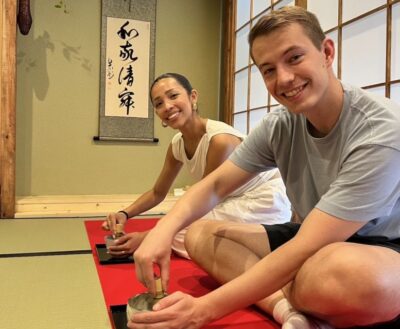
Kyoto: Table-Style Tea Ceremony at a Kyo-Machiya
Read our review →


Browse the lists this tea experience appears in