
Review · TOKYO
Tokyo 6 hr Private Guided Tour & Tea Ceremony Experience
Tokyo sightseeing can feel like a game of city pinball. This tour gives you a local guide, a traditional tea ceremony, and a chance to choose your own two or three stops instead of chasing a fixed route across town.
I like the hotel pickup option within Tokyo’s 23 Special Wards, and I like the personal format. A guide can explain temple customs at Senso-ji, help you read the city’s neighborhoods, and adjust the day to your interests. The main caution is that six hours goes quickly, and transportation, entrance fees, lunch, and a private vehicle are not included.
Key points to know before booking
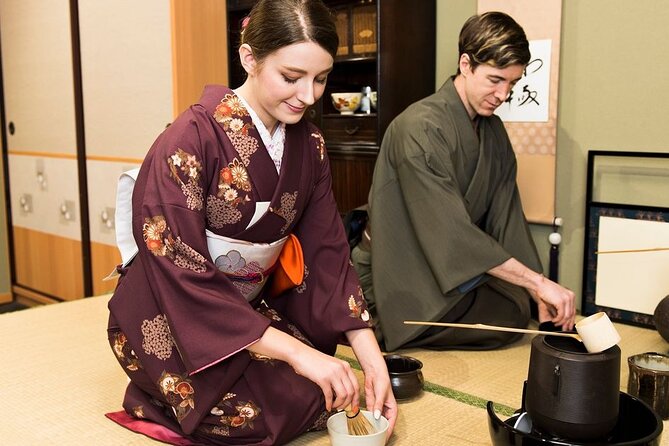
- The tea ceremony is the anchor: Jidaiya provides a one-hour Japanese culture experience designed to give you more than a quick photo stop.
- You choose two or three sights: Options include Asakusa, the Imperial Palace, Harajuku, Meiji Jingu, Shibuya, Akihabara, Tsukiji, and several gardens.
- The tour crosses very different parts of Tokyo: You can pair old Asakusa with modern Shibuya, or focus on shrines, gardens, markets, and local neighborhoods.
- Transport is on your account: The tour does not include subway fares, other transport fees, a private car, or most entrance tickets.
- The guide matters a great deal: Taka received especially warm praise for building a strong itinerary and keeping the day fun. One experience with Kris was less smooth because of pace, subway exits, photos, and communication.
- It suits a small party: The maximum is 10 people, and you cannot combine tour groups.
A six-hour Tokyo day built around your interests
The best way to think about this experience is not as a grand tour of every famous Tokyo sight. It is a private planning service with a cultural activity built in.
You select two or three places from a long menu. Your guide then helps you connect them with the tea ceremony. That matters in Tokyo, where attractions can look close on a map but take time to reach by rail and on foot.
You may want old Tokyo, modern pop culture, Japanese gardens, or a mixture of all three. The choices let you shape the day around your energy and interests. If this is your first visit, Asakusa and Meiji Jingu give you a useful introduction to traditional Japan. If you have already seen the major shrines, Akihabara, Tsukiji, Shibuya, or Golden Gai may feel fresher.
The word private needs a little care here. The service is described as a private guided tour, but the maximum group size is 10. You also cannot combine tour groups. Confirm the arrangement for your party before booking if you expect a fully exclusive guide.
More Tea Ceremonies in Tokyo
- Kimono Tea Ceremony at Tokyo, Asakusa Maikoya
★ 5.0 · 638 reviews - Tokyo: Traditional Tea Ceremony with a Tea Master
★ 5.0 · 528 reviews - Tea Ceremony Workshop in Tokyo by the Experienced Instrucor
★ 5.0 · 189 reviews
Jidaiya and the one-hour tea ceremony
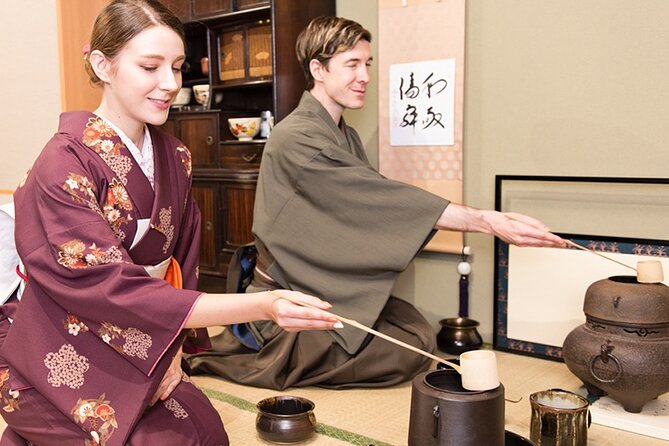
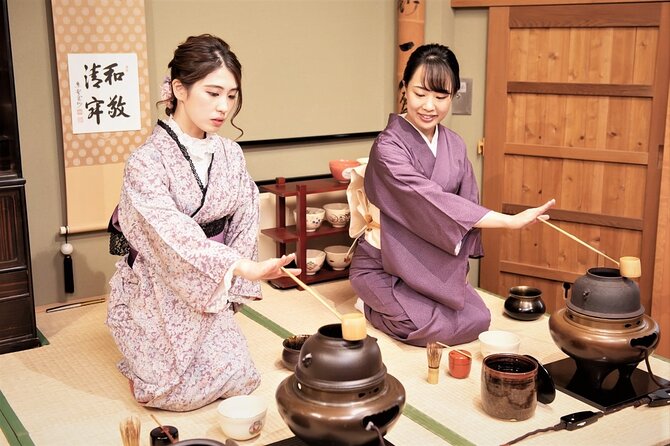
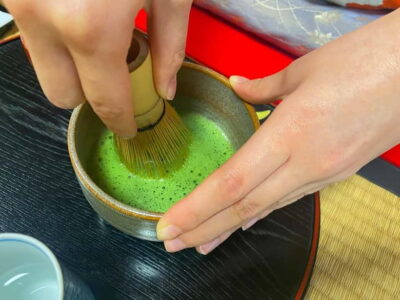
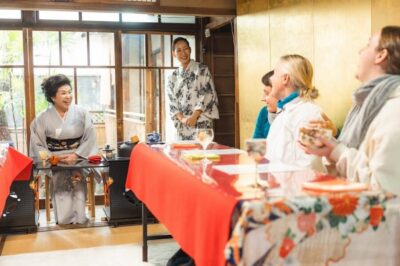
The tea ceremony at Jidaiya is the part that gives this tour its cultural focus. The program is built for people who want an alternative to ordinary Asakusa sightseeing and a more hands-on look at Japanese culture.
Plan on about one hour here. A tea ceremony is not just a drink served in a pretty room. The value is in seeing how movement, preparation, manners, and attention to detail come together. Your guide can help explain what you are seeing, which is useful if the customs feel unfamiliar.
This is also a sensible activity to place near Asakusa. The area already offers one of Tokyo’s strongest introductions to older traditions, so the ceremony does not feel like a random add-on to a city tour.
Kimono rental is not included. If dressing up is important to you, ask before booking rather than assuming it is part of the experience. The tea ceremony is included, but many other cultural activities or entry tickets are not.
Asakusa and Senso-ji: Tokyo’s old low city
Asakusa is one of the most useful choices for a first Tokyo day. It is the center of the city’s historic Shitamachi, or low-city district, where an older neighborhood character survives amid modern Tokyo.
Senso-ji is the main attraction. This Buddhist temple is one of Tokyo’s most colorful and popular religious sites, and its long history gives your guide plenty to explain. The legend says that two fishermen found a statue of Kannon in the Sumida River in 628. The temple grew around that discovery.
The scheduled time for Asakusa is about 30 minutes, with another 15 minutes at Senso-ji. That is enough for orientation and a quick look, but not enough for an unhurried visit to every part of the temple area. If you want time for shopping, snacks, photos, or quiet observation, tell your guide early.
Jidaiya is also listed separately from Asakusa and Senso-ji. In practical terms, choosing this cluster gives you a full traditional-Japan section of the day. It is a good match for first-time visitors, families, and anyone who wants context before wandering alone.
Imperial Palace: a quick view, not an interior tour
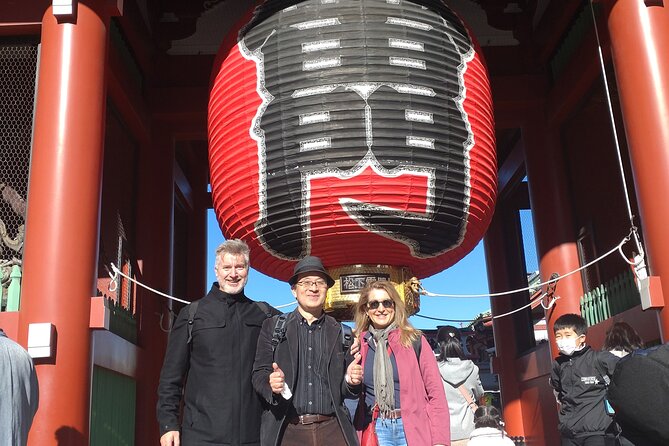
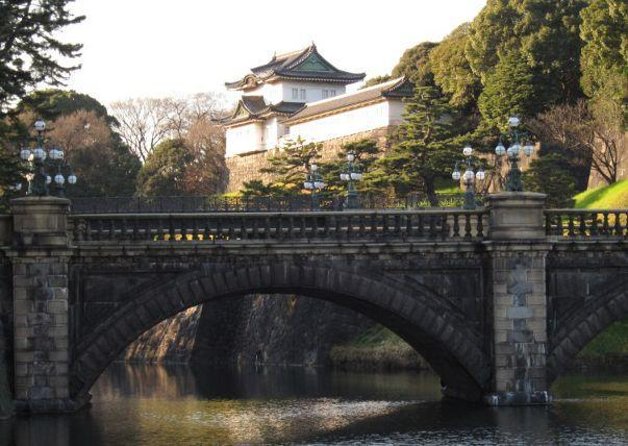
The Imperial Palace occupies the former site of Edo Castle and sits in a large park area surrounded by moats and stone walls. The tour does not include access inside the Imperial Palace.
You get about 30 minutes here, so treat this as an outside visit and orientation stop. It works well if you want a glimpse of Tokyo’s imperial center without spending hours on palace grounds.
Do not choose this stop expecting a palace interior tour. That access is specifically excluded. Since the tour also does not include a private vehicle, your guide will need to manage the route using Tokyo’s public transport and walking connections.
Same leaf, a different ritual:
- Matcha Making Class in Tokyo with Authentic Japanese Sweets Set
★ 5.0 · 744 reviews - Dynamic Tokyo: Tokyo Tower, Tea Experience, Bay Cruise Day Tour
★ 4.5 · 521 reviews - Tokyo: Matcha Making Experience with Mochi Sweets in Asakusa
★ 4.9 · 388 reviews - Asakusa Cultural Walk & Matcha Making Tour
★ 5.0 · 245 reviews
Hamarikyu Gardens and Tokyo Bay
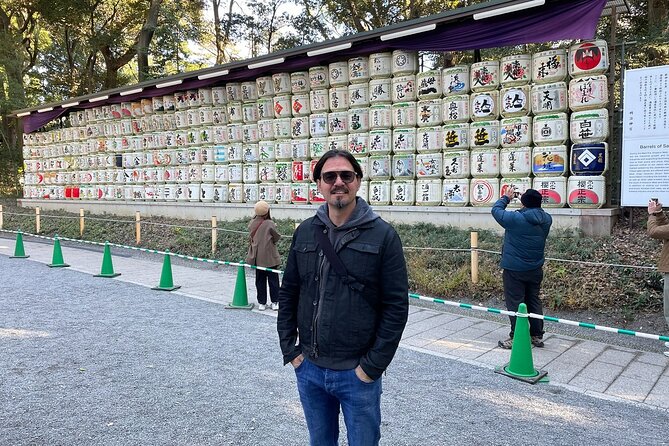
Hamarikyu Gardens offers a change of pace. This large central Tokyo garden sits beside Tokyo Bay and includes seawater ponds that change level with the tides. A teahouse adds another link to the tea culture featured at Jidaiya.
The planned visit is about 15 minutes, and admission is not included. That makes this a brief taste rather than a full garden visit. I would choose Hamarikyu if you want a calm break between city districts, but I would not select it if gardens are your main reason for booking unless you can arrange more time.
The garden also helps show Tokyo’s unusual mix of old and new. Traditional design sits close to the city’s modern commercial core. Your guide can give that contrast more meaning than a quick solo walk might.
Shibuya and Takeshita Street: modern Tokyo in two short stops
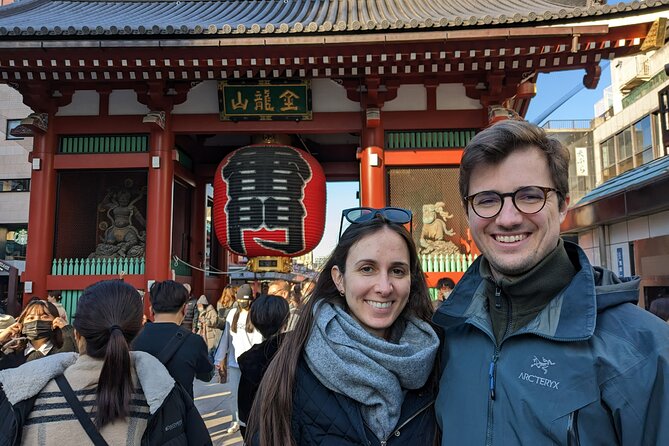
Shibuya Scramble Crossing is one of Tokyo’s best-known city scenes. It is the huge pedestrian crossing in front of Shibuya Station, where several streams of people cross at once. The supplied schedule does not give a separate duration for the crossing, so confirm how much time your guide plans to allow.
Takeshita Street brings you to Harajuku’s youthful fashion and shopping culture. The area around Harajuku Station is known for teenage styles and unusual fashion, but it also sits near one of Tokyo’s most important Shinto shrines.
The listed time for Takeshita Street is about 30 minutes. That is enough to get a feel for the area, but it is short for browsing shops or stopping for food. Choose it for atmosphere and contrast, not for a relaxed shopping afternoon.
Pairing Shibuya with Takeshita Street gives you a modern Tokyo snapshot. The drawback is distance and pace. With only six hours and other possible stops, you may spend a meaningful part of the day moving between districts.
Meiji Jingu: a quiet shrine beside Harajuku

Meiji Jingu is dedicated to the deified spirits of Emperor Meiji and Empress Shoken. Its location beside busy Harajuku Station makes the shift from city noise to shrine grounds especially striking.
The visit is scheduled for about 30 minutes. That is a useful introduction, though not a long, reflective walk. If you want a traditional shrine without giving up access to Harajuku, this is one of the strongest combinations on the menu.
I would pair Meiji Jingu with Takeshita Street rather than trying to fit it into a day already packed with Asakusa, Akihabara, and Tsukiji. The two Harajuku stops make sense together and reduce the feeling of zigzagging across Tokyo.
Akihabara and Tsukiji for a sharper contrast
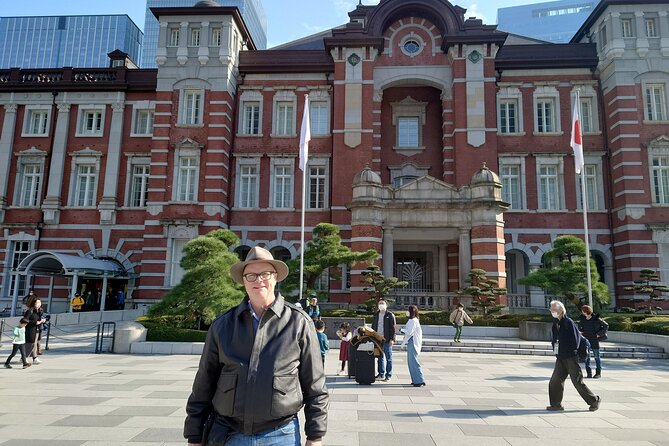
Akihabara is famous for electronics shops and is also known as a center of anime, manga, and related popular culture. The planned visit is about 30 minutes.
That timing lets you see the district and ask your guide what to look for, but it is not enough for serious shopping. If you are hunting for specific electronics or collectibles, you need more time than this tour can comfortably provide.
Tsukiji Fish Market now refers to the outer market district beside the former wholesale market site. It has wholesale and retail shops packed into several blocks. The visit is also planned for about 30 minutes.
Tsukiji is a good choice if food culture interests you, but lunch is not included. Budget for your own food and keep in mind that a short stop may leave you sampling only one small part of the area.
Three garden choices, three different moods
Rikugien Garden is often regarded as one of Tokyo’s finest Japanese gardens. It was built around 1700 for the fifth Tokugawa shogun, and its name refers to six forms of Chinese poetry.
Koishikawa Korakuen is another of Tokyo’s oldest and finest gardens. It was built in the early Edo period for the Mito branch of the Tokugawa family.
Shinjuku Gyoen National Garden offers broad lawns, walking paths, and a calmer setting close to Shinjuku Station. The listed visit is about 15 minutes, while Rikugien receives about 30 minutes and Koishikawa Korakuen about 15 minutes. Admission is not included for any of these garden choices.
These timings are important. I would select a garden only if you want a short introduction or if your guide can adjust the schedule. Garden lovers usually need time to walk, pause, and look. A fast pass through a garden can feel less rewarding than a focused visit to one shrine or neighborhood.
Golden Gai and the question of nightlife
Shinjuku Golden Gai grew from a postwar black market area into a cluster of very small eating and drinking establishments. Its tight lanes offer a very different view of Tokyo from the wide streets of Shibuya or the solemn grounds of Meiji Jingu.
The planned stop is about 30 minutes. That is enough to see the compact lanes, but not necessarily enough to settle in for a drink or meal. Personal expenses are not included, so any food or drink is your responsibility.
Golden Gai may suit you if you want a look at Tokyo’s older nightlife culture. It is less useful if your priority is a full evening out. Since this is a daytime six-hour experience unless your chosen start time says otherwise, confirm how the timing fits your plans.
What the $161.25 price really covers
At $161.25 per person, the price is reasonable only if you value personal guidance and the tea ceremony. You are paying for a licensed local English-speaking guide, a customizable route, and the included cultural activity.
You are not paying for a car, subway fares, entrance fees, lunch, or personal purchases. Hamarikyu Gardens, Rikugien, Koishikawa Korakuen, and Shinjuku Gyoen list admission as not included. The guide’s entry fees are covered only for sights specifically included under the tour terms.
That means the final cost can rise. Add transport and any garden admissions, then set aside money for food at Tsukiji or elsewhere. The value improves for a small party that wants help with route planning and cultural explanation. It is weaker for independent visitors who already know Tokyo’s rail system and prefer to explore at their own pace.
The guide can make or break the day
The strongest guide feedback is tied to Taka. He was praised for being fun, informed, and able to put together a terrific itinerary, including a memorable 3D art cafe stop. That suggests a good guide can use the flexible format well and add a personal touch beyond the standard sights.
One experience with Kris was less successful. The guide was described as pleasant, but there were problems with pace, finding subway exits, taking photos, and being understood. This is useful information because Tokyo’s scale and rail stations demand a guide who can move confidently.
You should arrive with a clear sense of your priorities. Tell the guide if you want temples, food, gardens, fashion, electronics, or photography. A focused request gives the guide a better chance to build a strong day and reduces the risk of spending too much time changing trains.
Pickup, group size, and practical limits
Hotel pickup is offered from within Tokyo’s 23 Special Wards. The included service also describes meeting the guide on foot within a designated area of Tokyo, so confirm the exact meeting arrangement for your hotel and booking.
No private vehicle is provided. Transportation fees are extra, and the experience relies on walking and public transport. Wear comfortable shoes and keep your schedule after the tour flexible. The route can include several parts of Tokyo, and station transfers take real time.
The maximum group size is 10. Most people can participate, and service animals are allowed. Free cancellation is available if you cancel at least 24 hours before the local start time. Changes or cancellations made later are not accepted for a refund.
Who should book this Tokyo experience
I would recommend it to first-time visitors who want help choosing between Tokyo’s many districts. It also suits families or small groups that want one guide for both sightseeing and a cultural activity.
It is especially useful if you want to compare old Asakusa, shrine-centered Harajuku, modern Shibuya, food-focused Tsukiji, and pop-culture Akihabara without planning every connection yourself.
I would hesitate if you want a slow day, long shopping sessions, extensive garden visits, or a private car. The short stop times and extra transport costs may frustrate you. I would also ask clear questions about the guide and meeting point if mobility, pace, or photography support is important.
FAQ
How long does the Tokyo guided tour last?
The experience lasts approximately six hours.
Is hotel pickup included?
Pickup is offered from hotels within Tokyo’s 23 Special Wards. The included service also refers to meeting the guide on foot within a designated area, so confirm the exact pickup details when booking.
How many sights can I choose?
The tour includes a customizable visit to two or three sites from the listed options. The tea ceremony is included separately as part of the experience.
Is the tea ceremony included in the price?
Yes. The tea ceremony experience is included, and it takes place through Jidaiya. Kimono rental is not included.
Are transportation and entrance fees included?
No. Transportation fees, entrance fees, lunch, and personal expenses are not included. Guide entry fees are covered only for sights listed under the tour terms.
What is the cancellation policy?
You can cancel at least 24 hours before the local start time for a full refund. Cancellations or changes made less than 24 hours before the start time are not accepted for a refund.
Should you book it?
Book this experience if you want a guide to shape a first Tokyo day around your interests and you like the idea of pairing sightseeing with a one-hour tea ceremony. The strongest value comes from the flexible route, the local English-speaking guide, and the chance to see several sides of Tokyo without doing all the planning yourself.
Choose your stops carefully. Asakusa with Jidaiya is the safest cultural choice. Meiji Jingu and Takeshita Street make a natural Harajuku pairing. Akihabara, Tsukiji, Shibuya, or Golden Gai work better if modern city life is your main goal.
Skip it if you prefer complete independence or want to spend a full morning in one garden, market, or shopping district. At $161.25 per person before transport and some admissions, this is a convenience-and-context purchase, not a bargain sightseeing bus.
Newly steeped around Tokyo
- Yokohama : Tea Ceremony with Sweets and Souvenir★ 5.0 · 5 reviews
- Walking Tour: Yanaka,Nezu& Sendagi: Tea Ceremony & Old Tokyo★ 5.0 · 3 reviews
- Private Mochi・Matcha sweets Making Class Near Shibuya Area★ 5.0 · 22 reviews
- Private Kimono and tea ceremony at local home near Tokyo Disney★ 5.0 · 6 reviews
- 2 Hours Mochi &Nerikiri Making & Matcha Class in Bunkyo★ 5.0 · 21 reviews
- Kimono and Tea Ceremony in Asakusa Private Food Tour With Guide★ 5.0 · 4 reviews
- Giant Sushi Cooking Class: Make a 1.5m Sushi Roll in Tokyo★ 5.0 · 9 reviews
- Tokyo Tea Ceremony Class at a Traditional Tea Room★ 5.0 · 2 reviews
Tea Ceremony Experiences, compared.
Kyoto: Tea Ceremony in a Traditional Tea House in Kiyomizu
Read our review →
Kyoto: 45-Minute Tea Ceremony Lesson Experience
Read our review →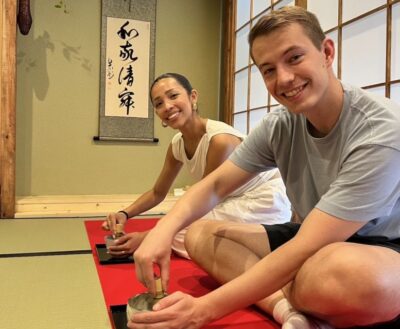
Kyoto: Table-Style Tea Ceremony at a Kyo-Machiya
Read our review →


Browse the lists this tea experience appears in