
Review · KYOTO
Kyoto: 45-Minute Tea Ceremony Lesson Experience
Kyoto’s tea ceremony is not a quick matcha demonstration. It is a quiet lesson in manners, movement, and attention. Here, an Urasenke-licensed tea master shows you the proper process, then lets you prepare the tea yourself on a tatami mat.
I like the clear teaching and the chance to taste two kinds of Japanese green tea with traditional sweets. I also like the setting near Kinkakuji, which makes this easy to pair with the Golden Pavilion. The main caution is time: 45 minutes passes quickly, and the full rules mean this feels more serious than a casual tourist photo stop.
Key points
- A real lesson, not just a matcha show: You watch the host prepare tea, then make your own cup according to tea ceremony rules.
- Urasenke instruction: The host is a licensed tea master from Japan’s largest tea ceremony school.
- Two tea flavors and Japanese sweets: You can compare the taste and learn how preparation affects the cup.
- Three ways to experience it: Choose a private ceremony, a small public session, or a candlelight ceremony.
- Kimono add-on available: Arrive 20 minutes early if you want to dress up and take photographs.
- One-minute walk from Kinkakuji-Michi: The meeting point is close to the Golden Pavilion gate and a city bus stop.
Why this 45-minute Kyoto tea ceremony works
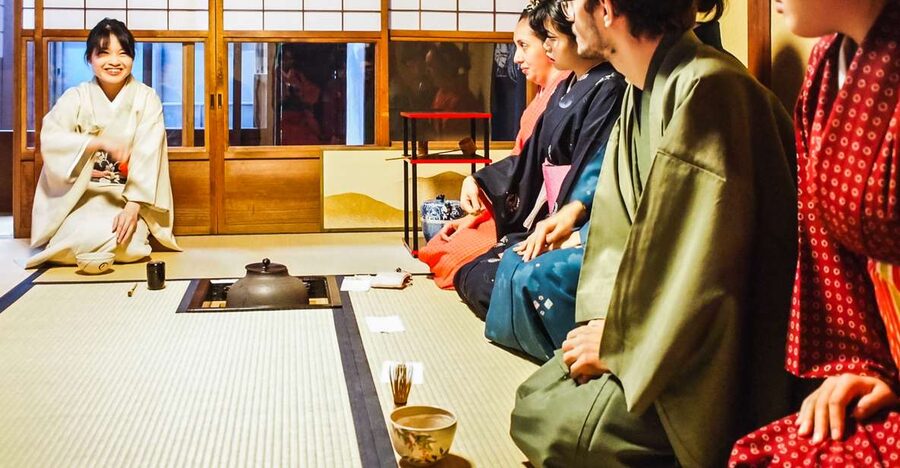
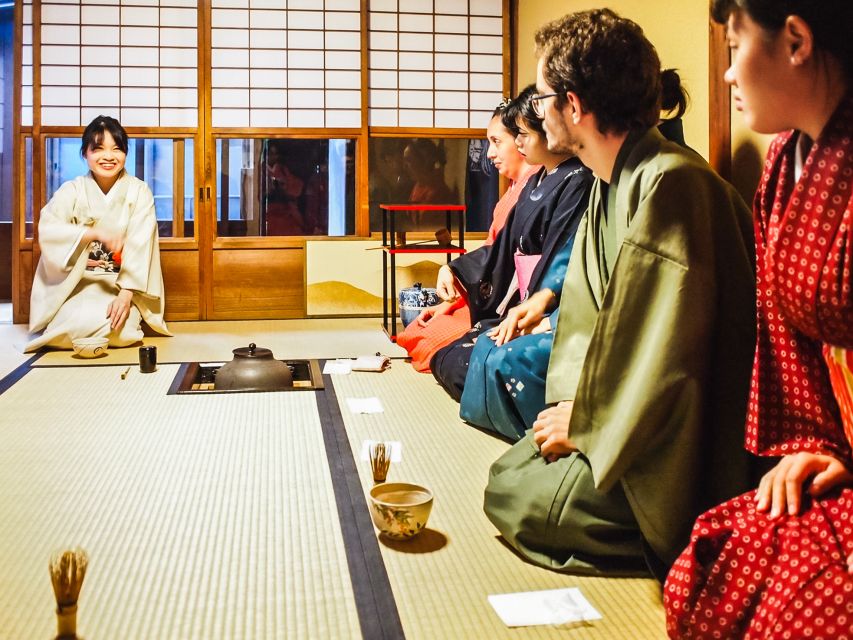
This experience focuses on the parts of tea ceremony that are easy to miss if you only watch a performance. You learn where to sit, how to receive the tea, how to hold the bowl, and how the tea master moves through each stage.
That matters because Japanese tea ceremony is built around small actions. The bow, the turn of the bowl, the use of the bamboo whisk, and the order of serving all carry meaning. You do not need prior knowledge, but you do need to pay attention.
The host explains the history and spiritual role of tea ceremony in clear English or Japanese. The lesson also covers how different preparation methods change the flavor. This gives you more than a pleasant cup of matcha. You leave with a better sense of why the ceremony is so precise.
The experience is designed for Japanese beginners rather than simplified only for international visitors. That makes it a good choice if you want to learn the basic rules properly. It also means you should not expect a loud, highly staged show.
More Tea Ceremonies in Kyoto
- Kyoto: Tea Ceremony in a Traditional Tea House in Kiyomizu
★ 4.9 · 3,519 reviews - Kyoto: Tea Ceremony Ju-An at Jotokuji Temple
★ 4.9 · 3,207 reviews - Kyoto: Table-Style Tea Ceremony at a Kyo-Machiya
★ 4.9 · 1,211 reviews
Sitting on tatami beside Kinkakuji
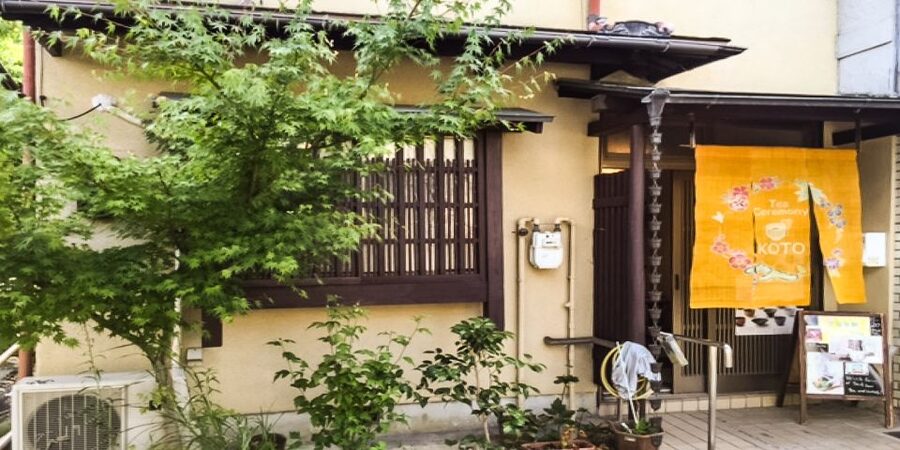
You enter through the sliding door with the orange curtain at the building. The tea house is a one-minute walk from the Kinkakuji-Michi city bus stop and roughly one minute from the gate of Kinkakuji itself.
The location is especially useful if you are planning to visit the Golden Pavilion. Look next to the bicycle parking area when coming from the temple. From Kitaoji subway station or JR Enmachi, buses 204 and 205 take about 10 to 15 minutes.
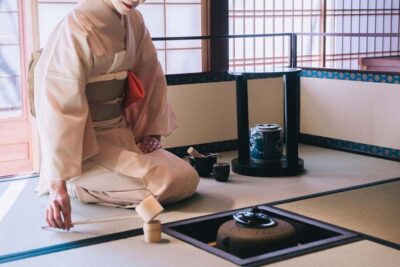
Once inside, you take your place on tatami, the traditional woven floor mat. The room and the floor seating help set the mood, but sitting on the floor may not suit everyone. If you have difficulty sitting this way, tell the provider in advance. Chairs can be arranged.
There is no dress code. You can wear ordinary sightseeing clothes, which is helpful after a day of walking around Kyoto. If you select the kimono option, arrive 20 minutes early. Kimono dressing cannot usually be added at the last minute.
Watching the tea master prepare matcha
The lesson begins with a demonstration. The host prepares powdered green tea with measured movements, showing how the bowl, scoop, whisk, and water are handled.
The value here is in the detail. You see that the tea is not simply stirred until it looks foamy. Each movement has a place in the sequence. The host also explains the polite behavior expected from the person receiving the tea.
English explanations are part of the experience, and several participants have found the instruction easy to follow. Joseph is one of the hosts named by name in the feedback, and other sessions are led by tea masters who explain the process patiently and answer questions.
The tone can vary slightly by instructor. Most descriptions point to a polite, calm, and well-prepared host, but one account found the manner a little abrupt. I would not book this expecting a chatty entertainment host. The teaching takes the tradition seriously, and that is part of the appeal.
Making your own tea, one careful movement at a time
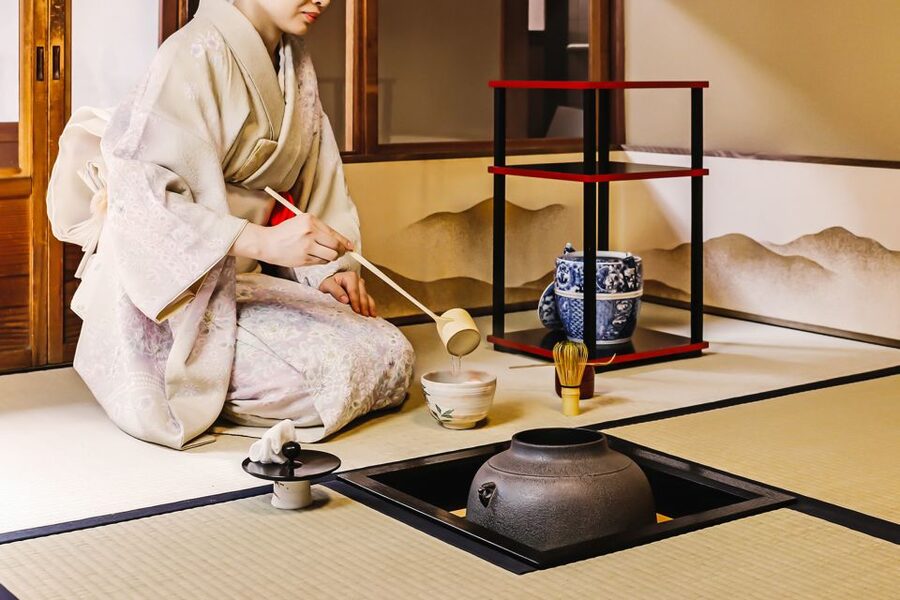
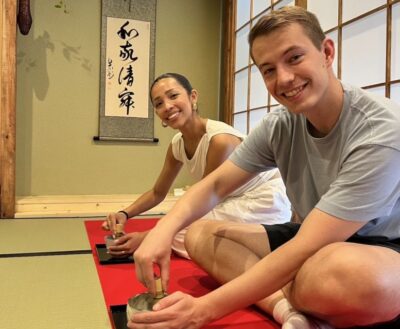
After watching, you prepare matcha yourself. The host guides you through the steps and explains what to say and do during the ceremony.
This is the most useful part for many people because it turns you from an observer into a participant. You can feel how much control is needed to create a smooth, frothy tea. The host also points out how preparation affects flavor, so you are not just copying motions without context.
You should expect correction and reminders. This is a lesson in established manners, not a free-form craft workshop. The provider even asks participants to watch short videos about what not to do before arriving. That may sound strict, but it helps prevent small misunderstandings once the ceremony begins.
Phones may be used for photographs, but video recording is not allowed. The rule supports the quiet atmosphere and keeps the focus on the ceremony. It also means you should not plan to film every movement for later.
Same leaf, a different ritual:
- Kimono Tea Ceremony at Kyoto Maikoya, NISHIKI
★ 5.0 · 911 reviews - Arashiyama Bamboo, Temple, Monkeys, or Secret Sake Brewery
★ 4.8 · 886 reviews - Kyoto: Arashiyama Bamboo Forest, Monkeys, Matcha & Temple Tour
★ 5.0 · 759 reviews - Kyoto: Kimono Tea Ceremony at Orizuruya Gion
★ 4.9 · 618 reviews
Two green teas and a plate of Japanese sweets
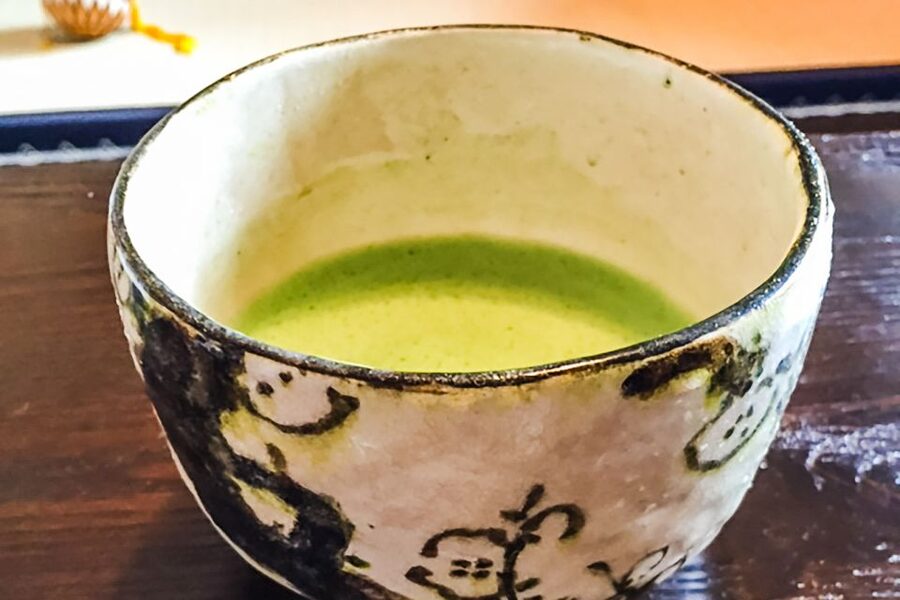
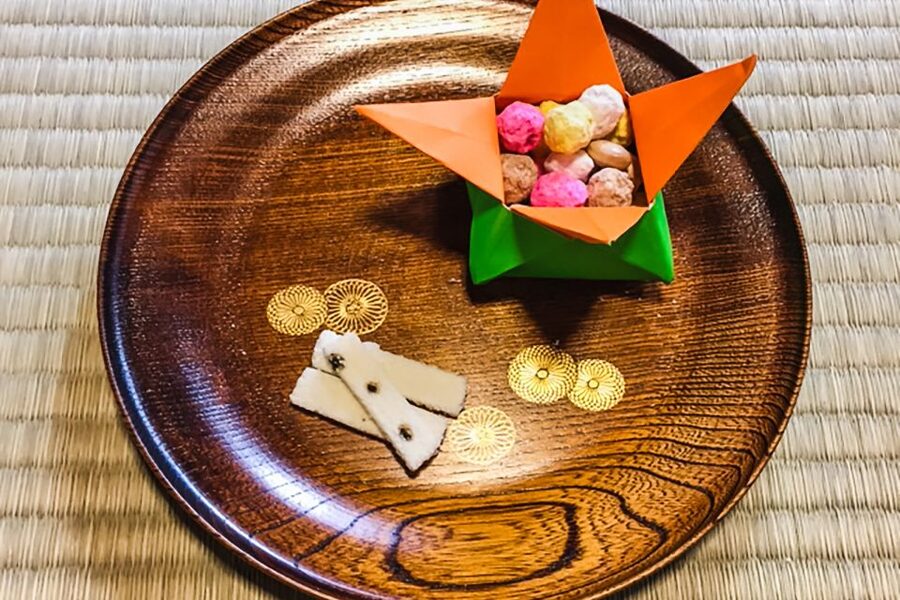
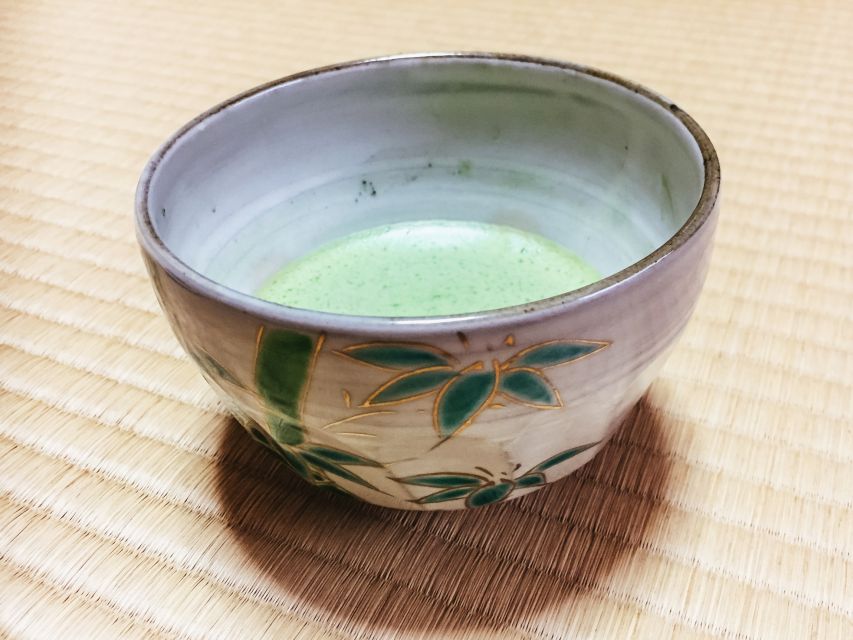
The price includes two flavors of Japanese green tea and traditional Japanese sweets. The sweets are not just a snack. In tea ceremony, a sweet balances the bitterness of matcha and prepares your palate for the tea.
If you normally find matcha too bitter, this may be a pleasant surprise. Several participants have described the tea as smooth, high quality, or sweeter than expected. One particularly enthusiastic account singled out Koto Organic Ceremonial Matcha.
Taste can vary with preparation, but the lesson gives you a useful comparison. You learn that the flavor depends on more than the tea powder itself. Water, whisking, and the way the tea is made all matter.
The food is modest rather than a meal. Do not arrive expecting a substantial tasting menu. Think of the sweets as a traditional part of the lesson, served to support the tea and the ceremony.
Kimono photographs and Nishijin textiles
A kimono rental is available as an add-on. The host helps you put it on, and you can take photographs after the ceremony. Several people have found that the kimono made the experience feel more complete, especially for families and first-time visitors to Japan.
The kimono option does require planning. You must reserve it ahead of time and arrive 20 minutes before the ceremony. Hair setting is not included, so you should not expect a full beauty appointment.
After the ceremony, you can see examples of kimonos and woven textiles from Nishijin, the Kyoto district known for textile production. This adds a useful local detail. You are not only looking at a costume for photographs. You get a glimpse of the cloth traditions connected to Kyoto.
Photography is allowed after the ceremony, but video is not. The host may take pictures for you, which is handy if you are traveling as a couple or family.
Private, public, or candlelight: choosing the right mood
The private ceremony gives your group exclusive time with the tea master. This is the best fit if you want to ask many questions, need a slower pace, or prefer a quiet setting. It can also work well for families who want the host’s attention directed toward them.
The public ceremony places you in a small group with other participants. This option is sociable and closer to the way Japanese beginners might learn together. It should also be the most sensible choice if you mainly want the core lesson at the lowest price.
The candlelight ceremony takes place after sunset and uses traditional candlelight to create an old Kyoto atmosphere. It is still a serious lesson, not a theatrical show. The dim setting adds mood, but you should be comfortable with a quieter, more restrained experience.
The candlelight option has worked particularly well for families and for people who want a memorable evening activity. It can also be useful if you have spent the day visiting temples and prefer to schedule the tea lesson later.
Is $22 good value in Kyoto?
At $22 per person, this is a strong value for a guided cultural activity in Kyoto. The fee covers instruction from a licensed tea master, two types of green tea, Japanese sweets, and the chance to prepare your own matcha.
The value is highest if you want to understand the ceremony rather than simply take a photograph in a kimono. You receive context about the tradition, learn the etiquette, and practice the tea-making method.
The 45-minute length keeps the cost and time commitment low. You can fit it around Kinkakuji, Ryoanji, or other northern Kyoto sights without giving up half a day. The tradeoff is that the schedule is tight. One person found the beginning and ending somewhat rushed, and that is easy to understand when the demonstration, explanation, practice, sweets, and photographs all share less than an hour.
If you want a long meditation-style session or a detailed study of tea utensils, this is not the right format. If you want a well-structured first lesson, the price is hard to fault.
Who should book this experience?
I would recommend it to anyone who wants a serious introduction to Japanese culture. It suits first-time visitors, couples, families, and people who have already seen plenty of temples and want to take part in something rather than simply look at it.
It is also a good choice for matcha beginners. You do not need to enjoy powdered tea already. The host explains the taste and preparation, and the sweets help balance the bitterness.
The experience suits visitors who value quiet instruction. It is less suitable if you want a lively performance, constant photography, or a loose activity where you can arrive whenever you like.
Families should consider the private option if children may need extra help with floor seating or ceremony etiquette. Older participants can request chairs if sitting on tatami is difficult.
The kimono add-on is worth considering if photographs matter to you. It adds a visual memory and helps you feel part of the setting, but it also adds preparation time. If you choose it, build in the required 20 minutes before the start.
Practical timing and arrival advice
Arrive on time. A few people have been allowed to join after arriving several minutes late, but that is not something to count on. Missing the opening explanation means you may lose the context that makes the rest of the ceremony easier to follow.
The activity does not include hotel pickup. Public buses are the practical way to reach the tea house. From Kitaoji subway station or JR Enmachi, bus 204 or 205 takes about 10 to 15 minutes, followed by a short walk.
The tea house is close to Kinkakuji, so an easy plan is to visit the temple first and attend the ceremony afterward. Check your timing carefully, since the large taxi stand near the activity usually opens around 5:30 PM, and calling a taxi immediately after the lesson may be difficult.
Free cancellation is available up to 24 hours before the start time, and you can reserve now and pay later. Those policies help if your Kyoto schedule is still shifting, but you should still reserve the kimono in advance.
What makes the experience feel authentic
The strongest feature is the refusal to strip away every rule for visitors. You learn how to behave during the ceremony, not just how to whisk green powder into hot water.
That may feel formal at first. In return, you get a clearer picture of the patience and care built into the art. The quiet room, floor seating, careful gestures, sweets, and tea all work together.
The no-video rule also helps. You may miss having a recording, but you are more likely to notice the explanation and the small movements in front of you. Take photographs at the end, then put the phone away.
The atmosphere is not always identical from one session to another. A host may be warm and relaxed, or more direct when correcting manners. Either way, approach the activity with respect and curiosity. You will get more from it if you accept that the ceremony has its own pace and rules.
Should you book the Kyoto tea ceremony?
Book it if you want a short, affordable, properly taught introduction to tea ceremony near Kinkakuji. The combination of a licensed Urasenke tea master, hands-on matcha preparation, Japanese sweets, and optional kimono makes this more useful than a simple demonstration.
Choose the private or candlelight option if atmosphere and personal attention matter most. Choose the public session if you want the best value and do not mind learning with others.
Skip it if you want a casual photo stop, a full meal, or a long unstructured afternoon. For everyone else, this is a thoughtful 45-minute pause in a busy Kyoto itinerary, with enough instruction to make the tradition meaningful and enough hands-on practice to remember it.
FAQ
How long does the Kyoto tea ceremony experience last?
The tea ceremony lesson lasts 45 minutes. If you choose the kimono add-on, arrive 20 minutes before the scheduled start.
Where does the tea ceremony take place?
It takes place near Kinkakuji in Kyoto, at a building entered through a sliding door with an orange curtain. The location is a one-minute walk from the Kinkakuji-Michi city bus stop and about one minute from the Kinkakuji gate.
Is the tea ceremony taught in English?
Yes. The instructors speak English and Japanese. The host is a licensed Urasenke tea master.
What is included in the price?
The experience includes two flavors of Japanese green tea and traditional Japanese sweets. Hotel pickup, hair setting, and a kimono are not included.
Can I wear a kimono during the ceremony?
Yes. A kimono can be selected as an add-on during booking. You must reserve it in advance and arrive 20 minutes early. Hair setting is not included.
Can I take photographs or record video?
Photographs are allowed, including photographs after the ceremony with the kimono option. Video recording is not allowed.
Can I participate if I have difficulty sitting on the floor?
Yes. Tell the provider in advance if sitting on tatami may be difficult. Chairs can be provided.
Newly steeped around Kyoto
- Whisk Your Own Matcha: A Zen Matcha Experience at Temple★ 3.6 · 7 reviews
- Kyoto: Authentic Tea Ceremony in a Small Group★ 5.0 · 7 reviews
- Tea ceremony at Kyoto’s Zen Temple Teahouse★ 5.0 · 2 reviews
- Uji Walking Tour – Byodo-in temple and Tea Ceremony from Kyoto★ 3.5 · 3 reviews
- Tea Ceremony Experience in Traditional Kyoto Townhouse★ 5.0 · 19 reviews
- Tea Ceremony in 150 Years Old Townhouse with Tables and Chairs★ 5.0 · 22 reviews
- Silent Beauty of Kyoto Zen Walk and Tea Experience★ 5.0 · 2 reviews
- Traditional Tea Ceremony in Kyoto★ 4.5 · 3 reviews
Tea Ceremony Experiences, compared.
Kyoto: Tea Ceremony in a Traditional Tea House in Kiyomizu
Read our review →
Kyoto: Table-Style Tea Ceremony at a Kyo-Machiya
Read our review →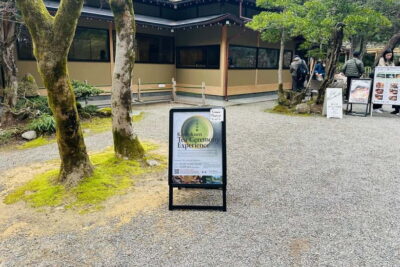


Browse the lists this tea experience appears in